Wearables
Apple Watch Ultra 3 vs Garmin: Which Training Watch Wins for Athletes
A practical head-to-head comparison of the Apple Watch Ultra 3 and Garmin for serious training, covering GPS accuracy, data tracking, usability, and recovery metrics.
Introduction
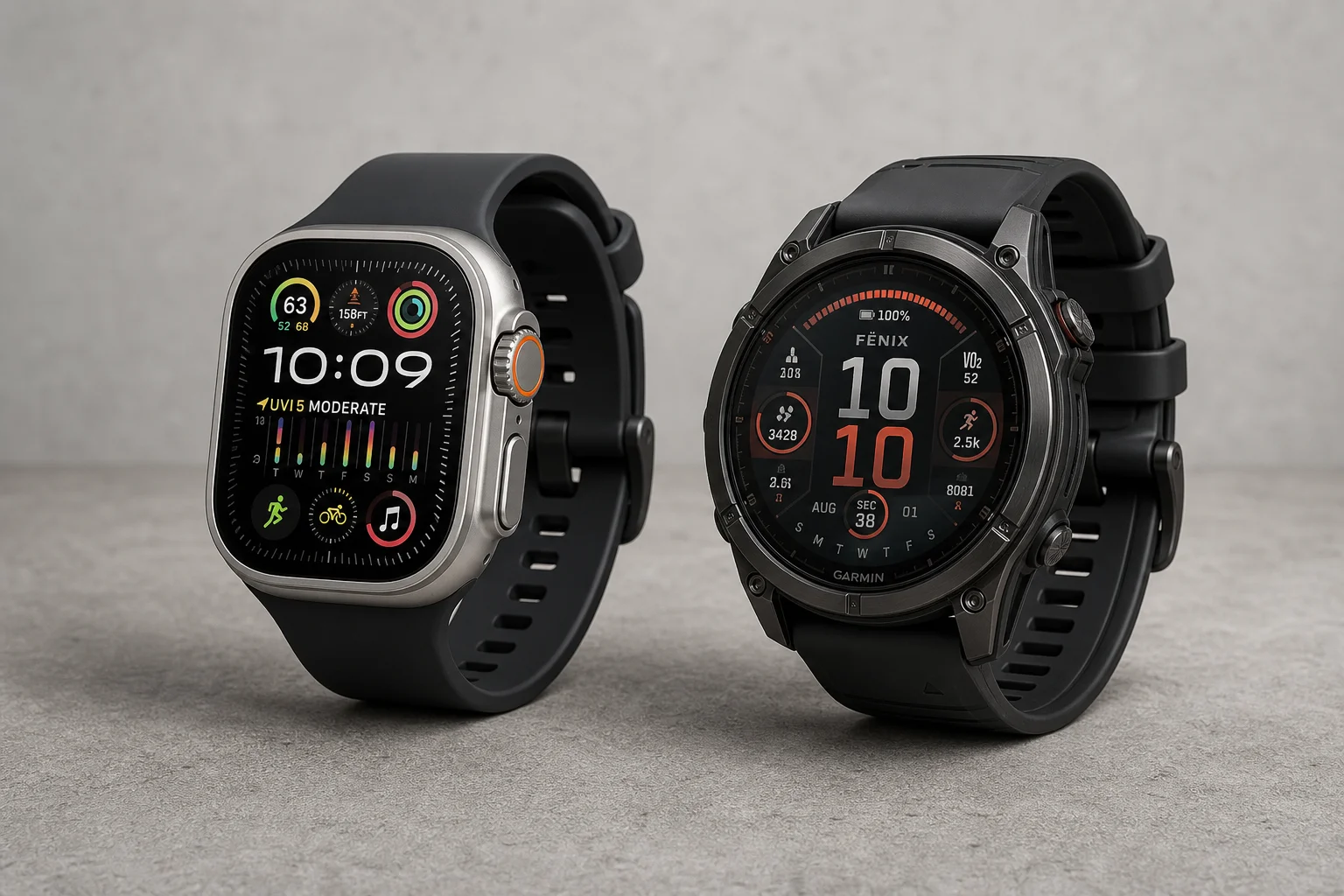
The Apple Watch Ultra 3 and Garmin represent two fundamentally different approaches to training watches. One prioritizes lifestyle integration and daily convenience; the other is purpose-built for athletic performance. After extended real-world testing across running, lifting, and conditioning work, the choice comes down to what matters most: precision or convenience.
Comfort and Wrist Feel
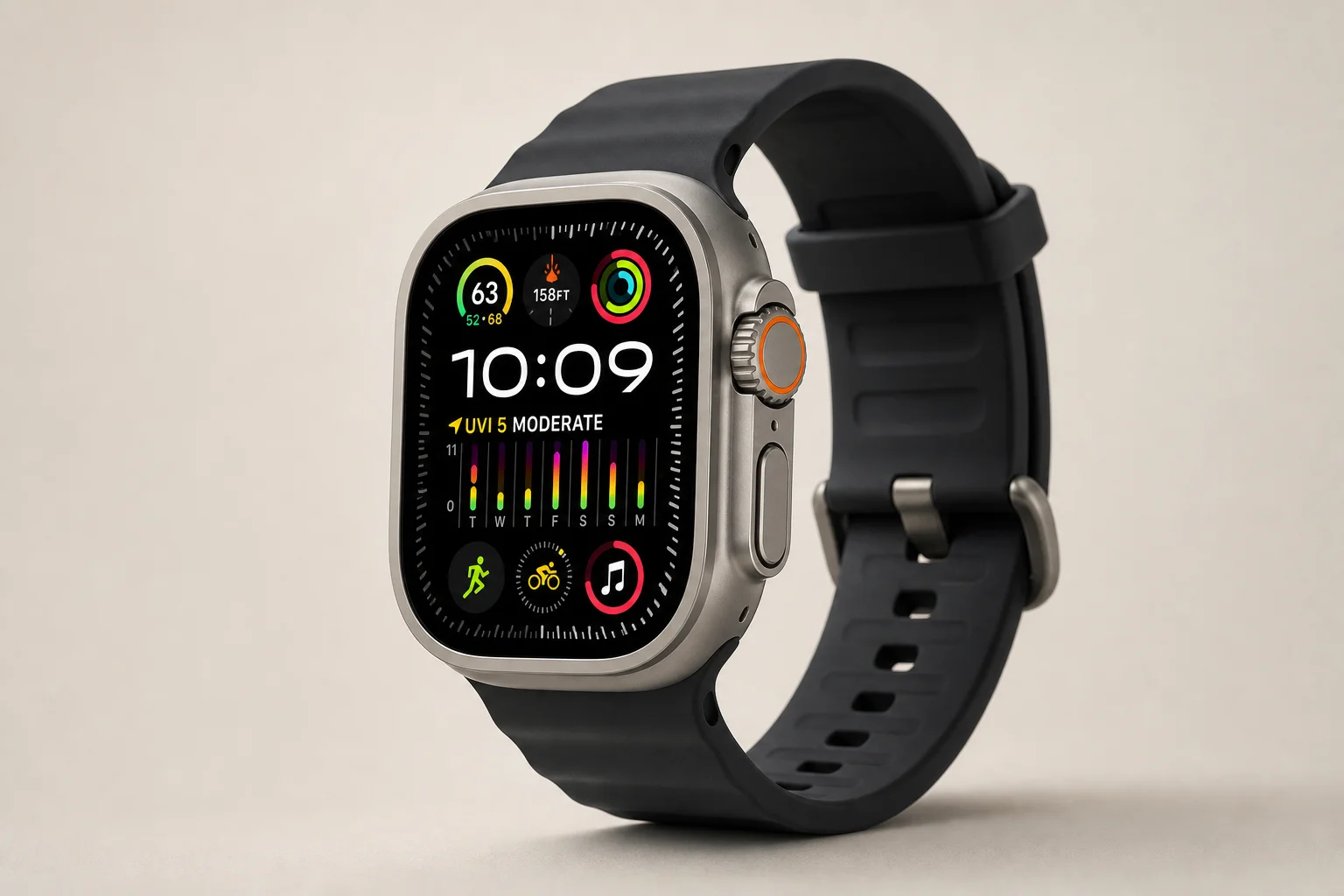
The Apple Watch Ultra 3 feels noticeably more comfortable during extended wear. Its sleek design and refined strap system sit naturally on the wrist, and during runs it essentially disappears. The Garmin, by contrast, is bulkier and more angular. Its larger footprint and stiffer construction make it noticeable during movement, particularly on longer sessions.

For athletes who wear their watch all day and train twice daily, this comfort difference accumulates. The Apple Watch’s ergonomic advantage is genuine and measurable.
Training Data Screens and Usability
During active training, the Garmin pulls decisively ahead. Its physical buttons allow you to start, stop, and navigate without breaking stride or looking down. The Apple Watch requires swiping and tapping, which often results in missed inputs or selecting the wrong metric mid-run.
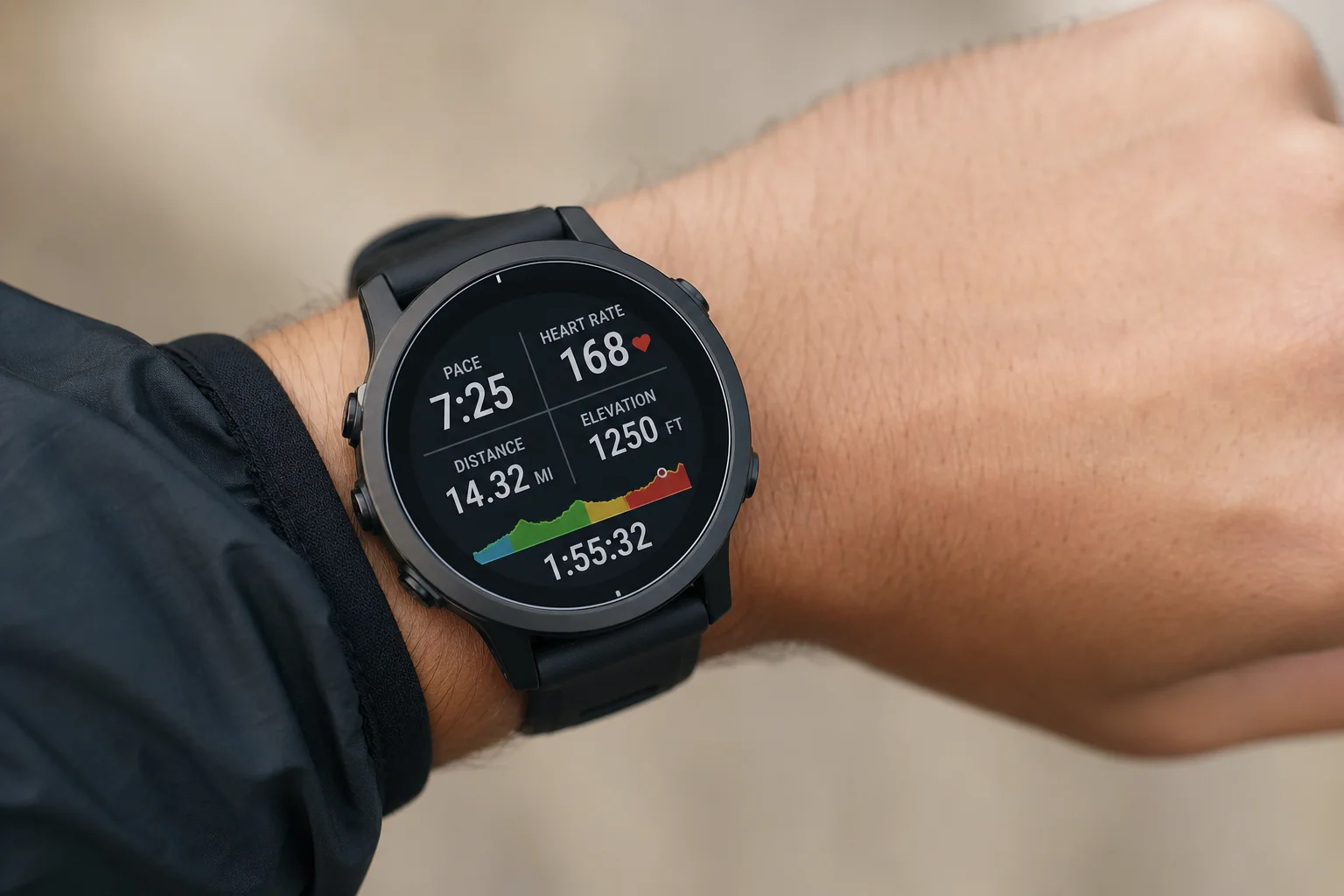
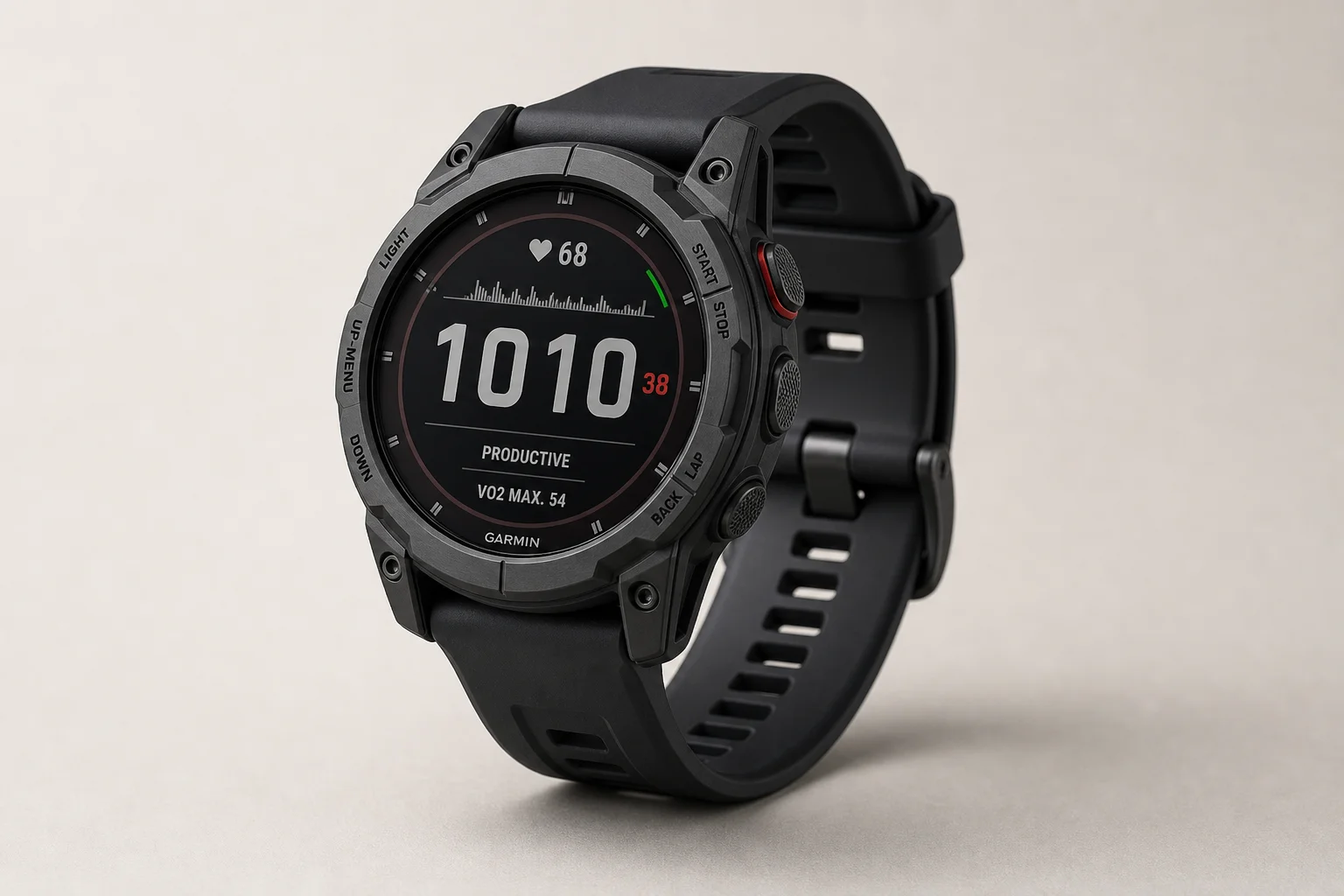
The Garmin’s data screens are also clearer and more customizable. You can see pace, heart rate, distance, and elevation at a glance, with additional metrics one button press away. The Apple Watch displays the same information but requires more menu scrolling to find what you need. For athletes tracking multiple metrics in real time, this is a meaningful usability gap.
GPS Accuracy and Distance Tracking
This is where the Garmin’s athletic heritage shows. In every test conducted, the Garmin’s GPS consistently registered distances sooner than the Apple Watch. On a 5K run, the Garmin completed the distance 17 seconds before the Apple Watch. Over longer distances—half marathons, full marathons, or triathlons—this gap compounds into a significant accuracy difference.
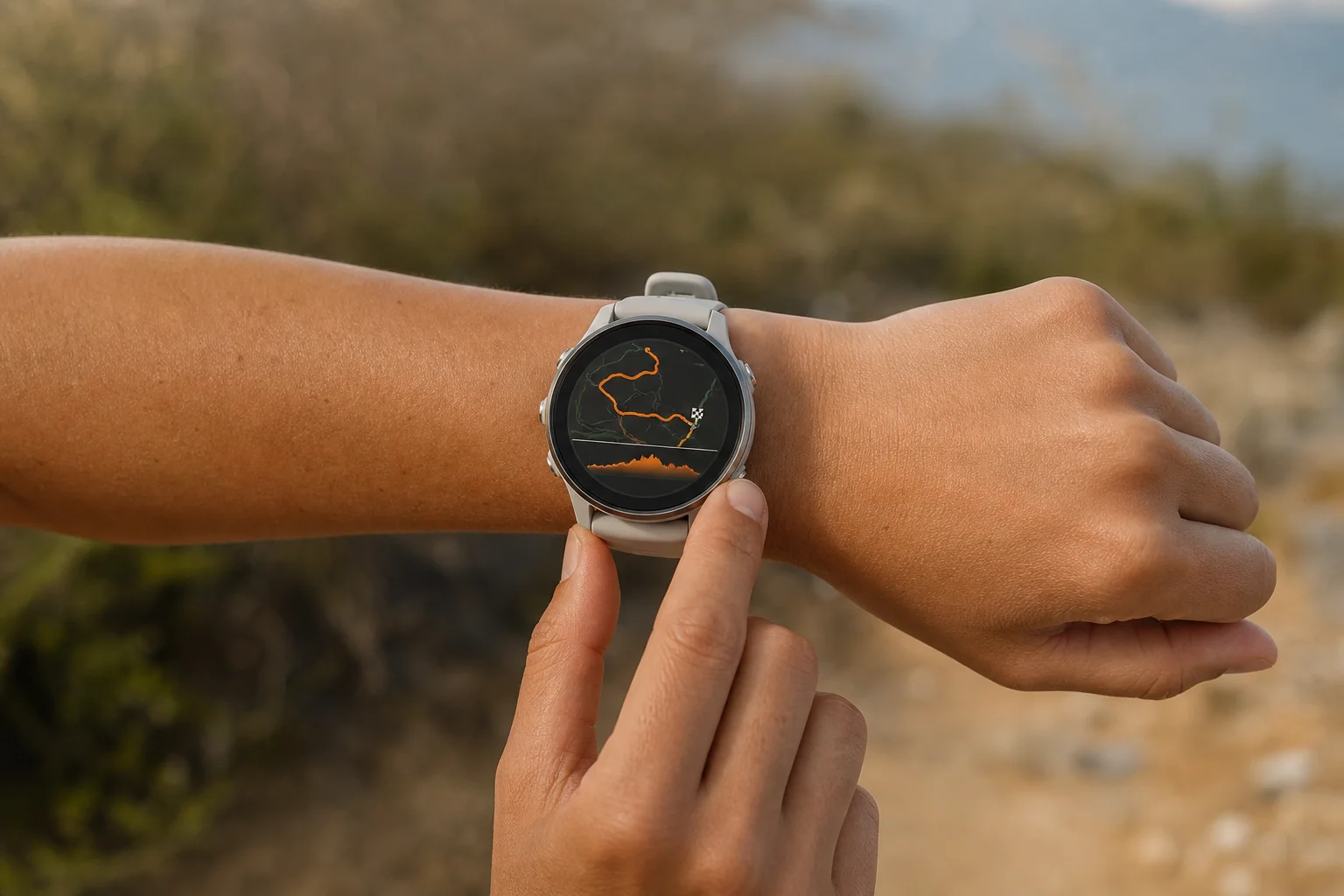
For endurance athletes where precise distance and pacing are critical, the Garmin’s superior GPS performance is a dealbreaker advantage. The Apple Watch is adequate for casual training but falls short for serious distance work.
Lifestyle and Smart Features
The Apple Watch fights back here with a clear advantage. Reminders, calendar notifications, message checks, call handling, and camera control all work seamlessly from the wrist. Running without a phone is genuinely convenient. The Garmin can technically handle music and offline running, but the setup and integration feel clunky by comparison.
For a coach or athlete juggling multiple commitments, the Apple Watch’s smart features are genuinely game-changing. The Garmin simply doesn’t compete in this space.
Sleep and Recovery Tracking
Apple’s sleep tracking is visually polished but surface-level. It tells you how long you slept, not how well. Garmin’s recovery metrics—HRV, body battery, training load—go much deeper and prove remarkably accurate. Athletes often report that Garmin’s recovery scores align with how they actually feel the next morning.
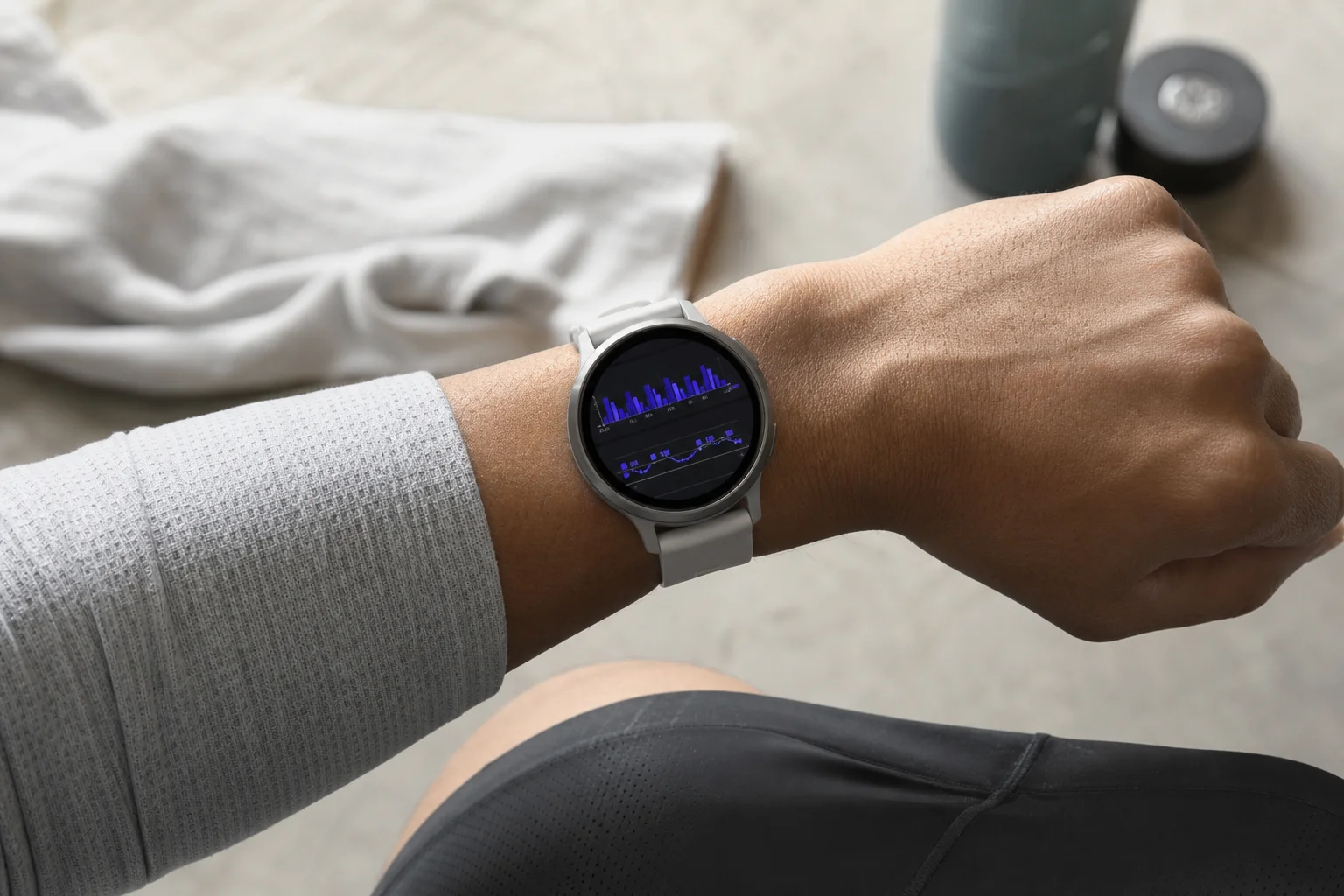
For serious training, where recovery is as important as the work itself, Garmin’s analytics provide actionable insights that the Apple Watch cannot match.
Conclusion
The Apple Watch Ultra 3 is the coach’s watch: organized, connected, and integrated into daily life. The Garmin is the athlete’s watch: rugged, accurate, and purpose-built for performance. Your choice depends on whether you value precision or convenience more. For pure training data and GPS reliability, Garmin wins. For lifestyle integration and daily usability, Apple wins. Neither is objectively better—they serve different priorities.
Further reading
Related Reviews
Wearables
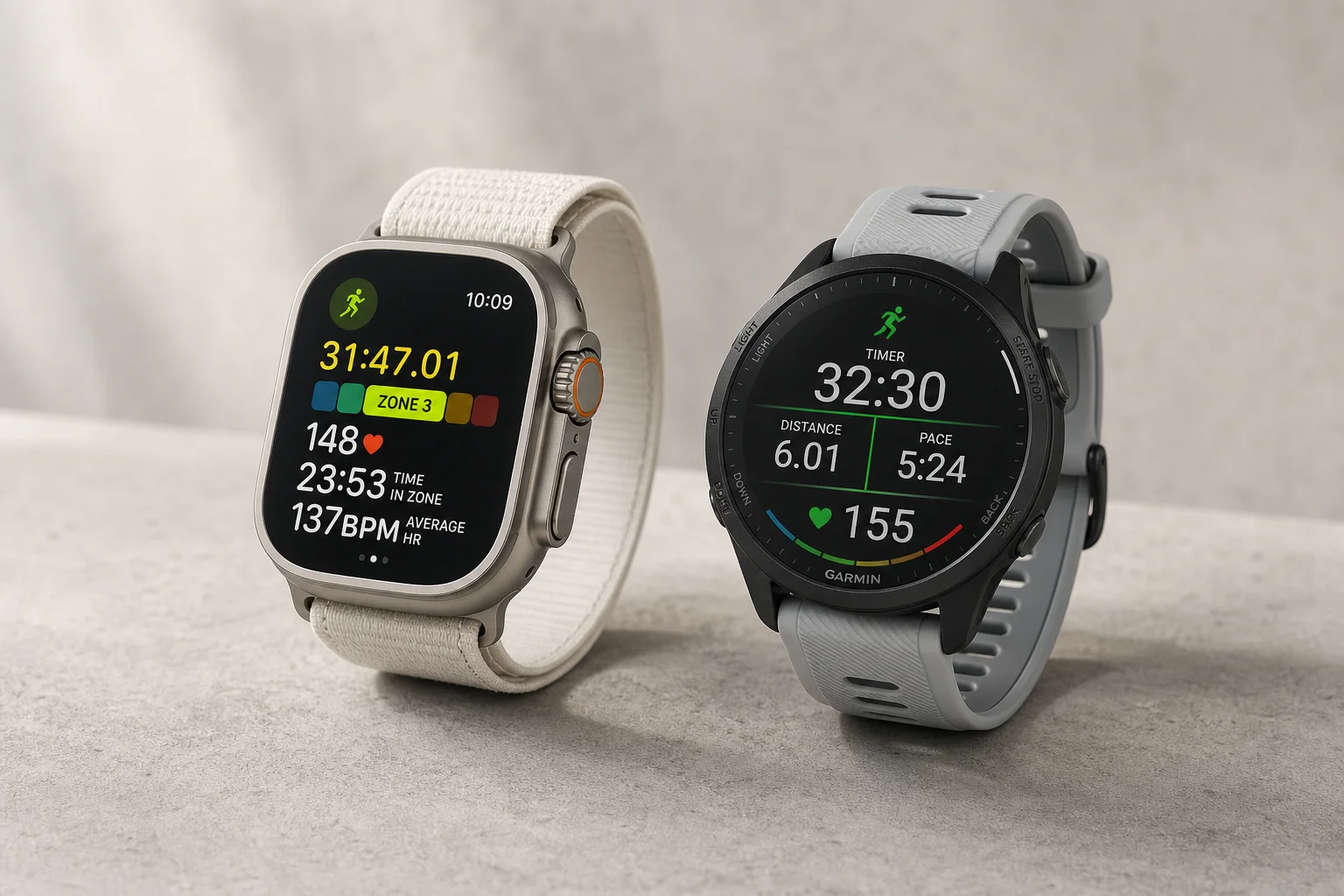
Apple Watch vs Garmin for Running: A Year of Training Compared
After a year training for marathons with both devices, here's what actually matters when choosing a running watch.
Outdoor Gear
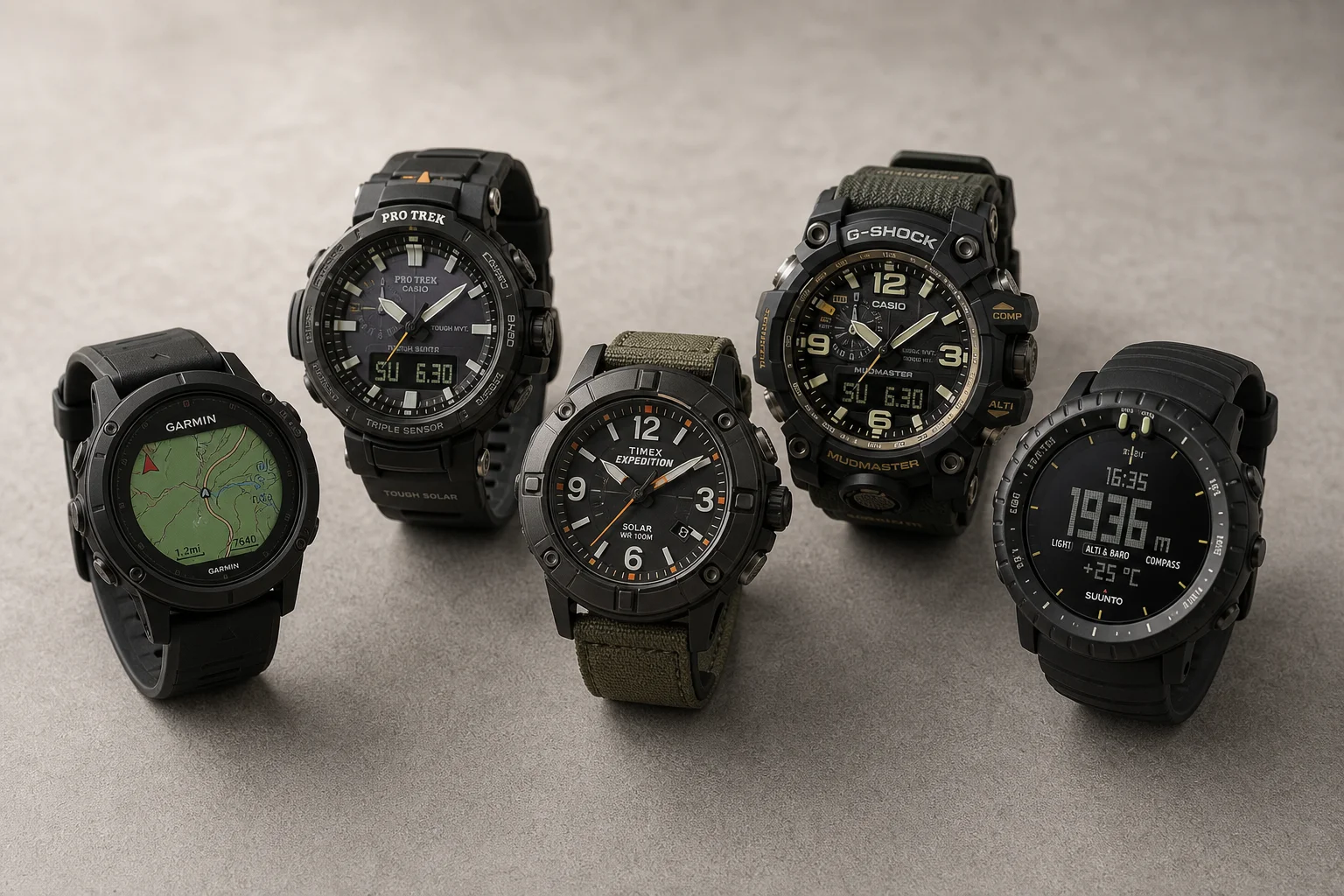
Best Affordable Hiking Watches: Five Rugged Options for Outdoor Adventures
Five durable hiking watches that balance ruggedness, functionality, and value for outdoor enthusiasts who need reliable GPS tracking and weather resistance.
Smartwatches
Best Budget Smartwatches 2026: Five Affordable Options That Actually Work
Five budget smartwatches tested for real daily use. From entry-level options to premium features at fraction of the cost, here's what actually delivers.