Floorstanding Speakers
Wharfedale Elysian 4 Review: Flagship Tower Sound Without the Six-Figure Bill
A three-way flagship tower with an AMT tweeter, a genuinely inert cabinet, and a value story that undercuts far more expensive high-end speakers.
Introduction
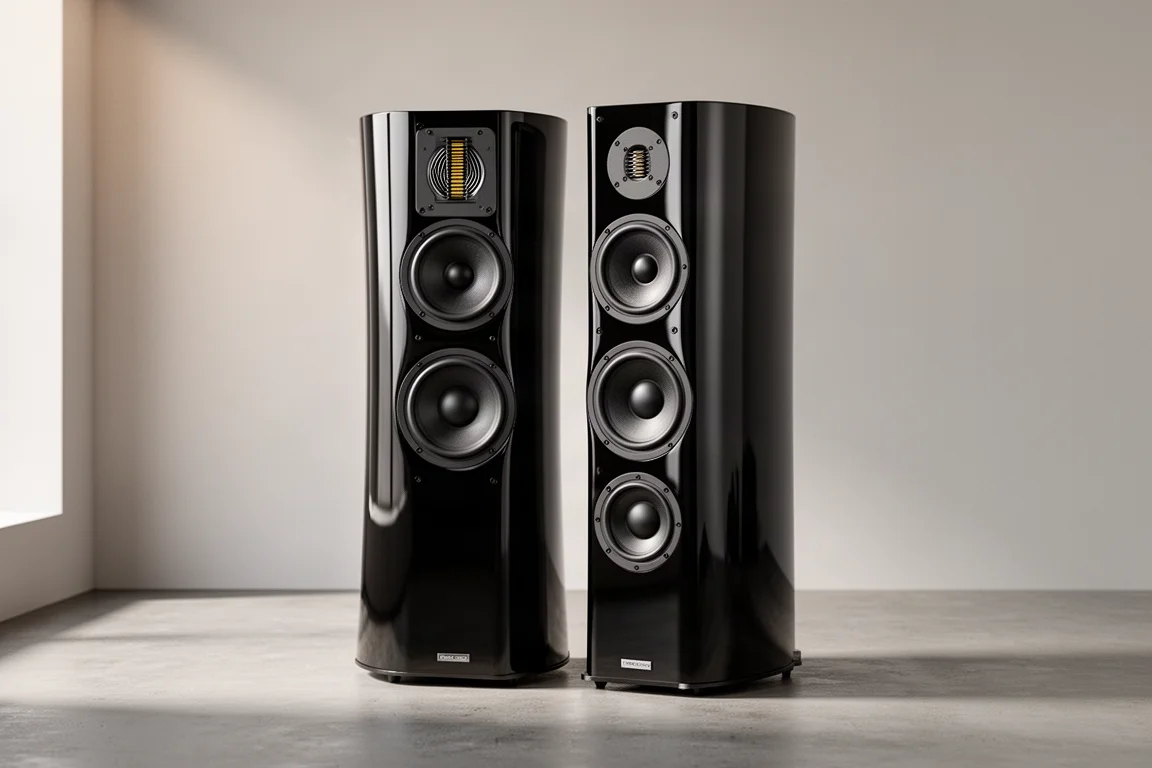
What do you actually get for your money when you step up to a high-end speaker? It is one of the most persistent questions in hi-fi, and the Wharfedale Elysian 4 is a particularly useful way to answer it. This is the brand’s flagship three-way tower, priced like a serious high-end component but asked to compete with speakers that cost several times more.
The hardware backs up the ambition. A three-and-a-half-inch air motion transformer tweeter handles the top end, supported by a six-inch mid-range driver and two eight-and-a-half-inch bass woofers. A downward-firing port helps the cabinet reach low, and Wharfedale reports a frequency response of 30 Hz to 22 kHz with sensitivity rated at 92 dB. Nominal impedance is 4 ohms, which is worth noting before you plan the rest of your system. Curved sidewalls and a relatively narrow front fascia keep the proportions manageable for a speaker of this size.
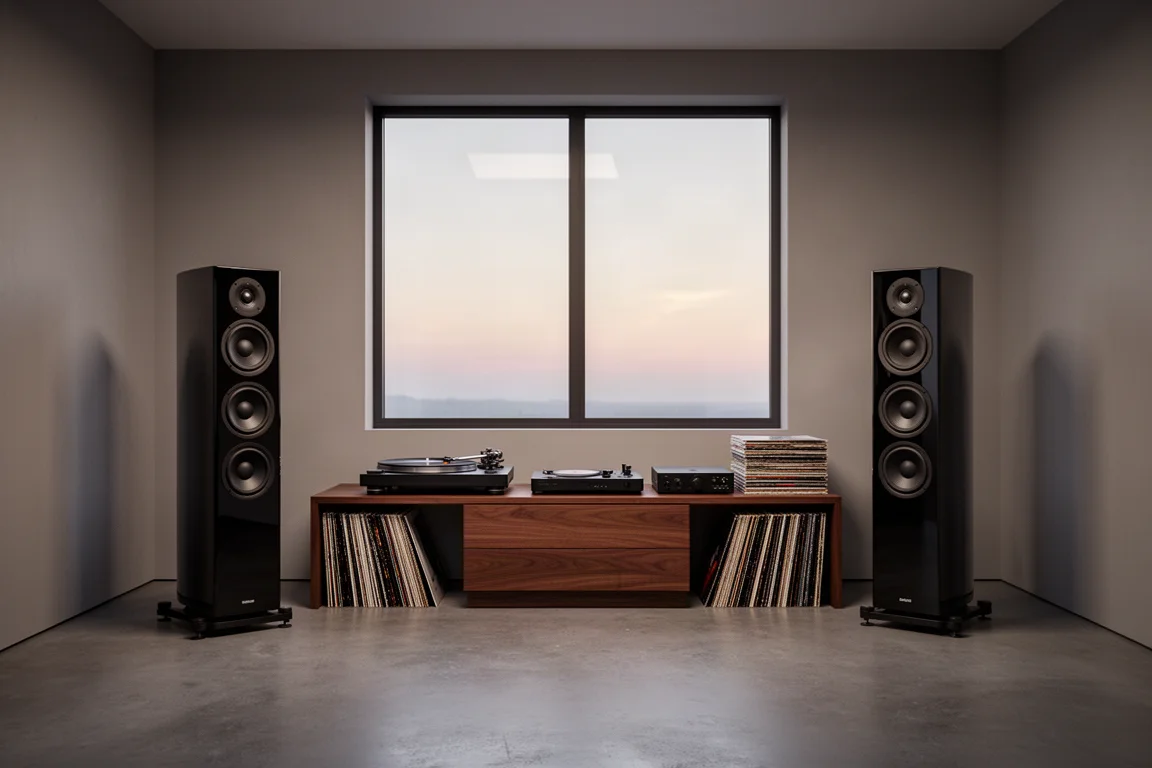
The 4-ohm load is less a warning sign than a specification to plan around. The Elysian 4 is not difficult to drive, but it does ask for an amplifier that is comfortable with a 4-ohm speaker.
Who this product is for
The Elysian 4 is aimed at listeners who want a large, genuinely high-end tower that delivers scale, dynamics, and a well-damped low end without climbing into six-figure pricing. It suits anyone who values an articulate, detailed bass presentation over sheer boom, and it makes an unusually strong case as the front pair of a high-end home theater system when paired with the matching center channel.
It also suits listeners who want their speakers to work without ceremony. Place them in the room, connect them to sensible electronics, and they sound good from the first session.
It is not, however, a speaker for a small room. The cabinets are large and the matching center channel is enormous, so space is a genuine prerequisite rather than a nice-to-have.
Main strengths
Bass is where the Elysian 4 first makes its case. The low end stays largely linear as it approaches subwoofer territory, so the speaker reads as articulate and detailed rather than boomy. There is real weight and a tactile, present quality to the bass, but the inert cabinet keeps excess bloat out of the equation. Well-damped kick drums, plucked stand-up bass, and clearly defined bass guitar lines all come through with the kind of control that makes the extra cabinet engineering audible.
The mid-range is arguably the strongest part of the design. There is a slight lift around the vocal range, which adds a touch of warmth rather than coloration: the tone stays neutral, but instruments and vocals gain a little weight and sit more solidly in three-dimensional space. Across acoustic and vocal material the mid-range is effortlessly clean, with no audible cabinet contribution, and vocals carry more dimension and definition than comparably sized, more affordable towers manage.
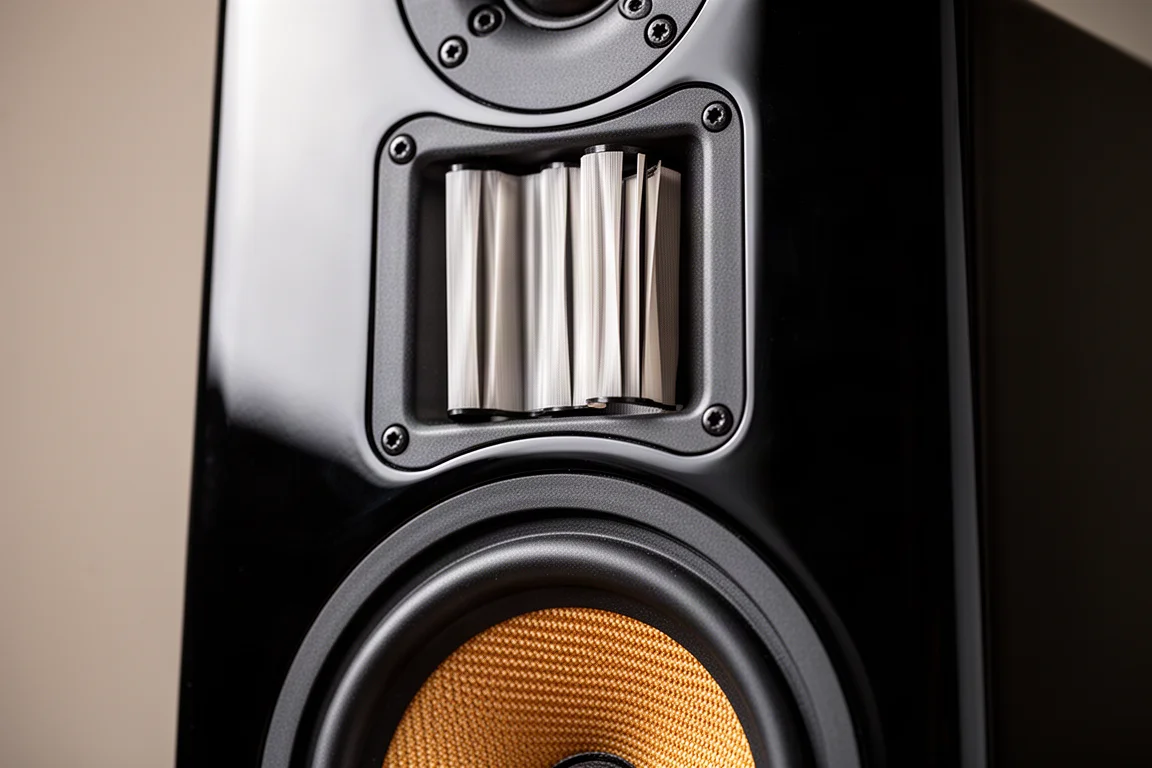
The air motion transformer tweeter deserves its own mention. AMT designs can sound clinical, but this one is extended and detailed without turning soulless, dry, or fatiguing. Poorly recorded and heavily compressed albums still sound like themselves: the speaker does not paper over their shortcomings, and it does not make them worse either. That balance is harder to achieve than it sounds.
Soundstage and dynamics
Where the Elysian 4 separates itself most clearly from cheaper competition is in the way it places sound in a room. The definition and delineation within the soundstage are close to second to none, with pinpoint focus and clean separation between instruments. Dispersion in space is superb, and the presentation unfolds with a spaciousness that holds its scale both laterally and vertically. The effect is transformative rather than subtle: you end up sitting inside the recorded event.
Dynamics are excellent, and again the cabinet does much of the work. Nothing in the speaker’s dynamic expression gets swallowed or compressed, so the Elysian 4 stays surprisingly nimble for a tower of its size. Large orchestral swings and dense action-movie sequences are handled with the same composure.
That composure extends to film soundtracks. With the matching center channel, the Elysian line makes one of the most convincing home theater trios around, and it stands comparison with high-end systems built from far more expensive speakers.
Build quality and design
Build quality is where much of the price difference lives. The cabinet is genuinely inert, and the bracing and damping inside are obvious the moment you knock on a sidewall. The result is a speaker that deserves to be mentioned in the same conversation as established high-end names.
The design itself is tidier than the dimensions suggest. Curved sidewalls and a narrow front fascia give the tower a more streamlined look than most speakers of this size, and the range is offered in piano gloss finishes across black, white, and walnut.
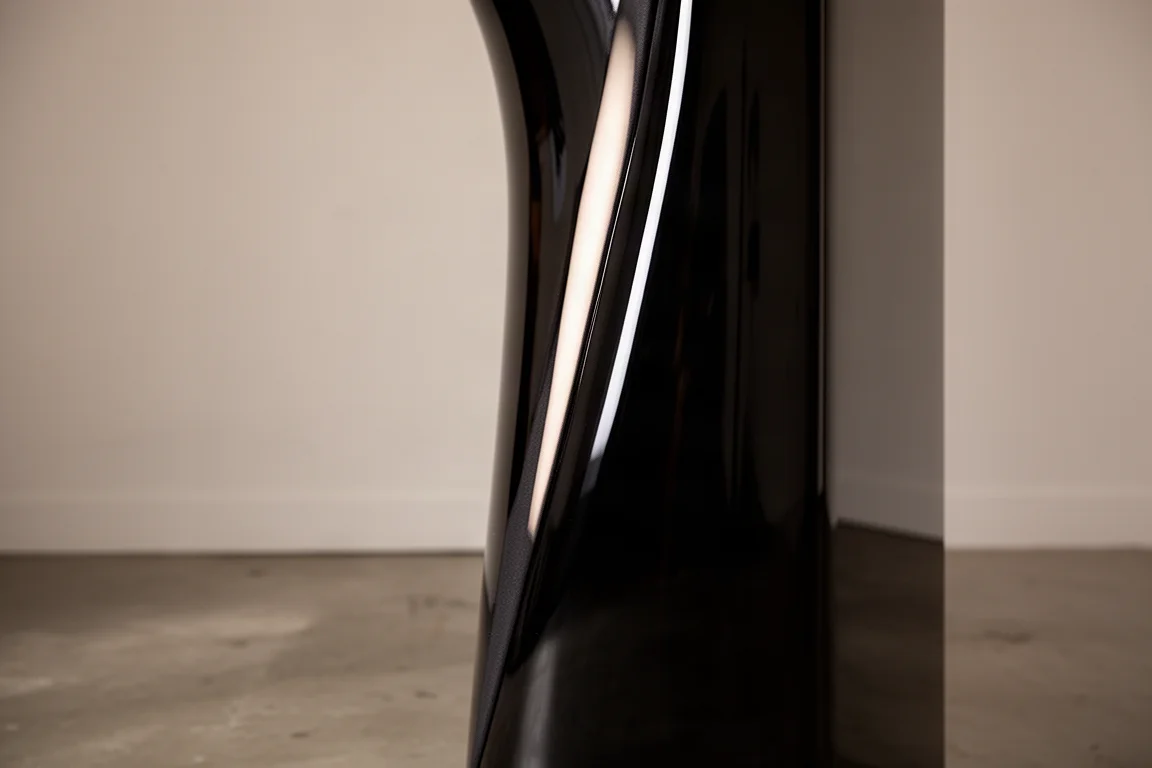
That gloss finish is also the most debatable design decision. It looks expensive, but it behaves like a mirror, and in a home theater the reflections are difficult to ignore.
Things to consider before buying
The first consideration is size. These are large speakers, and they can feel overwhelming even in a room that is larger than average. The matching center channel is bigger still, close to the size of a small tower at around 88 pounds, and that has knock-on effects.
The optional center channel stand is a good example. It lifts the speaker roughly 17 to 18 inches off the floor, which, combined with the height of the cabinet itself, can push your television or projection screen higher than is ideal for a seated viewing position. A lower stand, or one with a slight upward tilt, would solve the problem more elegantly.
Finish is the second consideration. Piano gloss is reflective, and that is a particular problem for the center channel, whose top surface can act like a mirror directly beneath a television. A matte option, at least in black, would be a welcome addition, especially for anyone building a home theater around these speakers.
Amplification is the third. Budget for an amplifier that is comfortable driving a 4-ohm load and that delivers at least 50 to 75 watts per channel. That is a practical baseline rather than a demanding target.
Buying advice
The good news is that the Elysian 4 does not require electronics that match its price. A Marantz SR8015 AV receiver drove a pair to near perfection in a home theater setup, and a mid-priced class AB integrated amplifier turned out to be the favorite pairing of all. Standout results came from a Rotel 1592 Mk II and from higher-powered integrated designs. An integrated amplifier in the region of $3,000 already delivers effectively the full capability of the speaker, so spending more becomes a matter of refinement rather than unlocking performance.
Value is the more interesting question, and it is worth being honest about it. In-room measurements land close to a well-regarded tower that costs a fraction of the price, such as the Polk R700, and the difference between the two is not night and day. If the Elysian 4 is a ten for a high-end speaker, that more affordable tower is a solid nine. The Wharfedale is the better speaker and the other is the better value, with the gap measured in the last few percentage points of performance.
Against genuinely expensive high-end rivals, the picture changes. Towers that sell for around $17,000 and $26,000 do not deliver a clear performance advantage here, and the Elysian 4 is every bit their equal in the ways that matter. For listeners chasing an end-game speaker without six-figure spending, that makes it something close to a bargain.
Conclusion
The Wharfedale Elysian 4 answers the question it sets out to answer. What you get for the extra money is not a dramatically better set of measurements, but a more inert cabinet, likely better crossover components, and a presentation that sounds different in ways that are easy to appreciate once you hear it. Pair it with an amplifier that handles a 4-ohm load, give the speakers room to breathe, and the Elysian 4 delivers a level of soundstage, dynamics, and mid-range focus that normally sits several price brackets higher.
Product link
View more details for Wharfedale Elysian 4
This product is mentioned in the review. Check the specifications, options, and compatibility before buying.
View more details for Wharfedale Elysian 4Further reading
Related Reviews
Floorstanding Speakers
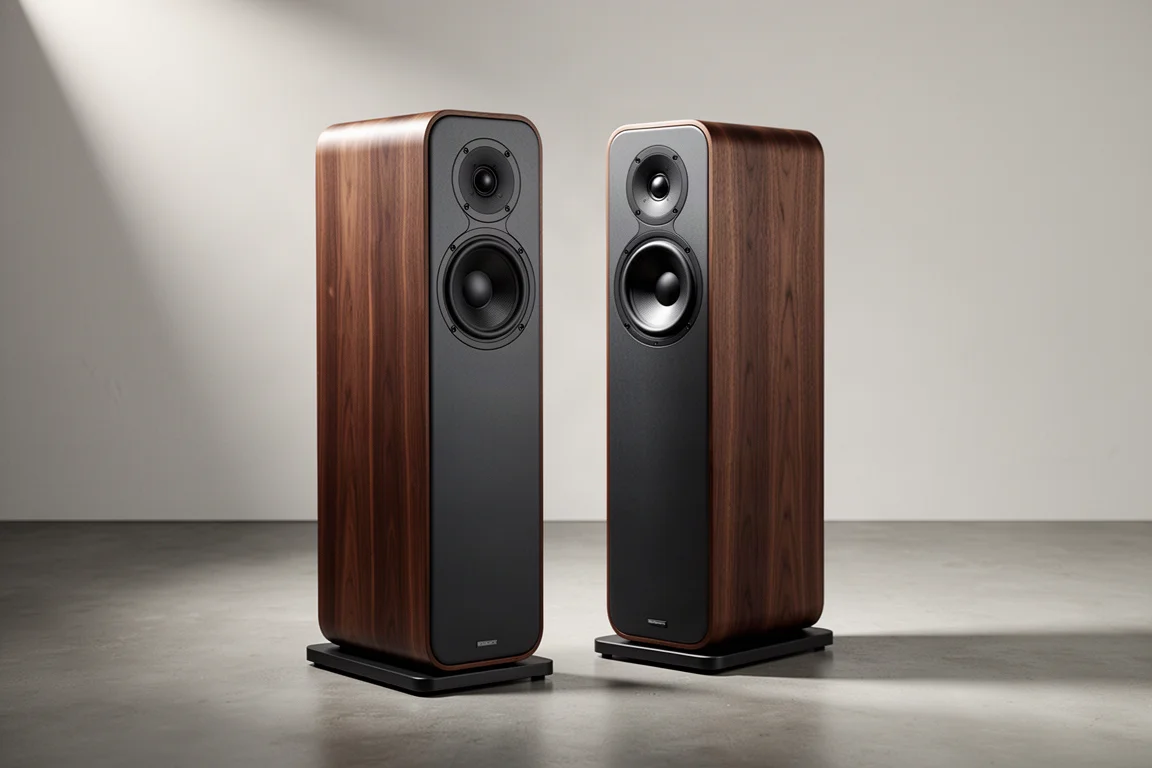
Acoustic Energy AE109 Mark II Review: A Refined Floorstander at £699
The Acoustic Energy AE109 Mark II is a slim, warm sounding floorstander that delivers clarity, midrange body and strong imaging in small to medium rooms.
Floorstanding Speakers
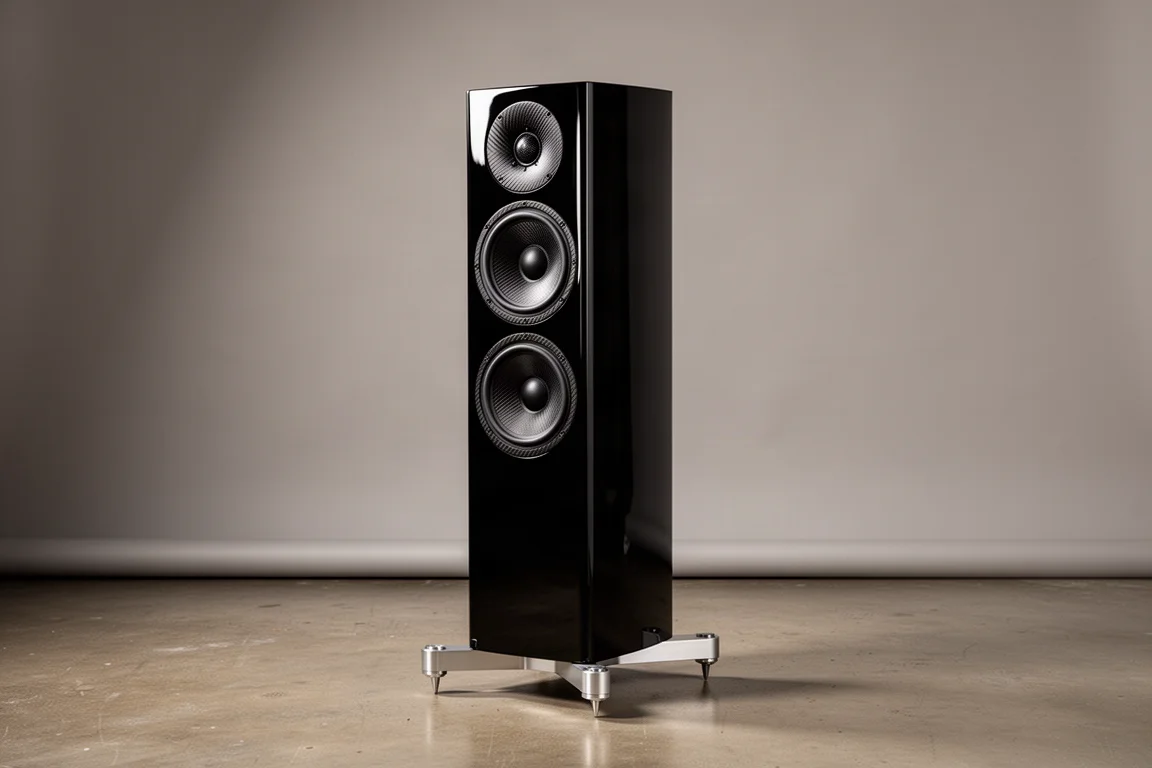
Acoustic Energy AE509 Review: A Slim Floorstander With Deep, Defined Bass
A practical look at the Acoustic Energy AE509, a slim floorstanding speaker with carbon fibre drivers, deep and well-defined bass, and an easy-going character that rewards careful system matching.
Floorstanding Speakers
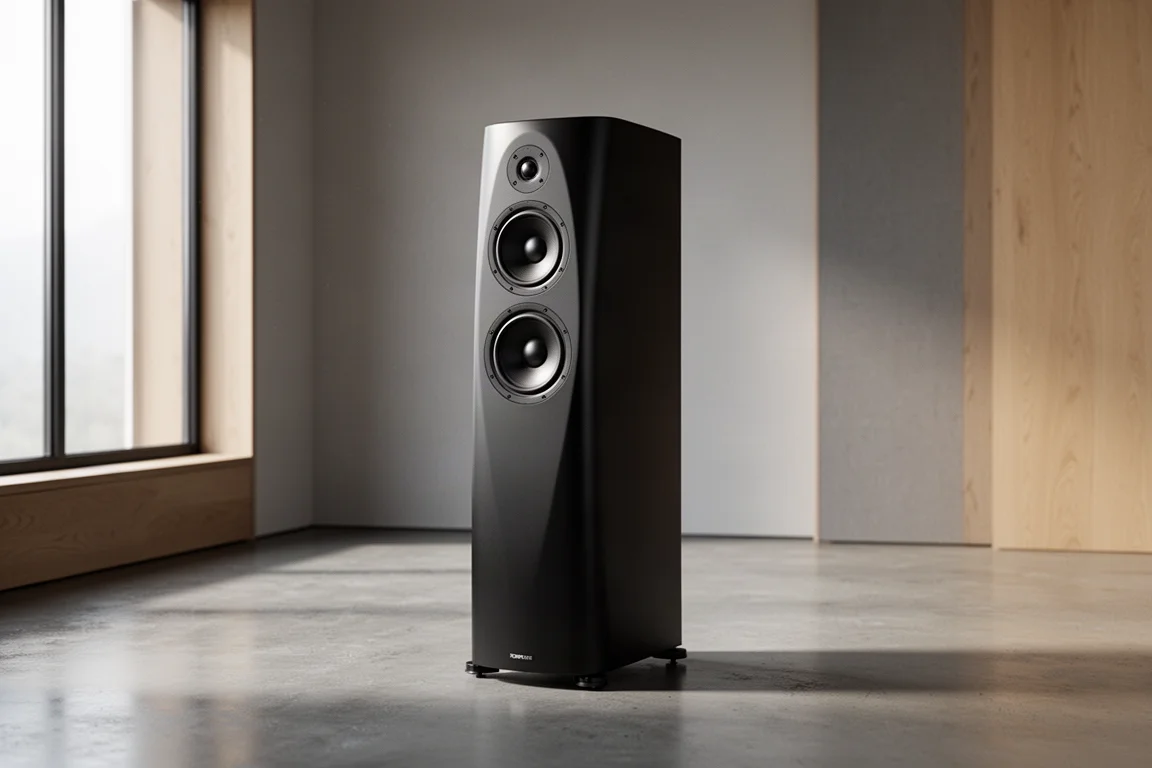
Arendal 1528 Tower 8 Review: Reference Neutrality With Real Demands
A close look at the Arendal 1528 Tower 8, a nearly five-foot, 200-pound floorstander that rewards generous space, serious power, and high listening levels with reference-grade neutrality.