Floorstanding Speakers
Acoustic Energy AE109 Mark II Review: A Refined Floorstander at £699
The Acoustic Energy AE109 Mark II is a slim, warm sounding floorstander that delivers clarity, midrange body and strong imaging in small to medium rooms.
Introduction
Floorstanding speakers at this end of the market have a reputation problem. Too often, the extra cabinet volume buys louder playback and more low frequency output rather than real gains in clarity, refinement or stereo imaging. That trade is easy to accept if you have a large room or enjoy high volume levels, but it leaves a gap for listeners who work at moderate levels in small and medium spaces.
The Acoustic Energy AE109 Mark II is built to close that gap. At £699 in the UK, it is a slim two and a half way floorstander that borrows its driver thinking from the brand’s smaller standmount model, and it makes a claim that is easy to check: that a floorstander can sound genuinely refined rather than merely large.
This article covers what the AE109 Mark II does well, where it asks for care, and which listeners it suits. The short version is that this is a far more mature speaker than its price and format suggest, and it is one of the most convincing arguments for a floorstander under £1,000.
Who This Speaker Is For
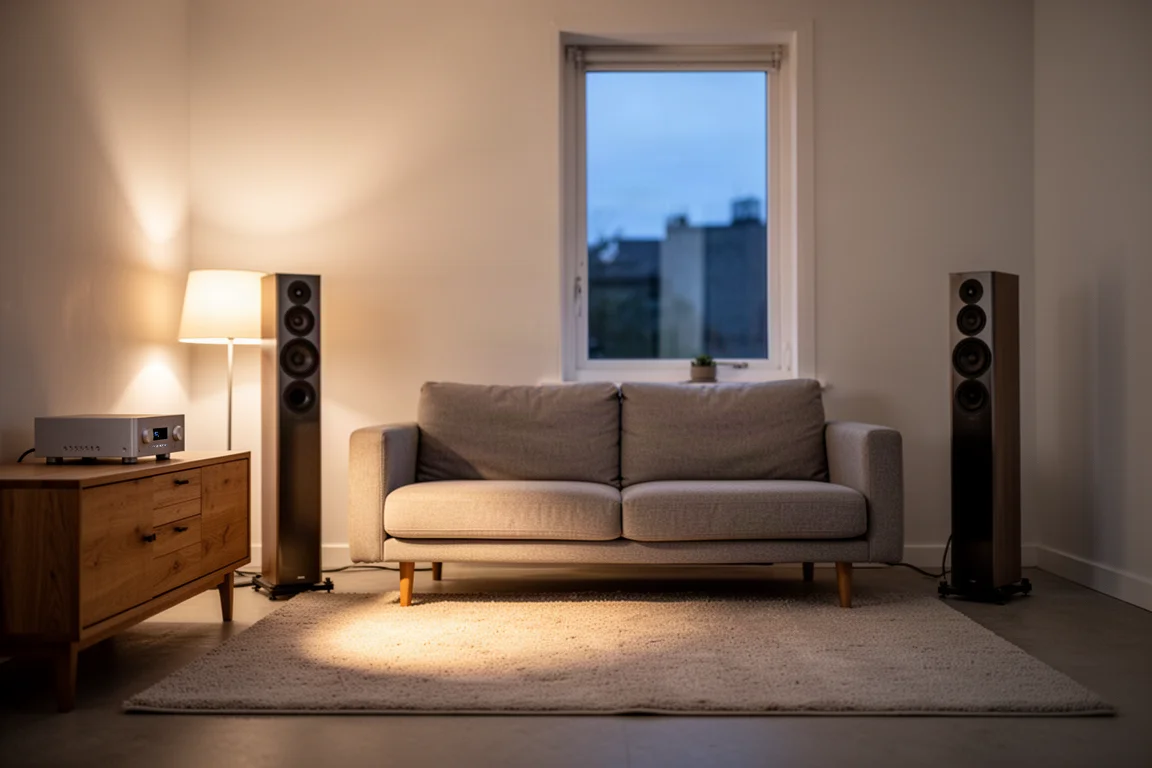
The AE109 Mark II is aimed at listeners who sit roughly two to three metres from their speakers in a small or medium room and care most about clarity, natural tonality and a convincing stereo image. If that describes your setup, this speaker deserves serious attention.
It is not the right answer for everyone. If you sit three metres or more from your speakers, or if high playback levels are part of how you enjoy music, a larger cabinet is usually the better route. This is not a speaker for anyone chasing maximum volume and bass that hits hard. It is a speaker for listeners who want refinement first and are happy to trade some low end heft for it.
Design and Build Quality
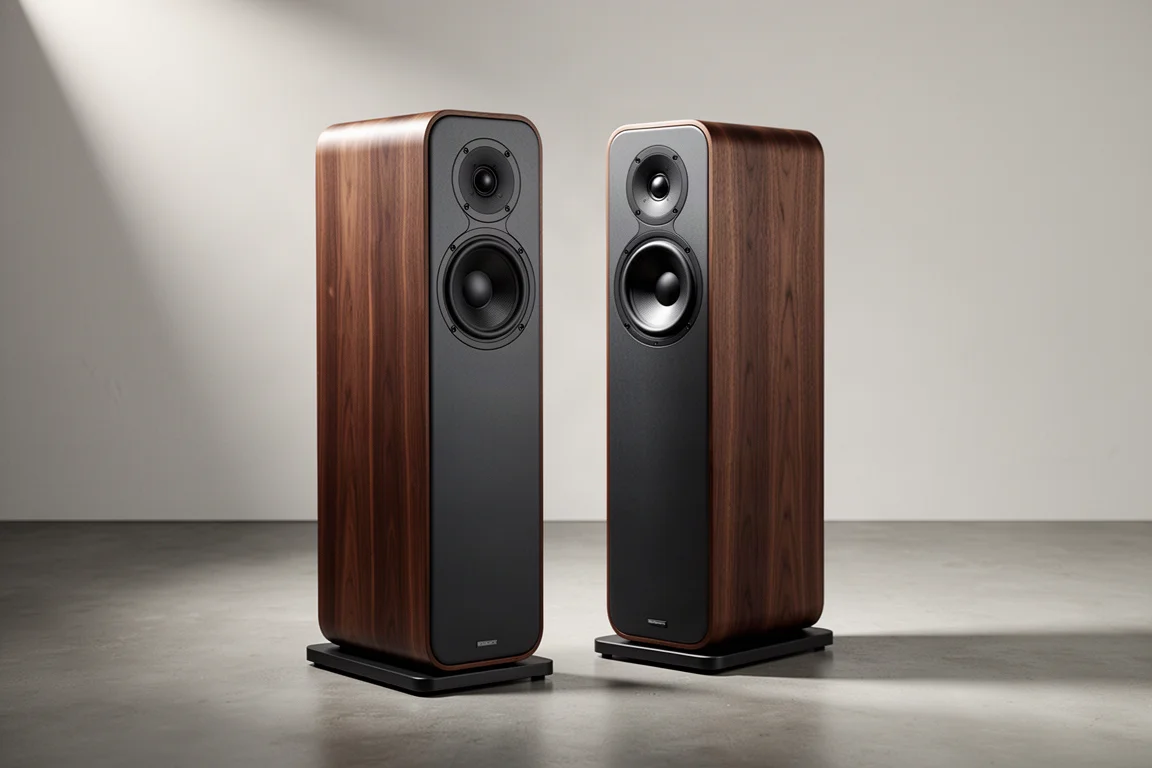
Visually, the AE109 Mark II is a genuinely elegant speaker for the money. The slim profile, curved corners and high quality walnut vinyl wrap give it a look that is closer to premium designs than to typical budget floorstanders. A satin black finish is also available, which makes more sense in a dark home cinema room where you would rather the speakers did not draw attention to themselves.
The cabinet is built from HDF rather than MDF, which is how Acoustic Energy keeps the enclosure so narrow while still controlling resonance. Each speaker measures 860 x 165 x 250 mm (33.9 x 6.5 x 9.8 inches) and weighs 16 kg (35.3 pounds), so it is easy to live with in rooms where a deep, bulky tower would dominate.
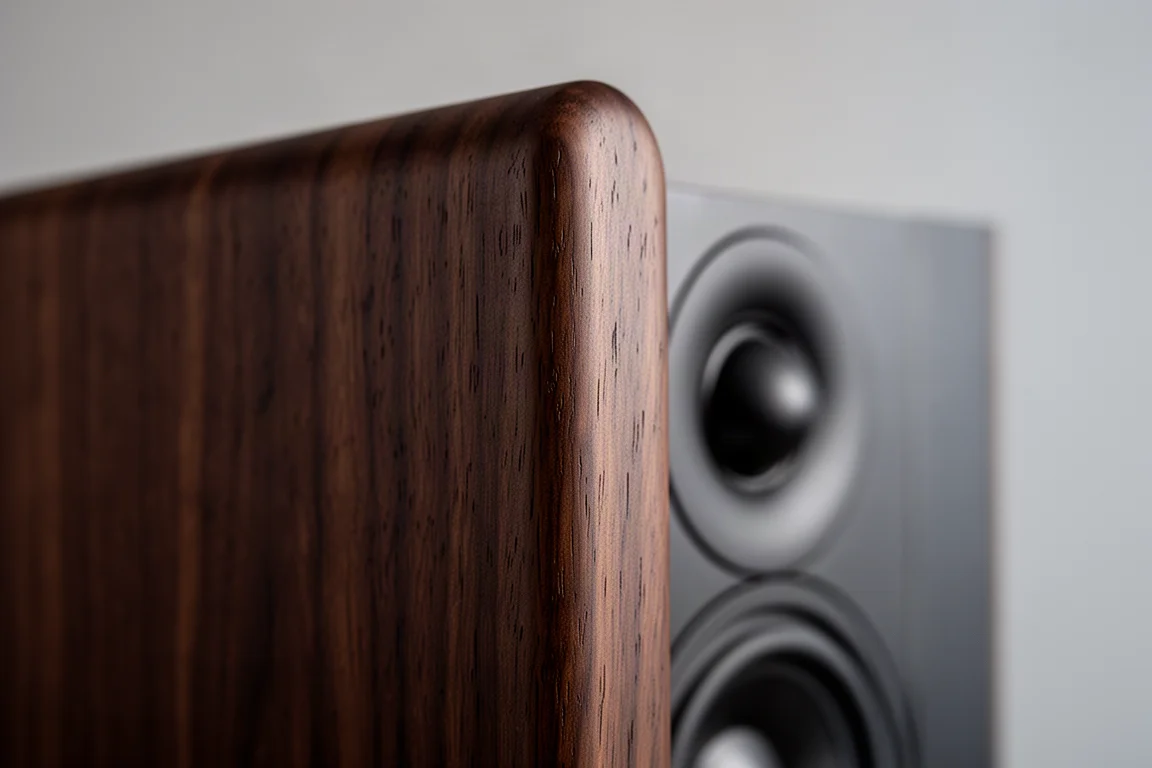
Inside the slim box sits a two and a half way driver array. The lower 130 mm (5.25 inch) paper cone woofer takes over below 275 Hz to add bass and lower midrange weight, while a second identical 130 mm woofer runs all the way up to 2500 Hz before handing over to a 25 mm (1 inch) soft dome tweeter mounted in a wide dispersion waveguide. The tweeter and the upper mid bass driver sit as close together as the baffle allows, which helps the two units integrate cleanly.
Around the back there is a single set of speaker binding posts and a slotted port rather than a cylindrical one, a detail that helps reduce port chuffing noise.
Main Strengths
Clarity and midrange character are the headline here. Vocals and lead instruments come through with a natural tonality and a level of resolution that is genuinely impressive at this price, and the speaker adds more body and fullness than its smaller standmount sibling. The result is a more grown up presentation that makes the standmount feel like a smaller, leaner version of the same idea.
That extra body does shift the tonal balance. Where the compact model reads as largely neutral, the AE109 Mark II sits distinctly on the warm side. Paired with the right electronics, that warmth is an asset rather than a colouration, and it makes long listening sessions comfortable.
Bass is deeper than you would expect from a cabinet this slim. The speaker extends down to a claimed 41 Hz, which is 10 Hz lower than the standmount model. Acoustic Energy has prioritised definition over sheer weight, and the low end stays tidy and well shaped. It only loses composure when the volume really climbs.
The tweeter deserves credit too. It walks the line between revealing top end detail and staying smooth, with sibilance kept well under control. That combination is what allows you to keep listening for hours without fatigue, which is a rarer quality than the specification sheet suggests.
Soundstaging and Imaging
Imaging is one of the areas where the AE109 Mark II gives away very little to the best standmounts below £1,000. The stage extends nicely to the left and right beyond the outer edges of the cabinets, there is decent layering from front to back, and the central image stays solid rather than drifting.
Two design choices likely explain that performance. The HDF cabinet allows the speaker to be unusually slim, which keeps the baffle narrow and reduces diffraction, and the purposeful closeness of the tweeter and the upper mid bass driver supports clean integration between the two.
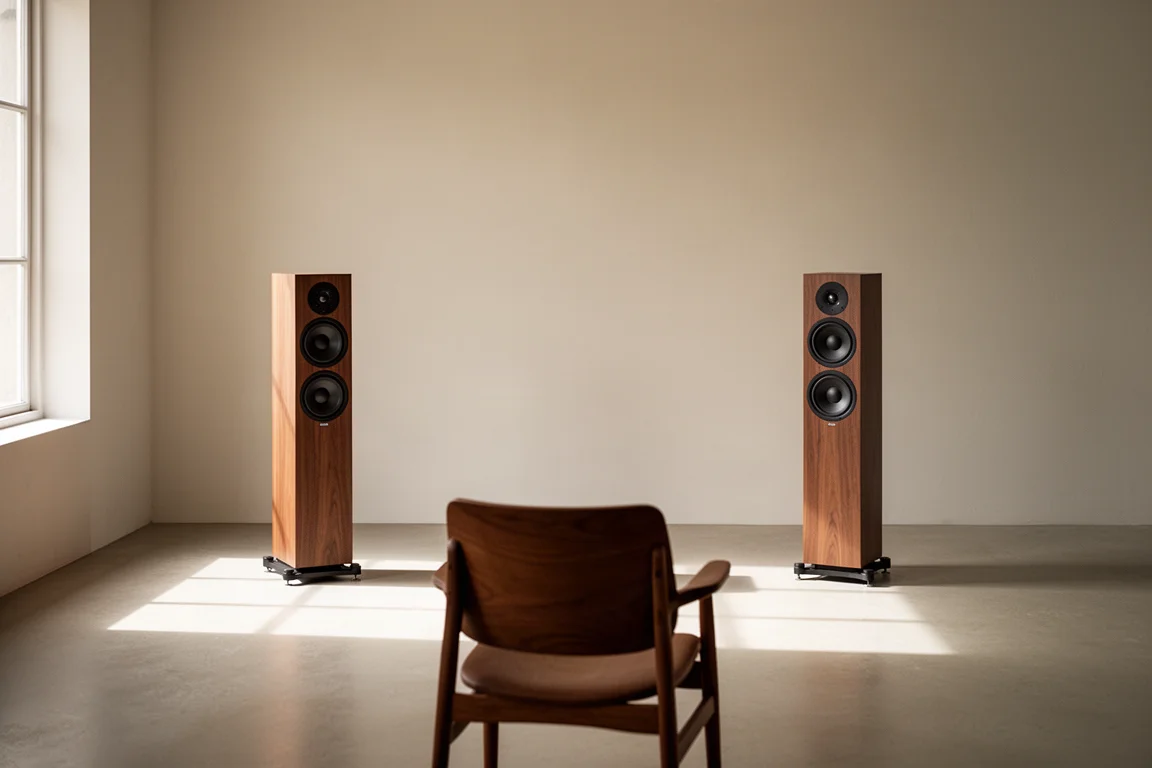
The effect is a presentation that feels organised and spacious rather than forced. You get a wide stage without sacrificing the focus of the centre image, and that balance holds up across a range of music rather than only on carefully chosen recordings.
Things to Consider Before Buying
The warm tonal balance is the single most important thing to plan around. It pairs beautifully with amplification that leans cool, neutral or slightly forward in the bass and treble, which is a character you find in a lot of AV receivers and Japanese integrated amplifiers. Partner it with something already warm and the whole system can tip into softness.
Bass weight is another consideration. There is a satisfying amount of low end here for a speaker of this size, but the emphasis is on definition rather than punch. Listeners who want a firmer, more forceful low end may find themselves wanting more, and that is a fair expectation at this price and cabinet size.
Finally, think about how loudly you listen. The AE109 Mark II holds together well at sensible levels, but it is not designed for maximum output. Anyone who wants to push a system hard should look at larger, more powerful designs instead.
Buying Advice
Placement is refreshingly straightforward. This is a compact floorstander with well defined bass, so there is not much unruly low frequency energy to tame. Small to medium rooms work well, and an equilateral triangle with the speakers two to three metres apart (roughly six to nine feet) is a good starting point. Toe-in the cabinets so they point just past your shoulders on either side and you get a nice balance between a wide stage and a secure centre image.
The manufacturer recommends spikes. On oak flooring over a concrete subfloor, sitting the spikes on porcelain tiles tightened the bass a touch, though the same trick may behave differently on a suspended floor. Experiment before committing.
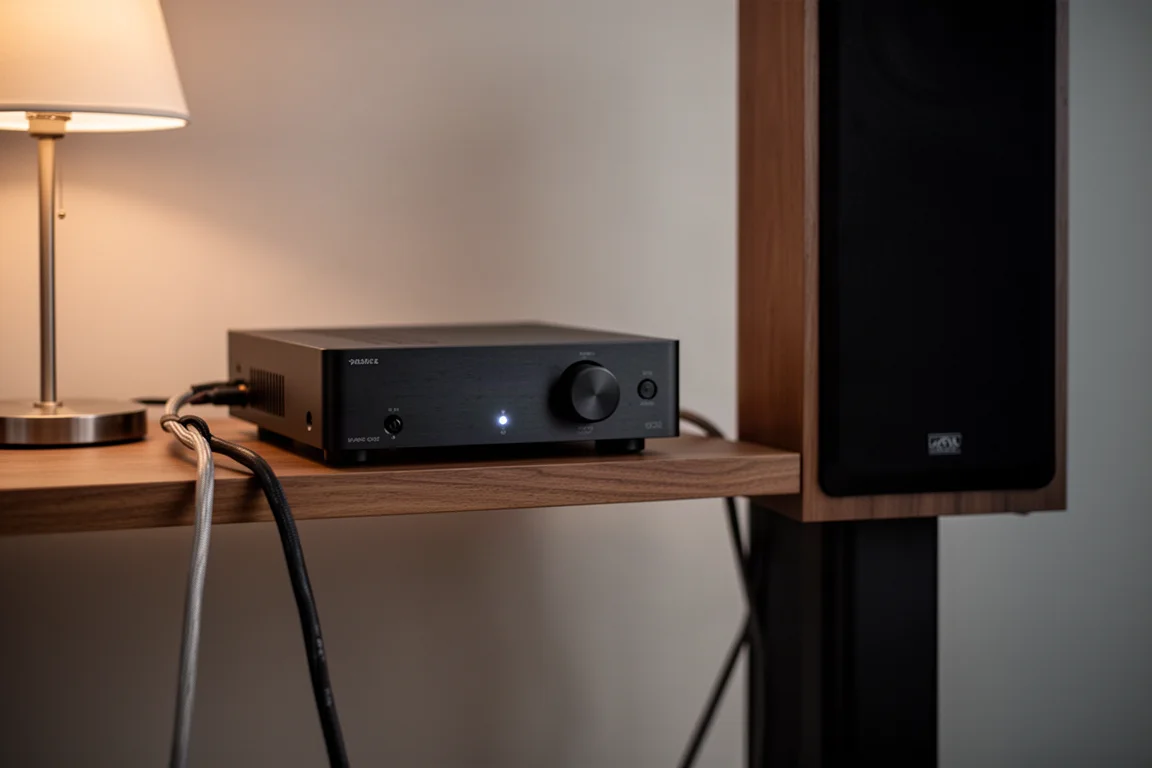
Amplifier matching matters more than usual. An integrated amplifier with added emphasis in the bass and highs, around £449, balanced the warmth of the AE109 Mark II almost perfectly. A warm sounding £349 amplifier was too much of a good thing and made the system sound soft. A more refined amplifier opened up the soundstage and improved detail, but its own warmth did not sit quite right tonally. A resolving Class D design with 100 watts per channel into 8 ohms, around £950, proved an excellent match thanks to its cool, analytical character.
If you are comparing options, the Q Acoustics 3050i has stronger bass but does not match the midrange clarity and top end extension here. The Wharfedale Diamond 12.3 shares a similar tonality but gives away resolution and musical insight. The Wharfedale Evo 4.3 is a true three way design with a dome midrange and an AMT tweeter, and it sounds more dynamic with very good resolution. At £1,300, the Amphion Argon 1 remains a class above in almost every respect, apart from bass extension and a slightly leaner midrange tonality.
Conclusion
The Acoustic Energy AE109 Mark II is a very strong speaker, not merely a good floorstander for the money. It brings the clarity, natural midrange and imaging of a well sorted standmount and adds low end capability and richness that usually only comes from larger cabinets, all in a slim enclosure that is easy to place and pleasant to look at.
It is not for everyone. Listeners who crave maximum output and bass that physically hits will want to look elsewhere, and the warm balance demands amplification that sits on the cool to neutral side. Get those two things right and the AE109 Mark II gives away very little to the best standmounts at this price while offering considerably more low end presence.
For anyone in a small or medium room who listens at moderate levels and wants the best sound quality per pound, this is one of the easiest recommendations in its class.
Product link
View more details for Acoustic Energy AE109 Mark II
This product is mentioned in the review. Check the specifications, options, and compatibility before buying.
View more details for Acoustic Energy AE109 Mark IIFurther reading
Related Reviews
Floorstanding Speakers
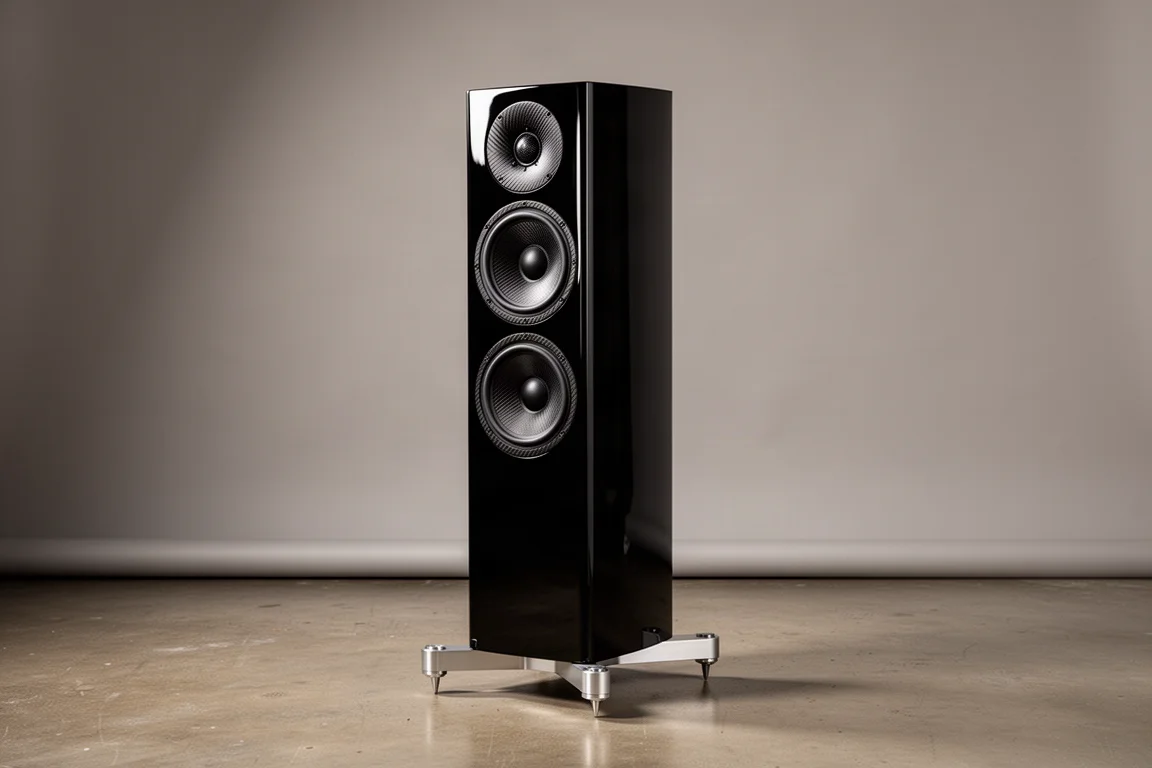
Acoustic Energy AE509 Review: A Slim Floorstander With Deep, Defined Bass
A practical look at the Acoustic Energy AE509, a slim floorstanding speaker with carbon fibre drivers, deep and well-defined bass, and an easy-going character that rewards careful system matching.
Floorstanding Speakers
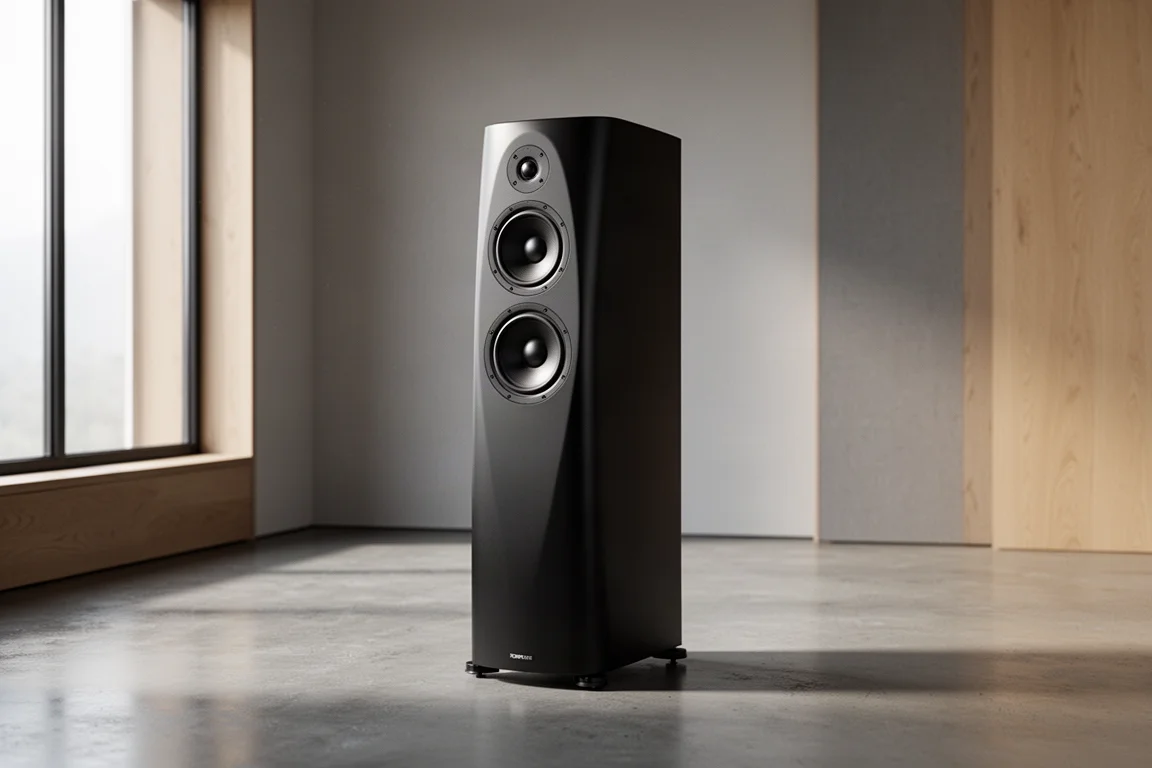
Arendal 1528 Tower 8 Review: Reference Neutrality With Real Demands
A close look at the Arendal 1528 Tower 8, a nearly five-foot, 200-pound floorstander that rewards generous space, serious power, and high listening levels with reference-grade neutrality.
Floorstanding Speakers
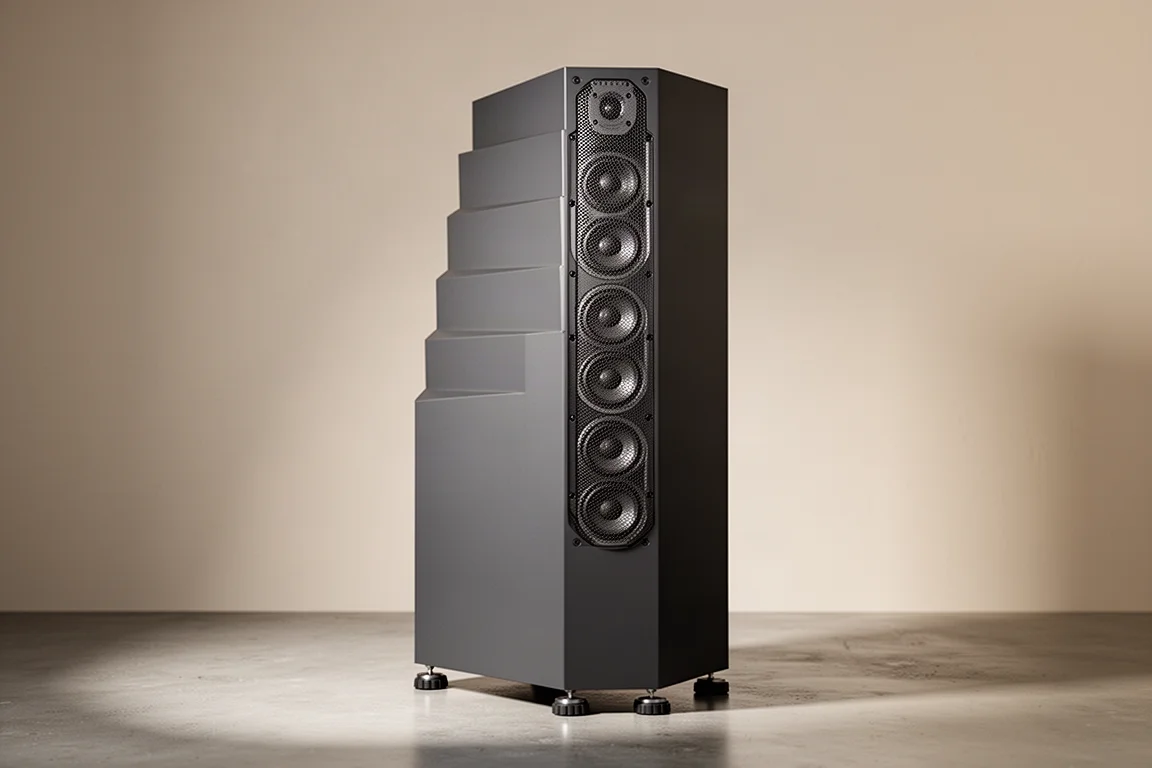
Arendal 1528 Tower Review: Flagship Engineering at a Disruptive Price
The Arendal 1528 Tower pairs an HDF cabinet, a lithium magnesium tweeter, and four 8 inch woofers per speaker with a $9,500 per pair price tag. Here is what buyers should weigh before ordering.