Floorstanding Speakers
Wharfedale Diamond 12.3 Review: A Compact Floorstanding Speaker With Genuine Tone
A practical look at the Wharfedale Diamond 12.3, a two and a half way floorstanding speaker that delivers rich bass tone in a cabinet small enough for a normal living room.
Introduction
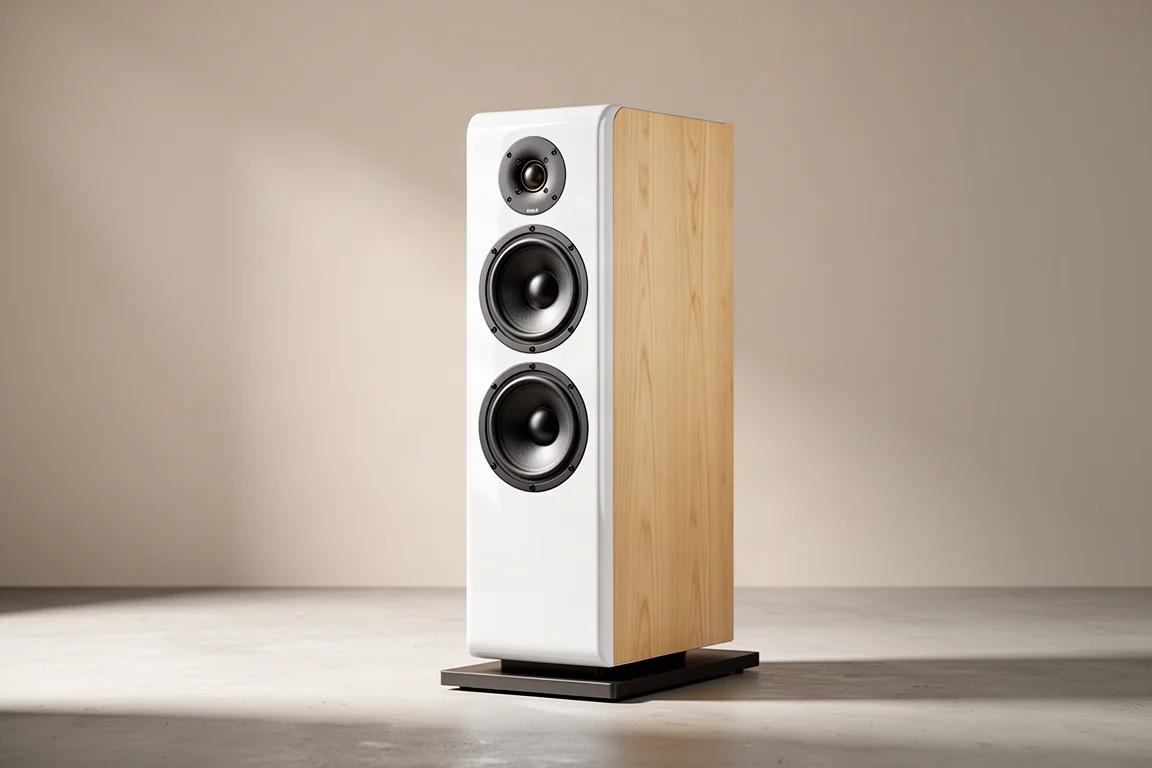
The Wharfedale Diamond 12.3 is the smallest floorstanding model in the Diamond 12 range. It sells for $499 each, which brings a pair in at just under $1,000. Inside the cabinet the design is two and a half way: a 1 inch soft dome tweeter, two 5 inch woofers, and a midrange cone made from a mica and polypropylene blend. A port on the back handles low frequency tuning, and the quoted frequency response runs from 45 Hz to 20,000 Hz.
The electrical numbers are approachable rather than demanding. Nominal impedance is 8 ohms with a minimum of 5 ohms, and sensitivity is rated at 88 dB. That places the 12.3 in the middle ground, so it is not unusually hard to drive and not unusually efficient either. A reasonable amplifier should have no trouble with it.
Physically, the speaker is easy to accommodate. It measures 7 1/8 inches wide, 33 3/8 inches tall, and 13 3/4 inches deep, so it occupies far less floor space than the tower silhouette suggests. The white finish combines blonde wood side panels with a glossy white front baffle, and the overall look sits quietly in a room rather than drawing attention to itself.
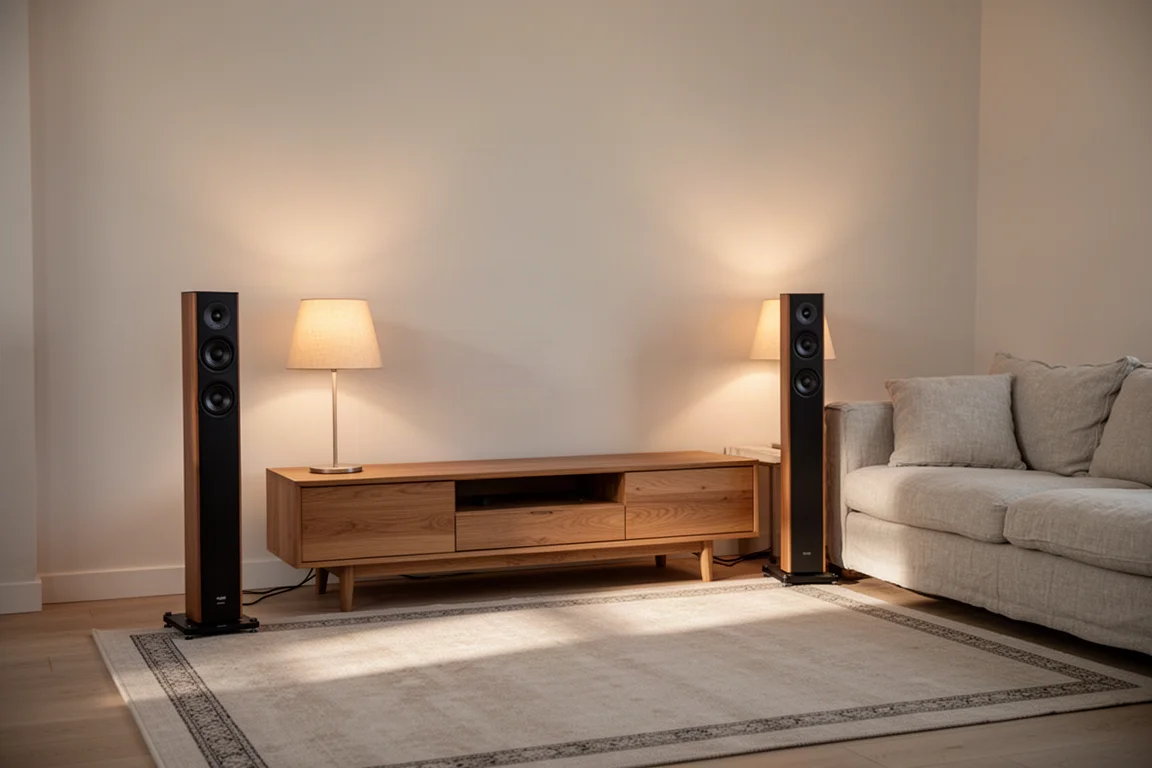
That restraint is part of the appeal. A floorstanding speaker has to work as furniture as much as a sound source, and this one is small enough to blend into an ordinary living room while still looking more finished than a plain matte box.
Who This Product Is For
The Diamond 12.3 suits listeners who want the scale and presence of a floorstanding speaker without giving up much floor space. Small and medium rooms are the natural fit, and the cabinet is compact enough that placement does not become a negotiation with the rest of the household.
It also works well for two-channel music listening, where its tonal character is the strongest argument in its favour. For film and television, it performs confidently even without a centre channel, which makes it a straightforward choice for a simple stereo or 2.0 setup. Anyone expecting a floorstander to remove the need for a subwoofer should read the section below before deciding.
Main Strengths
The 12.3 is not a speaker that wins you over in the first minute. It rewards extended listening, and the quality that keeps pulling you back is tone: bass, midrange and treble all share a consistent character that is easy to live with over long sessions.
Bass Depth and Tonality
Bass is the most interesting part of this design. Extension down to 45 Hz is honest rather than heroic, and the result is a low end that sounds thicker and fuller than the cabinet size suggests without ever becoming bloated. On Korn’s “Evolution”, the bass drum tone arrived with weight while still leaving room for the rest of the mix, and the speaker never strained to resolve low frequency detail. That combination is uncommon, because punch usually costs clarity and clarity usually costs weight.
The limits are real, though. Material with very deep content, such as Korn’s “Narcissistic Cannibal”, loses some of those lowest parts, which is exactly what a 45 Hz figure implies. The strength here is clarity, quickness and tonality rather than outright depth.
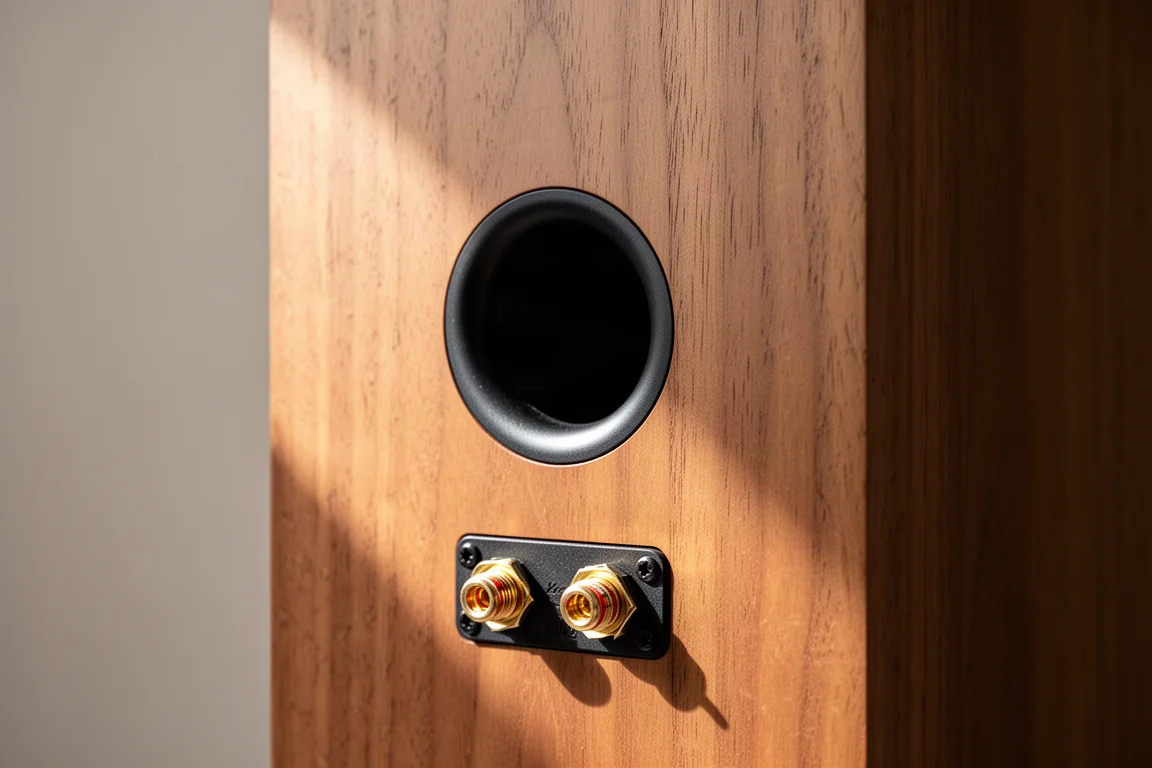
Think of it as a well balanced low end rather than a dramatic one. It gives you the body you want from a floorstander while staying nimble enough to follow faster material.
Midrange and Treble Character
Female vocals are the standout of the midrange. On Adele’s “Hello”, sustained notes showed no audible resonance, and on Alanis Morissette’s “King of Pain” from the MTV Unplugged record, the acoustic guitars came through plucky and detailed with real weight behind them. That track is a fairly sibilant recording, and the 12.3 notably calmed the sibilance without appearing to strip away detail.
Male vocals are a little leaner. Johnny Cash’s “Hurt” carried plenty of detail but lacked a small amount of fullness that would have made it ideal. It is a subtle shortfall rather than a flaw, and many listeners will not notice it at all.
The treble is generally well behaved but occasionally forward. The snare crack at the start of A Perfect Circle’s “Pet” felt slightly prominent, and cymbals on Weezer’s “Africa” cover sat a touch back in the mix. Overall variation across the top end is modest, roughly within a few decibels. The important point is that the treble is neither emphasised nor ignored, and it does not add sibilance to recordings that already have it.
Soundstage, Imaging, and Scale
Soundstage and imaging are solid rather than spectacular. The centre image locks firmly in place and vertical dispersion is good, with vocals floating slightly above the cabinets. Lateral spread is not exceptional, but nothing in the presentation breaks the illusion either, which makes the speaker very safe to listen to for long periods.
What does stand out is air and a sense of scale, particularly on live recordings. That is unusual for a speaker whose treble is not boosted, and it comes largely from the extra drivers and cabinet volume compared with the smaller Diamond 12.2. The 12.3 simply sounds bigger.
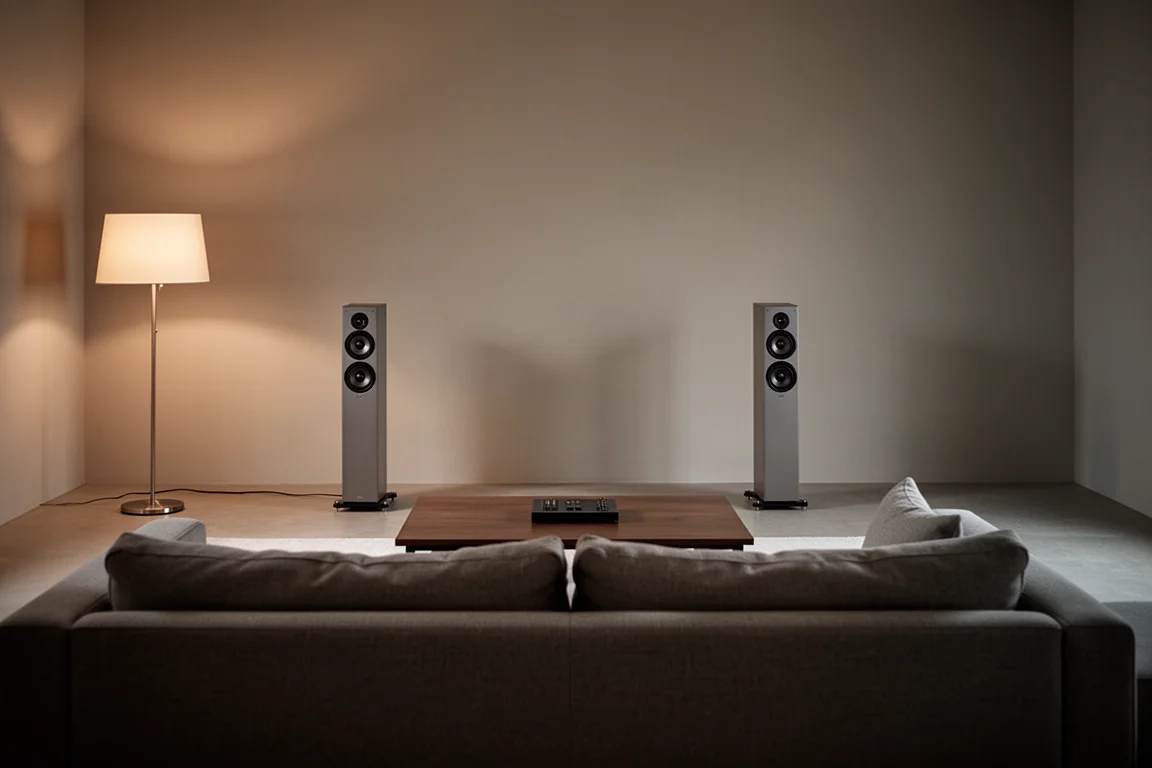
If a wide, expansive soundstage is your priority, this is not the model that leads with it. If you want a convincing sense of size and atmosphere from a compact cabinet, it delivers more than expected.
Things to Consider Before Buying
The 12.3 still needs a subwoofer for a genuinely full range experience. Its 45 Hz extension is actually higher than some bookshelf speakers manage, so anyone buying a floorstander specifically to avoid adding a sub should plan around that. This is normal for the category, but it is worth being clear about before you commit.
Treble can lean slightly forward depending on the recording, and male vocals lack a little body compared with female voices. Some tracks benefit from small EQ adjustments, and a capable amplifier will get the most from the 88 dB sensitivity and 5 ohm minimum impedance.
For home theater, the speaker does a fine job. Dialog stayed clear even without a centre channel in the setup, though a few sources will respond well to dialogue or EQ tweaks. Across most viewing, it needs no intervention at all.
Buying Advice
At $499 each, the Diamond 12.3 sits in a busy part of the market. The obvious alternatives come from SVS and Emotiva, with the Emotiva T1+ among the closest competitors. It is worth comparing those options directly if you are shopping in this price bracket.
Within the Diamond range itself, the bookshelf 12.2 costs considerably less, close to half, and pairing it with a subwoofer can still come in below the cost of a pair of 12.3s. The 12.2 keeps a broadly similar sound signature, while the 12.3 adds a larger sense of scale and a slightly richer low end.
The decision comes down to priorities. If floor space and the visual presence of a tower are not important, the bookshelf route is sensible and frees budget for a subwoofer. If you want the bigger presentation and a cabinet that still fits comfortably in a small room, the 12.3 makes a strong case for itself.
Conclusion
The Wharfedale Diamond 12.3 is a well behaved speaker with genuine personality at the frequency extremes. Bass is rich, clear and quick without bloat, female vocals are excellent, and the top end stays composed on recordings that usually expose harshness. Male vocals lean slightly lean, the treble can be a touch peaky, and a subwoofer remains part of the plan.
For small rooms, two-channel listening and undemanding home theater duties, it is a compelling package at a reasonable price. Buy it for the tone, keep it for the way it disappears into the room.
Product link
View more details for Wharfedale Diamond 12.3
This product is mentioned in the review. Check the specifications, options, and compatibility before buying.
View more details for Wharfedale Diamond 12.3Further reading
Related Reviews
Floorstanding Speakers
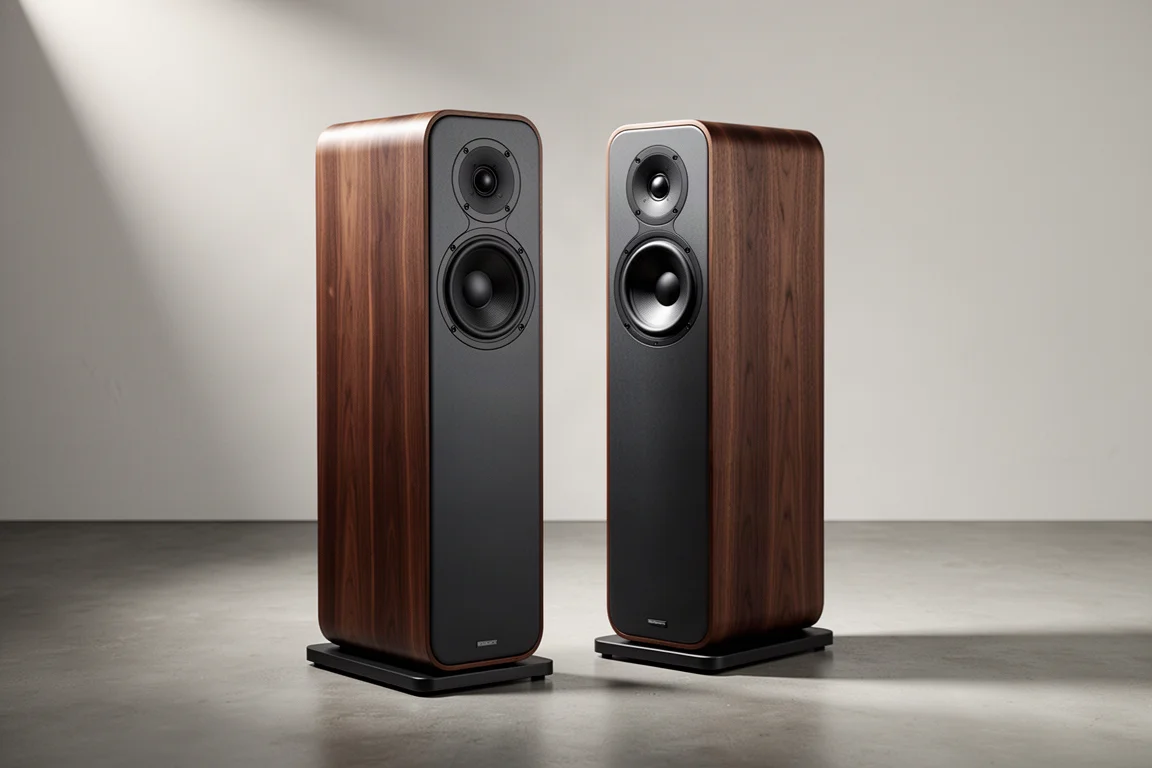
Acoustic Energy AE109 Mark II Review: A Refined Floorstander at £699
The Acoustic Energy AE109 Mark II is a slim, warm sounding floorstander that delivers clarity, midrange body and strong imaging in small to medium rooms.
Floorstanding Speakers
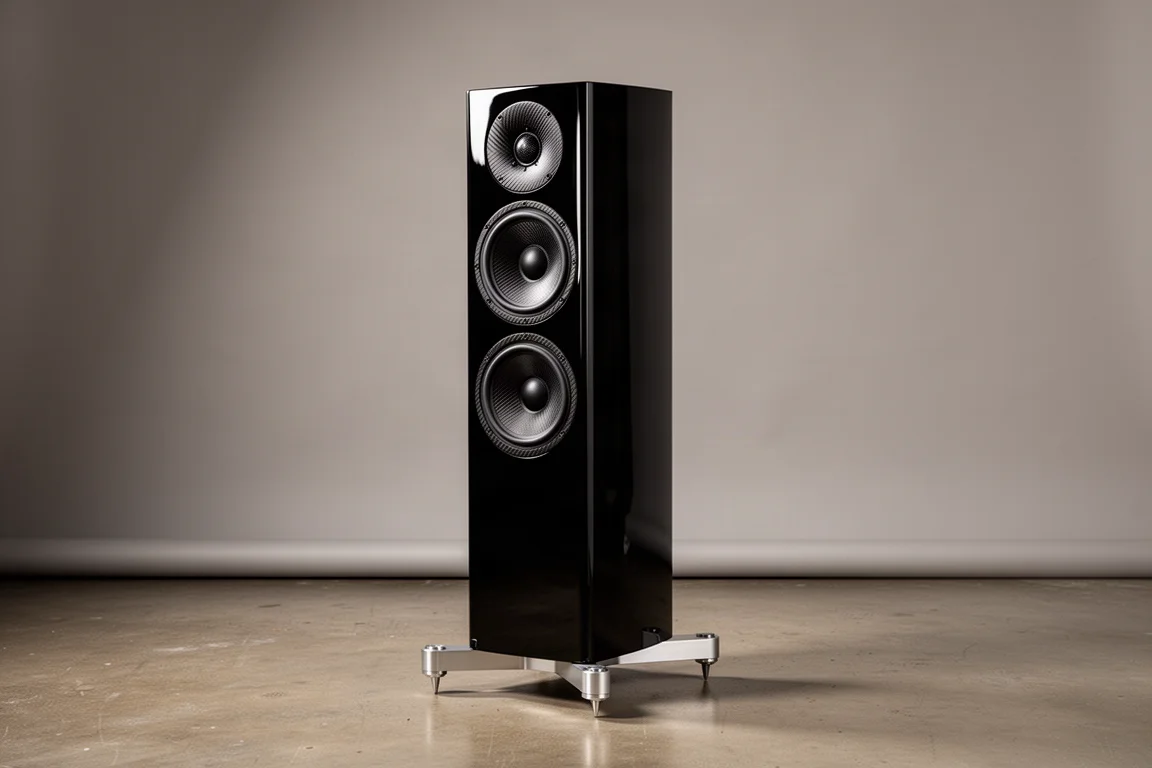
Acoustic Energy AE509 Review: A Slim Floorstander With Deep, Defined Bass
A practical look at the Acoustic Energy AE509, a slim floorstanding speaker with carbon fibre drivers, deep and well-defined bass, and an easy-going character that rewards careful system matching.
Floorstanding Speakers
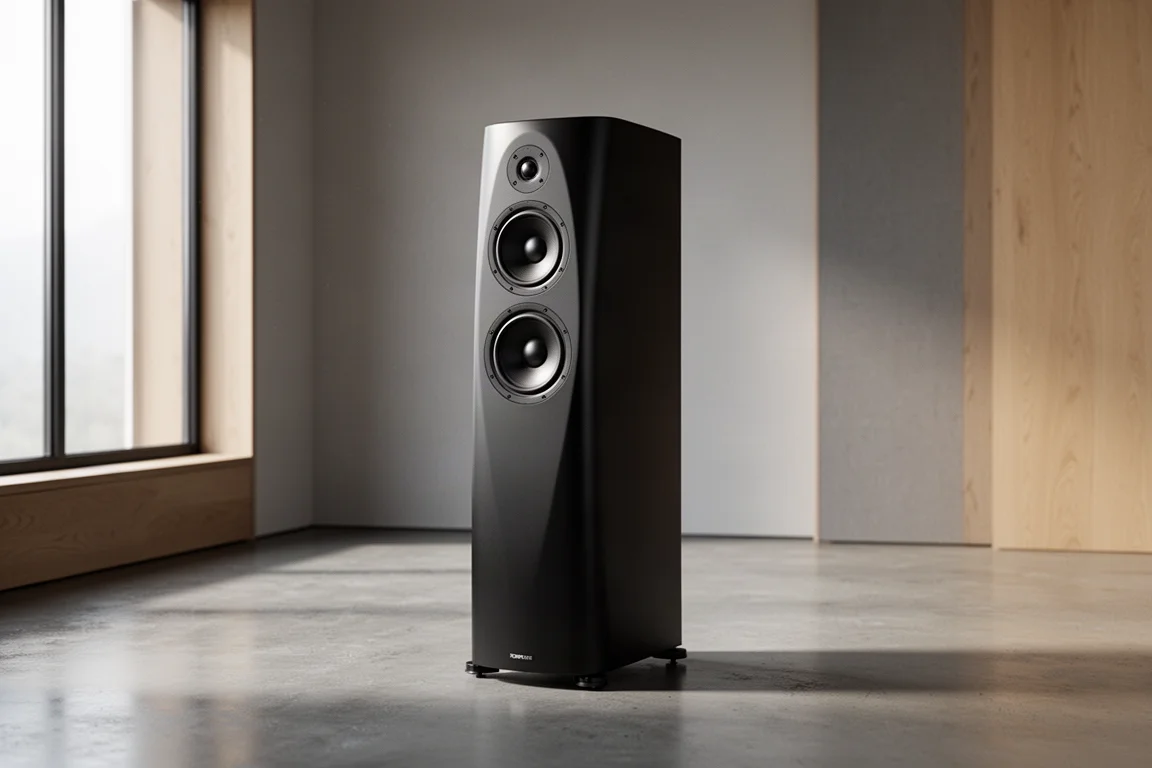
Arendal 1528 Tower 8 Review: Reference Neutrality With Real Demands
A close look at the Arendal 1528 Tower 8, a nearly five-foot, 200-pound floorstander that rewards generous space, serious power, and high listening levels with reference-grade neutrality.