Aquarium Systems
Waterbox Frag 105.4 Review: A Complete Frag Tank System for Serious Reef Keepers
A shallow, well-equipped frag tank system with a sturdy cabinet, real filtration capacity and a setup process that rewards patience. Here is what to know before buying.

Introduction
The Waterbox Frag 105.4 is a complete frag tank system: a shallow rimless display, a matching cabinet stand, a sump, and the plumbing that connects them. System volume lands around 100 gallons, which places it in the holding-tank category rather than the small desktop frag box.
That size is the point. A frag system has to hold coral frags, colonies, anemones and fish comfortably while they wait for a permanent home, and it has to do it without spreading equipment across a room. The Frag 105.4 pairs a footprint large enough for a proper frag rack layout with a cabinet that swallows the sump, pump, heaters and controllers.
This review covers what the system is like to live with: the assembly, the plumbing, the equipment that suits it, and the trade-offs worth knowing before ordering one.
Who This Tank Is For
Two audiences fit this tank well.
The first is the experienced reef keeper who wants a dedicated frag system and is comfortable with plumbing, sump layouts and dosing. As a first frag tank for a total beginner, this system is more than is needed; the capacity, filtration and plumbing go beyond what a newcomer has to manage at the start.
The second is the hobbyist who wants a shallow reef tank. Used as a display rather than a working frag station, the proportions work, and the system is functional and carefully thought out. A beginner can grow into that role with a shallow tank of this shape.
There is also a practical middle case: anyone who regularly moves livestock around, whether between builds, between quarantines or between displays, benefits from a permanent holding system with real filtration capacity. The Frag 105.4 gives that job a proper home instead of a spare tank in a corner.
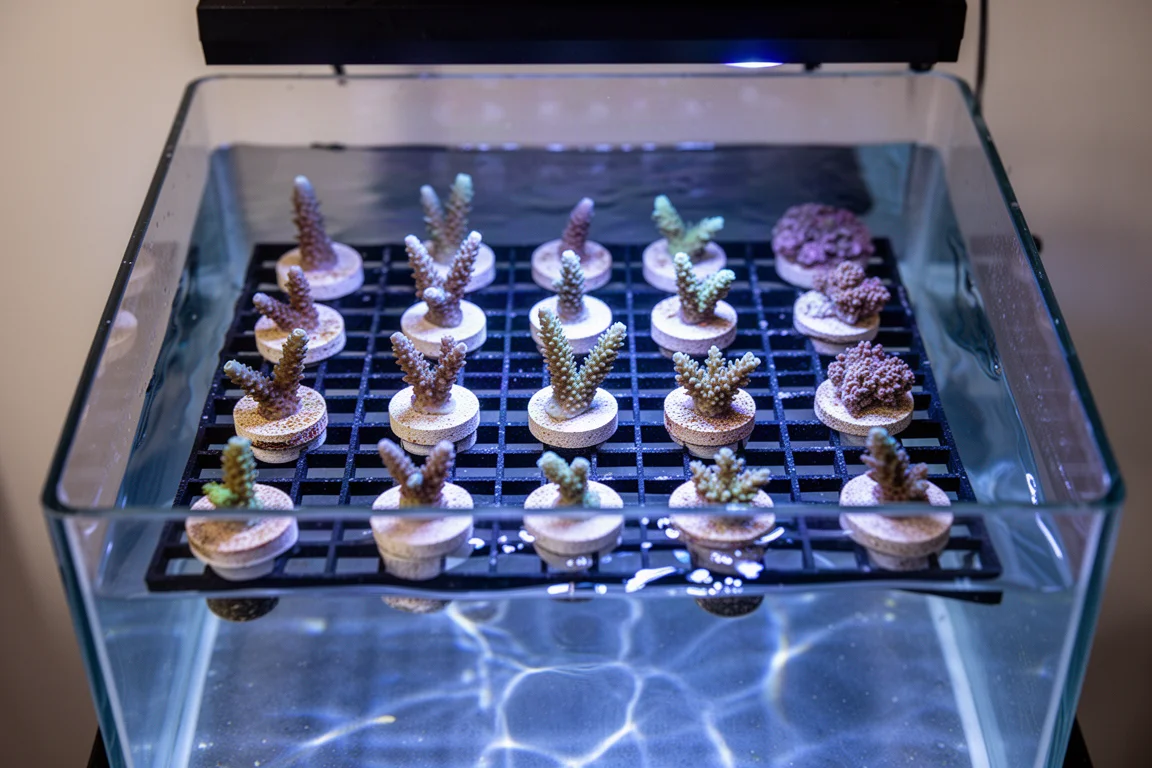
Aesthetics matter more than most buyers admit. A shallow rimless display on a finished cabinet reads as furniture in a living space, and the cabinet keeps equipment out of view, which is a large part of why a system like this gets chosen over a bare tank and a DIY stand.
Main Strengths
A complete, considered package
The system arrives as a set: display, cabinet, sump, bulkhead and overflow plumbing, two filter socks, a silencer for the front sock, and two plastic hose clamps for the return line. Buyers are not left hunting down individual plumbing parts, and the overflow is built around a primary drain plus an emergency drain.
Cabinet quality
Once assembled, the cabinet is very sturdy. The cam lock and screw construction is the weak point during assembly, not the finished stand, and the completed result holds the weight and layout well.
Filtration capacity and equipment storage
The sump leaves room for a skimmer, filter socks and biological media, and the cabinet provides space to hide pumps, heaters, controllers and cable runs. For a frag system, that combination is what keeps the workspace clean and the display readable.
Assembly and Setup Notes
Assembly is where most of the effort goes. The cabinet relies on cam locks and screws, and while the panels scratch easily, they are also flimsy while the stand is only partly built. Keep every panel at a 90 degree angle, and have a helper hold pieces in place until more than one panel is joined and the structure is secure. Bending a panel or letting one tilt can snap a screw.
Cam locks take some getting used to. Do not overtighten the screws, and expect pre-drilled holes to sit slightly off, sometimes requiring a gentle bend of the screw to seat it. When inserting the lock itself, light pressure with a Philips head screwdriver while working the lock back and forth is the right approach. A hammer is not. The cam lock may turn a full 180 degrees or stop short, and the only real requirement is that it holds the panels together tightly.
Panels should only ever rest on something soft. A single grain of sand can scratch the finish, and sliding cabinet doors across hardwood or cement leaves marks quickly. Carpet, a rug or towels are the safer surface.
The wooden dowels are easy to break and important to the cabinet’s structural integrity. Press them in by hand where possible, and if a hammer is needed, use light taps. A broken dowel can be removed by driving a small screw into it and prying it out.

Level the stand twice: once before the sump and display go on top, and again afterwards with both empty. The adjustable feet are difficult to move once the system holds water, so it is worth getting this right early.
Plumbing starts with the bulkheads and overflow box. The rubber O rings must sit correctly on the drain and return lines, because a misaligned O ring will leak. Two people make the job easier, one holding the wetted side and one tightening inside the cabinet. Hand tightening is enough, and a wrench should be used with care, since over-tightening can crack the glass. Finish the overflow with the outlet assembly and the lock-line nozzles.
The sump sits in the back right of the cabinet. Attach the primary and emergency drain lines by hand, wrap the threaded manifold sections with plumber’s tape, and secure the flexible return tubing with the supplied clamps. Install both filter socks with the silencer in the front one. Before filling with saltwater, pour a pitcher of RODI water into the overflow box and check underneath for leaks. Once that passes, fill the system, run the return pump, and check the rest of the plumbing for small leaks, tightening as needed.
Equipment That Suits a Frag Tank
Because a frag system runs without sand or rock, equipment choices carry more weight than usual.
Lighting: two Aqua Illumination Hydra 32 units on 18 inch flex arms cover this footprint well. Mounting them slightly toward the outer edges of the tank avoids a PAR hotspot in the centre. A 12,500 Kelvin setting at 45 percent intensity keeps colours looking strong without washing the scene out, and a target of 75 to 125 PAR at frag rack level is a sensible range to verify with a meter.
Flow: a Maxspect Gyre XF330 set to random flow and positioned close to the surface moves a lot of water without blasting corals directly. A single unit can be enough here, though a second can be added for more coverage.
Frag racks: a DIY black egg crate rack and a professionally made acrylic rack from Acrylic Habitats cover both the budget and the presentation side. Having both makes it easy to separate newly mounted frags from established pieces.
Skimming and biological filtration: a Reef Octopus 150INT fits the sump compartment well. For biological capacity, Marine Pure spheres seeded in another system for a month provide a starting bacterial population, with two Marine Pure plates held in reserve. If a plate is needed, soaking it overnight in saltwater with a bacterial starter before adding it is the cleaner approach.
Heating and return: Innovative Marine 400 watt dual PTC Helio heaters sit at the premium end, with acrylic magnetic holders, a titanium remote temperature probe with magnetic mount and solid state ceramic chips that hold a tight heating margin. An Ecotech Marine Vectra S2 DC return pump with a maximum output of 1,500 gallons per hour is more than this system needs, which is useful headroom: tuned to roughly 50 percent it delivers about 300 gallons per hour at the tank level, close to three times turnover, and it can still feed a manifold when required.
Control, Dosing and Water Quality
Automation is what keeps a frag tank stable between maintenance sessions.
A Neptune Systems ApexEL controller handles several jobs at once: controlling a backup Eheim Jager heater, monitoring pH and energy consumption, and switching equipment off for water changes. The matching magnetic probe rack holds the temperature and pH probes neatly.
For top off, the Tunze Osmolator remains a simple, reliable design, and the current version’s pump is noticeably more powerful than older units, moving water quickly when it triggers.
Dosing runs through a Kamoer X1 Pro pump, with Tropic Marin All-For-Reef mixed at home and stored in a jug for daily dosing. A frag tank without sand or rock has no substrate buffer, so consistent dosing matters more than it would in a rock-heavy reef.
Organisation is worth planning from the start. An Adaptive Reef deluxe controller board offers more pre-drilled holes than the standard version, which makes hiding cables easier. A generous pack of reusable Velcro cable ties and split sleeving tidies the runs, and mounting hardware that ships with a device should be used where available. Heavy duty Velcro can handle the rest. A separate wifi outlet inside the cabinet covers the gear that will not fit on the controller’s eight-outlet bar.
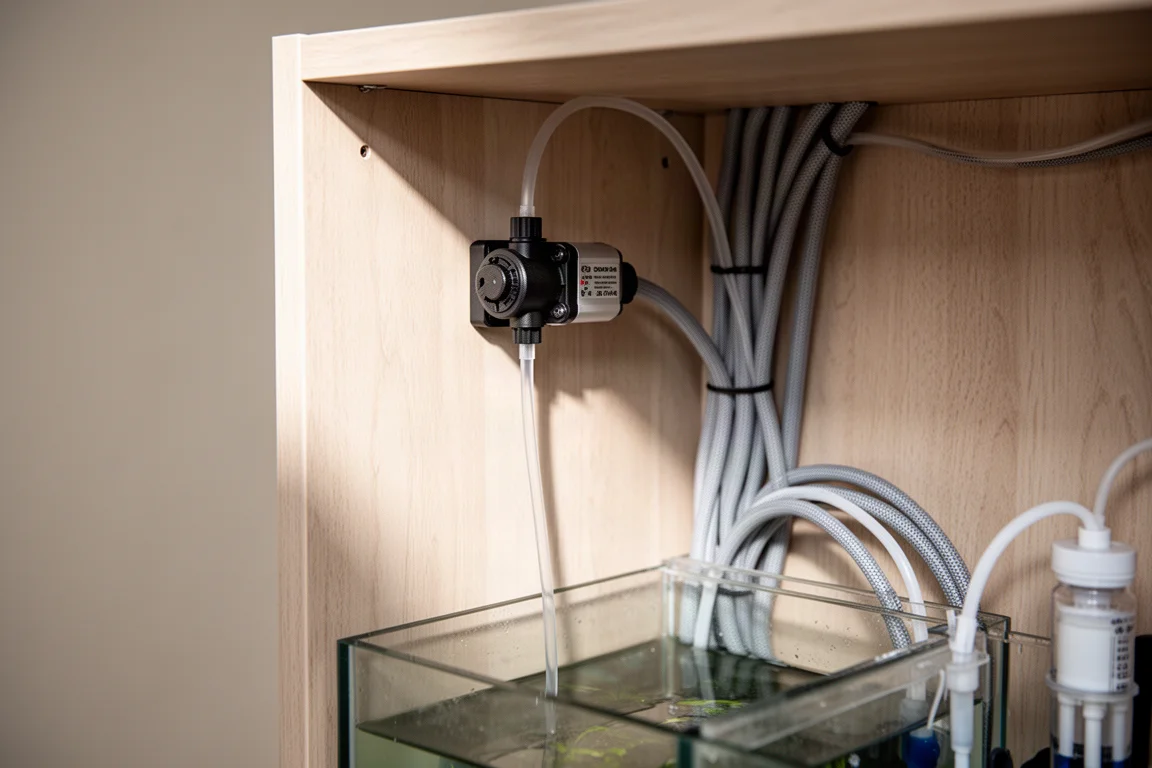
Water quality checks stay simple but are worth keeping regular: confirm flow across the frag rack, watch the skimmer for consistent output, and test alkalinity once dosing begins, since a bare-bottom frag system responds quickly to changes.
Things to Consider Before Buying
Assembly is the biggest ask. The cabinet is sturdy when finished, but the process rewards patience, a helper and a soft surface for the panels. Rushing it risks scratched panels and snapped screws or dowels.
Levelling is easier before the system is filled. The adjustable feet become very difficult to move once water is in the tank, so plan the two-stage levelling routine and do not skip it.
Plumbing tolerances are tight. O ring placement, hand tightening and careful use of a wrench all matter. Leak testing the overflow box with RODI water before filling with saltwater takes a few minutes and prevents a much larger problem later.
This is not the cheapest route into a frag tank, and it is not a first frag tank for a total beginner. Lights, flow, skimming, heating, top off and dosing are separate selections, so the realistic budget is the system plus a full equipment list.
Buying Advice
Buy the Frag 105.4 if a dedicated, tidy frag system is the goal, or if a shallow reef display with genuine filtration capacity and hidden equipment fits the room. The system is aimed at hobbyists who want a top of the line frag tank and are comfortable with the setup work.
Look elsewhere if this is a first saltwater tank, if the budget is tight, or if cabinet assembly and plumbing hold no appeal. A smaller, simpler system will get a beginner to a working frag setup faster.
Before ordering, plan the build: arrange a helper for assembly day, prepare a soft surface for the panels, have RODI water ready for the leak test, and settle the equipment list early so the cabinet layout and controller board can be organised from the first fill.
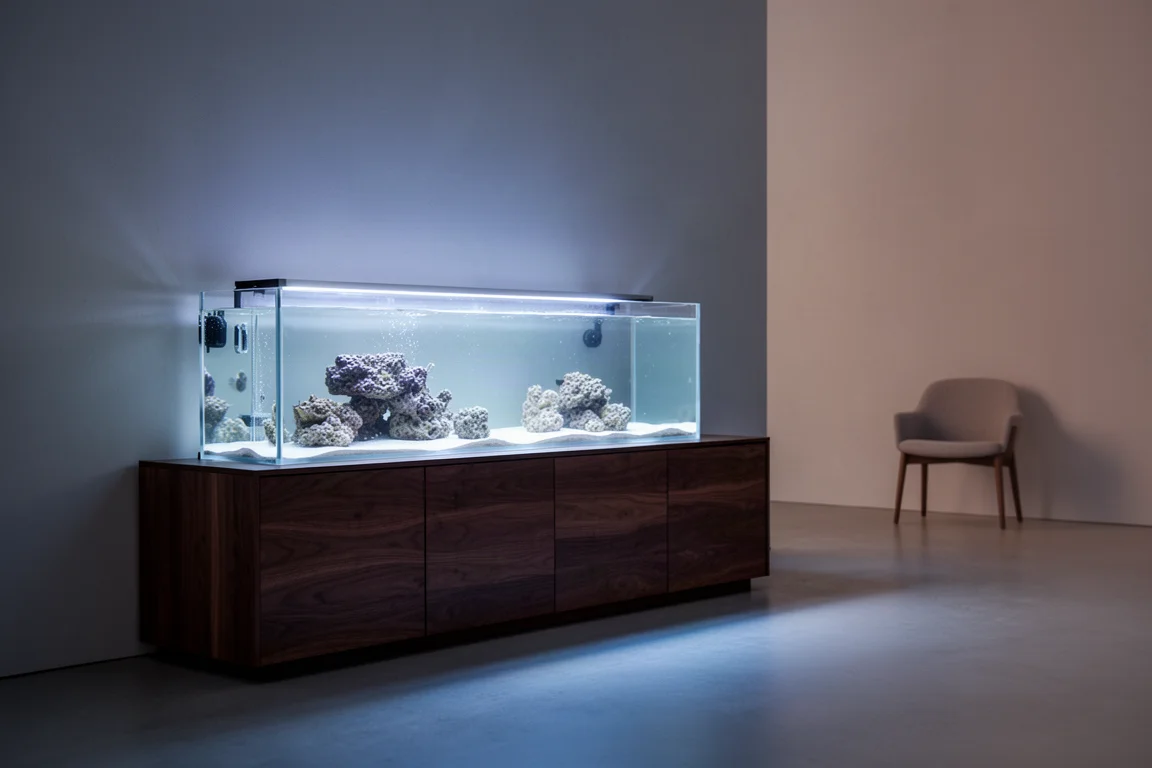
Expect the tank to look sparse at first. A bare frag system cycles on biological media rather than rock and sand, and it takes time for seeded media and steady dosing to produce a stable environment. The patience that goes into assembly carries over into the first few months of running it.
Conclusion
The Waterbox Frag 105.4 is a well thought out frag system for reef keepers who want capacity, filtration and a clean look in one package. The cabinet is sturdy once assembled, the sump has room for real equipment, and the shallow display works both as a working frag tank and as a shallow reef tank. The trade-offs are familiar ones: careful assembly, a level stand, tidy plumbing and a budget that includes the equipment the system does not ship with. For the right buyer, it is a system that earns its place in the room.
Product link
View more details for Waterbox Frag 105.4
This product is mentioned in the review. Check the specifications, options, and compatibility before buying.
View more details for Waterbox Frag 105.4Further reading
Related Reviews

Aquarium Systems
All-in-One vs Reef-Ready Aquariums: How to Choose, With Three All-in-One Tanks
A practical look at the trade-offs between all-in-one and reef-ready aquariums, plus three all-in-one tanks that show how much range the format now covers.
Aquarium Systems
Red Sea Max Nano Peninsula vs Max Nano Cube: Which Plug-and-Play Reef System Fits Your Space?
A practical look at the 26 gallon Max Nano Peninsula and the 20 gallon Max Nano Cube, what ships in the box, and how to choose between the two shapes.
Aquarium Systems
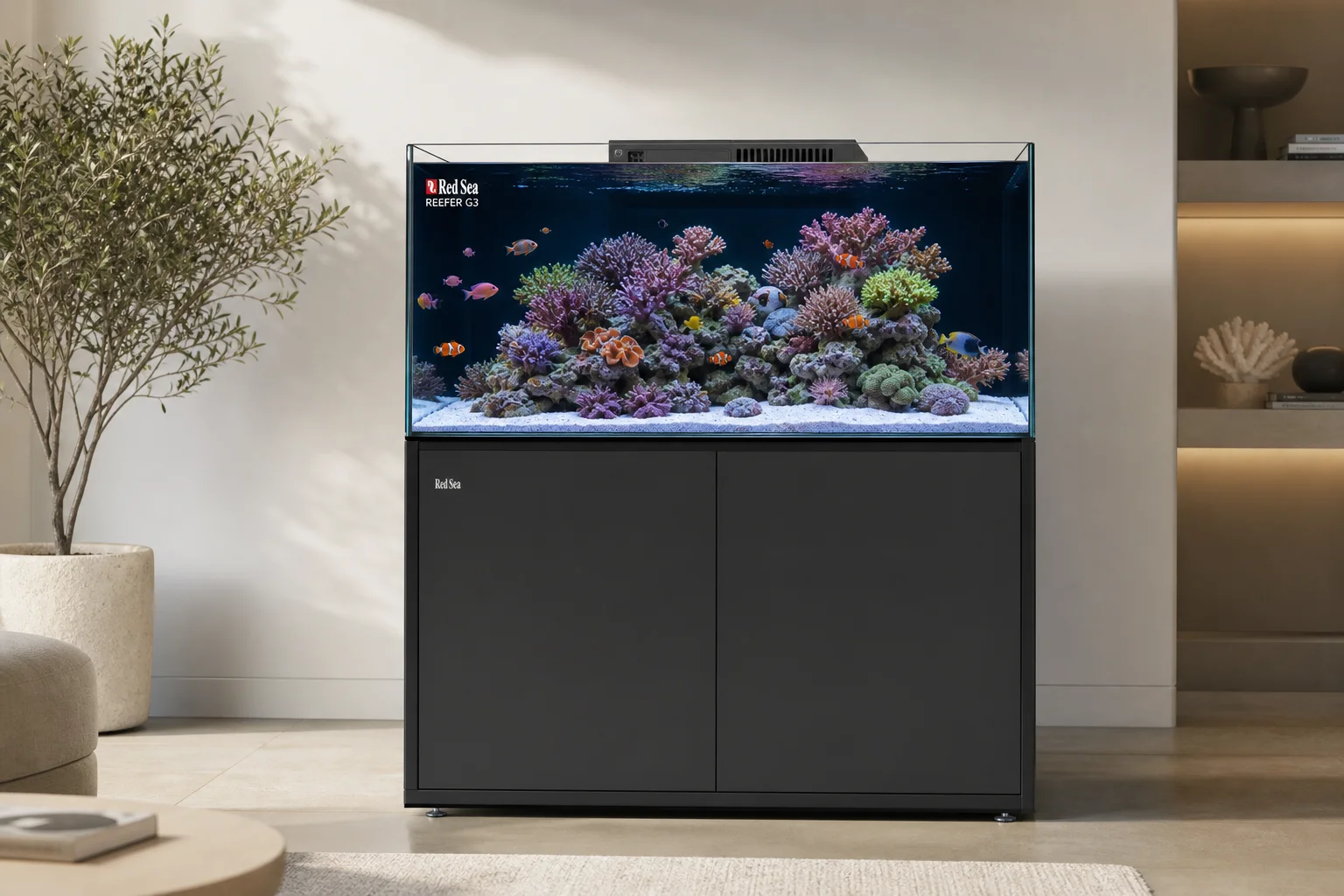
Red Sea REEFER G3 Reef Aquarium Systems: Complete Overview of the Third Generation
The REEFER G3 brings 30 years of reef research into a fully redesigned system with improved water circulation, multiple size options, and seamless smart ecosystem integration for both beginners and experienced aquarists.