Aquarium Systems
Red Sea Max Nano Peninsula vs Max Nano Cube: Which Plug-and-Play Reef System Fits Your Space?
A practical look at the 26 gallon Max Nano Peninsula and the 20 gallon Max Nano Cube, what ships in the box, and how to choose between the two shapes.
Introduction
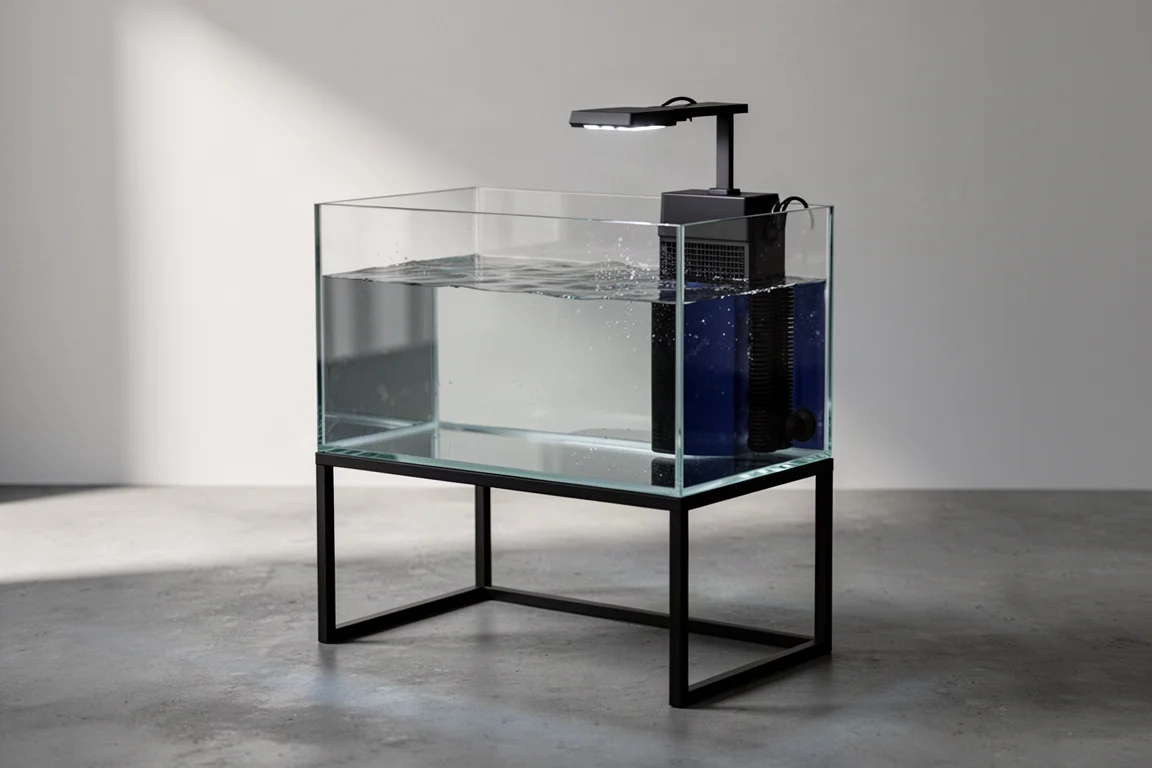
The Red Sea Max Nano family is an all-in-one reef system built to take most of the guesswork out of setting up a saltwater tank. Filtration, lighting, circulation, and auto top off all arrive in the box, so the only extras a new owner has to source are a heater, rock, sand, fish, and corals.
For a long time the Max Nano Cube was the shape that defined the line. It is compact, it looks clean on its stand, and it suits reefers who want a small mixed reef without a long equipment list. The newer Max Nano Peninsula keeps that same plug-and-play approach but changes the proportions of the aquarium itself.
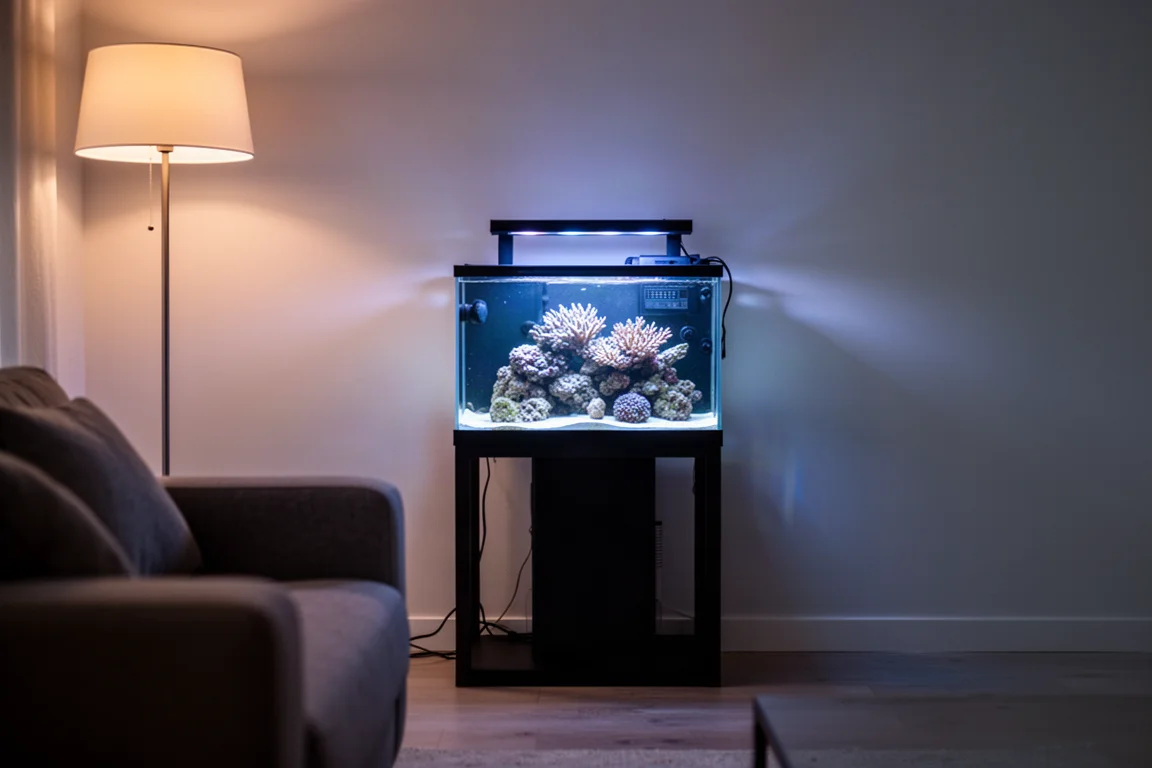
The result is a pair of systems that share nearly all of their hardware but feel quite different once they are running in a room. Choosing between them comes down mostly to available space, viewing angle, and how much aquascaping room you want.
What Comes In The Box With The Max Nano
Along with the aquarium itself, the system includes a protein skimmer, a circulation pump, and a Reef LED 50 lighting system with a mount that has integrated power management for the skimmer and circulation pumps. Filter media is included in the form of sponges, a filter sock, and carbon, and there is a gravity fed auto top off to keep the return section at a stable depth. A printed owner’s manual and setup guide walk through assembly, and the aquarium stand ships flat packed.
Putting it together is described as straightforward. The manual lays everything out in detail with simple diagrams, and the stand assembles like typical flat pack furniture.
The stand itself has a very easy to clean finish, and small rubber plugs are included to cover the exposed peg locks so they are protected from humidity and splashing. The door is push to open with soft closing hinges, and there is a wide opening at the back if you want to hide external equipment underneath and run tubing or power up to the filter chamber.
Red Sea Max Nano Peninsula: The New Peninsula Layout
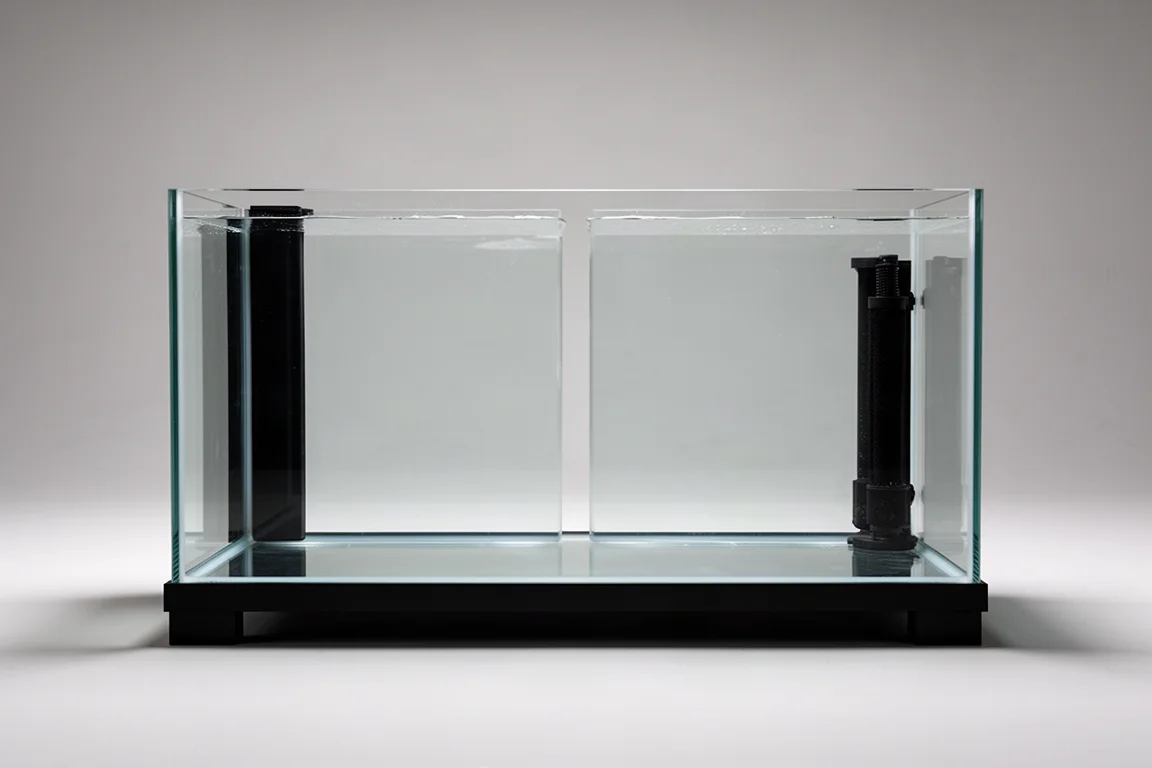
The Peninsula is the newer shape, and the difference is dimensional. Front to back depth increases by six inches compared with the Cube, and total volume rises from 20 gallons to 26 gallons. That extra depth produces a more rectangular tank with noticeably more usable room for aquascaping.
Just as important is where the filtration sits. Because the rear sump is placed on one of the shorter panels, two large unobstructed panels remain for viewing. That creates a genuine three sided view, which is the whole point of a peninsula layout.
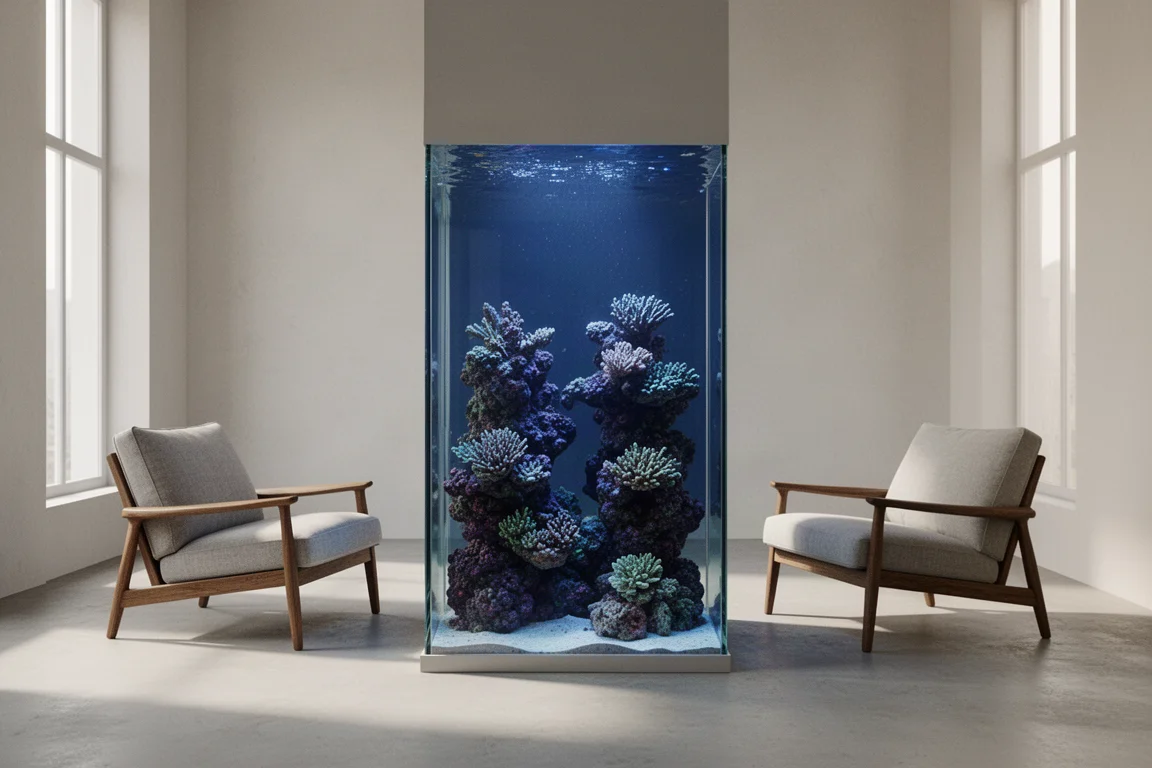
In practice this means the aquarium can sit between two chairs or between two rooms and be enjoyed from either side, which is one of the most appealing aspects of peninsula style tanks. Reefers who would rather place it against a wall can still do that, and because the back panel is clear with the filtration on the side, an LED backlight behind the tank becomes an option for some interesting lighting effects.
Red Sea Max Nano Cube: The Original 20-Gallon Footprint
The Cube is the shape the Max Nano line was built around. It holds 20 gallons and presents a more traditional head on view, which makes it the simpler option for a room where the tank will sit against a wall or in a tighter footprint.
Because the hardware and filtration are shared with the Peninsula, the Cube delivers the same plug-and-play experience in a smaller package. For a pair of clownfish and a few bubble tip anemones, or for a small mixed reef, it covers the essentials without asking for much floor space.
Shared Features: Filtration, Lighting, and the Stand
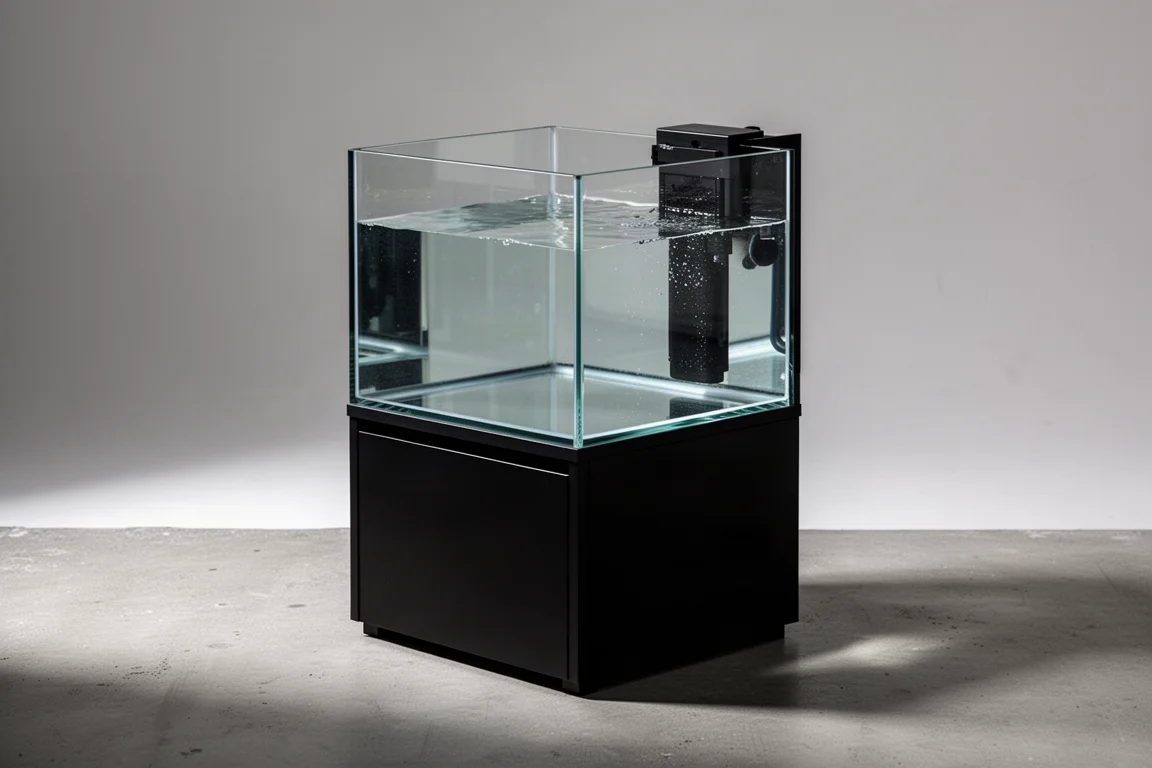
Behind the decorative shroud on both systems, the filtration path is thorough. A coarse foam pre-filter sits on top of a mesh filter sock to remove physical debris and waste. Below that is a capable protein skimmer with two points of tuning, which handles microscopic and liquid waste while also providing gas exchange. A media tray holds a mesh bag of chemical media such as the included carbon, and a coarse foam block pre-filter sits just above the return pump that sends water back to the tank through the ball socket style return nozzle. A gravity fed auto top off keeps the return section at the correct depth so manual daily top offs are not required.
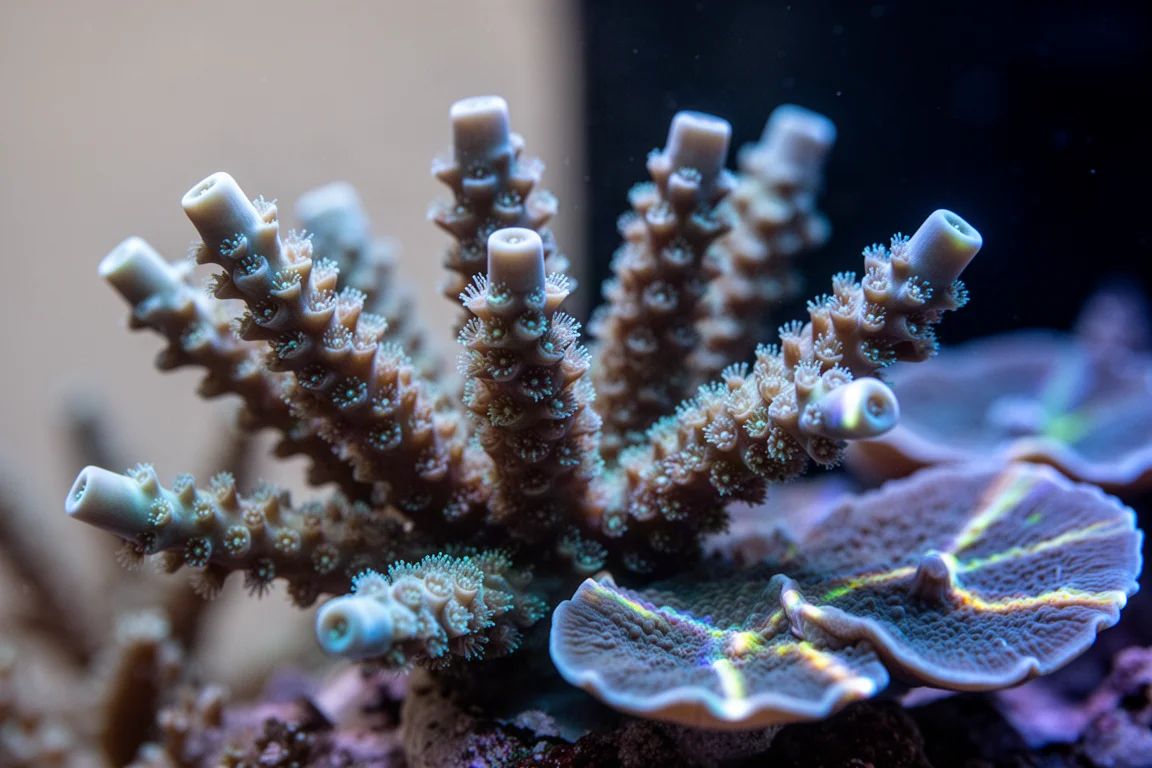
The tank glass is thick and high clarity, with beveled edges, pin straight black silicone, and armored edges along the bottom and the front vertical corners. A glass filtration panel overflow with a removable weir handles maintenance access, and a glass shroud hides the filtration elements while dropping out of the way when you need to work inside.
On the back of the aquarium, the power center is built into the light mount and carries on and off switches for the protein skimmer pump and the circulation pump. That makes it quick to shut both down for feeding or maintenance, and it also means the two pumps share a single power cord, leaving an outlet free for a heater or a small controllable wave pump.
The included Reef LED 50 is app controlled and provides enough light for a wide range of corals, from softies and LPS through to more light demanding SPS and anemones. It delivers a strong shimmer and makes coral colors pop and fluoresce. App setup is simple: choose how white or blue you want the tank to look, pick a start time, and the app builds a light schedule with a gradual sunrise and sunset. That schedule can be adjusted or replaced with a custom one whenever you like, which is a real convenience for a newer reefer.
Peninsula vs Cube: Which Fits Your Room
The decision is less about equipment and more about geometry. The Peninsula asks for more front to back depth and rewards that space with a three sided view and a larger canvas for rockwork. The Cube asks for less room and suits an arrangement where the tank is viewed mainly from the front.
Reefers who want the aquarium to work as a room divider, or who simply want more aquascaping freedom, will get more out of the Peninsula. Reefers with a tighter footprint or a conventional wall placement will find the Cube easier to live with.
Buying Advice
Both systems target the same owner: someone who wants a complete, good looking reef setup without sourcing each piece of equipment separately. The Max Nano line is a manageable size that keeps starting and maintaining a reef quick and simple, and the all-in-one package helps keep the overall cost of entry more reasonable than buying components individually.
For a first reef tank, the included filtration, lighting, skimmer, and auto top off remove most of the early decisions. For a more experienced reefer, the same package works well as a compact second system or a small mixed reef display. If floor space and a traditional head on viewing angle matter most, the 20 gallon Cube is the natural pick. If you want more aquascaping room and a tank that can be appreciated from three panels, the 26 gallon Peninsula is the one to choose.
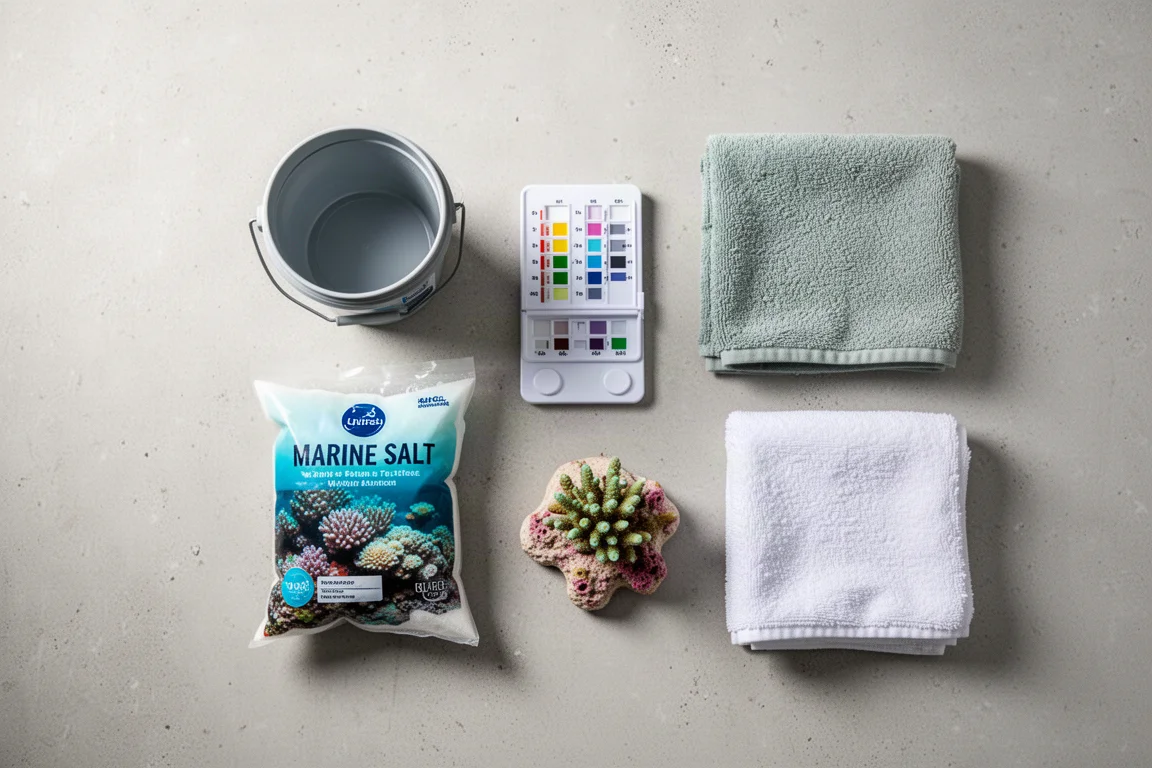
Either way, budget for a heater plus rock, sand, fish, and corals, since those items are not included in the box.
Conclusion
The Max Nano Peninsula takes the Max Nano formula and gives it more room and a more interesting shape, while the Cube remains the compact standard. Both share the same filtration, lighting, pump, and stand package, so the choice really comes down to how the tank will sit in your space and how you want to view it.
Further reading
Related Reviews
Aquarium Systems
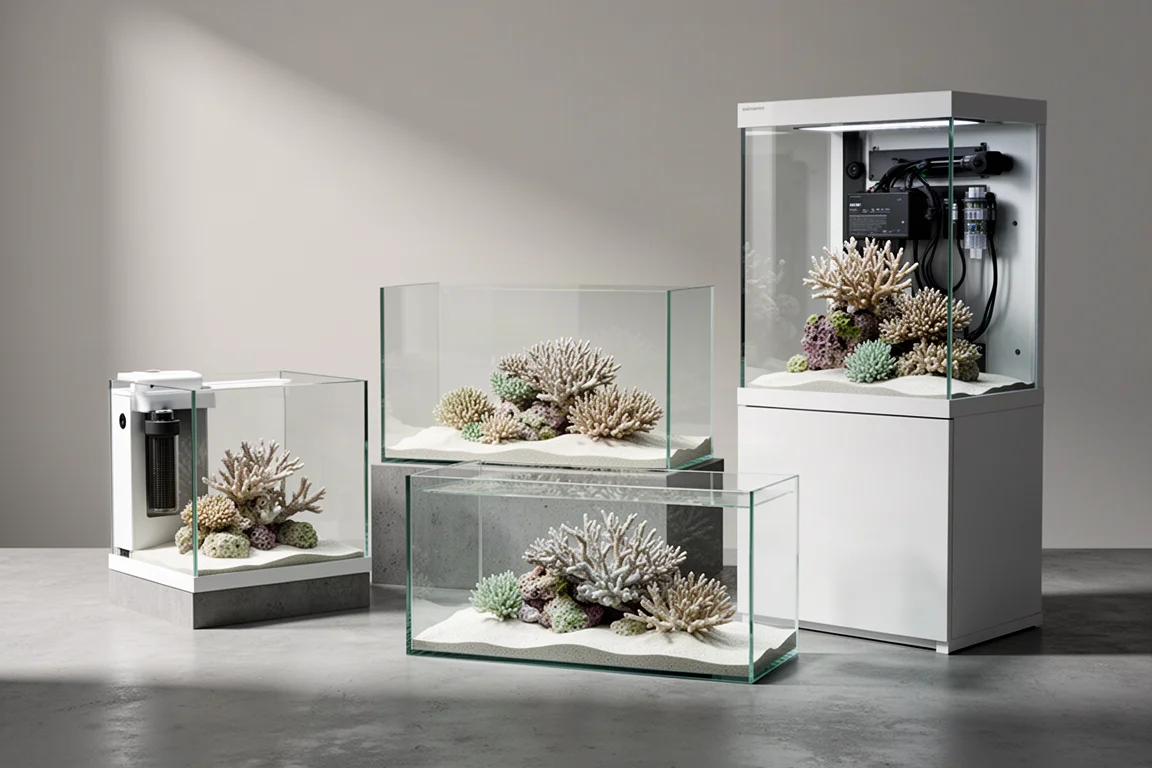
All-in-One vs Reef-Ready Aquariums: How to Choose, With Three All-in-One Tanks
A practical look at the trade-offs between all-in-one and reef-ready aquariums, plus three all-in-one tanks that show how much range the format now covers.
Aquarium Systems
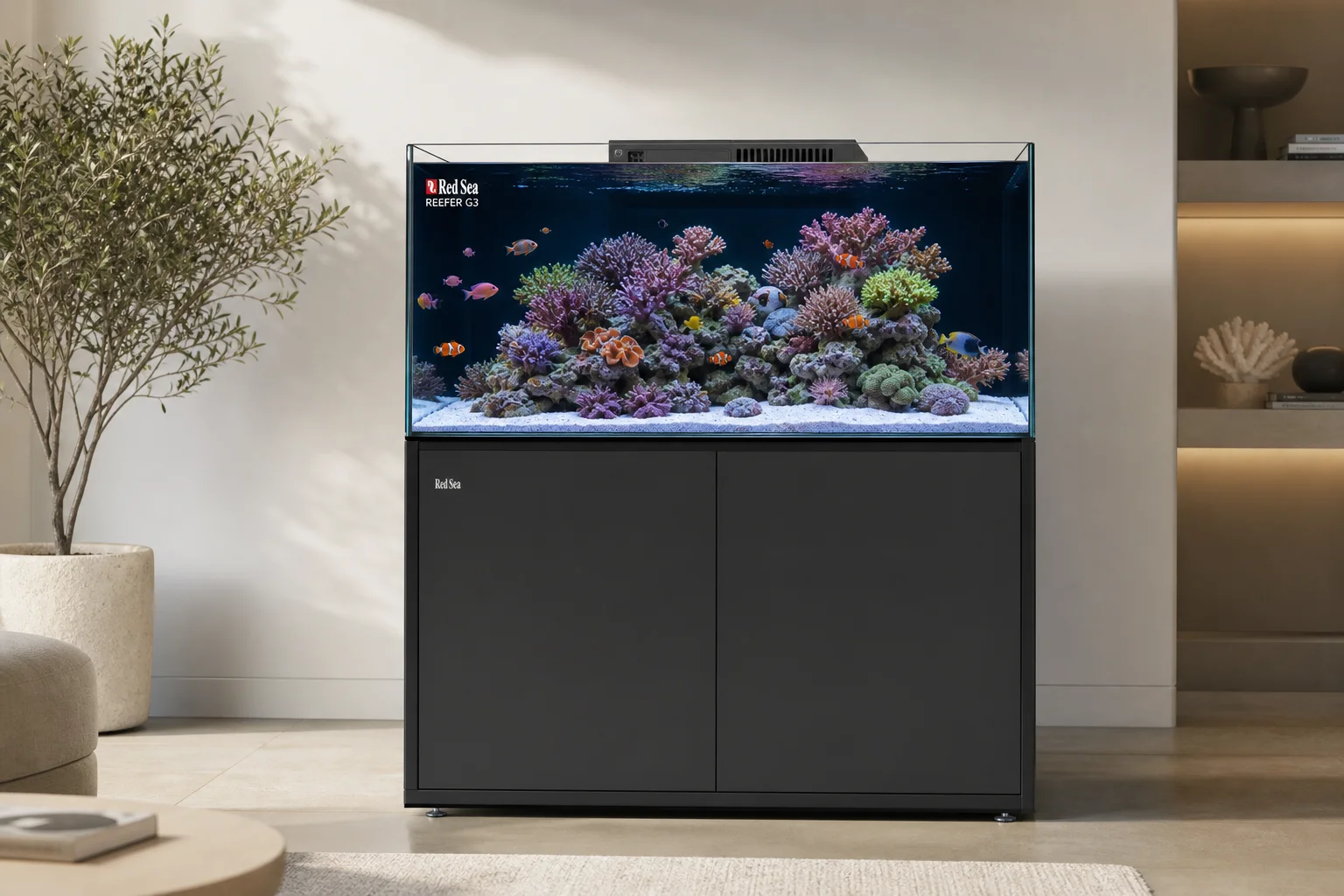
Red Sea REEFER G3 Reef Aquarium Systems: Complete Overview of the Third Generation
The REEFER G3 brings 30 years of reef research into a fully redesigned system with improved water circulation, multiple size options, and seamless smart ecosystem integration for both beginners and experienced aquarists.
Aquarium Systems
Waterbox Frag 105.4 Review: A Complete Frag Tank System for Serious Reef Keepers
A shallow, well-equipped frag tank system with a sturdy cabinet, real filtration capacity and a setup process that rewards patience. Here is what to know before buying.