Watch Collecting
Watches We Were Wrong About: Icons That Took Time to Win Us Over
Some of the most revered watches in history were once dismissed, ignored, or ridiculed. Here is how time rewrote the narrative for these now-iconic timepieces.
Introduction
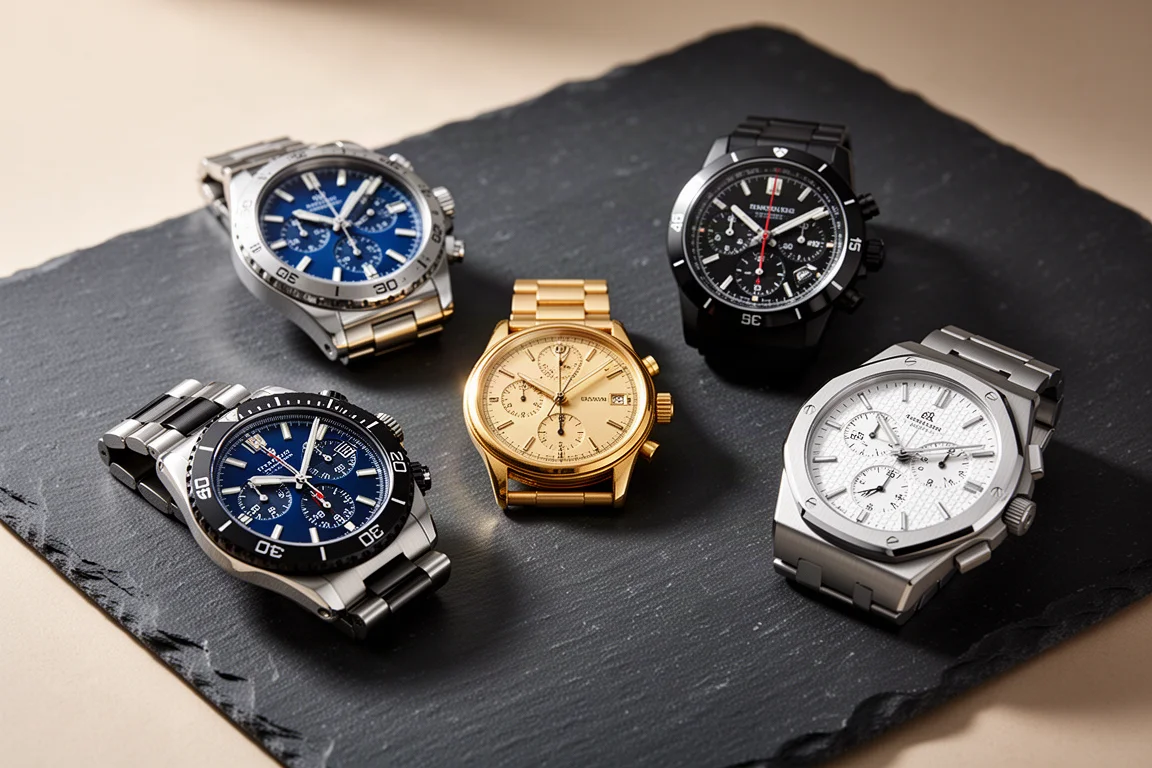
The collective opinion of watch enthusiasts is usually pretty reliable. When a new release drops, thousands of collectors, journalists, dealers, and enthusiasts weigh in almost instantly. And more often than not, the consensus lands somewhere close to the truth. But that is not always the case. Every so often, a watch arrives that is misunderstood. It gets ignored, dismissed, or even ridiculed, only for time to completely rewrite the narrative.
It may be hard to imagine today, given some of the icons discussed here, but even some of the most revered watches ever made were once considered disappointments, oddities, or outright failures. These are the watches that we were wrong about.
Vacheron Constantin Overseas: The Third Trinity Member That Finally Shone
Of the three Swiss Trinity brands of watchmaking, Vacheron Constantin has been more of the in-the-know choice for astute collectors despite making some of the best watches in the world. The same premise would remain if we were to talk about the integrated sports genre among the big three as well. Vacheron has had two separate attempts at the integrated sports design, including the interesting yet largely ignored 222 from 1977, which was discontinued less than a decade later in 1984.
Then in 1996, Vacheron decided to take another crack at the integrated genre with the release of the Overseas featuring the unmistakable bezel that recalled the brand’s Maltese cross motif. While modestly successful, it had nowhere near the same heat of the AP Royal Oak and Patek Philippe’s Nautilus, being a distinctive third to its rivals. Vacheron gave the Overseas a facelift in 2004 with larger case sizes, complications like dual time, and a much more distinctive bracelet that carried the Maltese cross design cues to the links themselves. This second phase of the Overseas was far from universally loved though, criticized by some for its bulkier profile.
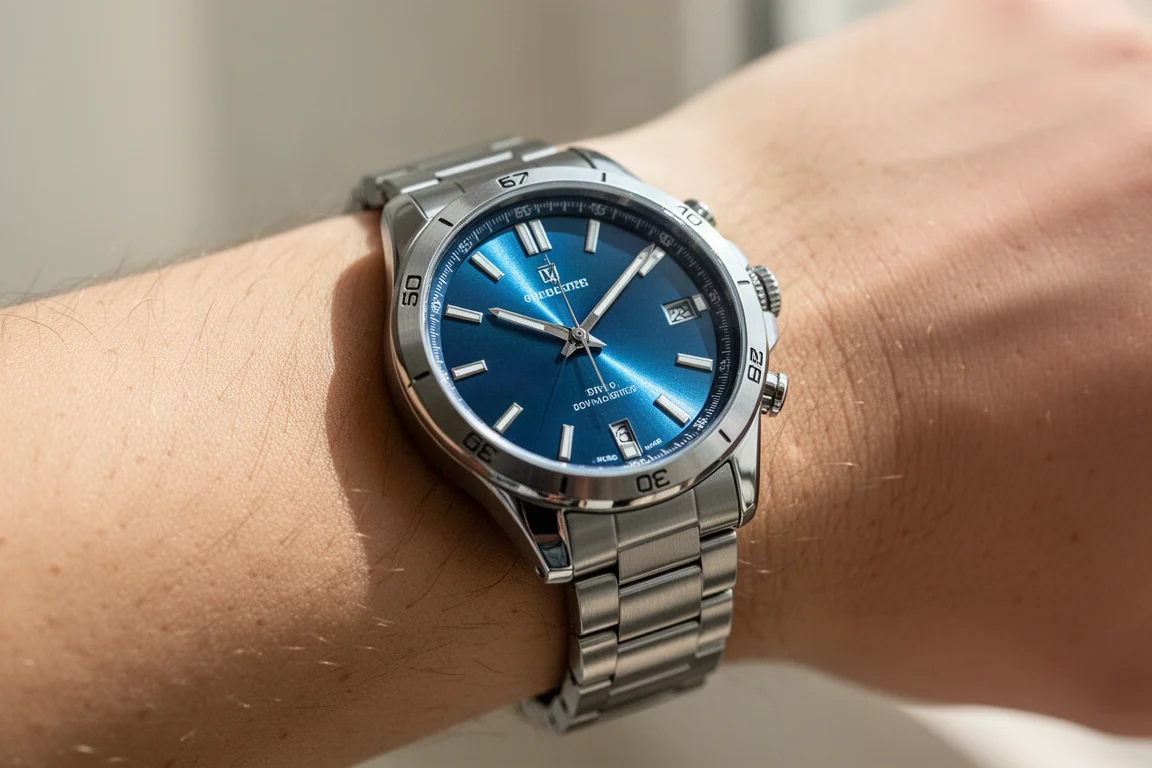
When the third generation of the Overseas came out, it felt distinctly modern by comparison to the older generations, but it did not fly off the shelves immediately. Despite being a strange time for the industry and the world, the global pandemic created a unique craze around integrated steel sports watches. The Royal Oak and Nautilus were trading at multiples of their price at retail, and almost anywhere you looked, a brand had their own take on the style. It was Vacheron that presented one of the best propositions though, and it took this frenzy for people to open their eyes to how excellent the Overseas was, not merely being an alternative.
The 4500V began taking off around 2020 to 2022 with select models like the blue dial options peaking out in trading values in excess of $50,000. They have since come back down to earth, but the Overseas has become a watch that is in high demand at boutiques to this day. And with the refined 4520V model slimming down the case even further, it makes them increasingly compelling.
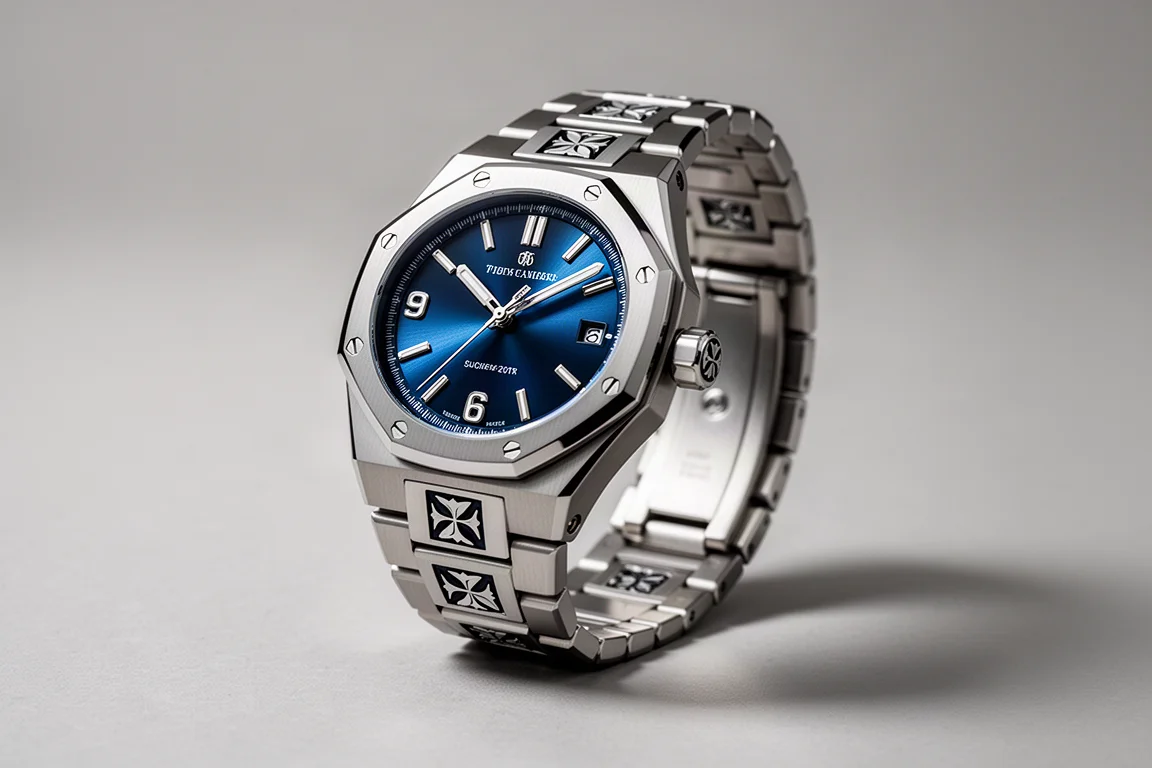
Perhaps the most meteoric rise in the integrated realm is the 222. This watch was always a cult favorite among Vacheron collectors. Yet, with its reintroduction in 2022, it has become one of the most celebrated vintage-inspired luxury watches on the planet, available in both gold and stainless steel. In either metal, it now represents the most sought-after Vacheron piece at retail, with the steel currently trading over 50% above the retail pricing. A pretty incredible rise for a watch that was more of an in-the-know classic among a very small group of collectors in the vintage scene.
Seiko 5 Sports: From Discontinued Favorite to Best-Selling Automatic
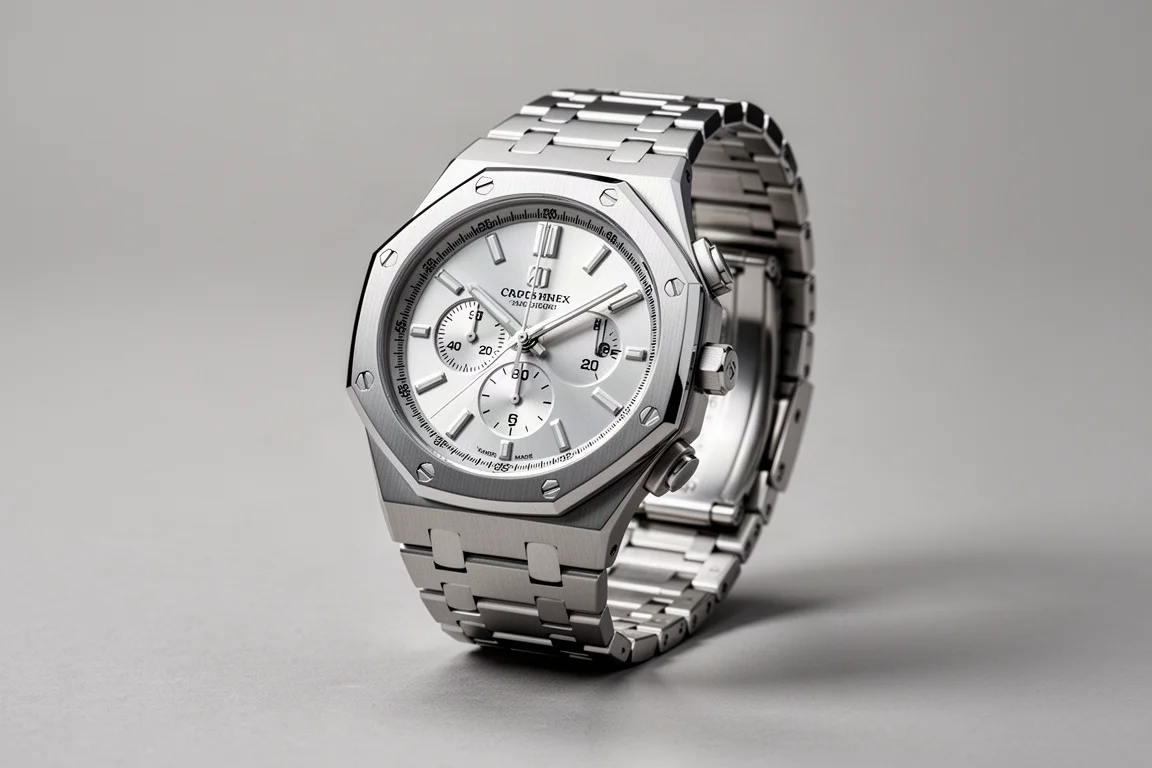
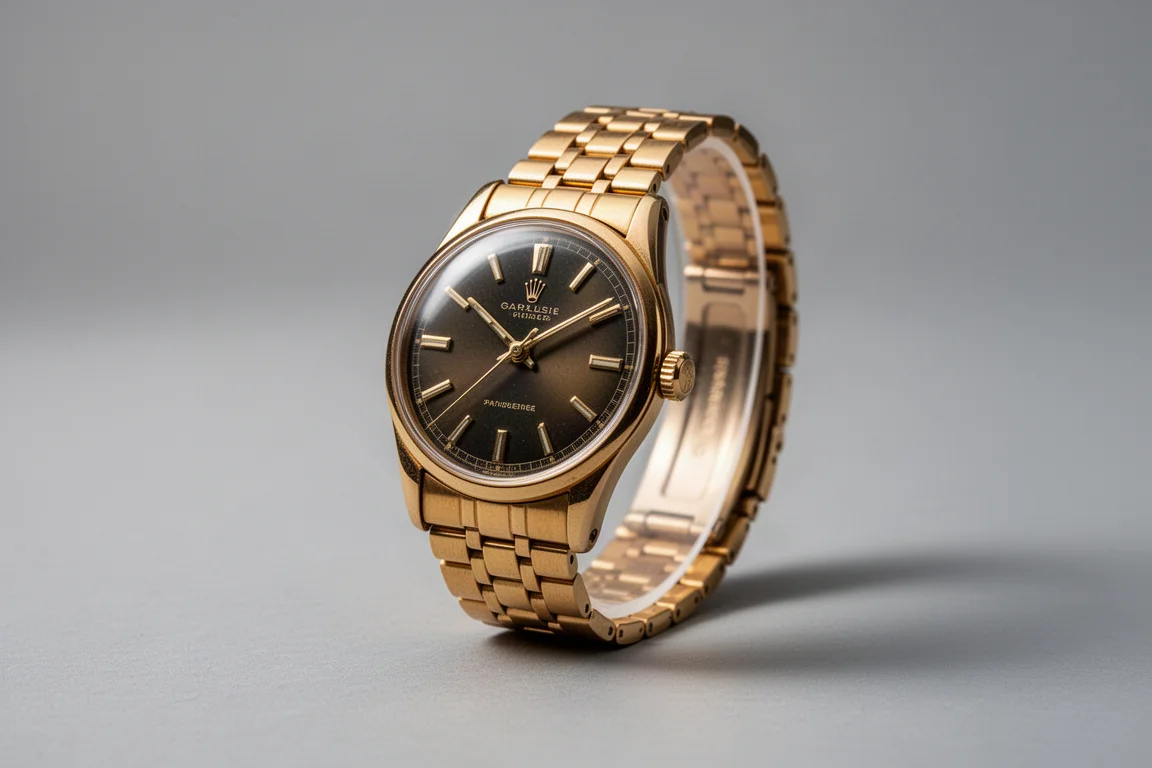
The year was 2019, and Seiko made a big decision. They discontinued the beloved Seiko SKX. If you had not gotten into watches following 2020, it is probably hard to imagine how much of a fan favorite the SKX was. For over two decades, it served as the symbol of dive watches from Japan in the attainable segment. And when Seiko decided to put an end to that 23-year long production run, fans were pretty upset, albeit hopeful for a direct successor.
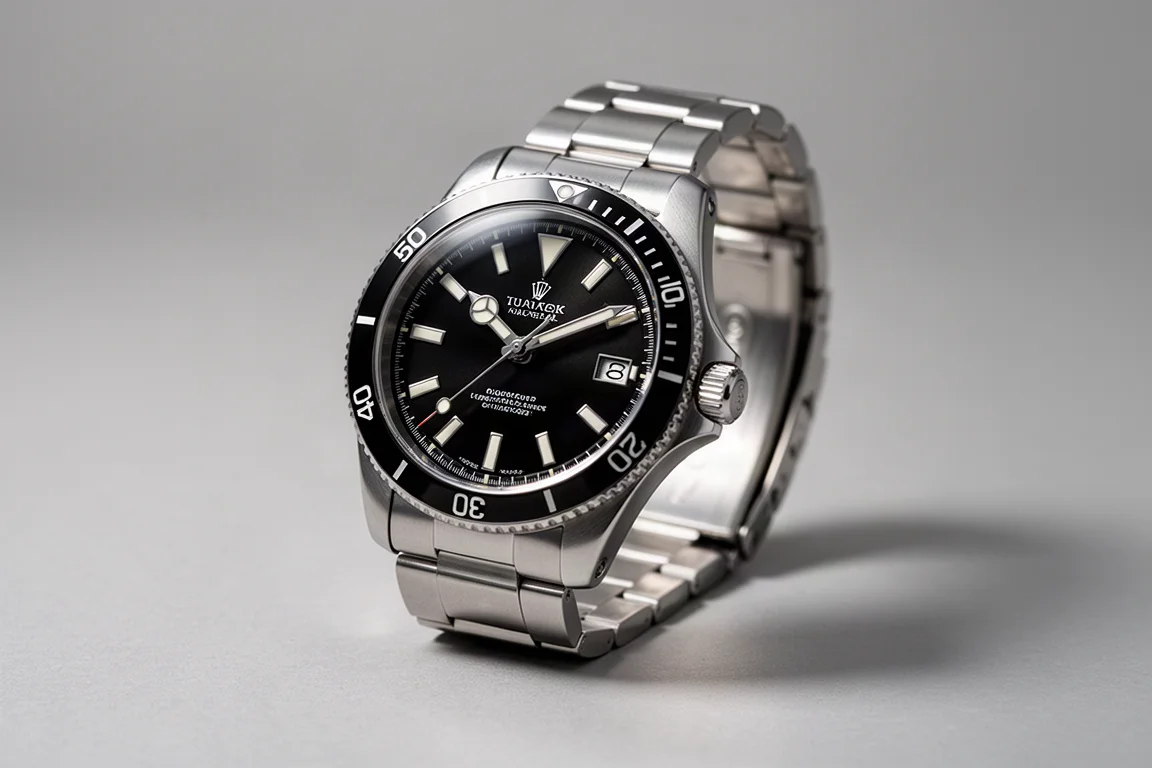
In the same year, Seiko also phased out the previous-gen Seiko 5s powered by the 7S26 movements. Seiko’s answer to both of these discontinuations was the introduction of the so-called 5KX model family within Seiko 5s new roster. Sporting a look that recalled the very watch that had been so cruelly snatched away from enthusiasts, the new 5 certainly had the look of the SKX with its easily identifiable case design, crown at four, timing bezel, and well-lumed dial details.
However, some looking for a direct successor to the SKX were still pretty outraged. The 5KX lineup of dozens of models only had 100 m of water resistance, and lacked the screw-down crown of the SKX, prompting some to complain that it was no longer a real dive watch, and leading to some comically overpriced examples of the SKX popping up on the secondary market. Despite never being intended to be a professional dive watch, these 5KX models were just caught in this crossfire.
In the years to follow though, the collection began to fill out. We saw pieces like the dress KX, the pilot takes on the design, the field watches from the Seiko 5 series, and the blockbuster hits of the SSK GMTs with the 4R34 movement. In 2026, Seiko 5 Sports have not only become appreciated by diehard fans. They are now the best-selling automatic watches under $500. This is a great example of showing that sometimes a watch is not judged merely on what it is delivering on paper, but also in the metal, with context of what is going on around it from a broader brand.
Christopher Ward: From Underdog Microbrand to Rising Independent
British independent Christopher Ward was far from an overnight success. In fact, the brand had an agonizingly slow start with almost no sales recorded in its first few months of existence. Christopher Ward’s marketing began with a single ad for their Malvern model placed in the Independent newspaper in 2005. And due to their lack of track record, orders practically were nonexistent.
It was not until they started getting some buzz and feedback in the TimeZone forums back in the day where they gained a bit of momentum, which praised the C5 Malvern automatic with its astonishing retail price of 179 British pounds. This was the first foothold that CW was able to establish with pieces like the C60 Trident automatic delivering another consistent seller.
Throughout the 2010s, Christopher Ward was mostly a nice underdog story. They were a small brand that made solid watches using third-party calibers and had an interesting business model, but pretty much an afterthought for most serious collectors. The common discourse around them was just debate around their logo and being a decent little microbrand that fell short of the major players lacking a distinct design identity.
2019 was a year when the company took on more investment to scale things, and scale things they did. The ultimate turning point that changed the trajectory of this brand was in 2022 with the release of the Bel Canto. This watch became an unexpected hero product for the brand commercially, and also set a new benchmark for what the brand was capable of, transforming public opinion nearly overnight. The once perfectly fine microbrand with inoffensive designs became something much more, a rapidly growing independent with a recognizable hit that they could build off of, taking larger brand market share in the process.
Releases like the 12 and the logo also served as additional encores to the Bel Canto, and with them Christopher Ward now reportedly has sales over 45 million in 2025 fiscal year, putting it at the doorstep of becoming a top 50 player in the Swiss watch industry.
Audemars Piguet Royal Oak and Patek Philippe Nautilus: The Slow-Burn Legends
During the 1970s, the industry was going through dramatic change. One of the most famous developments was the creation of two leading integrated sports models, the Audemars Piguet Royal Oak and the Patek Philippe Nautilus. These watches are drastically different, but given that they were designed by the same person and that they had similar responses at release, it makes sense to tackle them together.
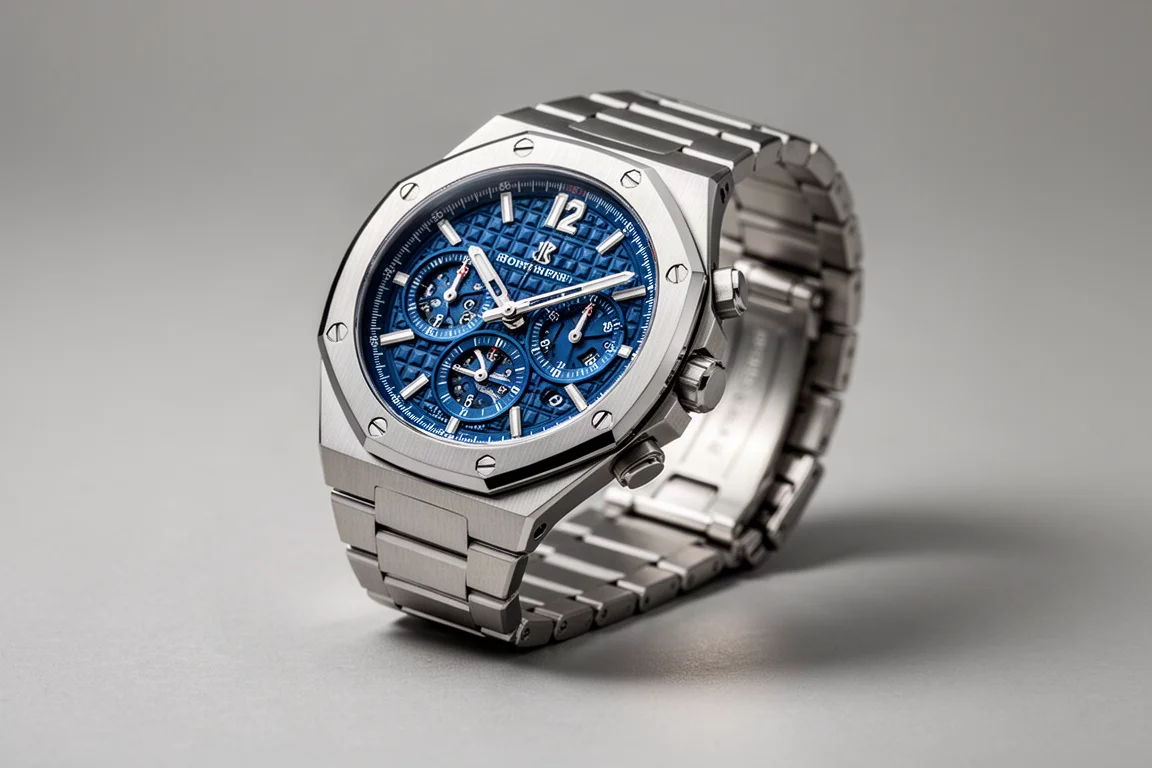
While AP’s Royal Oak remains perhaps the most white-hot integrated luxury watch in the world, it was not universally loved when it was first launched in 1972. At the dawn of the 1970s, Audemars Piguet was at a crossroads. The quartz revolution was beginning to rear its head, and high-end Swiss houses were scrambling to stay relevant. Enter legendary designer Gérald Genta, who was rumored to sketch out the Royal Oak in a single evening. The result was a water-resistant luxury steel sports watch, a fairly revolutionary concept at the time, sporting a bezel that resembled a dive helmet, and priced at an eye-watering 3,300 Swiss francs. For context, this cost more than a solid gold dress watch from Patek at the time, and the industry’s reaction was pretty mixed. Some were put off by the Royal Oak’s forward-leaning look, which also included a complex bracelet design, and watch dealers were equally shocked at the price, which cost about as much as a luxury car.
Another iconic design from Gérald Genta, the original 42 mm jumbo Nautilus of 1976, was initially something of a sales miss. Pushback came from criticism of its large size, and like the Royal Oak before it, its high price tag of $3,100 was considered far too ambitious for a steel sports model. In fact, early examples were met with pushback by dealers of the brand, and it took a considerable amount of time before the Nautilus really caught fire. A 1980s ladies’ version, the 27 mm quartz reference 4700, helped the Nautilus gain a foothold among luxury clients, and the following year, the now iconic reference 3800 was released in a 37.5 mm case size, which proved to have a much broader appeal.
Despite their slow-burn beginnings for both of these watches, the Royal Oak and the Nautilus have proven their staying power. Beyond being some of the watch industry’s most sought-after models, they have managed to hit an intersection of pop culture and craftsmanship. What is perhaps the most impressive thing about these watches is how they have become the symbol of both of these brands, especially in the case of the Royal Oak, and even the Nautilus with younger collectors. Today, they serve as the pinnacle of the genre, and have indirectly influenced other brands to jump in with their own takes, and have changed collector’s style preferences altogether.
FP Journe: The Independent Genius That Took Decades to Appreciate
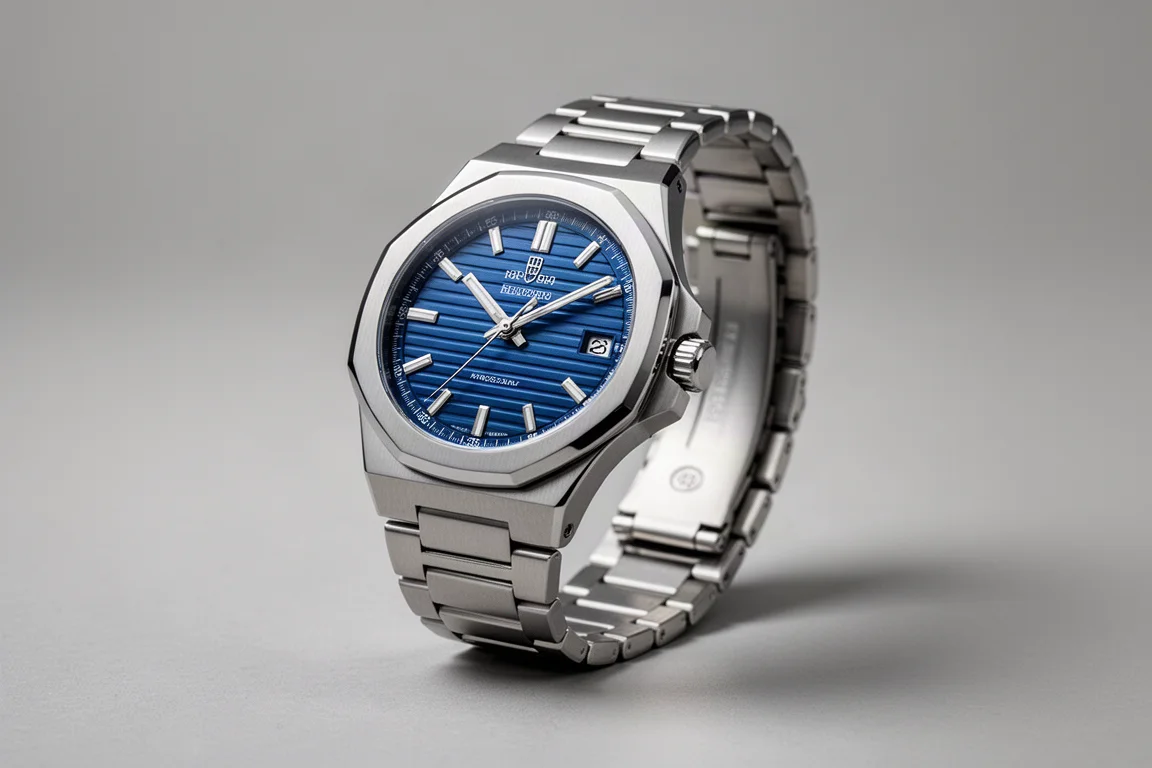
The genius of François Paul Journe, the namesake founder of FP Journe, has always been present, yet it took a bit of time to fully be appreciated. While there was always some interest in what Journe was doing, many of his watches and more unique innovations were initially misunderstood. For example, the Resonance baffled some with its two independent time displays, leading many to treat it as a dual time zone watch. Journe’s innovative take was instead to design to prove two movements were naturally synchronizing due to acoustic resonance, rather than a travel watch.
Journe also had a distinct style that differentiates from mainstay players with a recognizable typeface, its use of asymmetry in many of their designs, a scientific first approach, unusual thought process around complication, and a more free-spirited touch to classic watchmaking themes. Journe throughout the 2000s did receive a lot of acclaim through the GPHG and through those in the know, holding the honor of the most grand prize wins. Despite all of this, Journe watches were not flying off the shelves.
An interesting note that speaks to the commercial side of the business was also the story around the time-only Chronomètre Bleu. It was a watch that was launched in 2009 as a response to the global financial crisis, and was aimed to serve as an entry-level model for the brand, which is pretty funny in hindsight given how much hype is surrounding that watch. In the decade that followed, interest from Journe gradually increased. Albeit the increase was mild at first, seeing some spikes around 2015 through 2018 with more collectors recognizing the brand’s expressive attributes, and value for dollar.
Then in 2019, we saw the culmination of years of build-up. Many of the blue-chip brands started to become harder to obtain, and the world of independents were rapidly increasing in popularity. The early brass movement creations of Journe started to garner more fanfare, delivering stellar auction results. The Chronomètre Bleu and pieces like the Resonance turned into symbols of the independent scene, and watches like the Elegance, the brand’s refined quartz watch option, made Journe much more intriguing and accessible to a broader audience.
Unlike other brands on this list, when a company is producing roughly a thousand pieces a year, it does not take mass market change to completely shift the demand structure. In the following years, Journe became the hottest independent to collect and long gone were the days when people were sleeping on the genius of François Paul. Today, Journe pieces are rarely seen in the wild and have delivered some of the most impressive auction results ever for wristwatches, including the record-breaking Francis Ford Coppola prototype owned by the famous director himself, which uses a mechanical hand to indicate the time. The watch sold for 10.755 million dollars at Phillips auction in 2025, making it the highest result of any mechanical wristwatch from an independent brand at the time and the record for an FP Journe watch.
Grand Seiko: From Japanese Mystery to Global Enthusiast Favorite
You may not realize it now given the esteem in which the Grand Seiko name is held among enthusiasts, but this luxury watchmaker was virtually unknown outside of Japan not that long ago. The Grand Seiko name has existed since 1960, born of a company directive to compete on the same playing field as the finest Swiss chronometers, and yet only the most dedicated collectors were in the know in the 2000s.
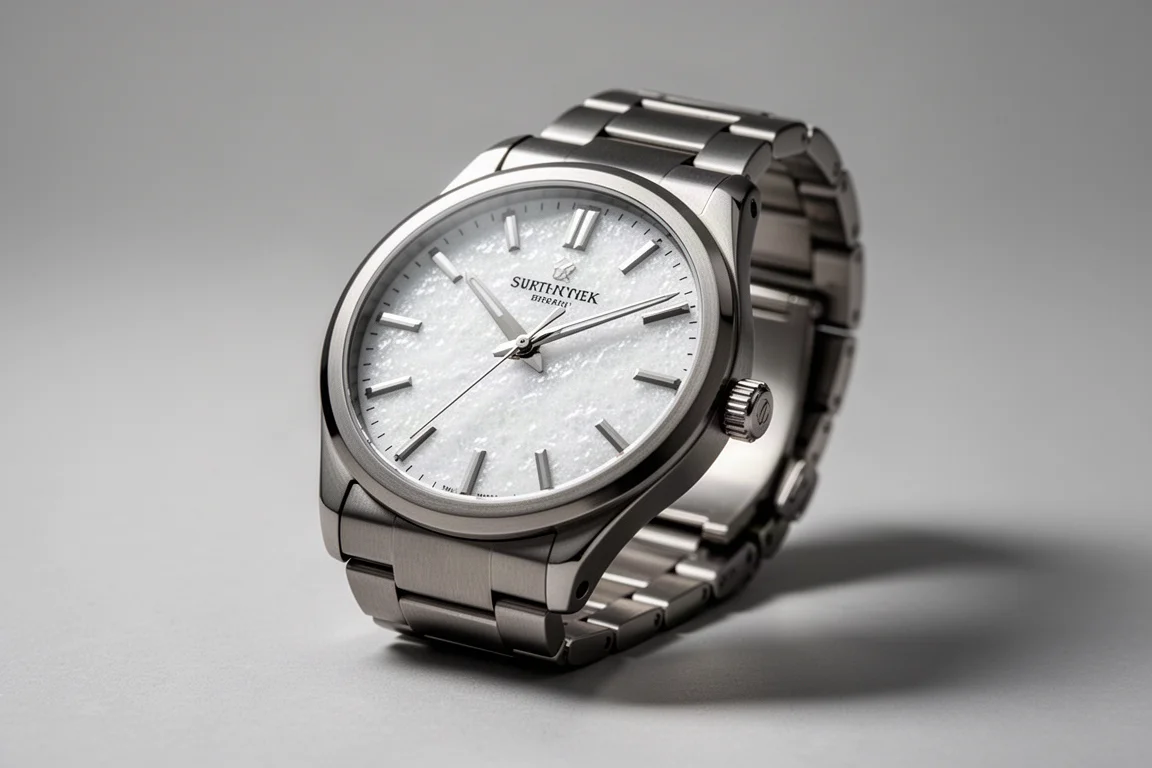
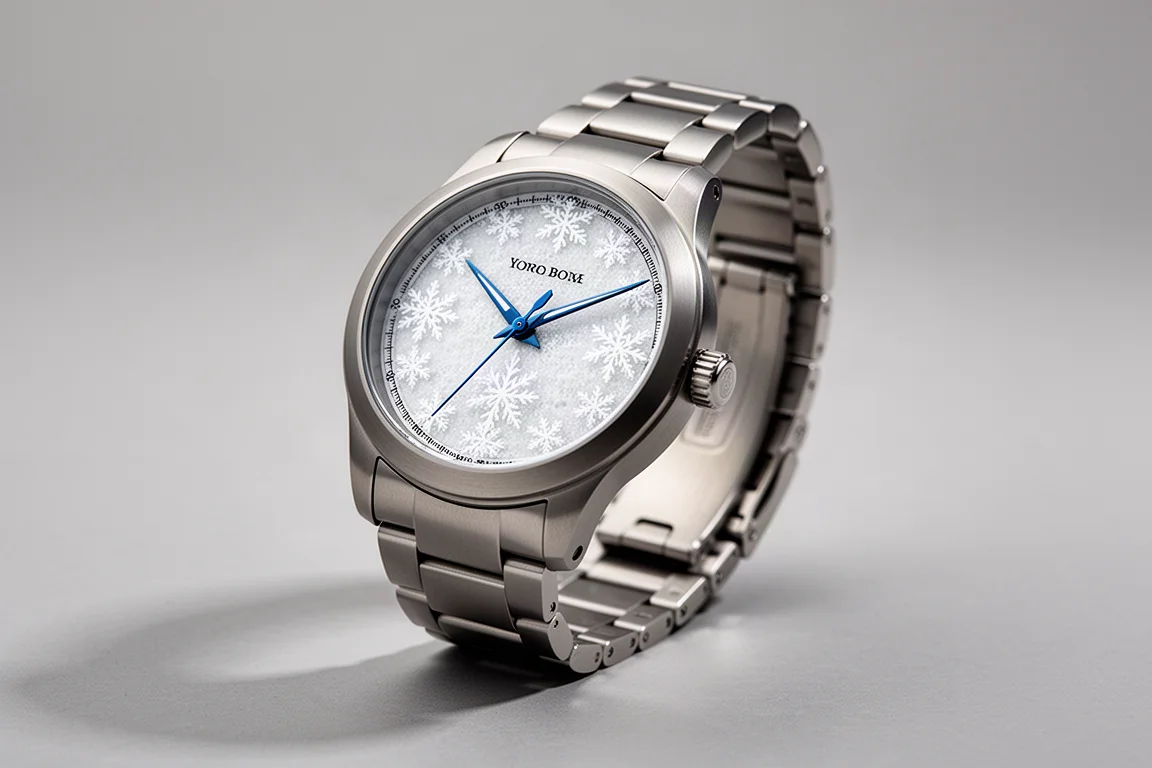
The watch we all know as the Snowflake first appeared in Japan in 2005 and the SBGA011 featured all the hallmarks of modern Grand Seiko, including the Zaratsu polished high-intensity titanium case, the innovative Spring Drive movement, and the frosty texture of its namesake dial. However, its international debut in 2010 did not necessarily catapult it into the collector spotlight. Grand Seiko was a brand that remained a mysterious legend to those outside of Japan, lacking broad international distribution.
Beyond that, there were many misconceptions about the brand given that it was rare to ever see one in the wild. Some struggled to follow its positioning as a company being commonly and wrongfully labeled as a more expensive Seiko by some, especially in the days of the 011 when the dial was double signed questioning its luxury watch classification. The other element that contributed to its enigma was the concept of Spring Drive. There was constant misunderstanding of how this trailblazing movement worked with many writing it off as soon as they heard the word quartz in the explanation.
For years Grand Seiko was an outsider on the luxury watch stage. This all started to change though around 2017. This was the point where Grand Seiko separated as an independent entity, expanded distribution outside of Japan, and as more collectors were able to see the watches, appreciation soared. What coincided with this broader reach was the brand’s icon known as the SBGA211 taking off. If you were on social media at the time, the SBGA211 Snowflake was one of the most loved watches out there. It now had a simple GS signed dial, it photographed incredibly, it showcased their proprietary Spring Drive tech, and had a dial that was unmatched in texture at its price. And it had the easy to remember nickname to go along with it.
The following year, Grand Seiko Corporation of America was established as an independent subsidiary and opened its first boutique in the United States in New York City. Grand Seiko became a runaway enthusiast favorite in the years that followed with the release of the Four Seasons series and the Evolution 9 collection solidifying them as a real player on the international stage of luxury watchmaking.
Louis Vuitton Tambour: From Fashion Accessory to High Horology
Louis Vuitton is certainly one of the world’s best known luxury houses, but their watchmaking has not always matched the perception of their other products exclusivity. For the most part, the output was dismissed as just another fashion brand and criticized predominantly for their quartz designs using outsourced components leading to accusations of riding the coattails of the Louis Vuitton name. This criticism was absolutely fair and for years LV was not seen as a serious watch-making name.
The quest to rebuild this reputation began after Louis Vuitton acquired master watch-making workshop La Fabrique du Temps in 2011, soon becoming the brand’s high horology manufacturer in the Canton of Geneva. Only those deeply intertwined with the industry could see the direction LV was hoping to go with their watch-making. LV in recent years has largely pivoted from the so-called fashion accessories into genuine high horology.
2023 marked a big year of change for the luxury house, following years of doubt and rolled eyes at the thought of Louis Vuitton as a serious watchmaker. When the 40 mm Tambour was refreshed in 2023, the reaction was interesting. The same persisting sentiments around LV remained. This time the watch-making presented was harder to question as the micro rotor caliber LFT 023 was objectively well done. Two other notable launches happened around the same time, including the relaunch of Daniel Roth and the release of the Tourbillon Suscription pieces, thanks to the work of La Fabrique du Temps.
Then came the collaboration with Akrivia, which basically created a watch-making co-sign by one of the most esteemed independent houses in the world. Beyond all of this, the creativity has been pretty impressive across Louis Vuitton’s watches, such as the Tambour Tycoon Spin Time, which tells time using a unique system of rotating cube indices. La Fabrique du Temps also serves as the home for the modern Gerald Genta, further cementing their reputation within the higher echelons of Swiss watch-making.
A. Lange & Söhne Datograph: The Watch That Put Germany Back on the Map
A. Lange & Söhne was founded in 1845 by Ferdinand Lange in Glashütte, Germany. His timepieces were well regarded, gaining famous clientele worldwide, including the royal family of Russia. His descendants continued his tradition of innovation and craftsmanship, but the Second World War almost erased the brand’s history forever with it ultimately becoming part of the GUB during the Soviet occupation of East Germany, which eventually became Glashütte Original decades later.
Fast forward decades later, and Ferdinand’s great-grandson Walter Lange vowed to rebuild. It was not until after the fall of the Berlin Wall in 1989 that Walter Lange was able to reintroduce his family’s business to the world. Lange joined the LMH Group in 1991 along with IWC and JLC, with the group eventually becoming part of Richemont. Four prototype watches were released in 1994. And at that point, German watchmaking came roaring back despite almost insurmountable odds.
Make no mistake, Lange watches were immediately seen as exceptional products, but it is important to remember where Germany’s watchmaking, especially the hub of Glashütte, was at during this time. They were in the process of rebuilding its worldwide acclaim. Most of the sentiment at the time for Lange was that they were technically impressive, but let us just wait and see, with the nod typically going to the Swiss given their more continuous track record as a watchmaking nation.
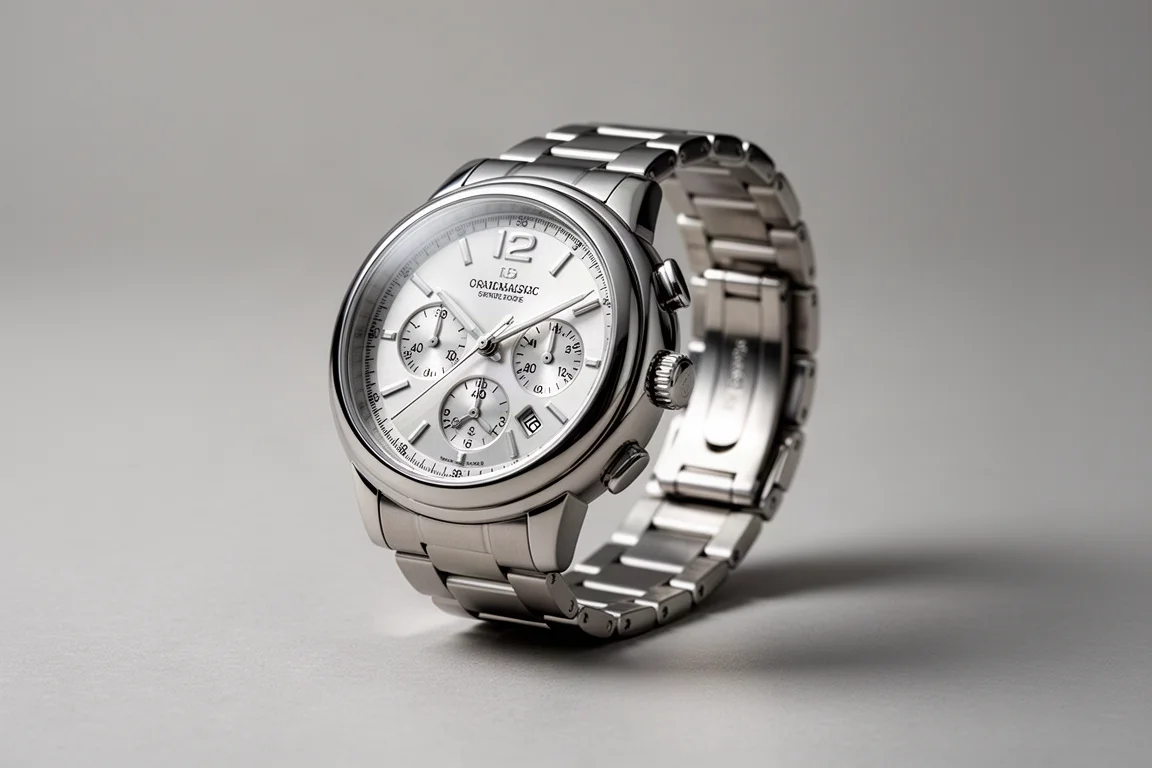
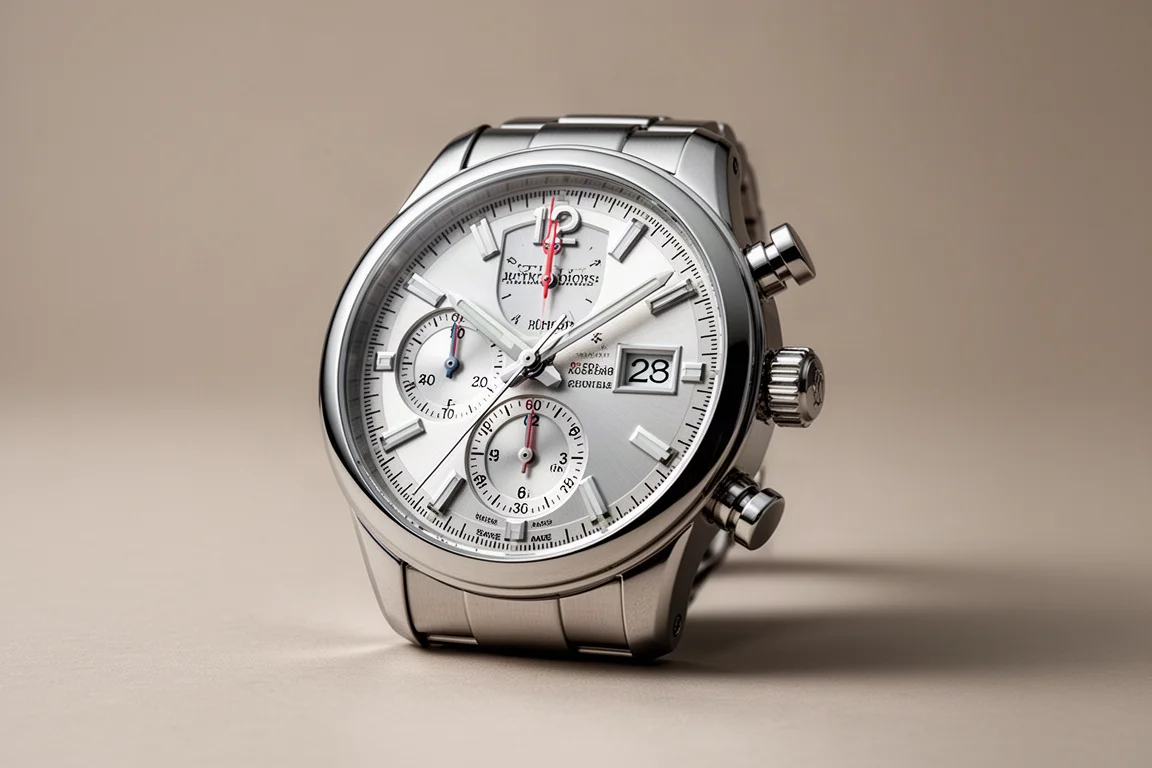
The watch that really sealed Germany’s return to glory was the 1999 release of the Datograph, and specifically its caliber. The L951.1 was designed and constructed in-house from the ground up. It was so well regarded that none other than legendary watchmaker Philippe Dufour reportedly called it, “The best chronograph movement ever made.” Exquisitely decorated, it was a triumph of micro-mechanics, featuring a column wheel design, a flyback complication, and a precisely jumping minute counter along with the integration of Lange’s trademark oversized date.
Keep in mind, the leading Swiss houses were using Lemania-derived calibers for their chronograph movements, and had not made a meaningful update to these calibers in years. The L951 made it so that the Swiss could no longer rest on their laurels, with brands like Patek working diligently on their first modern in-house chronograph caliber. The Datograph was an exclamation point on the return of German watchmaking to the highest degree, and even put all the Swiss on notice.
Rolex Daytona: From Dealer Shelves to the Pinnacle of Collectibility
Along with the GMT-Master II, the modern Rolex Daytona remains one of Rolex’s hottest properties. Worn by superstars, athletes, and collectors worldwide, but it was not always this way. In fact, many Daytonas languished on dealer shelves for years before the chronograph really took off in popularity.
Following the 1955 pre-Daytona chronograph reference 6234, Rolex launched the Cosmograph in 1963, showing the beginnings of its now familiar form. The Daytona name, a tribute to the famous Daytona 500, appeared on the dial beginning in 1965, but the Valjoux-powered watches languished on store shelves.
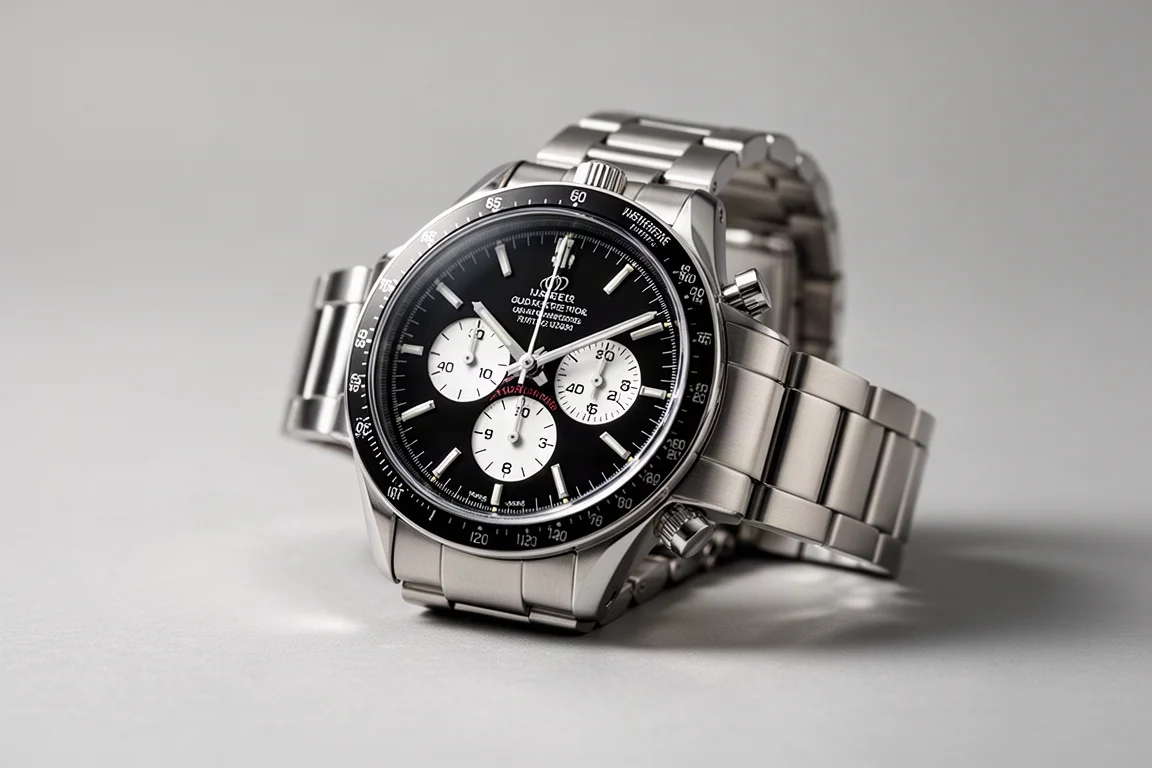
A pair of influences would later push the Daytona’s stock skyward. First, European collectors took notice of movie star Paul Newman’s own Daytona, boosted by the fact that Newman had taken the plunge into competitive racing after starring in the auto racing film Winning. His watch was the even less popular exotic black-on-white panda dial variant, a watch that would eventually auction for more than $17 million in 2017. The vintage collecting community enabled the watch to gain a large following, and in turn increased interest in contemporary Daytonas.
Further, the Daytona began utilizing an El Primero caliber instead of the long-standing Valjoux 72, and Rolex eventually introduced its own automatic movement in 2000, the caliber 4130. The Daytona in the 21st century has come to represent the pinnacle of Rolex collectibility, serving as the symbol for the modern era of the steel sports lineup from the Crown. And while the modern Daytona has grown bigger and seen the incremental rollouts of new features like the Cerachrom bezel, the vintage racing DNA remains intact. Given its classic looks, modernized movement tech, genuine racing heritage, and unrivaled desirability, the Daytona shows no signs of slowing down and is a permanent reminder of how things can change very dramatically in the world of watch collecting.
Overall Buying Advice
These stories share a common thread: public opinion is not always right, and time has a way of correcting the record. For collectors today, there are a few practical lessons worth keeping in mind.
First, a watch that is currently overlooked may not stay that way. The Vacheron Constantin Overseas, the Seiko 5 Sports lineup, and the Christopher Ward Bel Canto all demonstrate that a well-made watch with genuine character can find its audience, even if it takes years. Buying what you genuinely appreciate, rather than what is currently hyped, often leads to the most satisfying collection.
Second, context matters. Discontinuations, brand repositioning, and market trends can dramatically shift how a watch is perceived. The Seiko SKX discontinuation created a vacuum that the 5KX models were unfairly judged against, while the pandemic-era integrated sports watch craze finally gave the Overseas its moment. Understanding the broader story around a watch can help you make more informed decisions.
Third, independent and smaller brands deserve a closer look. FP Journe, Christopher Ward, and even Grand Seiko in its early international years were all underestimated at some point. The same could be true of today’s emerging independents. If a watch impresses you on the wrist and in the metal, that is often more meaningful than what the current consensus says.
Conclusion
The watches in this list were all, at some point, misunderstood. Some were dismissed as too expensive, too large, or too different. Others were ignored simply because the world was not ready for them. But time proved otherwise, and today they stand among the most celebrated and sought-after timepieces in the world.
Whether you are drawn to the integrated elegance of the Vacheron Constantin Overseas, the accessible charm of the Seiko 5 Sports, the independent brilliance of FP Journe, or the racing heritage of the Rolex Daytona, these watches are reminders that the best timepieces often reveal their true value over time. The next time a new release is met with skepticism, it might be worth remembering these stories. Sometimes, the watches we are wrong about are the ones we end up loving the most.
Further reading
Related Reviews
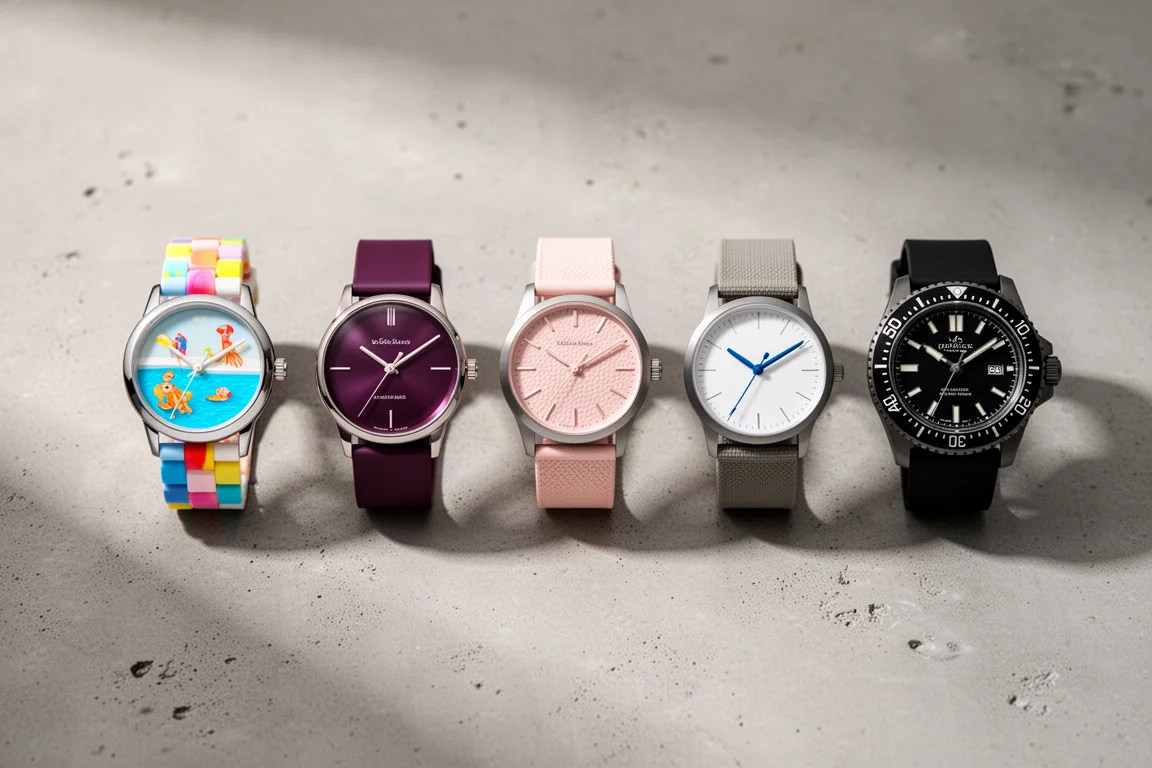
Watch Collecting
Building a Watch Collection Without Swiss Watches: Five Global Approaches
Explore five distinct watch collections built entirely without Swiss watches, featuring exceptional timepieces from the UK, Japan, Germany, and beyond.
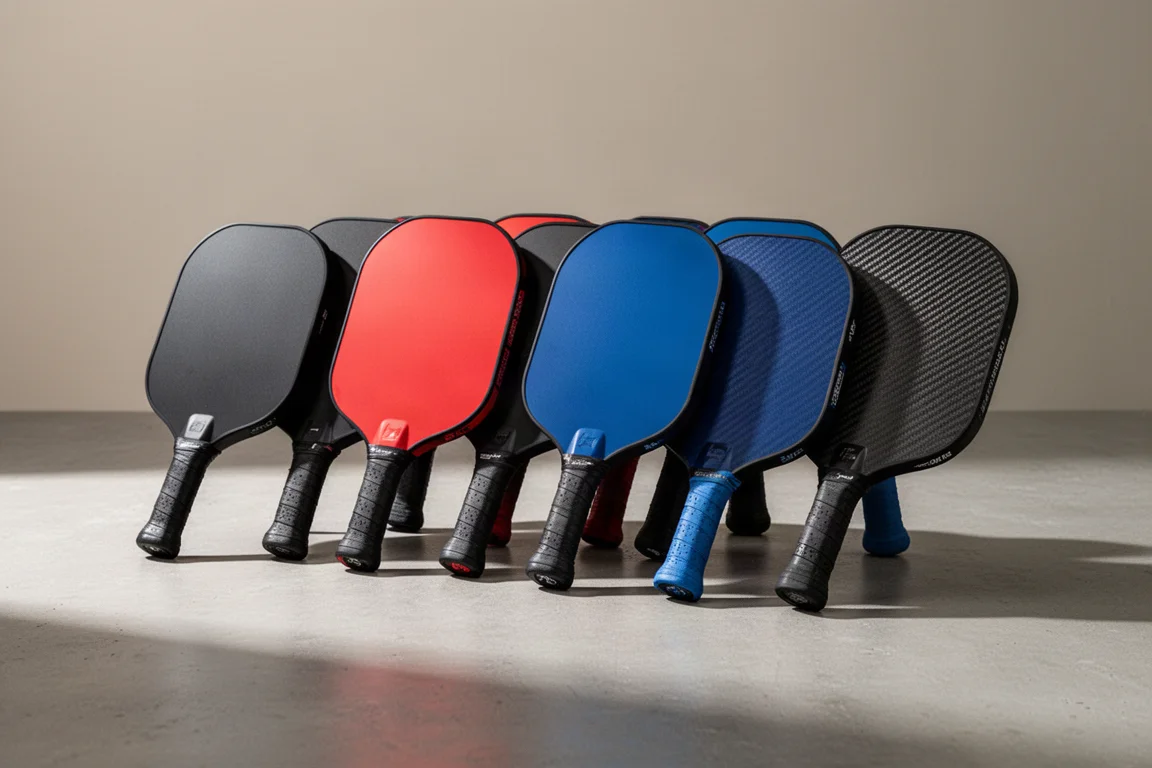
Pickleball Paddles
2025 Paddle Awards: The Best Pickleball Paddles of the Year
A category-by-category breakdown of the best pickleball paddles of 2025, covering value, control, all-court, power, and paddle of the year.
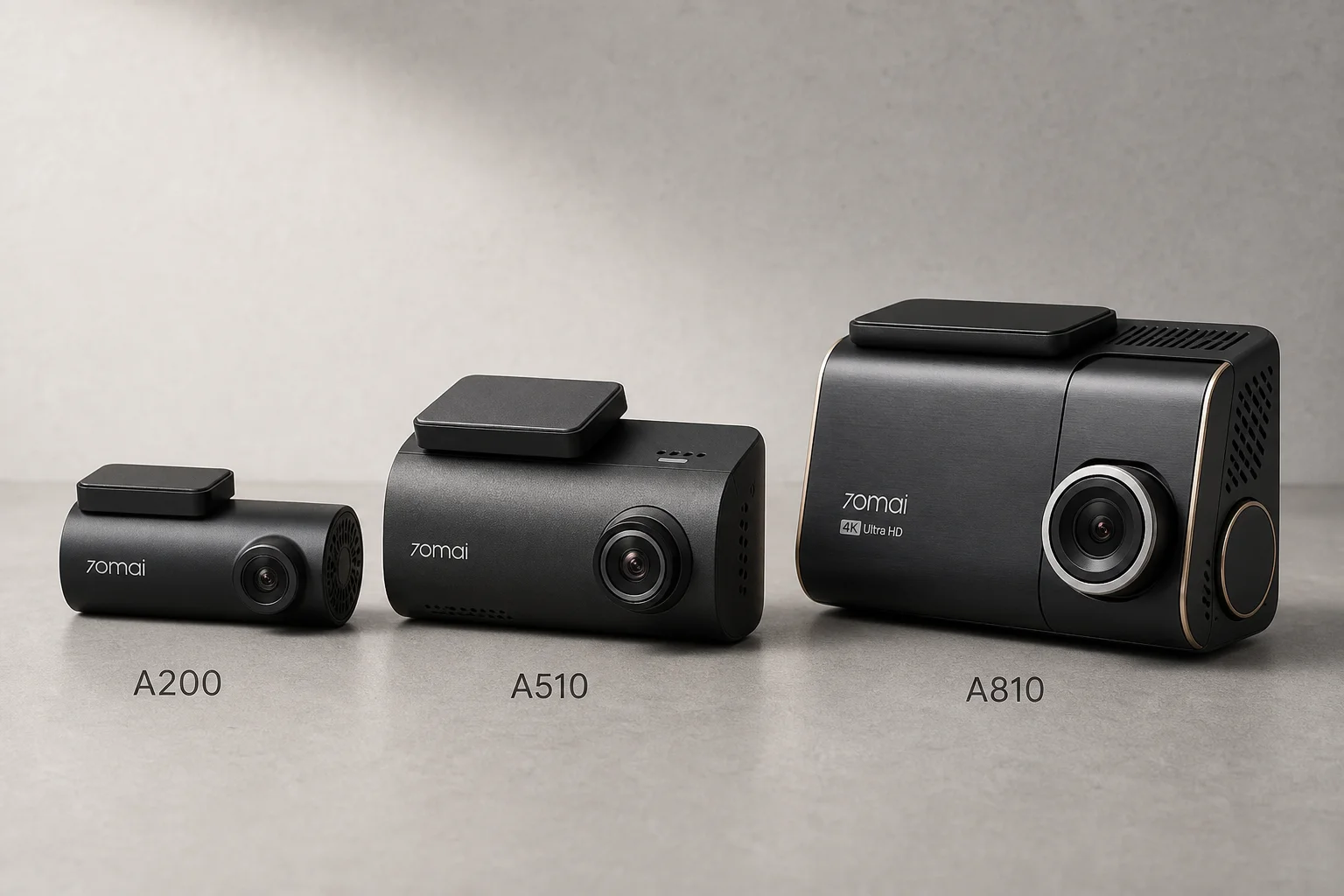
Automotive Accessories
70mai Dash Cam Comparison: A200 vs A510 vs A810
Three dash cameras from 70mai across different price points reveal how resolution and sensor quality impact real-world footage clarity, especially for number plate visibility and low-light performance.