Cycling Power Meters
Wahoo Power Link Zero Review: A Speedplay Power Meter Worth the Wait?
Wahoo's first Speedplay-based pedal power meter brings a distinctive dual-sided design, a 75-hour battery claim, and a competitive price. Here is what to weigh before buying.
Introduction
The Wahoo Power Link Zero is the first proper power meter built around the Speedplay pedal platform, and it arrives after a long wait. Wahoo acquired Speedplay and relaunched the pedal range, promising a power meter version at the same time. Supply pressures pushed the timeline out considerably, so expectations have been high.
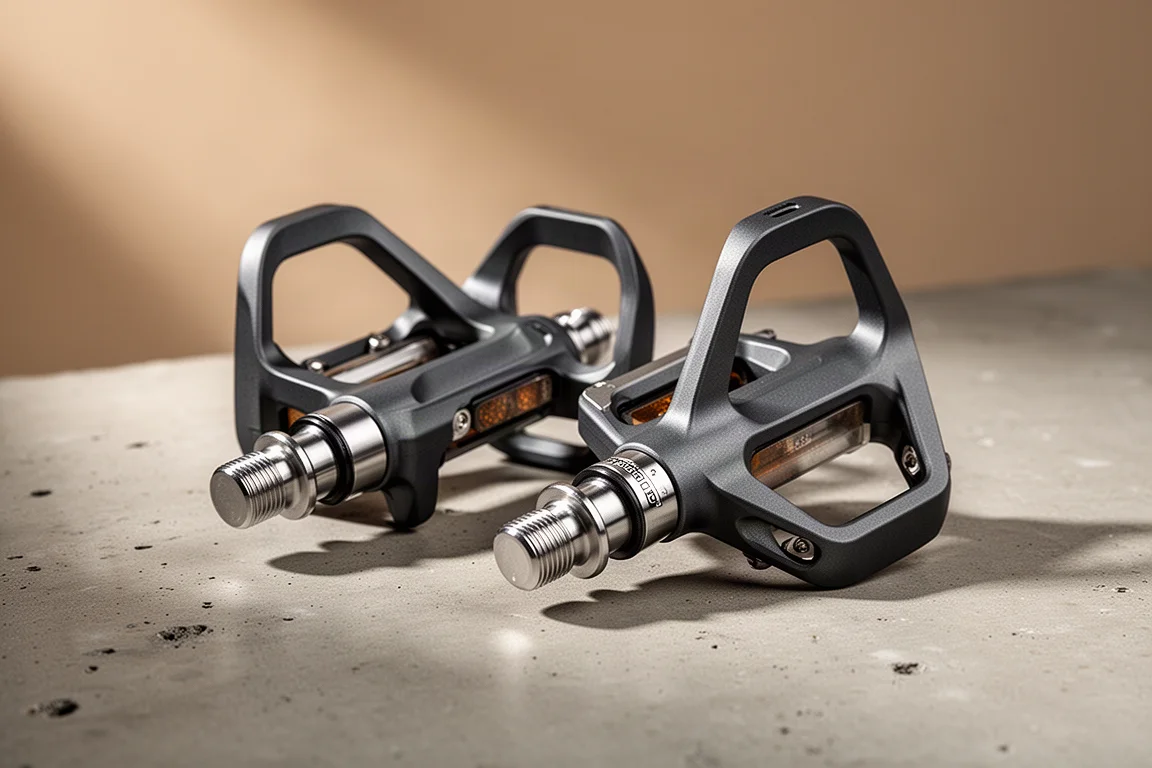
The wait looks worthwhile on first inspection. The Power Link Zero keeps the unmistakable dual-sided lollipop profile of Speedplay pedals, with the power measuring hardware tucked into a compact collar rather than bolted on as an obvious afterthought. The result is a sleek, premium-feeling product that retains the small silhouette Speedplay riders already know, and from the saddle the electronics simply disappear.

Who This Product Is For
This is a pedal power meter, and that shapes everything about who should consider it.
The clearest fit is the committed Speedplay rider who has wanted power on this platform for years. The second group is riders who own several bikes or regularly ride rented or borrowed machines. Because the pedals move between frames in minutes, one set can cover a stable of bikes, a training camp hire bike, or a winter bike that shares nothing else with a race build.
It also suits riders who value the wide, adjustable float Speedplay is known for. That float lets the foot find a natural pedalling position rather than forcing a precise alignment, which many riders find kinder on the knees over long distances and steep gradients. If you prefer a fixed, heavily located feel underfoot, this platform is probably not the one you want.
Main Strengths
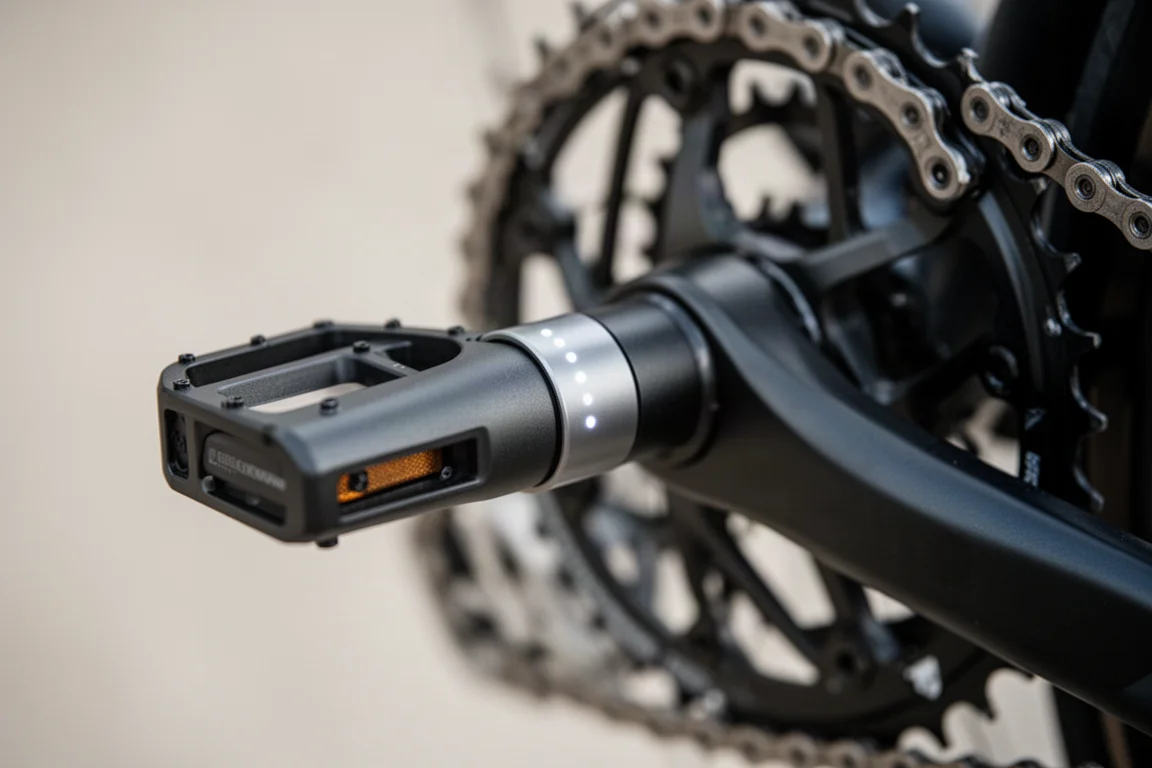
The headline claim is accuracy of plus or minus one percent, matching the figure Wahoo quotes for its indoor smart trainers. Around the pedal collar, small LEDs report charge status and remaining battery runtime, and the charging connector sits neatly in the same housing. A slim axle sits at the outboard end.
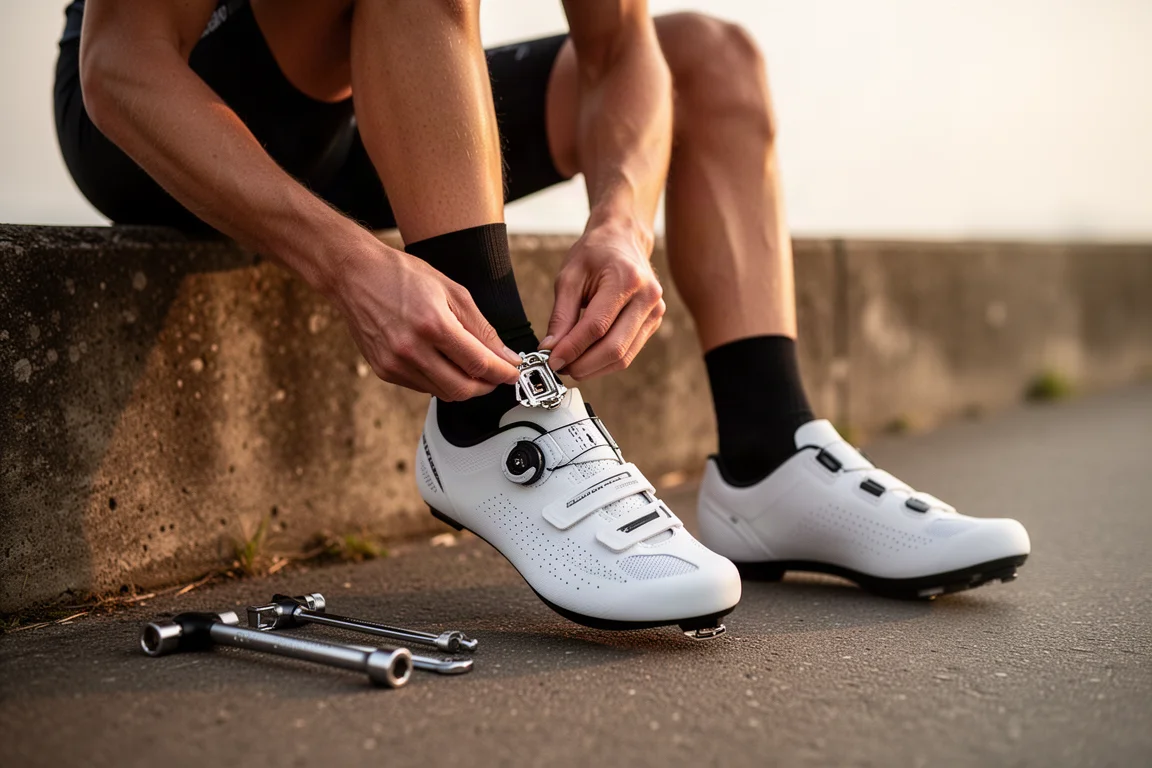
Claimed battery life is 75 hours, recharged through a USB collar that wraps around the pedal body. Connectivity is Bluetooth, so the pedals pair with any compatible device, and cleats are included in the box. Existing Wahoo cleats and older Speedplay cleats remain compatible, which saves existing owners from replacing hardware they already own.
On the bike, installation is straightforward. There is no calibration ritual to work through before a ride: fit them, pair them, and go.
Setup, Battery and Compatibility
Getting started is one of the least complicated parts of the ownership experience. The pedals arrive with cleats, mount like any other pedal, and connect over Bluetooth to a compatible head unit or training app. The status LEDs take the guesswork out of whether the batteries need attention before a long ride.
Wahoo quotes 75 hours of riding per charge, charged through the USB collar that surrounds each pedal body. In hand, each pedal weighed 139 g on a set of scales, which keeps the package close to what the platform is known for. Compatibility is broader than the pedals themselves: older Wahoo cleats and original Speedplay cleats both work, so upgrading does not mean rebuilding your shoe setup from scratch.
Performance and Data Accuracy
Real-world riding on steep local climbs produced numbers that sat within expected ranges for the effort involved, with power readings lining up sensibly against heart rate and perceived exertion. Conditions during testing were challenging, with strong winds sweeping through, which makes any outdoor dataset harder to read cleanly.
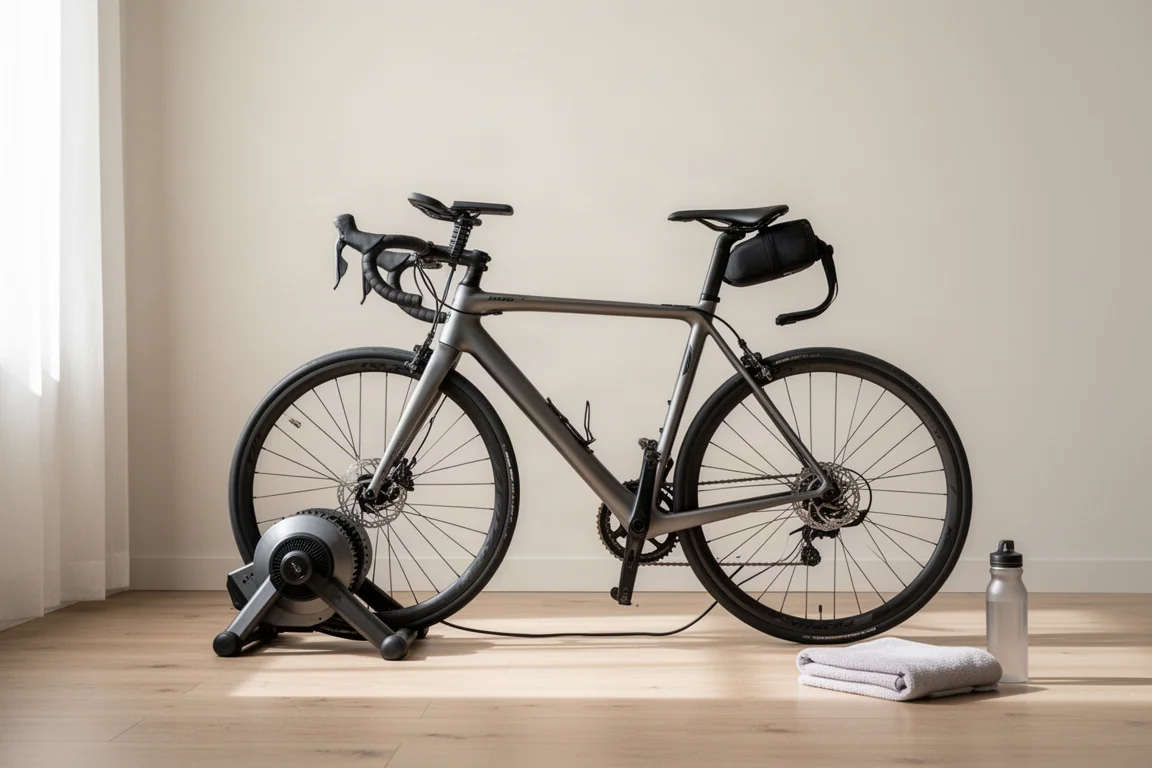
The more revealing comparison came indoors, where the pedals were run alongside a Wahoo KICKR smart trainer on sustained virtual climbs with steep gradients. The two tracked each other consistently through the peaks and troughs as power rose and fell. The divergence appeared in the mean max power figures, where the pedals read roughly 20 W lower on average than the trainer. That offset was consistent rather than erratic, but it is still an offset worth flagging. It may reflect the test setup or the software state of the pedals at the time of testing rather than the hardware itself, and longer-term use across more bikes will clarify where the truth sits.
Things to Consider Before Buying
Price is the first consideration. The dual-sided Power Link Zero retails at around 850 pounds, with a single-sided version at around 550 pounds. That places it between two well-established rivals: dual-sided Garmin Rally pedals sit at roughly 900 to 950 pounds, while Favero Assioma options come in lower at around 600 to 650 pounds. It is competitive, but not the cheapest route into pedal-based power.
Cheaper left-side-only crank-based power meters exist, and they can be excellent value. What they cannot do is move from bike to bike in minutes, which is the core argument for a pedal system. If you ride one bike and rarely travel with it, the swap-and-go benefit carries less weight.
Finally, the platform itself is a decision. The distinctive Speedplay design and its adjustable float are a genuine advantage for many riders, and a dealbreaker for others. If you have never got along with this pedal feel, the power meter underneath will not change that.
Buying Advice
Buy the Wahoo Power Link Zero if you already ride Speedplay pedals, want power across more than one bike, and value a float range that lets your foot settle naturally. The one percent accuracy claim, the 75-hour battery figure, and the straightforward setup make it a credible debut rather than a compromise.
Look elsewhere if you only ever ride one bike and simply want the lowest cost per watt, in which case a crank-based single-sided meter will do the job for less. Riders comparing at the top of the market should weigh the Power Link Zero against Garmin Rally on features and against Favero Assioma on price, since all three now occupy the same decision.
For Speedplay loyalists, this is the product the platform has been missing, and the first impressions are encouraging.
Conclusion
The Wahoo Power Link Zero is a polished, well-engineered entry into a small category, and it preserves everything that makes Speedplay pedals distinctive while adding credible dual-sided power measurement. The design is clean, the battery life claim is generous, setup is simple, and the price undercuts the most obvious premium rival.
The caveat is data verification. An early indoor comparison showed the pedals reading consistently lower than a smart trainer, and that deserves follow-up before anyone treats the numbers as an absolute reference. As a system for tracking your own effort over time, swapping between bikes, and avoiding awkward cleat alignment, it makes a strong case. As a finished verdict on accuracy, it needs a longer run.
That is a reasonable position for a first-generation product on a platform that waited years for it. Speedplay riders who want power on their own terms now have a serious option.
Product link
View more details for Wahoo Power Link Zero
This product is mentioned in the review. Check the specifications, options, and compatibility before buying.
View more details for Wahoo Power Link ZeroFurther reading
Related Reviews
Cycling Power Meters
Five Affordable Power Meters for Road and Off-Road Cycling
Five practical power meter options under $500 that deliver reliable power measurement without breaking the budget.
Cycling Power Meters
Assioma Pro MX-2 Review: Dual-Sided Off-Road Power Meter Pedals
A light dual-sided off-road power meter pedal with a claimed 191 g weight, plus or minus 1% accuracy and a 60-hour battery.
Cycling Power Meters
Best Power Meter Pedals 2026: Seven Systems Compared
A practical comparison of seven power meter pedal systems, covering accuracy, battery life, servicing, weight and price.