Indoor Cycling
Wahoo KICKR Rollr Review: Fast Bike On and Off, With Big Caveats
A smart roller trainer that makes swapping your bike in and out almost instant, but requires a power meter and has quirks you should know about before buying.
Introduction
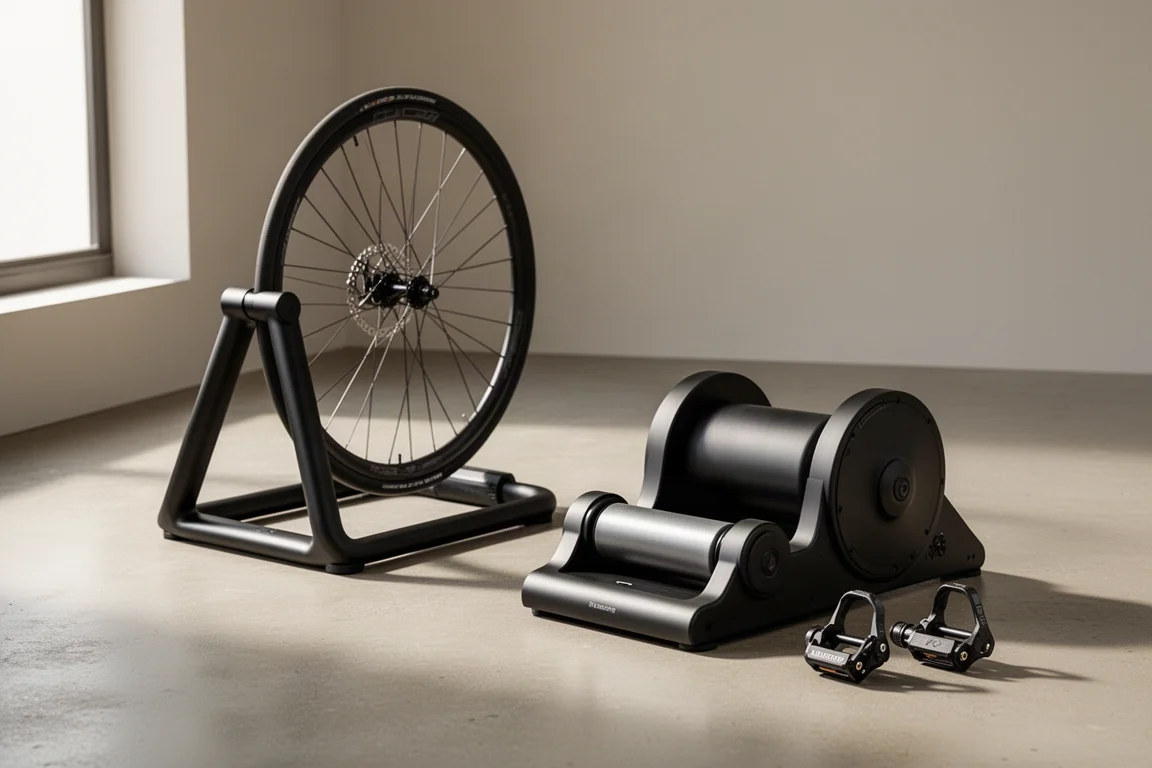
The Wahoo KICKR Rollr is an unusual product: technically both a roller and a smart trainer, and Wahoo itself classifies it as a smart trainer. The core idea is speed and convenience. You slide your bike onto the rollers, the rear wheel stays free, and you simply ride. Removing the bike is just as fast. There is no clamping of the rear wheel, no calibrating against the tire, and no removing the rear wheel. In practice, mounting the bike takes roughly three seconds, which is genuinely a step change compared with almost any other trainer on the market.
Who This Product Is For
The Rollr is aimed at riders who hate the friction of putting their bike on a trainer. If you have ever skipped an indoor session purely because swapping the bike over felt like a chore, this design speaks directly to you. It supports tires up to 2.1 inches (53mm) wide, which covers nearly all road bikes and most gravel bikes, though some mountain bike tires will be too wide.
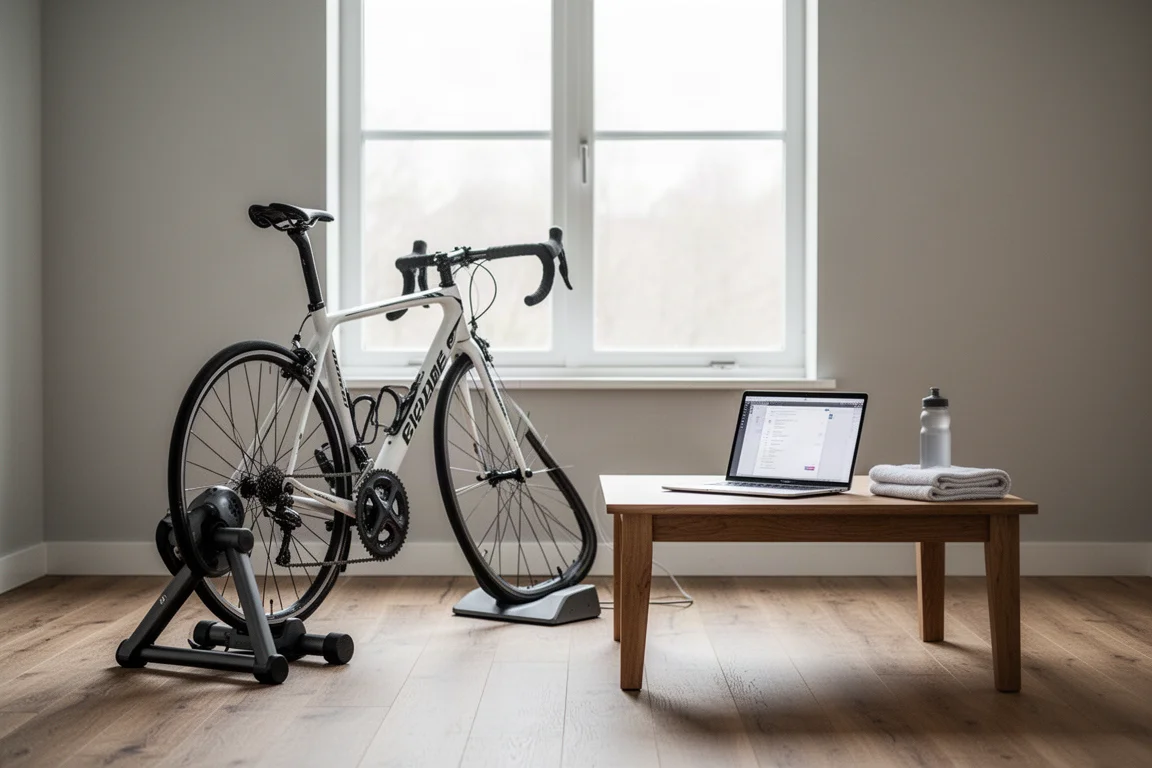
The unit folds flat for storage. You can slide it under a bed with about eight inches of clearance or stand it upright in a closet. It is not, however, easy to transport, so it is a stay-at-home trainer rather than something you would bring to a race.
Main Strengths
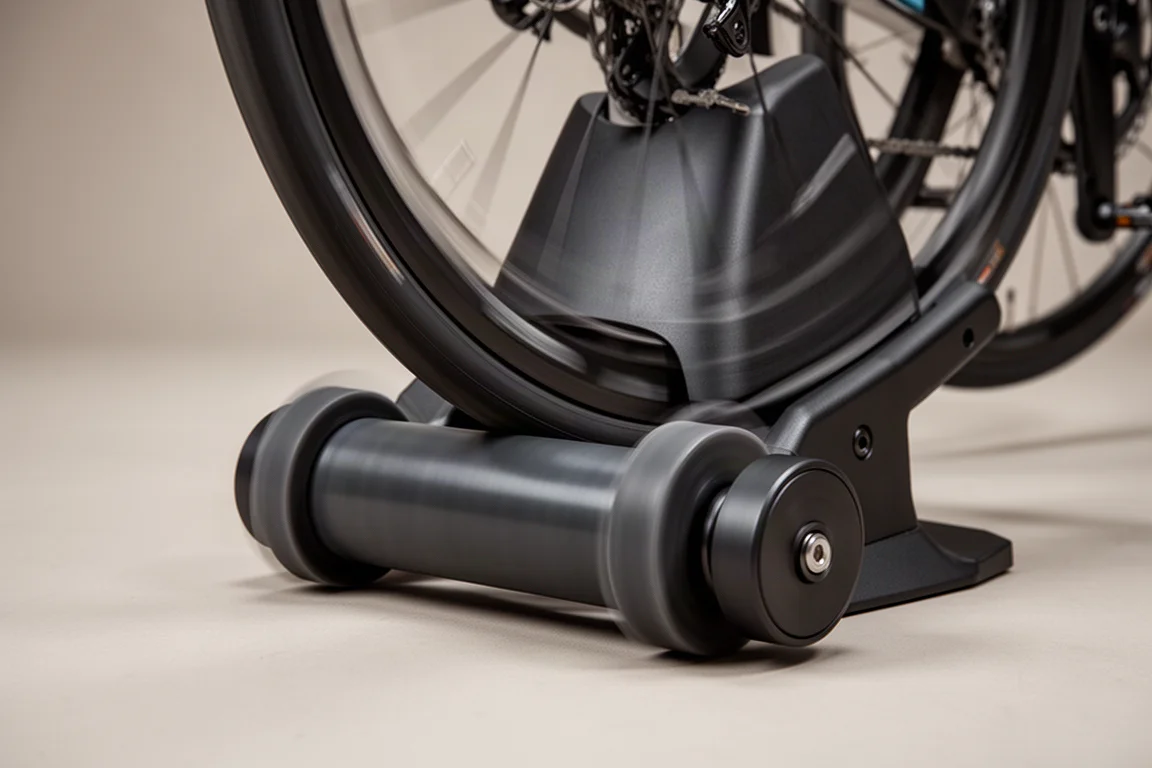
The standout feature is the near-instant bike swap. Slide the rear wheel onto the rollers, secure the front wheel in the adjustable stand, tighten the front prong with the small front wheel, and you are riding. Assembly out of the box is also simple: two main pieces join with two pre-fitted screws and you are done.
Once riding, the road feel is better than expected for a smart roller. Steady-state riding feels genuinely good, with a slight side-to-side movement from the roller action. Because your body weight rests on the rollers rather than a locked-in clamp, you feel natural shifts and vibrations as you move, which is closer to the outdoor sensation than the static feel of a typical wheel-on trainer.
Connectivity is strong. The Rollr works with apps like Zwift and TrainerRoad over multi-channel Bluetooth Smart and ANT Plus, can simulate grades up to 10 percent, and handles a maximum of 1,500 watts. It is also compatible with the Wahoo Direct Connect dongle, which lets you run an ethernet connection to avoid wireless interference in apartment settings, though Zwift does not support that adapter.
Things to Consider Before Buying
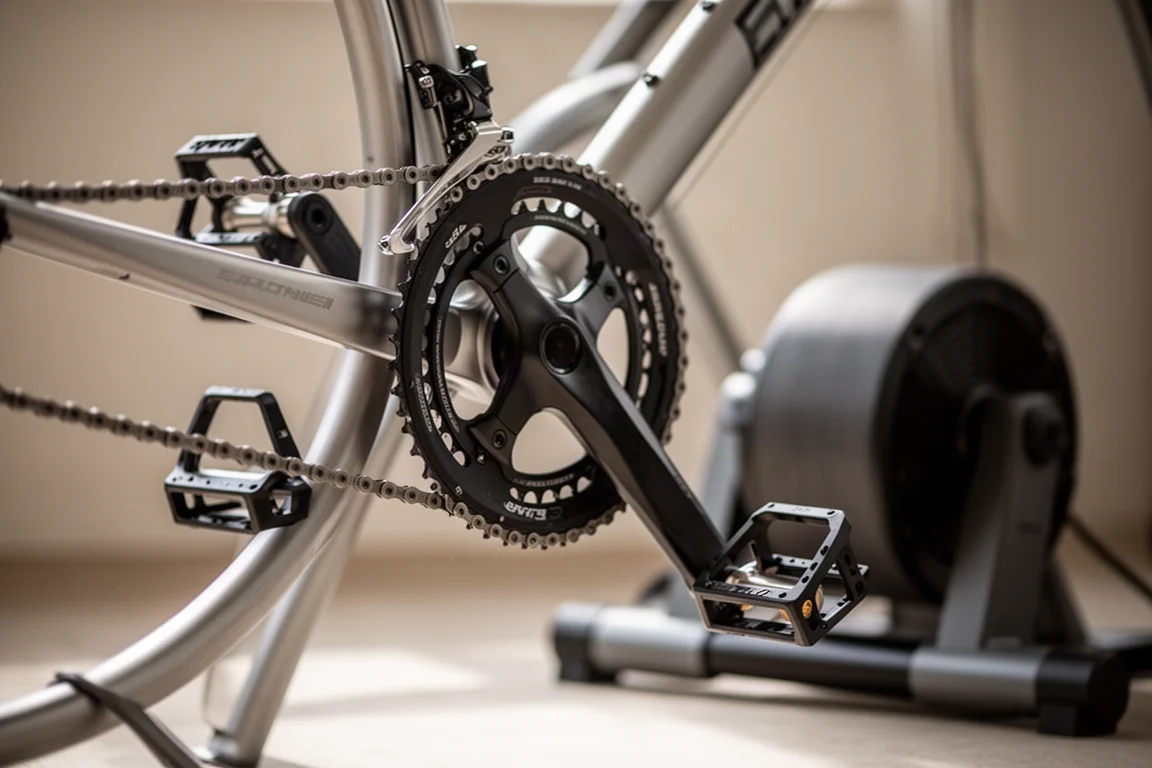
The biggest catch: the Rollr requires a power meter on your bike. Unlike every other Wahoo trainer, it does not transmit its own power. It will not work with Zwift, TrainerRoad, or any other app without one. On first pedalling it automatically pairs to the nearest power meter of any brand, and you can lock in a specific power meter through the Wahoo Fitness app so it always reconnects to the same one.
Sprinting is the weak point. The sprint itself is fine and the bike stays on the rollers, but the moment you sit back down the bike bounces noticeably for roughly seven to ten seconds. For an $800 device that feels awkward, especially when cheaper Wahoo trainers handle this better. The KICKR SNAP at $499 actually uses the same flywheel, identical in size and weight.
Erg mode for structured workouts is also shaky. There is a one to two second delay in retransmitted power, a noticeable resistance floor that forces you into the easiest gear to reach low wattages, and visible wattage variability across a workout. The point of erg mode is stability at a given wattage, and the Rollr does not deliver it reliably.
It is loud, too. Wheel-on systems are never quiet, and this is now the loudest trainer Wahoo makes, with noise rising steeply as you ramp toward sprint speeds.
Buying Advice
At $799, including the front stand, the Rollr sits $100 below the KICKR Core and several hundred dollars above the KICKR SNAP. That price is hard to justify given the mandatory power meter requirement and the sprint and erg-mode compromises.
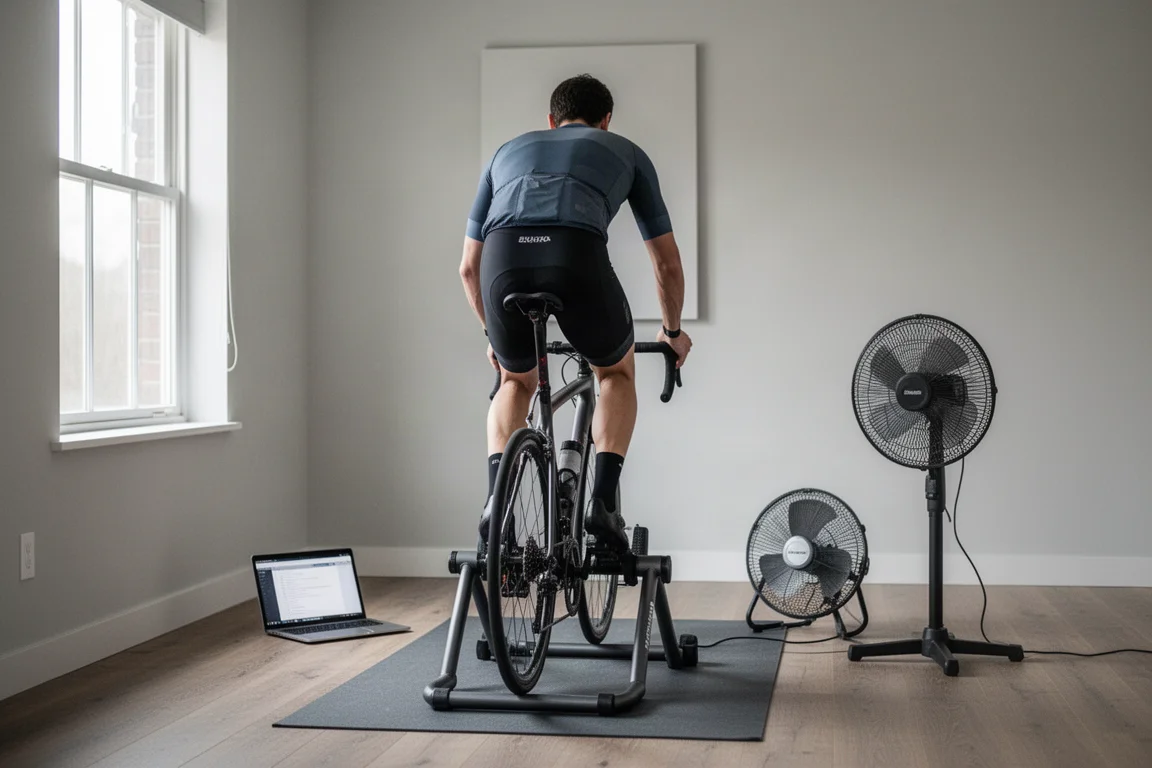
If you already own a power meter and love the idea of instant bike swaps for casual Zwift cruising, the Rollr’s ride feel may win you over. For most buyers, though, the more established advice holds: spending $100 more on the KICKR Core gets you a bigger flywheel, better road feel, silent operation, and no separate power meter needed. Even the SNAP, which shares the Rollr’s flywheel, handles sprints better at a much lower price.
Conclusion
The KICKR Rollr nails one thing brilliantly: getting on and off the trainer in seconds. That convenience is real and some riders will genuinely value it. But the power meter requirement, sprint bounce, inconsistent erg mode, and loud operation make the $799 price difficult to recommend for most indoor cyclists. It is a niche convenience play, and buyers should weigh whether that convenience is worth the trade-offs.
Product link
View more details for Wahoo KICKR Rollr
This product is mentioned in the review. Check the specifications, options, and compatibility before buying.
View more details for Wahoo KICKR RollrFurther reading
Related Reviews
Indoor Cycling
Best Budget Smart Indoor Trainer Setups: Six Options Worth Considering
Smart indoor trainers keep getting better while prices come down. Six setups and components worth considering, from the cheapest Zwift-ready option upward.
Indoor Cycling
Best Budget Smart Indoor Trainers for Immersive Cycling in 2026
A practical guide to affordable smart indoor trainer setups, including budget and mid-range options with virtual shifting.
Indoor Cycling
Best Indoor Cycling Apps and Smart Trainers: A Winter Buying Guide
A practical look at the indoor training platforms and smart trainers that matter this season, from a new challenger to Zwift to the entry-level trainer that stands out on value.