Indoor Cycling Trainers
Wahoo Kickr Roller Review: Smart Resistance Meets Classic Rollers
The Wahoo Kickr Roller adds app-controlled resistance and a front stabilizer to the traditional roller format. Here is what it does well and where it asks for compromises.
Introduction
The Wahoo Kickr Roller is a new take on one of the oldest pieces of indoor cycling equipment. Traditional rollers are simple by design. You balance your bike on a set of spinning drums, with no resistance and no electronics, and you learn to ride smoothly. They are popular with road and track racers for warming up before an event and for staying warm between races, but the learning curve is steep and the setup is not what most riders would call convenient.
Wahoo, a US company known for connected training hardware, has brought modern technology to that traditional format. The result keeps the natural feel and small footprint of the classic design while adding smart resistance control and a front stabilizer that makes the whole thing far more approachable.
This article covers what the Kickr Roller does, how it behaves in real use, and where it asks for compromises, so you can judge whether it fits the way you train.
Design and Setup
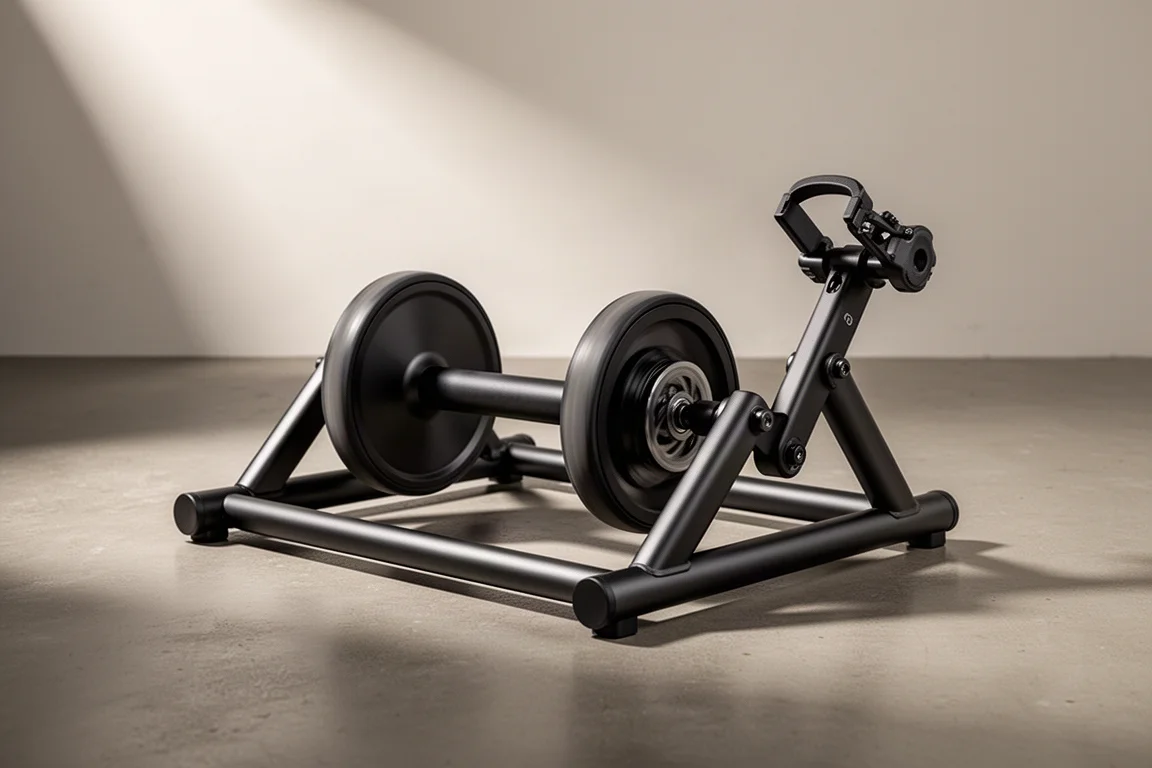
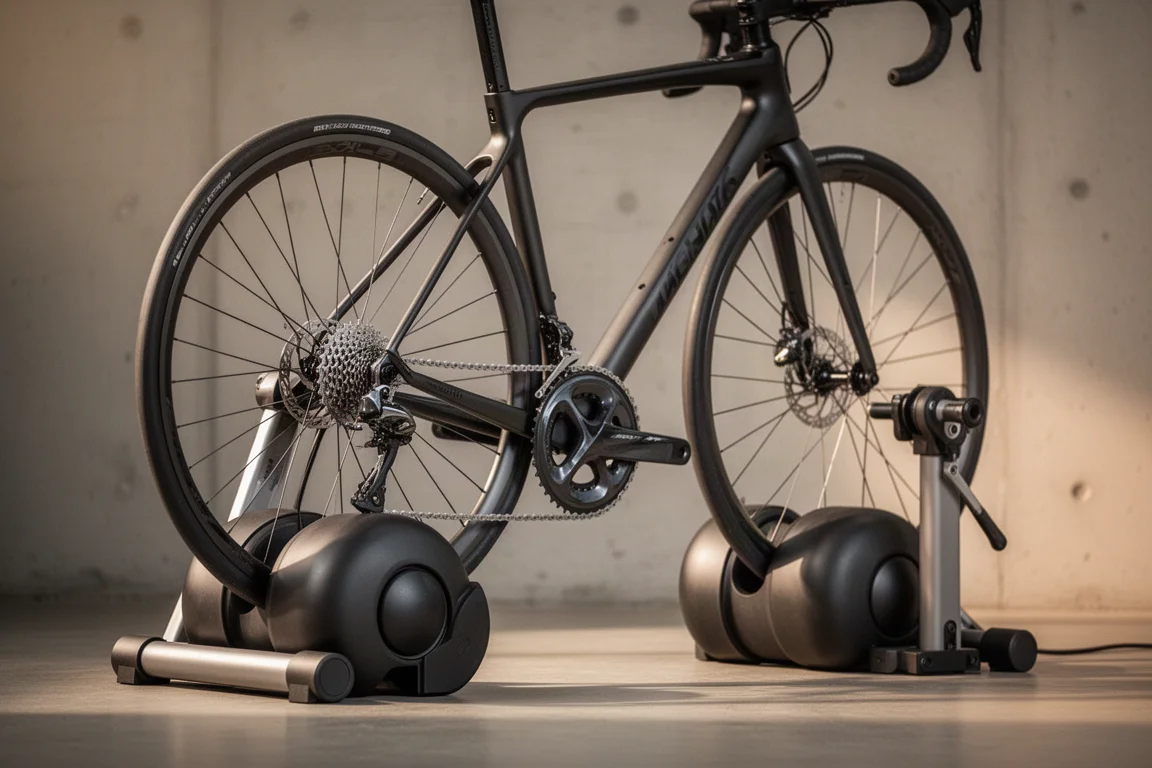
The Kickr Roller arrives as two main pieces. At the rear, two small rollers carry the back wheel, with a compact flywheel marked by Wahoo’s distinctive chevron branding doing the work of creating resistance and inertia. There is no power meter built into the unit. Instead, it pairs over ANT+ or Bluetooth with a power meter on the bike, and any compatible power meter will do. Wahoo also sells the roller as a package with its Powrlink Zero power meter pedals for riders who do not already own a power source.
Up front, a stabilizer arm holds the front wheel in place. That single feature separates this from a normal set of rollers, because it keeps the bike upright and gives you something close to the security of a fixed trainer. The clamp adjusts for different wheel and tire sizes, and an adjustable quick release at the rear handles longer or shorter wheelbases, so most bikes fit without drama. Assembly is straightforward: the two sections go together in minutes, and the system was up and running with a power meter, a Wahoo cycling computer, and a training platform in very little time.
Ride Feel and Road Manners
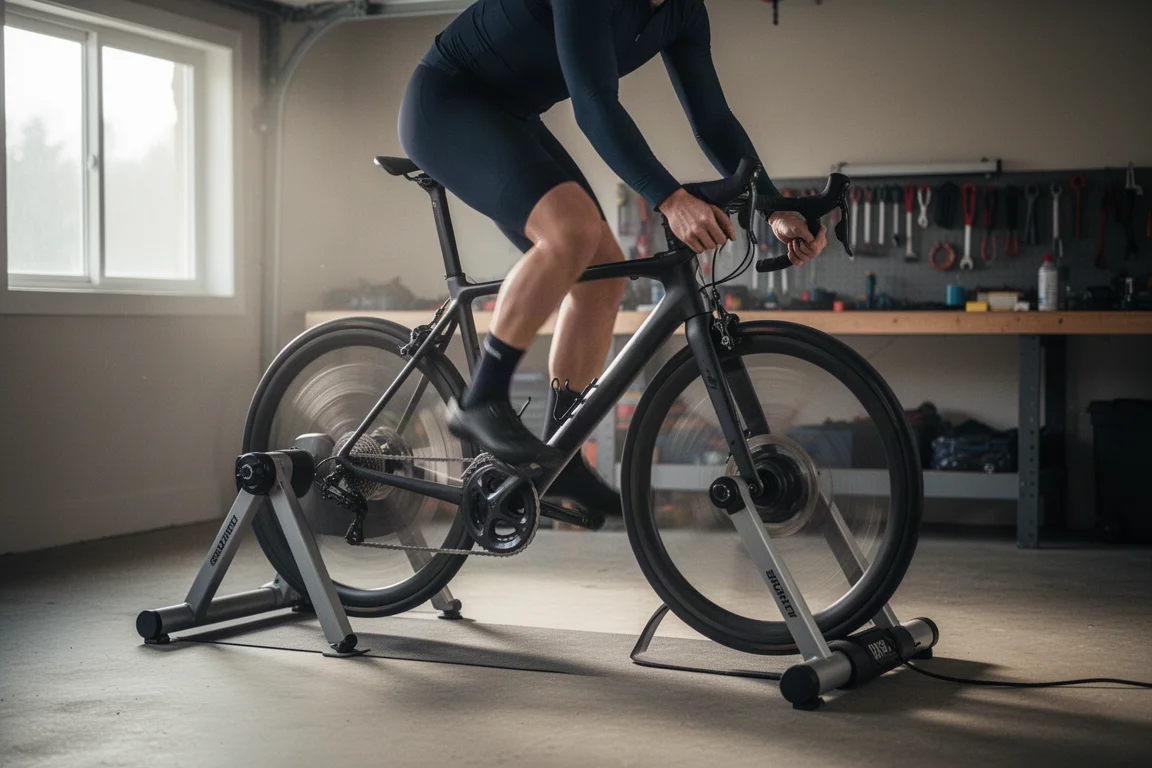
Because the rear wheel stays on the bike and spins on the drums, the ride feel is unusually natural. You are using your own tire, your own wheel, and your own bike, and the sensation is closer to riding on the road than most smart trainers manage. Resistance is not fixed either. The paired training software can control it, so the roller can drive a structured interval session or follow a route in a virtual world.
The result is a trainer that feels honest underneath you. Riders who dislike the locked-in feel of a fixed trainer tend to appreciate that quality, and it is the main argument in favour of the roller format.
Connectivity and Training Support
Setup with a training platform was trouble free in practice. The unit paired with a power meter and a head unit, then worked with a virtual cycling app without dropouts or missing data. That combination is what turns the roller into something more than a warm-up tool, because the software can raise and lower resistance to match a workout or a route.
Riders who already own a power meter on a crank or elsewhere on the bike can use it with the roller. Those who do not will need to add one, and Wahoo offers its own pedals for exactly that reason.
Stability, Noise, and Tire Wear
The front stabilizer works well and gives the bike a secure, planted feel, which is a meaningful difference for anyone who has found free rollers intimidating. It is not a complete substitute for a fixed trainer, though. The rear wheel moves around noticeably more than it would on a smart trainer, and the back end can fishtail under hard efforts.
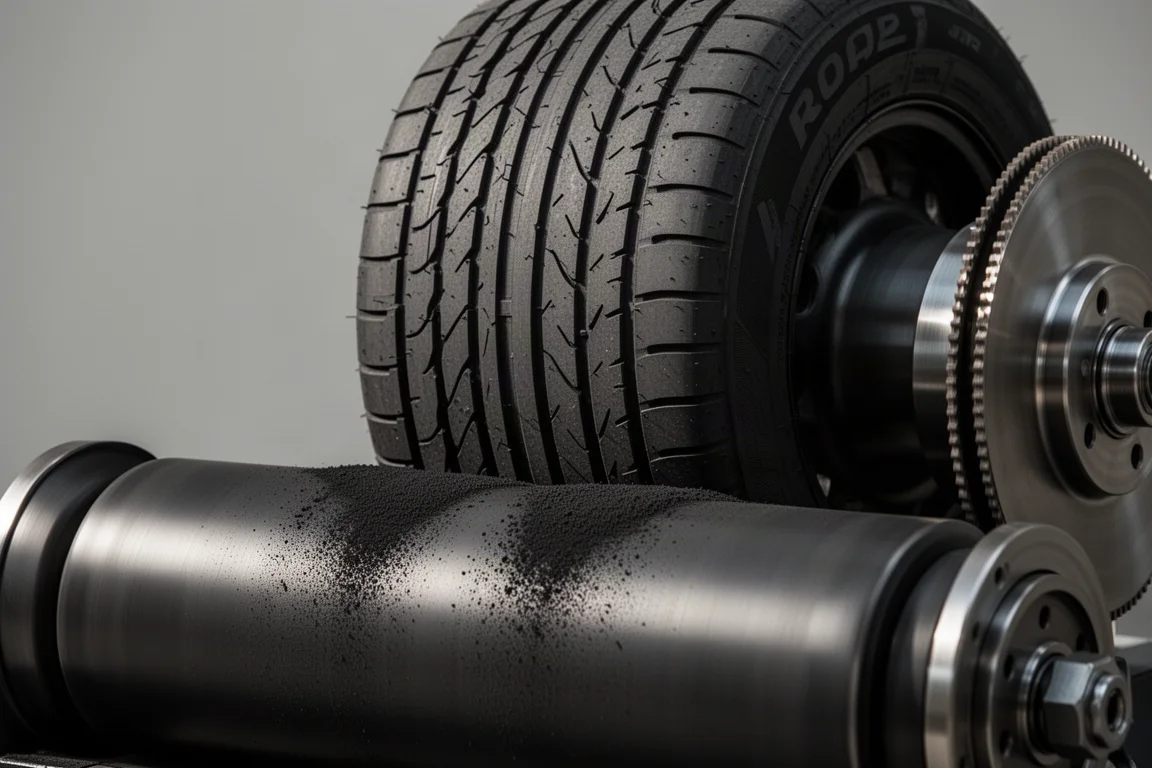
Two things are worth knowing before you buy. The first is that the front wheel visibly flexes between the fork blades when it is held in the clamp, which is worth being aware of even if the long term effect is not yet clear. The second is noise and wear. The roller runs louder than a Wahoo Kickr, with most of the sound coming from the rear tire, and running a tire on the drums gradually wears it down. For short race warm-ups that matters far less than it would for long indoor training blocks.
In exchange, the roller is lighter than a smart trainer and easier to transport, which is the trade that makes it interesting for riders who travel with their training gear. It is still a substantial piece of equipment, so it is not something you tuck under one arm.
Things to Consider Before Buying
The Kickr Roller sits in a narrow slot. It costs around $700 on its own, which is more than a simple set of rollers and less than many smart trainers, and the price climbs if you add the power meter pedals needed to unlock its smart features. There is no built-in power meter, and it cannot match a fixed trainer for stability or quiet operation.
If your priority is high quality indoor training on a bike you are happy to dedicate to a trainer, a wheel-on or direct drive smart trainer remains the more practical choice. If your priority is a small, transportable setup that feels like riding outdoors, the roller starts to make sense.
Buying Advice
The case for the Kickr Roller is clearest for racers. Road and track riders who warm up at events, who line up outside a team bus, or who want to keep the legs turning between races get the most from a device like this. It is also a sensible option for riders who only dabble in indoor training, who value a compact setup that travels easily, and who want something friendlier than free rollers.
One condition shapes the value: you need a power meter. If you already have one, the roller alone is the simpler purchase. If you do not, the bundle with Wahoo’s power meter pedals turns the roller into a genuinely connected smart trainer, and that package is worth weighing against a standard smart trainer before you decide.
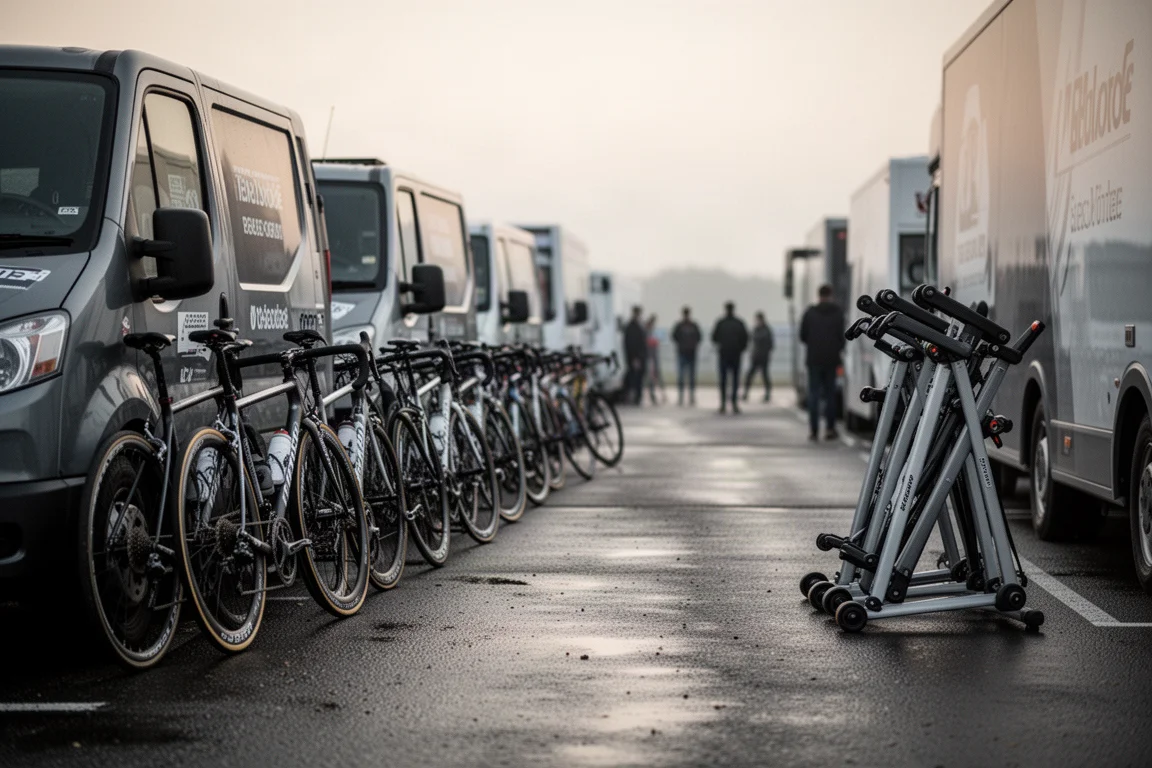
The honest summary is that this is not a product for everyone. It rewards riders with a specific reason to choose rollers over a fixed trainer, and it asks those riders to accept extra noise, tire wear, and a bit more movement under the bike.
Conclusion
The Wahoo Kickr Roller brings smart resistance, app control, and a front stabilizer to a format that has barely changed in decades. The road feel is excellent, the setup is easy, and the stabilizer makes rollers accessible to riders who would never have tried them. The compromises are real: no built-in power meter, more noise than a Kickr, tire wear, and less stability than a fixed trainer.
For the right rider, a racer who wants a portable warm-up tool or an occasional indoor rider who prefers a natural feel over a locked-in one, those compromises are easy to live with. For everyone else, a smart trainer remains the safer purchase.
Product link
View more details for Wahoo KICKR ROLLER
This product is mentioned in the review. Check the specifications, options, and compatibility before buying.
View more details for Wahoo KICKR ROLLERFurther reading
Related Reviews
Indoor Cycling Trainers
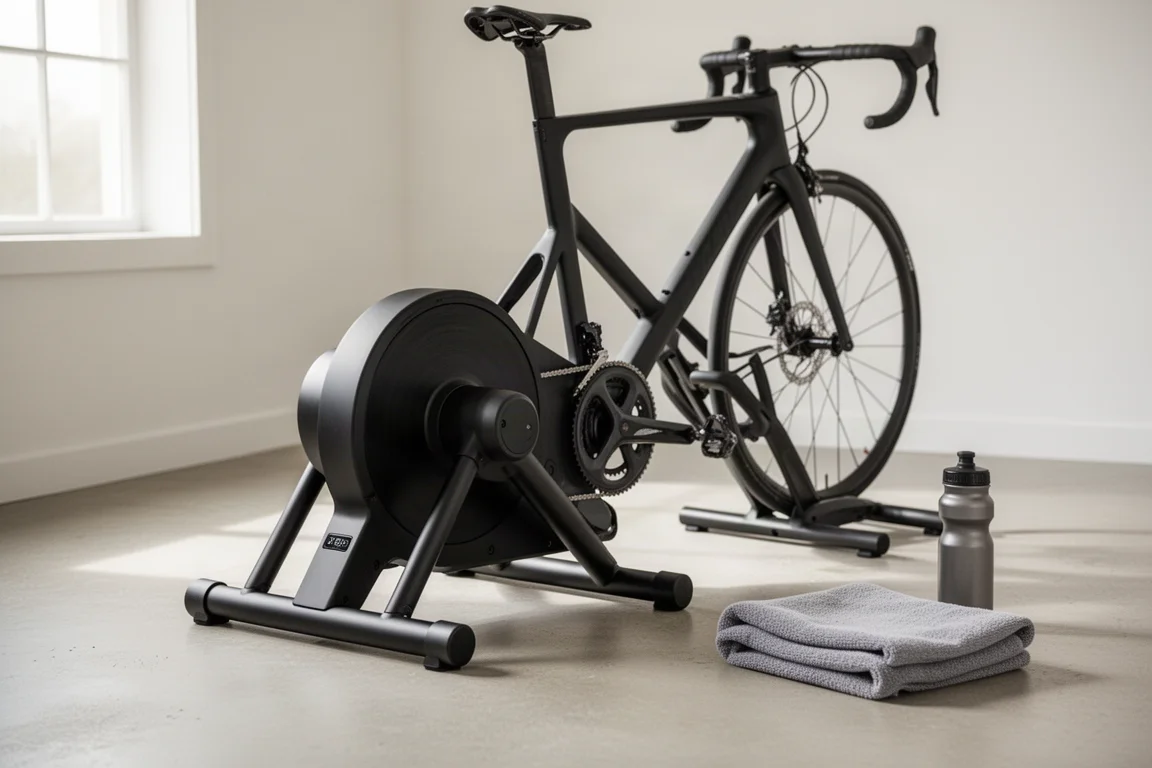
Best Indoor Smart Trainers 2026: Five Options From Budget to Best Overall
Five indoor smart trainers compared on resistance, power accuracy, connectivity and value, from the budget Van Rysel D100 to the Wahoo Kickr Core 2.
Indoor Cycling Trainers
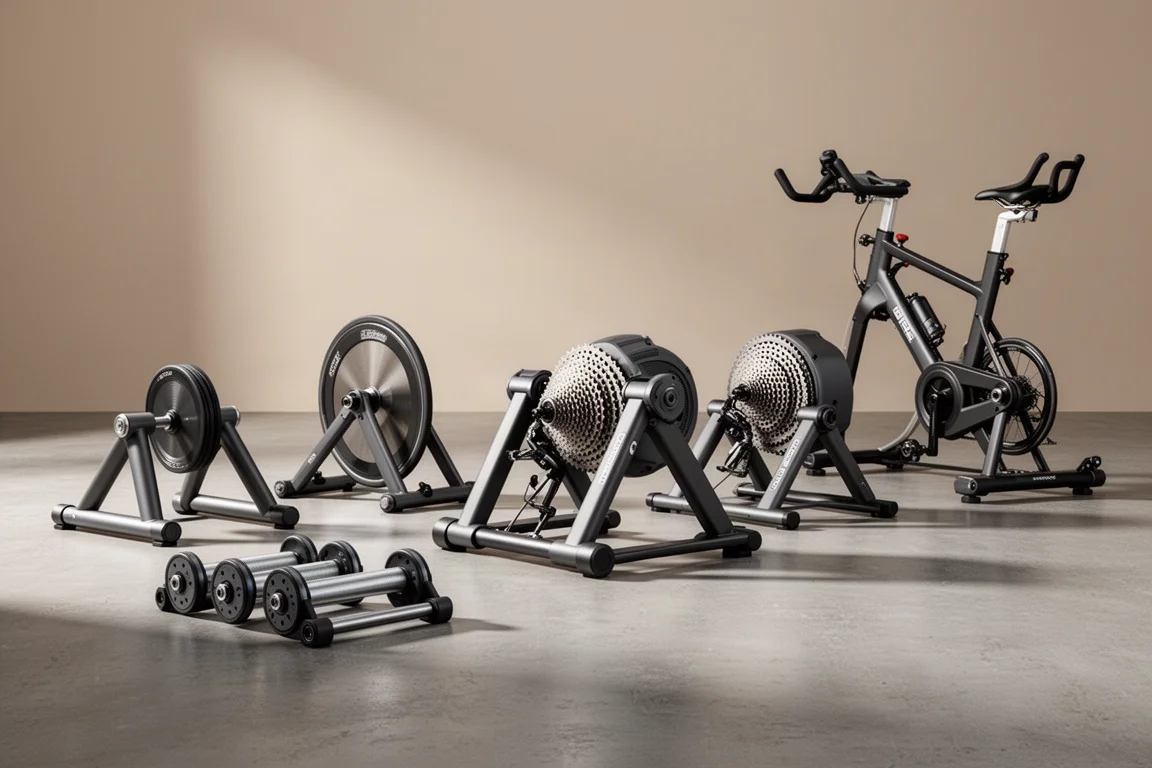
Tacx Indoor Trainers Compared: Seven Options From Entry Level to Flagship
A practical comparison of seven Tacx indoor trainers, from budget rollers and wheel-on models to direct drive smart trainers and a flagship indoor bike.
Cycling Apps
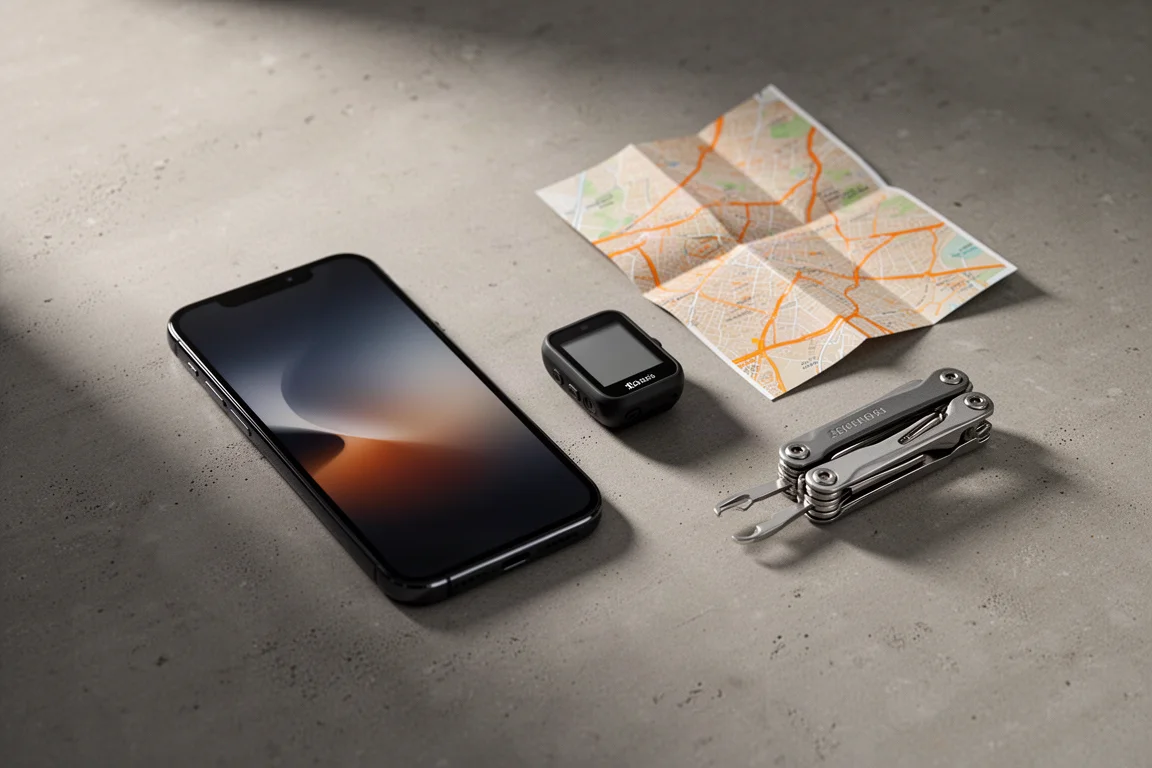
Best Cycling Apps 2026: Nine Tools That Make Every Ride Better
A practical roundup of nine cycling apps covering ride tracking, route planning, wind analysis, data review and indoor training, with the strengths and trade-offs of each.