Cycling Apps
Best Cycling Apps 2026: Nine Tools That Make Every Ride Better
A practical roundup of nine cycling apps covering ride tracking, route planning, wind analysis, data review and indoor training, with the strengths and trade-offs of each.
Introduction
One of the reasons cycling appeals to so many people is how simple it is. You get on a bike and ride. The apps in this roundup do not change that. They simply add a layer of information, motivation and structure that can make each ride a little more purposeful, whether you want to compare yourself against other riders, plan a better route, understand the weather, or train with a clear goal in mind.
This is not an exhaustive list, and most riders end up with a combination rather than a single app. What follows is a practical look at nine options that cover the main jobs a cyclist might want software to do.
What These Cycling Apps Do Best
Most of these platforms fall into one of a few categories: ride tracking and social motivation, route planning, weather analysis, data analysis, or indoor training. The strongest picks are not necessarily the ones with the longest feature lists. They are the ones that do a specific job well and then stay out of the way when all you want to do is ride.
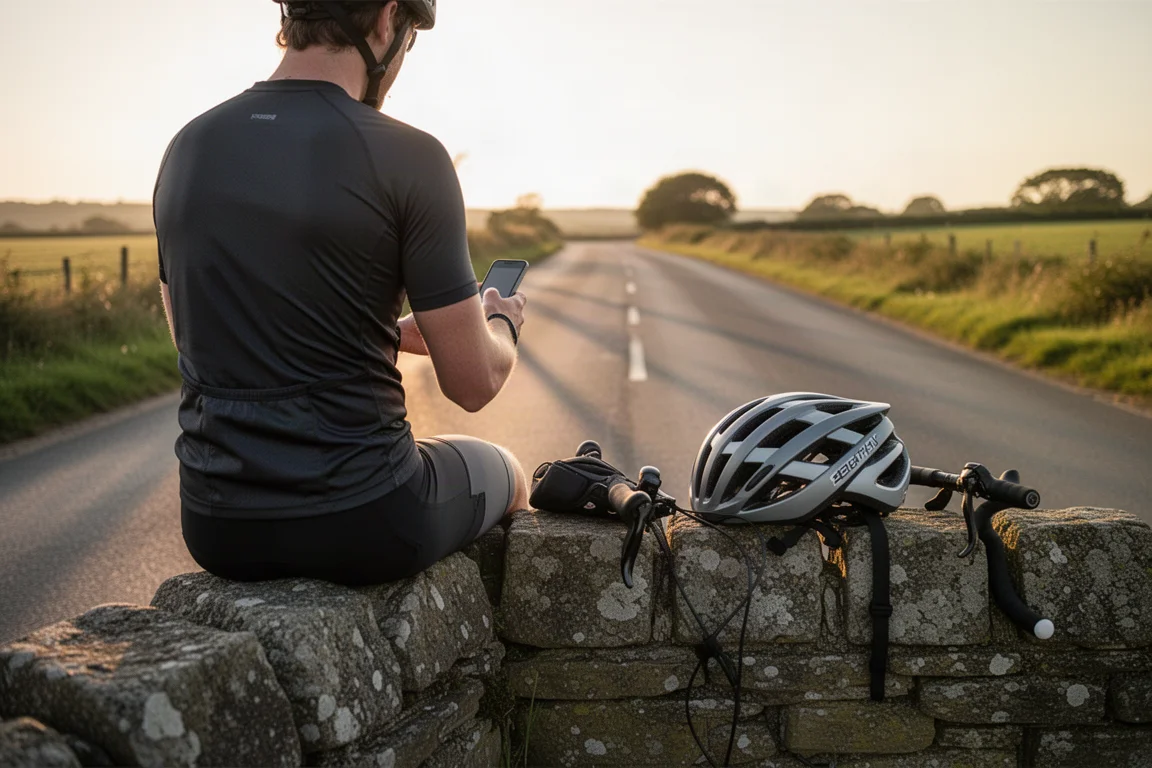
A useful way to work through the list is to decide what you want more of. If motivation is the missing piece, the social platforms are the obvious starting point. If your routes have gone stale, the planners will help. If progress feels hard to measure, the analysis and training tools are where to look. Indoor platforms solve a different problem entirely, keeping fitness ticking over when the weather or the daylight does not cooperate.
Strava
Strava is the best known name in the group and it covers a lot of ground. Its most distinctive feature is segments, which are sections of road or trail that have been defined so riders can compare times. Every segment carries its own leaderboard, so you can find a local climb, ride it, and see where you sit among everyone else who has ridden it.
The social side matters just as much. You can follow friends, see what they have been riding, and when you head out together the activity is grouped into a shared record of the day. Strava also includes mapping tools for building routes, plus a heat map overlay that highlights the roads and trails locals use most. That is genuinely useful when you are riding somewhere unfamiliar and want to know which roads actually work.
Training analytics complete the picture. Once a ride is uploaded, the numbers are there to explore. Depending on which sensors you run, such as a heart rate monitor, a cadence sensor or a power meter, you can review how demanding a session really was. Setup is quick and the platform is easy to get going with.

VeloViewer
VeloViewer is smaller than Strava, but it offers features you will not find elsewhere. It works with the large pool of activity data available through Strava’s API and pulls it into its own platform, where it is displayed in a wide range of ways.
Segments get a different treatment here. VeloViewer can build 3D graphs of elevation data that also show the twists and turns of a climb, giving a far more realistic picture of what a route will ask of you. It is easy to see why professional teams make use of it so often.
Tile bagging is the feature that has hooked a lot of riders. The world is divided into square miles, and every square mile you ride through gets ticked off. Riders set out to collect as many as possible, and the upper end of that pursuit is measured in tens of thousands of tiles. It is a simple idea that turns familiar local loops into something with a goal attached.

Komoot
Route planning is where Komoot stands out. It suits riders who plan a lot of routes, and its organisational tools make it manageable to keep a large library of them in order rather than scattered across notes and screenshots.
The base maps are detailed and genuinely helpful, particularly when it comes to judging terrain. They make it clear whether a surface is likely to suit a road bike, or whether you would be better off on a gravel bike picking your way over rocky ground. Komoot also lets you browse routes that other riders have planned, which is a good way to find inspiration when you are not sure where to head next.
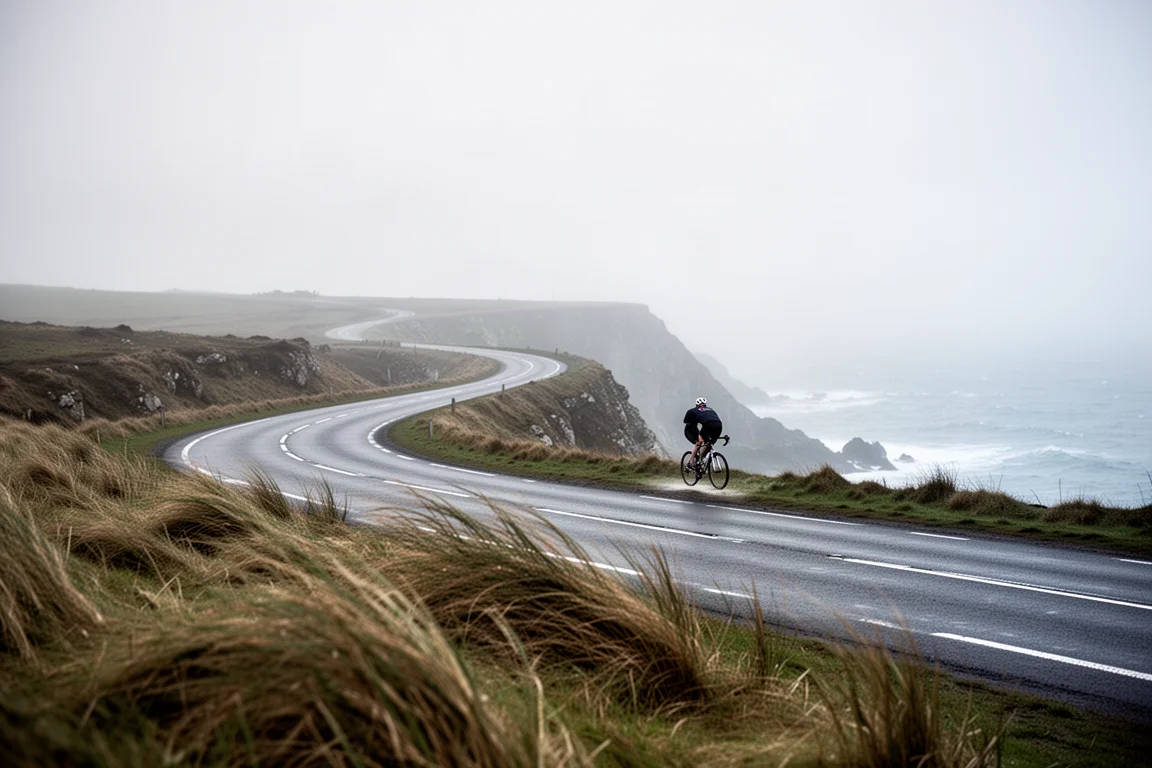
That combination of terrain detail and shared routes makes Komoot most valuable for riders who treat planning as part of the fun rather than a chore.

MyWindsock
Weather can make or break a ride, and MyWindsock is built specifically around the wind. Upload a ride to the platform and it will show your route on a map, then colour code different sections according to how much of a headwind or tailwind you will face on each part of it.
The interesting part is how that data is produced. Rather than applying a single forecast to the whole route, MyWindsock estimates how a rider will progress around it and then uses hyper local weather information to work out the conditions at each point. That means the picture is not a blanket reading from the start line, it is specific to where you will actually be. The platform also includes time trial courses, which makes it possible to work out when a course is likely to be fast and when it will demand more effort.
If your aim is to make the most of the tailwinds available on a given day, this is the tool for it.

TrainingPeaks
TrainingPeaks is aimed squarely at training, and it is the platform of choice for a great many athletes. Where some apps are strongest at reviewing what you have already done, TrainingPeaks is built for planning what comes next and working out how much you can reasonably ask of yourself in future sessions.
That planning focus helps you do enough to keep progressing without doing so much that you burn out. It also displays historical ride data in depth, so you can drill into the detail of past sessions. The training templates are useful, though they are not as effective as a human coach who can set the plan and hold you accountable to it. TrainingPeaks suits athletes who want to take their riding up a level and work with a coach.

Golden Cheetah
Golden Cheetah continues the training theme, with a focus on granular historical data. It is free to use and highly customisable, and it lets you analyse your data in almost any way you can think of.
The range of views is broad. You can look at elevation, time, heart rate and power together, which is exactly the kind of combined picture that tells you whether a demanding goal is realistic. You can review your overall training load, see peak power over set periods, and examine how much power you produce on hills and other sections. Heart rate distribution, power distribution over long rides and speed distribution are all available too.
That depth is the whole point. If you are taking your riding seriously and want to know what you are actually capable of, Golden Cheetah gives you the tools to find out.

Zwift
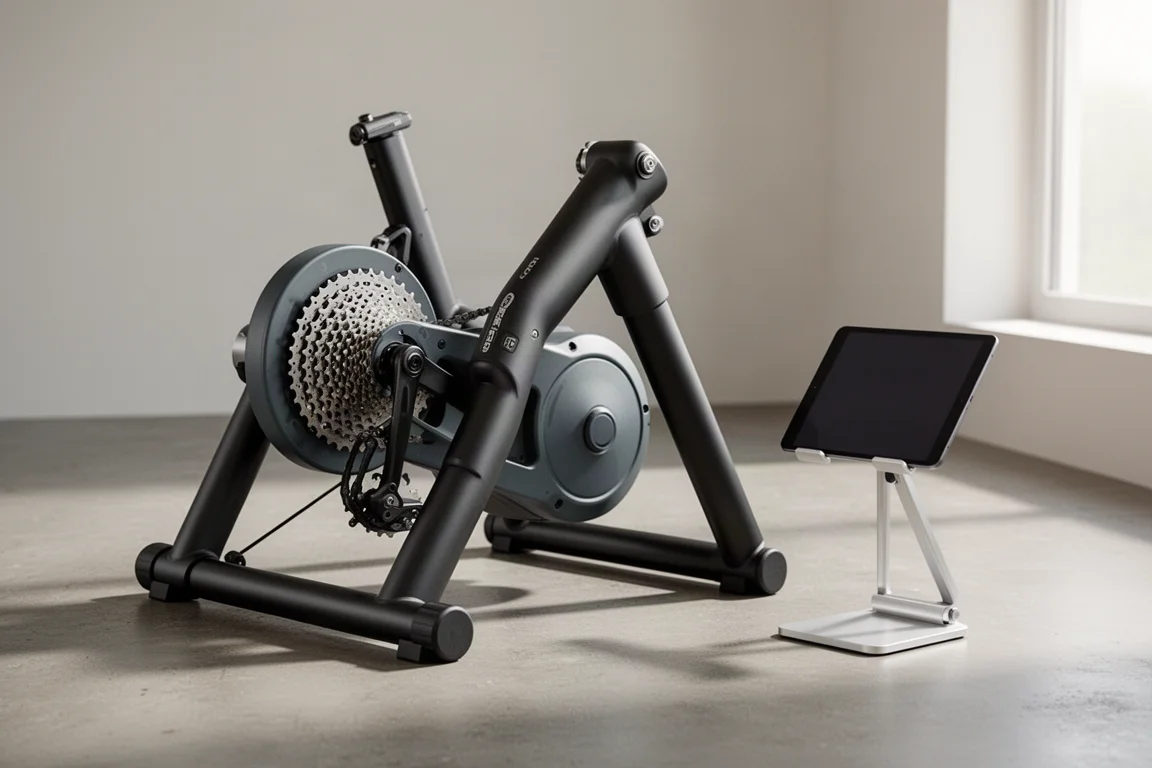
Zwift takes riding indoors onto virtual roads, and it grew enormously popular for reasons that are easy to understand. The platform offers a semi-open world with hundreds of kilometres of road to ride, all of it accessible from an indoor trainer at home.
The community is a large part of the appeal. When you head out onto those virtual roads you will see other riders around you, each one a real person training in their own home. You can join group rides with friends and try your hand at racing. Zwift Power adds a deeper layer of post-ride data for anyone who wants it, though in the middle of a race it is often better to ride on instinct and look at the numbers afterwards.
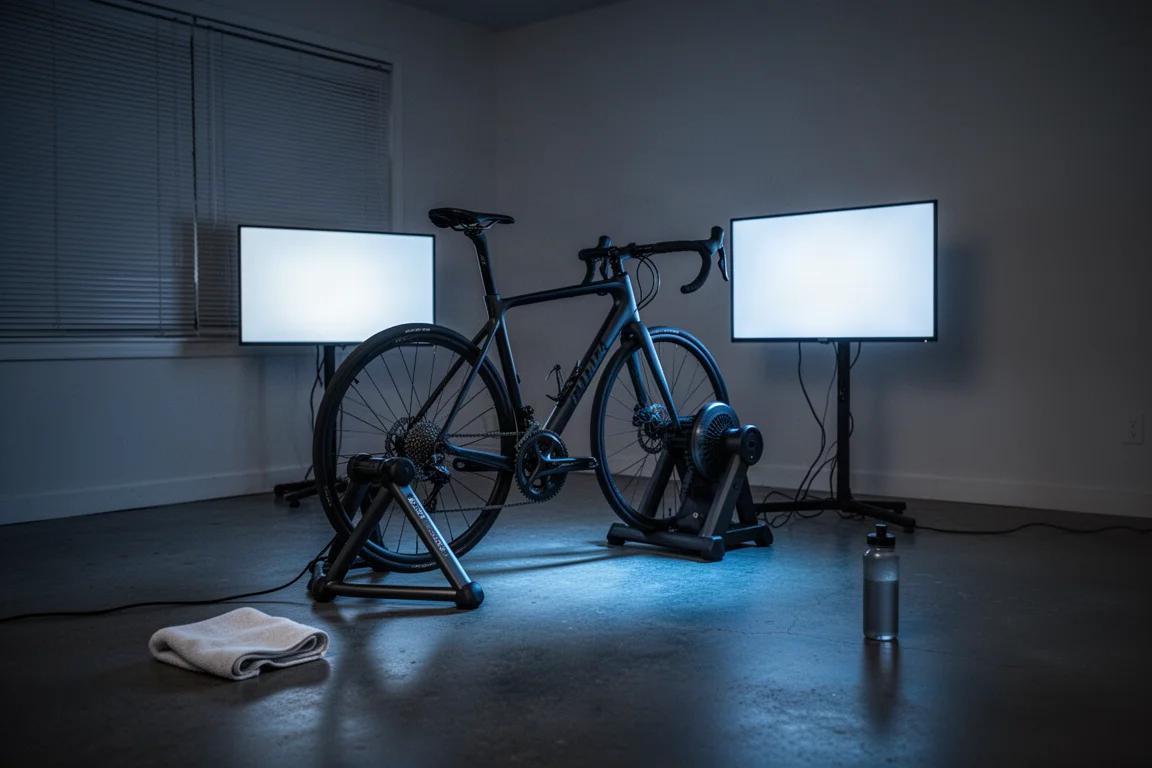
Zwift also includes training sessions and training plans, which makes it a practical way to keep progressing through the winter months rather than losing fitness until spring.
RGT
RGT is best described as the strongest alternative to Zwift, and it takes a noticeably different approach rather than competing on identical terms. Magic Roads is its most distinctive feature. You build a GPX file in any route builder you like, send it to RGT, and the platform turns it into a rideable road. In practice that means you can plot a route anywhere in the world and then ride it indoors.
The riding engine is the other draw. Its algorithms are sophisticated enough that drafting feels more realistic, and cornering speeds behave in a way riders tend to prefer. There is less of a network effect than Zwift enjoys because the user numbers are lower, but more people have been moving across. Customisable data fields, the more realistic speed model, Magic Roads and a lower price than Zwift all factor into that.

TrainerRoad
TrainerRoad is for riders who want to get on with the work. It is deliberately pared back and simple, and that simplicity is effective. It is priced at $19.95 USD, which makes it one of the punchier options in this group.
What you get in return is a clear presentation of your fitness, freshness, fatigue and power curve, all displayed on tidy graphics. The calendar is particularly well done: upcoming sessions are laid out plainly, with the relevant metrics totalled alongside them. TrainerRoad also pulls activities through from Strava or Garmin Connect, so the riding you do outdoors is counted towards the full picture of your fitness.
The sessions themselves are curated and built by professional coaches, and they cover a range of goals whether you ride off-road, race triathlon, race on the road or time trial. TrainerRoad suits riders who want to execute structured sessions without the sensory overload of a virtual training world.

Which Cycling App Fits Your Riding?
The right answer depends on the job you want done. Riders who want motivation and a social record of their riding will get the most from Strava. Anyone who wants to dig deeper into the data that Strava already holds should add VeloViewer for its segment visualisations and tile collecting.
If planning is the priority, Komoot’s terrain detail and shared route library make it a strong choice. If weather is the variable that shapes your rides, MyWindsock’s wind mapping is unusually specific and useful in practice.
For structured progress, the options split between planning and analysis. TrainingPeaks is the platform to choose when you want to plan future sessions and work with a coach, while Golden Cheetah is the free and highly customisable route for anyone who wants to examine historical data in real depth.
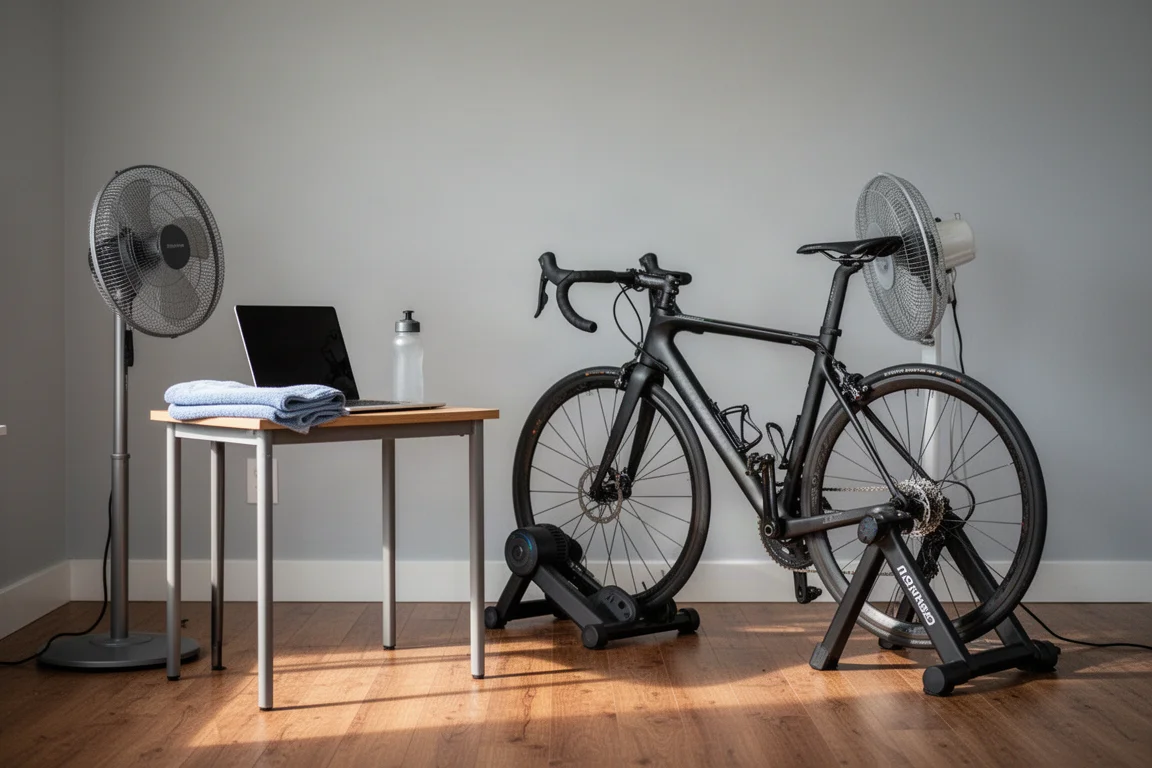
Indoor riders have three credible options. Zwift offers the largest virtual world and the strongest community. RGT offers Magic Roads, a more realistic drafting and cornering model and a lower price. TrainerRoad offers focused, coach-built sessions without the distractions of a virtual world. Many riders end up using more than one of these, and there is no rule that says you have to choose just one.
Conclusion
These nine apps cover the main ways software can add to a ride: motivation, planning, weather awareness, data analysis and indoor training. None of them replace the simple pleasure of being on a bike. They simply give you more ways to get something out of it. Start with the one that matches the problem you actually have, and add others only when a real need appears.
Further reading
Related Reviews
Cycling Apps
Cadence App Review: Turning Your Phone Into a Capable Cycling Computer
Cadence brings head-unit style data fields, sensor pairing, radar support, and turn-by-turn navigation to the smartphone you already own.
Cycling Apps
Cadence Review: Turning Your Smartphone Into a Capable Cycling Computer
Cadence turns a smartphone into a full cycling computer interface, with custom ride screens, sensor and trainer support, radar alerts, navigation, and Strava live segments.
Cycling Gifts
Best Cycling Gift Ideas 2026: Seven Practical Picks for Cyclists
Seven cycling gift ideas for 2026, from tools and chain care to an indoor trainer, a radar light, a value head unit, a MIPS helmet, and gravel shorts.