Indoor Cycling
Wahoo KICKR Move Review: A Smart Trainer That Moves With You
The KICKR Move adds built-in fore-aft motion to Wahoo's proven direct-drive trainer. Here's how it rides, how accurate it is, and whether the higher price makes sense.
Introduction
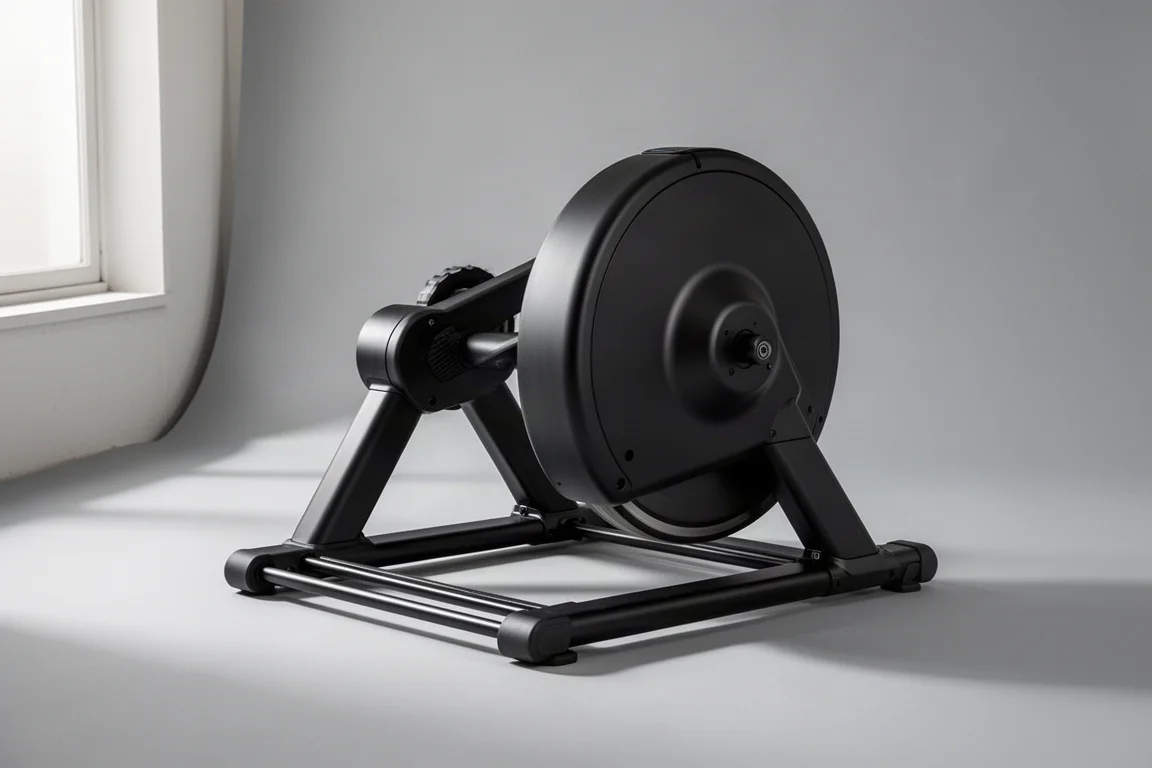
The Wahoo KICKR Move takes the proven KICKR trainer platform and adds something riders have been chasing for years: built-in movement. Instead of bolting your trainer onto a separate rocker plate, the whole unit rides on a rail system that lets the bike shift forward and back with each pedal stroke.
It is not a radical reinvention. Underneath, this is the same trainer Wahoo has been refining since 2022, now mounted on a larger base. The question is whether that motion is worth the price increase, and after extended riding by two different riders of different sizes and styles, the answer is more nuanced than a simple yes.
Price and Positioning
The KICKR Move costs $1,599, a noticeable step up from the base KICKR, which remains in the lineup at a lower price. That positioning is deliberate: the base model still covers riders who want Wahoo’s core experience without motion, while the Move sits at the top of the range as the flagship option.
Worth keeping in mind: a decent rocker plate alone typically runs $300 to $400, and it takes up significantly more floor space than the Move, which stays close to the footprint of a standard KICKR. The motion here is welded into the design rather than an add-on, so there is no way to buy just the moving base separately.
Specs and Core Trainer Features
At its heart, the KICKR Move is a direct-drive smart trainer with a claimed accuracy of plus or minus one percent, a maximum simulated incline of 20 percent, and resistance support up to 2,200 watts. That watt ceiling is far beyond what any realistic rider will produce, so it will not be the limiting factor for anyone.
Zero calibration is built in, meaning the trainer automatically calibrates behind the scenes and you should never need to run a manual spin-down. Status lights on the unit show connectivity, and there are three connection paths: ANT+ with unlimited channels, Bluetooth with three concurrent channels, and Wi-Fi. With Wi-Fi, apps like Zwift and TrainerRoad can see the trainer on your network and control resistance directly.
How the KICKR Move Works
The trainer supports both Sim mode and ERG mode. In Sim mode, following a route in an app, the trainer changes resistance to match the gradient: a five percent climb feels like five percent, a ten percent climb feels like ten. In ERG mode for structured workouts, it holds a target power automatically, dropping from an interval effort down to recovery without you touching anything.
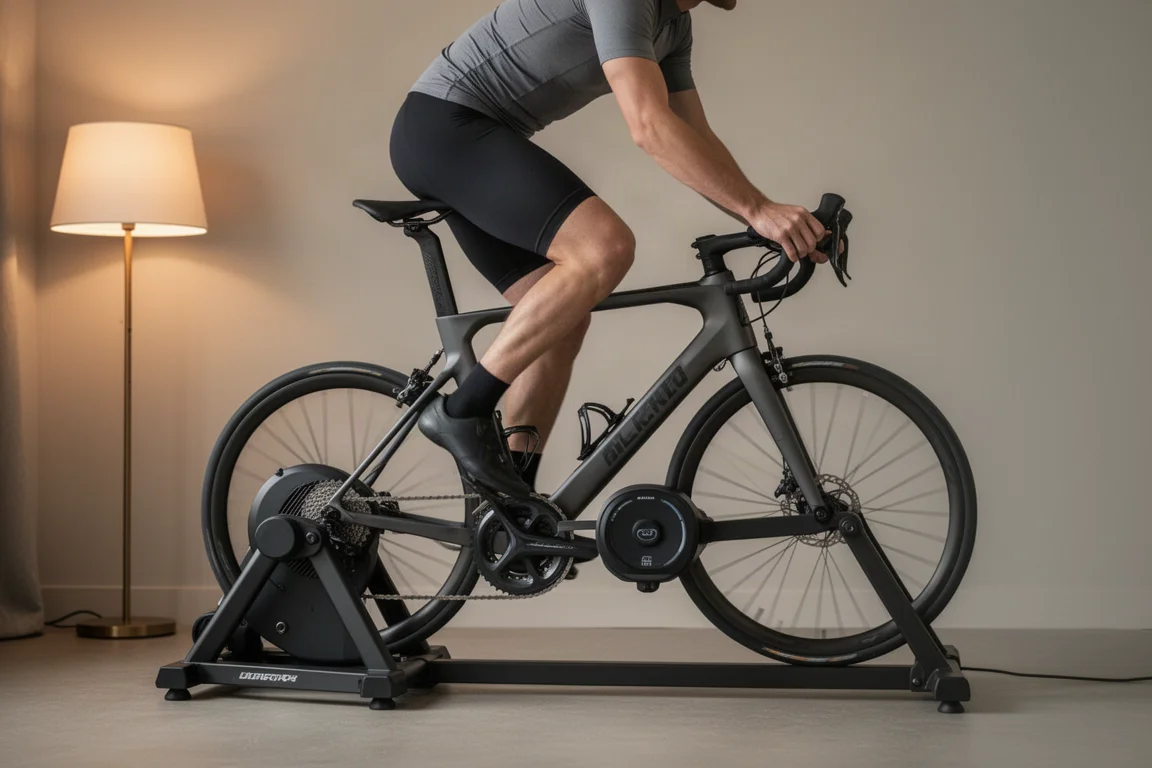
Ride height is adjustable for different wheel sizes, from 700c road wheels down to 650b or 29er mountain bike heights, using a simple raise-and-lower mechanism. It ships with an 11-speed cassette installed, and you can swap in 9, 10, 11 or 12-speed cassettes. Through-axle and quick-release adapters are both included in the box.
The Movement Experience
The headline feature is the sliding base. The entire trainer travels on a roller system, moving roughly seven centimetres forward or back at the extremes, with about a centimetre and a half of vertical rise as it travels toward the back. In practice, the bike subtly shifts with each pedal stroke, and more dramatically when you surge or sprint.
The first moments on it feel strange. Both riders in this review had the same reaction: a brief “whoa” on the first pedal strokes, then within about a minute it settled into feeling natural, and arguably more stable than a locked-down trainer. In steady-state riding, the motion feels normal. The benefit shows up on longer rides, where the constant micro-adjustments reduce saddle fatigue compared to a completely stationary setup, a principle behind the popularity of rocker plates in recent years.
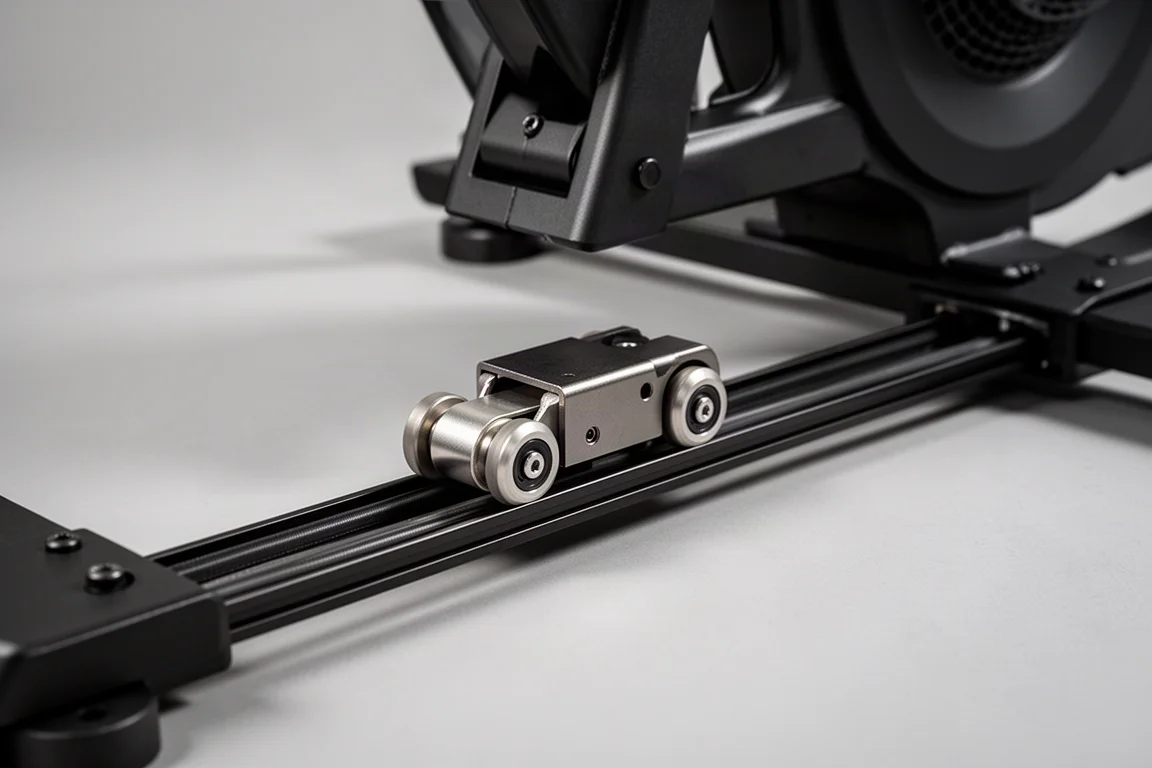
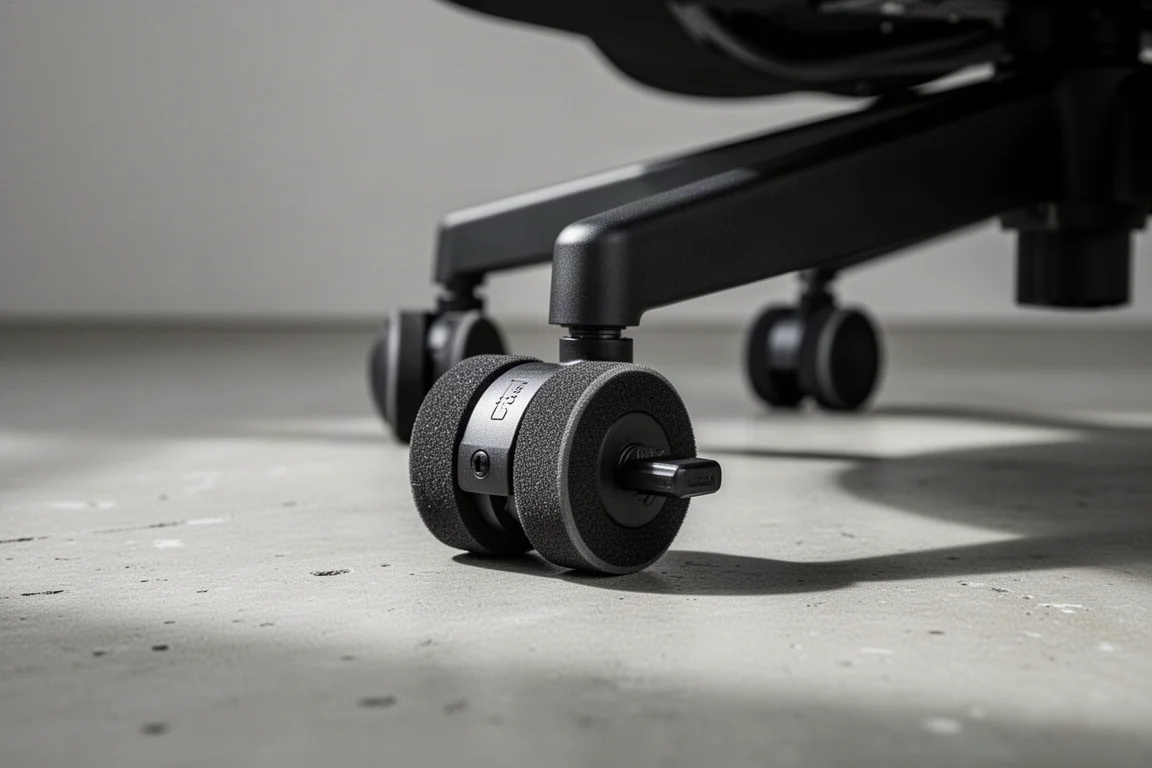
All-out sprints are the one compromise. Push hard enough and you hit the end of the travel with an audible clunk. With a rider’s full weight on the bike, the impact softens considerably, and riders who rarely do maximum sprints are unlikely to mind. There is no true side-to-side tilt like a rocker plate provides, though the whole unit does move slightly more laterally than a fixed KICKR, helped by compression foam feet at both ends. Wahoo themselves added those compression feet on earlier KICKR models for the same reason.
Setup, Compatibility and Locking
Unboxing is refreshingly simple. The new packaging walks you through setup with built-in tutorial guides, but realistically you drag the trainer out of the box and you are essentially done. There is no complex assembly.
The compression feet are adjustable: loosening them allows more movement, tightening them firms everything up, and you can change the firmness to suit your floor and preference. If you decide you want a completely stable ride, a locking mechanism lets you fix the unit in place with the press of a button, eliminating the motion entirely.
Two compatibility notes. The KICKR Move works with the Wahoo KICKR CLIMB, but it requires an extra accessory, a boot that fits on the bottom of the CLIMB so the whole rig can tilt front and back together. And the base unit is the same proven KICKR platform, so ride feel, flywheel inertia, and drivetrain behaviour carry over unchanged. Flywheel inertia feels solid and realistic, and noise levels are typical for a modern direct-drive trainer, with the bike’s own drivetrain usually the louder contributor.
Accuracy Testing
Accuracy is exactly what you would expect from the KICKR platform: spot on. Across ERG and Sim mode sessions, power output tracked tightly against high-end dual-sided power meter pedals, typically within a couple of watts at steady state.
In ERG mode, the trainer nails its set points without the overshoot problem seen on some competitors. It does not spike 30 to 50 watts above target; it goes from 150 to 450 watts in about two seconds and settles cleanly. A ten-minute steady segment held within roughly five watts of the reference power meter, and a second rider’s ERG sessions showed similarly tight results, within two to three watts across the board.
Cadence readings are very good, with the brief one-to-two-second drops on the back side of sprints that are normal for trainer-estimated cadence. In Sim mode on rolling virtual terrain, surges and steady-state sections aligned closely with the reference pedals throughout. No accuracy concerns here.
Things to Consider Before Buying
The trade-offs are straightforward. It is more expensive, and the extra cost buys motion rather than a better power meter or quieter drivetrain, since the core trainer is unchanged. The fore-aft travel has hard stops that can clunk during maximal sprints. And if you specifically want side-to-side tilt, this does not provide it; a rocker plate remains the tool for that, at the cost of floor space and a separate purchase.
Who Should Buy It
The KICKR Move makes the most sense for riders doing long indoor sessions, especially multi-hour endurance rides, where the added motion genuinely improves saddle comfort. If your typical session is a hard 45-minute interval workout with big sprint efforts, the movement matters less and the base KICKR covers you for less money.
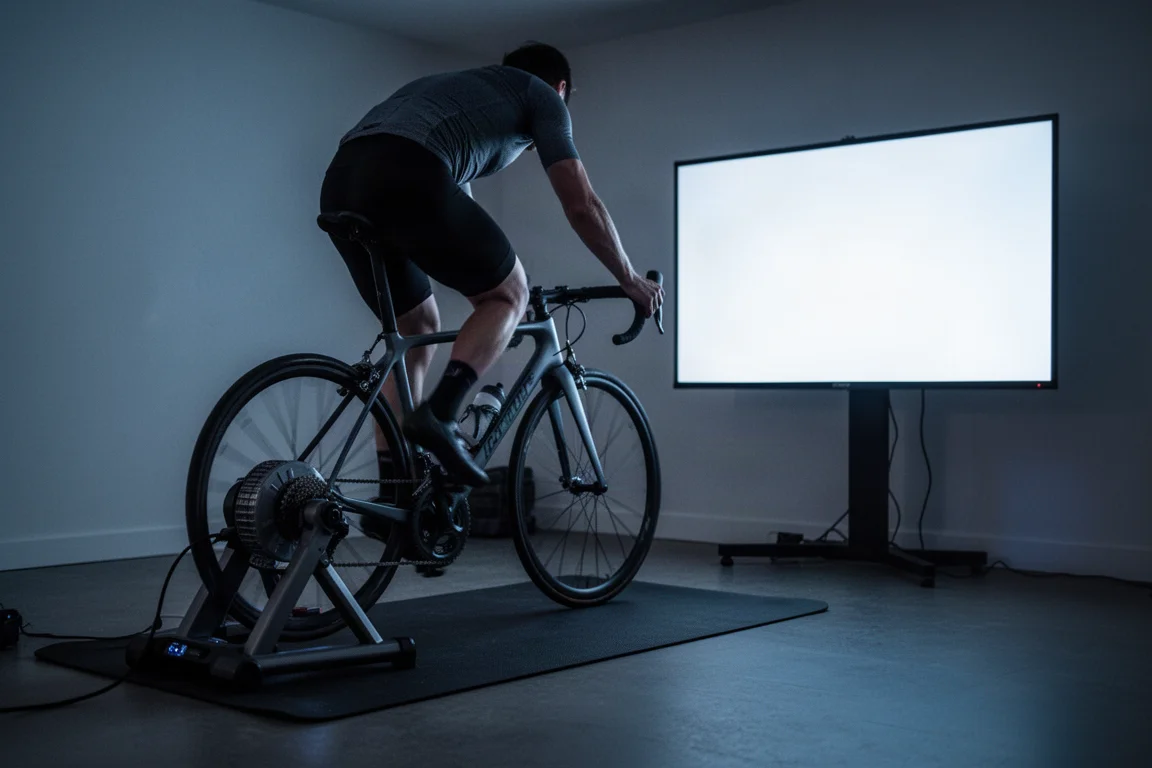
If you are set on a Wahoo trainer and want their best, this is it, and the price fits sensibly within the broader trainer market once you account for what a separate motion platform would cost in money and floor space.
Conclusion
The KICKR Move is a solid, well-executed evolution of a trainer that was already excellent. The movement takes a minute to get used to and then quietly disappears into the ride, doing its real work on the long sessions where comfort matters most. Accuracy is excellent, setup is painless, and the locking mechanism gives you the option of a stable ride whenever you want it. For riders logging serious indoor hours, it is an easy recommendation; for everyone else, the base KICKR remains a very capable alternative.
Product link
View more details for Wahoo KICKR Move
This product is mentioned in the review. Check the specifications, options, and compatibility before buying.
View more details for Wahoo KICKR MoveFurther reading
Related Reviews
Indoor Cycling
Best Budget Smart Indoor Trainer Setups: Six Options Worth Considering
Smart indoor trainers keep getting better while prices come down. Six setups and components worth considering, from the cheapest Zwift-ready option upward.
Indoor Cycling
Best Budget Smart Indoor Trainers for Immersive Cycling in 2026
A practical guide to affordable smart indoor trainer setups, including budget and mid-range options with virtual shifting.
Indoor Cycling
Best Indoor Cycling Apps and Smart Trainers: A Winter Buying Guide
A practical look at the indoor training platforms and smart trainers that matter this season, from a new challenger to Zwift to the entry-level trainer that stands out on value.