Indoor Cycling
Wahoo KICKR Move + KICKR Climb: A Dynamic Indoor Riding Setup Worth Considering
How Wahoo's moving direct-drive trainer pairs with the KICKR Climb grade simulator, and why the combination feels more natural than either alone.
Introduction
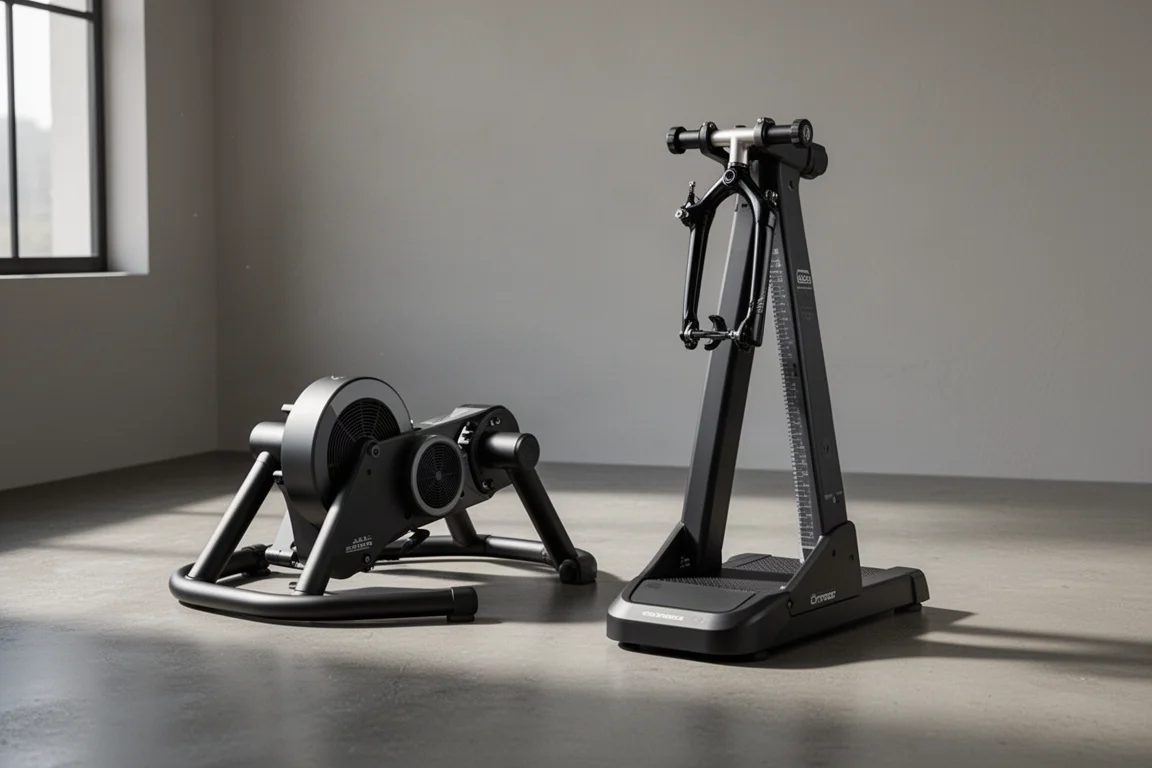
The Wahoo KICKR Move is Wahoo’s latest direct-drive smart trainer, built on the KICKR V6 platform and adding 8 inches of forward and backward movement. That motion is designed to make indoor riding feel less rigid, and in practice it adds a considerable amount of comfort on longer rides where you are not locked into one static position the entire time.
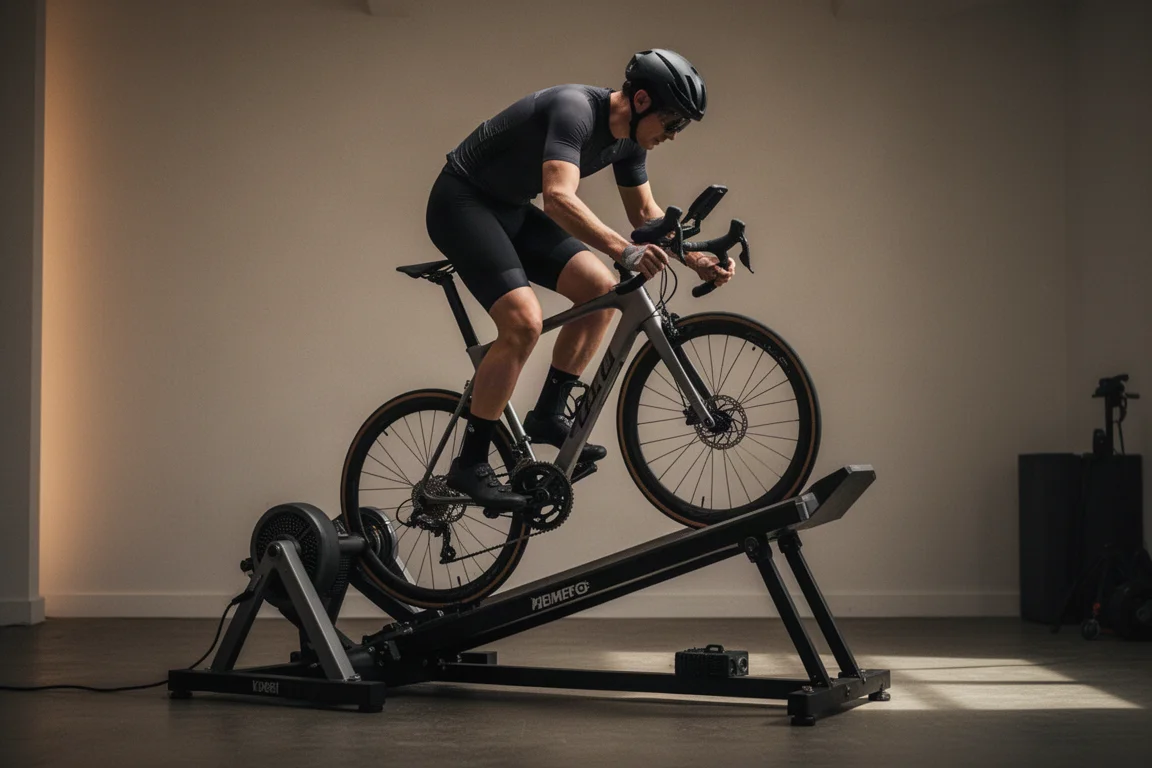
Pairing it with the KICKR Climb grade simulator takes things further: instead of only your trainer increasing resistance to replicate gravity, the Climb physically changes the angle of your bike to match the gradient in your training app. The question is whether stacking the Move’s motion on top of the Climb’s up-and-down travel actually feels good. In short: yes, and in some ways better than expected.
How the KICKR Move and KICKR Climb Work Together
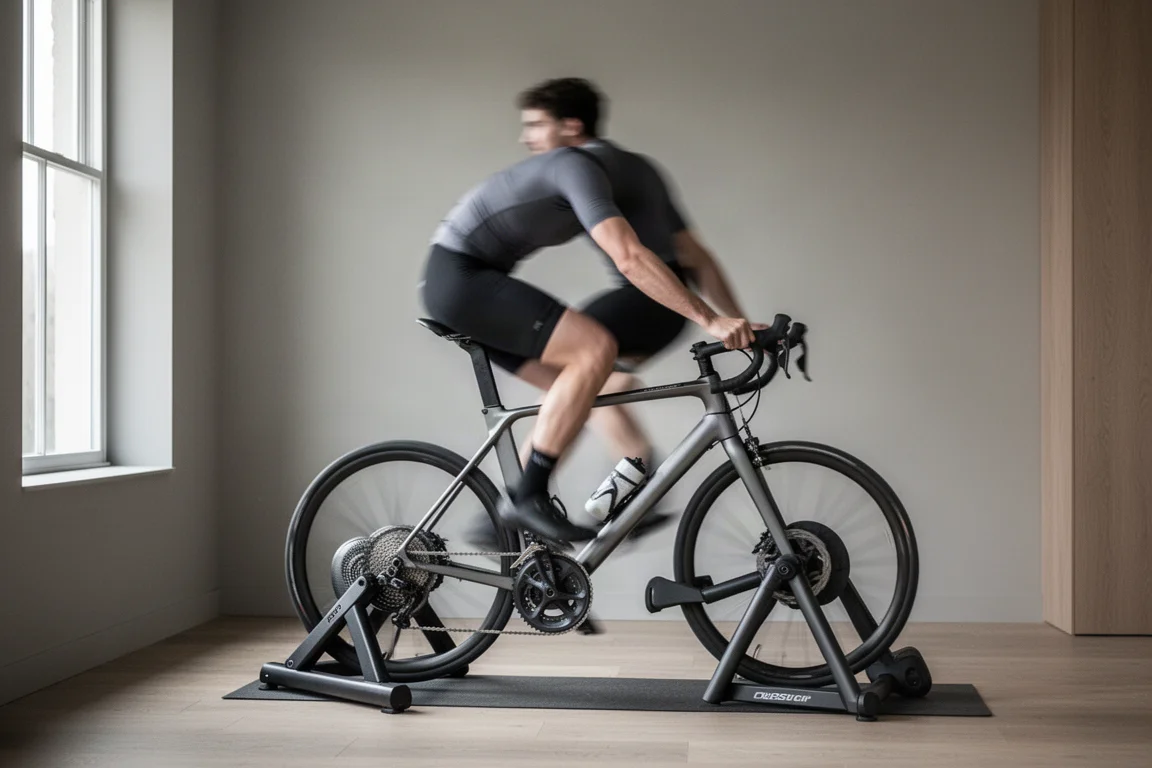
The whole point of the Move’s forward and backward travel is a more realistic ride feel. Replicating the outdoors perfectly is never going to happen, but the combination of fore-aft movement and the subtle built-in side-to-side motion makes the ride feel more natural than sitting on something completely static.
Adding the Climb’s grade simulation brings genuine interactivity to that experience. On rolling terrain, even quick gradient changes feel natural, and the Climb’s up-and-down movement does not interfere with the Move’s fore-and-aft travel at all. Seated riding on this combined setup is exactly as you would expect: nothing strange, just a very convincing indoor ride.
The KICKR Climb Base Adapter
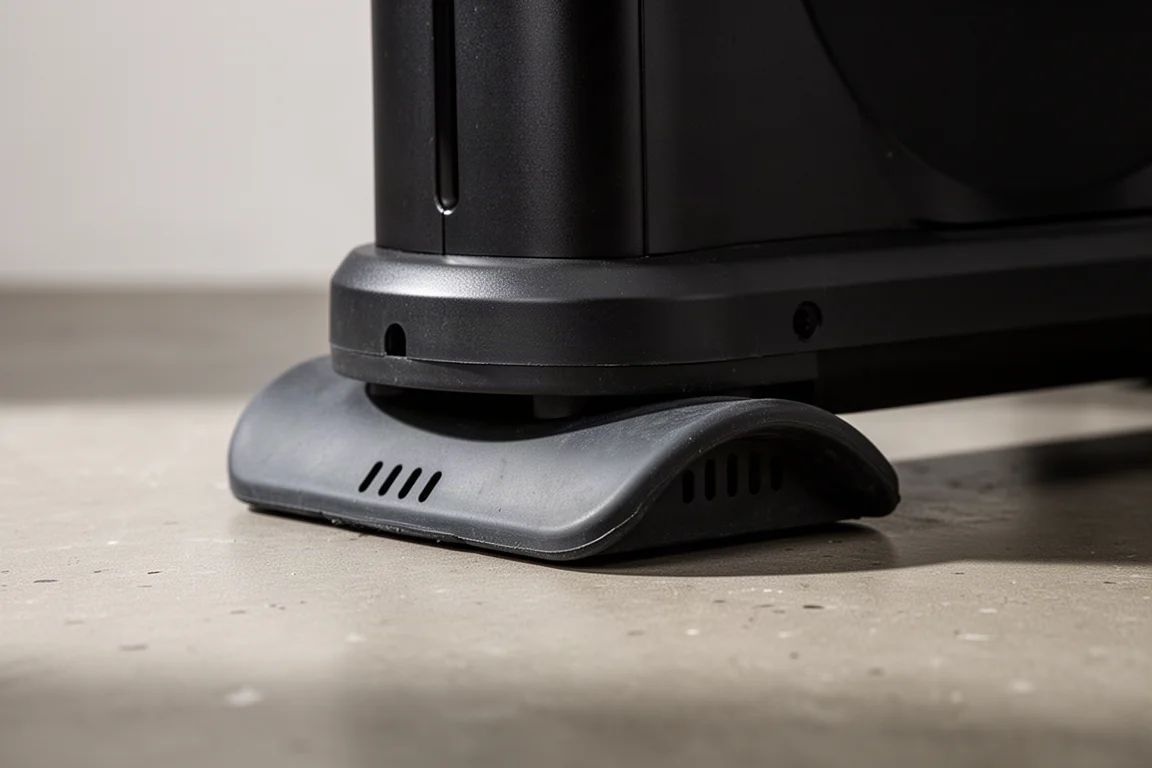
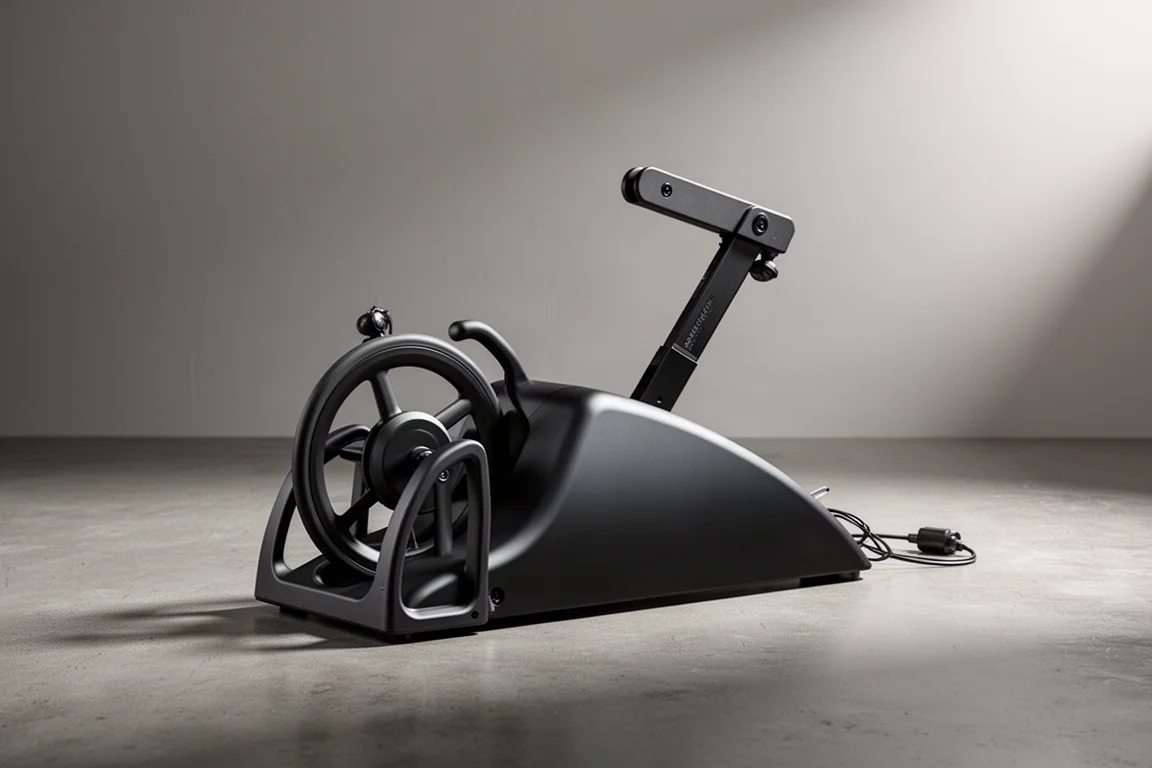
To use the KICKR Climb with the KICKR Move, you need the Climb base adapter, which runs 50 dollars. The Climb alone does not have enough built-in movement to account for the Move’s additional travel, so this adapter is what makes the two work together.
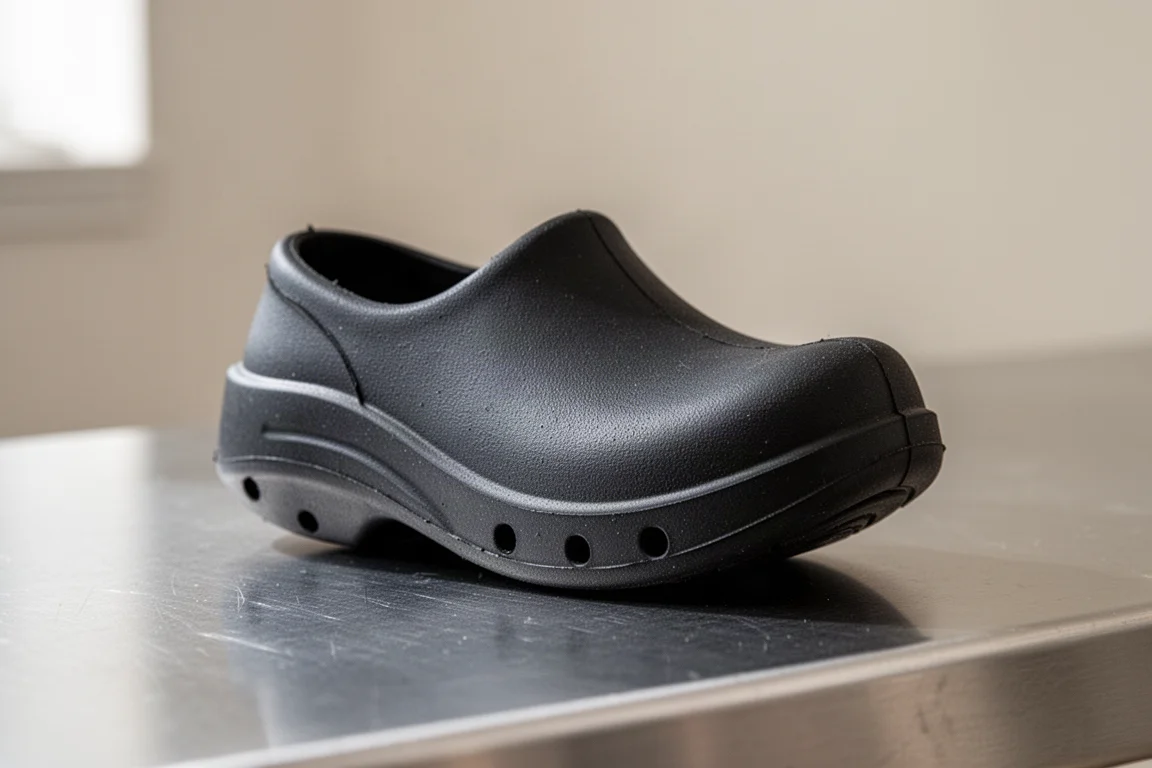
The adapter is essentially a small rubber shoe that slips onto the bottom of the Climb. Its rocker-shaped underside lets it move naturally along with the Move, and there are holes and vents in the bottom so any sweat that finds its way between the adapter and the Climb simply funnels out. It slips on just like a shoe, with a small hole at the back for the power cable.
Ride Feel: Climbing and Out of the Saddle
Seated riding with both devices active is fantastic, but the more interesting test is standing. On steeper sustained climbs, the Climb subtly rocks back and forth in sync with the Move’s motion. It is far more subtle than expected, and the overall experience remains a good one even when you stay out of the saddle for long stretches.
Sprinting on the KICKR Move
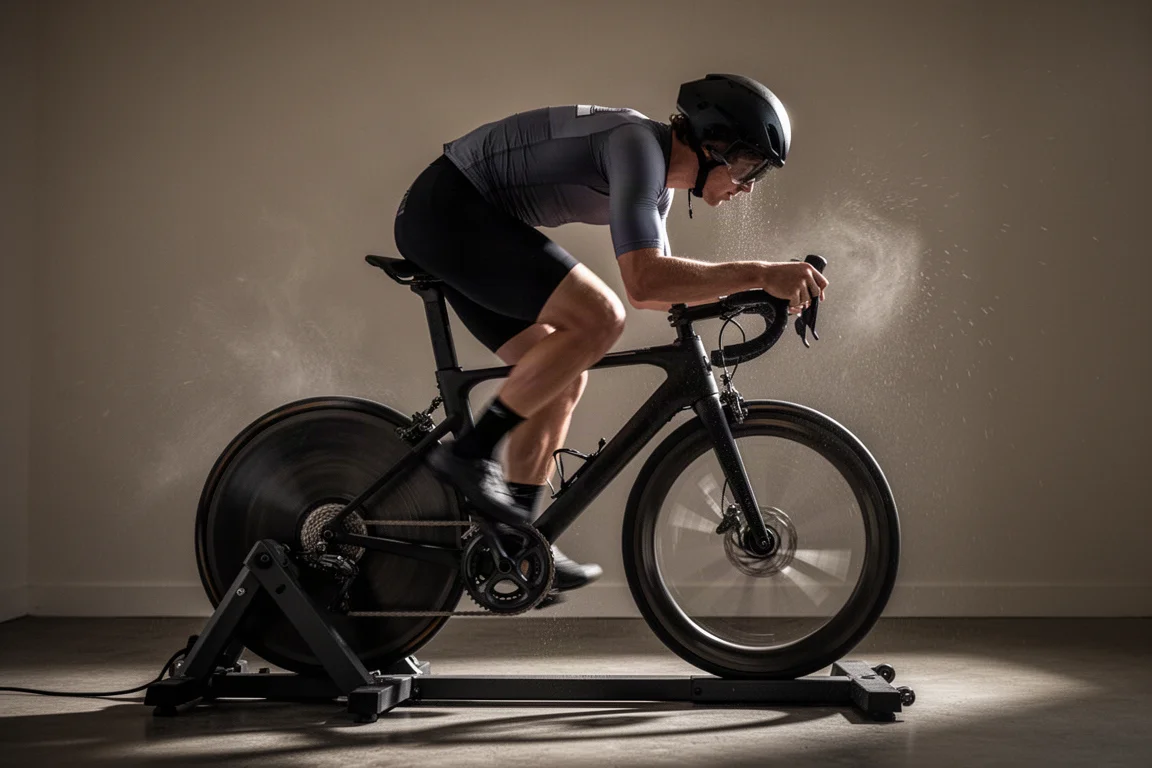
Sprinting is where the Move’s motion can feel a little odd. Quick, hard efforts shift your upper body position rapidly, which makes the whole system rock more than you might want. Fortunately, the Move has a lockout: reach down with your foot, lock the movement, and you can lay down hard efforts without the trainer shifting underneath you. The Climb needs no adjustment for this at all.
A Surprising Bonus: The Climb Beats a Front Wheel
Even with the interactive element removed, locking the Climb so it does not move up and down, this setup is arguably better than using a front wheel. The Climb plus adapter slightly slows down the Move’s fore-and-aft motion. With a front wheel, the arc makes the trainer respond faster and more sharply to changes in body position, producing a pronounced rocking motion for a second or two after you sit back down from a sprint.
With the Climb and adapter, that motion is reduced and less exaggerated. The wider base of the Climb also adds stability for the side-to-side movement when you are wrenching on the handlebars, and the increased weight versus a front wheel means less tendency for the handlebars to turn.
View more details for Wahoo KICKR MOVE
Buying Advice
This combination is one of the most dynamic and interactive indoor cycling setups available, and it is definitely not cheap. If that level of interactivity and ride feel is what you are after, though, it is a genuinely great option. Sprint-focused riders should simply remember the lockout trick, and everyone else can enjoy the combined motion exactly as it ships.
Conclusion
The KICKR Move and KICKR Climb work together more seamlessly than the sum of their parts. The adapter makes pairing them simple, grade changes feel natural, and the Climb even improves sprint stability over a front wheel. For riders building a premium interactive indoor setup, this pairing is easy to recommend.
Further reading
Related Reviews
Indoor Cycling
Best Budget Smart Indoor Trainer Setups: Six Options Worth Considering
Smart indoor trainers keep getting better while prices come down. Six setups and components worth considering, from the cheapest Zwift-ready option upward.
Indoor Cycling
Best Budget Smart Indoor Trainers for Immersive Cycling in 2026
A practical guide to affordable smart indoor trainer setups, including budget and mid-range options with virtual shifting.
Indoor Cycling
Best Indoor Cycling Apps and Smart Trainers: A Winter Buying Guide
A practical look at the indoor training platforms and smart trainers that matter this season, from a new challenger to Zwift to the entry-level trainer that stands out on value.