Smart Trainers
Wahoo KICKR Core Zwift One Review: Virtual Shifting Comes to a Budget-Friendly Smart Trainer
The KICKR Core Zwift One merges Wahoo's popular direct-drive trainer with the Zwift Cog system for virtual shifting, at $599 or £549 with a year of Zwift included.
Introduction
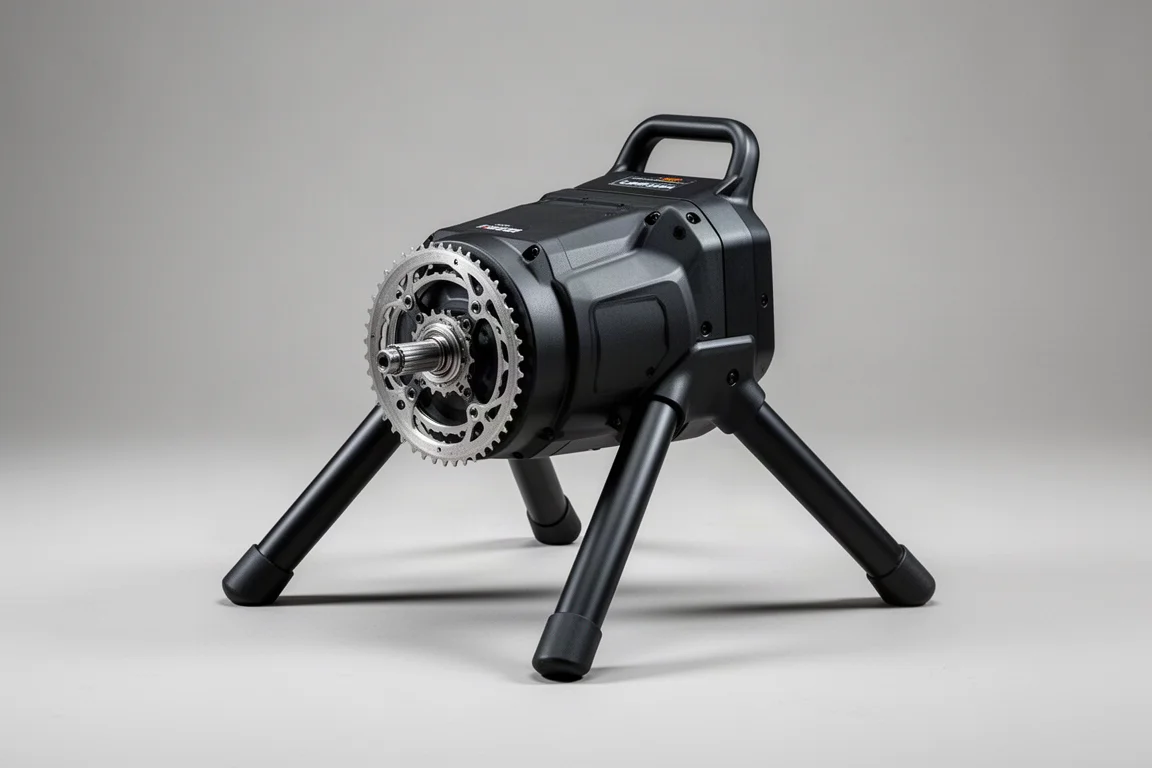
The Wahoo KICKR Core Zwift One is a bit of a mouthful, and the name alone is arguably the least elegant thing about it. Underneath the branding, it is the existing KICKR Core direct-drive smart trainer merged with the Zwift Cog system, bringing virtual shifting to one of the most popular trainers in its price class. It is not just new hardware either: new software updates roll out to the KICKR Core platform alongside it.
If you have been shopping in this price range, there is important context: the Zwift Hub trainer, launched about a year and a half ago, and the Zwift Hub One, launched just four months before this unit, are both discontinued. Wahoo is picking up that torch, while Zwift has committed to continuing support for the Hub line, including new firmware updates for the next two years. After that, continued support is possible but not guaranteed.
Key Specs at a Glance
The KICKR Core Zwift One is a direct-drive trainer, meaning you remove your rear wheel and mount the bike directly on the unit. That improves accuracy and eliminates wheel slip issues that can occur on wheel-on trainers. The flywheel weighs 5.4 kg, which is pretty standard for this price ballpark and sits in a well-regarded spot for inertia replication.
Max incline is 16% and max wattage is 1,800 Watts. For context, most everyday riders will never want to simulate climbing anything steeper than about 8-10%, and 1,800 Watts exceeds what all but elite sprinters can produce, so neither figure is likely to be a limiting factor. Power accuracy is rated at plus or minus 2%.
Pricing is $599 or £549, with a year of Zwift included. Wahoo and Zwift will also start selling the trainer in Canada and Australia later, with exact pricing there still to be confirmed. Note that the standard KICKR Core with a cassette is not going away; both versions cost the same.
What the Zwift One Actually Is
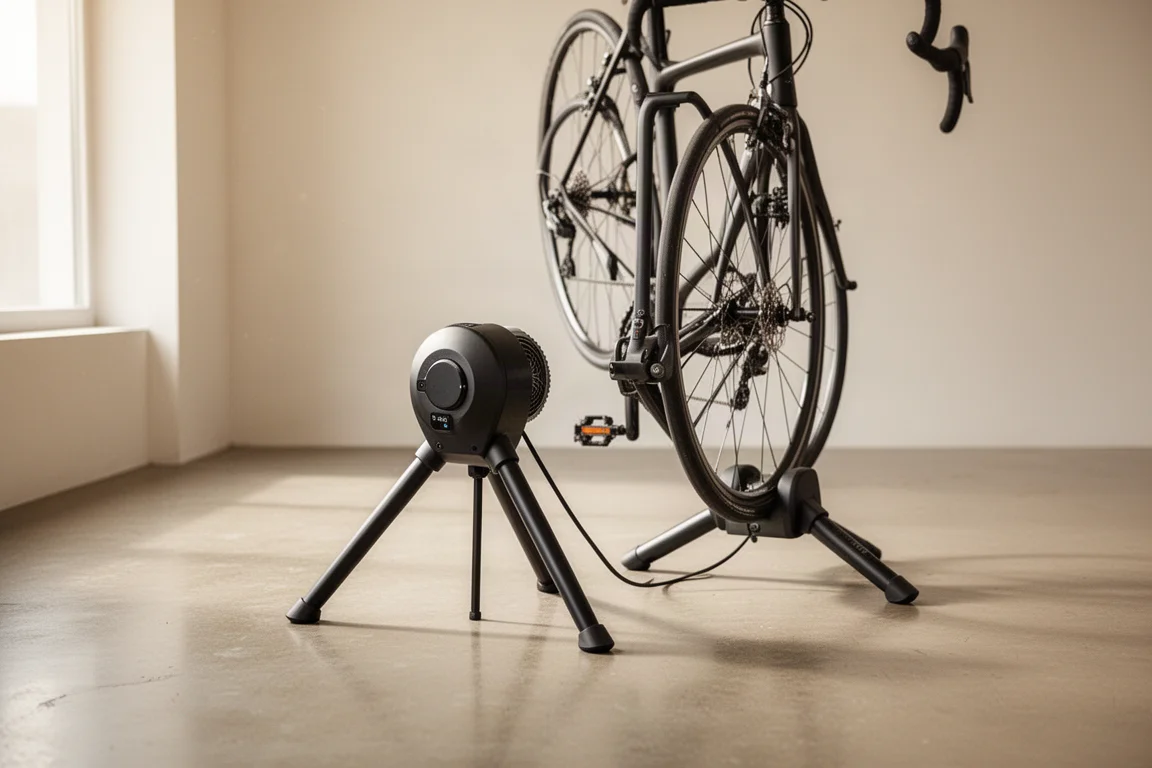
Out of the box, you get the trainer, two legs, a quick-release skewer, and adapters for through-axle or quick-release setups. Assembly takes three to five minutes and is genuinely straightforward. Also in the box is the Zwift Click, a small two-button remote that controls virtual shifting, while the Zwift Cog itself comes pre-mounted on the trainer.
One setup tip worth keeping: shift into the middle of your cassette on your bike before removing the rear wheel and mounting it on the trainer. It makes the swap noticeably easier. You will also want to update the firmware on both the trainer (via the Wahoo app) and the Zwift Click (via the Zwift Companion app) before your first ride, since both may ship with older firmware.
How Virtual Shifting Works
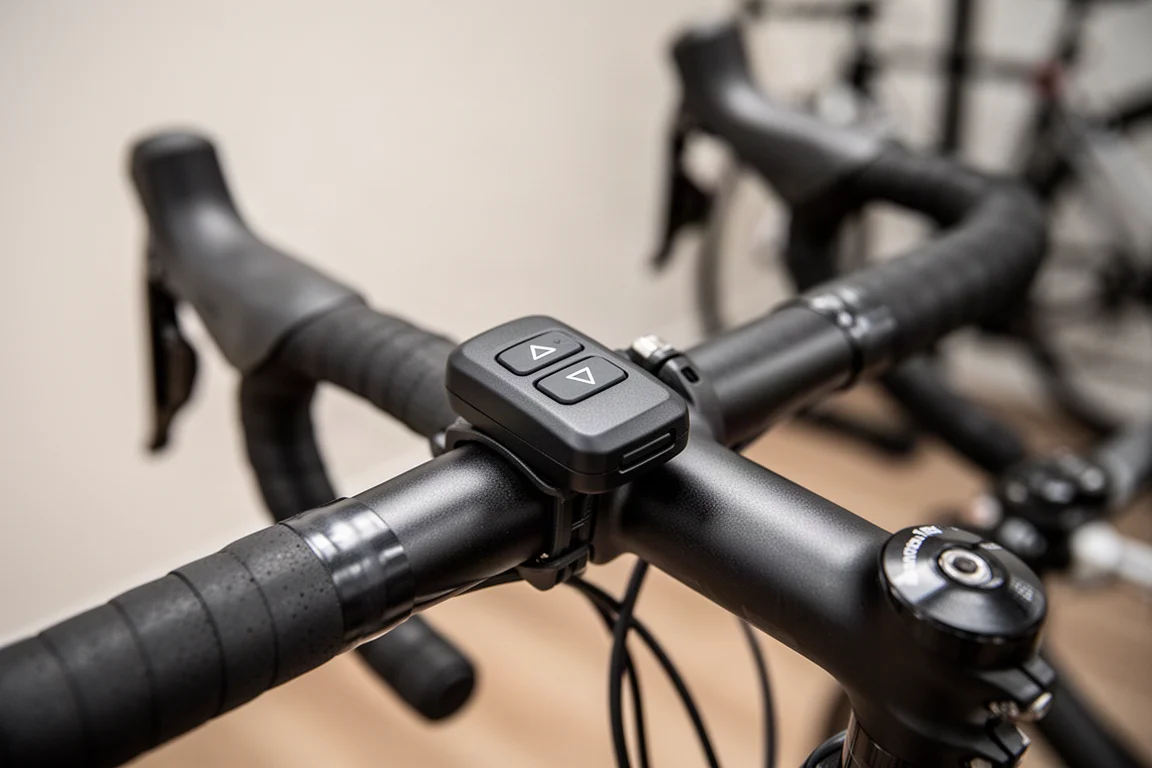
The Zwift Cog replaces the full cassette with a single cog on the trainer. Virtual shifting means you use the Zwift Click, or alternatively the Zwift Play controllers, to increase or decrease resistance in steps, changing your virtual gears as shown in the upper left corner of the Zwift app. It works very much like the shifting on smart bikes, which have no physical cassette at all.
Shifting responsiveness is virtually instant, with no perceptible delay. The Click does not talk to the trainer directly; it communicates with the Zwift app, which in turn changes the trainer’s resistance. You can mount the Click inside the handlebars, outside, or on the top of the bar depending on preference. Sprints tend to favor a lower mounting position, while seated riding may favor higher placement.
If you accidentally shift with your real shifters, do not panic: it will make a racket, but nothing will break. The Cog is plastic and forgiving. Simply reverse what you did until the drivetrain sounds clean again. Normal riding noise from the trainer itself is essentially silent; the flywheel speed, not power output, is what drives the sound you hear.
App Compatibility: The Big Caveat
This is the most important limitation to understand. Virtual shifting via the Click or Play controllers works only in Zwift. Other apps such as TrainerRoad or MyWhoosh will read power from the trainer perfectly fine, and structured workouts in ERG mode work fine too, since those control resistance directly. What breaks is SIM mode, the mode that simulates gradients and relies on shifting.
Zwift and Wahoo have said that third-party app access to the shifting will arrive later via some sort of developer API. Given that this was promised when the Hub One launched, the timeline feels slow, but the good news is there is a straightforward workaround: you can install a regular cassette on the trainer fairly easily, which lets you use any app you want with normal physical shifting.
Cog vs Cassette: Which One Makes Sense
The headline benefit of the Cog for most buyers is multi-bike flexibility. If you share the trainer with a partner on a different drivetrain speed, or you own multiple bikes yourself, the same Cog works across them without swapping cassettes. That is a genuinely massive convenience compared to maintaining separate cassettes for 9, 10, 11, or 12-speed bikes.
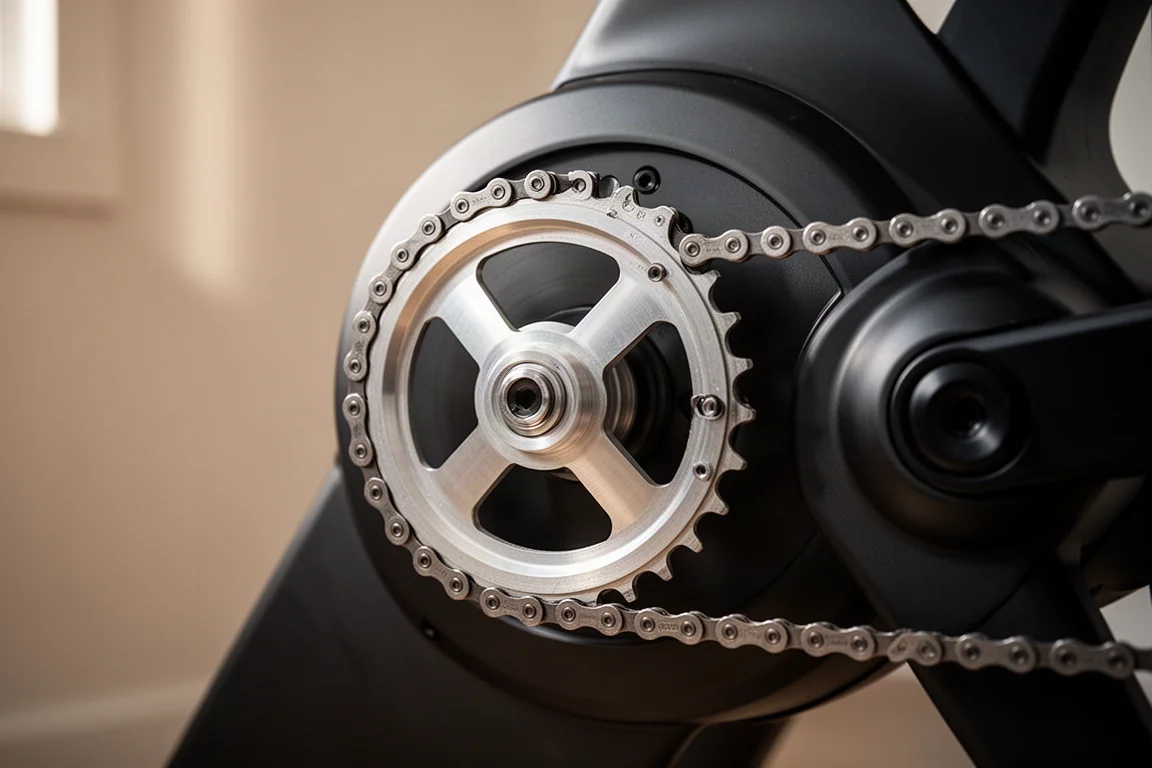
The main downside is the app compatibility situation outlined above. If you are fully committed to Zwift, the Cog is likely the better pick. If you split your time between multiple training platforms, the cassette version of the KICKR Core, which remains on sale at the same price, is the safer choice. For Wahoo and Zwift, the Cog also simplifies stocking and distribution, since one unit fits many bikes.
Accuracy and Ride Feel
In structured ERG mode workouts, resistance transitions in a standard 30x30 test took about three seconds, right in the ideal 2-4 second window. Stability was good overall, holding steady states well, though not quite at the level of the very top-end trainers.
Power accuracy checked against dual-sided power meters was very close across repeated tests, with no significant complaints. One quirk: in the first 15 minutes of a ride before auto-calibration kicks in, readings ran about 10 watts high. Auto-calibration activates when you stop pedaling for five seconds, at which point readings snapped into line. Wahoo and Zwift also recommend one manual calibration after roughly 20-30 minutes of the very first ride out of the box.
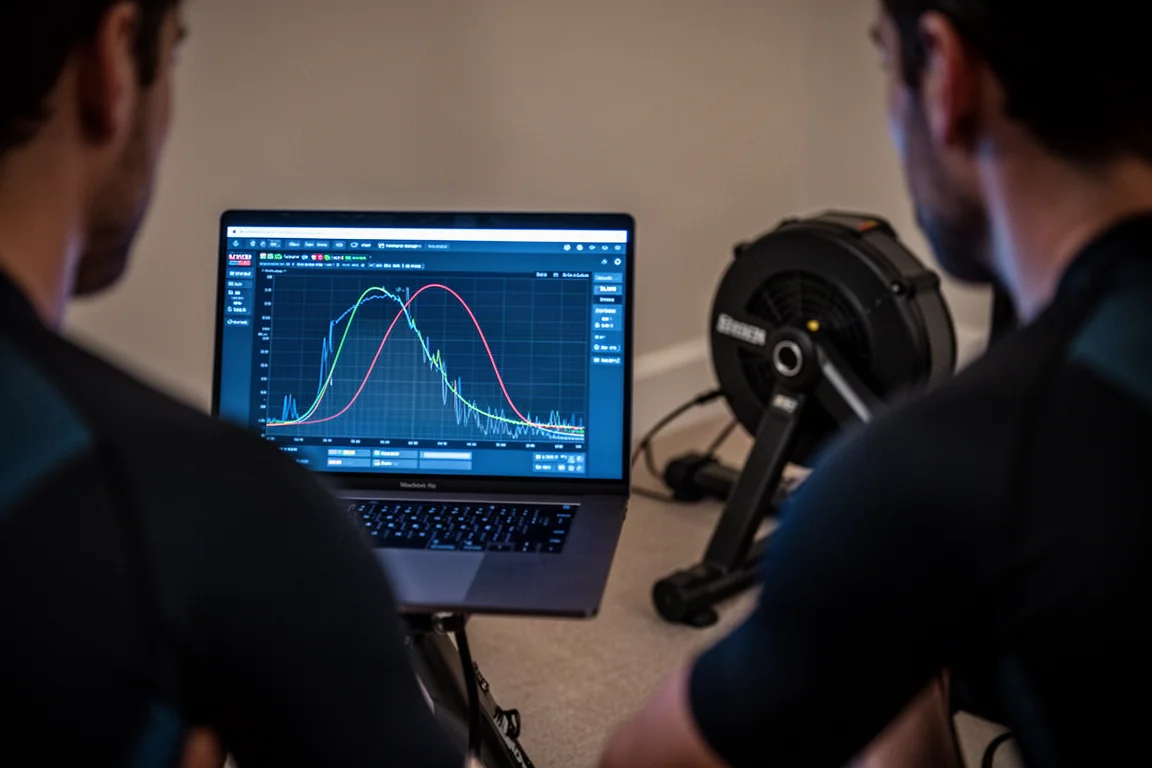
In SIM mode, power tracked reference units closely, including during a hard effort near 800 watts, though the trainer overshoots slightly for a second or two when power is released, which is fairly normal at this price point. Cadence accuracy was also solid. Road feel simulation feels good, in line with what the flywheel weight at 5.4 kg suggests, and drivetrain noise over the single Cog depends somewhat on your chain speed; 12-speed chains work fine but are not perfectly silent, while the Cog can actually be quieter than a cassette at the extremes of the gear range.
Buying Advice
At $599 or £549 with a year of Zwift included, this is a solid deal, especially if Zwift is already your platform of choice. The included Zwift Click handles shifting, or you can opt for the Zwift Play controllers instead, which add game menu control on top of shifting.
If you already own an existing KICKR Core, Wahoo has indicated that virtual shifting support is coming to existing trainers very soon, so you may be able to add the Zwift Click or Zwift Play to your current cassette-equipped unit rather than buying new hardware. Just factor in the app compatibility limitation before committing to the Cog version.
Conclusion
The KICKR Core Zwift One takes a proven, well-liked trainer and adds the convenience of virtual shifting plus a genuinely useful multi-bike compatibility story. If you ride exclusively in Zwift, it is easy to recommend. If you use multiple training apps, either wait for the promised third-party shifting support or stick with the cassette version, which remains available at the same price.
Product link
View more details for Wahoo KICKR Core Zwift One
This product is mentioned in the review. Check the specifications, options, and compatibility before buying.
View more details for Wahoo KICKR Core Zwift OneFurther reading
Related Reviews
Smart Trainers
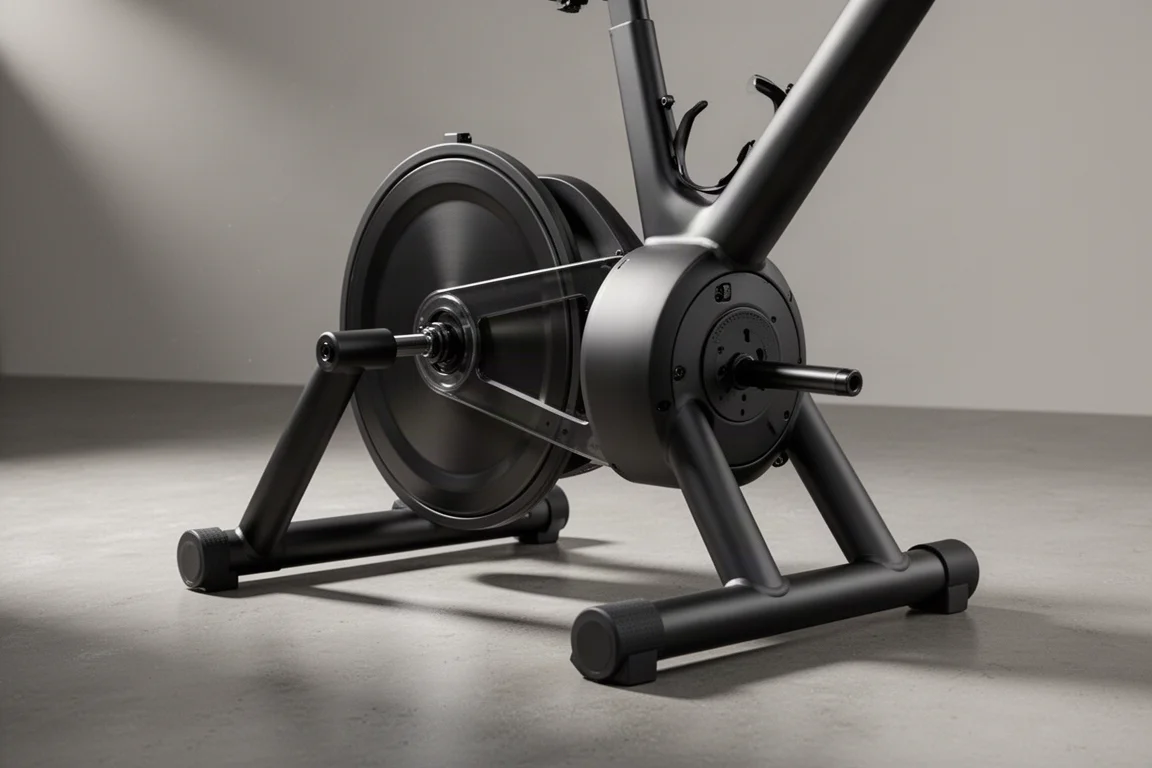
Pinnacle HC Review: An Affordable Direct Drive Smart Trainer
A close look at the Pinnacle HC, a £500 direct drive smart trainer with a 2,200W ceiling, a 5.7kg flywheel, and a quiet, stable ride feel for indoor training.
Smart Trainers
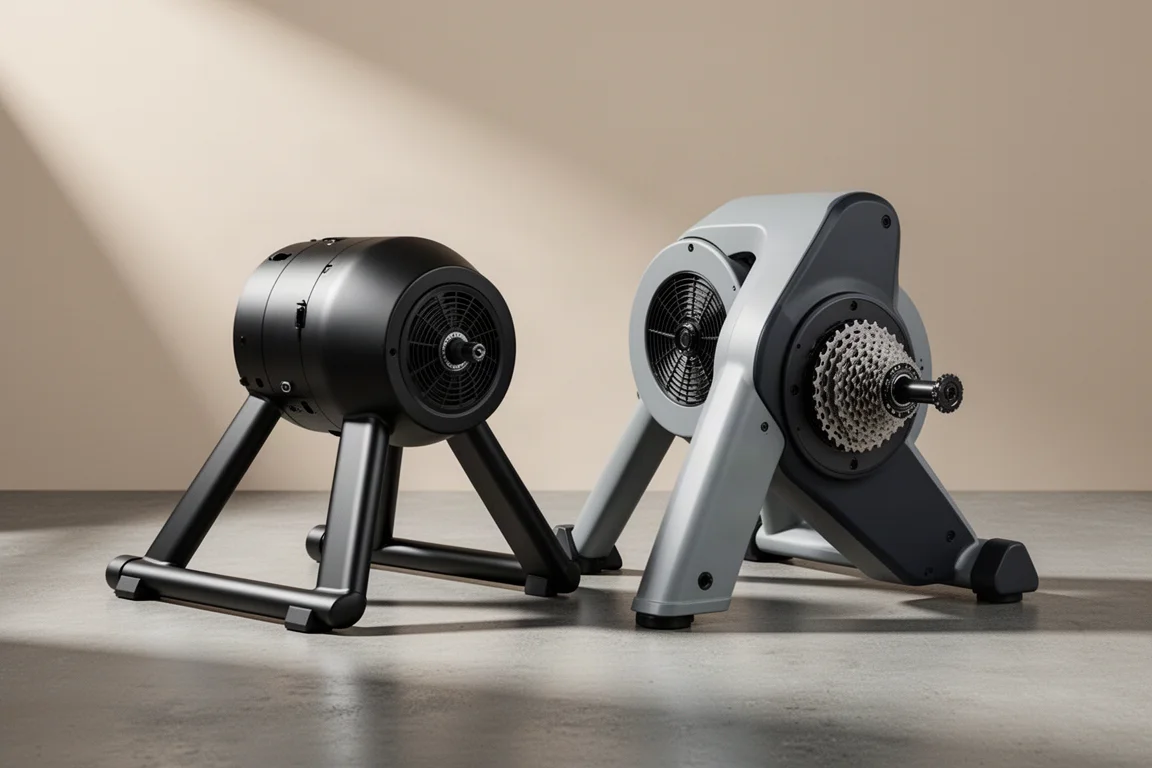
Wahoo Kickr Core vs Zwift Hub: Which Budget Direct Drive Smart Trainer Should You Buy?
A practical head to head between the Wahoo Kickr Core and the Zwift Hub, covering price, flywheel weight, setup, noise, connectivity, and power accuracy.
Smart Trainers
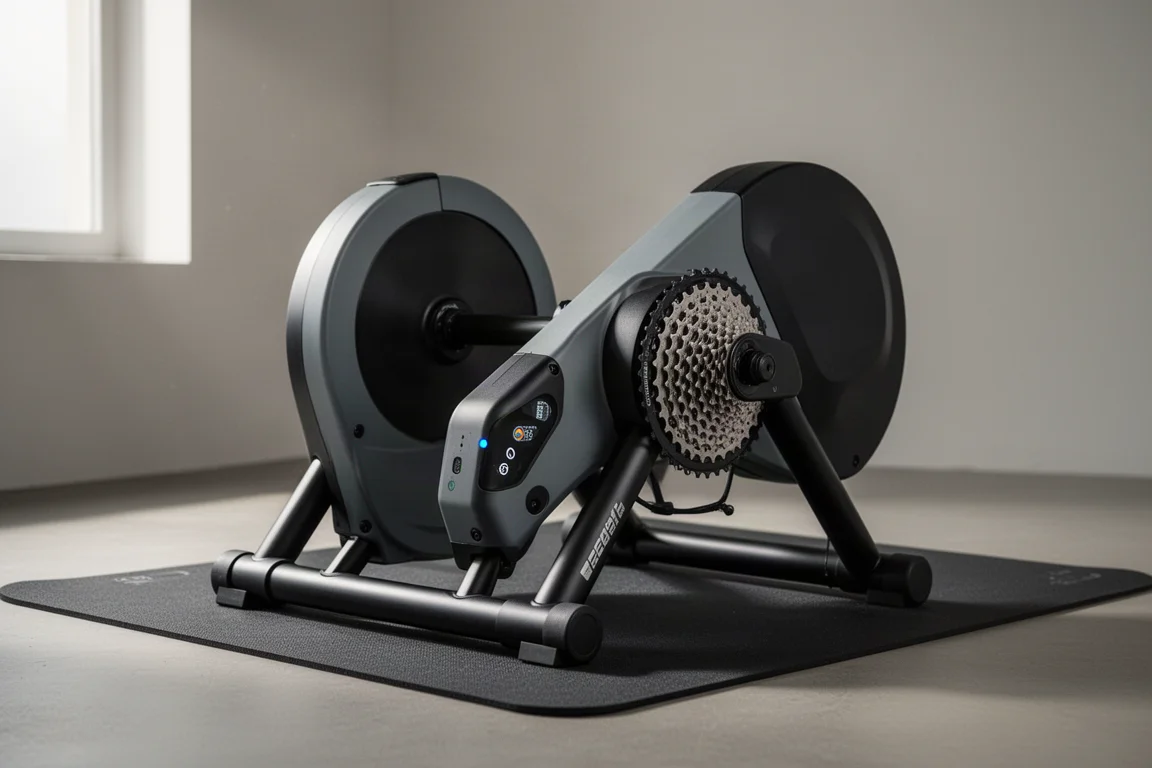
Elite Avante Review: A Smart Trainer That Punches Above Its Hardware
The Elite Avante pairs mid-range trainer hardware with high-end software features like built-in Wi-Fi and heart rate bridging. Here is how it holds up after months of riding.