Indoor Cycling
Wahoo KICKR Core Zwift One Review: Virtual Shifting Meets a Proven Trainer
The KICKR Core Zwift One swaps a traditional cassette for the Zwift Cog and Click, and it competes closely with the Zwift Hub One. Here is how they compare and who each one suits.
Introduction
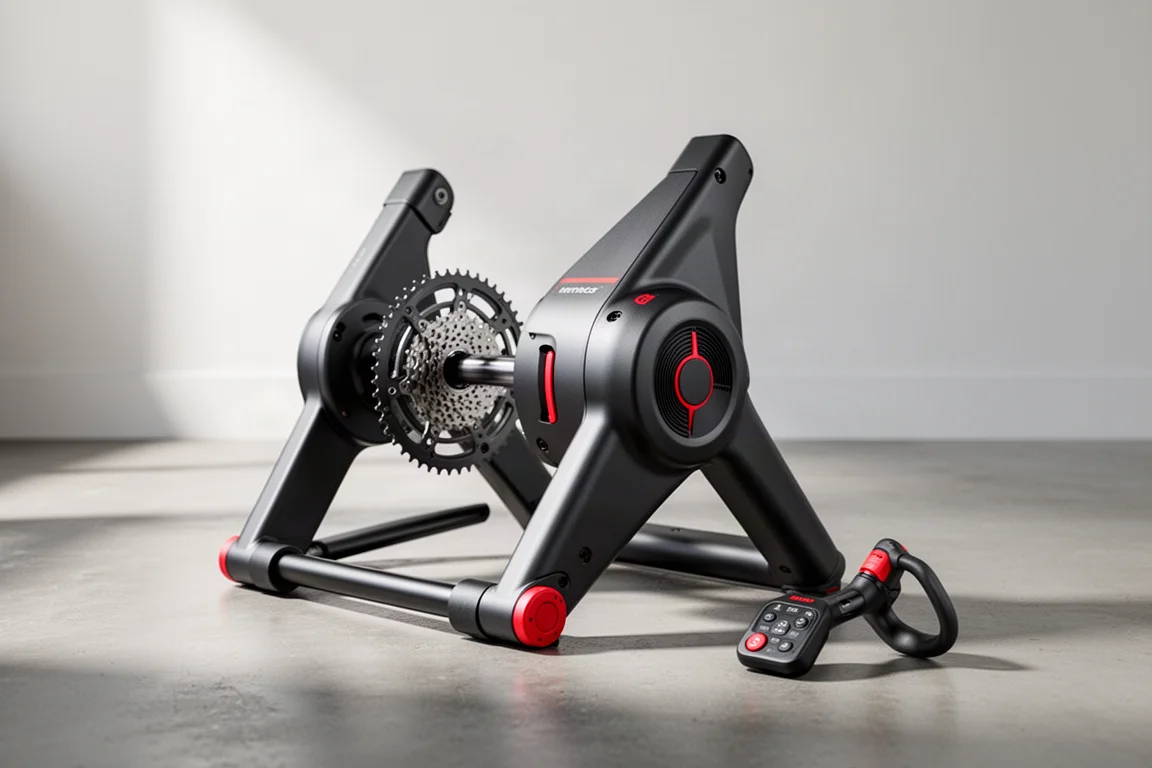
The Wahoo KICKR Core Zwift One takes Wahoo’s long-running KICKR Core direct drive trainer and replaces the traditional cassette with the Zwift Cog plus the Zwift Click for virtual shifting. The result is an entry-level smart trainer built around a simpler question: what if you never had to think about cassette compatibility at all?
It is an interesting collaboration, and it follows the same blueprint as the Zwift Hub One, which popularized the single-cog, virtual-shifting approach last year. Whether you already own a trainer or are buying your first one, the practical questions are the same: how does it compare to the Zwift Hub One, can existing KICKR Core owners get virtual shifting, and is the Zwift-only focus a dealbreaker?
What the KICKR Core Zwift One Is
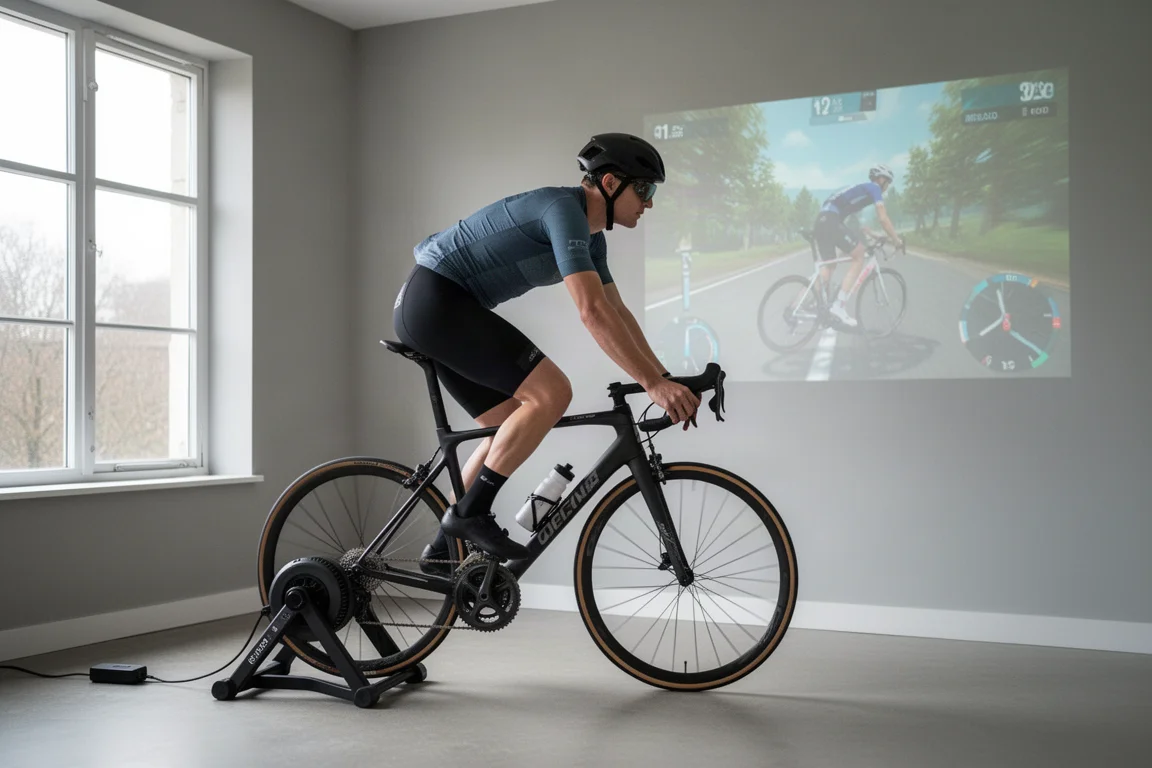
At its core, this is the same KICKR Core Wahoo has offered for years. It is a direct drive trainer that simulates grades dynamically: when a hill appears in an indoor training app, the trainer applies more resistance to replicate the outdoor feeling.
The specs carry over from the original KICKR Core. It offers up to 1,800 watts of resistance, simulates grades up to 16 percent, which covers essentially every grueling climb in Zwift, and carries a claimed power accuracy of plus or minus 2 percent. It works with road, gravel, mountain, and commuter bikes, with compatibility for 130 and 135 quick release axles plus 12x142 and 12x148 through axles, and all the adapters come in the box.
Connectivity includes three Bluetooth connections along with ANT+, so you can pair a watch, a bike computer, or virtually any indoor training app. That said, this setup is clearly meant to work best with Zwift, and there are a few caveats with other apps worth knowing about.
Why the Zwift Cog and Click Make Sense
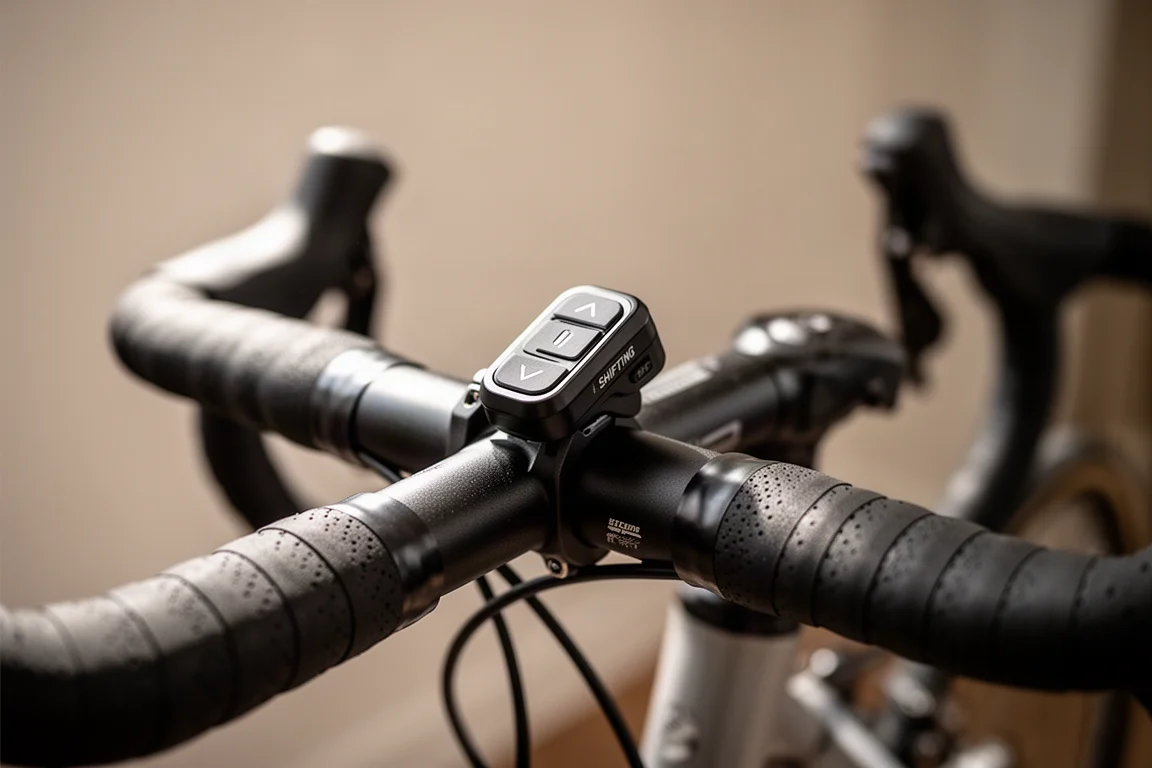
Instead of a cassette, the trainer ships with a single Zwift Cog: a 14-tooth cog sandwiched between plastic inner and outer plates, mounted on a standard Shimano freehub body. Shifting is handled by the Zwift Click, a small handlebar pod with plus and minus buttons that controls 24 virtual gears, with your current gear displayed right in the Zwift game.
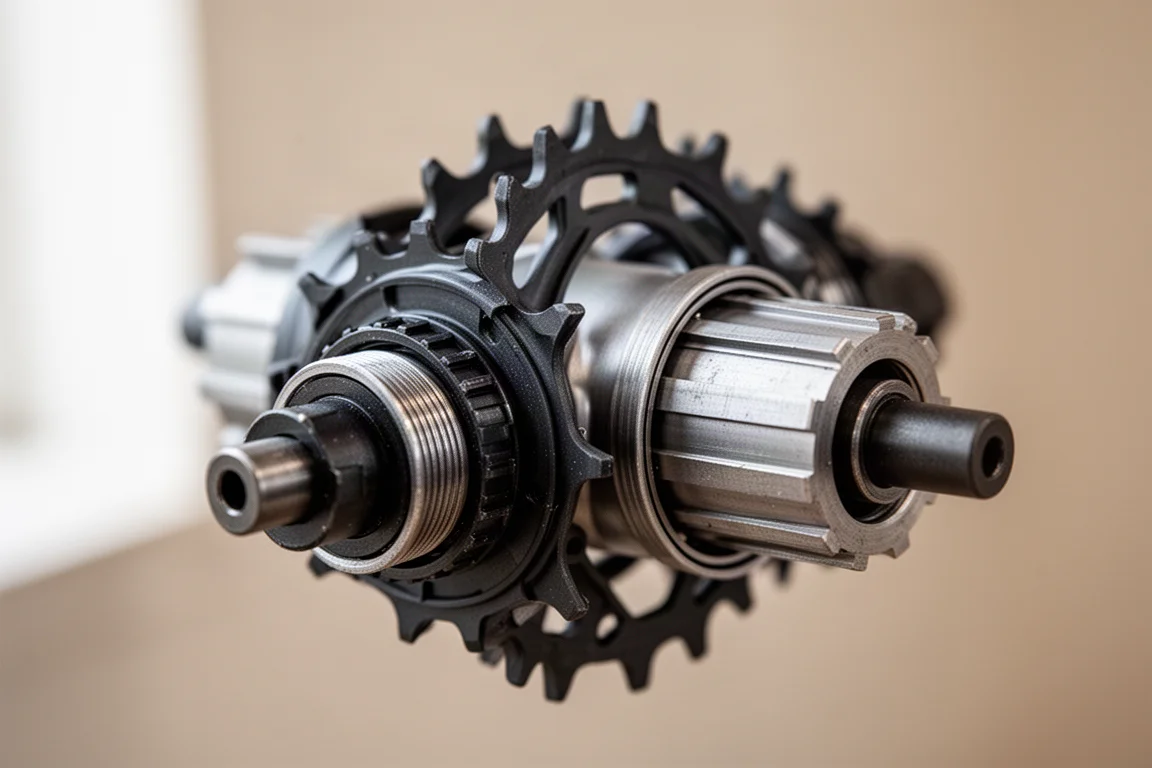
The logic behind this setup is straightforward. First, ordering becomes easier because the trainer works with the majority of drivetrains, from 8-speed up through 12-speed. Second, in a household where several people ride different bikes, you swap bikes rather than cassettes. You may need to swap axle adapters, but that takes about ten extra seconds.
Virtual shifting also solves real problems for certain bikes. Mountain bikes with smaller chainrings often spin out in Zwift because they lack top-end gearing; here, the software automatically figures out an appropriate gear ratio on your first ride so you have enough top end. And for 1x drivetrains, where you are normally limited to 8 to 13 physical gears, you get a much wider spread of 24 virtual gears.
One more detail: because the Cog sits on a standard Shimano freehub body, you can still mount a traditional cassette if you prefer, and there is a slight advantage to doing so, which we will get to shortly.
Ride Experience and Shifting
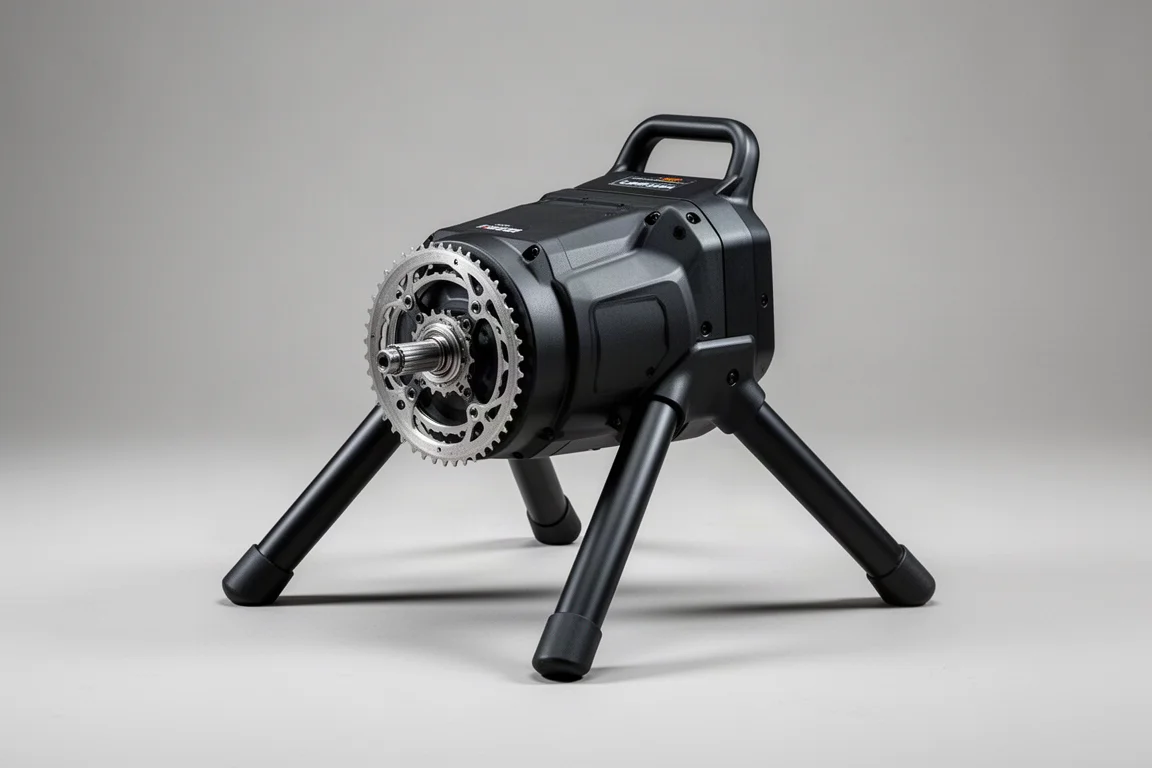
On the road feel side, this is essentially the original KICKR Core. The 12lb flywheel helps simulate the outdoor inertia and momentum you would expect, the trainer is stable for everyday riding, and it holds up well during hard sprints. The chassis is not perfectly symmetrical, and if you rock dramatically to the drive side it may tilt slightly, but under normal circumstances that never comes into play.
The real difference versus a cassette-equipped KICKR Core is how you shift. The Zwift Click is a small pod you attach anywhere on your bars: closer to the hoods if you ride on the hoods, or on the tops if that is where you spend your time. Zwift Play controllers also work for virtual shifting using their outer buttons, and you can use the Click and Play controllers simultaneously, for example keeping the Click on the tops and the Play controllers usable from the hoods.
Noise Levels
The trainer itself is virtually silent, just like the original KICKR Core. However, there is a slight bit of additional sound from the Cog itself. Because the Cog is designed to work with a variety of drivetrains rather than a matched 11-speed chain on an 11-speed cassette, and because the plastic components seem to amplify the sound a little, it runs slightly louder than a perfectly matched cassette setup.
The good news is that you do not need the Cog for virtual shifting. Virtual shifting comes from the Zwift Click or Zwift Play plus software, not from the Cog itself. If you mount your own matched cassette, for example an 11-speed cassette with an 11-speed chain, you get a noticeably quieter experience while keeping all the virtual shifting benefits.
Power Accuracy and ERG Mode
Wahoo claims plus or minus 2 percent power accuracy, and the trainer largely delivers. Across simulation rides, readings landed anywhere from roughly 3 watts off to about 4 watts off against reference dual-sided pedals, all within spec. Sprints lined up extremely well. On one longer 90-minute ride, some drift appeared in the second half as the trainer heated up, but the deviation was still only a handful of watts.
In ERG mode, where the trainer holds a set power target from a structured workout, stability is very good: the power traces from reference pedals looked wavy only because the rider’s legs naturally fluctuate, and the trainer always evened things out without large overshoot or undershoot. Interval transitions were smooth, changing from 140 watts to 325 watts in about 4 seconds on a set of 30/30s. Slightly faster transitions around 3 seconds would be nice, but overall it is a solid ERG experience.
How It Compares to the Zwift Hub One
Both trainers carry a similar price tag and largely similar specs, so the choice comes down to a handful of details:
- Power accuracy: The KICKR Core edges out the Zwift Hub One, with plus or minus 2 percent claimed versus plus or minus 2.2 percent, and that slightly better accuracy showed in use.
- Flywheel: The KICKR Core has a 12lb flywheel versus the Hub One’s 10.3lb flywheel, which may give a slightly better road feel.
- KICKR Climb: The KICKR Core is compatible with Wahoo’s KICKR Climb accessory, which physically raises the front of your bike to add to the hill simulation.
- Connectivity: The KICKR Core has three Bluetooth connections versus one on the Hub One, though the Hub One offers a heart rate bridge function and a 10Hz higher transmission rate mode.
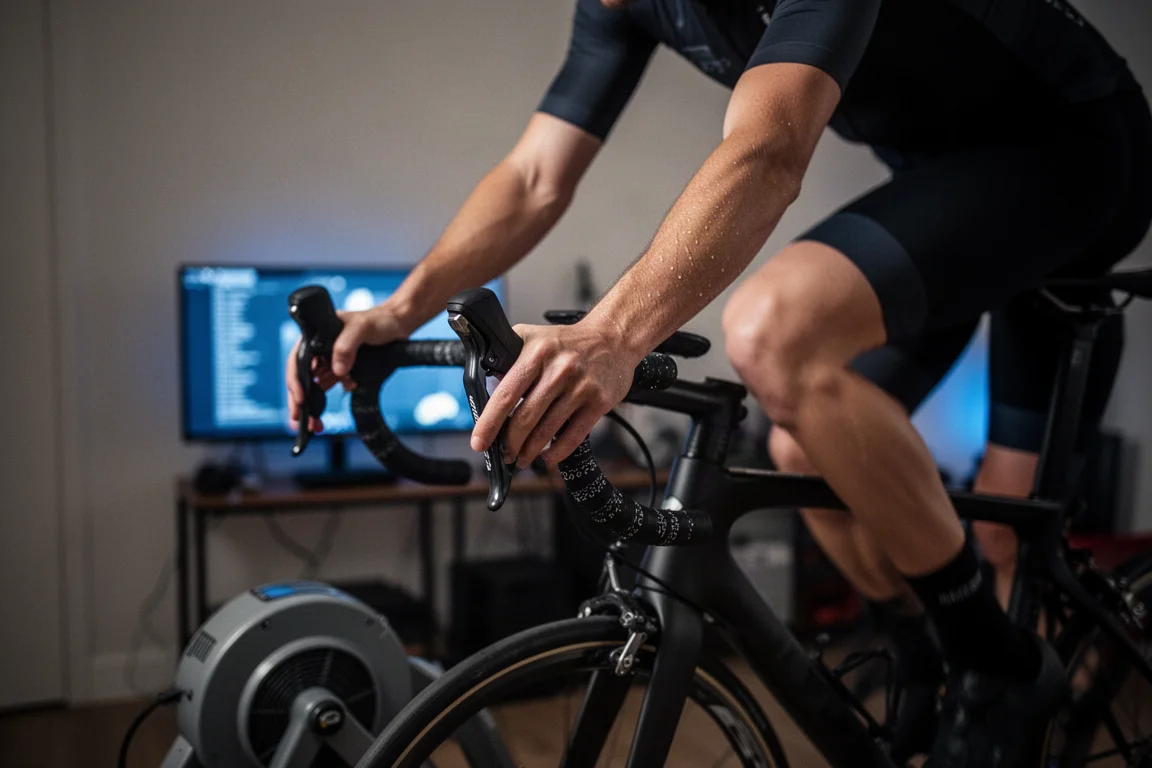
For most buyers comparing the two, the KICKR Core Zwift One’s accuracy edge and Climb compatibility are the meaningful differentiators, while the Hub One’s extra connectivity features matter mainly for specific setups.
View more details for Zwift Hub One
Should You Buy It?
Choose the KICKR Core Zwift One over a standard KICKR Core with a cassette if you value the convenience of a single Cog, especially in multi-rider households or if you ride a mountain bike with small chainrings or a 1x drivetrain. The virtual shifting genuinely solves problems a traditional cassette cannot.
There is one important caveat: if you do not plan to spend most of your indoor time in Zwift, this specific bundle loses much of its appeal. The Zwift Click and Zwift Play only work with Zwift, so on other simulation apps you cannot use virtual shifting. You can still use the KICKR Core Zwift One with ERG-mode-based apps like TrainerRoad, since those simply apply resistance without any shifting.
If you already own a KICKR Core, you do not need to buy this trainer at all. A firmware update enables virtual shifting on the existing trainer; just update the firmware, enable virtual shifting in Zwift’s settings, and pair a Zwift Click or Zwift Play. As for KICKR V5, V6, and KICKR Move owners, there is no official word, but since virtual shifting is a software upgrade, it seems hard to imagine it not arriving on those trainers eventually.
Conclusion
The KICKR Core Zwift One is a sensible evolution of a proven trainer: the same solid KICKR Core platform with accurate power, strong ERG mode behavior, and a quiet ride, now wrapped in a compatibility-free package that works with nearly any drivetrain and adds 24 virtual gears. It is the easiest recommendation for Zwift-focused households with multiple bikes, and existing KICKR Core owners should simply update their firmware and add a Click instead of buying new hardware.
Further reading
Related Reviews
Indoor Cycling
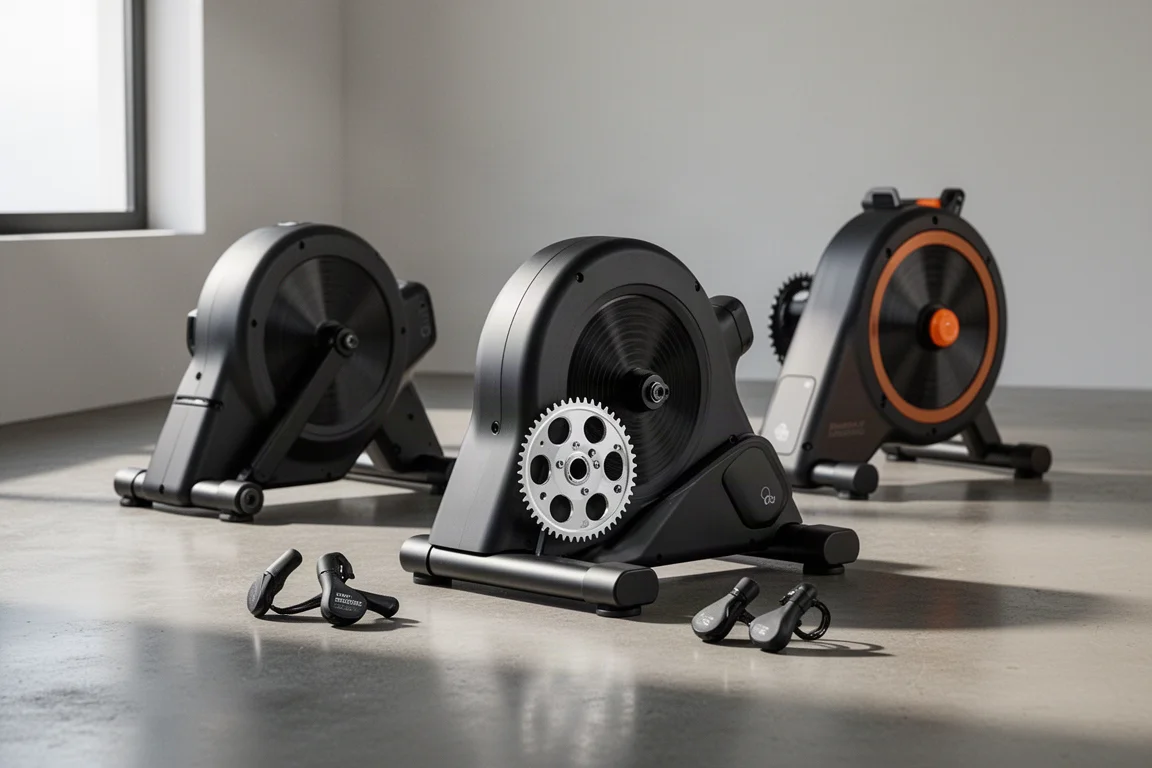
Best Budget Smart Indoor Trainer Setups: Six Options Worth Considering
Smart indoor trainers keep getting better while prices come down. Six setups and components worth considering, from the cheapest Zwift-ready option upward.
Indoor Cycling
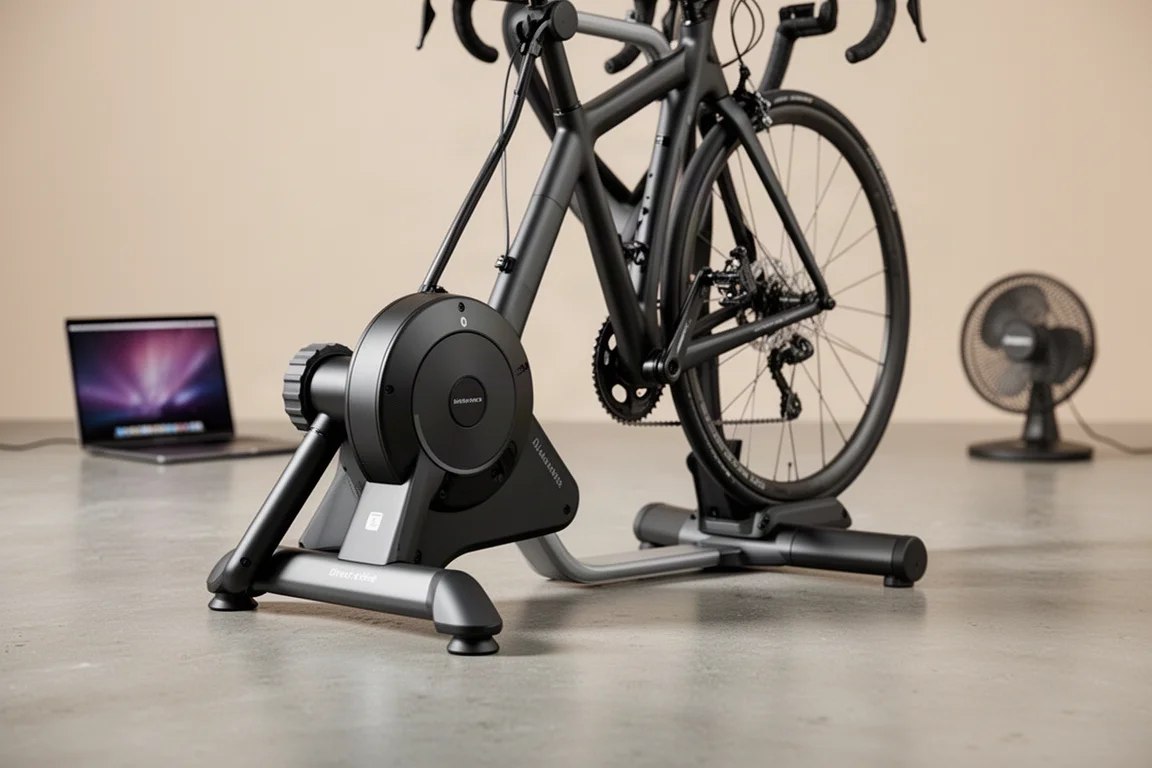
Best Budget Smart Indoor Trainers for Immersive Cycling in 2026
A practical guide to affordable smart indoor trainer setups, including budget and mid-range options with virtual shifting.
Indoor Cycling
Best Indoor Cycling Apps and Smart Trainers: A Winter Buying Guide
A practical look at the indoor training platforms and smart trainers that matter this season, from a new challenger to Zwift to the entry-level trainer that stands out on value.