Indoor Cycling
Wahoo Indoor Training Setup Guide: KICKR CORE, MOVE, CLIMB and HEADWIND Compared
A practical look at four Wahoo indoor training products, plus how to decide between a collapsible pain cave and a permanent indoor setup.
Introduction
Indoor training has a reputation problem. It is often treated as the fallback option, the thing you do when the weather turns and the roads are cold, wet and mucky. In practice, plenty of riders reach for the trainer even when conditions outside are perfectly reasonable. The appeal is speed and simplicity. One minute you can be sat on the couch, and the next you are powering along on the trainer with no weather window to negotiate and no traffic to manage.
The catch is space. Not every rider has a garage, a cellar or a spare room to dedicate to a permanent pain cave. And even when the space exists, not everyone wants one room of the house permanently given over to a bike and a trainer.
Wahoo builds a connected indoor ecosystem that can suit either approach, from a compact direct-drive trainer that hides under a desk to a floor fan that adjusts itself as you push harder. Below are four products worth understanding, followed by the practical question that matters more than any spec sheet: collapsible or permanent.
What Matters Most in an Indoor Training Setup
Before comparing hardware, it helps to be honest about how you will actually use it. The riders who get the most out of indoor training are usually the ones whose setup removes friction. If getting on the bike takes twenty minutes of unpacking, the trainer quietly stops getting used.
Three things drive that friction. First, storage footprint, which determines whether the equipment can live in a shared room without dominating it. Second, setup and pack-down time, which matters enormously if the same room doubles as an office or a family space. Third, how connected the equipment is, because a trainer, a fan and a head unit that talk to each other turn a session into something you can simply start rather than assemble.
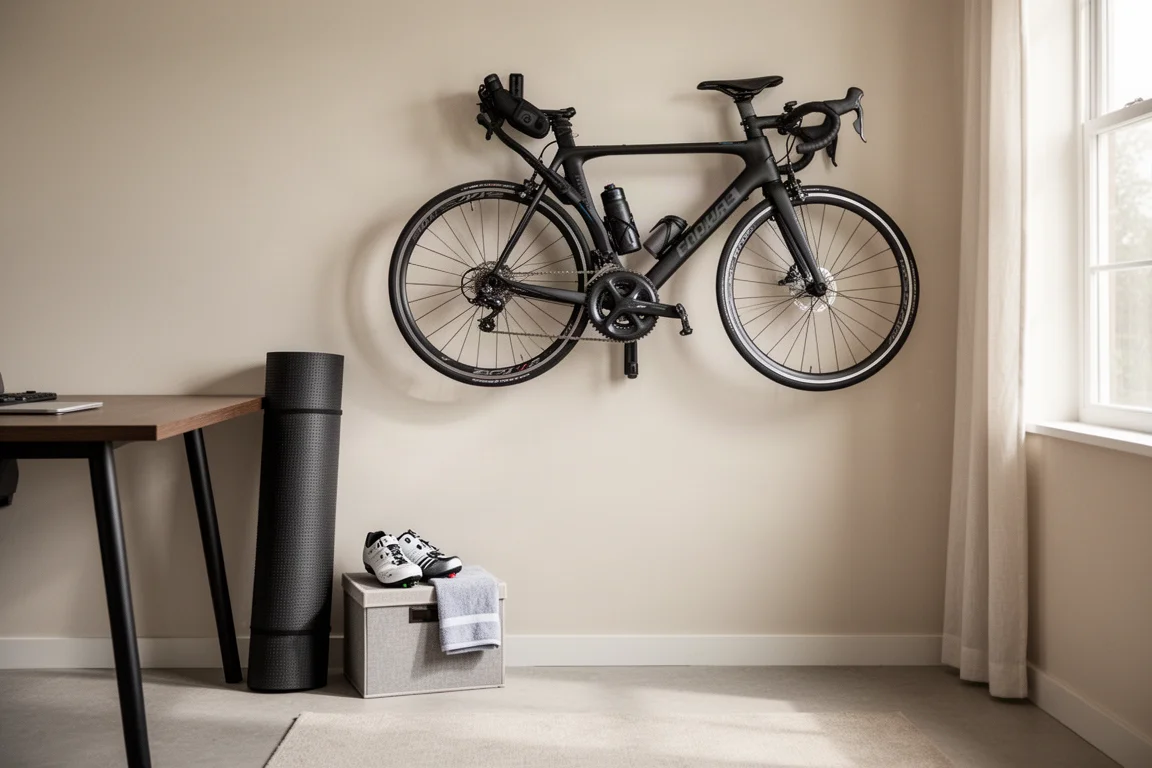
A useful reference point: one home setup that shares a room with a workspace manages a complete transition from desk to bike in roughly five minutes, which is comparable to heading out the front door for an outdoor ride. That is the kind of benchmark worth aiming for.
Wahoo KICKR CORE: The Compact Direct-Drive Trainer
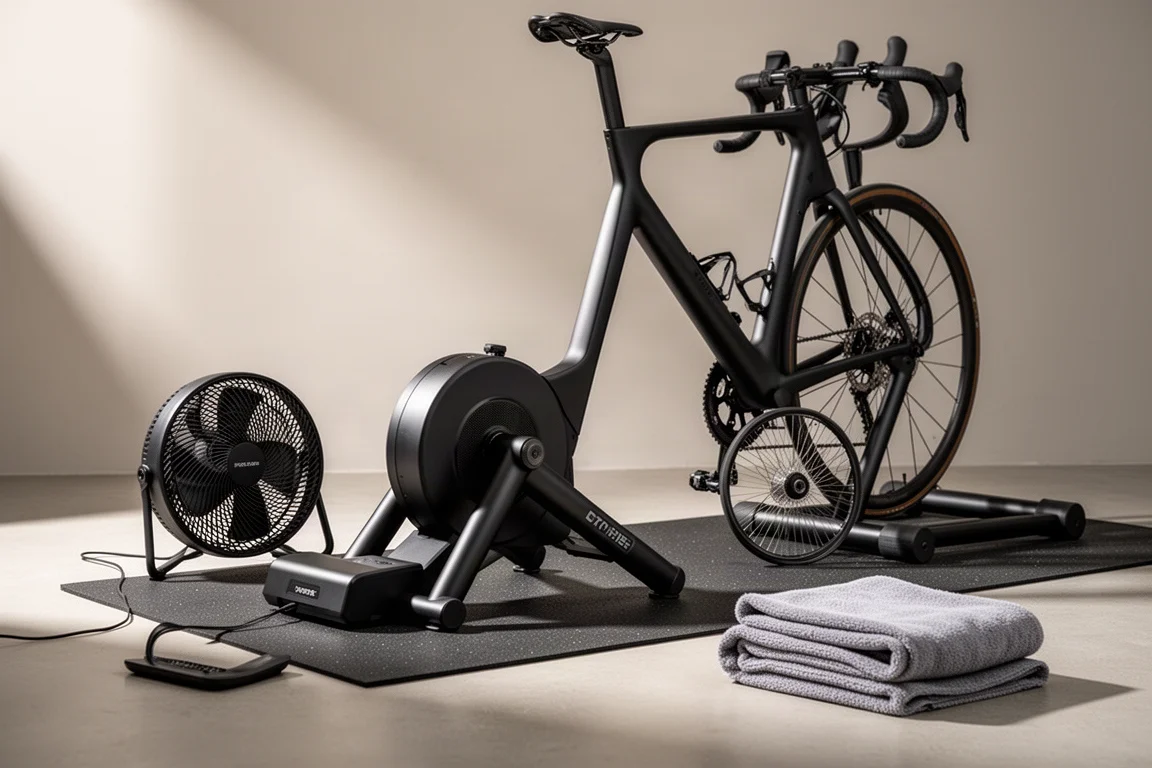
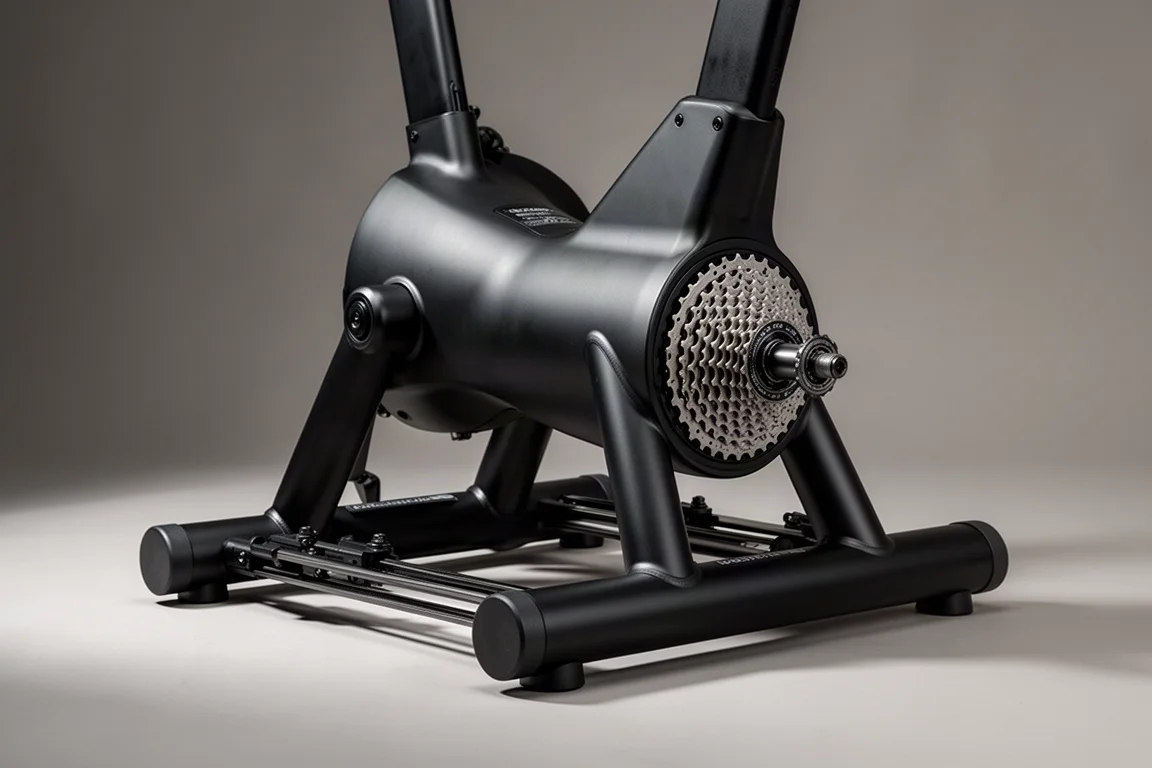
The KICKR CORE is a direct-drive trainer that carries most of the features of its bigger siblings in a lighter and smaller package. That combination is exactly what a shared-space setup needs. It is easy to move around, it does not take up much room when it is stored, and it can sit under a desk or against a wall between sessions.
For riders in busy family homes, that portability is the whole argument. The trainer gets pulled out, the bike goes on, the session happens, and the equipment goes back. Nothing about the room has to change permanently.
It is also a sensible starting point for anyone building a first indoor setup, because it leaves room in the budget and the floorplan for the accessories that genuinely improve a session, such as a mat and a fan.
Wahoo KICKR MOVE: Realistic Motion in a Bigger Footprint
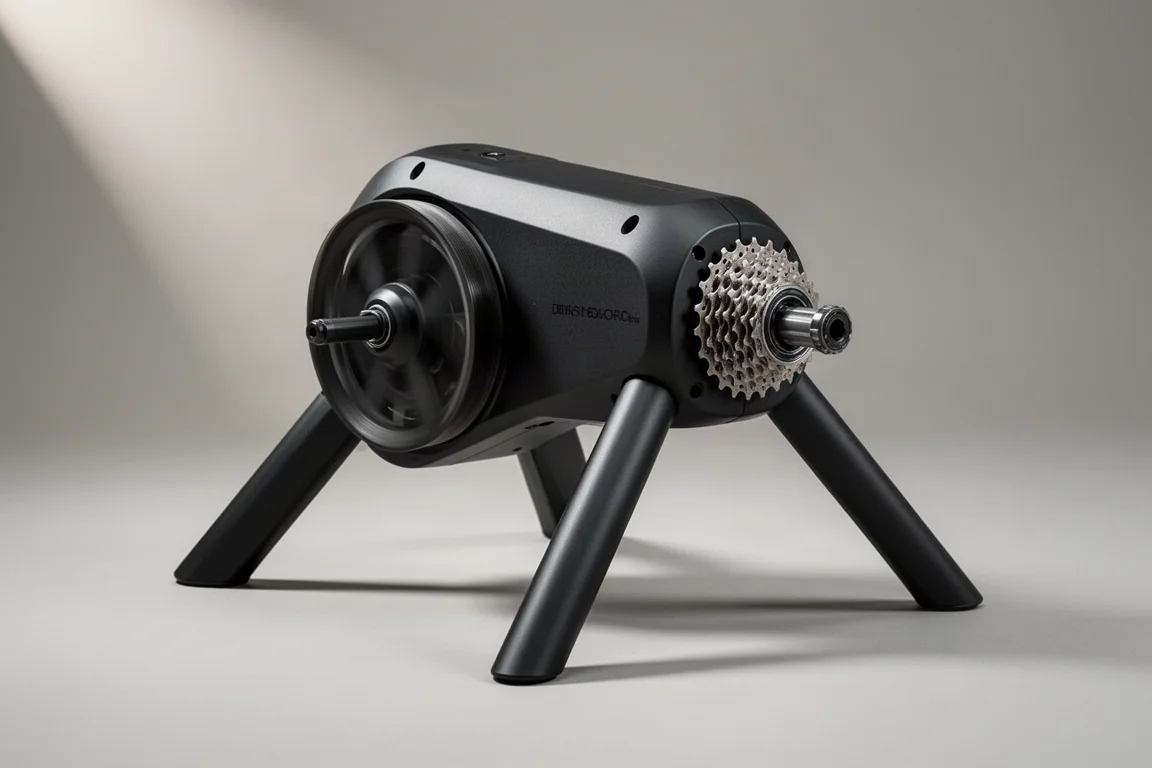
The KICKR MOVE is the newest trainer in the range, and its defining feature is motion. It shifts forwards and backwards while you ride, an approach designed to make the feeling of riding a bike indoors as realistic as possible.
That realism comes with trade-offs that are worth stating plainly. The MOVE has a considerably larger footprint and platform than the more compact options, and it is heavier to move about. It also takes up noticeably more room. If your training space is permanent and generously sized, those are acceptable costs. If you are packing equipment away after every session, they are not.
The MOVE makes the most sense where the bike can stay set up and the room does not need to serve another purpose. In that context, the added motion is a genuine step up in how a long indoor session feels.
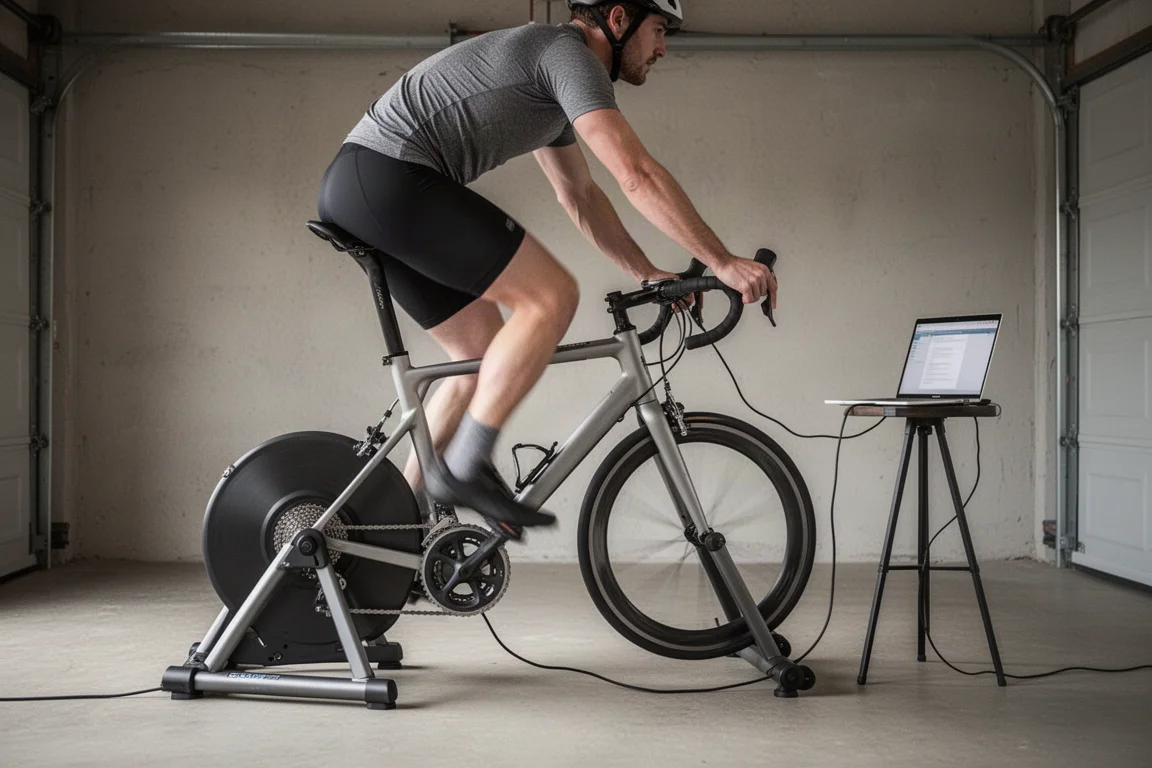
For riders weighing it against the CORE, the question is not which trainer is better. It is whether your space can absorb a larger, heavier platform without turning every session into a handling exercise.
Wahoo KICKR CLIMB: Adding Gradient to Indoor Rides
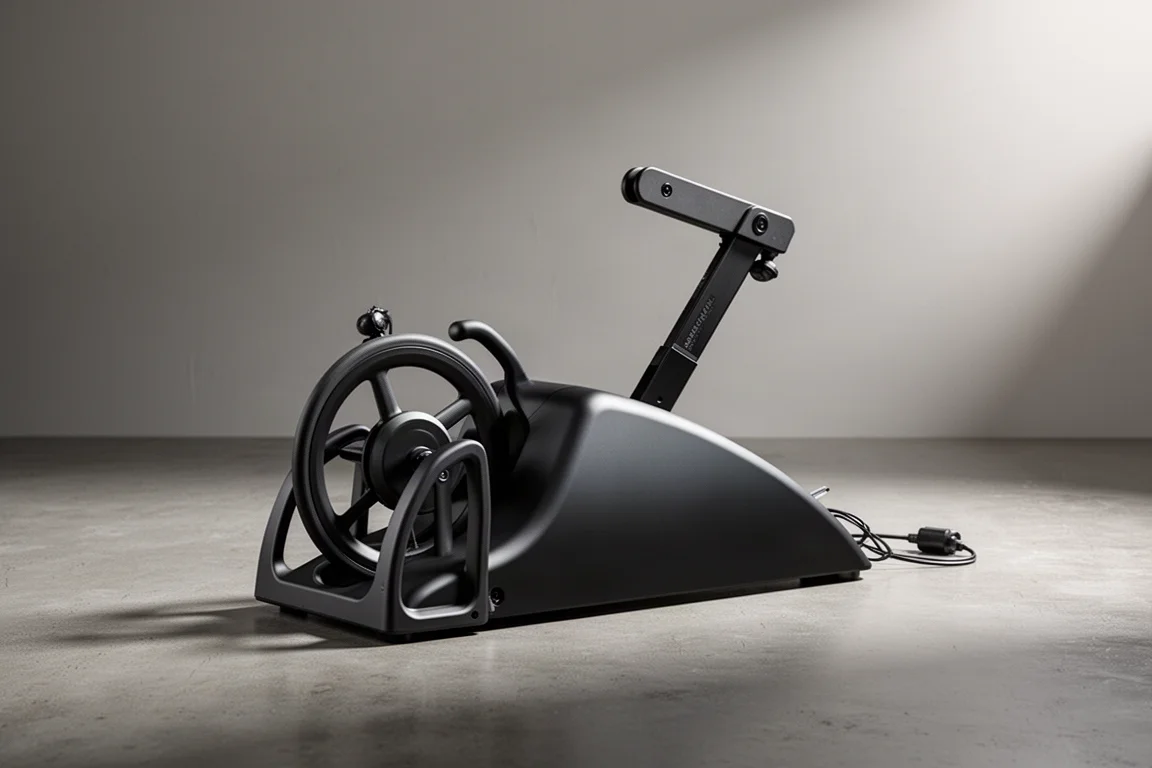
The KICKR CLIMB changes the angle of the bike by raising and lowering the front end, which adds a further dimension to indoor training and makes sessions more engaging. It pairs with the trainer rather than replacing any part of it.
The CLIMB is not something you have to engage every ride. It can be left locked in a normal, level position when you would rather keep things simple, and activated when you want the gradient to come into play. That flexibility is useful, because not every session benefits from the bike tilting underneath you.
Where it earns its place is in longer or more structured rides, particularly virtual ones, where the changing angle breaks up the monotony of holding one position for an hour. It is a comfort and engagement upgrade rather than a performance one.
Wahoo HEADWIND: A Smart Fan That Responds to Effort
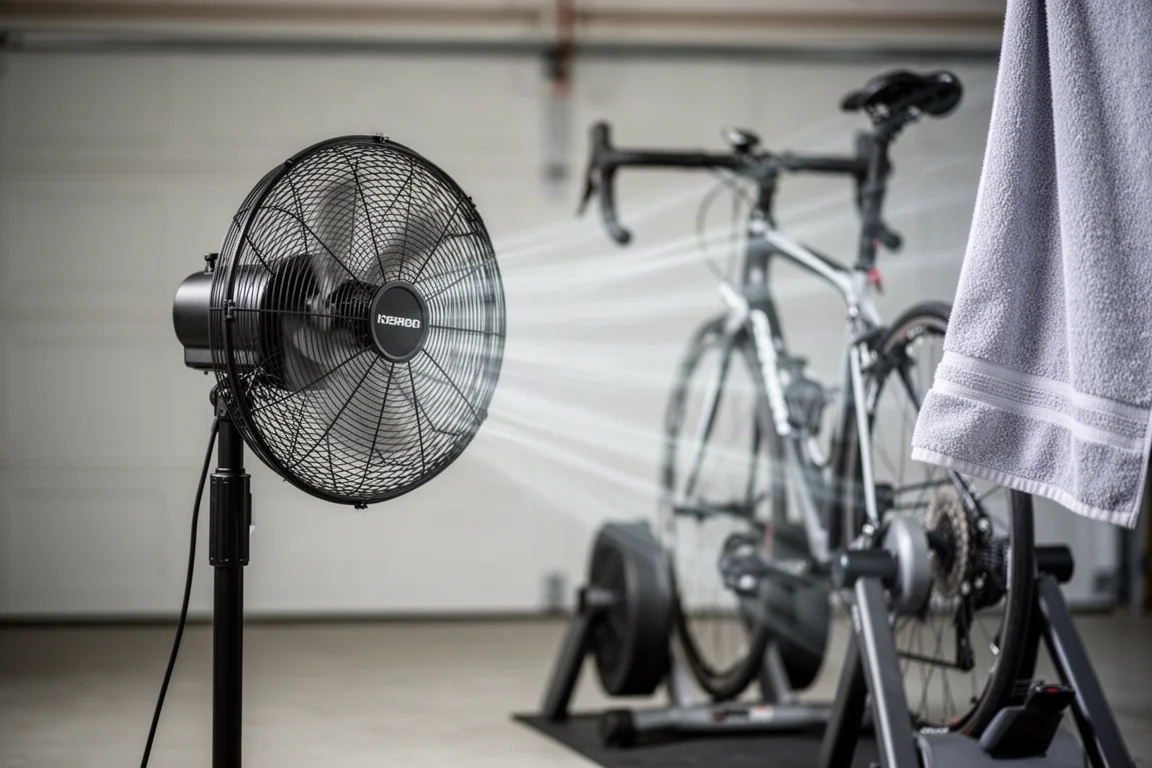
Cooling is one of the most underrated parts of indoor training, and the HEADWIND takes it further than a standard fan. It is a floor-mounted unit that connects to the trainer, which in turn connects to a head unit, allowing fan speed to respond to the effort you are putting out.
The practical benefit is that the fan matches the session. Instead of starting a ride with a fan already blasting cold air at you before you have warmed up, the airflow builds as your effort builds.
Control options add flexibility. You can use the head unit to manage the fan directly, whether you are running a structured workout or riding in erg mode, or you can hand control across and let an app such as Zwift drive the trainer while you concentrate on pedalling. Either way, the fan stops being one more thing to think about mid-session.
For riders who have struggled with overheating indoors, or who have simply found a fixed fan annoying at the start of a ride, this is the accessory that changes the experience most.
Collapsible or Permanent: Which Setup Fits Your Space?
These two approaches are not really competing philosophies. They are answers to two different housing situations, and each has real advantages and real frustrations.
A collapsible setup lives in a room that does something else. A spare office, for example, can hold a trainer and a fan under a desk, a box with shoes, a power supply, a towel and the Allen key needed to remove a wheel, plus a mat to roll out and a bike hung on the wall. With everything in a known place, the whole transition can be done in around five minutes. The same room is a workspace again immediately afterwards, and the equipment never has to be explained to visitors.
The cost of that flexibility is coordination. Training in a shared room means working around other people, announcing that you are about to ride, and accepting that you cannot always train exactly when you want to. There are also the occasional awkward moments that come with a household running around you mid-interval.
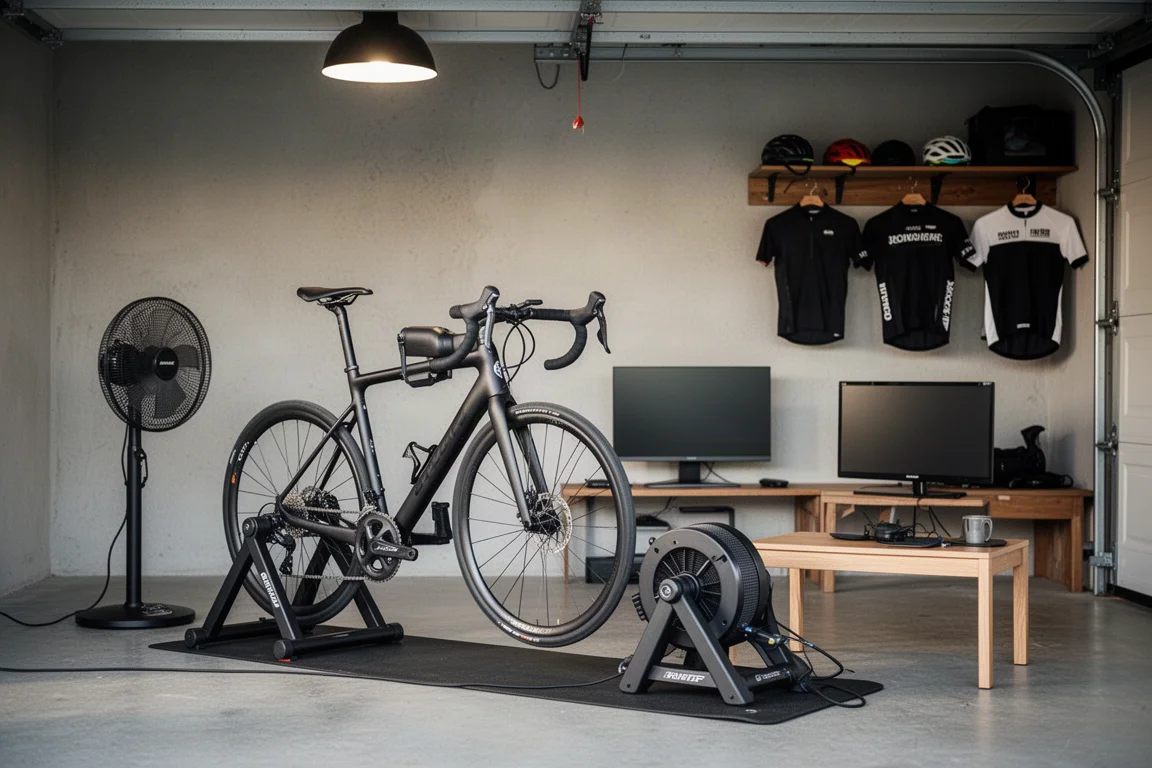
A permanent setup removes all of that. The bike stays on the trainer, the fan stays in position, and the room is ready whenever you are. Ease of use is the single biggest argument in its favour, because motivation to ride indoors is a limited resource and spending some of it on setup is a waste.
What a permanent setup asks in return is money and space, and it is worth being clear-eyed about both. A fully equipped indoor setup is a substantial investment, and it only justifies itself if you will genuinely use it. It also has a hidden cost that surprises people: when the space needs to be cleared, packing a large permanent setup away and rebuilding it is a serious job rather than a quick tidy.
There is a middle path that many riders settle on. Keep a permanent setup as the default, ready to ride, and expect to pack it down occasionally when the room is needed for something else. That works well as long as the equipment can be moved without a struggle, which is where the smaller footprint of the KICKR CORE earns its keep over the larger KICKR MOVE.
Whichever direction you choose, the outcome on the bike is the same. You are pedalling, you are training, and you are having fun, whether that is on a virtual platform or simply spinning your legs in front of a film.
Conclusion
The right indoor setup is the one that removes the reasons not to ride. If space is tight or shared, a compact direct-drive trainer paired with a good fan and a mat will get you from couch to pedalling in minutes, and everything can disappear afterwards. If you have a dedicated room and the budget for it, a larger motion-enabled trainer with a gradient simulator and a connected fan turns indoor riding into something closer to the real thing.
Start with the trainer, add cooling next, and treat the gradient accessory as the upgrade you consider once the basics are working. That order keeps the spend sensible and the setup usable from day one.
Further reading
Related Reviews
Indoor Cycling
Best Budget Smart Indoor Trainer Setups: Six Options Worth Considering
Smart indoor trainers keep getting better while prices come down. Six setups and components worth considering, from the cheapest Zwift-ready option upward.
Indoor Cycling
Best Budget Smart Indoor Trainers for Immersive Cycling in 2026
A practical guide to affordable smart indoor trainer setups, including budget and mid-range options with virtual shifting.
Indoor Cycling
Best Indoor Cycling Apps and Smart Trainers: A Winter Buying Guide
A practical look at the indoor training platforms and smart trainers that matter this season, from a new challenger to Zwift to the entry-level trainer that stands out on value.