Binoculars
Vortex Viper 8x42 vs Diamondback 8x42: Which Binoculars Are Right for Birding?
Two capable Vortex birding binoculars compared, with honest notes on optics, weight, accessories, and where the extra money pays off.
Introduction
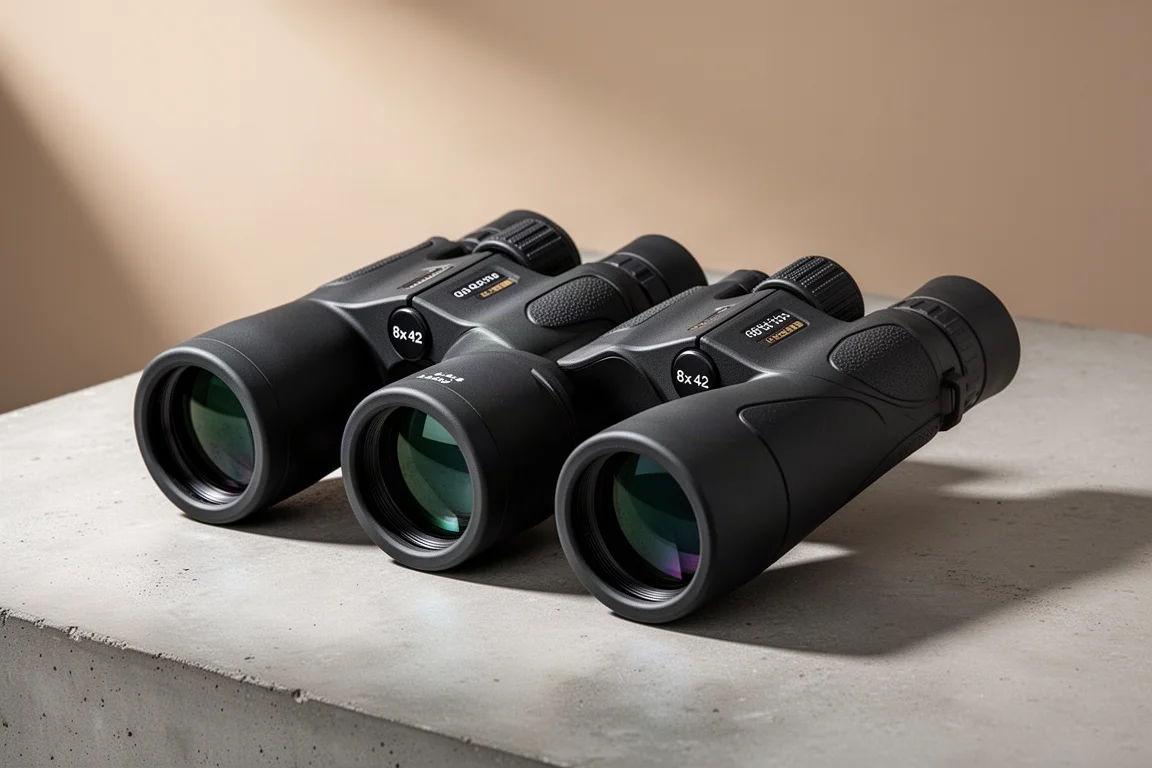
8x42 is widely considered the sweet spot for birding: eight times magnification keeps birds easy to find and follow, while 42mm objective lenses gather plenty of light. Vortex offers two models in this configuration at very different price points, the Viper 8x42 and the Diamondback 8x42, and choosing between them comes down to how much optical quality is worth to you.
First Impressions and What Is in the Box
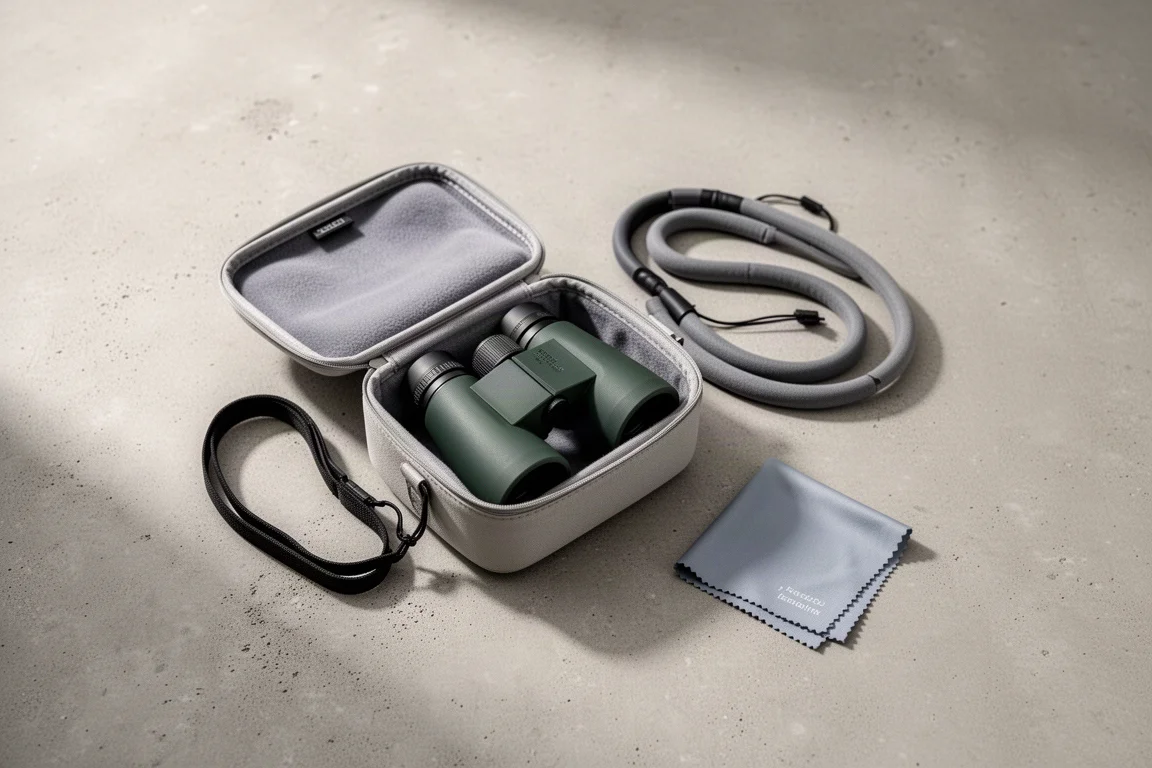
The Viper 8x42 arrives well packed, with plenty of paper cushioning in the box, though the binoculars themselves are rugged enough that they likely do not need all of it. The included case is genuinely useful for storage, and the lens caps are some of the nicest that come with any binocular: they seal snugly with a slight suction fit, they can hang down while in use, or you can detach the whole assembly.
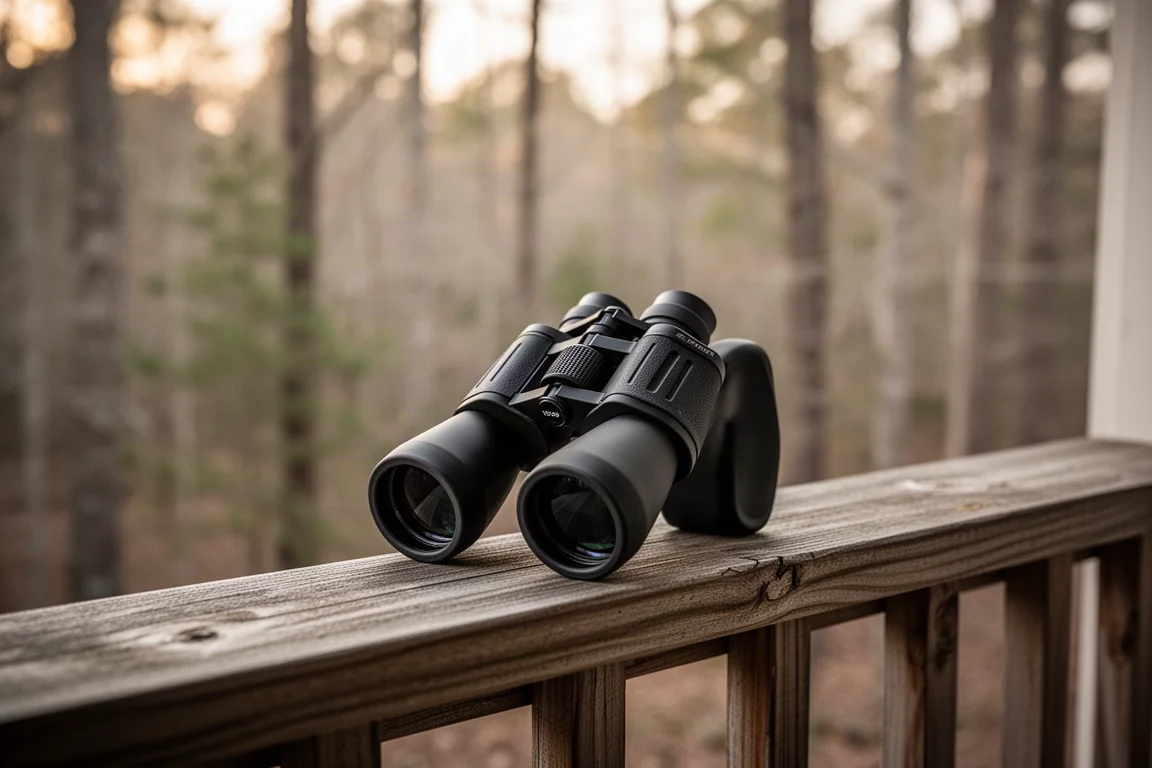
Also in the box are a neck strap, a binocular harness with quick-release clips, an instruction manual, and a lens cleaning cloth. The harness clips onto the binoculars and lets you detach them quickly, though many birders will simply prefer the well-made strap, which appears to include leather accents and feels sturdy. The manual also shows how the case itself can be strapped to your chest, an option worth exploring.
Handling, Focus, and Everyday Durability
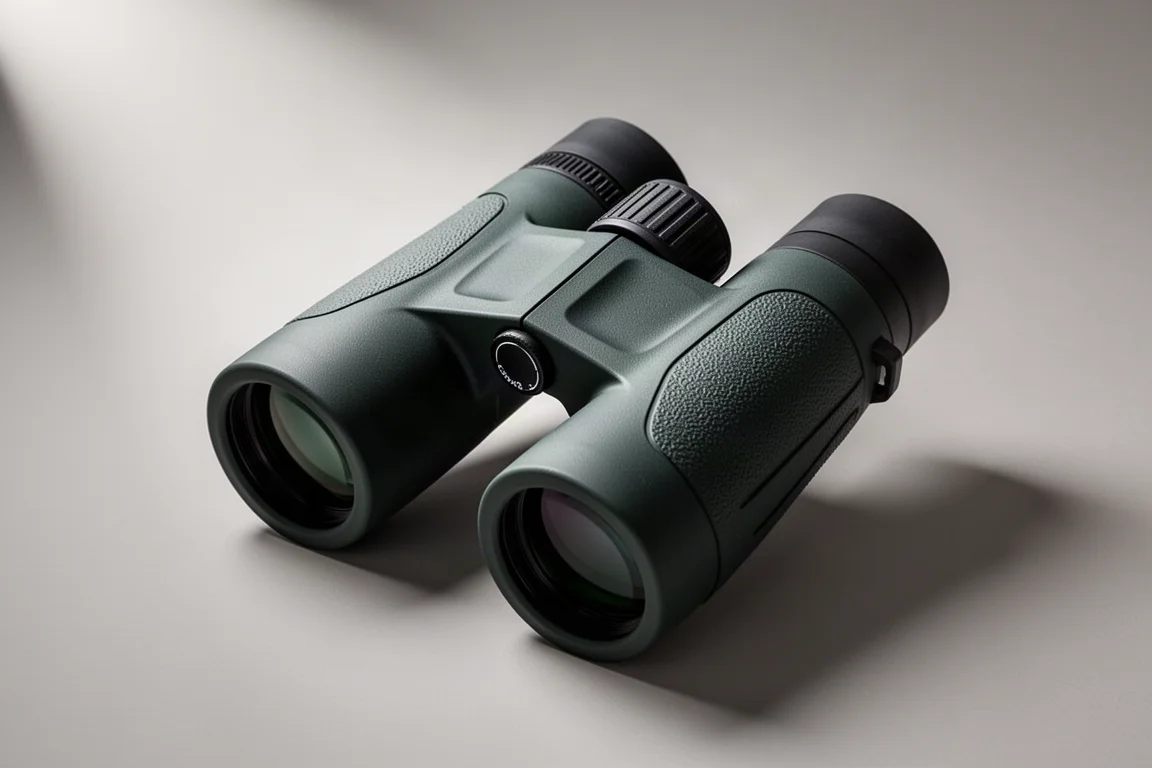
At 24.5 oz, the Viper is a fairly heavy binocular, but the weight feels earned. The focus knob moves smoothly while resisting accidental bumps, and the hinge tension holds your interpupillary distance once set, so you can dial it in for your eyes and forget it. Textured thumb prints on the housing sound like a gimmick, but they genuinely improve grip after extended use.
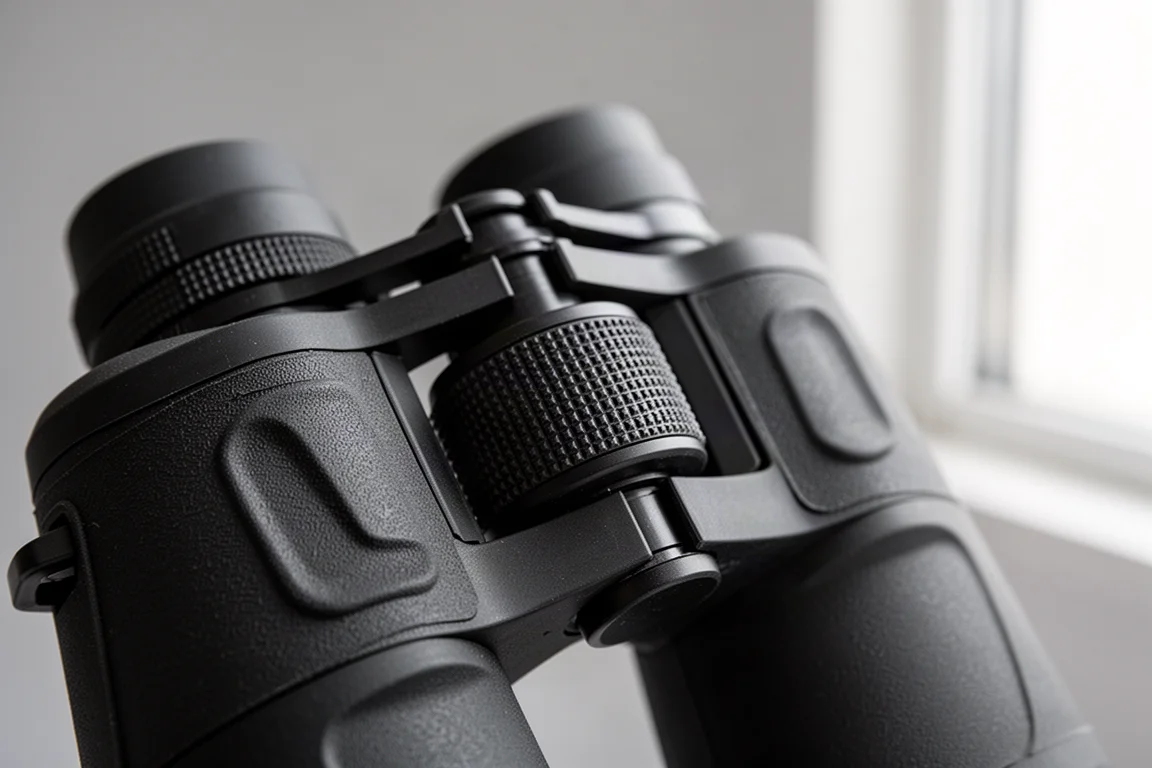
The diopter ring on the right lens is also a set-and-forget adjustment for your own eyes. The rubber armor provides a non-slip grip and the binoculars are drop resistant. The objective lens caps pop on and off quickly and keep dust out during storage, and the eyepiece cap doubles as a rain guard for birding in wet weather.
Optical Performance in the Field
Looking at a tree roughly 20 feet away in fading evening light, the Viper 8x42 is sharp and clear. The close focus distance is 5 feet, which is standard and adequate for birding. The center of the view is excellent, with edges softening slightly and a touch of chromatic aberration appearing in the outer third of the field, but birds are almost always tracked through the center of the view, so this is a minor concern.
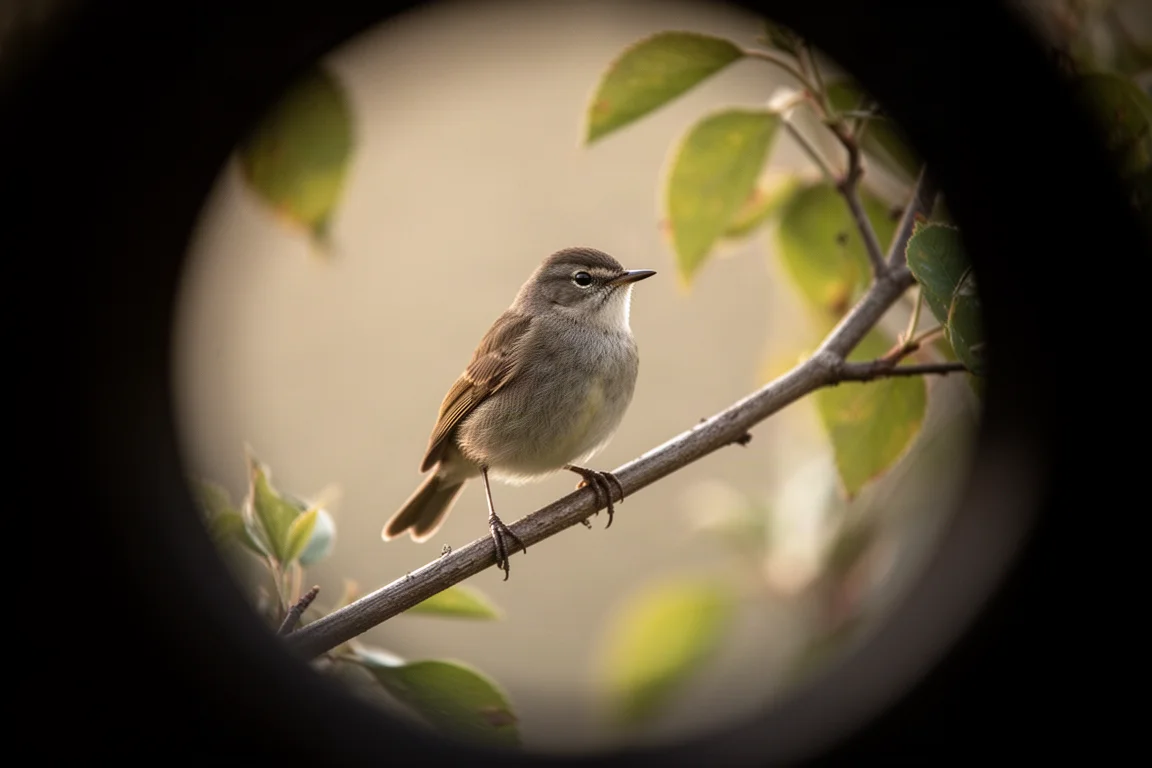
At longer distances, nearly everything in the frame stays in focus, which is impressive. Anti-reflective lens coatings maximize light transmission, so low-light performance should be strong, especially in the last hour before sunset. The binoculars are also gas purged and O-ring sealed, making them waterproof and fog proof, which proved essential in humid tropical conditions where lesser binoculars can fog up badly.
Vortex Diamondback 8x42: The Budget-Friendly Alternative
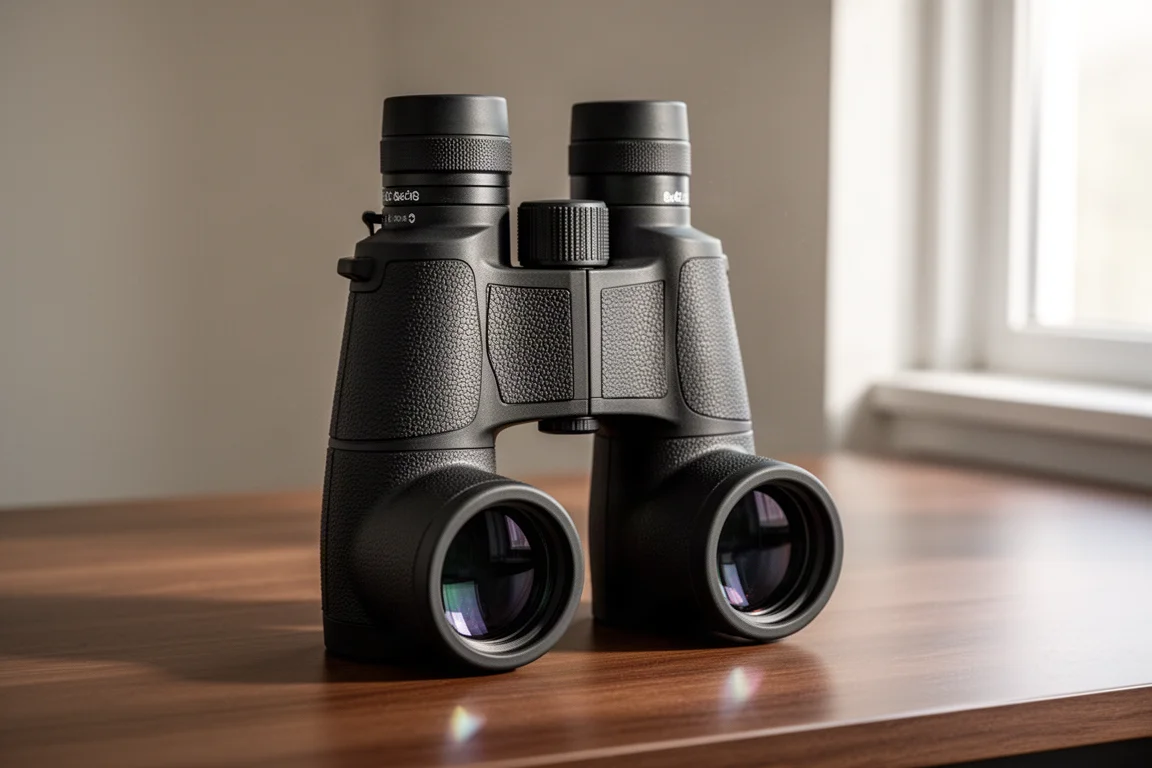
The Diamondback 8x42 is the cheaper option, typically running around $250 to $300 and dipping lower during sales, with prices as low as $180 seen at times. It weighs noticeably less than the Viper at around 21 oz, which makes it easier to carry for long sessions. The close focus is also 5 feet, and the field of view should be equivalent given the same 8x42 configuration.
The trade-off is optical quality. The glass is a step below the Viper, and low-light performance is expected to be somewhat weaker as a result. Still, the Diamondbacks are genuinely nice binoculars, and for anyone who wants solid birding performance without a premium price, they remain an easy recommendation.
Vortex Viper 8x42: The Step Up Worth Paying For
The Viper 8x42 typically sells in the $500 to $600 range, and you get what you pay for. The glass is noticeably higher quality, which shows up in clarity and expected low-light performance, and the overall build and finishing details, from the caps to the thumb grips, are excellent. For birders who spend serious hours behind their binoculars, the upgrade is easy to justify.
If you are after a genuinely nicer pair of birding binoculars, the Viper is the one to get. It is heavy, but with a strap or harness, most people will not notice the difference after an hour of use.
Buying Advice: Which One Should You Pick?
Both options are good; the right choice depends on budget and how often you bird. If you want the cheaper option, the Diamondback is excellent and gets even better value during sales. If you want a step up in glass quality and low-light performance and the higher price fits your budget, the Viper is the better long-term investment. Either way, stick with the 8x42 configuration: the balance of magnification and field of view makes finding and watching birds noticeably easier.
Conclusion
The Vortex Viper 8x42 is a genuinely impressive pair of birding binoculars with sharp optics, thoughtful details, and rugged waterproof construction. The Diamondback 8x42 delivers much of the same experience for roughly half the price, with a modest penalty in glass quality. Choose the Viper if optical quality matters most and budget allows; choose the Diamondback if you want strong value. Happy birding.
Further reading
Related Reviews

Backpacking Gear
Building a 10 lb Base Weight: An Ultralight Backpacking Gear List
A practical walkthrough of the ultralight pieces behind a 10 lb base weight, from a 765 g pack and a roomy one-person tent to a full camp chair and a dependable water filter.

Road Bikes
10 New Road Bikes Worth Watching: Aero, Titanium, Steel and Endurance Standouts
A practical roundup of 10 new road bikes, from aero flagships chasing single-watt gains to titanium, steel and endurance platforms built for real roads.
Bikepacking Gear
11 Bikepacking Essentials for Long-Distance Cycling
Eleven bikepacking essentials for long-distance cycling, from a steel gravel frame and a two-person tent to helmet lights, packable gloves, and a frame bag that puts weight in the right place.