Binoculars
Vortex Diamondback 8x42 vs Celestron TrailSeeker ED 8x42: Which Birding Binocular Wins?
Two excellent 8x42 binoculars compared on build quality, focus, low-light performance, weather sealing, and price to help you pick the right pair.
Introduction
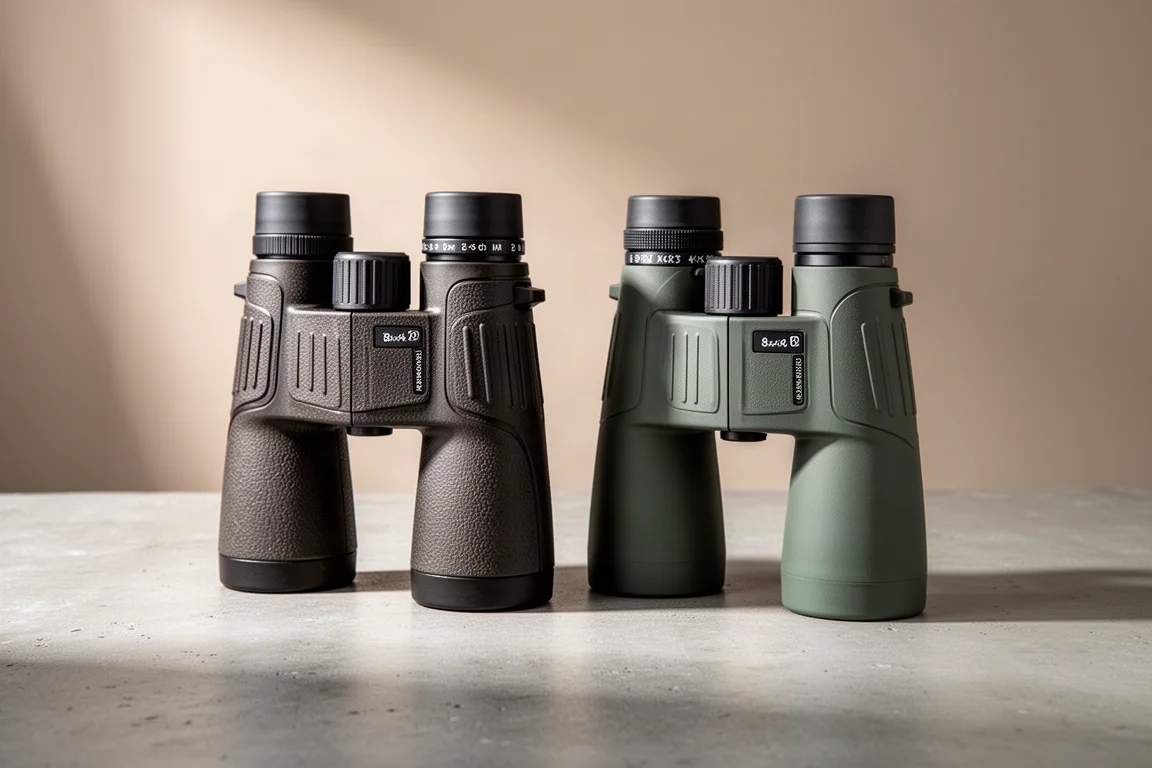
The Vortex Diamondback 8x42 and the Celestron TrailSeeker ED 8x42 are both genuinely good binoculars, and choosing between them comes down to a handful of practical differences. This comparison ranks them on price, build quality, focus, sharpness, low-light performance, and weather sealing so you can decide which pair fits your birding style and budget.
Build Quality and Handling
Build quality is one area where the Diamondbacks come out slightly ahead. Both pairs feel well constructed, but the Diamondbacks come across as a bit more rugged and durable overall. There is a small thumb indent on the Diamondback body that makes it feel more secure in the hand, and the whole binocular is slightly more compact. The TrailSeekers feel a little bulkier by comparison, even though both are 8x42 models.

Weight is worth mentioning here too. The Diamondbacks come in at 21.8 oz while the TrailSeekers weigh 25 oz, so the difference is minor and either pair is comfortable hanging around your neck all day. If you want to spread the load, a binocular harness is an option, though a simple neck strap works fine for most people.
One small handling detail that favors the Diamondbacks: the hinge is stiffer, so the binoculars hold whatever interpupillary distance you set. The TrailSeekers can be nudged open or closed more easily when bumped around in the field, which means occasionally re-adjusting them to match your eyes.
Focus and Sharpness
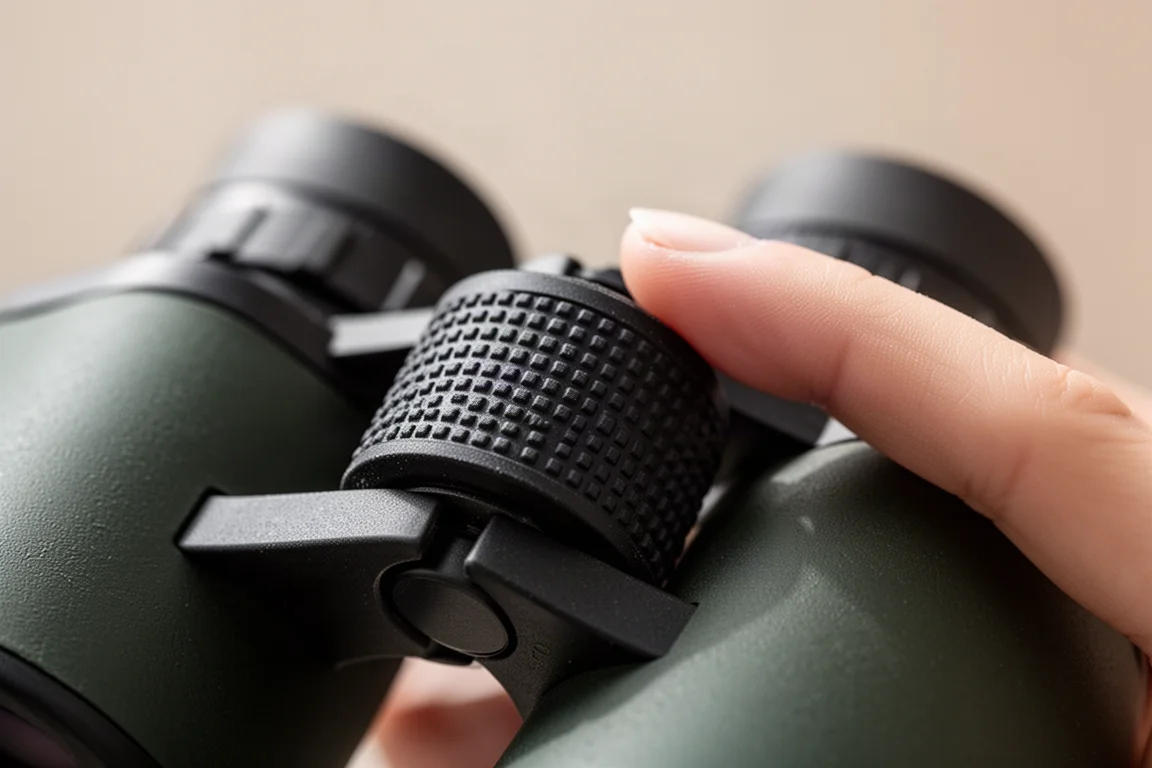
Both binoculars have an easy-to-use focus knob, but the Diamondback’s knob moves a little more smoothly. It can be turned with one finger without much effort, while the Celestron’s takes slightly more pressure. It is a small difference, but one you notice during a long day of birding.
On sharpness, the TrailSeekers use ED glass while the Diamondbacks use HD glass. On paper, ED glass should deliver better edge-to-edge sharpness and reduced chromatic aberration. In practice, the difference was hard to detect. Looking closely you might notice slightly better edges on the TrailSeekers, but for general birding it is unlikely to matter much or sway your decision.
Low-Light Performance
This is where the TrailSeekers clearly pull ahead. In low-light situations, the Celestrons delivered a noticeably brighter image than the Diamondbacks. During normal daylight, including early morning, the Diamondbacks remain bright and perfectly usable, so this only matters if you frequently bird at dawn or dusk.
The TrailSeekers’ lenses let in a remarkable amount of light, at times producing an image brighter than the surrounding conditions. Since birders are often out early or late when light is scarce, that extra brightness is genuinely useful. Still, the Diamondbacks are not poor in low light. They get the job done; the TrailSeekers are just a step better.
Weather Sealing and Low-Light Reliability
Both binoculars are weather sealed, fog proof, waterproof, and drop proof, which is standard for binoculars in this class. Since birding takes you into the field where rain and humidity are real possibilities, this matters more than specs suggest. After a hard rain, the Celestrons got soaked and were completely fine afterward.
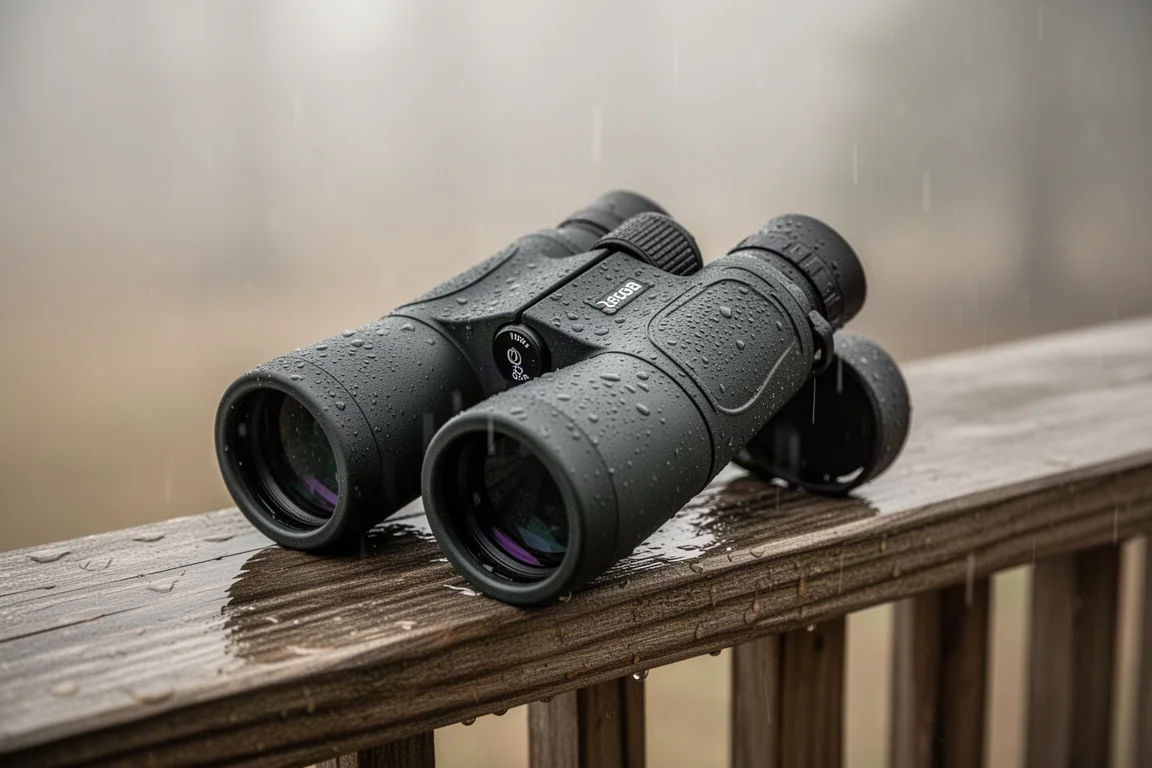
Fog performance was equally comparable. The only time either pair fogged up was during an extreme temperature swing, moving from a cold air-conditioned room into 85-degree tropical humidity. No amount of fog proofing would have prevented that. Otherwise, both performed well, with only occasional wiping needed with a lens cloth in the early morning. This category should not influence your decision at all.
Price and Value
There is a significant price gap between these two. The Celestron TrailSeeker ED 8x42 currently sells for around $360 on sale, down from its usual $400. The Vortex Diamondback 8x42 sits at around $240, and it has dipped as low as roughly $180 during sale events like Black Friday, though that is never guaranteed.
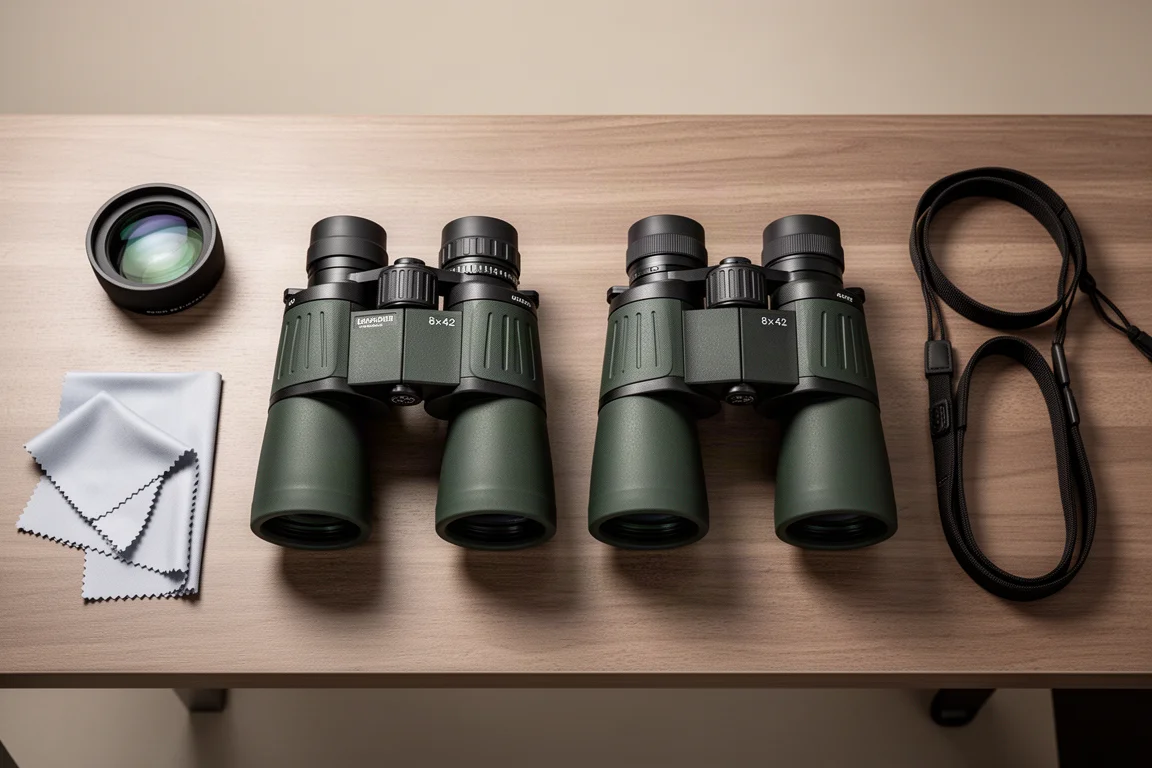
That price difference reflects the glass. The TrailSeekers sit in the mid-range or slightly above, with better low-light performance and slightly improved sharpness. The Diamondbacks occupy a sweet middle spot, outperforming cheaper options around the $150 mark from brands like Nikon, Bushnell, and Celestron’s own budget line.
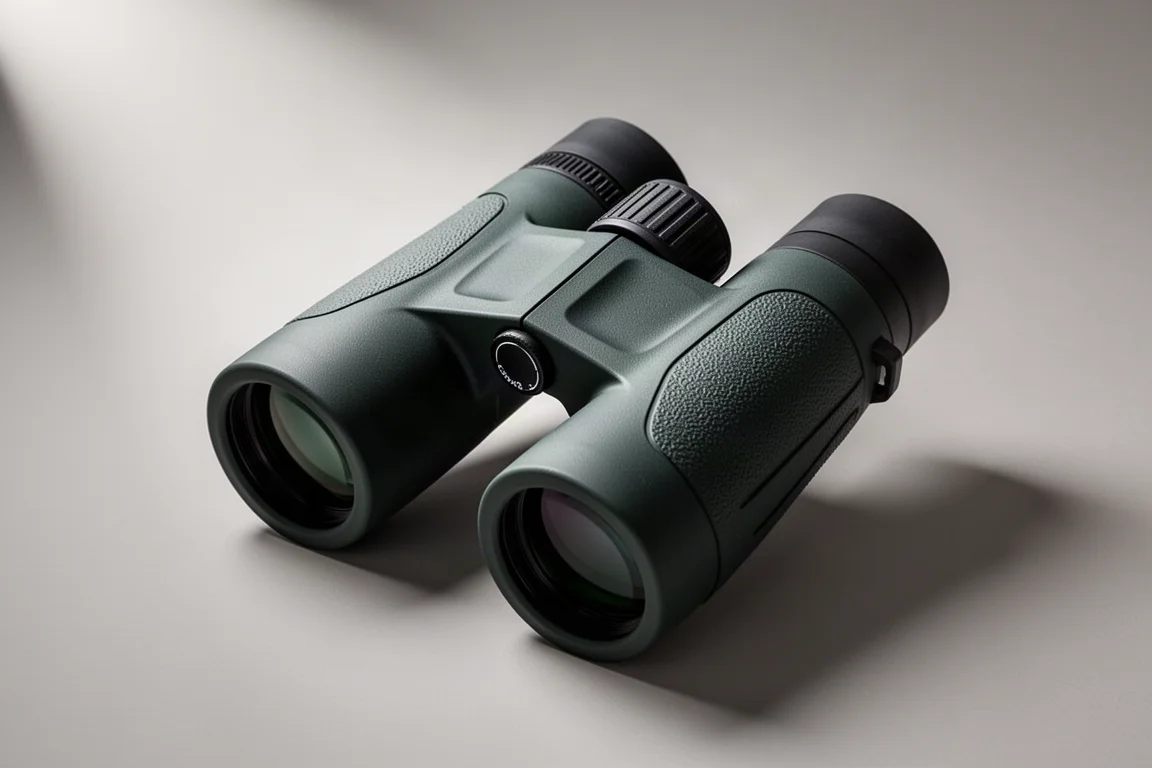
If you want a better low-light performer and sharper glass and can justify the extra cost, the TrailSeekers are the upgrade pick.
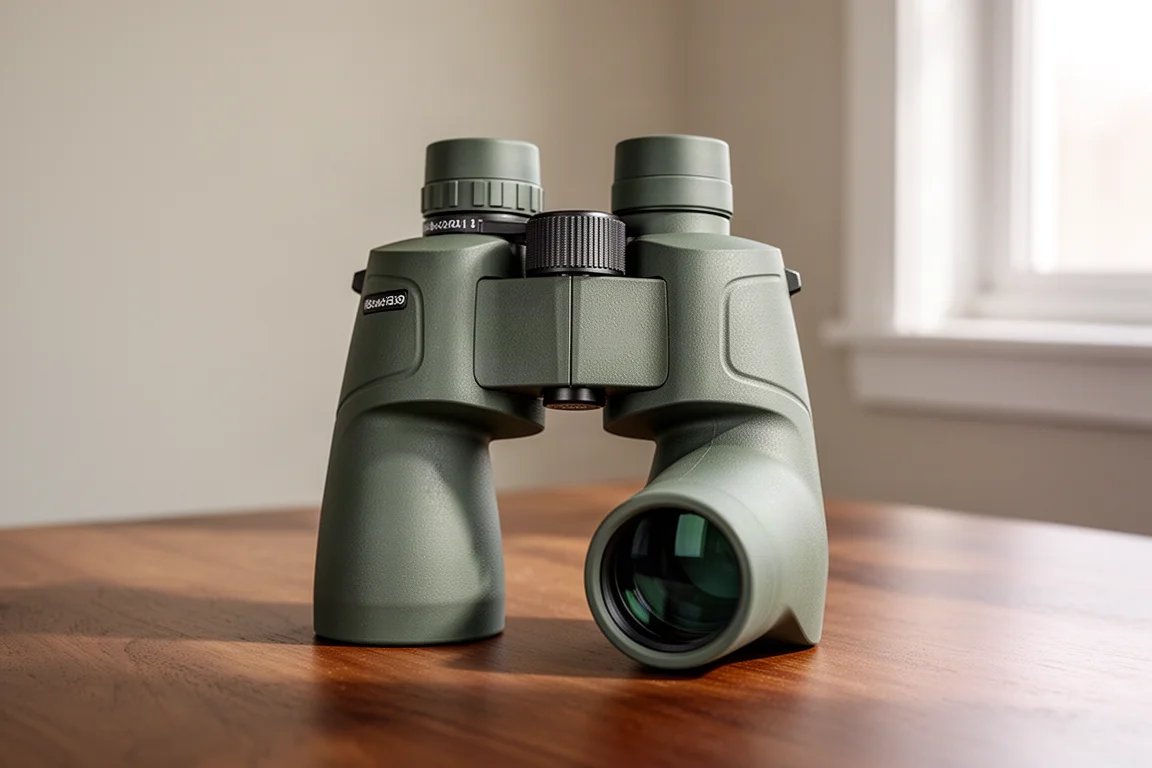
Conclusion
For most birders, especially anyone buying a first serious pair of binoculars, the Vortex Diamondback 8x42 is the recommendation. For the price, it is hard to beat: rugged build, a smooth one-finger focus knob, a stable hinge, and bright-enough optics. If you later find you want better low-light performance and a touch more sharpness, that is the point to step up to the Celestron TrailSeeker ED 8x42. Either way, both are excellent choices that should serve you well in the field.
Further reading
Related Reviews
Binoculars
Vortex Viper 8x42 vs Diamondback 8x42: Which Binoculars Are Right for Birding?
Two capable Vortex birding binoculars compared, with honest notes on optics, weight, accessories, and where the extra money pays off.
Binoculars
Move Shoot Move Wide View Binoculars Review: A Compact Pair Built for Backyard Birding
A compact, wide-angle 5x binocular that trades raw zoom for a generous field of view, and why that makes it a great fit for backyard birding.
Coffee Equipment
BEEM vs Melitta EPOS: Two Automated Pour-Over Coffee Makers Compared
A detailed comparison of two automated pour-over brewers: the budget-friendly BEEM and the feature-rich Melitta EPOS with integrated grinder. Which one delivers better coffee?