Binoculars
Vortex Diamondback vs Viper Binoculars: Which Pair Suits Your Birding?
Two strong Vortex binoculars for birding compared on magnification, glass quality, close focus, build, and price.
Introduction
Vortex makes two binoculars that come up constantly in birding conversations: the Diamondback and the Viper. Both are well-built, waterproof, and genuinely sharp, and both are aimed squarely at birders who want quality optics without stepping into flagship pricing. After spending time with both pairs, the practical differences come down to magnification, a small gap in glass quality, and a significant price difference.
Evaluation Criteria
For birding optics, the specs that matter most are magnification and objective lens size, field of view, close focus distance, glass quality and low light performance, weather sealing, handling, and of course price. Both binoculars were compared across all of these areas.
Magnification and Field of View
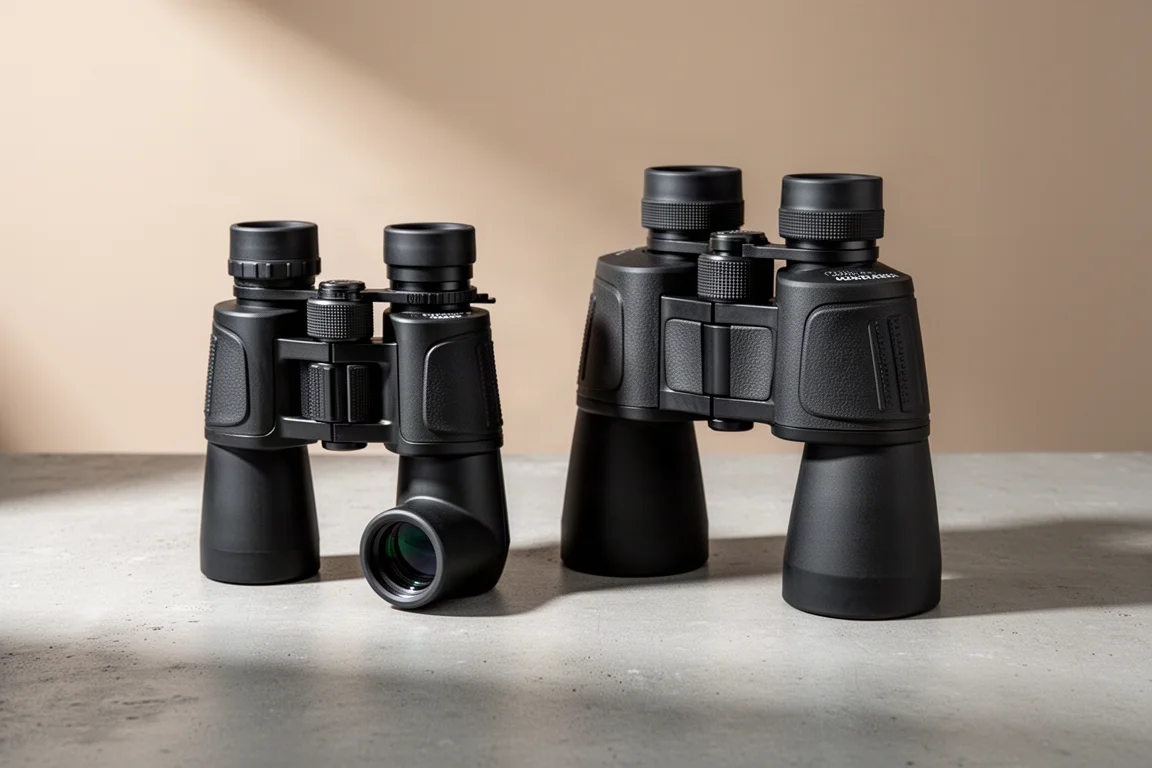
The Diamondback is an 8x42: eight times magnification with a 42mm objective lens. That is widely considered the ideal setup for general birding, because you get useful zoom while still seeing a wide enough area to find birds quickly. Too much zoom makes it harder to locate birds and adds noticeable shake.
The Viper is a 10x42, giving you two extra times of reach. That extra magnification has a real place: shorebirds, waterfowl, and sea watching all benefit from it. In hands-on use, the difference in shake between the 8x42 and 10x42 was minimal, which makes the Viper a bit more versatile. On the other hand, the Diamondback’s 8x42 configuration delivers a wider field of view, which most birders will appreciate for everyday finding and tracking of birds.

Close Focus Distance
Both pairs focus surprisingly close. The Diamondback manages 5 feet, while the Viper needs 6 feet. That one-foot difference is unlikely to make or break either choice, since stepping back a couple of feet is usually easy. Still, close focus is genuinely handy when a bird lands near you, and the Diamondback’s slightly closer minimum gives it a small edge here.
Glass Quality and Low Light Performance
Both binoculars use high-quality glass and are very sharp, with strong low light performance that suits early-morning birding. The Viper’s glass quality is a step higher, which shows in its price. The Viper is also slightly sharper and does a better job of minimizing chromatic aberration, which matters more in specialized situations like shorebirding or sea watching. For general use, both are impressive.
Weather Sealing and Durability
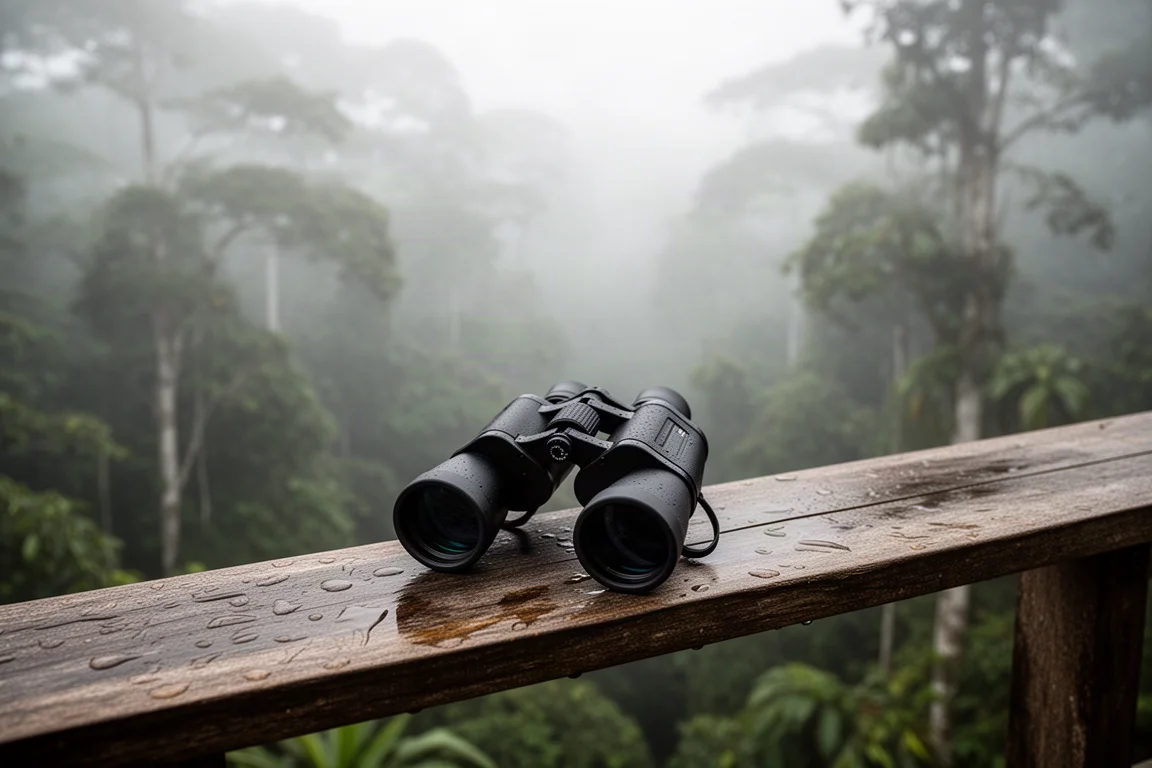
Both the Diamondback and the Viper are waterproof, fogproof, and drop proof. For birders, fogproofing is more important than it might sound: in humid environments, such as a rainforest trip, ordinary binoculars can fog up instantly. And because birding optics get handled constantly, the drop-resistant build is welcome reassurance. Both should even survive a dunk in water.
Focus, Eye Relief, and Handling
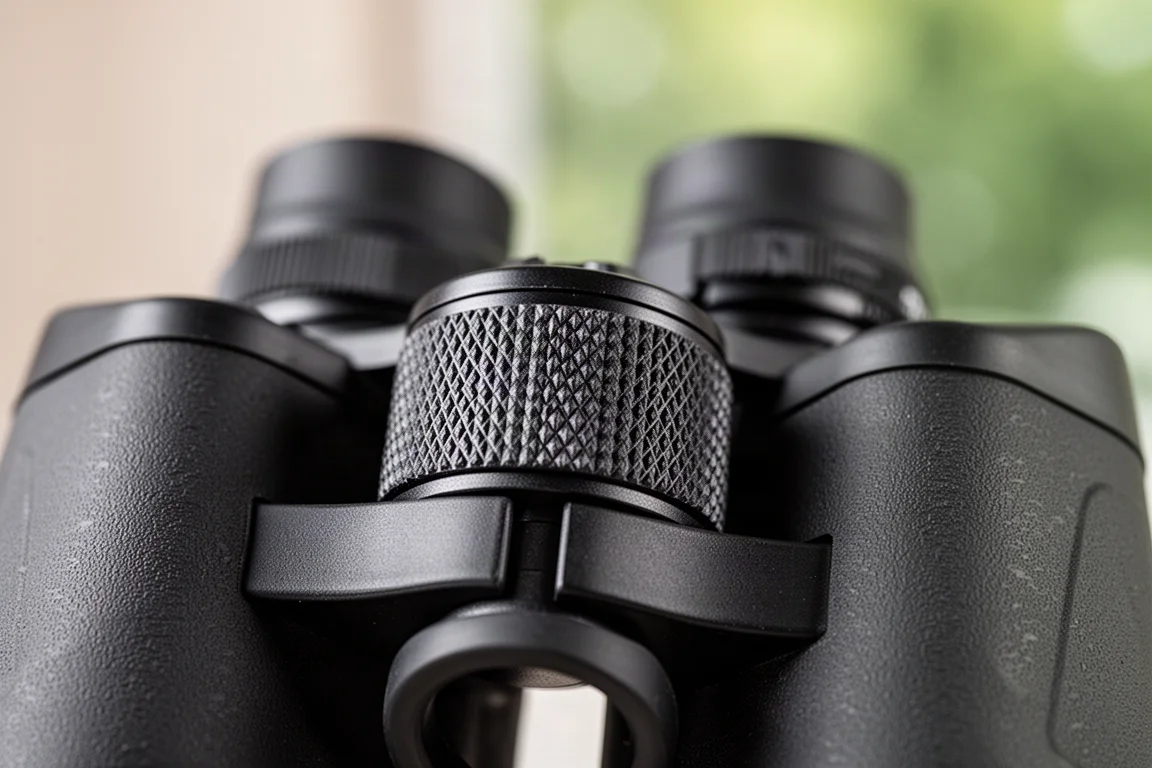
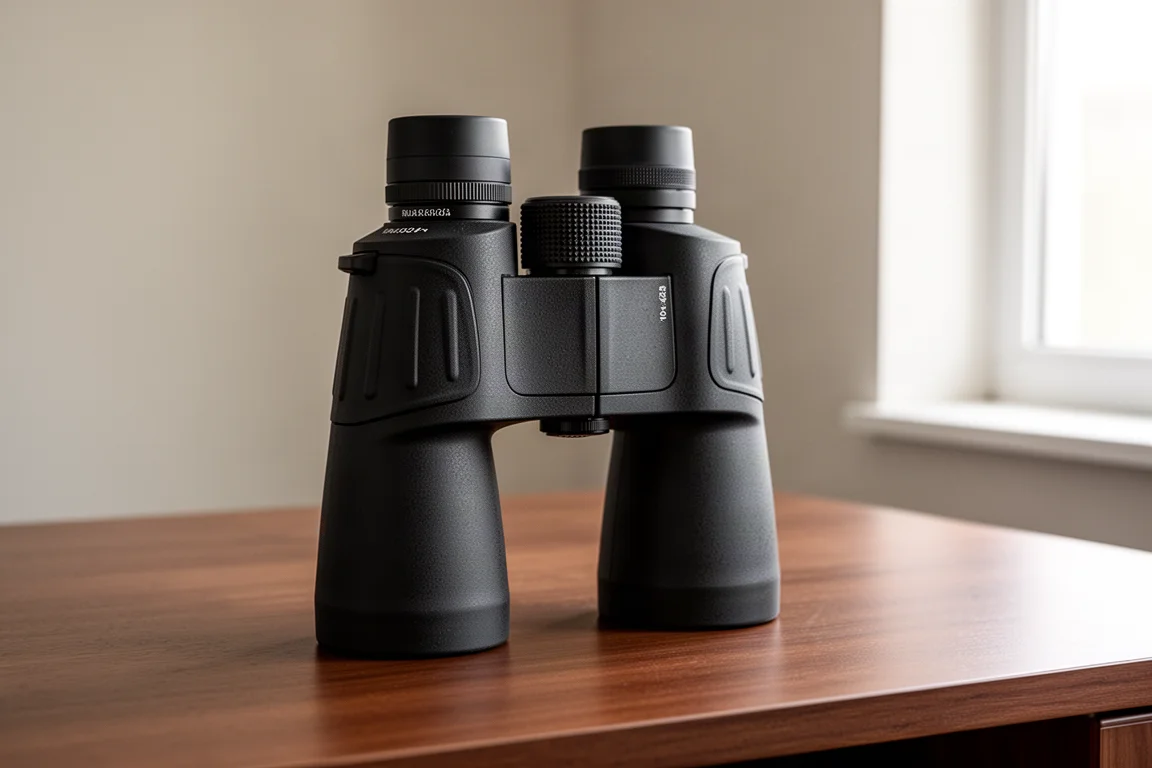
Both pairs use a central focus dial that is easy to use, with comfortable eye relief and no issues during testing. The Viper, being a 10x42, is slightly larger and a little heavier, though the difference is not noticeable even after a couple of hours. The Diamondback is a bit slimmer. Both fit nicely in the hand, and the focus knob is well positioned. There is little to complain about with either.
Price Comparison
The Diamondback is the cheaper of the two at just over $300, while the Viper sits at just over $700. That is a substantial gap. At its price, the Diamondback is very strong, and it compares closely to models like the Celestron Trailseeker, with few practical differences between them. The Viper costs more, but the higher glass quality justifies the step for those who want it.
Which One Should You Buy?
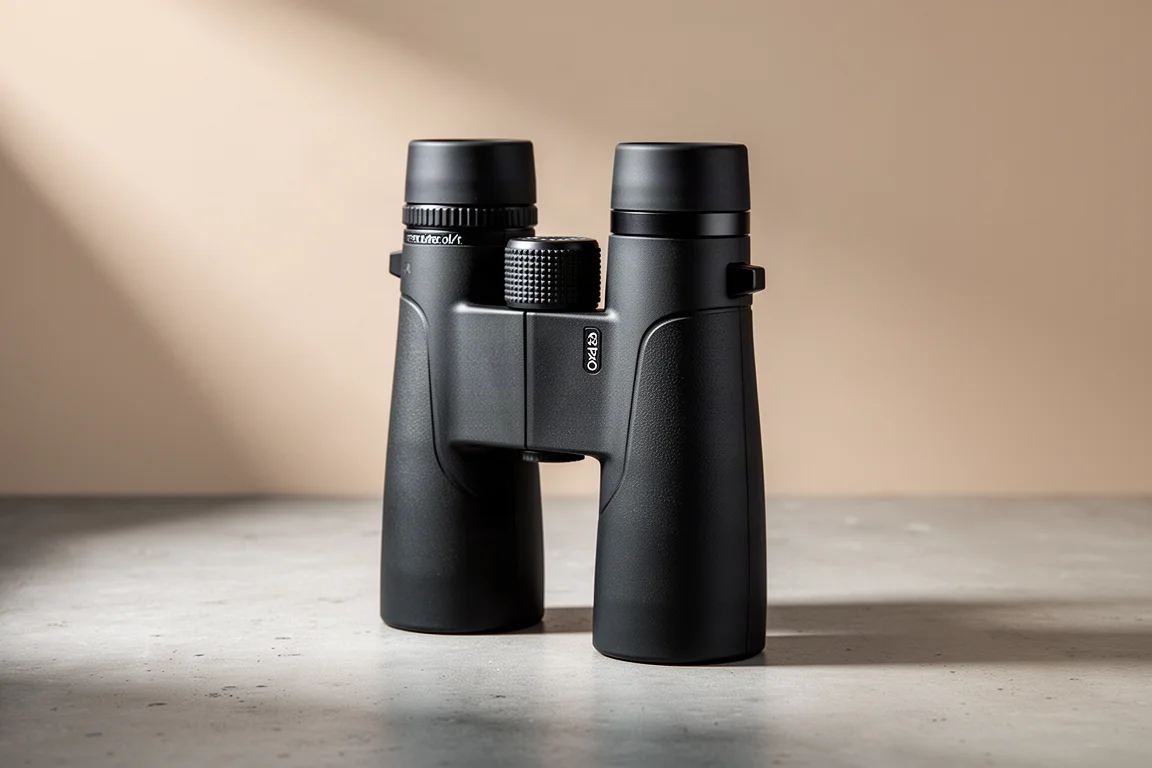
Choosing between them comes down to personal preference. If you want the cheaper option that is still very good, the Diamondback is the answer, especially for beginner birders. If you want higher quality glass with a bit more reach and a more specialized pair, the Viper is the way to go, particularly as a dedicated sea watching or shorebirding instrument. It would also serve perfectly well as a daily pair.
The general recommendation for birding is 8x42, since less reach makes it easier to find and follow birds. But for shorebirding or sea watching, the extra reach of the Viper’s 10x42 can help. Either way, you are getting a high-quality pair that should last for years and handle birding in almost any environment. Honestly, there is very little to dislike about either one.

Conclusion
Both the Vortex Diamondback and the Vortex Viper are excellent birding binoculars. The Diamondback is the better value for most birders, while the Viper rewards those willing to pay more with sharper, higher-quality glass and extra reach. You genuinely cannot go wrong with either.
Further reading
Related Reviews
Binoculars
Vortex Viper 8x42 vs Diamondback 8x42: Which Binoculars Are Right for Birding?
Two capable Vortex birding binoculars compared, with honest notes on optics, weight, accessories, and where the extra money pays off.
Binoculars
Move Shoot Move Wide View Binoculars Review: A Compact Pair Built for Backyard Birding
A compact, wide-angle 5x binocular that trades raw zoom for a generous field of view, and why that makes it a great fit for backyard birding.
Binoculars
Vortex Diamondback 8x42 vs Celestron TrailSeeker ED 8x42: Which Birding Binocular Wins?
Two excellent 8x42 binoculars compared on build quality, focus, low-light performance, weather sealing, and price to help you pick the right pair.