Sim Racing
VNM Extreme and Premier Wheelbases Revisited: A 2026 Update
VNM Simulation's Extreme and Premier direct drive wheelbases have improved significantly since launch. Here is what changed in software, firmware, and the driving experience.
Introduction
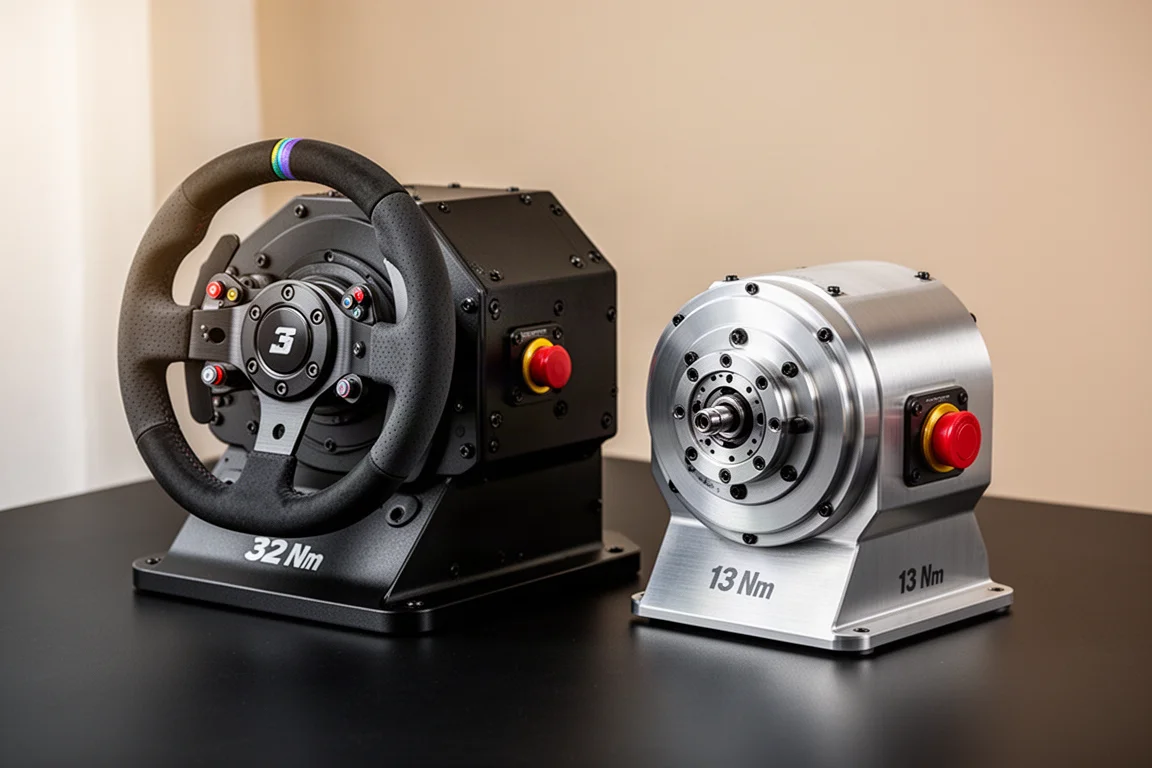
VNM Simulation’s Extreme wheelbase made a strong first impression back in late 2024, delivering some of the most impressive force feedback available at the time. However, the experience was inconsistent across different sim racing titles, which made it difficult to recommend without reservations. Since then, the company has released several new models and updated its software significantly. This update focuses on the two units tested hands-on: the Extreme and the Premier, and how they compare in today’s market.
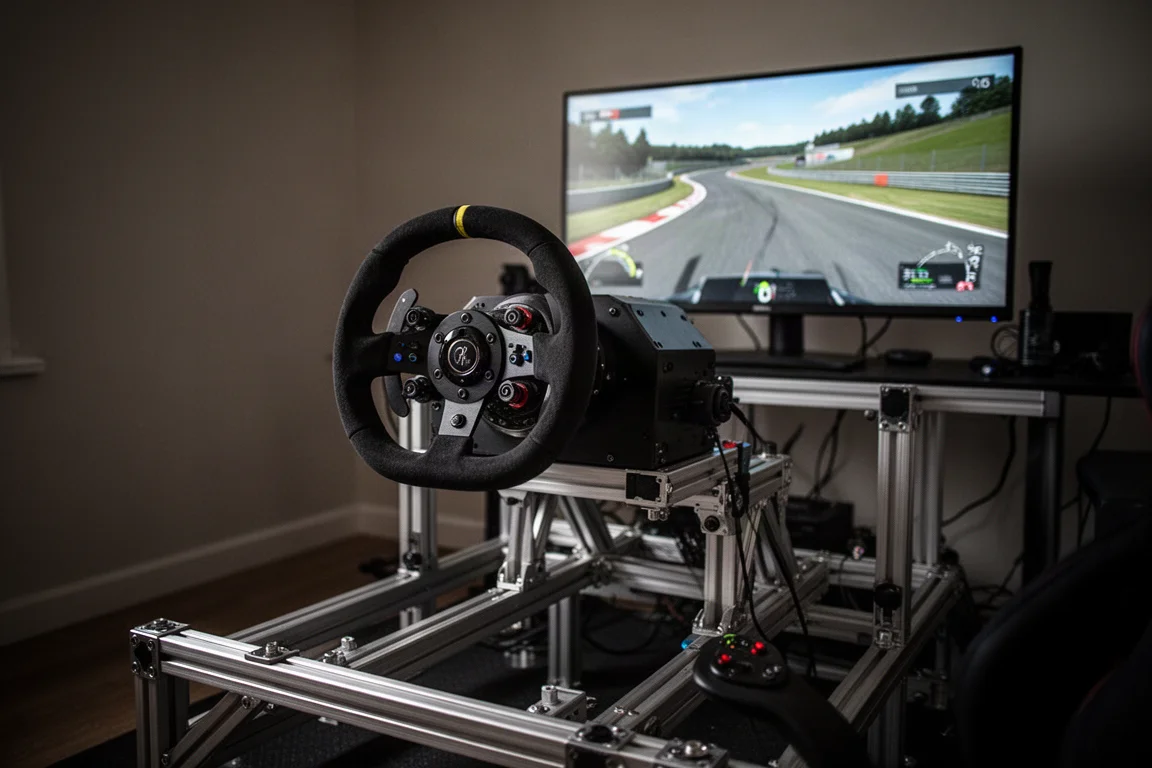
Pricing and Lineup
The Extreme wheelbase, with 32 Nm of peak torque, is listed at $1,330 on the manufacturer’s website. The Premier model, which delivers 13 Nm of peak torque, is priced at $599. Two additional models sit between them: an Elite version with 18 Nm at $770, and a Supreme version with 25 Nm at $1,040. These two middle models were not tested hands-on, so this comparison focuses only on the Extreme and Premier.
The driving experience between the two tested units, strength aside, was almost indistinguishable. Setting the Extreme to 13 Nm to match the Premier’s maximum output resulted in a very similar, if not identical, feel. This suggests that choosing the model closest to your preferred strength level is unlikely to mean missing out on anything other than additional headroom and dynamic range.
Hardware and Build Quality
Build quality remains a strong point across the lineup. The entry-level model uses quality materials that are on par with the more expensive units. All four models include an emergency stop button, a feature that is still surprisingly absent from many powerful direct drive bases. The top two models get a premium version of the emergency stop, while the entry-level models use a simpler but still functional industrial box.
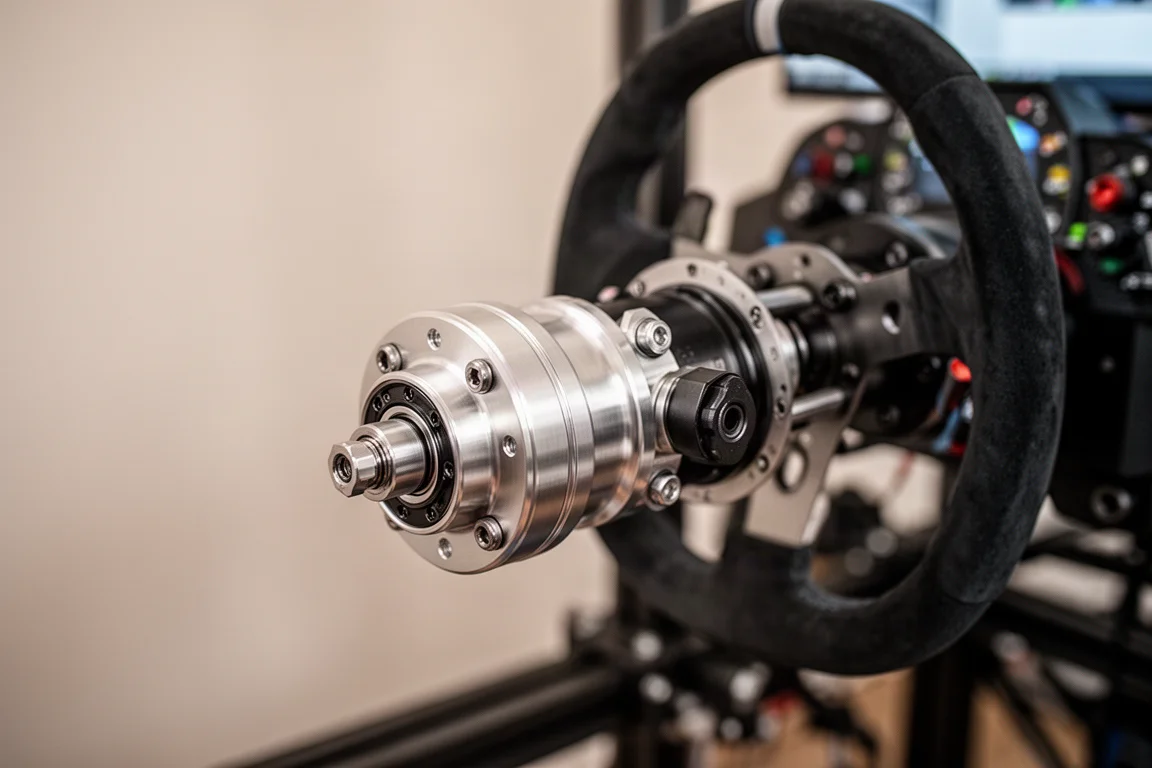
All four models share a 23-bit encoder resolution, which works out to just under 8.5 million steps over a full 360-degree rotation. They also use five pole pair motors, which deliver a very smooth experience with no cogging or torque ripple. One difference noted between the tested units is that the Premier did not include the USB pass-through pin assembly inside the hub, while the Extreme did.
Software and Firmware Updates
The software has moved from version five to version six, bringing a few notable changes. The layout has been updated, with tabs for individual hardware devices now on the left-hand side instead of along the top. The system log remains on the right, providing instant feedback on commands and error messages.
One of the more significant changes is the introduction of TIC mode, which blends direct input and telemetry-based force feedback. This allows users to adjust the ratio between the two, giving a way to balance the subtle details of telemetry effects with the more complete feel of direct input. For most users, a ratio around 20 to 30 percent telemetry is a good starting point, though this is largely a matter of personal preference.
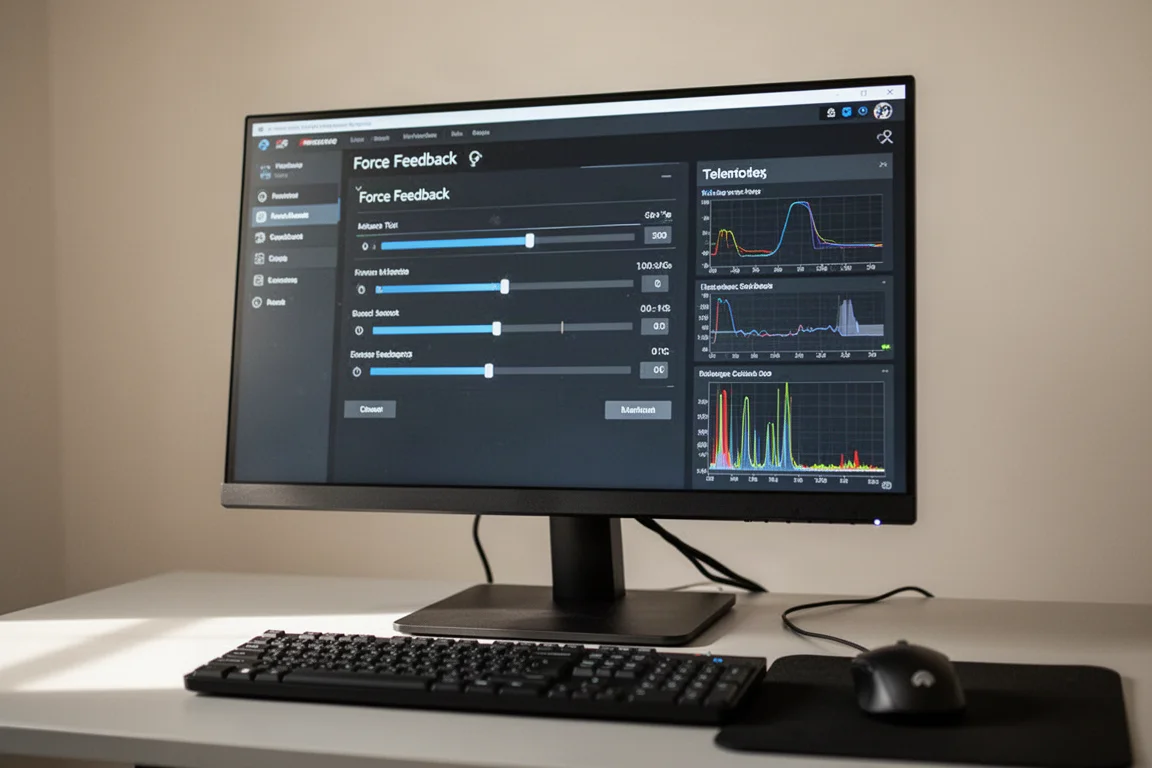
The software still has a learning curve. Many settings are not well explained, and some features, such as hotkey management, are tucked away in menus where they are easy to miss. Power users who enjoy fine-tuning will find plenty of options, but newcomers may find the interface overwhelming compared to more approachable alternatives.
Driving Experience
The driving experience has improved significantly since the initial review. The inconsistency between different sim racing titles has been reduced, particularly with the new telemetry-based force feedback implementation. The TIC mode allows for a more consistent feel across games, and the need for separate plugins for each sim title has been eliminated.
The Premier, at 13 Nm, felt very powerful in practice. Most driving was done at around 10 to 11 Nm, which is within the sweet spot for dynamic range. In back-to-back testing, the Premier felt significantly stronger than other 12 Nm wheelbases, and comparable to a 15 Nm unit from another brand. For most users, 13 Nm provides enough strength, and the Elite model at 18 Nm should cover even the most demanding preferences.
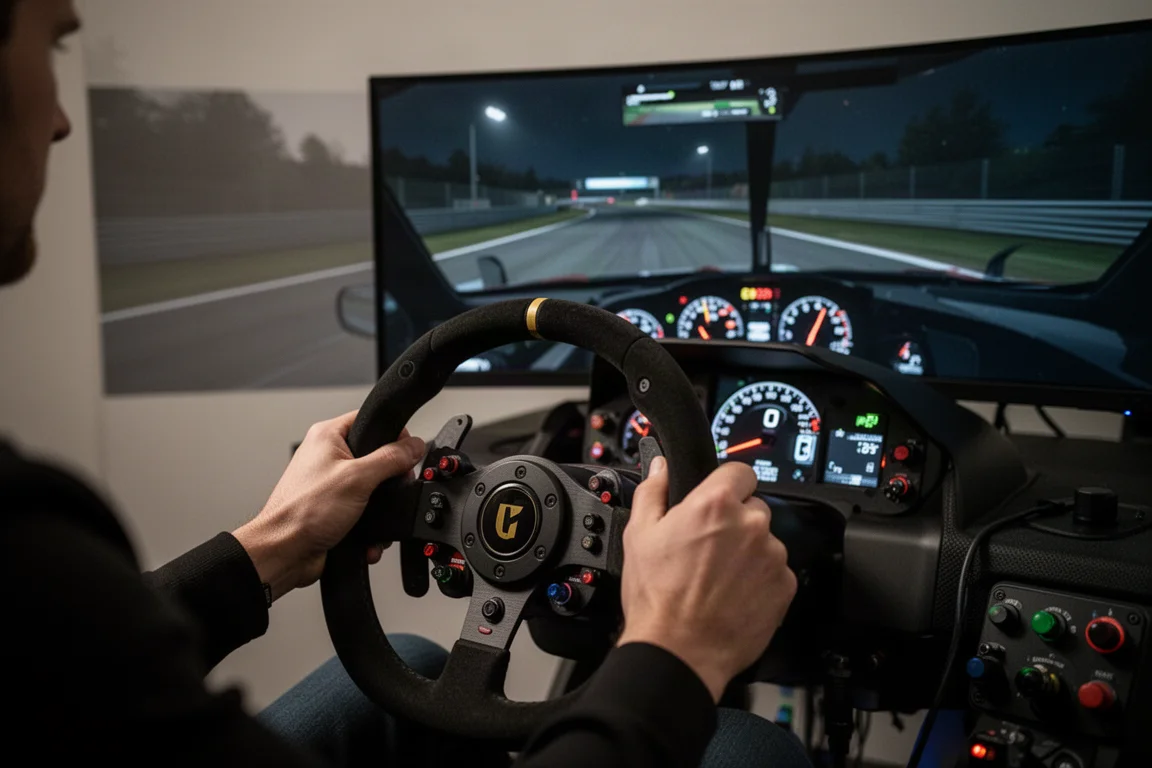
The Extreme, with its 32 Nm of peak torque, offers exceptional value for a wheelbase of this strength. However, 32 Nm is more than most users will ever need. The additional headroom does provide more dynamic range, which can be useful for preserving weaker force feedback details while still handling strong spikes, but the Premier delivers a nearly identical experience at a much lower price point.
Overall Buying Advice
For most sim racers, the Premier at 13 Nm represents the more compelling option. It provides enough strength for realistic driving, feels stronger than many comparable bases, and costs significantly less than the Extreme. The Elite model at 18 Nm is a reasonable step up for those who want extra headroom, though it is unlikely that most users will need more than that.
The Extreme makes sense for users who want maximum dynamic range and plan to run very high force feedback levels. It is priced competitively for a 32 Nm wheelbase, but the practical benefits over the Premier are limited for the average driver.
Conclusion
VNM Simulation has made meaningful progress since the initial review. The driving experience is now more consistent across different sim titles, and the ownership experience has improved with the updated software. The hardware quality remains excellent, and the inclusion of emergency stop buttons across the lineup is a thoughtful touch.
The main caveat is the software’s approachability. Users who enjoy diving into settings and fine-tuning their experience will find a lot to like. Those who prefer a plug-and-play setup may find the learning curve steeper than with some competitors. For technically minded sim racers, both the Extreme and Premier are strong options worth considering.
Product link
View more details for VNM Extreme
This product is mentioned in the review. Check the specifications, options, and compatibility before buying.
View more details for VNM ExtremeFurther reading
Related Reviews
Sim Racing
Asetek Initium Direct Drive Bundle Review: A Strong Entry Point With a Standout Pedal Set
The Asetek Initium bundle brings a 5.5 Nm upgradeable wheelbase, a functional round wheel, and a surprisingly capable pedal set to a crowded entry-level direct drive market.
Sim Racing
ConSimPit Ecosystem Overview 2026: Wheelbases, Pedals, and Wheels
A detailed look at ConSimPit's sim racing ecosystem, covering wheelbases, pedals, and steering wheels with honest observations on quality and value.
Sim Racing
Cube Controls Astra Review: A Lightweight Sim Racing Wheel That Nails the Fundamentals
The Cube Controls Astra is a lightweight aluminum sim racing wheel that focuses on build quality and driving feel over extra features.