Winter Hiking Boots
Vivo Barefoot Tracker 2s Review: A Lightweight Zero-Drop Winter Hiking Boot
A field-tested look at the Vivo Barefoot Tracker 2s, a light zero-drop winter hiking boot with a wide toe box, waterproof leather, strong soft-ground grip, and clear limits on ice and deep snow.
Introduction
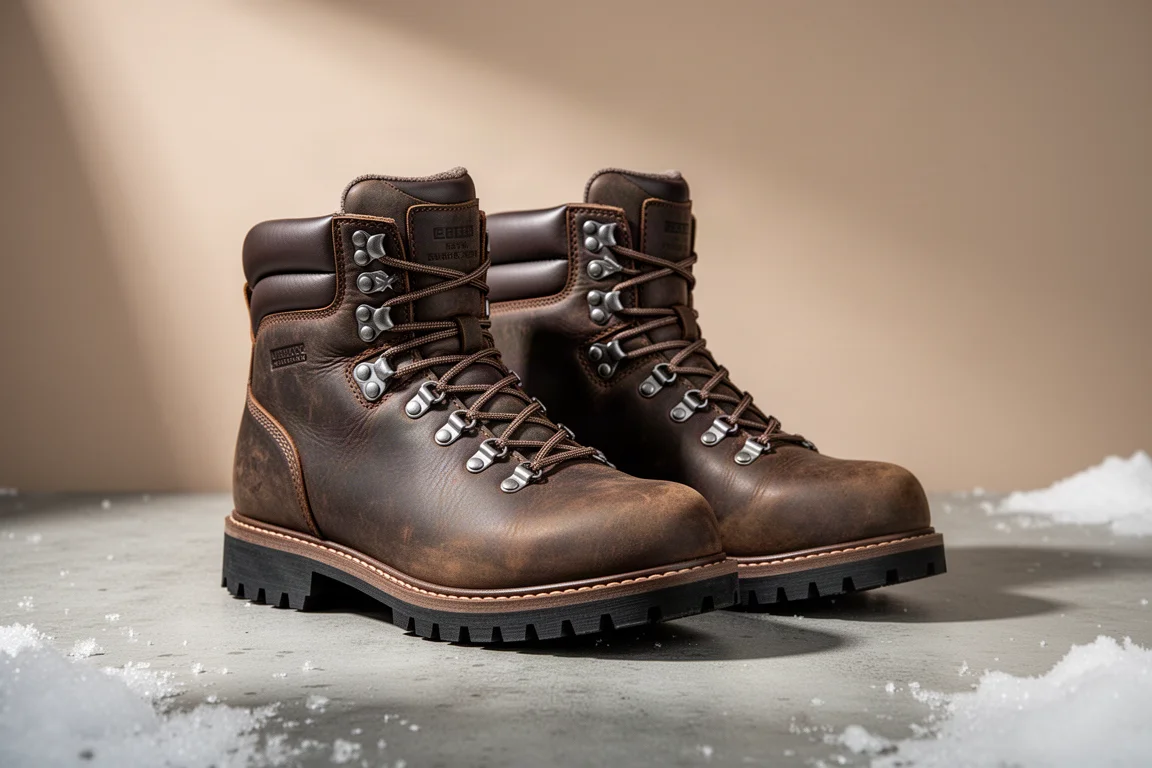
Most winter hiking boots are built around stiffness. They pair a thick midsole with a raised heel and a heavy upper that takes weeks to soften up. The Vivo Barefoot Tracker 2s takes the opposite route: a minimalist, zero-drop winter boot with a wide toe box, a waterproof leather upper, and a stated weight of 18 oz per boot.
It has been put through a four-day mountain excursion in cold and snowy conditions, including a full submersion in a creek, a day of hiking in soaked boots, and a long climb the following morning in fresh socks. That schedule exposes both the strengths and the limits of a boot this light.
Who These Boots Are For
The Tracker 2s is aimed at hikers who want their feet to move naturally in cold weather. The wide toe box lets the toes spread when the ball of the foot lands, which is the central idea behind a barefoot-style boot. For anyone whose foot specialist has recommended changing everyday footwear, or who has watched their toes crowd together over the years, that shape is the main selling point.
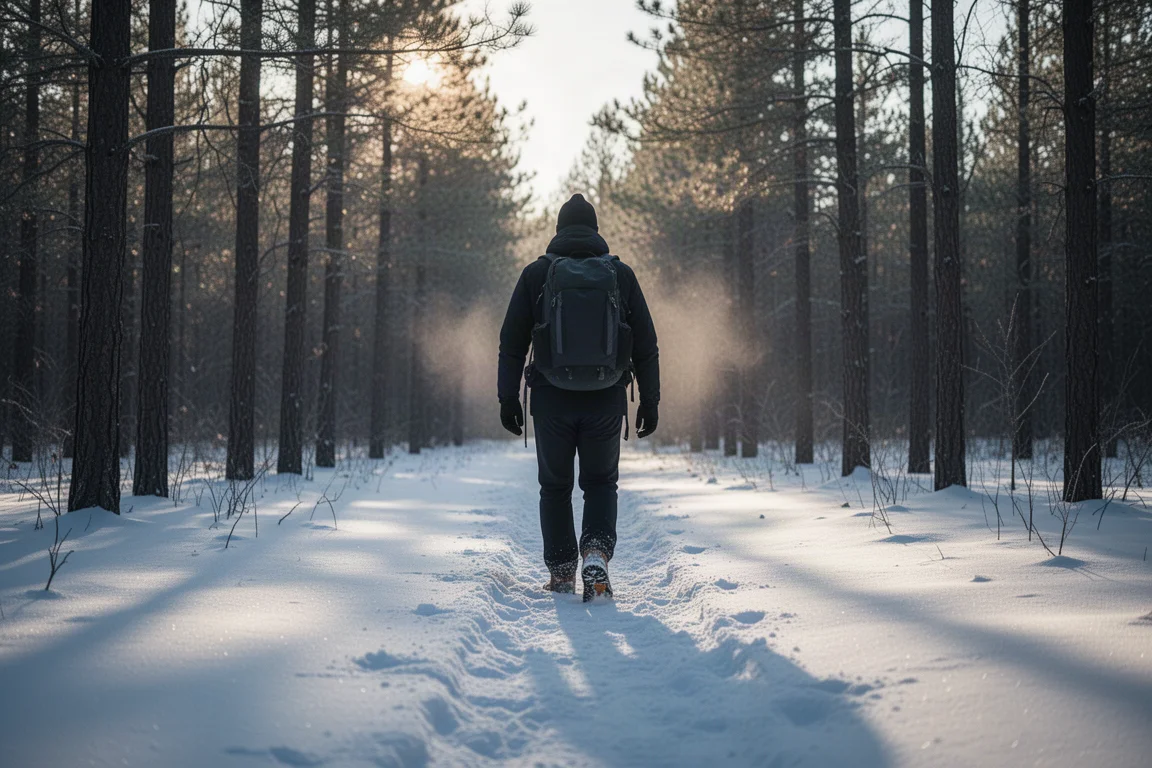
It also suits hikers who spend long days on packed snow, groomed trails, and soft dirt, and who dislike the dead, rigid feel of a conventional winter boot. It is not the right choice for mountaineering, steep ice, or serious trekking through deep snow, where a stiffer platform and more aggressive grip matter more.
Main Strengths
Three qualities stood out over the test period: warmth with genuine breathability, reliable traction on soft ground, and a low weight that makes long days noticeably easier.
Warmth, Breathability, and Waterproofing
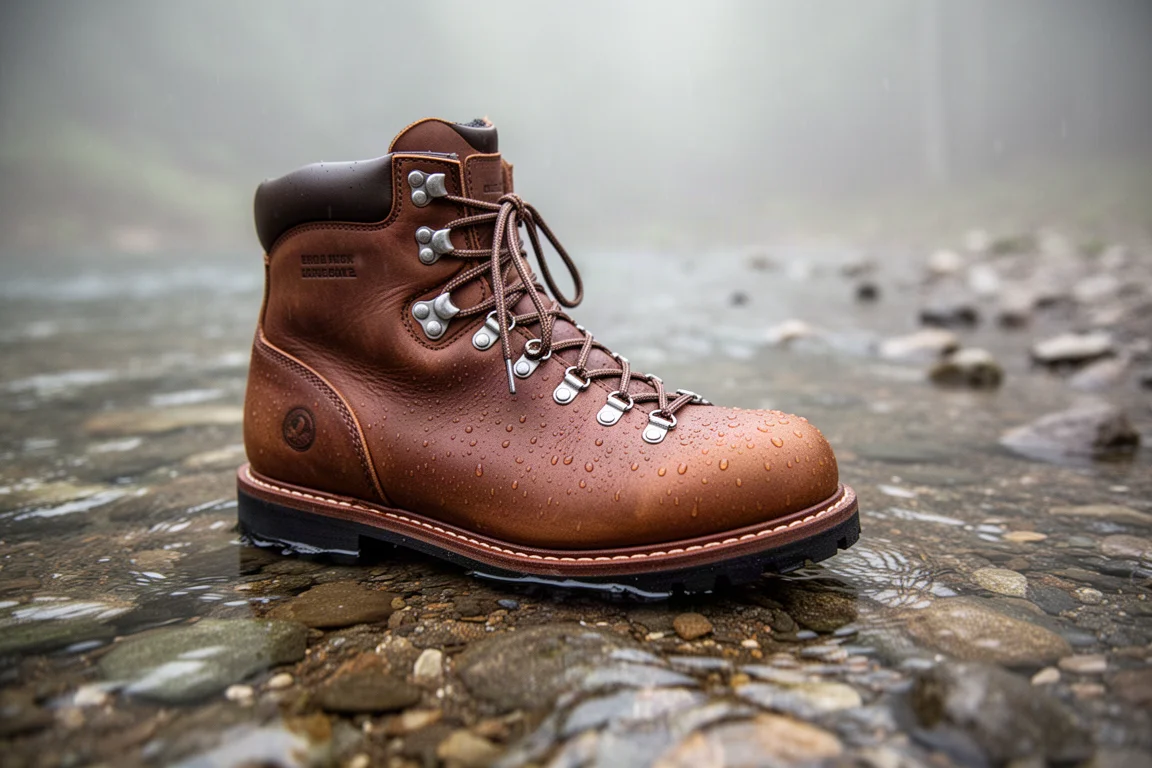
The upper uses Wild Hide leather, sourced from free-ranging animals, and it is weather-treated. Beneath it sits a waterproof, breathable internal membrane with fully taped seams. The leather broke in without the usual round of blisters that a new leather boot tends to produce.
Waterproofing deserves a plain statement. A boot like this handles rain, slush, and wet snow, but standing in a creek will still leave your feet wet. In this case the boots were fully submerged and the feet got soaked. The more useful result came afterwards. They breathed well enough that after a full day of hiking in wet boots and wrung-out socks, the boots were dry by the next morning, and the following day’s climb produced no blisters.
Warmth comes from several details working together. There is a fleece lining inside, and the insole includes an aluminium layer that reflects body heat back toward the foot, similar in principle to the reflective layer used in sleeping pads. The roomy fit matters just as much: a boot that does not clamp down on the foot keeps circulation going and leaves a pocket of warm air around the toes.
Traction and Ground Feel
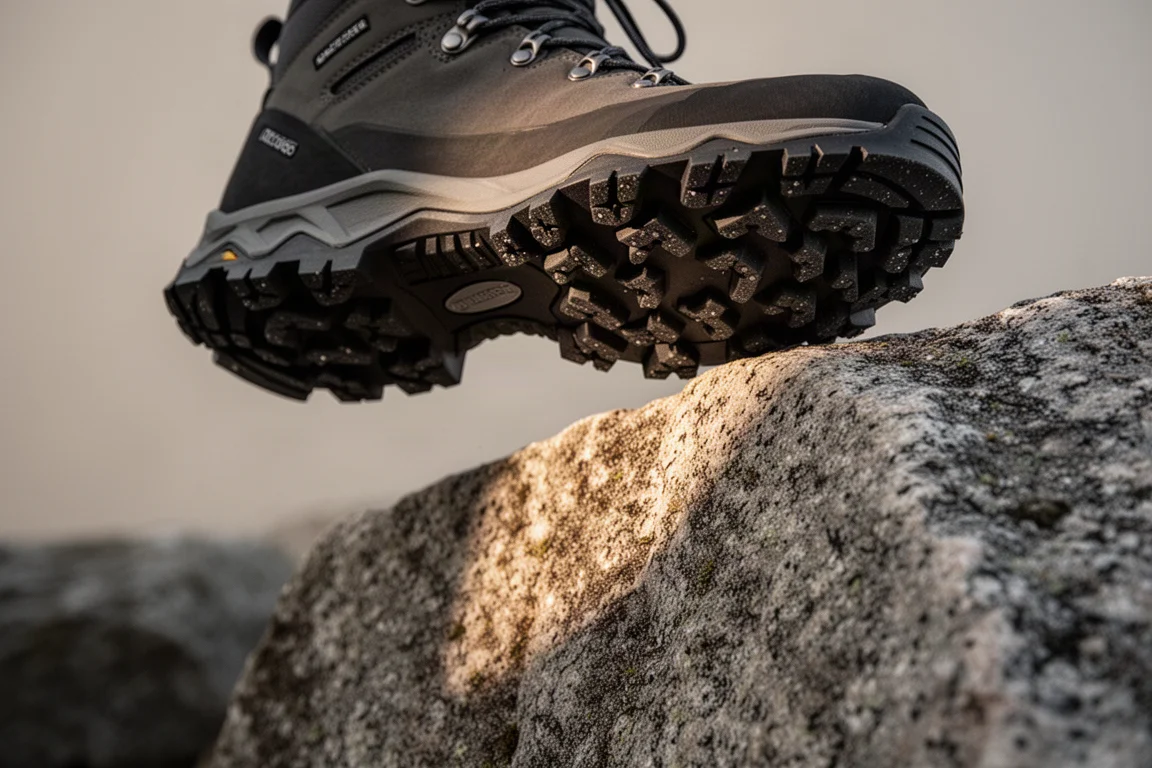
The outsole uses 2.5 mm lugs. On soft ground, loose dirt trails, and a light layer of fresh snow, grip was excellent, and better than trail running shoes in the same conditions. On hard surfaces such as slick rock, wet stone, and ice, grip drops off noticeably. Crampons were fitted for travel across snow and ice for that reason, and anyone planning icy winter routes should expect to do the same.
Ground feel is the other half of the story. Cushioning is minimal by design, so the terrain comes through clearly underfoot. On loose rock and uneven ground that translated into more confident footing, because the foot could read the surface and adjust to it rather than sitting on top of a rigid platform.
Weight and Flexibility
At 18 oz per boot, the Tracker 2s is roughly a third lighter than the average hiking boot at around 28 oz. That difference shows up late in a long day, when heavy footwear starts to drain the legs.
The construction is zero drop, meaning there is no raised heel section. Most shoes add 8 to 12 mm of height at the heel, which tilts the foot slightly forward and encourages a heel-first stride. A level foot tends to land on the ball first, and the flexible sole lets the foot roll through that motion instead of being locked into a rigid shell. Ankle support held up well in use, with no rolled ankles on uneven terrain.
Things to Consider Before Buying
Deep snow and mountaineering sit outside this boot’s range. The design favours flexibility and ground feel, so heavy fresh snow, steep snowfields, and serious trekking call for a stiffer, more protective boot.
Ice and hard rock are the weak points for grip. Soft ground is where the 2.5 mm lugs perform best, and slick surfaces call for crampons or a different sole altogether.
Durability after one demanding trip looked reasonable rather than flawless. The boots came back in good overall shape, with some wear beginning to show along the seams. That is normal for hiking footwear being broken in, but it is worth watching across a longer season.
Waterproofing has a ceiling. A creek crossing still soaks the feet, and in winter a wet boot can stay wet, which is a genuine risk on multi-day trips.
Finally, the zero-drop, minimalist platform changes how you walk. Hikers moving from conventional boots should expect an adjustment period rather than instant comfort.
Buying Advice
Choose the Tracker 2s if you want a light, flexible winter boot for packed snow, cold trails, and soft ground, and if natural foot movement matters more to you than maximum protection.
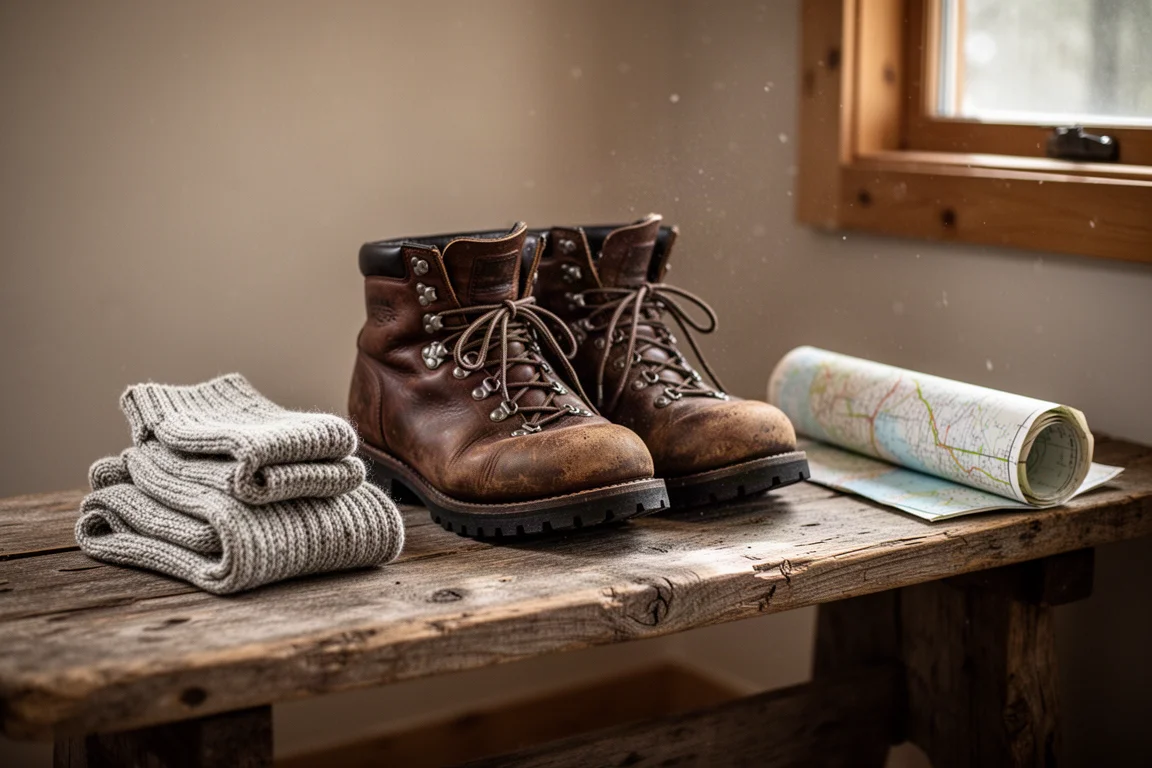
Allow time to adapt to zero drop, especially if your current boots have a raised heel. Shorter walks before a long day out make the transition easier on the calves and feet.
Sizing matters too. The wide toe box is intentional, so fit for room at the front of the boot rather than a snug, compressed feel.
Vivo offers a 100-day trial window on these boots, with returns accepted within that period if the fit or the feel does not work out. That takes some of the risk out of trying a very different kind of winter boot.
Conclusion
The Vivo Barefoot Tracker 2s is a specialist boot, and it is honest about that. It is light, warm, genuinely breathable, and comfortable from the first outing, with a wide toe box and a flexible sole that let the foot work the way it is built to. On soft ground it grips better than most trail shoes, and at 18 oz per boot it stays easy on tired legs.
Its limits are just as clear. Ice and slick rock need crampons or a different boot, deep snow is out of scope, and a creek crossing will still leave your feet wet. For cold-weather hikers who want a natural stride on packed trails, those trade-offs are easy to accept. For anyone heading into serious alpine terrain, they are not.
Product link
View more details for Vivo Barefoot Tracker 2s
This product is mentioned in the review. Check the specifications, options, and compatibility before buying.
View more details for Vivo Barefoot Tracker 2sFurther reading
Related Reviews
Outdoor Gear
Backpacking Gear Evolution: 100 Years of Technology Compared
We tested backpacking gear from 1925, 1975, and 2025 across a three-day hike in Yosemite. Here's how technology has transformed comfort, weight, and the outdoor experience.
Backpacking Water Filters
Backpacking Water Filters Compared: LifeStraw Peak Series, Sawyer Squeeze, Katadyn BeFree, and Platypus QuickDraw
A practical comparison of four hollow fiber squeeze filters, covering flow, filling, packability, weight, and thread compatibility.
Footwear Reviews
Barefoot Shoes Guide: 40 Pairs Across 13 Brands Tested and Compared
A comprehensive review of barefoot footwear across 13 brands, from Vivobarefoot and Xero to Merrell and Wildling, with practical recommendations for different use cases.