Outdoor Gear
Backpacking Gear Evolution: 100 Years of Technology Compared
We tested backpacking gear from 1925, 1975, and 2025 across a three-day hike in Yosemite. Here's how technology has transformed comfort, weight, and the outdoor experience.
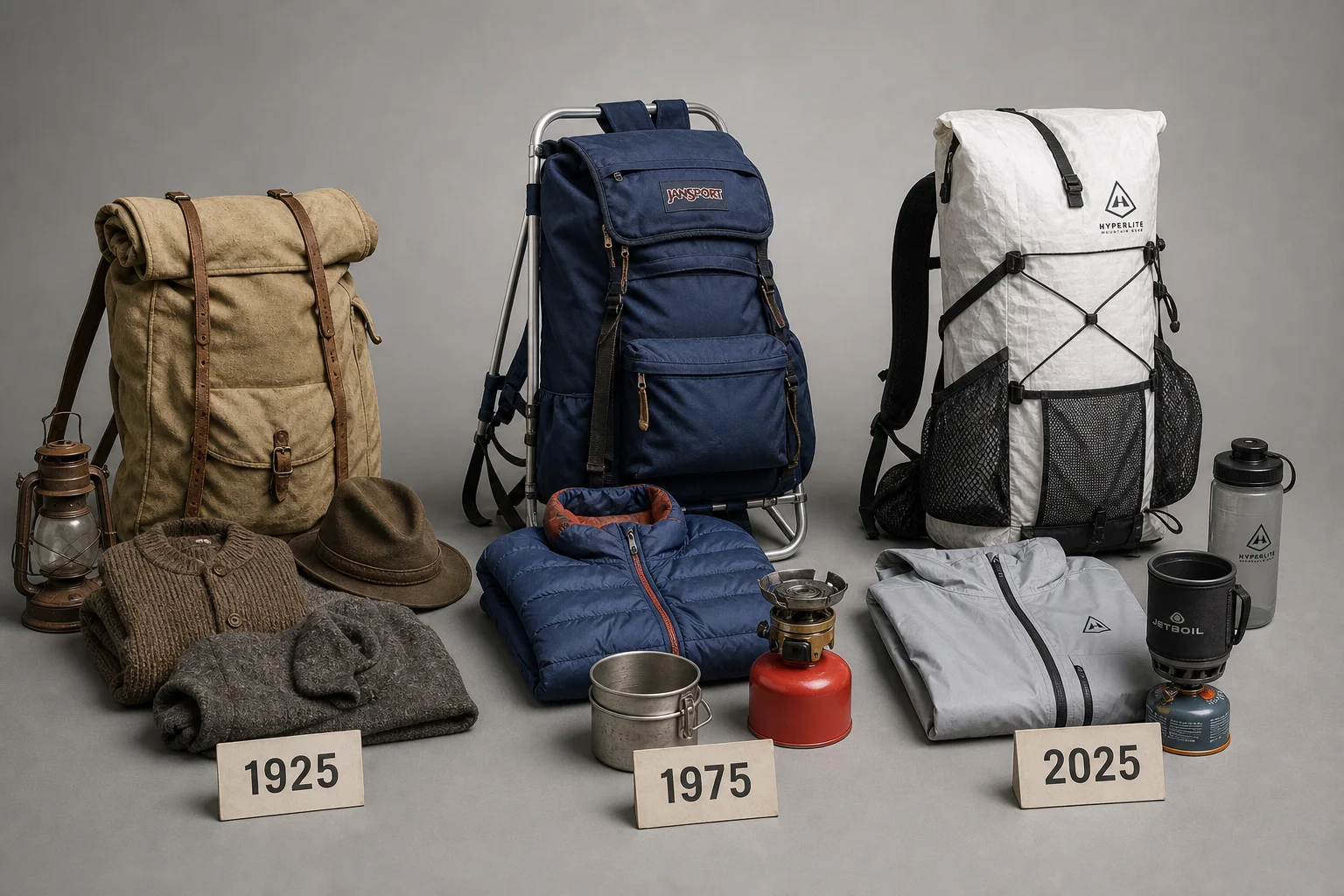
Introduction
Over the past century, backpacking gear has undergone a transformation that extends far beyond simple weight reduction. We spent three days hiking through Yosemite National Park testing gear from three distinct eras: 1925, 1975, and 2025. The results reveal not just incremental improvements, but a fundamental shift in how we experience the wilderness.
The 1925 kit represented genuine survival equipment—heavy, durable, and designed for necessity rather than comfort. By 1975, the post-war boom in synthetic materials and aerospace engineering had introduced aluminum frames and nylon fabrics that made backpacking accessible to recreational hikers. Today’s 2025 gear represents the culmination of decades of materials science, resulting in equipment that is simultaneously lighter, more durable, and more comfortable than anything available even a decade ago.
The 1925 Experience: Survival Gear
Our 1925 kit began with clothing that reflected the era’s limited material options. Wool dominated—100% wool socks, wool pants, wool sweaters, and wool hats. Duck canvas pants and linen shirts completed the ensemble. The boots were pure leather with cotton laces, weighing 5.5 pounds per pair. Everything was heavy, itchy, and designed to last a lifetime through sheer material thickness.
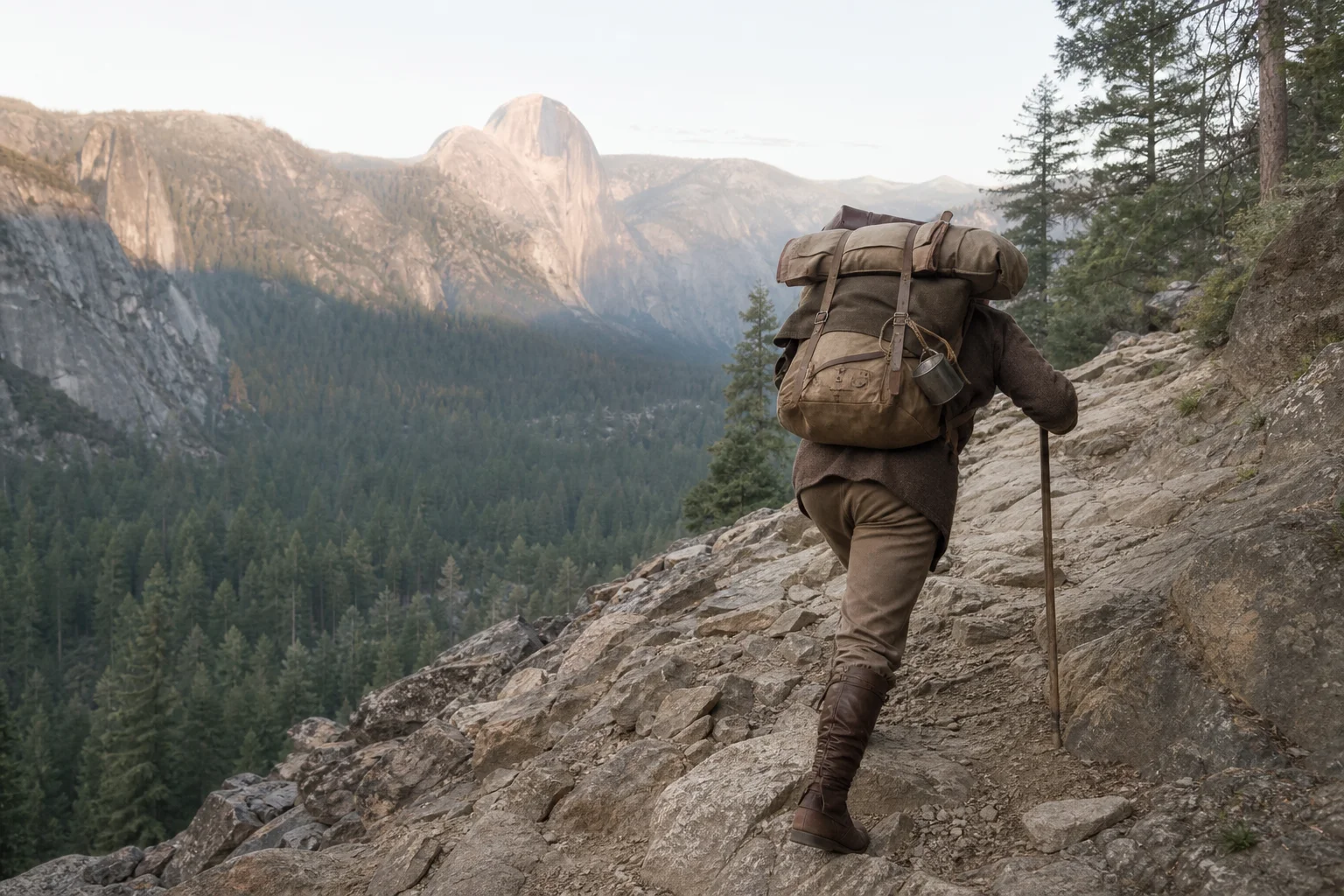
The backpack was a Duluth pack, a design from 1882 originally intended for canoe trips. Made of heavy cotton duck canvas with a wax treatment for water resistance, it featured no zippers, no frame, and no hip belt. Everything was secured with leather straps. Fully loaded, our packs weighed approximately 37 pounds each—a burden that felt distributed entirely through the shoulders and neck.
Food preservation in 1925 relied entirely on curing and drying. We carried hardtack (flour, salt, and water baked until it could outlive its maker), hard cheese, and cured salumi preserved with salt and saltpeter. Lunch took over an hour to consume. Cooking required building a fire from scratch using strike-anywhere matches and paraffin-wax fire starters. Water came from whatever sources we found along the trail, untreated.
Sleep was a study in minimalism. Our tent was a single piece of oilskin canvas that required two trees and perfectly positioned sticks to erect. Inside, we had only wool blankets stuffed into an oilskin sleeping sack—no padding, no insulation layer between us and the cold ground. The first night, the combination of cold, discomfort, and the hard earth produced genuine night terrors.
Our overall rating for 1925 gear: 4 out of 10. The clothing performed adequately (6/10), but the frameless backpack was miserable (2/10), the food monotonous but functional (7/10), and sleep was genuinely difficult (3/10).
The 1975 Leap: Aluminum Frames and Nylon
By the 1970s, backpacking had become mainstream. Post-war Americans had landed on the moon and developed synthetic materials that transformed outdoor gear. Our 1975 kit reflected this shift dramatically.
Clothing improved significantly. Our Vasque mountaineering boots featured padded collars, rubber soles, and foam insoles—reducing weight to under 4 pounds per pair while dramatically improving comfort. Socks became a wool-acrylic blend that didn’t itch or shrink. Cotton shorts, socially acceptable for men only since the 1930s-40s, replaced heavy wool pants. We still wore wool sweaters and cotton undershirts, but the overall package was lighter and more breathable.
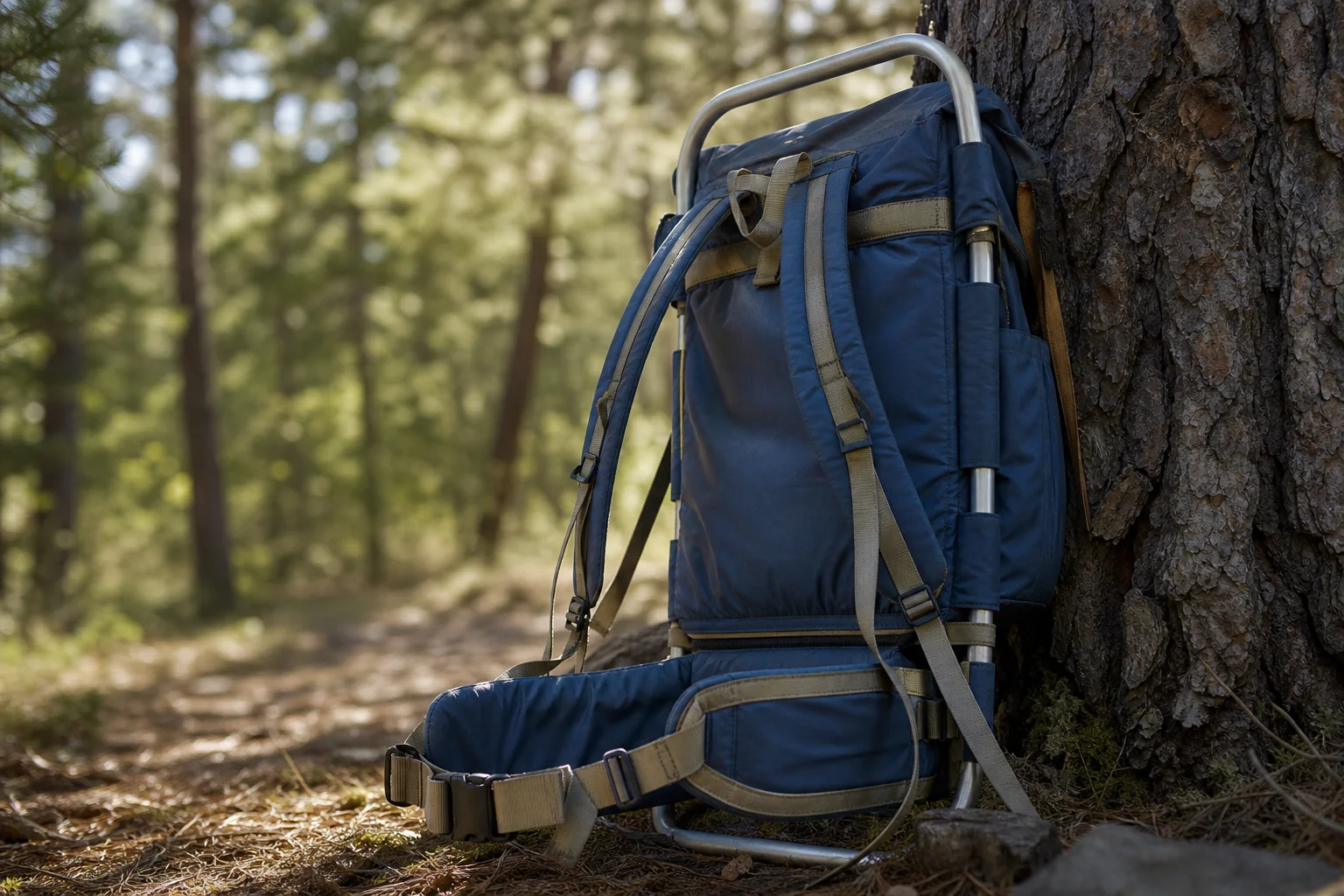
The Jansport aluminum-frame backpack was a revelation. Dick Kelty, a Boeing aircraft worker, had pioneered the aluminum frame design in the 1950s by applying aerospace engineering to camping gear. Our Jansports weighed only about 10 pounds less than the Duluth packs, but the difference in comfort felt like half the weight. The frame distributed load to the hips rather than the shoulders, and the hip belt made the pack feel like an extension of the body rather than a punishment.
Food in 1975 represented America’s shift toward convenience and sugar. Peanut butter and jelly sandwiches on Wonder Bread, made possible by preservatives like BHA and BHT, replaced yesterday’s cured meats. Ziploc bags—described as “the unsung hero of 1975 lunch”—meant we could pack and eat in minutes rather than hours. We cooked on a Svea stove, a pressurized design from the 1950s that used white gas and sounded like a tiny fighter jet.
Sleep improved substantially. Our Sierra Designs tent, made from nylon with aluminum poles, featured a floor, vents, and a polyurethane-coated rainfly. It set up in minutes without requiring trees. Our sleeping bags used goose down with nylon shells, and closed-cell foam sleeping pads provided insulation and minimal cushioning. The difference from 1925 was profound—we actually slept.
Our overall rating for 1975 gear: 7.5 out of 10. Clothing earned 8/10, backpacks 6/10, food 5/10 (lighter and faster, but less flavorful than 1925), and sleep 7/10.
The 2025 Standard: Ultralight and Engineered
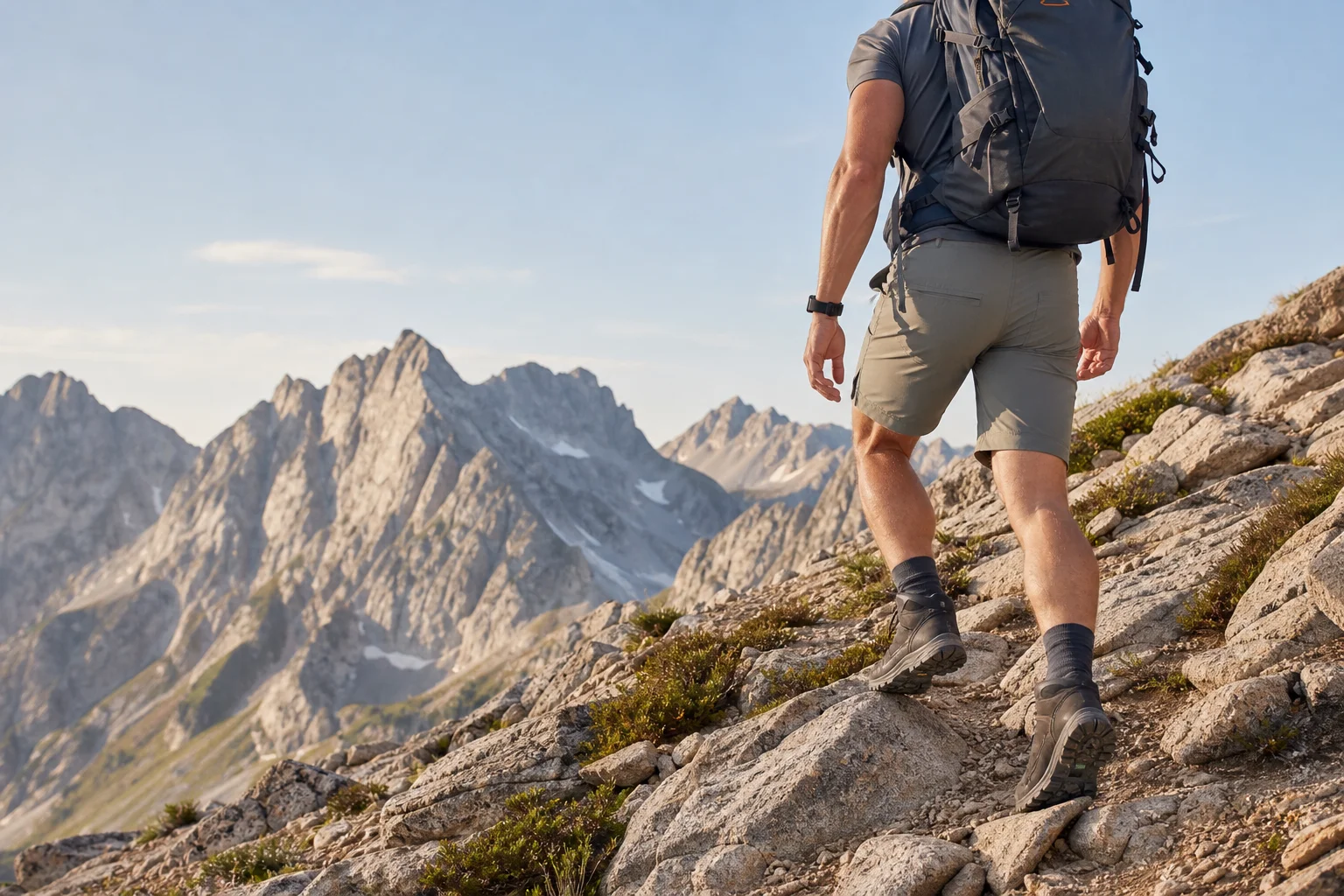
Modern backpacking gear represents a different category of technology entirely. Our 2025 kit began with clothing engineered at the molecular level. Shorts and shirts used nylon-spandex blends and recycled polyester with moisture-wicking properties and odor control. Socks combined merino wool, nylon, and lycra with extra heel padding. Our boots weighed just 1.5 pounds per pair—a third the weight of 1975 boots—yet featured Gortex waterproof membranes, Vibram Mega Grip rubber, and air-injected polyurethane midsoles.
The Hyperlite Mountain Gear Unbound backpack represented the cutting edge of materials science. Its main compartment uses Dyneema, a synthetic fiber discovered accidentally by a Dutch chemist in the late 1960s but not commercially produced until the 1990s. Dyneema is 15 times stronger than steel by weight and 40% stronger than Kevlar, yet so light it floats on water. The pack includes a plastic back panel for weight distribution, eliminating the need for heavy aluminum frames. The result is a backpack so light it feels almost unreal.
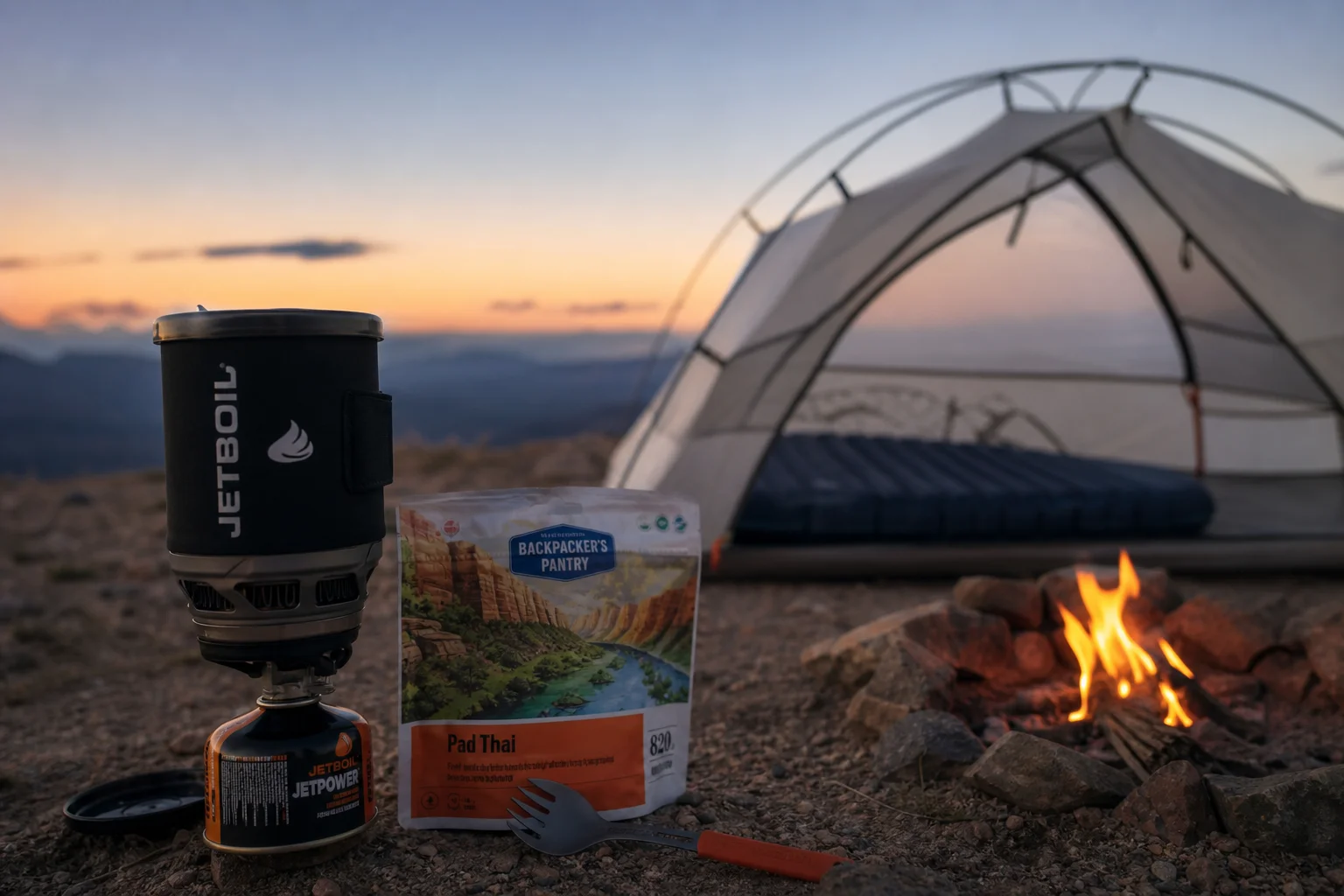
Food in 2025 represents the ultimate in convenience. Freeze-dried meals from REI require only hot water and a few minutes of waiting. We used caffeinated gummy gels for energy—“candy that gets you jacked,” as one tester described it. Cooking was faster than ever: the Jetboil boils water in minutes, though it requires pressurized isobutane canisters and doesn’t taste as good as white gas, according to our testers.
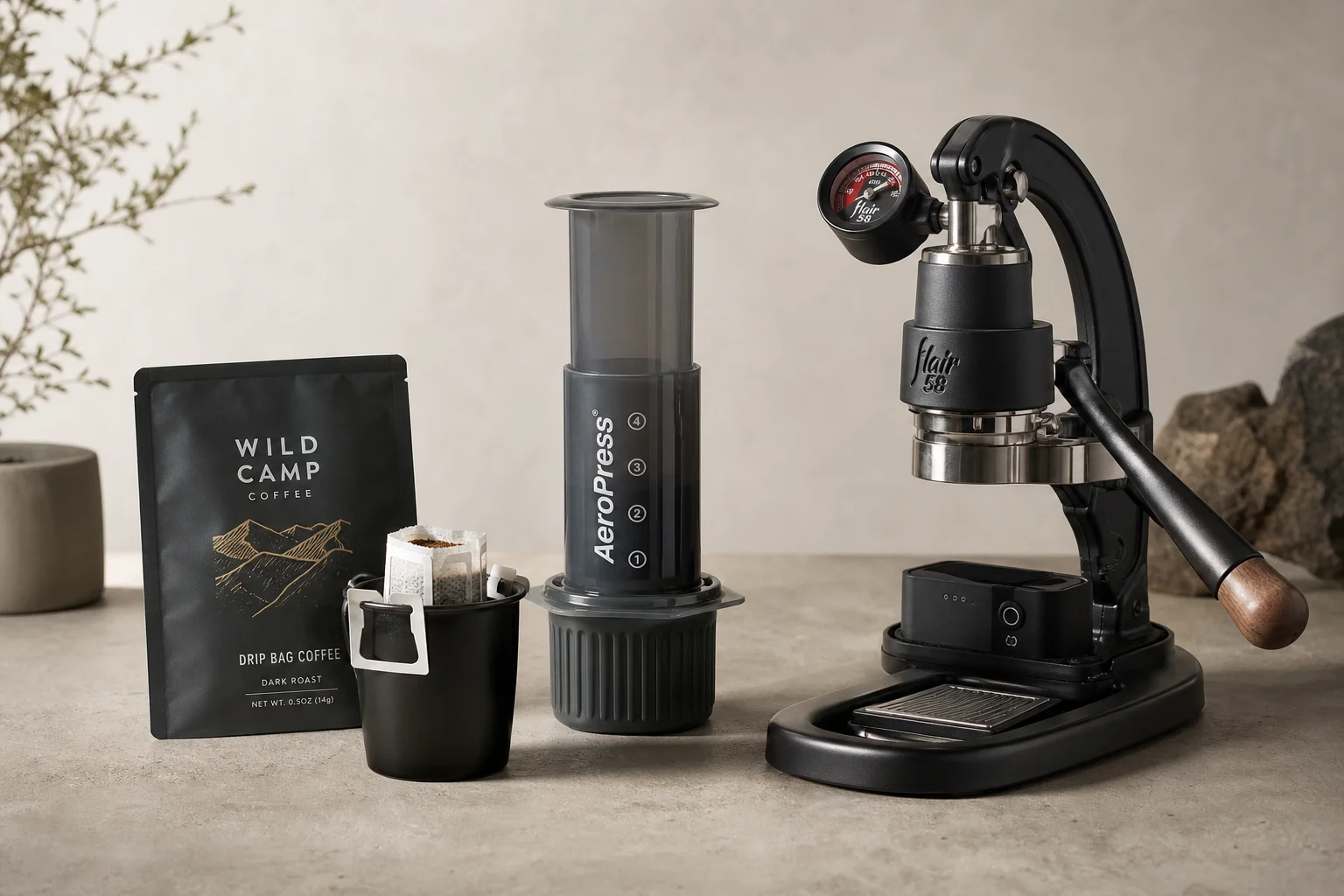
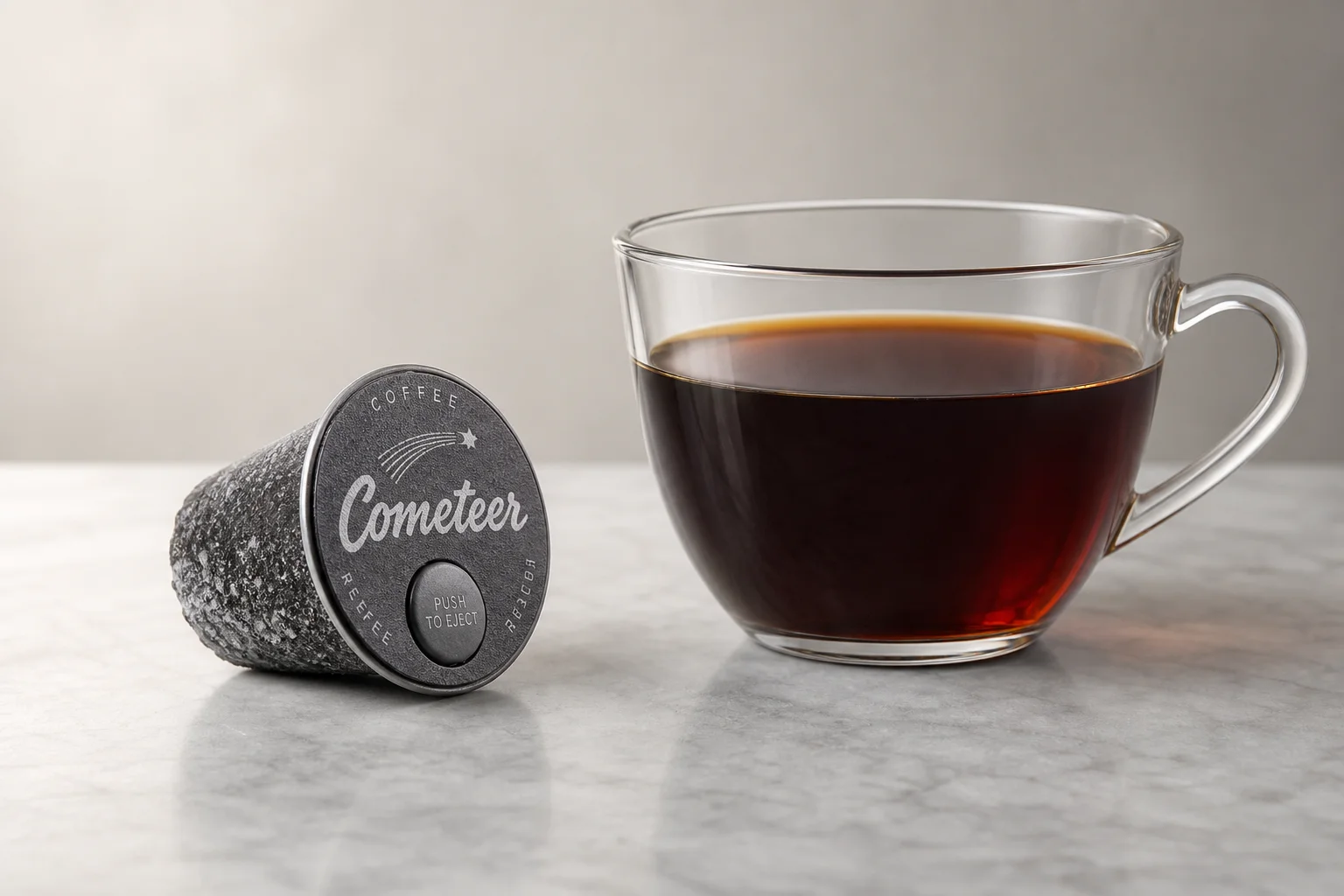
For coffee, we used Cometeer pods—flash-frozen concentrated coffee from award-winning roasters that requires only hot water to brew. No grinding, no filters, no cleanup. The convenience is undeniable, though the waste from modern meals is substantial: packaging that will last centuries, compared to 1925 food waste that would decompose in months.
Sleep in 2025 was transformative. Our tent, also made from Dyneema, weighs just 2.12 pounds including poles and incorporates the hiking poles as structural supports. Sleeping pads, when inflated, are five times thicker than 1975 pads, providing both insulation and genuine cushioning. Our down sleeping bags include side vents for temperature regulation, a pocket that converts to a pillow, and the ability to zip together—all while weighing half as much as 1975 bags and packing down to the size of a large burrito.
Our entire sleeping setup—tent, pads, and bags—weighs just 9 pounds in 2025, compared to 25 pounds in 1925 and 20 pounds in 1975. The comfort increase is even more dramatic than the weight reduction.
Our overall rating for 2025 gear: 9 out of 10. Clothing earned 9/10 (skepticism only about long-term durability of stretchy fabrics), backpacks a perfect 10/10, food 8/10 (convenient and tasty, but wasteful), and sleep a perfect 10/10.
The Bigger Picture
The progression from 1925 to 2025 reveals something beyond mere technological advancement. In 1925, backpacking was not a leisure activity—it was survival. The gear was designed for necessity, and comfort was irrelevant. By 1975, backpacking had become recreational, and gear reflected that shift toward accessibility. Today, backpacking gear is engineered for optimization: maximum comfort, minimum weight, maximum durability.
This matters because better gear genuinely changes the experience. On day one with 1925 equipment, we were trudging, enduring, merely surviving. On day two with 1975 gear, we were trekking and marching. By day three with 2025 equipment, we were floating, playing, and genuinely enjoying the landscape rather than fighting it.
The advancements are not trivial. A lighter pack means less shoulder strain, which means you can look around and appreciate the scenery. A warmer sleeping bag means actual rest, which means you have energy for the next day. Better boots mean fewer blisters, which means you can hike farther and enjoy it more. The gear does not replace the experience of nature—it enables it.
Conclusion
One hundred years of backpacking gear evolution demonstrates that technology, when thoughtfully applied, genuinely improves human experience. We are not forced to choose between comfort and authenticity, between modern convenience and respect for the wilderness. We have the freedom to experience the same trails that Theodore Roosevelt fought to protect, with whatever level of comfort we choose.
The best part is choice itself. We can embrace modern ultralight gear for maximum enjoyment, seek out vintage equipment for nostalgia, or find a middle ground that suits our values and priorities. That freedom—to explore our public lands however we wish—is something worth appreciating.
Support your national parks, invest in good gear, and get outside.
Further reading
Related Reviews
Outdoor Gear
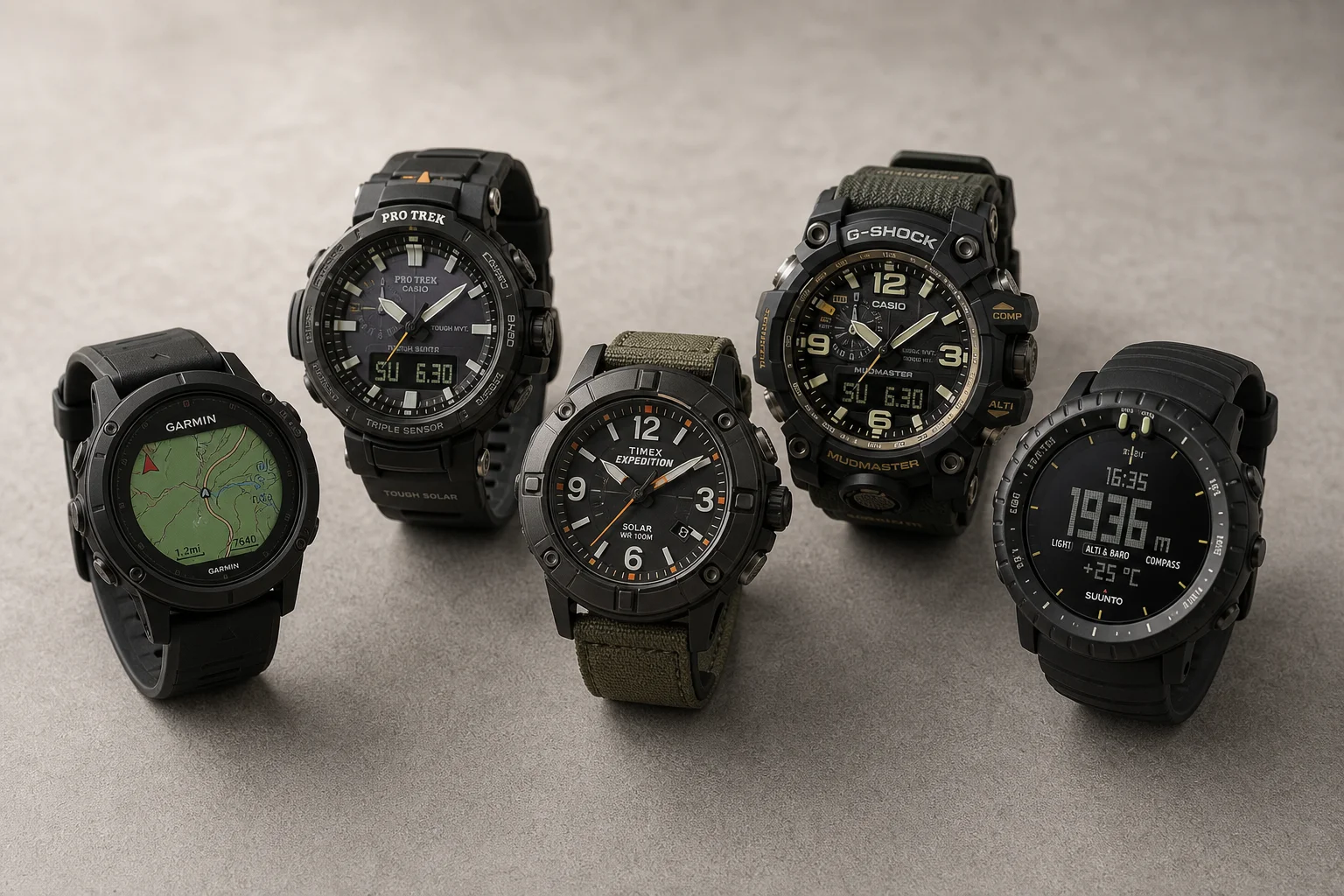
Best Affordable Hiking Watches: Five Rugged Options for Outdoor Adventures
Five durable hiking watches that balance ruggedness, functionality, and value for outdoor enthusiasts who need reliable GPS tracking and weather resistance.
Outdoor Gear
Best Backpack Coolers 2026: Five Practical Options for Outdoor Adventures
Five backpack coolers with distinct cooling capabilities, storage features, and design trade-offs to help you choose the right one for your outdoor needs.
Outdoor Gear
Best Cooler Backpacks: Five Practical Options for Outdoor Adventures
Five cooler backpacks with distinct strengths, from budget-friendly designs to feature-rich models with premium insulation and durability.