Speakers
Vivid Audio Kaya 25 Review: A Two-Way Floorstander Built Around Back-Wave Control
A detailed look at the Vivid Audio Kaya 25, a two-way floorstanding speaker with in-house drivers, an exponential absorber, and an easy 8-ohm load.
Introduction
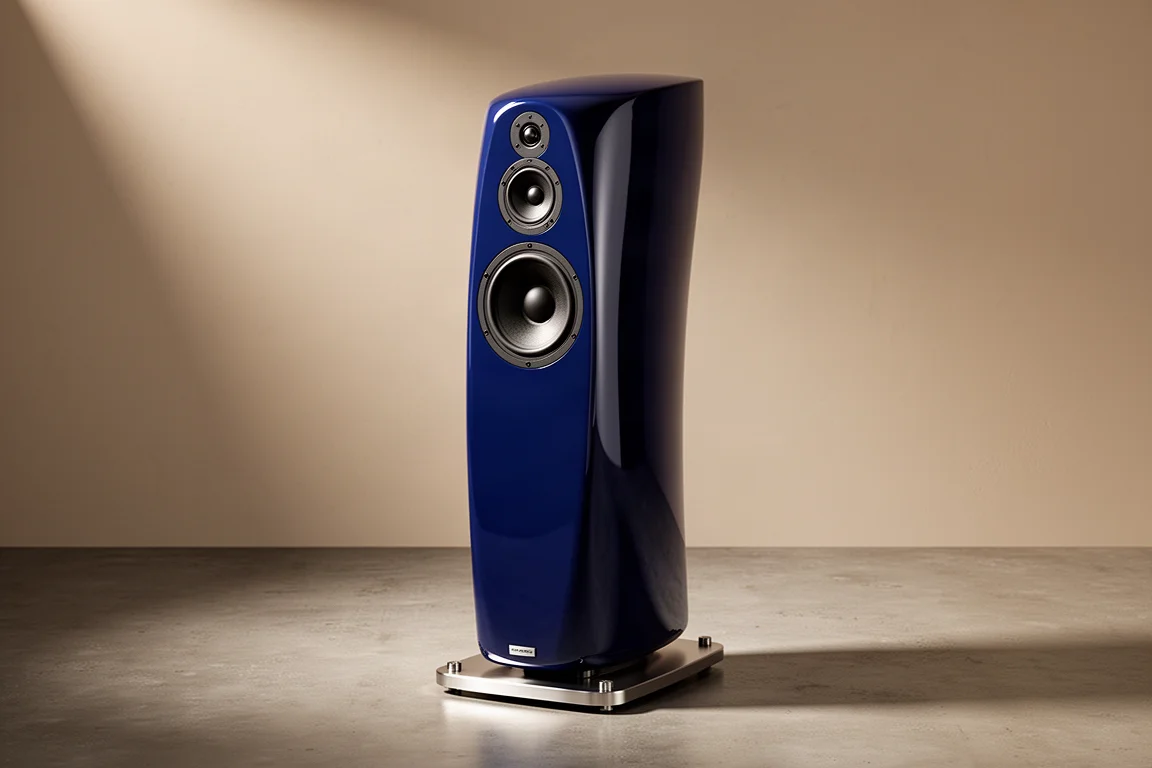
Vivid Audio has never been a company that follows conventional cabinet thinking, and the Kaya 25 is the clearest expression of that philosophy in its current range. It stands roughly 45 inches tall, which makes it a genuine floorstanding speaker rather than a scaled-up stand-mount, and it has a physical presence in a room that is hard to ignore.
The Kaya 25 is a two-way design built around a 26 mm alloy dome tweeter and a 125 mm aluminum mid-woofer, priced at $11,000 per pair in the standard gloss white, gloss black, and matte oyster finishes. Buyers who want something more personal can specify custom automotive paint finishes at additional cost. This review covers the technology inside the cabinet, how the speaker behaves in real listening conditions, and who should consider it.
Design and Driver Technology
Vivid Audio was founded in 2004 by Laurence Dickey, who had previously worked at Bowers & Wilkins and was the engineer behind the tapered-tube loading used in the Nautilus. That idea carries through every Vivid speaker: absorb the back wave of a driver so that nothing reflects back into the cone from inside the cabinet.
Both drivers in the Kaya 25 are designed and manufactured in-house. That is unusual for a company of this size, and it gives Vivid direct control over how the drivers are built and how they perform. The 26 mm dome tweeter uses a tapered tube behind it. The 125 mm mid-woofer takes a different route. Behind it, an exponential absorber runs down toward the base of the cabinet, with damping material that becomes progressively denser toward the bottom. The back wave travels down that path and effectively cancels itself, so the mid-woofer works without internal reflections interfering with its output.
The cabinet is a glass-reinforced sandwich composite. Under loud playback it stayed remarkably inert, transferring almost no vibration to a hand resting on the surface. At the rear there is a small port, and at high volume a substantial amount of air moves through it without any audible chuffing or port noise. The whole assembly sits on a stainless steel base, with the binding posts tucked into the rear of that base.
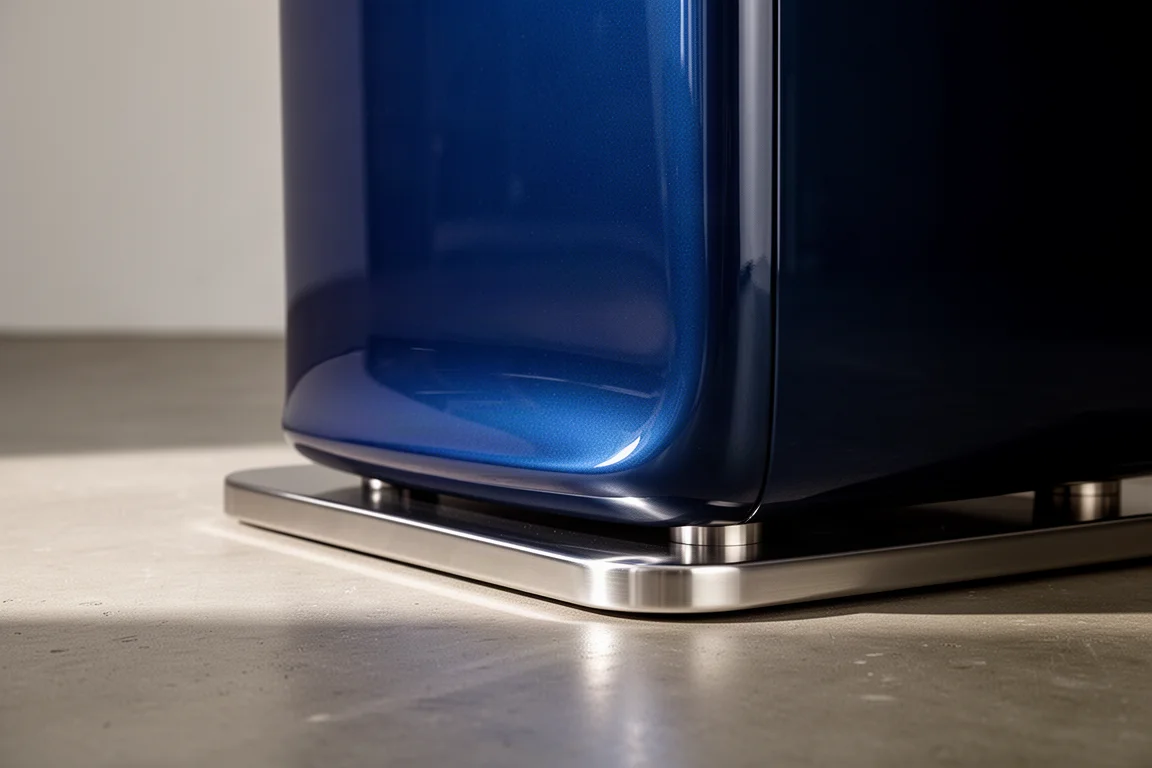
That combination of a rigid composite shell and internal back-wave absorption is the reason the Kaya 25 does not behave like a conventional box speaker, and it is the foundation for everything the speaker does well.
How the Kaya 25 Sounds
The first thing that stands out is speed. The Kaya 25 sounds lively and immediate, with the kind of transient snap usually associated with horn-loaded designs, but it keeps a more refined tonal balance and a far more open, unboxy presentation. Imaging is precise, instruments occupy clearly defined positions in the stage, and the cabinet gets out of the way of the music rather than drawing attention to itself. Midrange voices sound present and correctly sized, which points to low distortion through that region.
Bass extension reaches down to 40 Hz, and what is there is clean and precise rather than fat or muddy. It sits on the lean side of neutral, which suits acoustic and jazz material well but will not deliver the room-shaking low end some listeners expect from a speaker at this level.
Dynamic range is a strong point. Pushed to the mid-90 dB range on demanding material, the speaker showed no imminent strain or audible distortion creeping in from either the mid-woofer or the tweeter. Dense Latin jazz with heavy percussion and brass lit up immediately, a live jazz recording with guest vocals opened up with real body, a chamber group performing Radiohead arrangements placed each instrument in its own believable space, and a solo piano recording conveyed both the physicality of the instrument and the room around it. Even a bright, heavily compressed rock record stayed intense and listenable rather than harsh, which is a useful quality for anyone with a wide-ranging collection.
Amplifier matching matters more than the 85 dB sensitivity rating suggests. A 20 watt per channel tube amplifier gave the music weight and body at comfortable listening levels, while a 200 watt per channel solid-state amplifier added headroom and control when the volume went up. A 7 watt single-ended amplifier was not a workable pairing at any level, so low-power designs of that kind are best avoided here.
Main Strengths
- Refined, low-distortion midrange with naturally presented vocals
- Fast, open presentation with strong imaging and no boxy coloration
- Easy electrical load, rated at 8 ohms nominal and dipping only to 7.5 ohms
- Cabinet stays quiet and inert even at high playback levels
- Drivers designed and manufactured in-house
- Plays loud without strain or audible distortion
- Rear port moves a lot of air without chuffing or noise
How It Compares With Other Speakers
Against a much larger open-baffle design such as the Pure Audio Project Duet 15, the Kaya 25 takes a fundamentally different approach. The Duet 15 uses a 15 inch woofer and fills a room in a bigger, meatier way, while the Kaya 25 is noticeably faster, clearer, and more transparent, and it handles the transient response of brass and percussion far better. This is not a case of one speaker being better than the other. They move in opposite directions, and the right choice depends on taste, room, and budget.
Against the KEF Reference 3 Meta, which sells for $15,000 and is a considerably larger and more powerful speaker, the Kaya 25 gives up some ground. The larger speaker is a step up in most respects and is also very refined and very clear, but it is more imposing and dominates a room in a way the Kaya 25 does not.
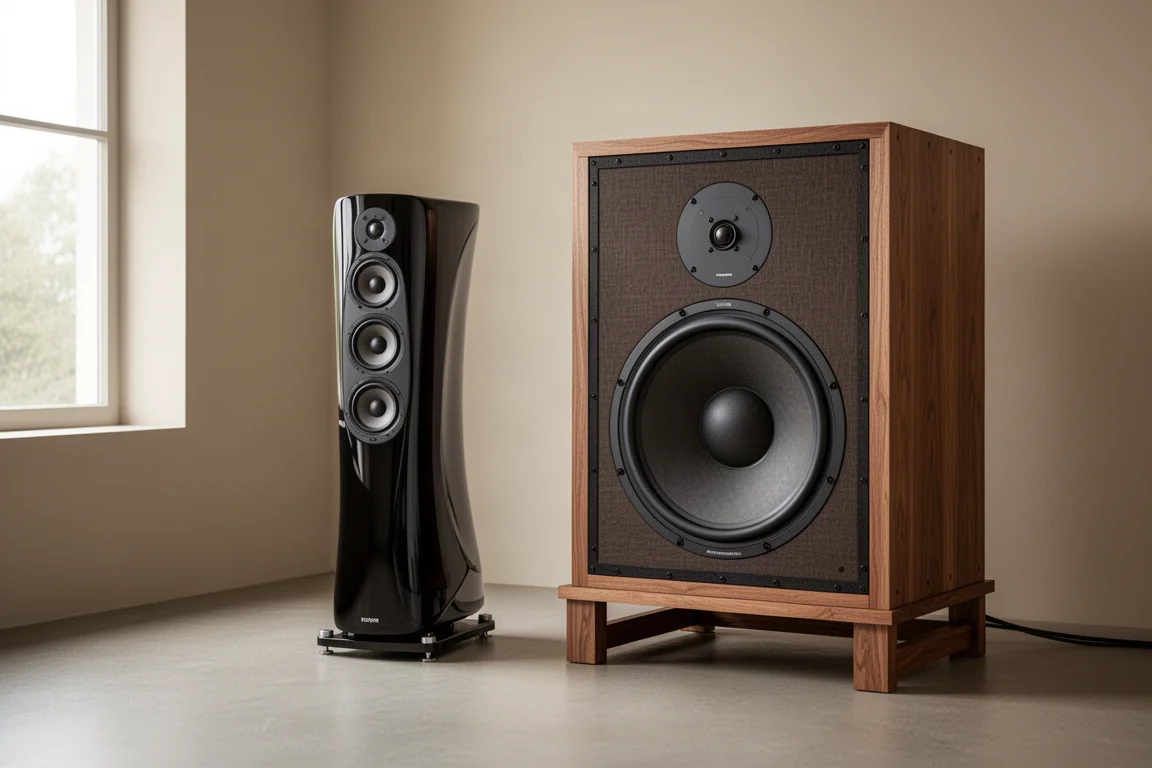
The practical takeaway is that the Kaya 25 competes on character rather than size. Buyers who want maximum low-frequency weight and physical scale will look elsewhere, while buyers who prioritise speed, transparency, and imaging will find it competitive well beyond its price bracket.
Things to Consider Before Buying
- The price is $11,000 per pair in standard finishes, and custom automotive paint finishes add cost
- The sculpted cabinet shape is distinctive and will not suit every room or every taste
- Bass reaches 40 Hz, so listeners who want deep, room-shaking low frequencies should plan on a subwoofer or a larger Vivid model
- The rear port moves a lot of air, so the speaker needs breathing room and should not be pushed against a wall. At least a foot of clearance is the minimum, and roughly three feet behind the cabinet worked well
- The 85 dB sensitivity rating understates how easily it is driven, but very low power single-ended amplifiers are still not a good match
- Custom finishes are automotive paint, so lead times and cost will vary by finish
Buying Advice
The Kaya 25 makes the most sense for listeners who value transparency, precise imaging, and a midrange that lets voices sound right, and who have a room where the speakers can stand clear of the rear wall. A quality amplifier of at least 20 watts per channel is a sensible starting point, and something with a bit of midrange weight tends to flatter the speaker.
Because the low end stops at 40 Hz, buyers who listen to a lot of deep bass material should decide up front whether they are comfortable adding a subwoofer. Those who want the low-frequency weight built in should consider a larger model in the range instead. Standard gloss white, gloss black, and matte oyster finishes keep the cost predictable, while custom automotive paint finishes are the route to a one-off look.
It is also worth treating the Kaya 25 as a long-term system anchor rather than a casual upgrade. Its easy 8-ohm load and undemanding sensitivity mean it will work with a wide spread of amplifiers, including modest tube designs, which reduces the risk of an expensive mismatch later.
Conclusion
The Vivid Audio Kaya 25 is a distinctive two-way floorstander that earns its price through execution rather than size. Its in-house drivers, exponential absorber, and rigid composite cabinet deliver a fast, open, low-distortion sound with precise imaging and a midrange that gets voices right. It plays loud without complaint and presents difficult recordings without becoming punishing.
The trade-offs are clear and worth stating plainly: it is expensive, its shape is a matter of taste, and its 40 Hz bass will not satisfy listeners who want the room to shake. For anyone whose priorities are speed, transparency, and an easy amplifier load, the Kaya 25 is a compelling and genuinely engaging speaker.
Product link
View more details for Vivid Audio Kaya 25
This product is mentioned in the review. Check the specifications, options, and compatibility before buying.
View more details for Vivid Audio Kaya 25Further reading
Related Reviews
Speakers
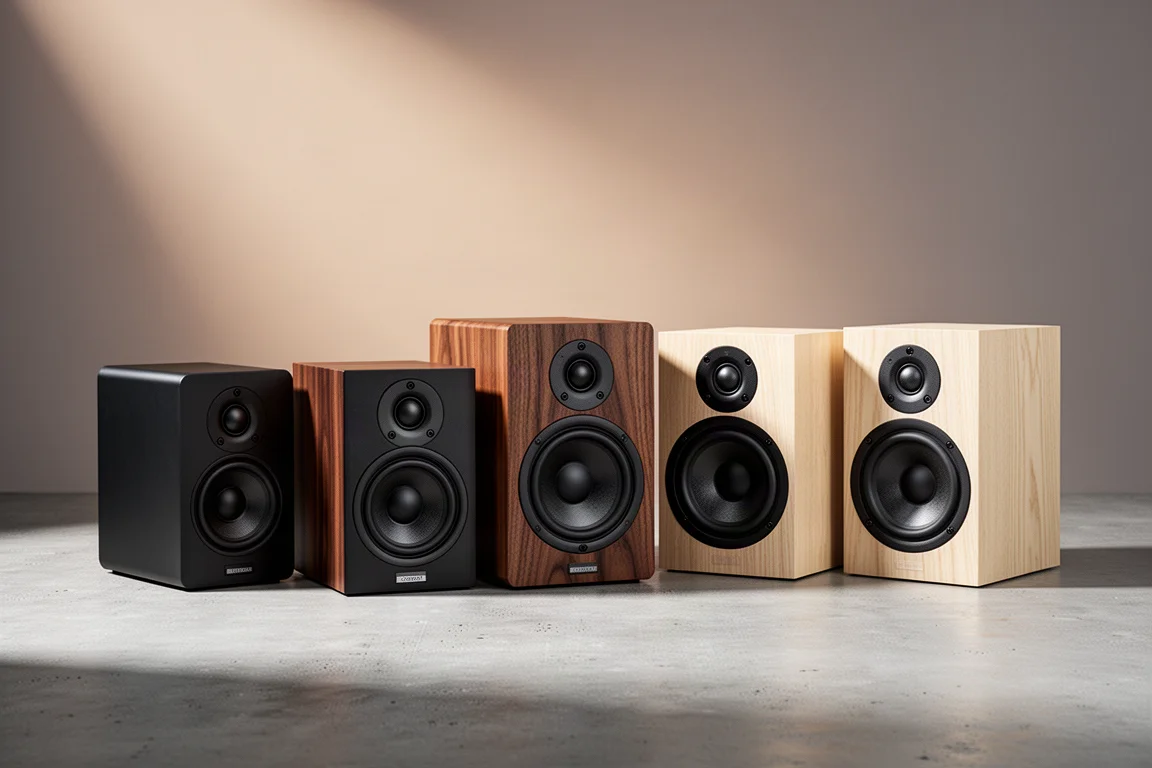
13 Under-the-Radar Speakers Still Worth Buying
Thirteen speakers that quietly stayed in production while newer models took the spotlight, from budget bookshelf pairs to a full-size tower.
Speakers
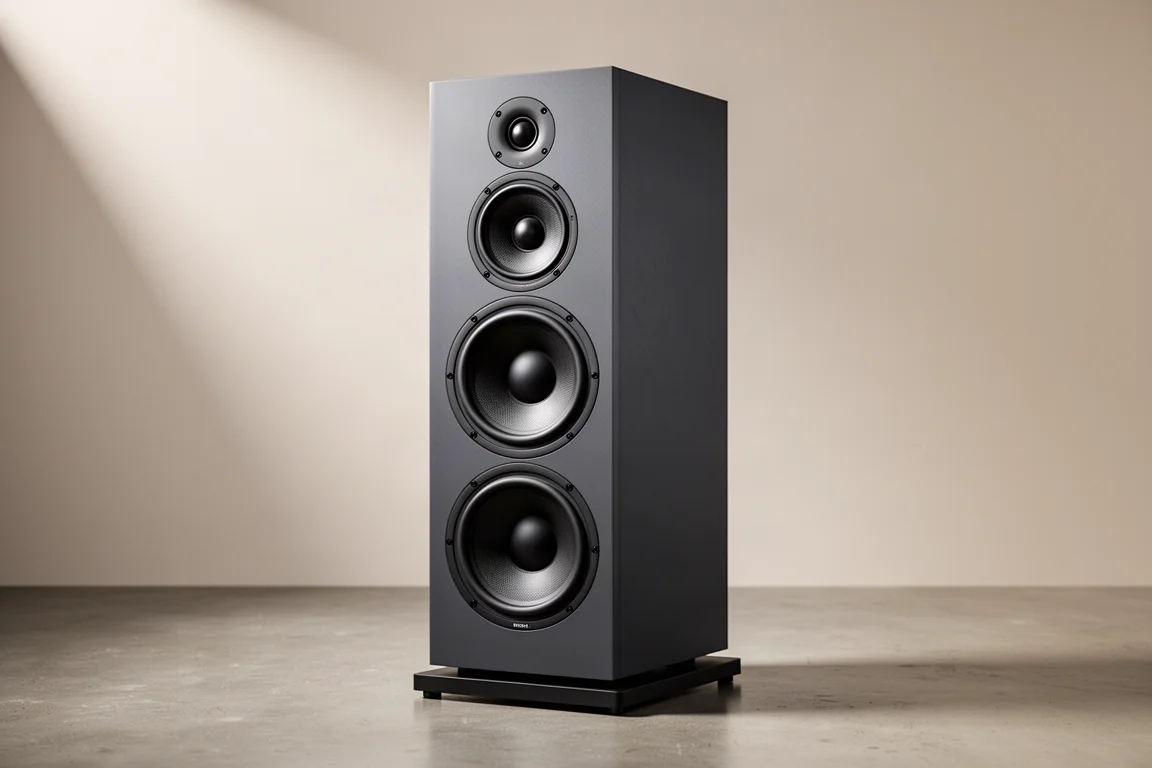
Arendal 1528 Monitor 8 Review: A Three-Way Standmount With Serious Dynamic Headroom
A three-way standmount speaker with extremely low distortion, high output capability, and deep bass for its size, plus the setup details worth knowing before buying.
Speakers
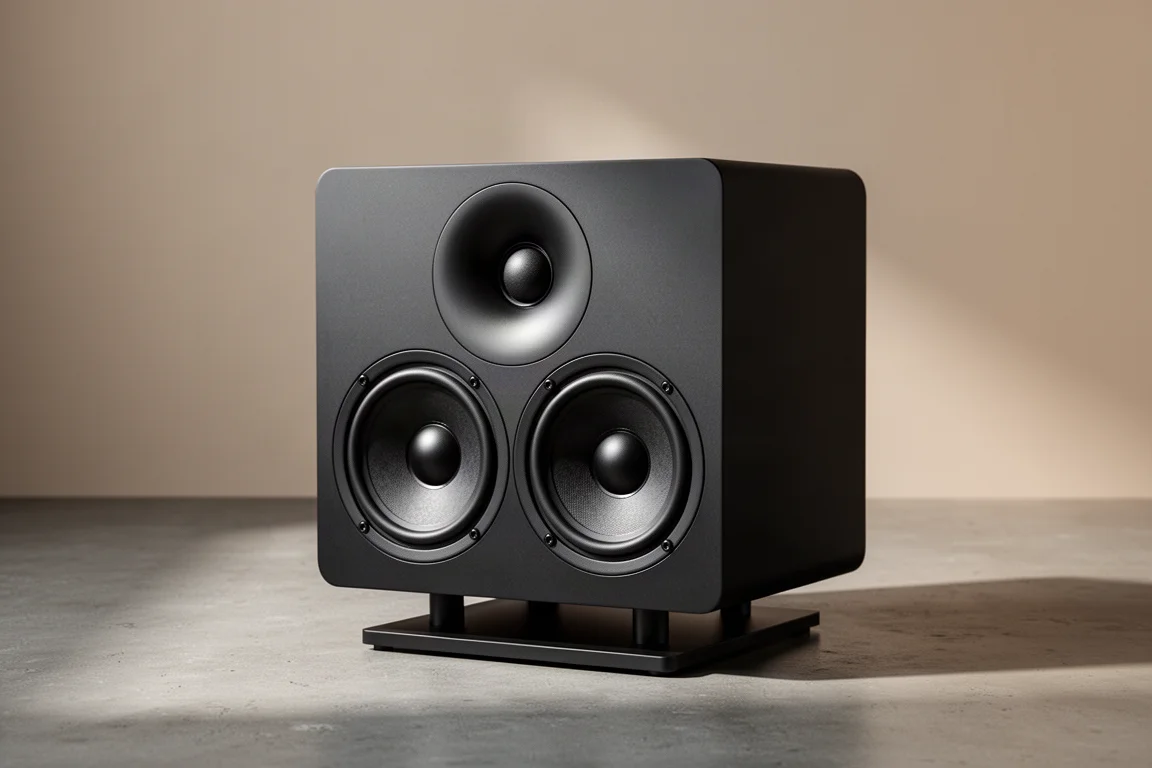
Arendal 1723 Monitor S Review: A Compact Monitor With Serious Ambition
A close look at the Arendal 1723 Monitor S, a compact MTM monitor with a waveguide-loaded tweeter, an HDF cabinet, and flexible ported or sealed operation for music and home theater.