Road Bikes
Vitus Vitesse EVO Review: A Race Bike That Earns Its Editor's Choice Award
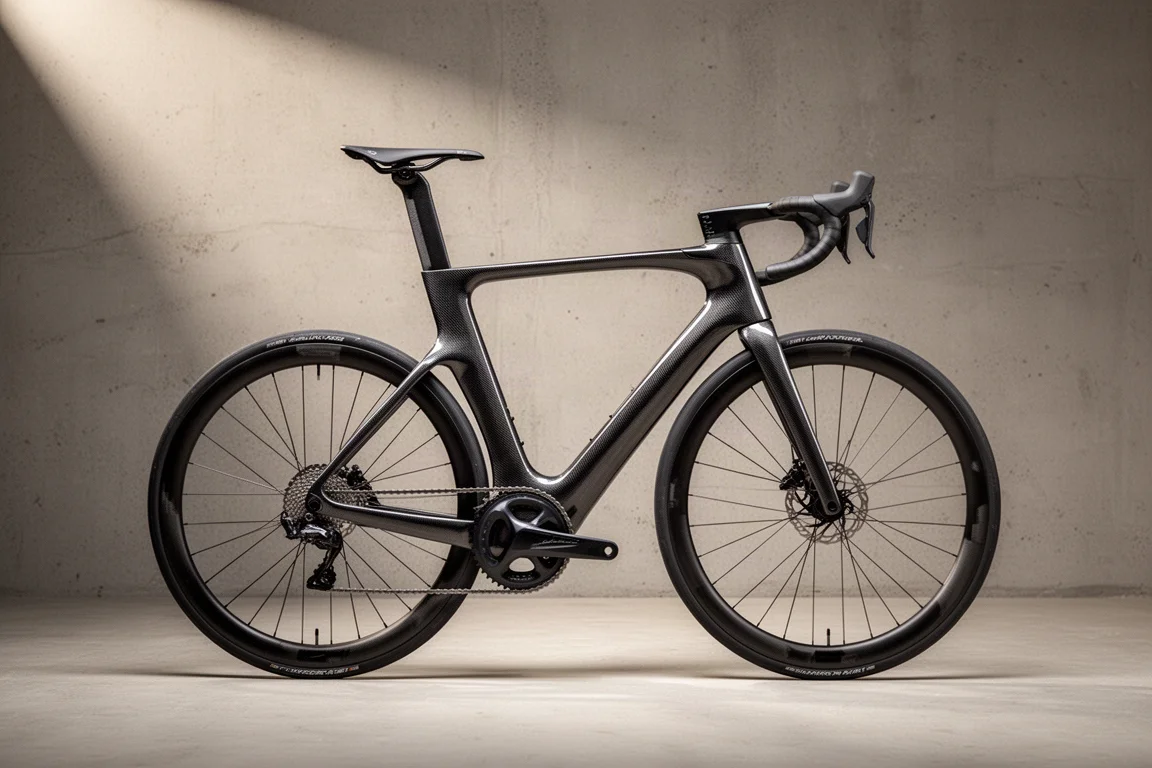
A carbon road race bike with a purpose-built frame, carbon disc wheels and Shimano Ultegra Di2, and a ride quality that makes its price point look very sharp.
Introduction
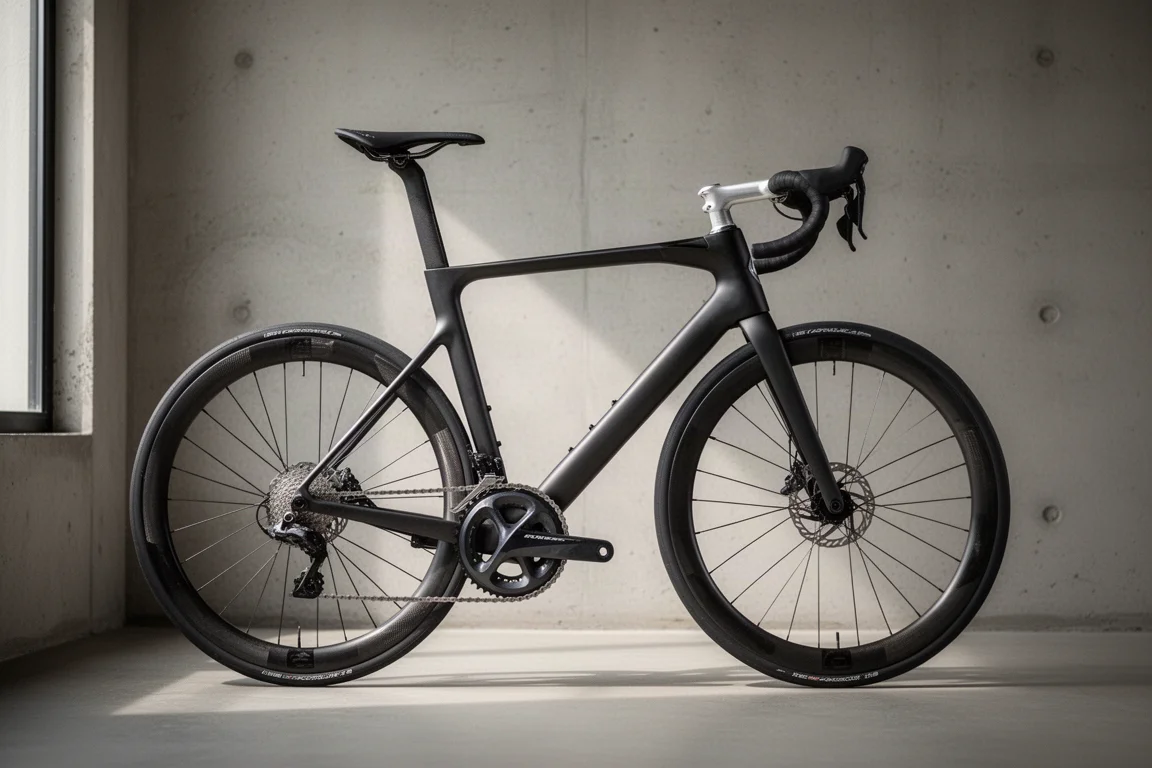
The Vitus Vitesse EVO is a carbon road race bike that picked up an Editor’s Choice award, the kind of recognition reserved for bikes that score 4.5 or 5 out of 5. That rating matters because it points to something more useful than headline specifications: a bike that is genuinely good to ride, not merely good on a spec sheet.
What makes the Vitesse EVO interesting is how it reaches that level. The frame was designed from the ground up rather than bought as an open mould and badged, and the build pairs carbon disc wheels with Shimano Ultegra Di2. Comparable specifications from larger brands frequently cost one to two thousand more.
This review looks at who the bike suits, where it performs best, and the details worth checking before you commit.
Who This Bike Is For
This is a bike for performance-oriented riders. That includes racers, but it also includes anyone chasing personal bests on local climbs and wanting a machine that rewards hard efforts rather than merely tolerating them.
It is also aimed at riders who want a little luxury in the build. Electronic shifting is part of the appeal here, and the bike is positioned for someone with a bit extra to spend who still wants to maximise what that money buys straight out of the box.

It is worth knowing that a 105 version of the same bike exists, and it arguably offers a better performance-to-price ratio. Ultegra and 105 are very similar in real-world function, so a strong rider will not lose much by choosing the lower tier and putting the savings elsewhere. The Ultegra Di2 model suits riders who specifically want the more exclusive build.
Main Strengths
The Vitesse EVO impresses through a combination of factors rather than one standout number. Ride quality is exceptional for the money, and the specification is unusually generous for the price.
Frame, Geometry, and Ride Quality
Vitus designed this frame from scratch, and the company claims it is lighter and stiffer than the previous generation. Those claims cannot be independently verified here, but the ride character is easy to describe: lively, sprightly, and confident in both directions. It handles descents as happily as it climbs.
The frame also takes tires up to 30mm. With internal rim widths of 21mm or 22mm becoming common, a 28mm tire can measure close to 30mm once mounted, so the extra clearance is a genuine benefit rather than a number on a page. Chainstays sit at 410mm, which is not the shortest rear end available but contributes to the responsive feel.
There is a broader point about comfort. The brand’s aero bike is noticeably more rigid and transmits more vibration over rough roads. The Vitesse EVO takes a softer approach, staying planted without feeling harsh, and that balance is the more pleasant one to live with over long rides.
Climbing and All-Round Performance
Climbing is where this bike is at its most impressive. Under hard, high-torque efforts there was no detectable flex from the bottom bracket or the rear end. A small amount of movement could be felt at the front under maximum torque in a very low gear, though it was not enough to undermine confidence.
On the flat, the shallow-section wheels limit the rolling, ticking-over sensation that deep rims provide. That is a wheel characteristic rather than a frame limitation.

Fit a deeper wheelset and the picture changes considerably. In that configuration the bike becomes an excellent all-rounder, and it did not feel at a disadvantage against riders on dedicated aero frames. Most of the aerodynamic benefit at this level comes from the wheels rather than the frame, so the final step up to an aero frame delivers less than the step up to deeper rims.
Wheels, Tires, and Drivetrain
Carbon wheels at this price point are genuinely unusual. Some bikes costing a thousand more still arrive with alloy wheels, so undercutting on price while supplying carbon rims is a meaningful achievement. The wheels here are Reynolds AR29 DB disc wheels, 30mm deep, 21mm internally and 29.5mm externally, paired with 25mm Schwalbe Pro One tires. For riders who follow the 105 percent rule, that combination works out almost exactly.
The trade-off is the hooked rim profile, which means the transition between tire and rim is not especially smooth. There is also a positioning issue: the wheelset weighs around 1.5kg, which is a halfway house. Similar money spent elsewhere buys a wheelset of roughly the same weight but almost twice the depth, and those deeper options would make the bike more of an all-rounder without hurting climbing performance.
The groupset is Shimano Ultegra Di2, the R8000 generation, with hydraulic disc brakes. Shifting speed is excellent and accuracy across the cassette and chainrings is consistent. Braking never felt wanting on any descent. Because the hydraulic lines and electronic cables are in place, routine cable replacement is not part of the maintenance picture. Across the six bikes in the range, only two use mechanical shifting.
Things to Consider Before Buying
Sizing deserves attention. The bike sizes up a little larger than the brand’s own guidance suggests. A rider measuring 177cm sat right at the top end of one size, and choosing the smaller option turned out to be the right call. It is worth comparing the geometry numbers carefully rather than sizing up on assumption.
The front end showed a small amount of flex during maximum-torque efforts in very low gears. For most riding this will not register, but riders who spend a lot of time grinding up steep gradients should note it.
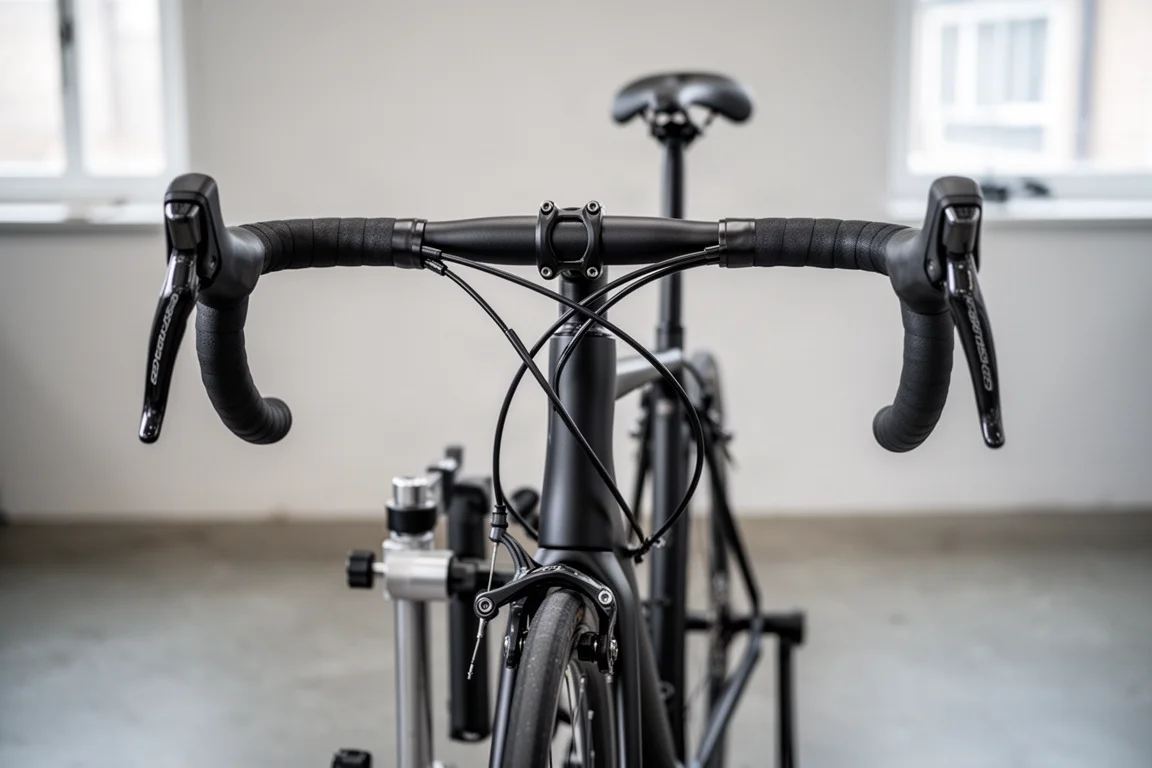
Cable routing is another point of debate. Cables run externally at the bar and stem before passing through the frame. Some riders prefer that for maintenance access, while others see it as a halfway solution: once cables are routed through the frame, the additional work of fully internal routing is not dramatically greater. Riders who dislike compromise here may prefer a fully external or fully internal setup.
The Ultegra Di2 R8000 generation is also worth weighing. It remains an excellent groupset and performs no worse for its age, but newer electronic groupsets from Shimano and SRAM have arrived since, which makes this generation look dated on paper. Updated models of this bike are likely to follow the same value-led approach.
On the plus side, the frame avoids proprietary components. A 27.2mm round seatpost and a separate stem and handlebar make it easy and inexpensive to experiment with saddle setback, stem length and bar shape. That is a real advantage when dialling in fit.
How It Compares on Value
At this price, the bike is not trying to be the lightest or most aerodynamic climbing bike on the market, and it does not need to be. It is closer to the logic of choosing Ultegra over Dura-Ace: functionally excellent, not the absolute pinnacle, and considerably cheaper.
That framing holds up against far more expensive machinery. Riding a world tour specification bike costing more than twice as much in the same period produced only marginal differences in performance. The gap between the two is real but small, and at this level results depend far more on the rider than on the frame underneath them.
Buying Advice
The strongest case for the Vitesse EVO is the combination of a purpose-built frame, carbon wheels and electronic shifting at a price that larger brands struggle to match. If that package appeals, the bike delivers on it.
Consider how you ride before choosing a version. The 105 model offers the better performance-to-price ratio for most riders, while the Ultegra Di2 build suits anyone who wants the more premium feel. Either way, check the sizing against the geometry chart rather than the suggested range.
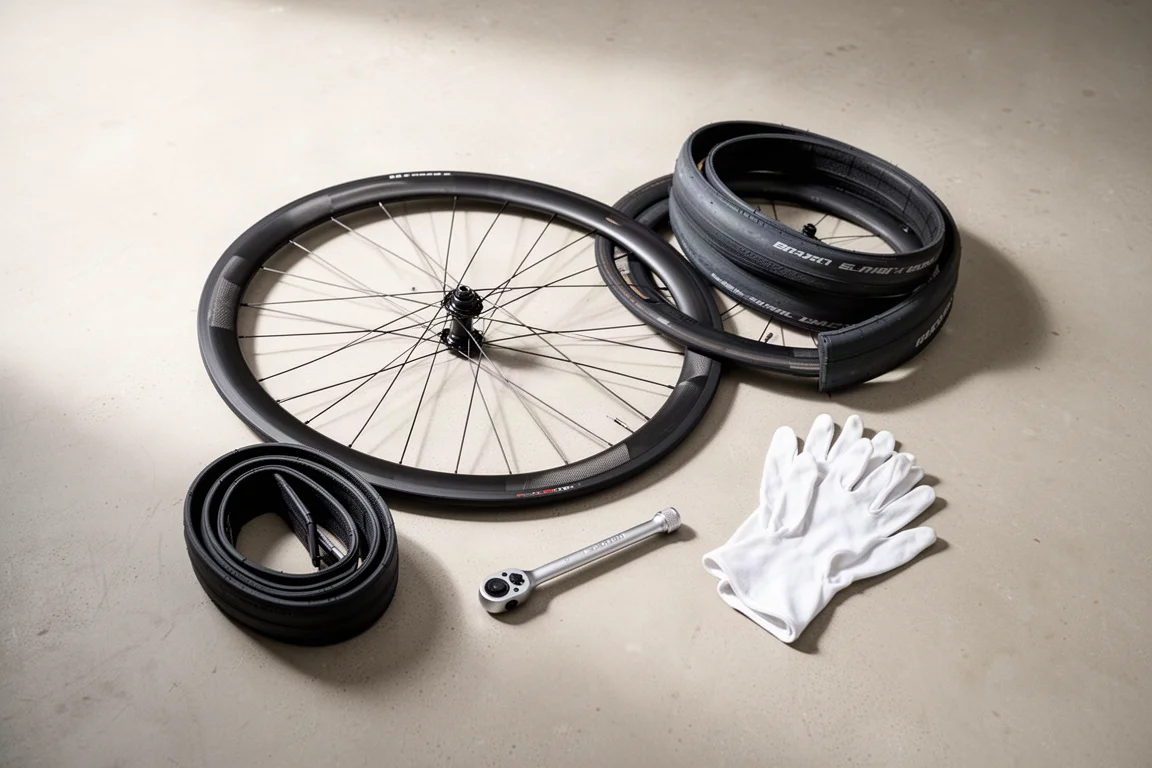
If flat speed matters to you, budget for a deeper wheelset. Because the stock bike is priced so competitively, adding deeper rims can still land you below the equivalent build from a bigger brand, and the result is a more balanced machine that climbs just as well as it did before.
Conclusion
The Vitus Vitesse EVO earns its award through a combination of ride quality and value that is difficult to find elsewhere. It climbs brilliantly, handles with confidence, and avoids the harshness that stiffer race frames often bring. Its limitations, mainly the halfway-house wheels and the semi-internal cable routing, are the kind of trade-offs that come with the price, and both have clear workarounds. For a performance-focused rider who wants electronic shifting without paying flagship money, it is a compelling choice.
Product link
View more details for Vitus Vitesse Evo
This product is mentioned in the review. Check the specifications, options, and compatibility before buying.
View more details for Vitus Vitesse EvoFurther reading
Related Reviews

Road Bikes
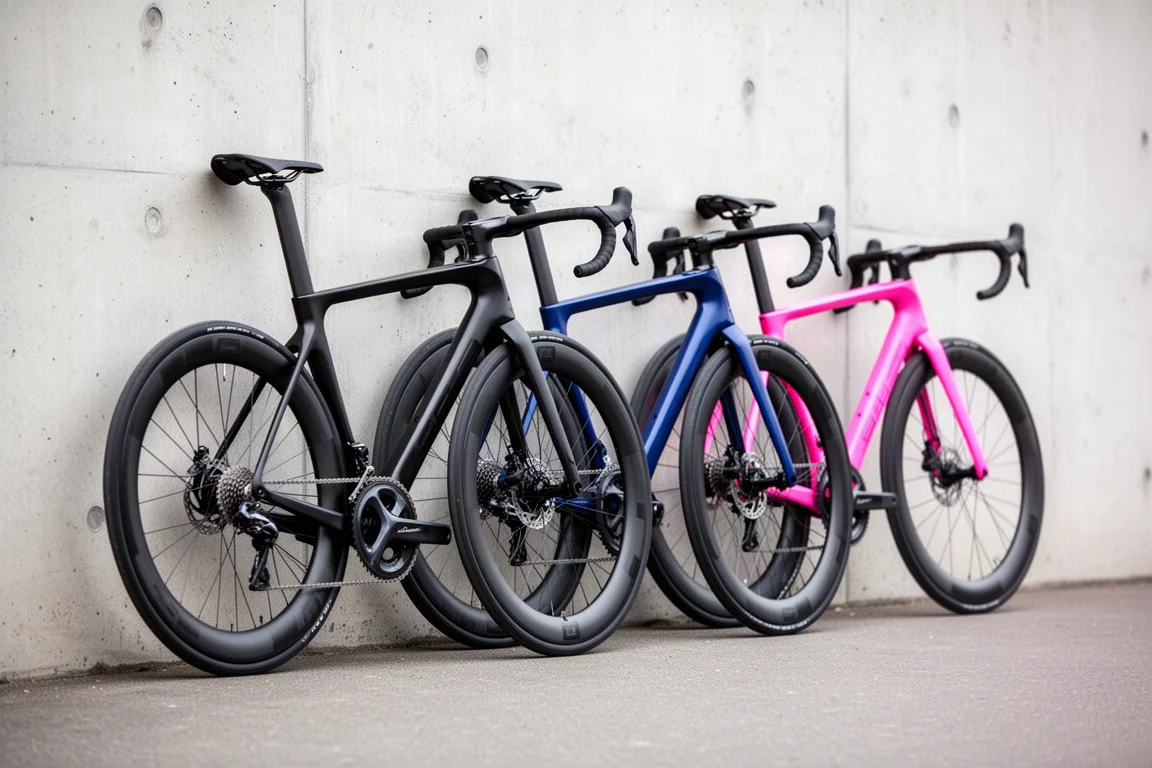
10 New Road Bikes Worth Watching: Aero, Titanium, Steel and Endurance Standouts
A practical roundup of 10 new road bikes, from aero flagships chasing single-watt gains to titanium, steel and endurance platforms built for real roads.
Road Bikes
2026 Tour de France Road Bikes: Six Race Machines Worth a Closer Look
Six race bikes from the 2026 Tour de France grid, reviewed for paint, silhouette, wheels and the specification details that matter to buyers.
Road Bikes
3T Strada Italia Review: A Radical Aero Road Bike That Rides Smooth
A made in Italy carbon aero road bike with a deep head tube, wide tire clearance and a genuinely comfortable ride. Here is what to know before buying.