Road Bike Tires
Vittoria Corsa Next Review: Choosing the Right Road Tire Width
A closer look at Vittoria's Corsa Next road tire, what the nylon casing and extra puncture protection bring, and how to choose between 28 mm, 32 mm, and wider.
Introduction
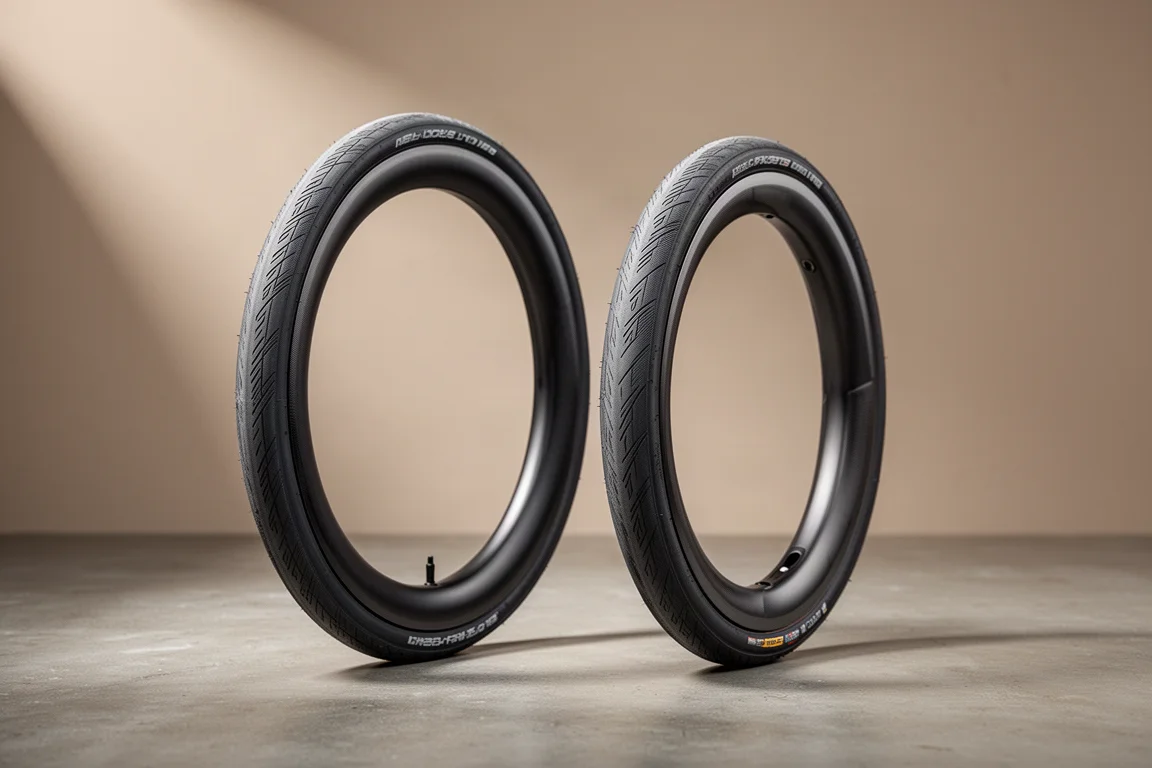
Few component choices change how a road bike rides as much as the tires. Over the past decade the peloton has moved from 23 mm to 25 mm and now, for the most part, to 28 mm, even among riders who care most about weight and speed. That shift is a useful signal for everyone else, and it is the context behind Vittoria’s new performance road tire, the Corsa Next, which is offered in widths up to 34 mm in 2 mm increments.
That range matters because it lets a rider choose a width for a specific type of riding rather than accepting whatever came on the bike. This review looks at what the Corsa Next is designed to do, where it makes the most sense, and what to weigh before buying.
Who this product is for
The Corsa Next is aimed at riders who want a fast road tire that also lasts. It is Vittoria’s first high performance road tire to use a nylon casing rather than the cotton casing used on the Corsa Speed, a construction said to increase tire life and improve durability. An additional layer of puncture protection is part of the design, and a new rubber compound is intended to keep speed and grip high.
Because the line runs from narrow widths up to 34 mm, it suits more than one kind of rider. Someone chasing speed on good tarmac can stay on a narrower size, while a rider who wants comfort on rougher roads or a bit more capability on mixed surfaces can move up the range without switching to a different tire model.
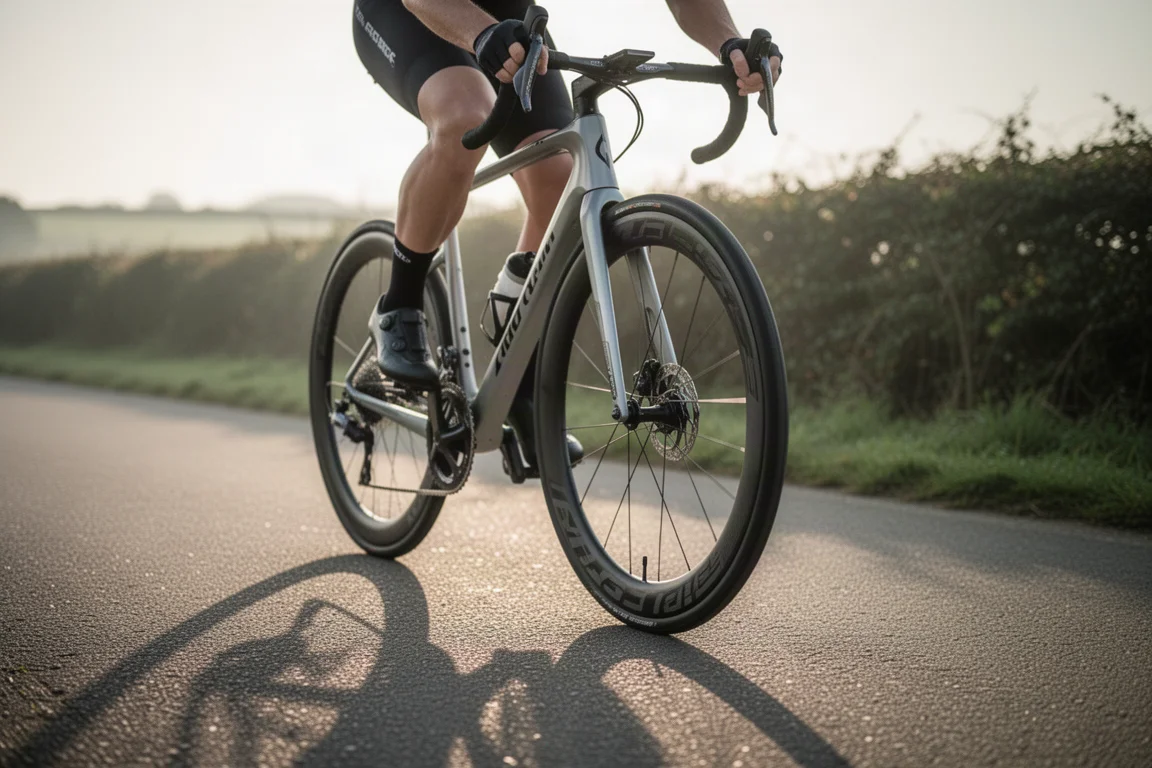
One detail worth knowing: Vittoria reduced the nominal size of these tires to account for modern wide rims, so a tire fitted to a contemporary wheel should measure close to what the sidewall states.
Main strengths
The headline change is the casing. Moving from cotton to nylon is said to increase tire life and improve durability, which addresses the usual complaint about soft, fast race tires: they wear out quickly.
Puncture protection is the second pillar. A dedicated protective layer sits under the tread, and when the tire is run tubeless the greater air volume of a wider size adds resistance to impact punctures. Lower pressures also mean sealant is less likely to be forced out of a puncture, giving a better chance of sealing and fewer roadside stops.
Grip and speed come from the new rubber compound, which is designed to keep rolling quick while holding on in corners.
Ride feel and handling
Width changes handling, and the difference is noticeable when riding sizes back to back. Wider tires make a bike feel more stable and less twitchy, and they add capability on bumpy surfaces and light gravel. Narrower tires feel faster and more agile.
Comfort is the other clear gain. A wider tire at lower pressure smooths out coarse tarmac in a way that is easy to feel on longer rides, especially on roads that are far from perfectly smooth.
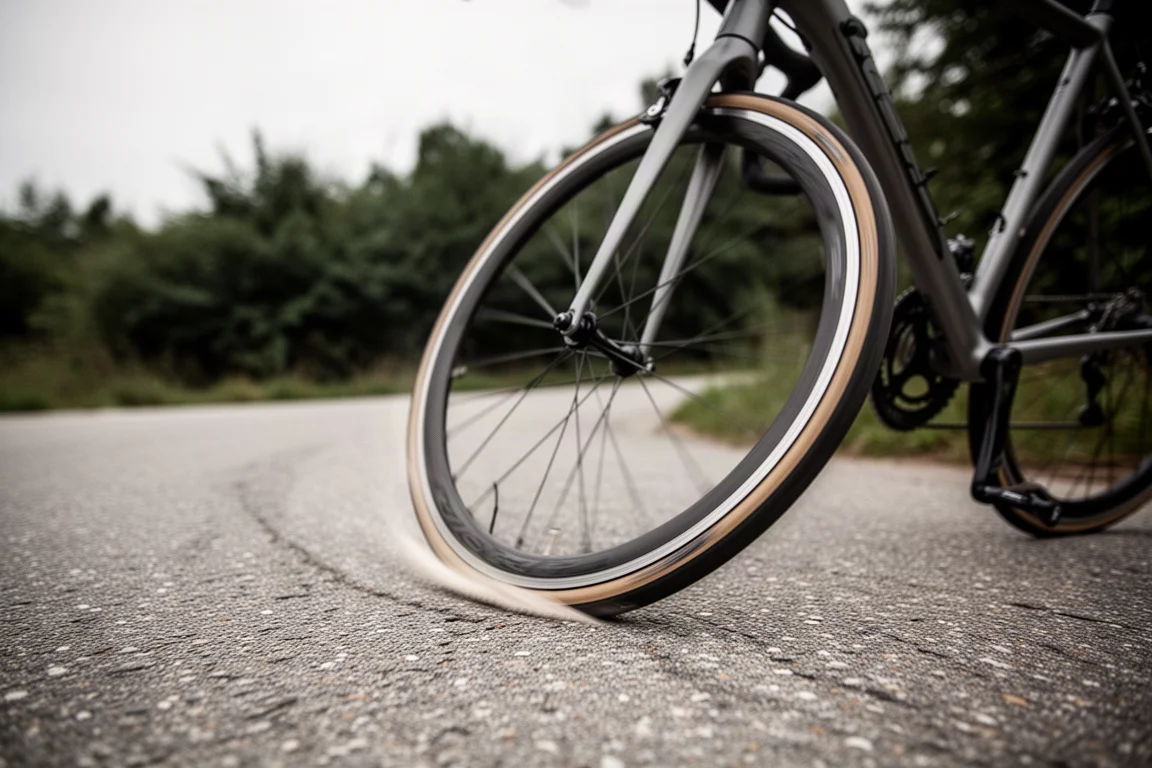
Riders who switch between sizes often find the wider option simply more relaxed to live with, while the narrower option rewards a sharper, more performance-focused style.
Things to consider before buying
Wider is not free. In the tubular setup used for comparison, moving up a size added about 26 g per tire, and wider tires are generally a little less aerodynamic, particularly when paired with older, narrower rims that bulge the tire profile outward.
The speed picture also depends on how fast you ride. At 30 km/h a 32 mm tire was not statistically faster than a 28 mm, but it was not slower either, and it was noticeably more comfortable. At 40 km/h the 28 mm was statistically better, roughly 10 watts more efficient. Those results come from real-world road testing, so they carry normal variation, and the rider involved weighed 75 kg. What suits one rider may not suit another.
Heavier riders using modern hookless rims face a pressure ceiling of 73 psi. Moving up a tire size is a practical way to gain air volume and comfort within that limit.
Tire width and pressure
Pressure is the part most riders get wrong. Rolling resistance falls with less casing deformation, which argues for high pressure, but vibration losses on rough tarmac are far larger, measured in tens of watts rather than the couple of watts at stake in casing friction. Lower pressure is the fix, and wider tires make lower pressure viable.
In the test runs, a 28 mm tire was set at around 60 psi and a 32 mm at around 45 psi. Average power at 30 km/h on the 28 mm was 154.5 watts with about 5 watts of variation, and 343 watts at 40 km/h with about 7 watts of variation. The takeaway is not a single magic width but a relationship: the rougher the road, the more a wider tire at lower pressure gives back.
If your roads are smooth, or you ride on a velodrome, there is little to gain from lower pressure and you can simply run higher pressures.
Buying advice
Match the width to the riding you actually do. If you want to go as fast as possible on decent tarmac, a 28 mm tire is a strong default, especially with modern wide rims that are designed around wider tires and carry almost no aerodynamic penalty at that size. If you are still on older, narrower rims, a narrower tire such as a 25 mm is likely to be quicker.
If comfort and ease matter more than outright speed, or your local roads are rough, going wider is the better call. A 32 mm or 34 mm tire softens the ride, adds stability, and opens up light gravel and bumpy surfaces without changing the character of the bike too much.
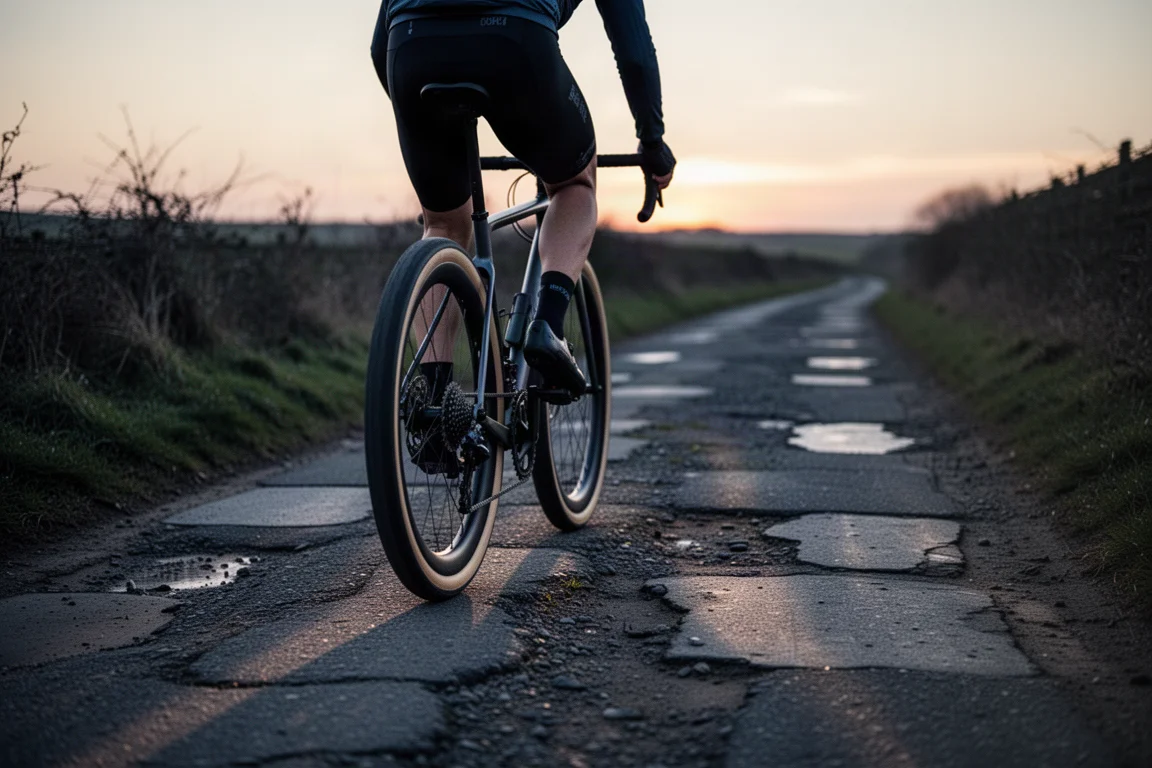
Whatever width you choose, the Corsa Next is worth considering when your current tires wear out and you want a fast road tire with durability and puncture protection built in rather than a race-only casing.
Conclusion
Tire width is one of the most consequential choices on a road bike, and the evidence points in two directions at once: wider tires can be just as quick at moderate speeds and are clearly more comfortable, while narrower tires still hold an advantage at higher speeds on good tarmac. The Vittoria Corsa Next makes that decision easier by covering a wide spread of widths, from narrow race sizes up to 34 mm, with a nylon casing, added puncture protection, and a new rubber compound aimed at keeping the tire fast and long-lived. Pick the width that matches your roads and your pace, and the tire will do the rest.
Product link
View more details for Vittoria Corsa Next
This product is mentioned in the review. Check the specifications, options, and compatibility before buying.
View more details for Vittoria Corsa NextFurther reading
Related Reviews
Road Bike Tires
Best Budget Road Bike Tires 2026: Nine 25c Tires Tested for Rolling Resistance
Nine budget road tires, all 25c and mostly around £20, went through the same rolling resistance protocol. Here is what the numbers say and which tire suits which rider.
Road Bike Tires
Best Road Bike Tires 2026: Six Options Tested From Budget to Premium
Six road tires across a wide price spread, from around £20 to £92, compared in real-world timed runs on wet roads to see what extra money actually buys.
Road Bike Tires
Best Road Bike Tires Compared: Continental GP 5000 S TR vs Vittoria Corsa Pro vs Pirelli P Zero Race RS
A back-to-back comparison of three 30 mm tubeless road tires, covering timed speed results, cornering feel, ride quality, and which one suits which rider.