Road Bike Tires
Best Budget Road Bike Tires 2026: Nine 25c Tires Tested for Rolling Resistance
Nine budget road tires, all 25c and mostly around £20, went through the same rolling resistance protocol. Here is what the numbers say and which tire suits which rider.
Introduction
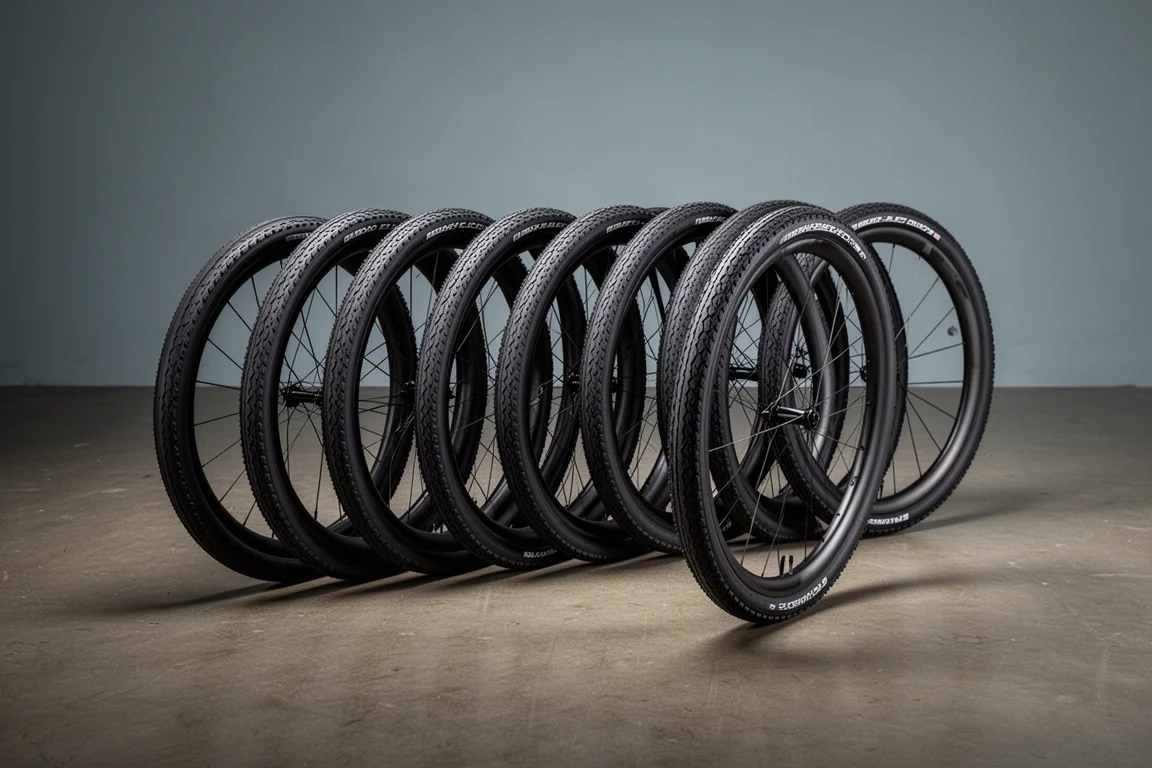
Budget road tires are the easiest component to replace and the hardest to choose. Nine popular 25c options, nearly all priced around £20 recommended retail, were run through the same rolling resistance protocol on identical wheels to find out which ones genuinely roll quickly and which ones trade speed for durability.
The spread was wide. The fastest tire in the group recorded 20.5 watts at 40 km/h, while the slowest needed 34.85 watts for the same effort, a difference of more than 14 watts. That gap matters more than any claim printed on a sidewall, so the results below are grouped by how each tire is best used: winter, all-round, or summer.
How We Tested These Budget Road Tires
Consistency was the entire point of the protocol. Every tire was a 25c, mounted on the same wheel, and inflated to exactly 90 psi with a digital gauge before each run. Width was measured on the rim so that differences in real-world size could be recorded rather than assumed.
Load was set at 40 kg on the wheel, which approximates an 80 kg rider plus bike. Temperature was monitored throughout, both the ambient temperature of the room and the sidewall temperature of the tire using a laser thermometer, because a tire running hot is a tire working harder than it should.
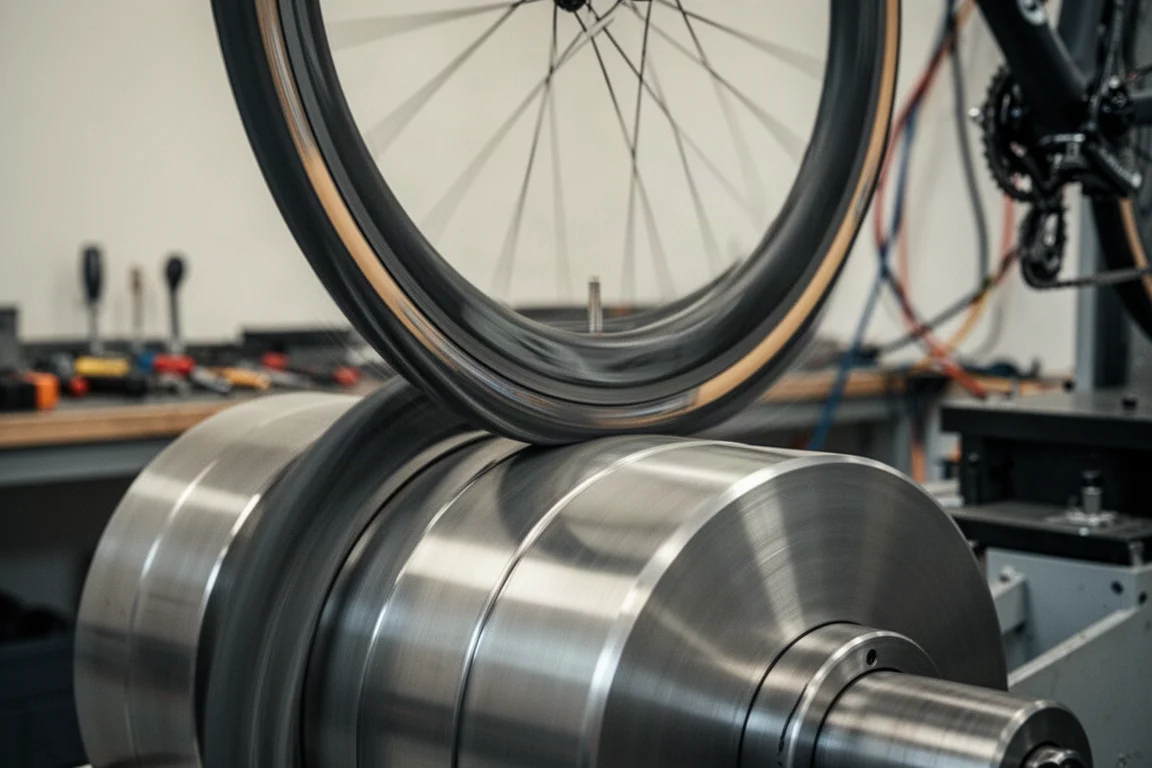
Each tire then went through a ten-minute warm-up at 40 km/h before measurement began. The testing phases ran at 24 km/h and then at 40 km/h, and the whole sequence was repeated so that the numbers could balance out. All figures quoted below are watts of resistance measured at 40 km/h.
Goodyear Eagle Sport
Goodyear is better known for car tires than for bicycle tires, but the Eagle Sport is a credible entry point. It borrows the tread pattern from the brand’s higher-end road offerings, and that pattern is deliberately simple, with no awkward nooks or crannies where stones and fragments of glass can lodge. That alone helps puncture resistance in a small but real way.
The casing uses a 60 TPI count, which sits mid-pack in this test and represents a reasonable balance between protection and ride feel. Silica and strengthening additives are built into the rubber for additional puncture resistance. The sidewalls feel notably supple and thin, which flatters the ride but leaves them a little more exposed to sidewall cuts.
On the rig it recorded 21.28 watts at 40 km/h, the second fastest result of the nine and only a fraction behind the leader. For riders who want most of the speed of a summer tire with a little more protection built in, it is a strong place to start.
Michelin Dynamic Sport
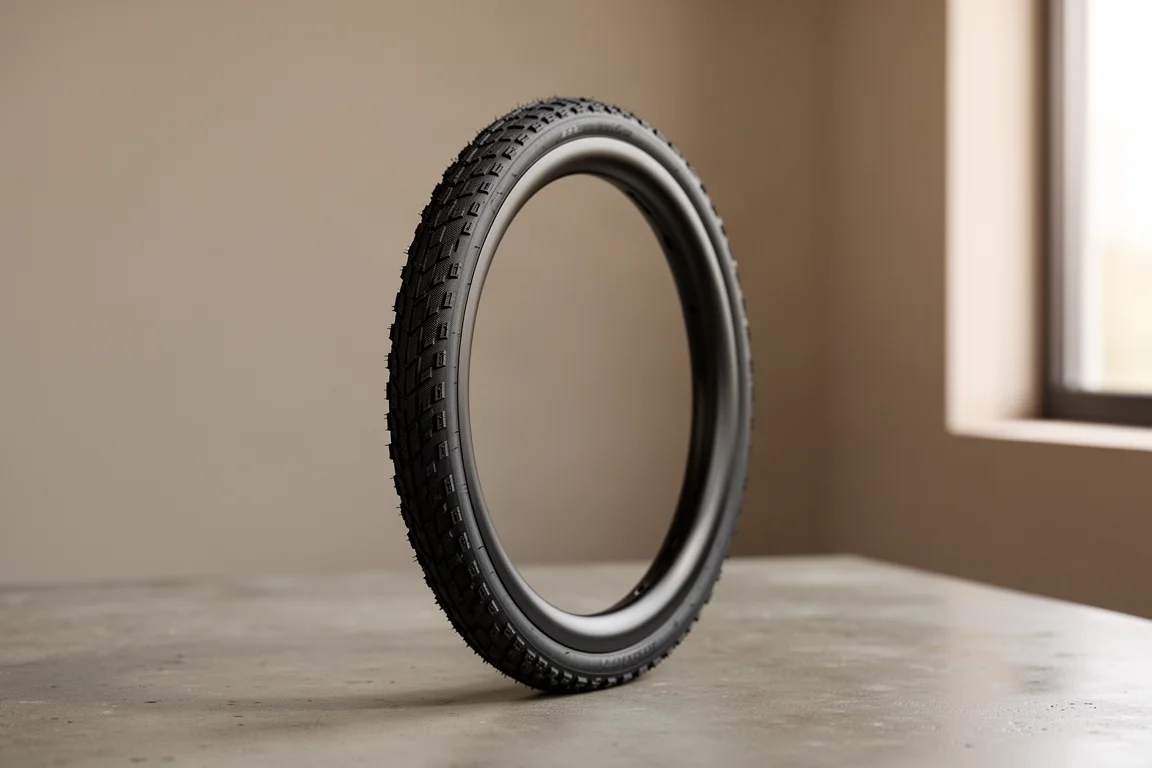
Michelin’s entry into road cycling is the Dynamic Sport, and it is one of the lightest tires here at 250 g. The casing is rated at 30 TPI, the second lowest in the group, which in theory should make it more robust at the expense of ride quality.
That trade-off showed up on the road. The ride felt flat and disconnected, and traction was limited enough that pressure had to be dropped slightly to keep the tire planted. On the rig it measured 22.99 watts at 40 km/h, roughly 1.7 watts behind the Goodyear and comfortably mid-field overall.
It is not a slow tire, and its low weight is genuinely useful. It simply asks the rider to accept a less engaging feel in exchange.
Specialized Road Sport
Specialized fits the Road Sport to its own complete bikes, so it is a tire many riders already own without having chosen it. Recent revisions added an endurance casing that runs bead to bead and a revised rubber compound intended to improve grip.
There is a sizing quirk worth knowing about. Specialized does not build a 25c in this model, only a 26c, yet on the test rim the tire measured just 24 mm once inflated, narrower than several of the nominally 25c tires alongside it. The bead-to-bead casing also stiffens the sidewalls, and the result is a firm, less supple ride.
That stiffness is the point, though. At 27.64 watts and 40 km/h it gave away more than six watts to the fastest tire, but the protection on offer makes it a sensible choice for winter riding, which is exactly where it finished in the final rankings.
Schwalbe Lugano 2 K-Guard
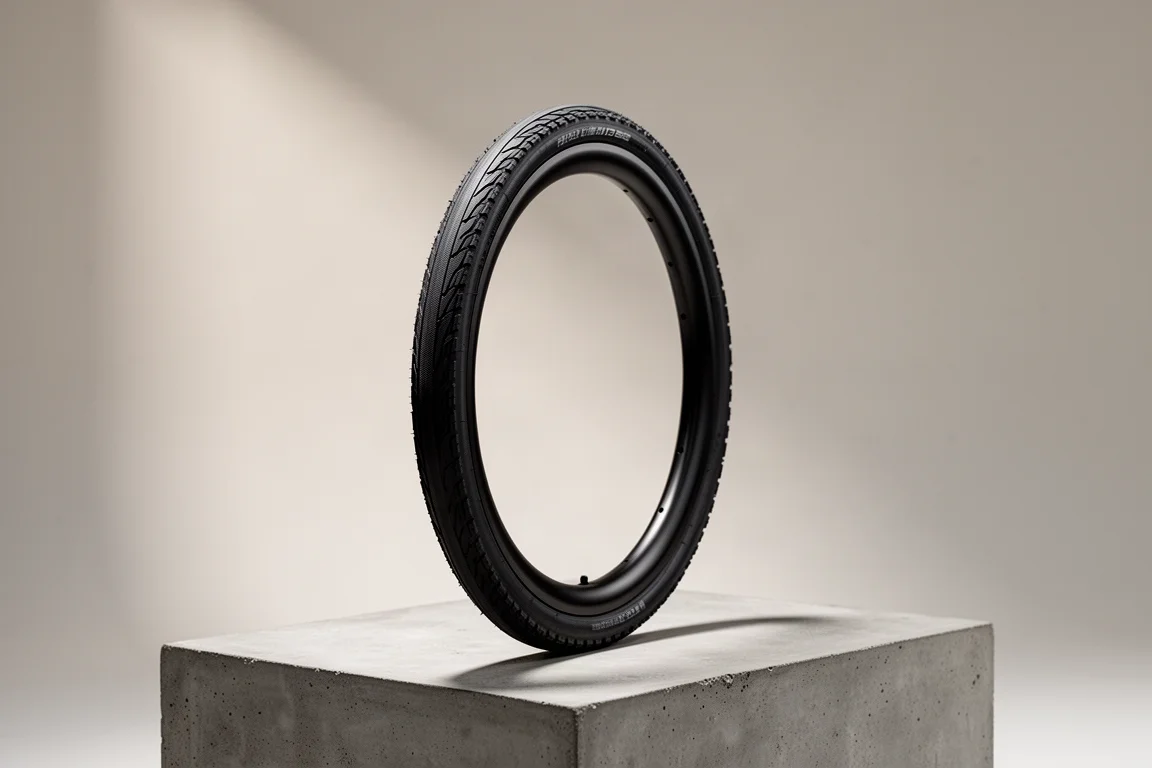
The Lugano 2 uses Schwalbe’s K-Guard construction, a layer of rubber inside the tread reinforced with kevlar. That reinforcement covers the tread only rather than running bead to bead, and the sidewalls stay soft and flexible as a result. Schwalbe itself rates the tire three out of seven on its own puncture protection scale, which is worth keeping in mind.
Two things stand out in use. The first is durability, because these tires hold up over long winter mileages and the grip is reassuring. The second is sizing: a 25c Lugano 2 measured 26.5 mm on the rim, giving a noticeably larger contact patch than the Specialized and helping explain the confident cornering feel.
Rolling resistance was the pleasant surprise. The Lugano 2 recorded 22.64 watts at 40 km/h, more than five watts quicker than the Specialized and eight watts quicker than the Lifeline Prime Race. Soft sidewalls cost some sidewall protection, but they buy real speed.
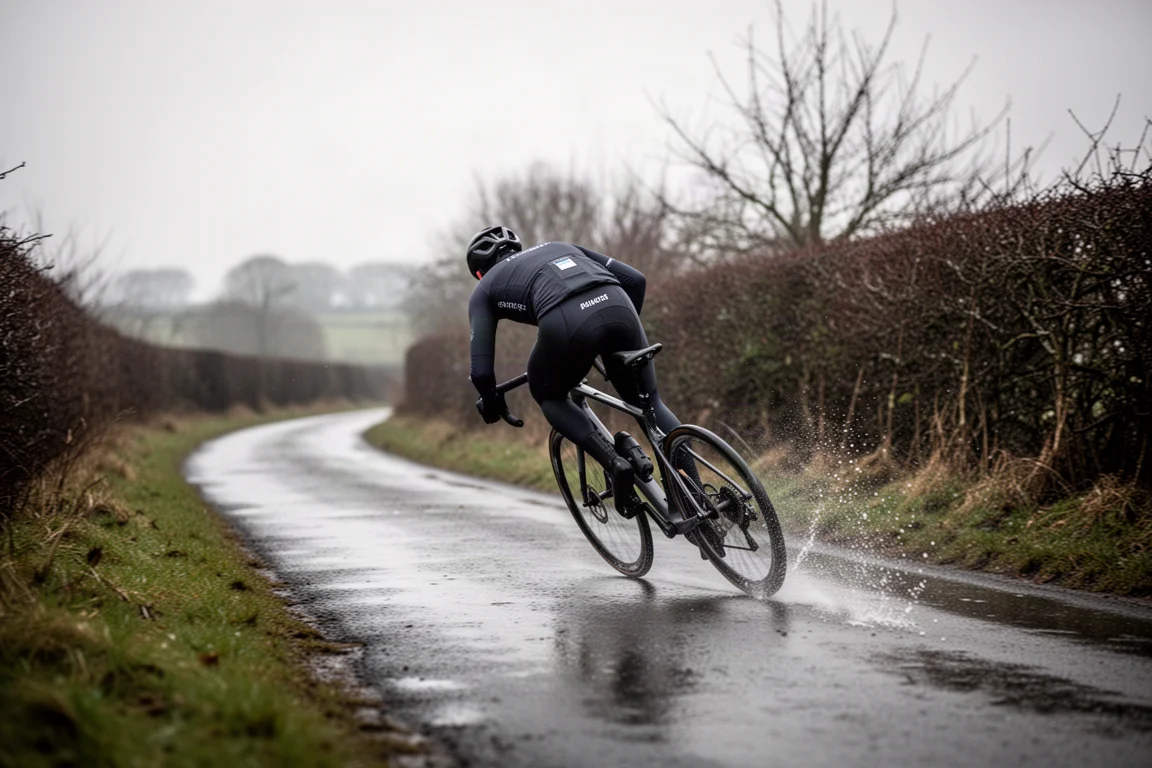
Taken together, that combination of width, grip, durability and low rolling resistance is why it won the all-round category.
Lifeline Essential Road Tire
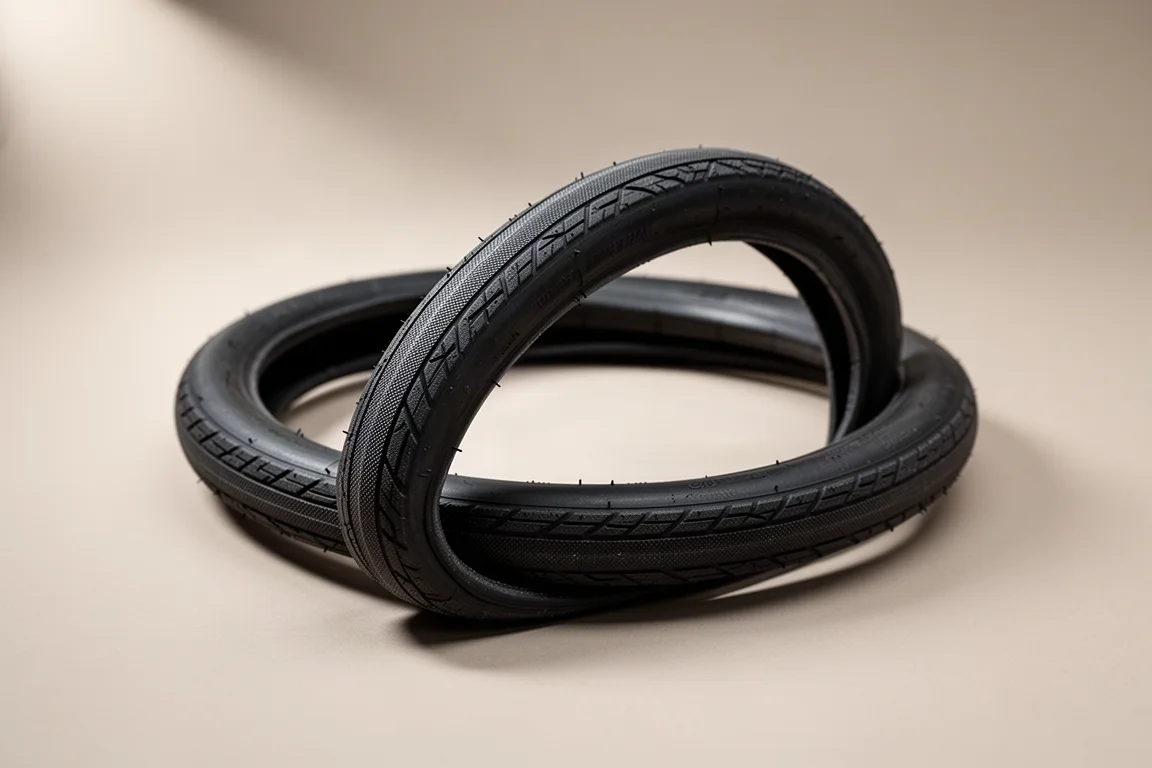
At £9.99 the Essential Road Tire is the cheapest option here by a wide margin, and it does not pretend otherwise. It uses a folding bead, a 60 TPI casing, and weighs about 280 g. The tread is directional and feels reasonably grippy, and a high density nylon layer is included to aid puncture protection.
The compromise is ride quality. The casing transmits a lot of road texture, and the tire feels draggy under power, which the numbers confirm at 30.84 watts and 40 km/h, the slowest result in the test apart from the Prime Race and Prime Armor.
For a rider who needs a functional tire at the lowest possible cost, it will get the job done. It should not be bought expecting speed or refinement.
Continental Ultra Sport III
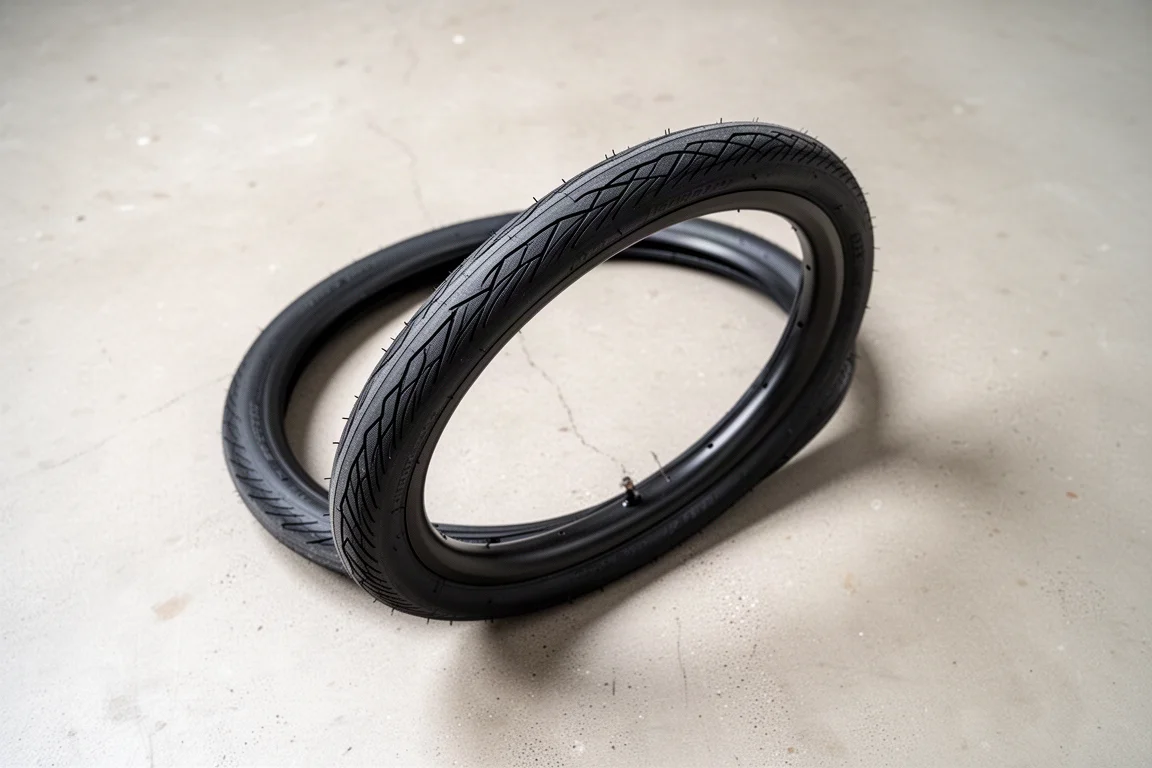
Continental’s third-generation Ultra Sport is the standout of this test. Its 180 TPI casing is the highest count of any tire here, and it shows immediately on the road, feeling quick and communicative in both dry and wet conditions.
What it does not have is built-in puncture protection. Continental has clearly built this as a summer tire, and judged on that brief it is close to ideal. On the rig it recorded 20.5 watts at 40 km/h, the fastest figure of the nine and a new benchmark for the group.
Riders who want outright speed on a budget and are willing to accept a higher puncture risk should look here first. Those who want a little more security should weigh it against the Goodyear, which gave away only a fraction of a watt while adding protection.
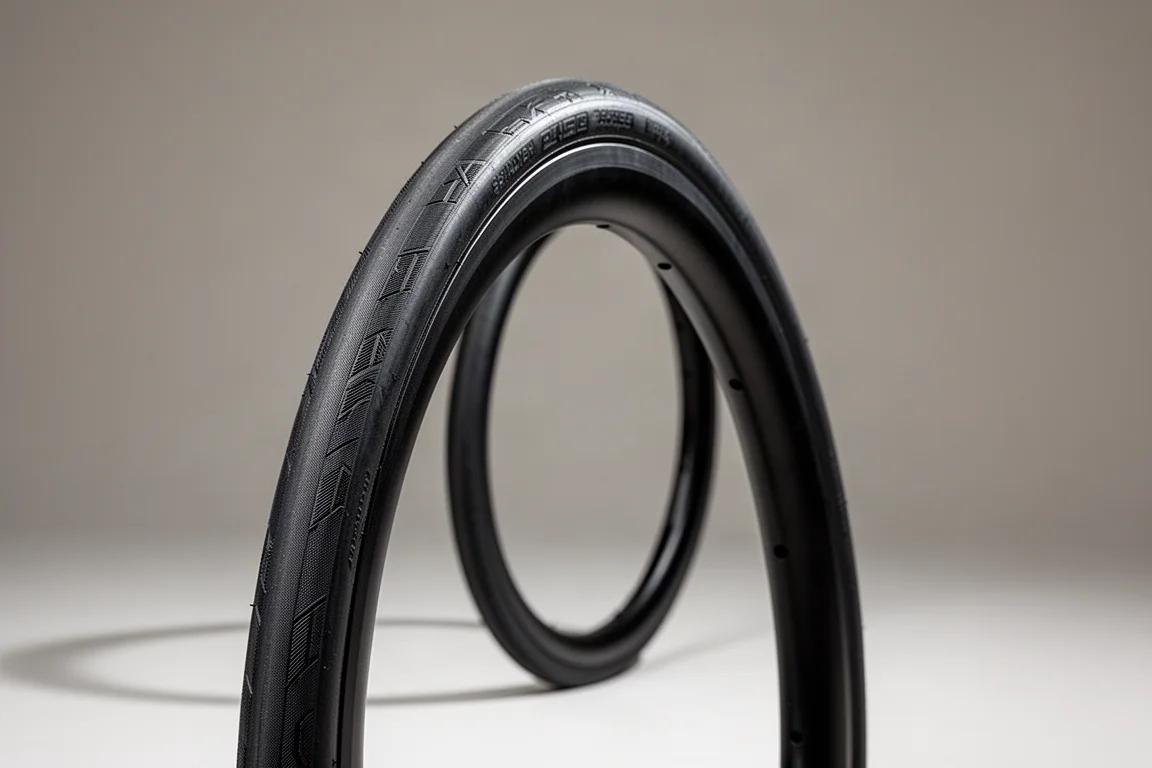
Vittoria Zaffiro
The Zaffiro is Vittoria’s entry-level road tire, and the specification sheet is modest. The casing is rated at 26 TPI, the lowest in the group, and the ride feel is unremarkable as a result.
Where it earns its place is robustness. Both the tread and the casing are notably thick, and the tire feels built to absorb the daily punishment of city riding, commuting and winter miles without complaint.
Its rolling resistance was a genuine surprise. At 23.46 watts and 40 km/h it sits comfortably mid-pack, ahead of tires with more impressive specifications. Vittoria has managed to make a durable tire that still rolls reasonably quickly.
In the final rankings it took second place in the winter category, behind the Specialized Road Sport, largely because it makes no puncture protection claims of its own.
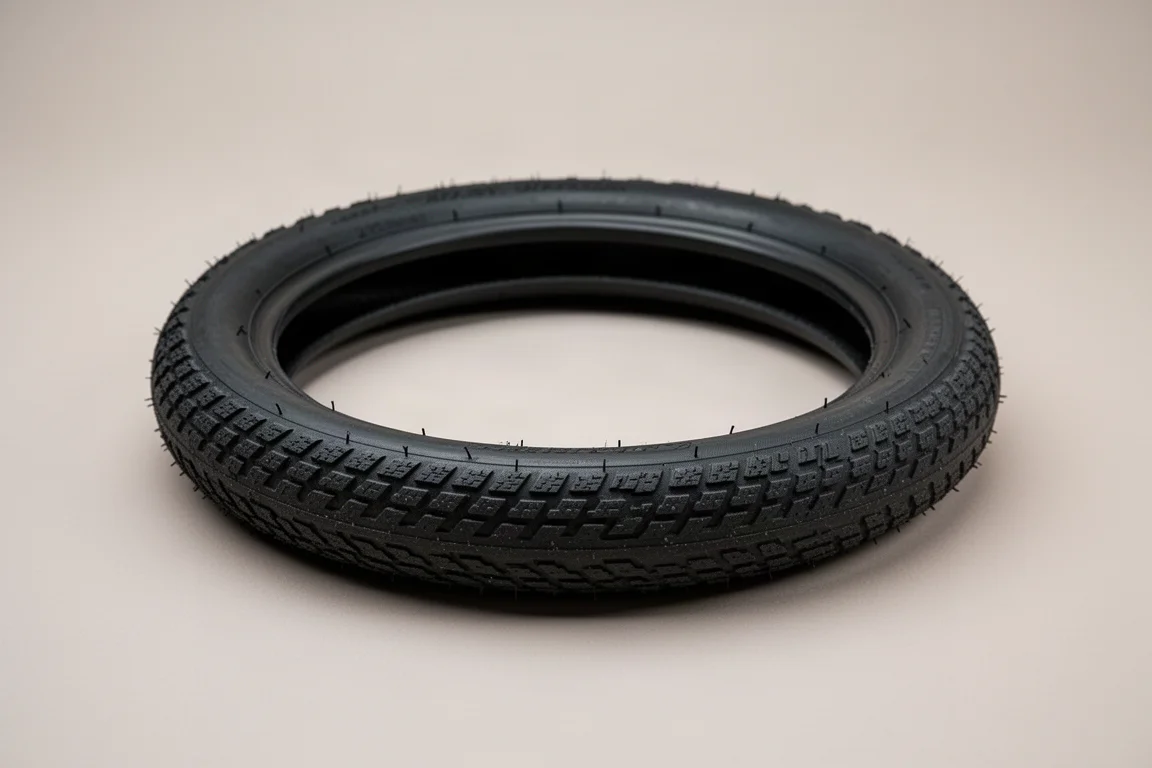
Lifeline Prime Race
The Prime Race has one of the better specification sheets in this test: a 120 TPI casing, a kevlar belt running around the centre of the tread, and a soft, grippy compound, all for £14. On paper it competes with tires costing twice as much.
On the road it felt adequate rather than special. Cornering was a highlight, with enough grip to lean on through turns without losing traction. The suggestion for anyone buying them is to choose the 28c version if frame clearance allows and run lower pressure, which softens the ride and enlarges the contact patch.
The rolling resistance result was the disappointment. At 30.85 watts and 40 km/h, the Prime Race tied with the far cheaper Essential Road Tire for joint last place, which is hard to justify given the specification and the price difference between the two.
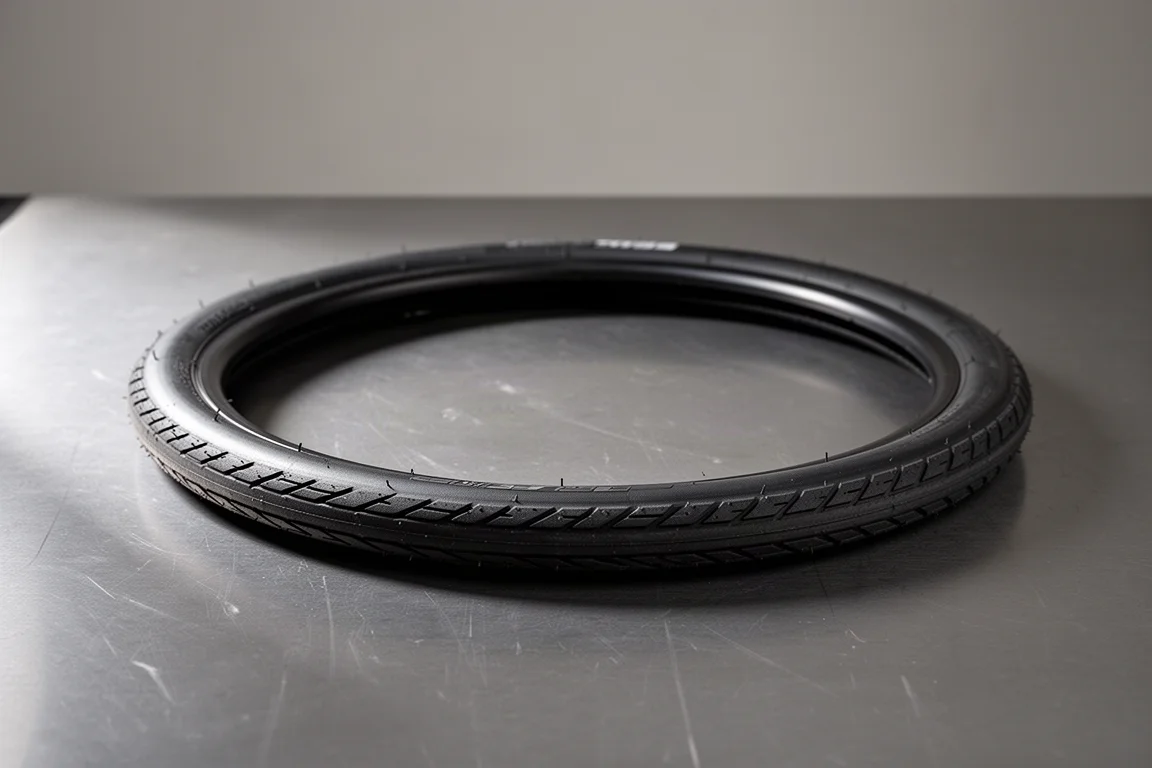
Lifeline Prime Armor
The Prime Armor is the most heavily built tire here: a 120 TPI casing, a folding bead, and kevlar reinforcement running bead to bead. It is designed for the harshest conditions a rider is likely to meet.
That construction has a cost. Our sample weighed 306 g, roughly 20 g more than claimed, and the ride is harsh, with very little feel transmitted through the casing. As with the Prime Race, a 28c version run at lower pressure would take some of the edge off and widen the contact patch.
It was also the slowest tire in the test, recording 34.85 watts at 40 km/h. There is a clear trade-off at work: this is a tire bought for puncture resistance rather than pace, and it finished third in the winter category for exactly that reason.
Buying Advice: Winter, All-Round, and Summer Picks
The results divide fairly cleanly into three groups, and the right choice depends on when and where you ride.
For winter, the Specialized Road Sport takes the top spot. Its bead-to-bead endurance casing and revised compound deliver grip and protection in equal measure, and its 27.64 watt result is a fair price to pay for that security. The Vittoria Zaffiro is a close second thanks to its thick tread and casing, though it makes no puncture protection claims of its own. The Lifeline Prime Armor is third, a genuinely tough tire that gives up a lot of ride feel in exchange.
For all-round use, the Schwalbe Lugano 2 K-Guard wins. It measures wide on the rim at 26.5 mm, grips well, lasts for years, and at 22.64 watts it is quick enough to feel lively. The Lifeline Prime Race takes second place, a strong specification let down by its rolling resistance figure. The Lifeline Essential Road Tire finishes third, which is reasonable for a tire that costs £9.99.
For summer, the Goodyear Eagle Sport and the Continental Ultra Sport III share first place, and the choice between them is a straightforward one. The Continental is the faster tire at 20.5 watts and feels superb, but has no built-in puncture protection. The Goodyear is a fraction slower at 21.28 watts and carries silica and strengthening additives in the rubber. Riders who value peace of mind should take the Goodyear; riders who want maximum speed on a budget should take the Continental. The Michelin Dynamic Sport is third, a light tire whose ride feel and limited traction hold it back.
Conclusion
Nine budget tires, one consistent protocol, and a spread of more than 14 watts between the quickest and the slowest. The Continental Ultra Sport III is the fastest of the group, the Schwalbe Lugano 2 K-Guard is the best all-rounder, and the Specialized Road Sport is the tire to choose when protection matters more than pace.
The useful takeaway is that price barely predicts performance here. A £9.99 tire finished joint last on rolling resistance, but so did a £14 tire with a much stronger specification sheet. Matching the tire to the riding you actually do will make far more difference than spending more.
Further reading
Related Reviews
Road Bike Tires
Best Road Bike Tires 2026: Six Options Tested From Budget to Premium
Six road tires across a wide price spread, from around £20 to £92, compared in real-world timed runs on wet roads to see what extra money actually buys.
Road Bike Tires
Best Road Bike Tires Compared: Continental GP 5000 S TR vs Vittoria Corsa Pro vs Pirelli P Zero Race RS
A back-to-back comparison of three 30 mm tubeless road tires, covering timed speed results, cornering feel, ride quality, and which one suits which rider.
Road Bike Tires
Cheap vs Expensive Road Bike Tires: What $10 and $100 Actually Buy You
A practical look at three road bike tires across the price range, from a $10 budget model to a $100 tubeless race tire, and where most riders should spend their money.