Road Bike Tires
Best Road Bike Tires 2026: Six Options Tested From Budget to Premium
Six road tires across a wide price spread, from around £20 to £92, compared in real-world timed runs on wet roads to see what extra money actually buys.
Introduction
Tire choice is one of the few upgrades on a road or triathlon bike that changes both how the bike feels underneath you and how fast it actually travels. There is a surprising amount of technology inside that thin black construction, and the price range across a single brand can easily triple from the cheapest option to the most expensive.
The real question is whether that extra money translates into measurable speed, or whether it is mostly marketing. Six tires spanning roughly £20 to £92 were compared in real-world timed runs on wet, windy roads, at realistic amateur power rather than professional output. The results were more dramatic than expected.
How These Tires Were Assessed
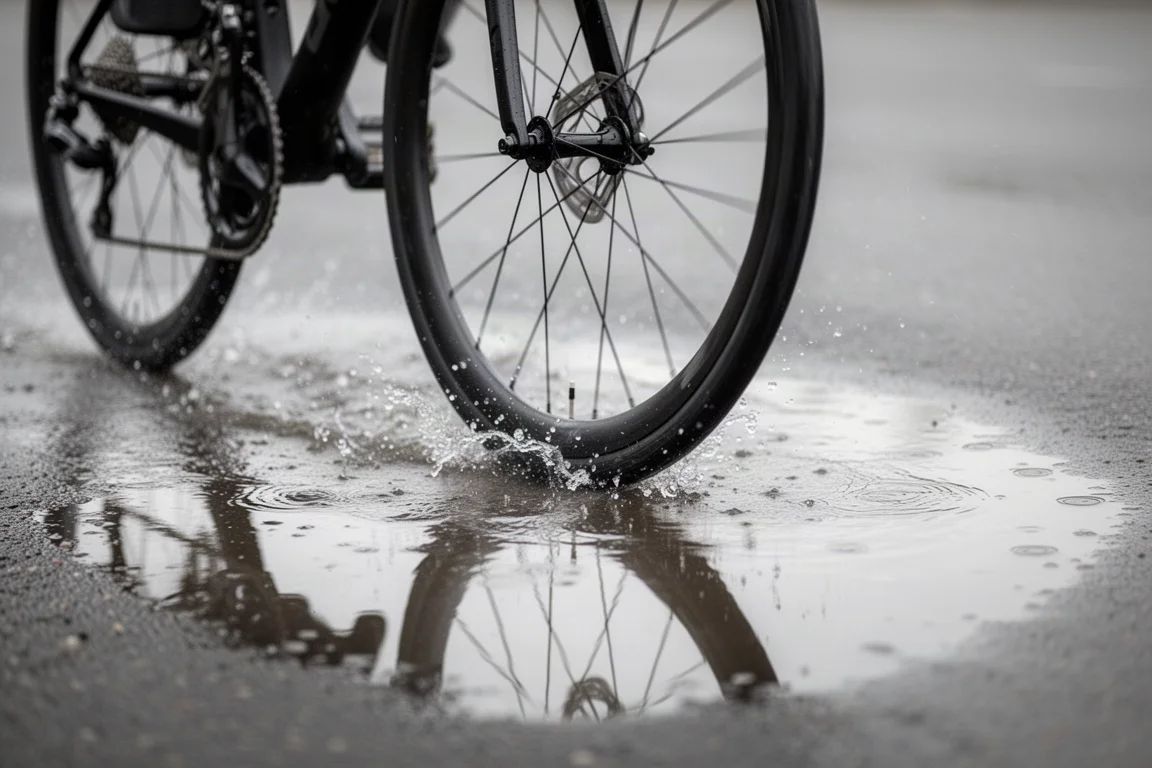
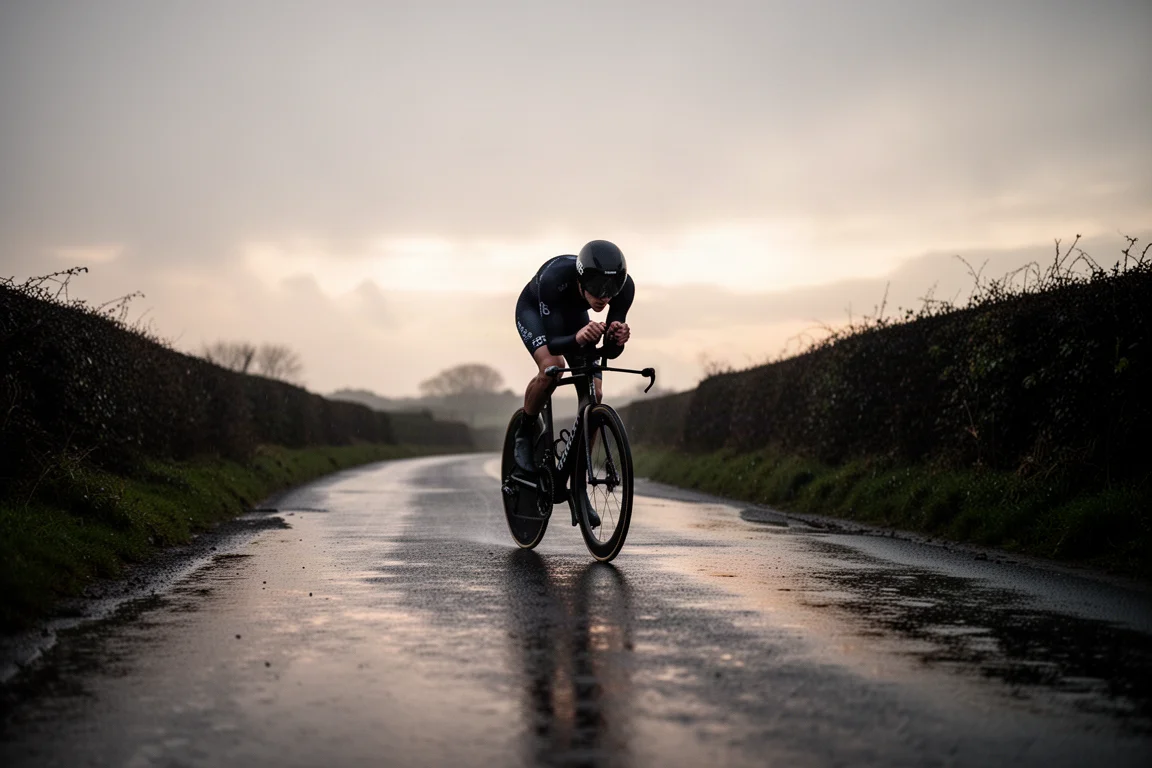
Each tire set was ridden in a time trial effort over the same course in genuinely difficult conditions: consistent wind, consistent rain, wet roads and substantial standing puddles. Power was deliberately held at a manageable amateur level, roughly 250 W to 273 W, with heart rate and elapsed time recorded for every run so the efforts could be compared fairly.
Tire pressure was set using a pressure calculator based on rider weight, bike weight and road condition. That detail turned out to matter enormously. The 25 mm tires were run at 92 PSI while the 28 mm tires were run at 77 PSI, and on a rough surface that difference alone can account for a large part of the gap between setups, which makes some of the results a guide rather than a perfectly controlled comparison.
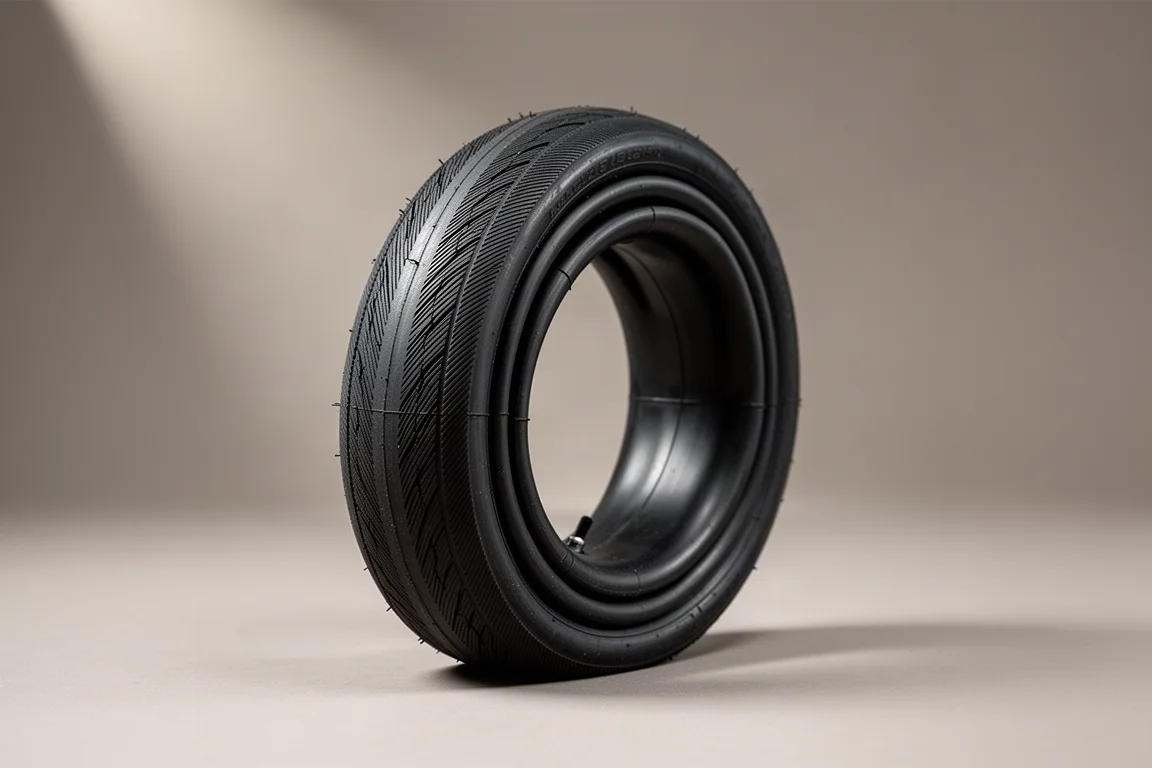
Beyond pressure, three things determine what a tire is really worth. The casing is the fabric beneath the rubber, and a more supple fabric deforms more easily over bumps. The energy lost as the tire deforms is called hysteresis, so a stiffer casing means higher hysteresis and more energy wasted. The puncture protection layer sits between the casing and the outer rubber, and the best versions stay light and flexible rather than adding weight. Finally the compound, the rubber itself, has to balance low energy loss against durability and grip.
Continental Grand Sport
The Grand Sport sits at the entry point of the Continental road range at around £30. It uses a nylon puncture protection layer, a simpler arrangement than the higher tiers, and it does not carry the aerodynamic or weight claims of the top-end tires.
That makes it a sensible everyday tire for riders who want a dependable Continental at the lowest price in the range, but the timed runs confirmed that the cheapest setups give away real time over a short course. If you are chasing a personal best rather than simply covering distance, this is the tier where the compromises are most visible.
Pirelli P7 Sport
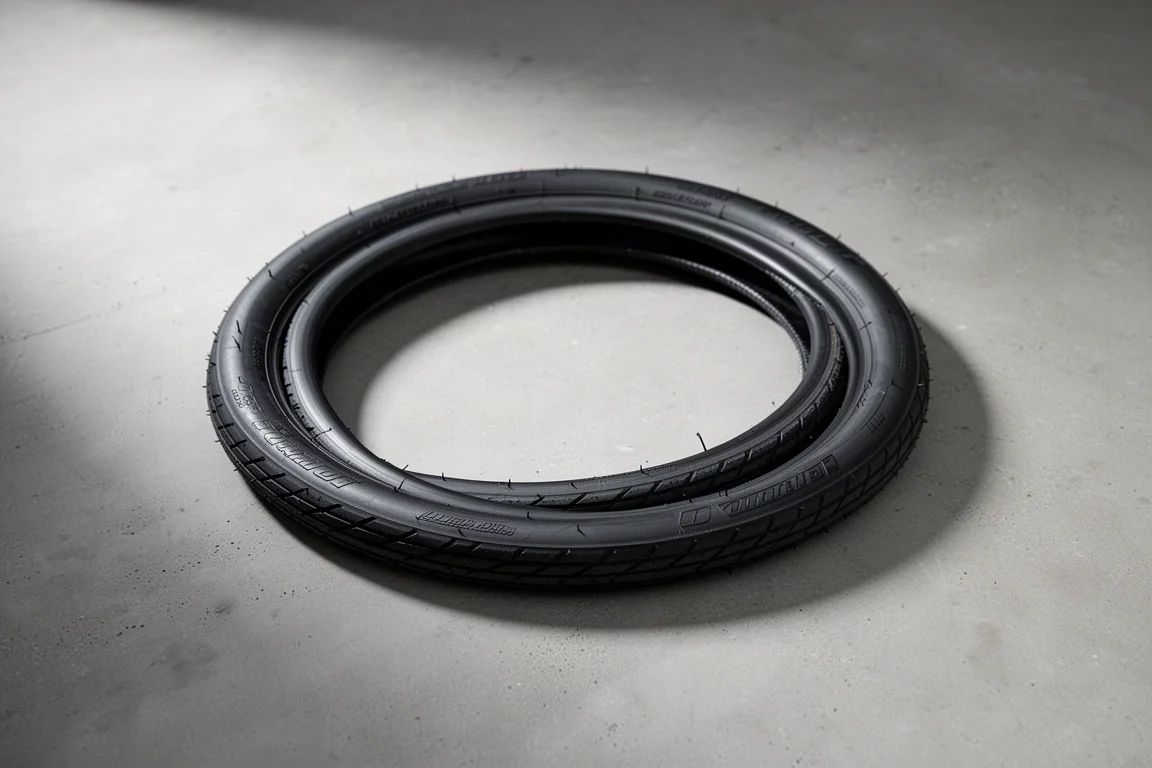
The P7 Sport is the most affordable tire in this comparison at around £20, and it is the clearest example of what a lower price buys. Its compound, casing and puncture protection are all a step below the two Pirelli tires above it, and it is the heaviest of the three.
Each step up the Pirelli range brings an improvement in compound, casing and protection along with a reduction in weight, and the timed results reflected that progression. For riders who want a low cost per tire for training miles, the P7 Sport makes sense. For anyone timing their efforts, it is the tier most likely to hold you back.
Continental Grand Prix 5000 TR
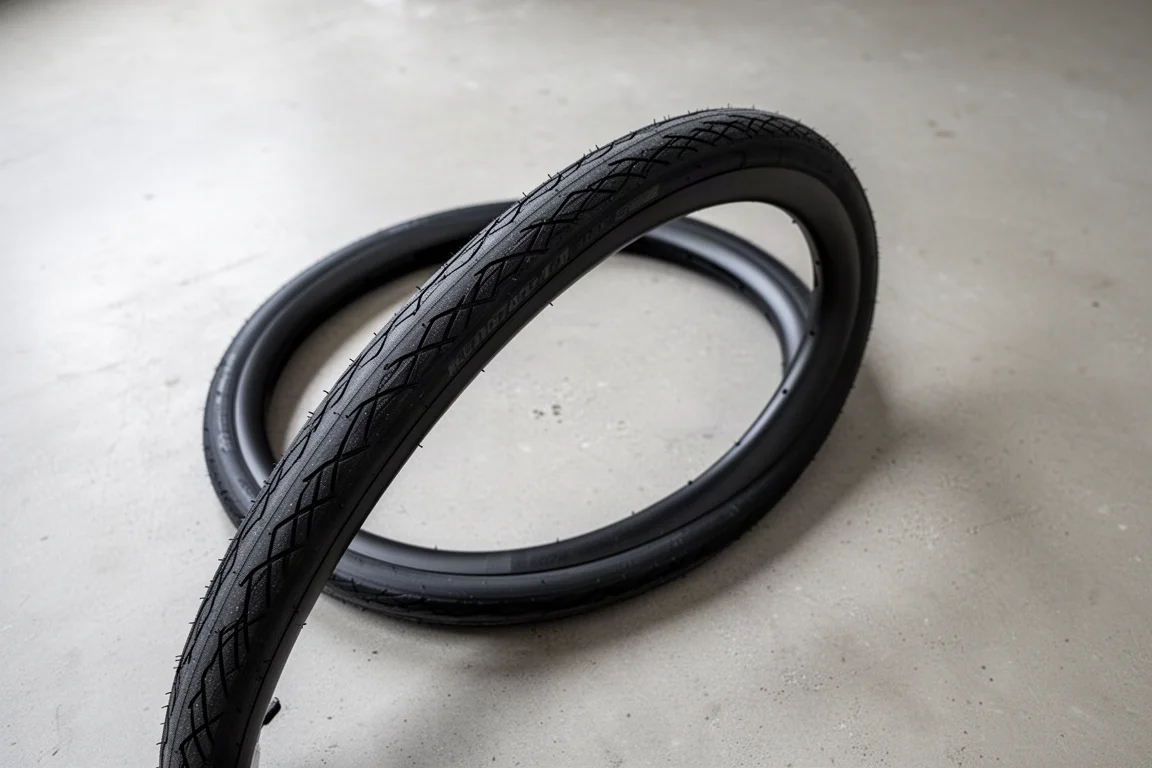
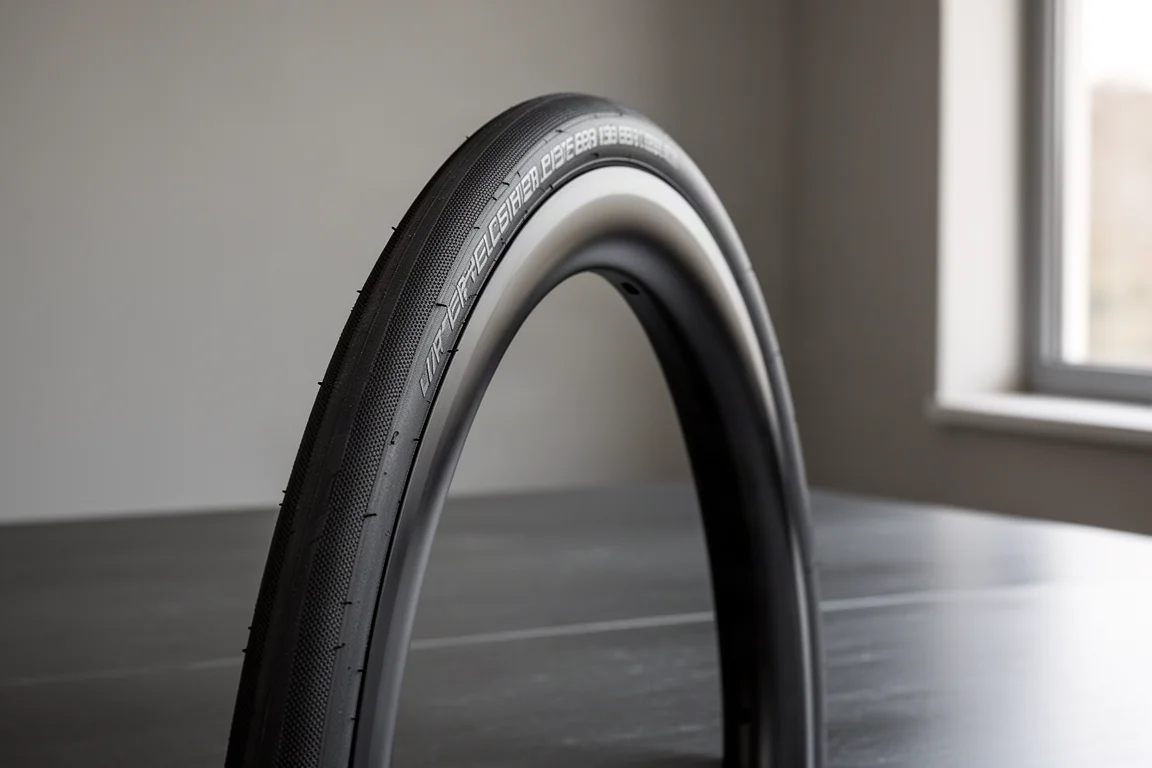
The Grand Prix 5000 TR is designed for the rear wheel and retails at around £72. Its protection layer uses what Continental call Vectran, a synthetic spider silk spun from liquid polymer that is light, strong and flexible, which is exactly the combination that keeps a tire fast without making it fragile. The rear tire also carries a laser etched microprofile tread.
That tread is not there for grip in the traditional sense. It is now well established that tread can help create laminar flow around a tire, and different tread patterns can deliver an aerodynamic advantage, which is why race-focused tires have moved away from the completely smooth surfaces that were once assumed to be fastest.
Paired with the matching front tire, this is the rear half of the most expensive combination in the test, and it formed part of the fastest setup recorded on the day. It is a tire aimed squarely at riders who are chasing time rather than simply durability.
Pirelli P Zero Race
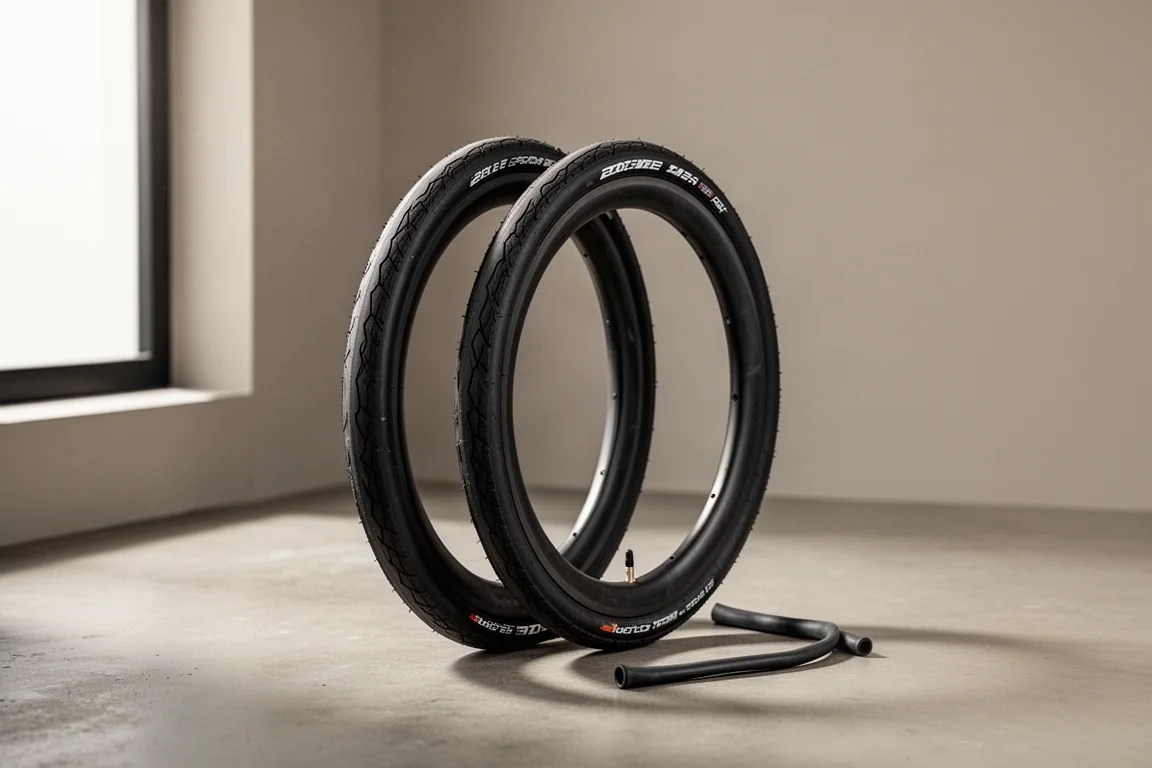
The P Zero Race is the middle of the Pirelli range at around £35, positioned above the P7 Sport with better compound, casing and protection, and below the RS tier. It is the value-focused race option in the line-up.
Interestingly, the single fastest run recorded in the test came on this mid-range Pirelli, 13 seconds quicker than the top-of-range Continental setup. That result needs a large caveat, because the Pirelli was a 28 mm tire running at 77 PSI while the Continentals were 25 mm at 92 PSI, and on that particular rough surface the width and pressure difference is likely to have been the deciding factor. It is a useful reminder that pressure and width matter as much as the badge on the sidewall.
Continental Aero 111
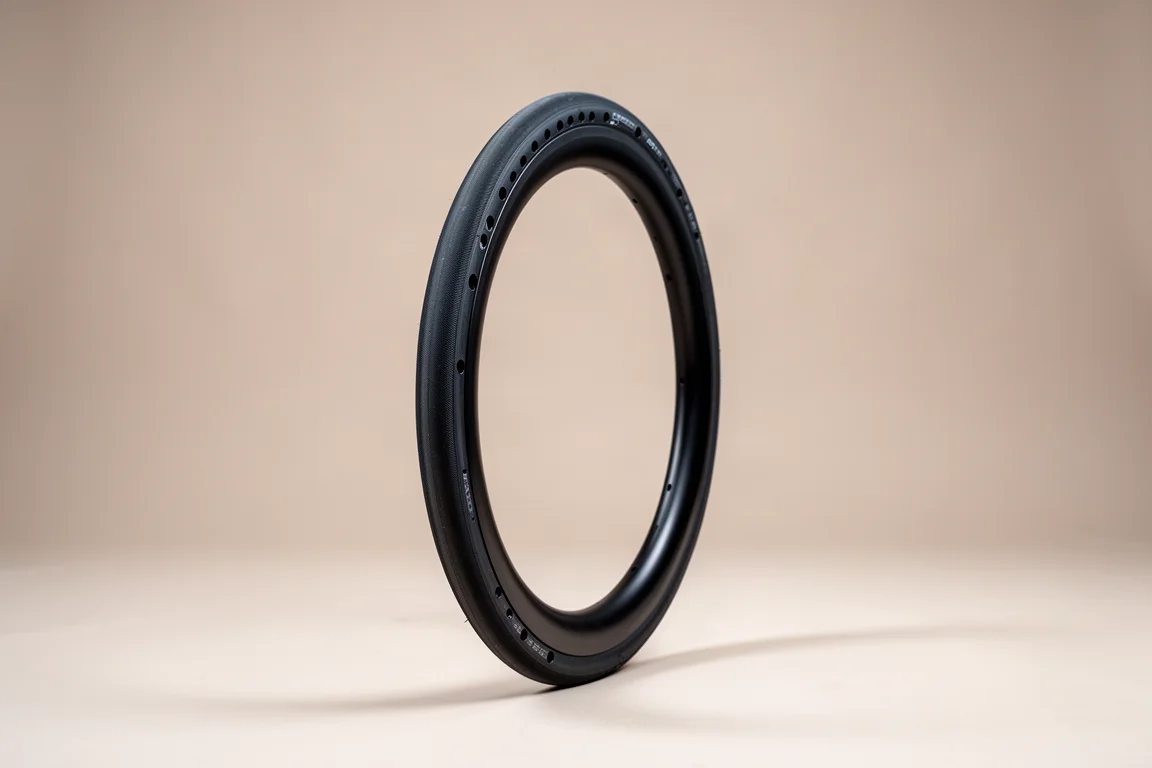
The Aero 111 is the most expensive single tire here at around £92, and it is designed specifically for the front wheel. Its tread carries small cavities developed with aerodynamicists at Swisside to create vortices that help air flow around the front tire, where airflow is least disturbed and most influential.
Bought as a pair with the Grand Prix 5000 TR, the setup costs around £164, which is a serious outlay. The justification is straightforward: on a time trial or triathlon bike, the front wheel leads the airflow for the rest of the bike, and a tire that manages that airflow cleanly is doing a job no other component can replicate.
Pirelli P Zero Race RS
The P Zero Race RS is Pirelli’s top tier in this comparison at around £55 per tire. It takes the biggest single step in the range, with the most advanced compound, casing and puncture protection of the three Pirelli options and the lowest weight, which is the combination that reduces hysteresis and rolling losses most effectively.
In practice it sits in a sweet spot for riders who want most of the performance of a premium race tire without reaching the very top of the market. The gap between this and the mid-range tire was measurable over the course, and it is the tier where the Pirelli range stops feeling like a compromise.
If you ride a mixed calendar of fast group rides, sportives and the occasional timed effort, this is the Pirelli that covers the widest range of those days without asking you to accept a heavy or stiff casing.
What the Real-World Testing Showed
The numbers were striking. The top-of-range Continental setup, around £164 for the pair, was 39 seconds faster over the course than a roughly £50 set of tires. The step from a mid-range tire to the fastest setup was 14 seconds, which extrapolates to about 3 minutes 44 seconds over an Ironman distance for roughly £15 extra per tire. Going from the cheapest tire to the fastest produced a 33 second gap over the course, which stretches to around 8 minutes 48 seconds over the same longer distance.
The other setup showed a similar pattern, with the spread from its cheapest to its fastest tire extrapolating to roughly 10 minutes 24 seconds saved over an Ironman distance for close to £100 more. Both riders held their effort remarkably consistently, with average heart rate within a couple of beats and average power within a single watt across all three runs, which gives the comparison more weight than a casual ride ever could.
It is worth repeating that tire pressure is the free variable. Getting pressure right for your own system weight and road surface costs nothing, and running the wrong pressure can throw away more time than any tire upgrade will recover.
Buying Advice
Most riders are not choosing between a £20 tire and a £100 tire. They are deciding whether the £65 option is worth the extra over the £45 option, or whether to step from £65 to £85. The evidence here suggests that even those small steps at the top of the range pay off, with over three minutes saved over a long distance for an extra £15 to £20 per tire.
That is an unusual return for a component upgrade, and it is worth framing against training time. The hours required to find ten minutes over an Ironman distance through fitness alone are considerable, while a tire change takes minutes.
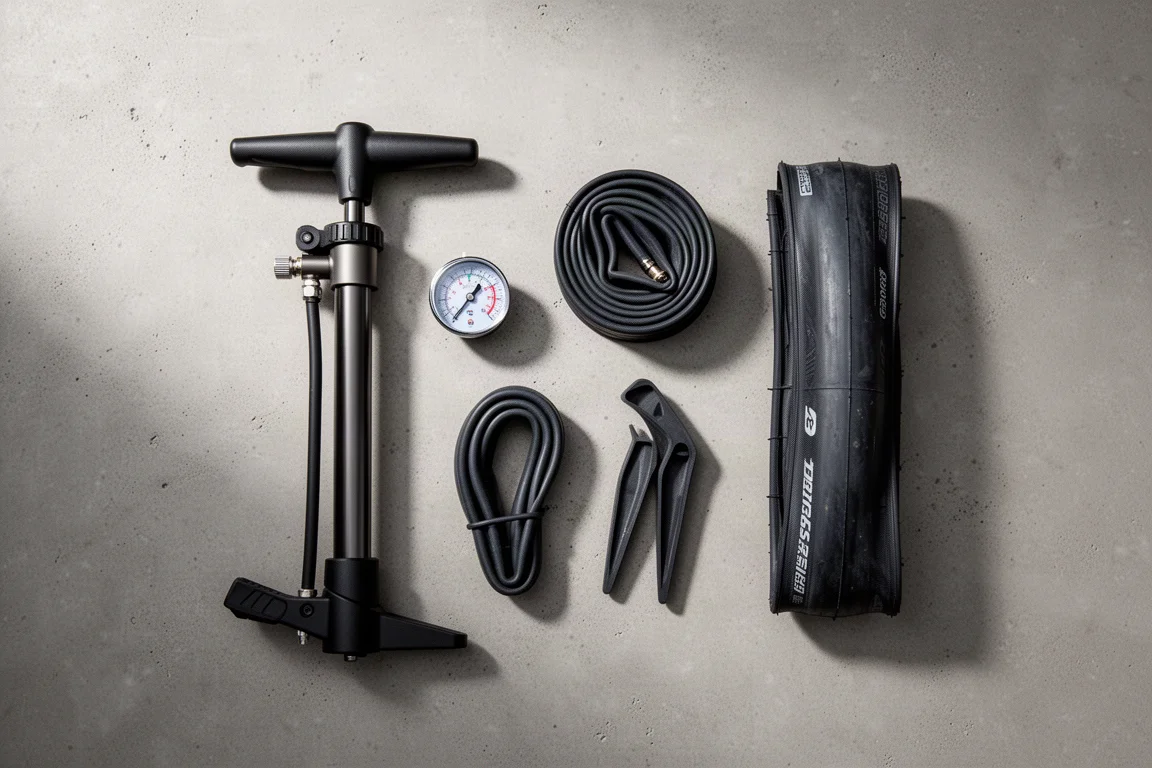
A practical approach is to fix the variables you control first: measure your system weight, set pressure with a calculator, and choose width for the surface you actually ride on. Then decide how much you are willing to spend. Entry tires are perfectly serviceable for training and commuting, the mid-range is where most riders will find the best balance of cost and speed, and the top tier is aimed at anyone for whom a few minutes over a long distance is the entire point of the exercise.
Conclusion
There is real technology inside a road tire, and the difference between the cheapest and most expensive options in this test was not marketing. Across a short timed course the gaps ran from 14 to 39 seconds, and over an Ironman distance those gaps become minutes.
The sensible strategy is to set your pressure correctly first, then buy the best tire your budget allows. Riders on a tight budget will do fine with the entry tiers for everyday riding, while anyone racing or chasing personal bests will find the upper mid-range and premium options genuinely worth the money.
Further reading
Related Reviews
Road Bike Tires
Best Budget Road Bike Tires 2026: Nine 25c Tires Tested for Rolling Resistance
Nine budget road tires, all 25c and mostly around £20, went through the same rolling resistance protocol. Here is what the numbers say and which tire suits which rider.
Road Bike Tires
Best Road Bike Tires Compared: Continental GP 5000 S TR vs Vittoria Corsa Pro vs Pirelli P Zero Race RS
A back-to-back comparison of three 30 mm tubeless road tires, covering timed speed results, cornering feel, ride quality, and which one suits which rider.
Road Bike Tires
Cheap vs Expensive Road Bike Tires: What $10 and $100 Actually Buy You
A practical look at three road bike tires across the price range, from a $10 budget model to a $100 tubeless race tire, and where most riders should spend their money.