Dash Cam Accessories
VIOFO BP100 and EP100 Review: A Smart Dash Cam Battery Pack for Extended Parking Mode
The VIOFO BP100 dash cam battery pack offers solid capacity, fast recharge times, and useful expansion options for extended parking mode recording.
Introduction
Parking mode is one of the most useful features of a modern dash cam, but it only works if your camera has a reliable power source when the engine is off. The VIOFO BP100 is a dedicated dash cam battery pack designed to power your camera while parked, and the VIOFO EP100 is an expansion battery that adds extra capacity when you need longer recording times.
What makes this setup interesting is how VIOFO has approached the design. Instead of simply matching what other battery packs offer, the BP100 appears to address several common weaknesses found in competing products. The result is a battery pack that works well not just with VIOFO dash cams, but with cameras from other brands too.
This review covers the capacity, charging times, parking mode performance, and the practical details that matter when you are choosing a battery pack for your dash cam setup.
Design and Connectivity
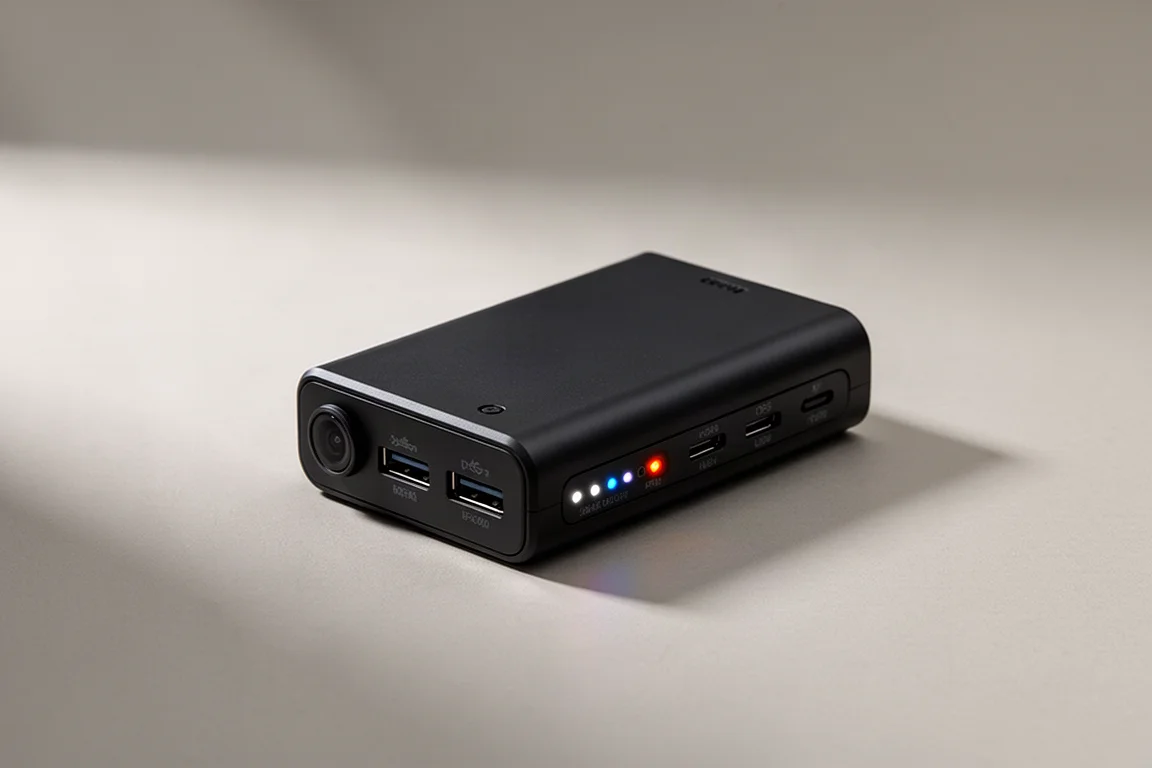
The BP100 is a compact rectangular unit with a matte black finish. On one end you will find input ports for charging, output ports for connecting your dash cam, status LEDs, and a power button. The build quality feels solid, with sturdy connectors and thick gauge wiring throughout.
VIOFO includes two input cable options. The first is a cigarette lighter cable that plugs directly into your car’s accessory socket. This is the easiest way to get started because it requires no professional installation. The second option is a hardwire cable that connects to your car’s fuse box, which frees up the cigarette lighter and allows for faster charging.
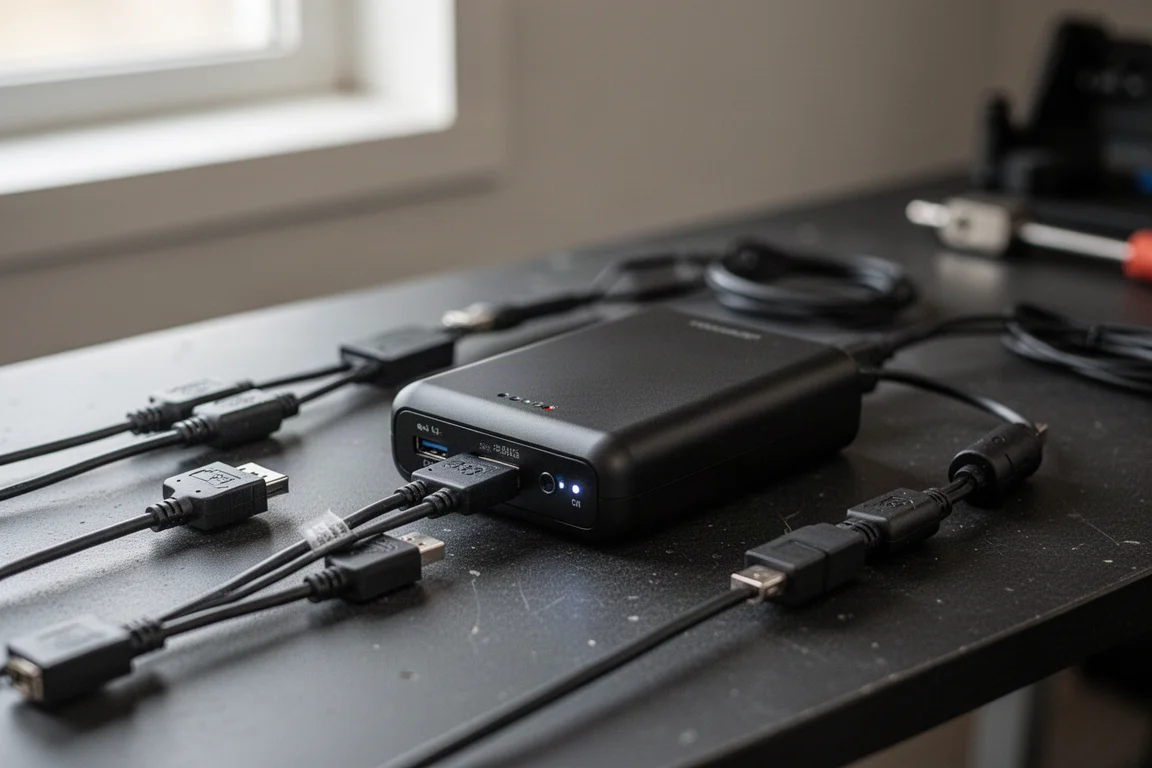
The hardwire cable uses a three-wire design rather than the two-wire setup found on some competing battery packs. This is a meaningful difference. The yellow wire acts as an ignition trigger, while a separate thicker gauge wire handles the higher current draw needed to charge the battery pack. This separation means you can connect the charging wire to a high-current power source that may not be ignition-triggered, while the trigger wire simply tells the battery when the car is running.
For output, the BP100 includes three cable options. The first is a plug-and-play cable designed specifically for VIOFO dash cams, connecting directly to the GPS port. The second is a universal three-wire cable compatible with any brand of dash cam. The third is a cigarette lighter output cable, though this one is not suitable for parking mode unless your dash cam has its own fallback detection.
Charging Options
Charging the BP100 is straightforward, and the time it takes depends on which input method you use. With the cigarette lighter cable, a full recharge takes about 100 minutes. This is the slower option, but it is also the simplest to install.
If you hardwire the battery pack, the recharge time drops to about 70 minutes. In testing, this figure proved accurate, with the battery charging at roughly 113 watts in a steady state before the current begins to taper off near the 70-minute mark.
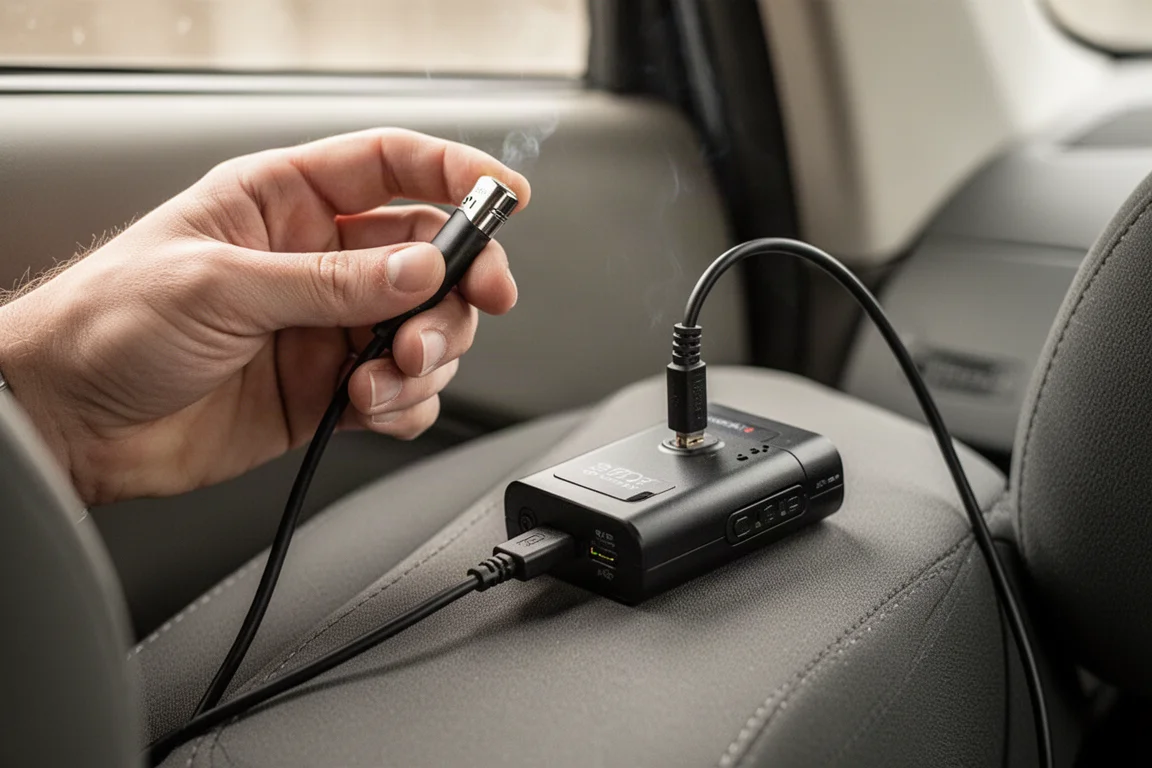
VIOFO includes several fuse taps with different connector sizes to help with hardwire installation, which is a thoughtful touch for those installing the battery in different vehicles.
One limitation worth noting is that the USB-C port on the BP100 cannot be used to recharge the battery pack. If you wanted to top up the battery at home without driving, that option is not available. This is a feature that would be welcome in a future model, but it is not a dealbreaker for most users.
Capacity and Parking Mode Performance
The BP100 is rated for 7,650 milliamp hours, which is about 2 percent more than the 7,500 milliamp hours found in most competing battery packs. That extra capacity translates into slightly longer parking mode recording times.
In real-world testing with a VIOFO A229 Pro three-channel dash cam set to low bit rate continuous parking recording, the BP100 delivered 15 hours and 26 minutes of recording time. This is within a few minutes of VIOFO’s advertised figures, confirming that the company’s estimates are accurate.
Adding the EP100 expansion battery roughly doubles the parking recording time. In the same test setup, the combined configuration powered the dash cam for 30 hours and 55 minutes. The BP100 supports up to two expansion batteries, so you can triple the total capacity if needed.
For a more efficient single-channel dash cam like the A119 Mini 2, the power draw drops significantly, and parking recording time increases dramatically even with just the single BP100. This makes the battery pack a versatile option regardless of which dash cam you are running.
App Control and Monitoring
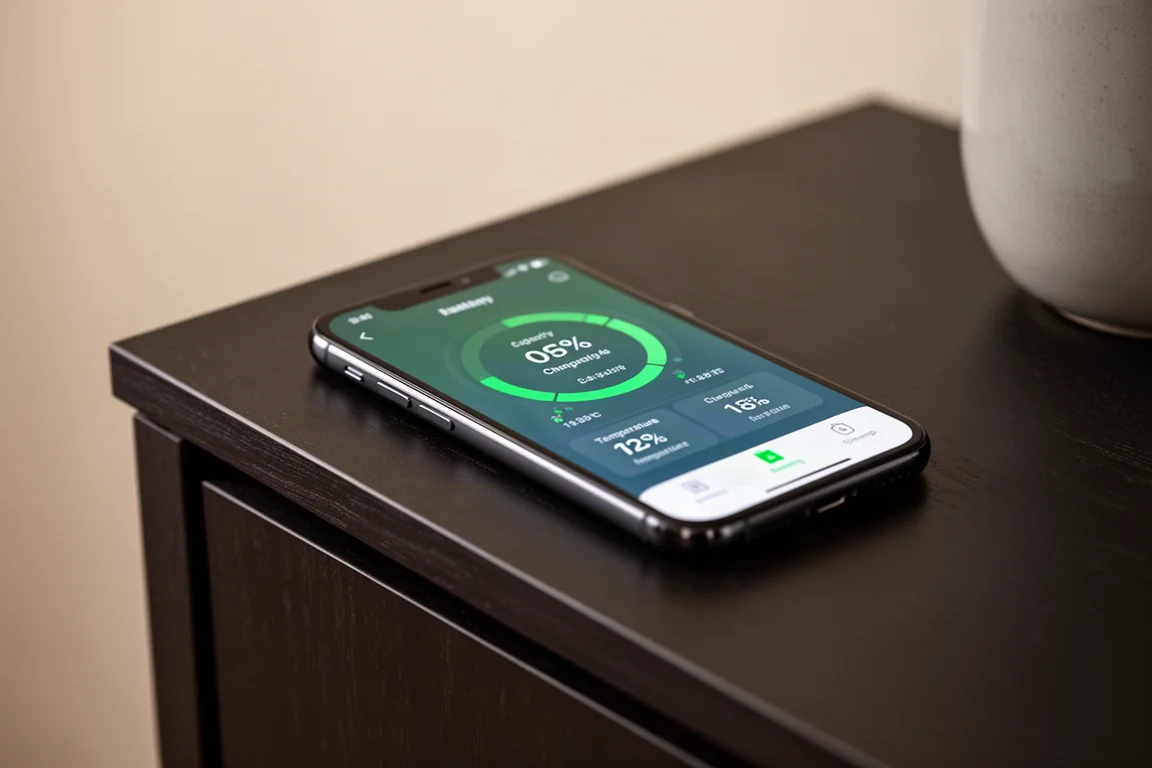
One of the standout features of the BP100 is its Bluetooth app, which lets you monitor and control the battery pack from your phone. The app displays remaining capacity, current temperature, and whether the battery is charging or discharging.
There are actually three temperature sensors built into the battery pack, which helps with thermal management during extended parking mode use. The app also shows input voltage and current, along with an estimated time until the battery is fully charged.
The app supports firmware updates for the battery pack itself. On first connection, the app pulled a firmware update automatically, which is a nice touch that keeps the battery current with any improvements VIOFO releases.
Comparison With Other Battery Packs
The BP100 compares favorably with other dash cam battery packs on the market. Its capacity is slightly larger than most competitors, and the option to add expansion batteries is something that many other manufacturers have dropped.
The BlackVue Power Cell 8 offers an expansion battery, but it is significantly more expensive than the VIOFO EP100 despite having the same capacity. The BlackVue B-130A integrates well with BlackVue dash cams and can communicate remaining capacity over the cloud, but it does not offer expansion options and uses a two-wire power input.
The Thinkware iVolt Extra uses a three-wire hardwire cable and integrates nicely with Thinkware dash cams, but it is more expensive than the VIOFO option. The 70mai battery is more affordable and also uses USB-C, but it lacks Bluetooth connectivity and uses thinner, less durable connectors.
For most users, the VIOFO BP100 is a strong default recommendation, not just for VIOFO dash cams but for any brand. The only exceptions are cases where you need brand-specific integration like the cloud features offered by BlackVue or the voice features from Thinkware.
Buying Advice
The VIOFO BP100 is a well-rounded dash cam battery pack that covers the essentials: solid capacity, fast recharge times, and reliable parking mode performance. The option to add one or two EP100 expansion batteries gives you flexibility if you need extended recording times.
The main drawbacks are relatively minor. The USB-C port cannot be used to power a dash cam in parking mode or to recharge the battery pack at home. And the internal speaker cannot be disabled, which means you will hear a double beep when you start your car after the battery has been fully depleted. VIOFO has indicated it is considering a firmware update to address the speaker issue, but that is not available yet.
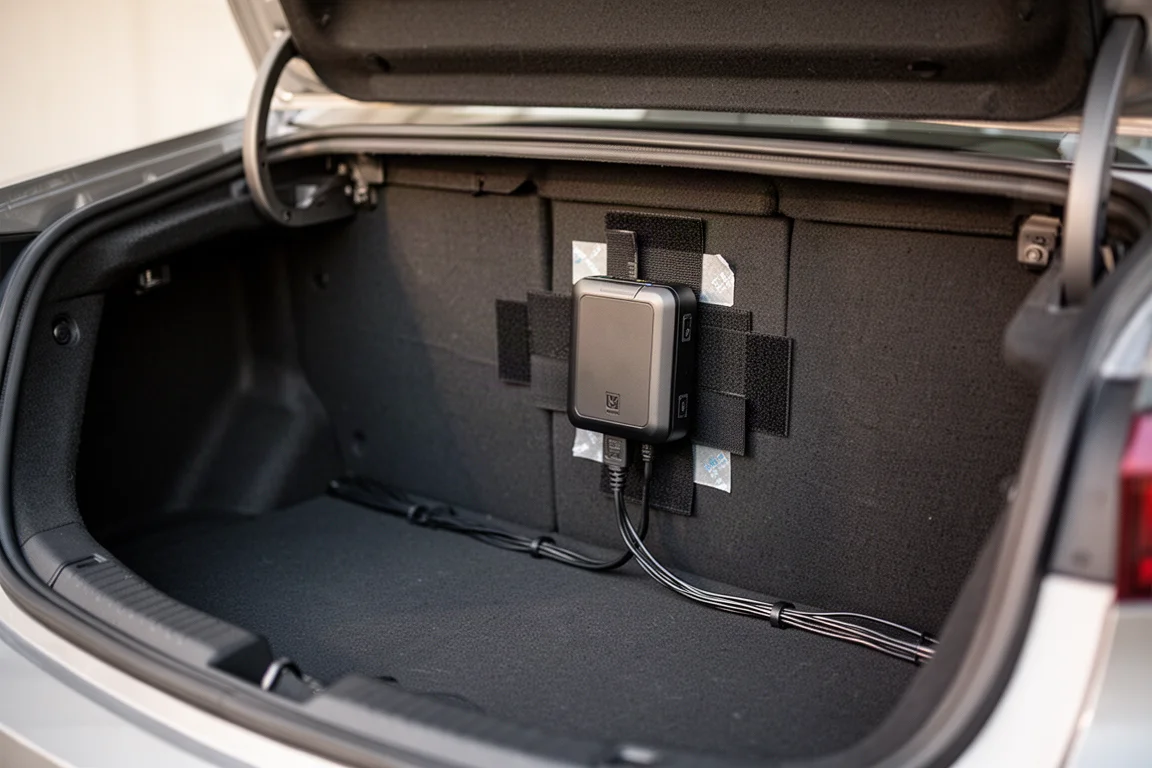
If you are looking for a dependable battery pack for parking mode, the BP100 is worth serious consideration. It works well with VIOFO dash cams and is compatible with other brands through the universal cables. The expansion battery option makes it a scalable solution that can grow with your needs.
Conclusion
The VIOFO BP100 and EP100 form a capable combination for anyone who wants reliable parking mode recording. The battery pack offers competitive capacity, fast charging, and a useful Bluetooth app for monitoring. The expansion battery provides a straightforward way to double or triple your recording time.
While there are a few areas where future improvements would be welcome, such as a more versatile USB-C port and the ability to disable the internal speaker, these are minor issues in an otherwise strong product. For most dash cam owners, the BP100 represents one of the best battery pack options currently available.
Further reading
Related Reviews
Dash Cam Accessories
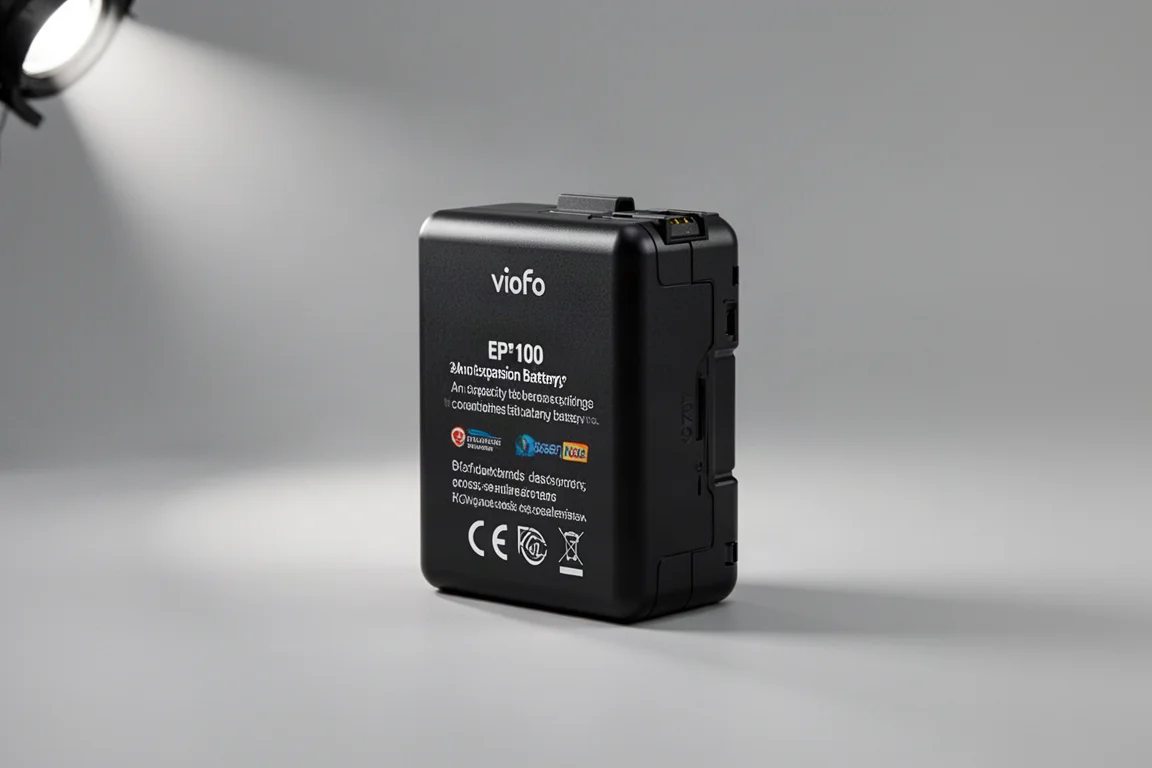
Viofo EP100 Expansion Battery Review: Cross-Compatible Dash Cam Power
A practical look at the Viofo EP100 expansion battery and how it connects with popular dash cam battery packs for added parking mode capacity.
Dash Cams
Why a Two Channel Dash Cam With Parking Mode Is Worth the Extra Setup
A real parking lot incident shows why a rear camera with motion and impact detection can capture the details a front only dash cam misses.
Dash Cams
Void S14K Dash Cam Review: A Practical Two-Channel Setup for Rental Cars
A hands-on look at the Void S14K dash cam in a temporary two-channel install, covering OBD2 power, parking mode, and real-world usability.