Dash Cams
Why a Two Channel Dash Cam With Parking Mode Is Worth the Extra Setup
A real parking lot incident shows why a rear camera with motion and impact detection can capture the details a front only dash cam misses.
Introduction
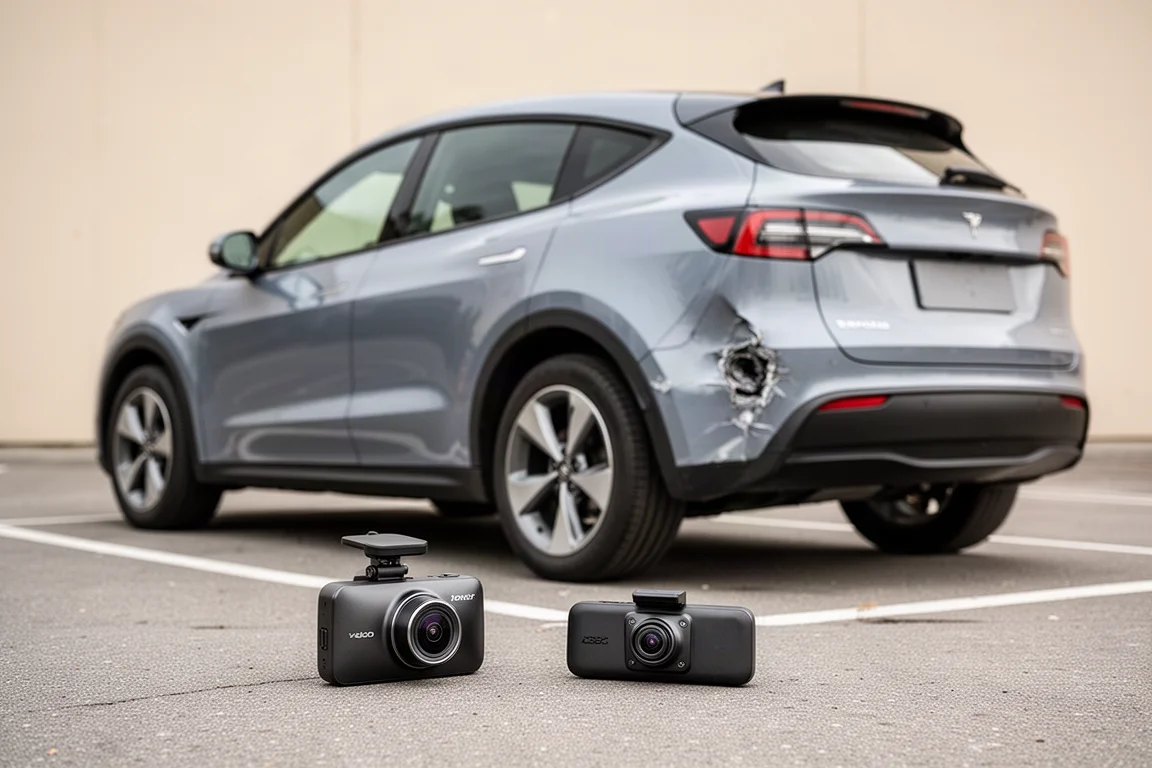
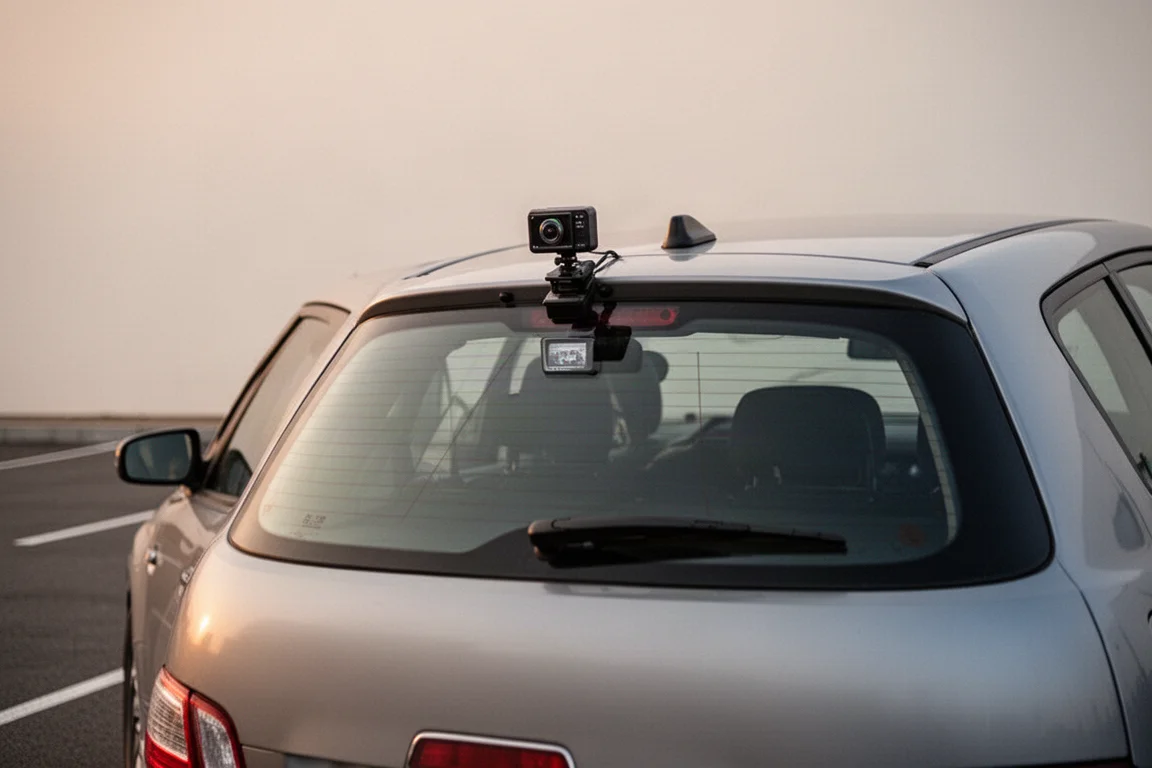
A parked car is vulnerable. Even when you do everything right, another driver can back into your vehicle and leave you with a repair bill and a headache. In a recent incident, a parked car was hit in a lot, and the driver did the right thing by leaving contact information. But the real lesson was about the dash cam setup: it was the rear camera that captured the vehicle, the license plate, and the driver, not the front camera.
This experience highlights why a two channel dash cam with parking mode is worth the extra installation effort. A front only dash cam is better than nothing, but it misses everything behind the car. When you are parked, that is often where the important details are.
What Happened
While parked, another vehicle backed into the rear of the car, damaging the rear bumper and the paint on the body. The driver left their contact information on the windshield, which made the insurance process straightforward. But the dash cam footage was still essential.
The front camera only recorded the fact that the car was hit while parked. It missed the other vehicle, the license plate, and the driver. The rear camera captured all of it. This was not the first time either. In previous incidents, including one about a year earlier and another involving a family member’s car, the rear camera was the one that captured the identifying details.
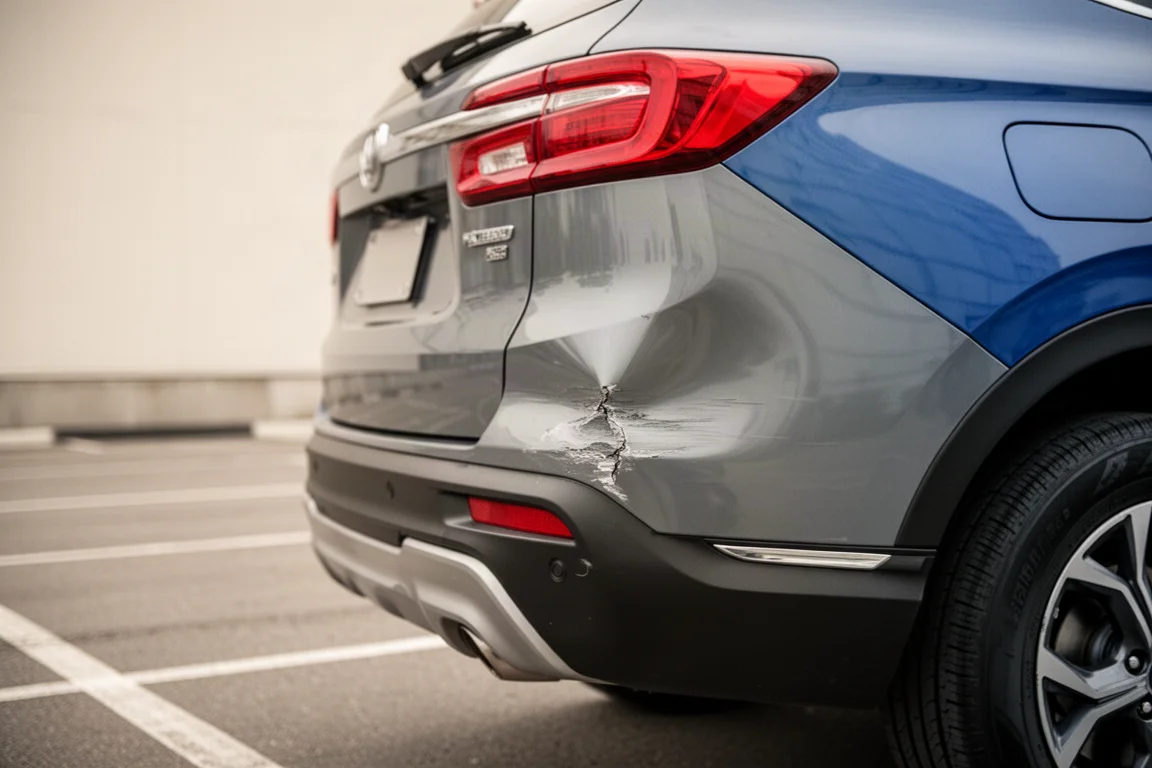
Without the rear camera, proving what happened would have been much harder. The front footage alone might show that the car was hit while parked, but it would not show who did it. In a hit and run scenario, that would mean paying for repairs out of pocket and covering the deductible.
Why the Rear Camera Made the Difference
The setup in the car included a three channel dash cam with a front camera, a rear camera, and an additional front telephoto camera. The dash cam was configured with a hybrid parking recording mode that defaults to auto event detection. This combines motion detection and impact detection.
Motion detection is what starts recording as another vehicle begins to back up toward the car. It also records everything that happens after the impact. Impact detection, triggered by the G sensor, captures the moment of the collision itself. Together, they provide video from before, during, and after the incident.
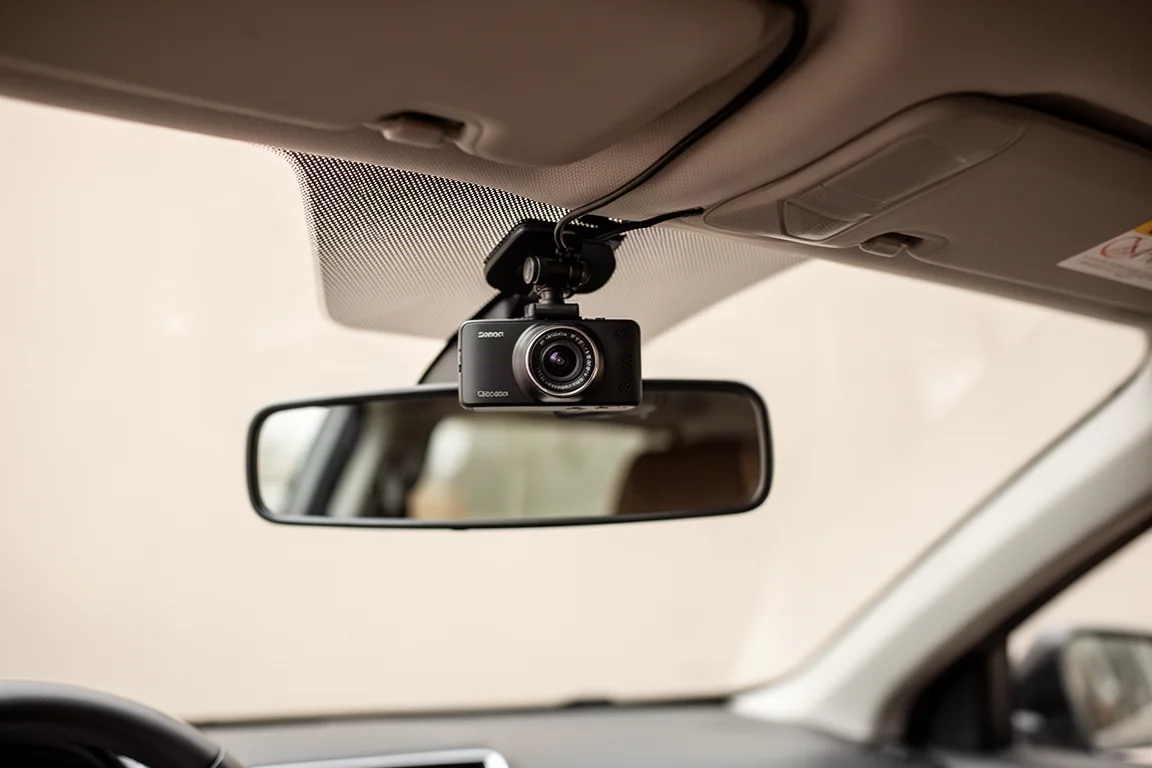
The motion detection from the rear camera did most of the heavy lifting. It captured the driver getting out of the vehicle, which is critical in a hit and run situation. It also recorded everything that happened after the impact, providing a complete picture of the event.
Some impacts are light enough that they do not trigger the G sensor. In those cases, motion detection is the fallback that still captures what happens around the car. Having both collision detection and motion detection gives you a reliable safety net.
Powering Parking Mode Without Draining the Car Battery
Continuous parking recording requires power. The dash cam was connected to a dedicated dash cam battery pack, which allows it to record all day without draining the car battery. An expansion battery was added to increase capacity even further.
The low power parking recording modes keep the dash cam asleep until an impact is detected. This works, but it misses the moments before the impact. The continuous recording approach captures everything, including what leads up to the collision. That requires more power, which is why the battery pack is important.
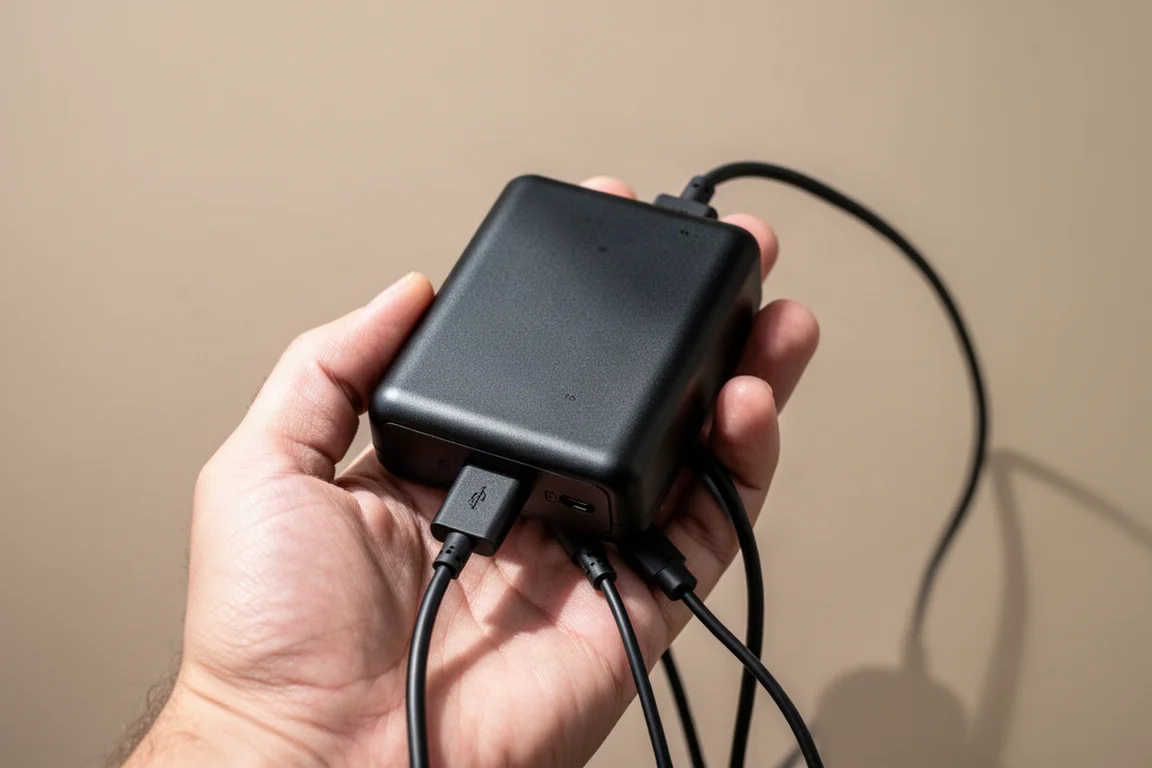
You can also connect the dash cam directly to the car battery. That is a simpler setup, but it risks draining the battery if the car sits for a long time. A dedicated battery pack is a cleaner solution for anyone who wants reliable parking mode coverage.
Choosing the Right Dash Cam Setup
For a minimum setup, a two channel dash cam with front and rear recording and motion and impact detection is a solid choice. The VIOFO A129 Plus is a good example of this kind of setup. It provides the essential coverage without a lot of extra complexity.
Stepping up to a higher end model, like the VIOFO A119 T, adds more advanced parking mode features. This includes a hybrid parking recording mode that starts with full power recording and then switches to low power recording to extend the recording time. This gives you the benefits of continuous recording while also protecting the battery.
Avoid dash cams that do not offer motion detection or buffered impact detection. These features are what make parking mode useful. Without them, you might miss the moments before an impact or fail to capture the other vehicle entirely.
Buying Advice
If you park on the street, in lots, or anywhere other drivers are moving around your car, a two channel dash cam with parking mode is worth the investment. The rear camera is often the one that captures the details that matter, like the license plate and the driver.
Start with a two channel model like the VIOFO A129 Plus if you want a straightforward setup. If you want more advanced parking mode features and longer recording times, the VIOFO A119 T is a stronger option. Pair either one with a dedicated battery pack to avoid draining your car battery.
Conclusion
A parked car incident showed exactly why a rear camera with motion and impact detection is so valuable. The front camera recorded the fact that the car was hit, but the rear camera captured the other vehicle, the license plate, and the driver. That footage is what makes the difference between a smooth insurance claim and a costly hit and run.
A two channel dash cam with parking mode requires more installation effort, but it provides coverage in the direction that matters most when you are parked. For anyone who wants real protection, it is a setup worth considering.
Product link
View more details for VIOFO A119 T
This product is mentioned in the review. Check the specifications, options, and compatibility before buying.
View more details for VIOFO A119 TFurther reading
Related Reviews
Dash Cams
70mai 4K T800 Dash Cam Review: Three-Channel Coverage With 4K Front and Rear
A three-channel dash cam with 4K front and rear recording, dual Sony Starvis 2 sensors, and optional 4G connectivity for remote vehicle tracking.
Dash Cams
70mai M310 Review: A $33 Dash Cam That Covers the Basics
The 70mai M310 is an ultra-budget dash cam that records at 1296p, offers basic parking modes, and works with a Wi-Fi app. Here is how it performs and who it suits.
Dash Cams
Best Dash Cam Black Friday Deals 2026: Top Picks Across Every Price Point
A practical guide to the best dash cam deals this Black Friday, covering front-only, multi-channel, cloud-connected, and budget-friendly options.