Road Bikes
Vintage vs Modern Road Bikes: Time VXRS and Pinarello Dogma F Compared
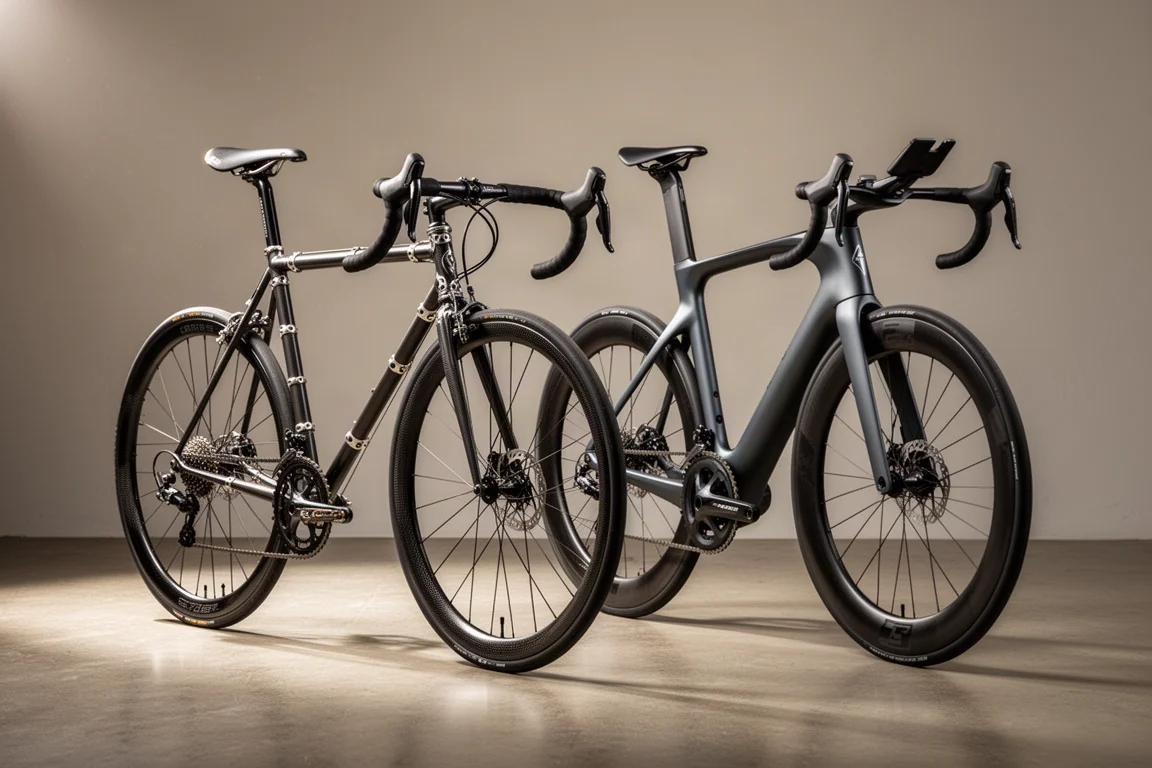
A 2005 Quick-Step team bike meets a modern superbike over the same 5 km at 300 watts, with the stopwatch and the ride feel telling two different stories.
Introduction
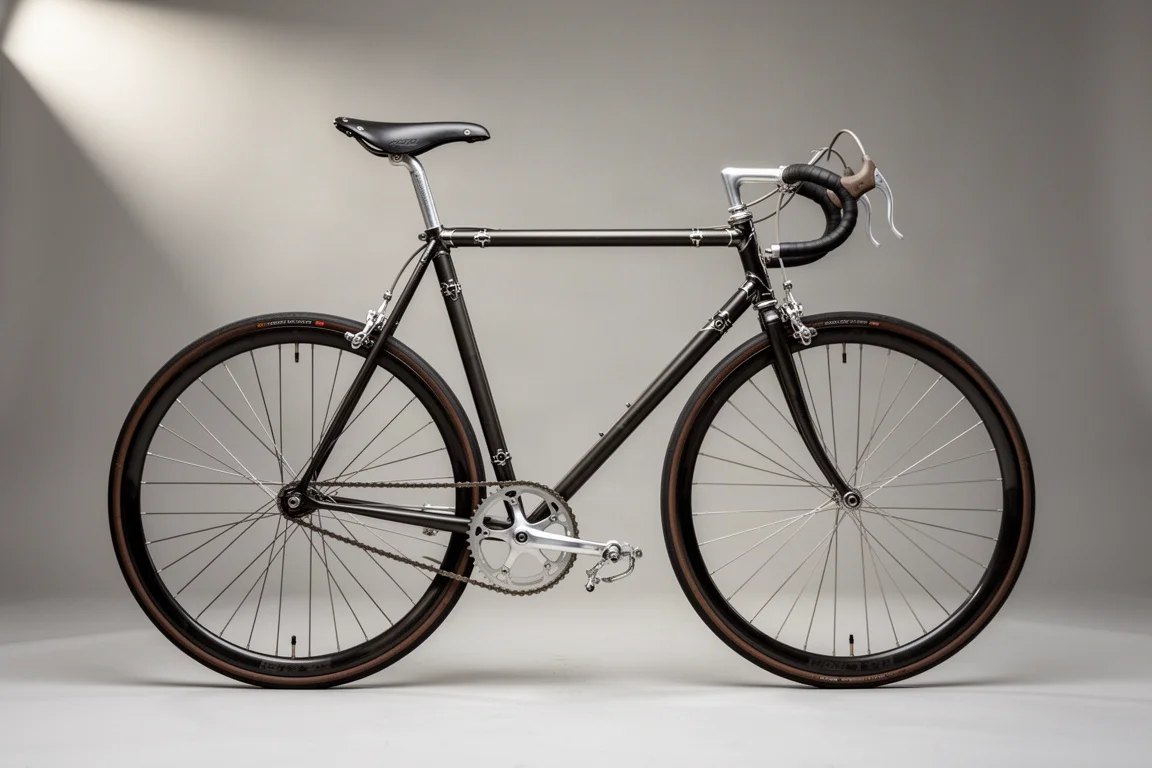
Some bikes earn their reputation through race results, and some earn it through the way they ride. The Time VXRS is one of the rare machines that has both. This particular frame is a genuine Quick-Step team bike from 2005, a season that delivered the Tour of Flanders, the World Championships, Il Lombardia and stages of the Tour de France. The bike itself went on to win two stages of the Tour of Britain, and it carries the name of Italian rider Luca Paolini on the frame.
Twenty years later, the obvious question is whether that legendary status still stands up, and how far road bike design has actually moved. To answer it, the Time went head to head with a modern Pinarello Dogma F over the same 5 km segment at roughly 300 watts.
What Separates a 2005 Team Bike From a Modern Superbike
Comparing bikes from two different eras is never a like-for-like exercise, and that is partly the point. The Time runs 22 mm tubular tyres on vintage Fulcrum carbon wheels, with a Campagnolo 10-speed mechanical groupset and a handlebar that looks narrow by current standards. The Dogma F is built around the latest Shimano Dura-Ace, Scope wheels and Pirelli tyres.
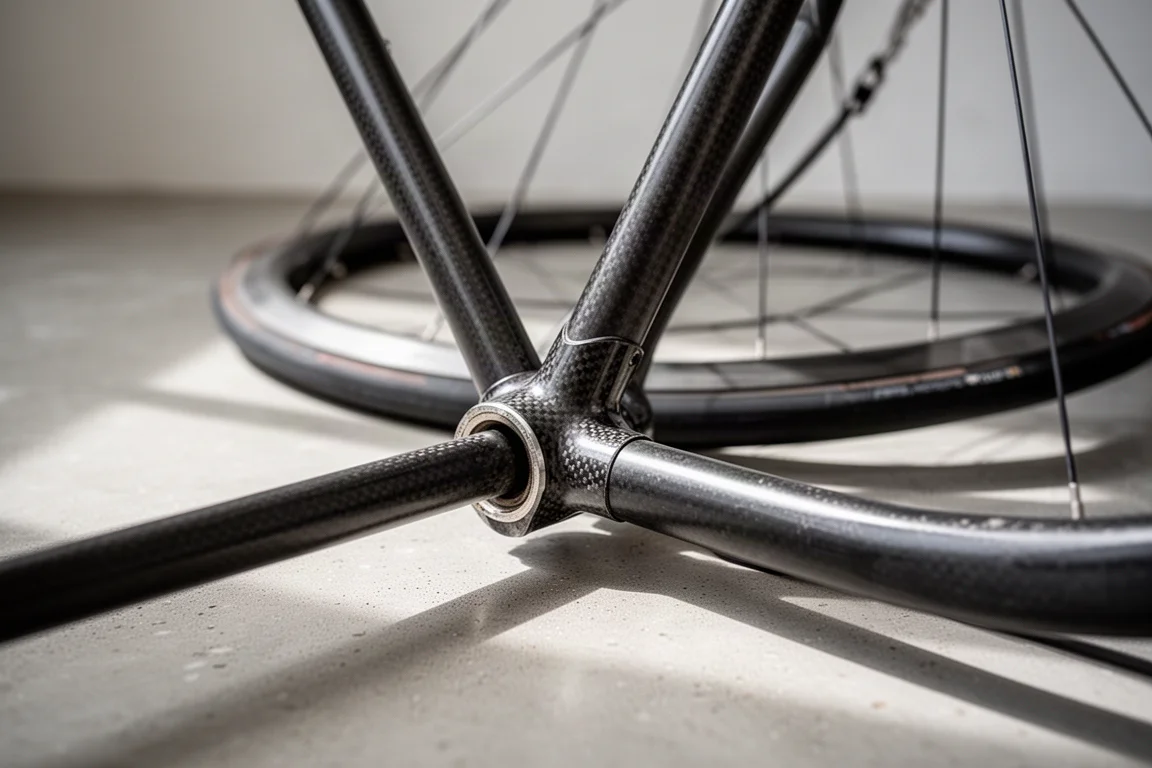
Each bike is best read as a complete system that is correct to its own period. Fitting modern parts to a 2005 frame would say very little about how that era of bike genuinely performed. Tyres, wheels, handlebars, gearing and body position all feed into the outcome, so the stopwatch captures the sum of those differences rather than any single component.
Time VXRS: A 2005 Quick-Step Team Bike
Time is a French brand that started in 1987 with a clipless pedal used by riders including Delgado and Pantani, before moving into frame manufacturing in 1993. Its frames were built in an unusual way: carbon fibres were woven into a 3D sock, then injected with resin at high pressure and cured into tubes that were bonded into carbon lugs. Production stayed in Lyon, a city with a long weaving heritage.
The frame weighs just over 1,000 g, competitive for its day. Genuine team bikes of this era used non-replaceable derailleur hangers, a small detail that helps confirm a frame’s provenance.
Ride quality is what turned the VXRS into a cult frame. One story often told about the brand has Tom Boonen comparing a move away from Time to trading Ferraris for Renaults, and his attachment was strong enough that he was the only professional with a custom bike ready for the 2006 spring classics.
Pinarello Dogma F: The Modern Benchmark
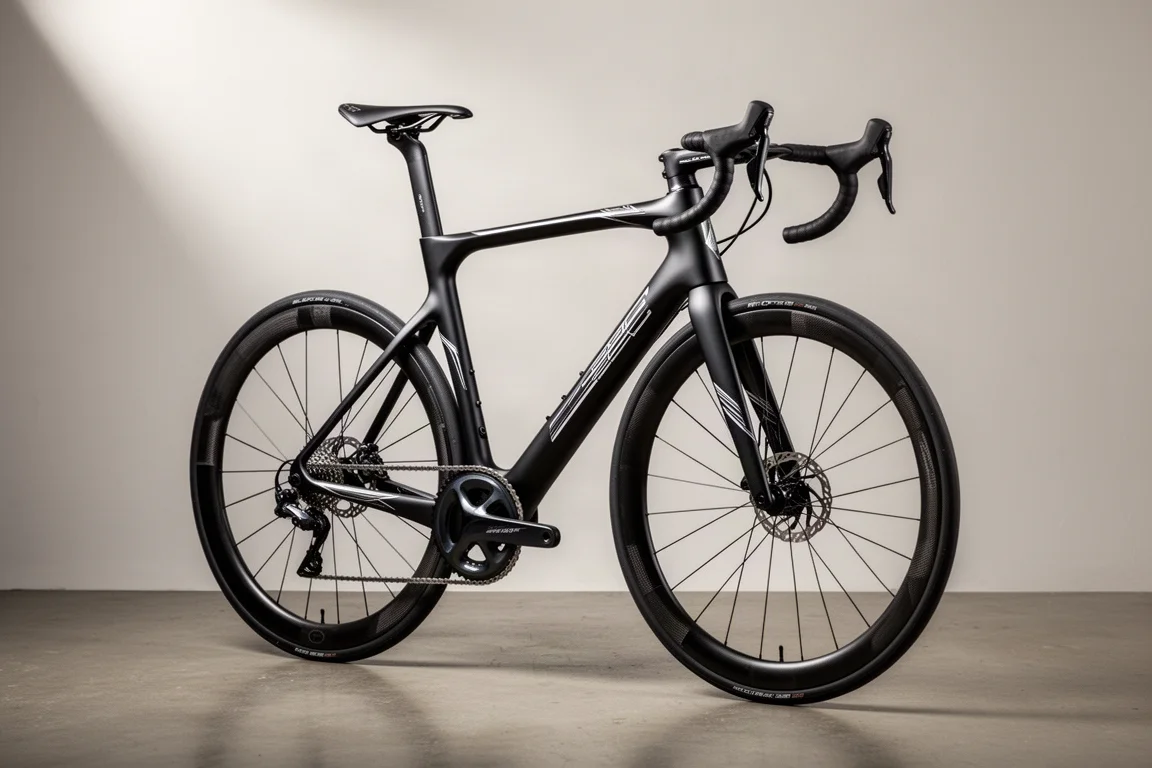
The Dogma F sits at the opposite end of the timeline, roughly twenty years newer, with a race record behind the name that needs little introduction. This build carries the latest Shimano Dura-Ace groupset, Scope wheels and Pirelli tyres.
It is a bike designed around the assumption that the rider wants to go as quickly as possible, and every part of the package points in that direction.
The Stopwatch Test: 5 km at 300 Watts
The two bikes were run over the same 5 km segment at around 300 watts. The 20-year-old Time VXRS lost 23 seconds to the Dogma F, and 19 seconds in a second run at the same power. Extrapolated to an hour, that is more than two minutes given away to the modern bike, and at race speeds the percentage gap would grow larger still.
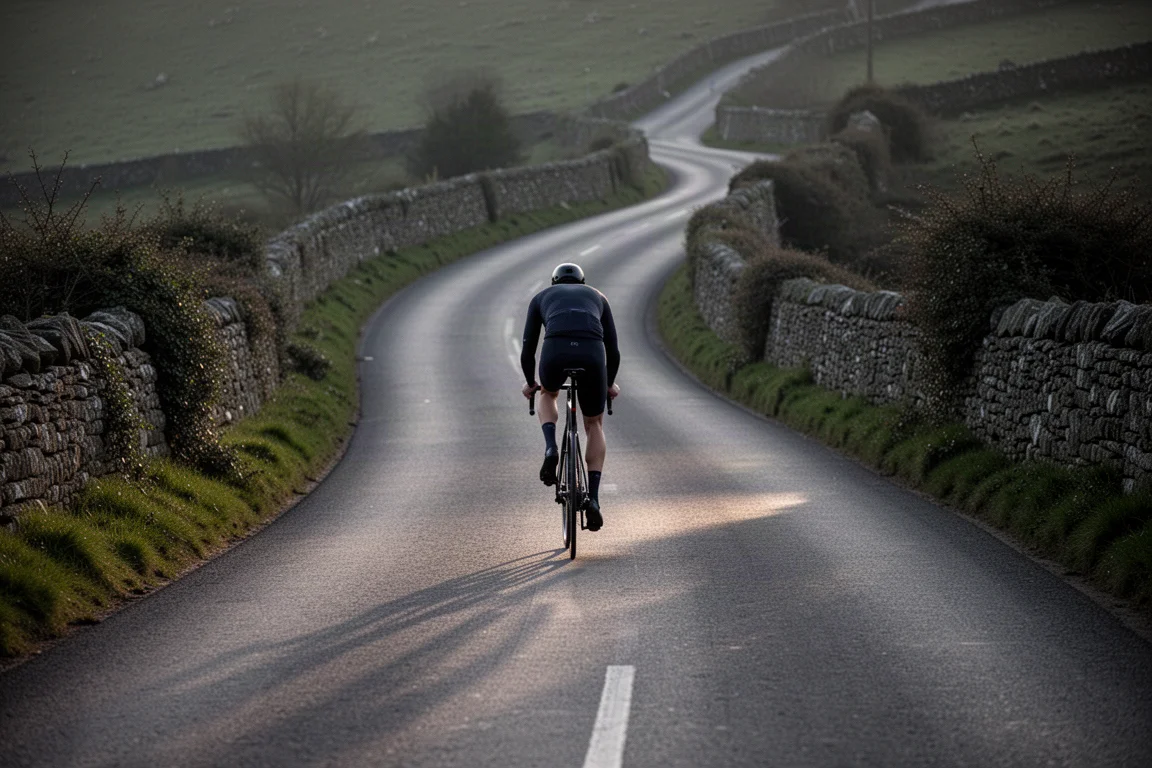
One run produced a surprise, with the older bike catching the modern one, although that came down to a higher power output rather than the frame itself. The Time also ran out of gears on the climb, with a 39 by 23 ratio proving tall on a 7 percent gradient, so the rider had to push harder than the target just to keep the pedals turning.
Ride Feel: Muted Versus Razor Sharp
On the road, the Time VXRS is quiet and muted, with a planted feel that holds speed nicely on flat, rolling and descending terrain. As a complete bike it is even lighter than the Dogma F. What it never does is feel faster than the effort going into it: the work is real, the pace is reasonable, and the excitement has to come from somewhere other than the frame.
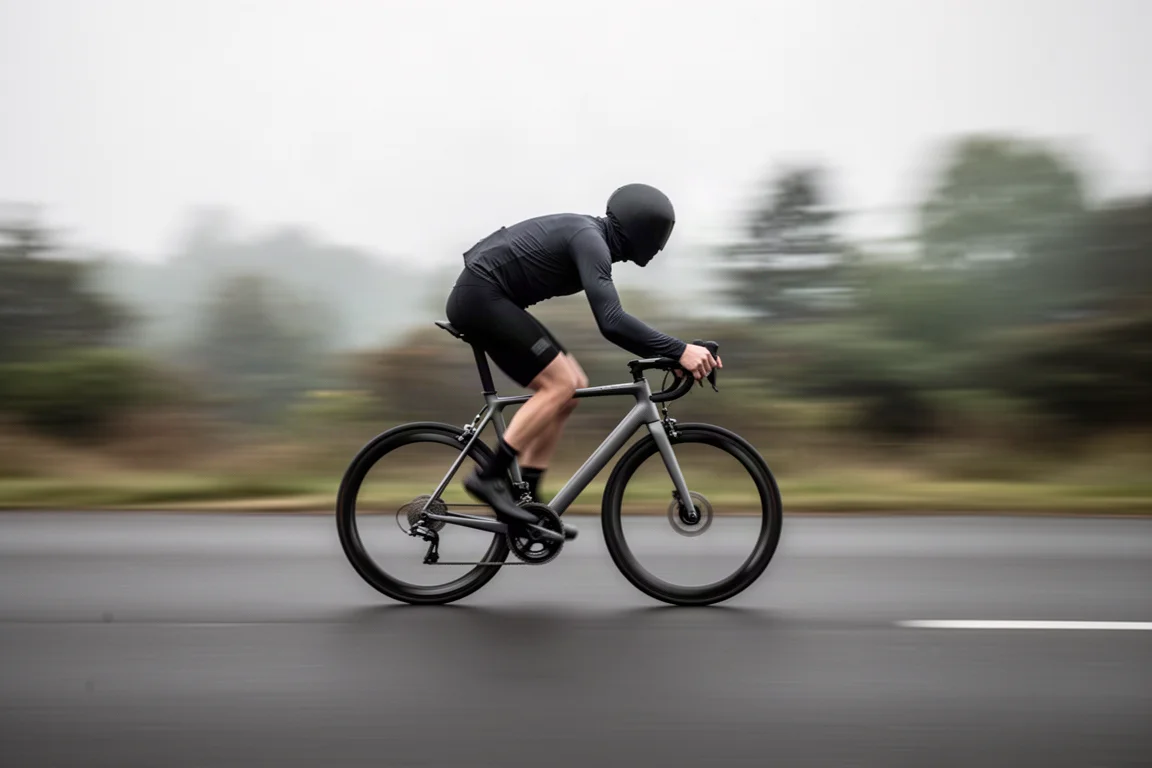
The Dogma F is the reverse. It feels sharper, more precise and more refined, and the speed is obvious from the first pedal stroke. That difference is not purely about the frame either. Narrower handlebars, faster tyres and a more current riding position all contribute.
Vintage ergonomics are worth flagging for anyone considering an older build. The Campagnolo 10-speed mechanical shifting is satisfying in use, but the lever reach, the tighter bar bend and the reversed brake lever orientation take real adjustment.
Buying Advice: Vintage Character or Modern Speed
These two bikes are not competing for the same buyer, and that makes the decision simpler than the stopwatch suggests.
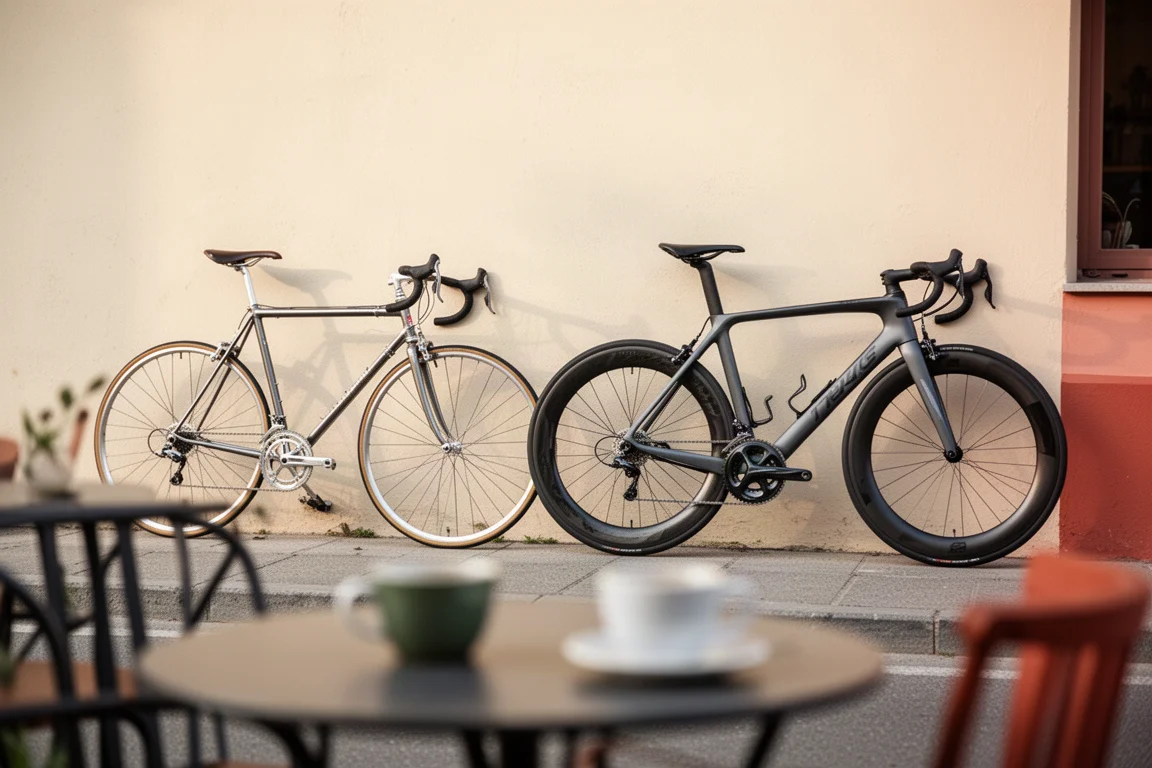
The Time VXRS is a collector’s machine. Its value comes from the team it belonged to, the season it raced and the small production details that only a genuine team frame carries. For relaxed rides, cafe stops and the pleasure of riding something with a story, it still delivers. Buyers should expect period components, limited gearing and a fit that reflects 2005 rather than today, and should confirm frame provenance carefully, since the non-replaceable derailleur hanger is one of the few reliable clues.
The Pinarello Dogma F is the performance choice. If the goal is going faster for the same effort, holding speed in a group and racing, the modern bike is the one that rewards the work. It is also the simpler purchase, with current standards, current components and no compatibility puzzles.
If both are on the table, the honest answer is that they serve different days. The older bike is the one to take out when the ride is the point. The newer bike is the one to take out when the clock is.
Conclusion
Does the Time VXRS deserve its legendary status? On history, yes. It was raced by a team that won nearly everything available at the time, and it was ridden by riders who clearly loved it. On ride quality, the reputation is a little overstated: it is genuinely nice, quiet and composed, but it is not demonstrably better than other well-regarded bikes of its era.
What the comparison does show is how much twenty years of development adds up to. Over an hour at 300 watts, more than two minutes separate the two. Whether that sounds like a little or a lot depends entirely on what you want from a bike, and both answers are reasonable.
Further reading
Related Reviews

Road Bikes
10 New Road Bikes Worth Watching: Aero, Titanium, Steel and Endurance Standouts
A practical roundup of 10 new road bikes, from aero flagships chasing single-watt gains to titanium, steel and endurance platforms built for real roads.
Road Bikes
2026 Tour de France Road Bikes: Six Race Machines Worth a Closer Look
Six race bikes from the 2026 Tour de France grid, reviewed for paint, silhouette, wheels and the specification details that matter to buyers.
Road Bikes
3T Strada Italia Review: A Radical Aero Road Bike That Rides Smooth
A made in Italy carbon aero road bike with a deep head tube, wide tire clearance and a genuinely comfortable ride. Here is what to know before buying.