Cycling
Vintage Superbikes vs Modern Aero Road Bikes: Six Frames That Changed Racing
A close look at six landmark racing frames, from the Lotus 110 and Hotta to the Cervélo S3, Bianchi Mega Pro XL, Giant MCR and the modern Pinarello F9.
Introduction
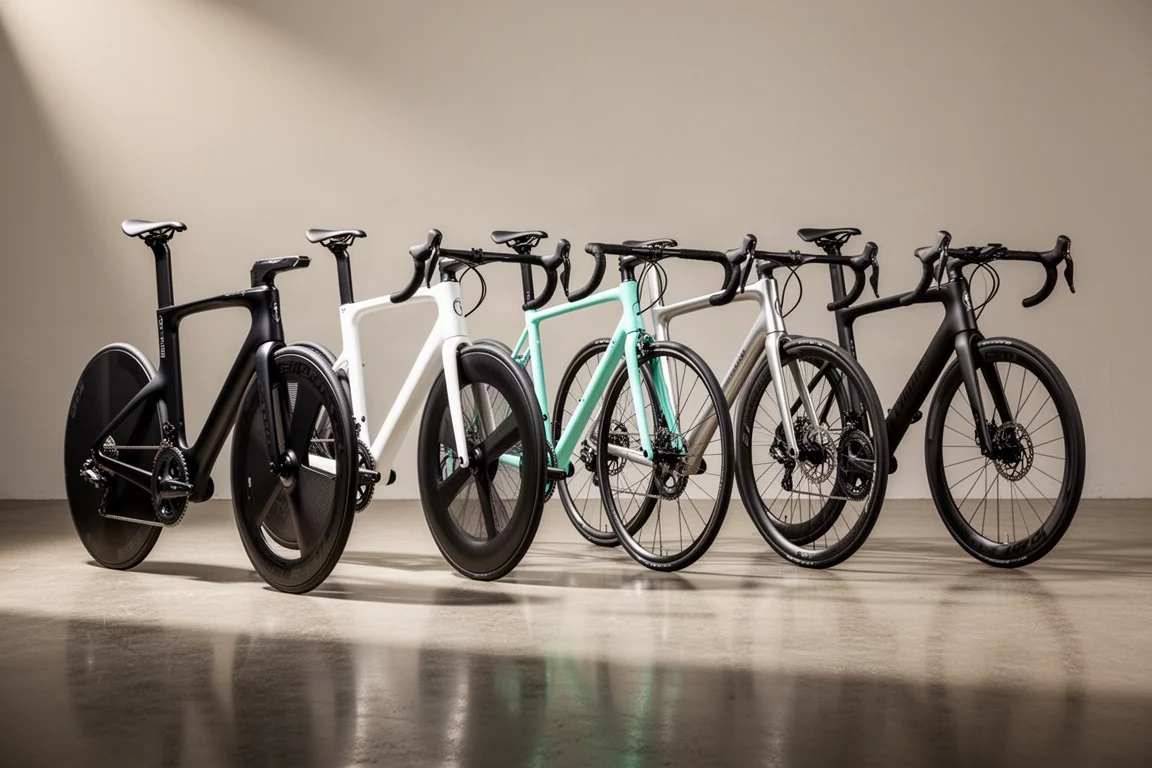
Some race bikes are remembered for their results. A smaller group is remembered for changing what a racing bicycle was allowed to look like. The Lotus 110, the Hotta, the Cervélo S3, the Bianchi Mega Pro XL and the Giant MCR belong to that second group: machines that arrived with radical shapes, won at the highest level of the sport, and in several cases were legislated out of competition entirely.
Set against them is a current-generation aero road bike, the Pinarello F9, built to the rules those older machines helped to create.
This guide covers what each frame actually is, what it achieved, and what back-to-back comparisons against modern aero road bikes reveal about where speed really comes from.
What These Vintage Racers Actually Deliver
To make any sense of the comparison, the rides were run back to back on the same roads with power meter pedals fitted to both bikes, so effort could be matched as closely as possible. That still leaves plenty of variables: different riding positions, different tyre widths and pressures, different wheels and very different gearing. Any conclusion about frame aerodynamics alone has to be treated with caution.
Even so, the pattern is consistent, and for anyone who assumes that three decades of development must add up to a huge margin, it is surprising. The Lotus 110 came out ahead of a modern aero road bike over a short course, by 13 seconds for one rider and by a single second for another. A Cervélo S3 from 2010 gave away around five seconds on average, clawing time back on the climb. A 1998 aluminium Bianchi lost just two seconds to a modern aero frame over a four kilometre ascent. The Giant MCR conceded between 19 and 26 seconds over an 8.5 km course, and a Hotta rebuilt with modern components landed within roughly 20 seconds.
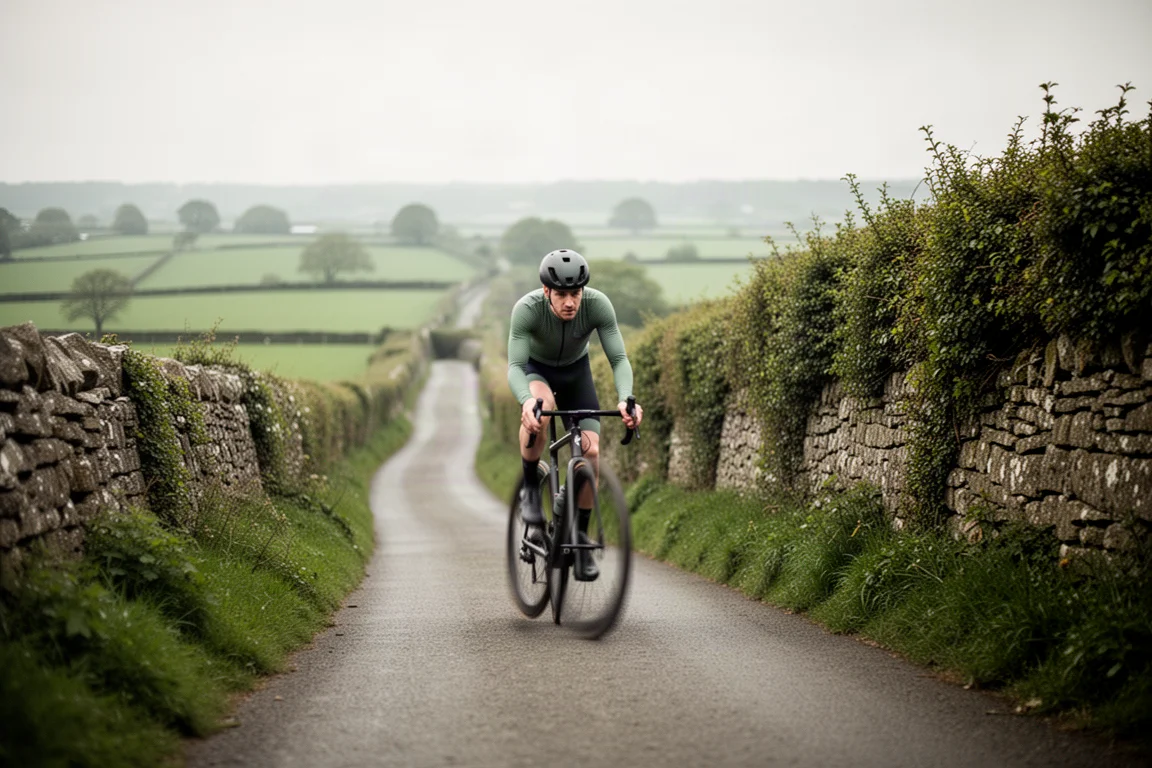
What that suggests is that position, tyres, wheels and gearing account for a large part of the gap between eras. Frames matter, but they are not the whole story, and a well-preserved old race bike is rarely the slow machine people expect it to be.
Lotus 110: The Road-Going Superbike
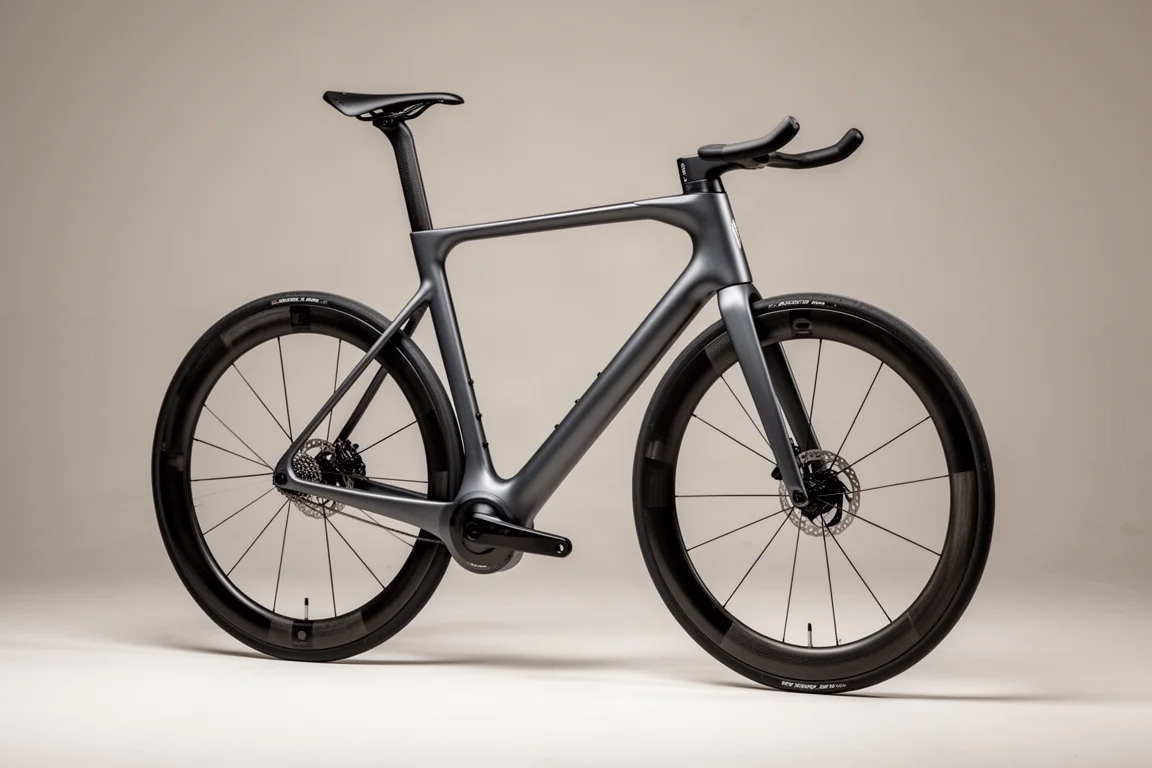
The Lotus 110 is the road-going evolution of the Lotus 108, the bike Chris Boardman rode to individual pursuit gold at the 1992 Barcelona Olympics and used to set a world record in the process. The 110 was ridden by Boardman and his team at the 1994 Tour de France, where he set the fastest prologue time trial at an average of 55 km/h.
The concept came from designer Mike Burrows. To make the machine usable on the road, the 110 swapped the 108’s track layout for a more conventional fork, vertical dropouts instead of horizontal track ends, and the addition of cables, brakes and gears. The silhouette is still unmistakable, with its curved seat mast and the missing down tube that defines the Lotus shape.
It is not light. Lifting the bike is a genuine surprise, and the ride is defined by a stiff rear end, a noticeably flexy front end and a very low, aggressive position. Braking and shifting are firmly of their era, with friction levers at the ends of the extensions and a narrow tyre footprint that transmits every bump.
In back-to-back runs against a modern aero road bike the Lotus came out ahead for one rider and a single second ahead for the other, which is close enough to the margin of error that the honest reading is that the two are comparable over a short course.
Hotta: Britain’s Forgotten Carbon Superbike
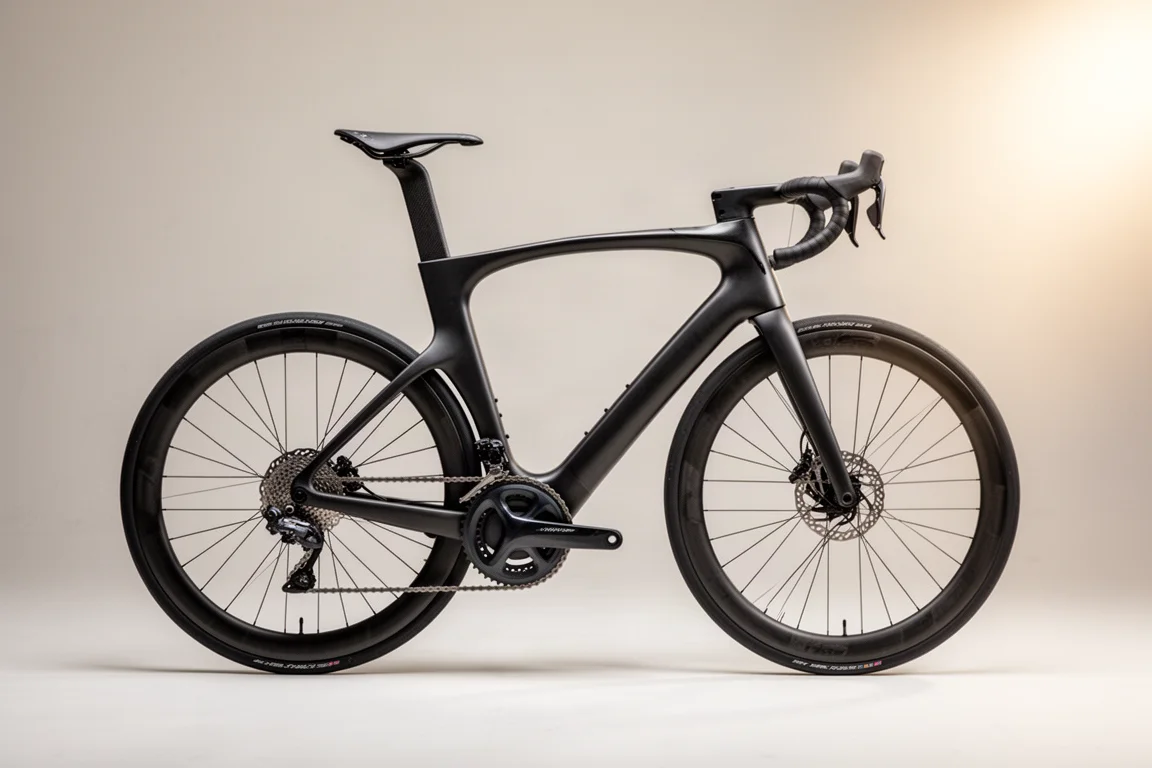
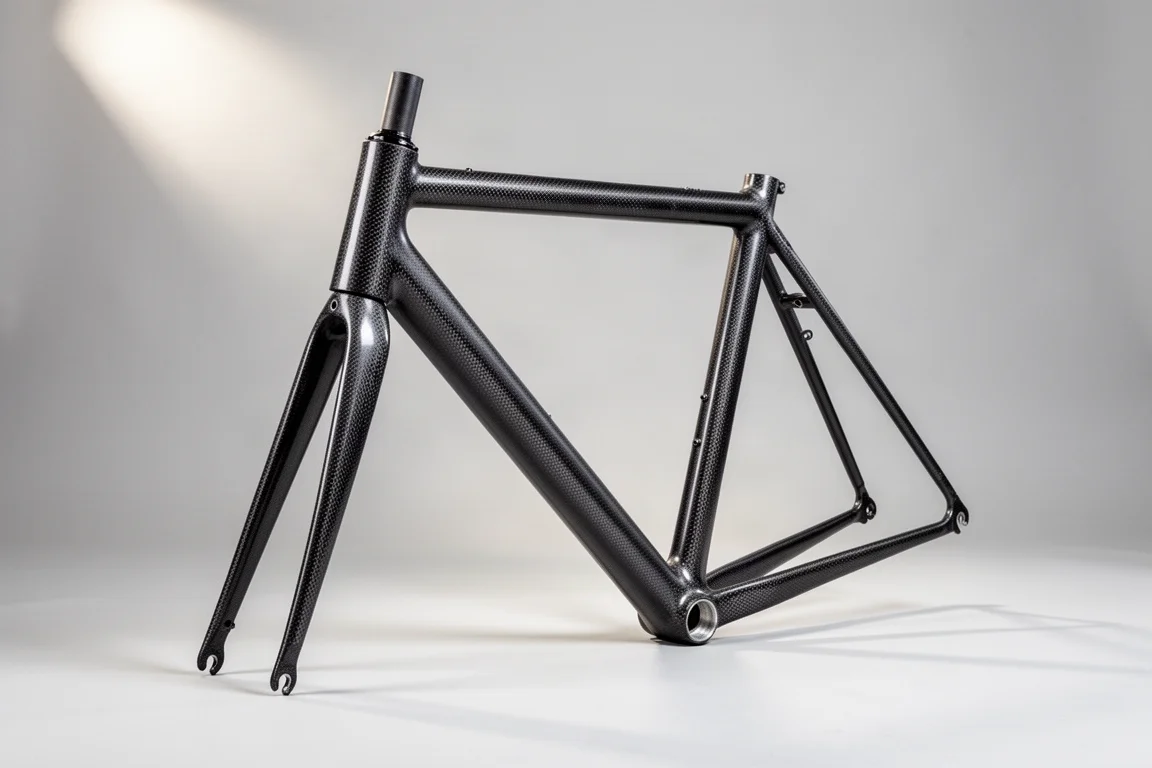
The Hotta was devised in 1992 around a carbon monocoque frame, and the original design used a Lotus 108-style mono stay. The production model that followed in 1993 switched to twin rear stays and a carbon bladed fork to make the bike commercially viable. The frame was built in three pieces that were brought together from a mould, the work of an engineer at a composites company that had previously been making camera bodies.
Racing success came quickly, first on the British national time trial scene and then in the hands of riders such as Graeme Obree and Chris Boardman. The bladed fork turned out to be the most influential part of the design: it could be fitted to sponsor-correct frames, and both the Motorola and Festina teams ordered them for their time trial bikes. Boardman used a Hotta fork on the Lotus 108 he rode for his hour record, and the 1997 and 1998 Tour de France prologue time trials were won on the Hotta frame, though badged as something else. The UCI’s 1997 charter then banned it, along with most of the era’s more imaginative designs.
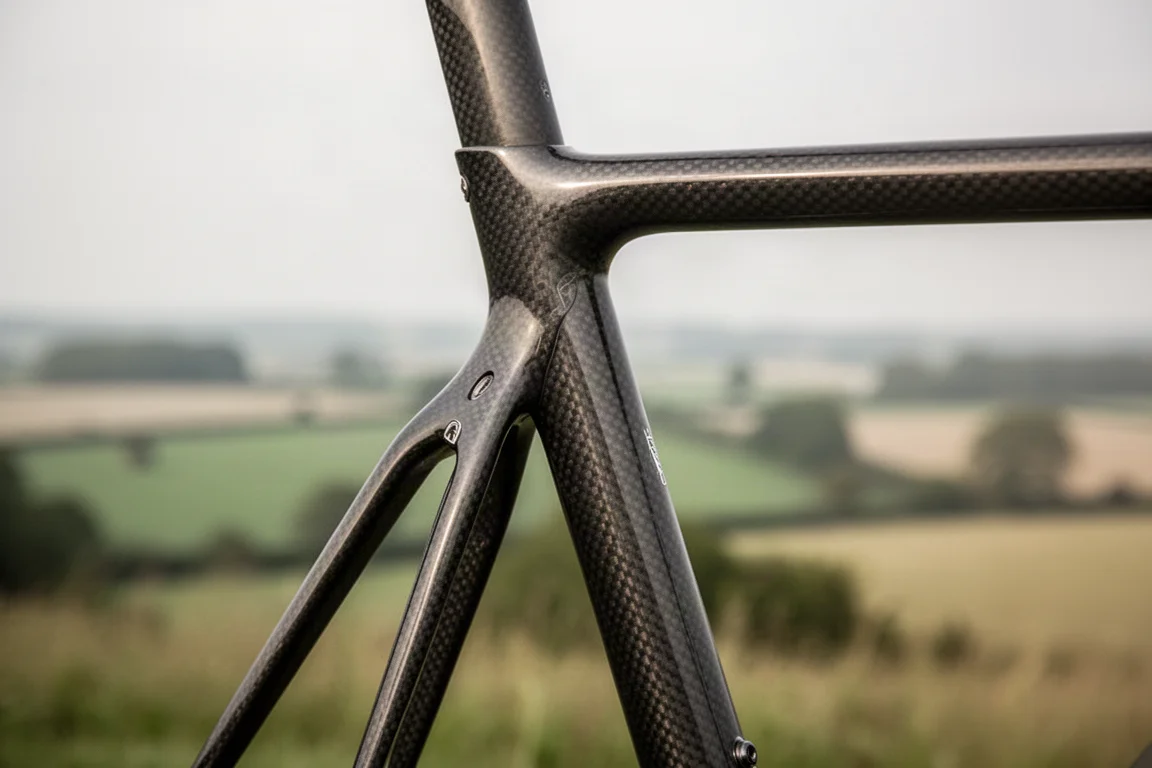
Rebuilt with modern wheels, tyres, gearing and cockpit, the frame is far closer to a contemporary aero road bike than its age suggests. It landed within roughly 20 seconds of a modern machine over the test course, and the biggest limitation was not the frame but the original bike’s extremely low front end, which is difficult to hold for any length of time.
Cervélo S3: The Bike That Made Aero Road Bikes Normal
Cervélo was founded in 1995 by two engineers, Gerard Vroomen and Phil White, who met at McGill University in Canada. Their first machine was a radical time trial bike, swept away by the same 1997 rule change that ended the Hotta’s racing career. The P3 time trial bike followed, and then in 2002 came the Soloist, an aluminium road bike with NACA-profile tube shapes initially sourced from a supplier of light aircraft landing gear before being custom extruded.
Sponsoring the CSC team from 2003 onwards gave the design its audience, although the three Tour de France stages the team won that year were all taken on the lighter, round-tube R2.5 rather than the aero Soloist. In 2005 the Soloist moved to carbon, and in 2006 the name was replaced by the SLC-SL, which shed 200 g and took the frame below a kilo.
The S3 arrived in time for the 2008 Beijing Olympics, where it was ridden to second, third and fourth in the men’s road race, and it was the fourth generation of the platform. The example featured here is a 2010 Tour de France team bike. Its quoted frame weight is around 1,050 g, and the complete build weighed 6.64 kg including power meter pedals, a full kilo less than the current S5. Tube profiles are classic teardrops rather than the truncated foils used today, and the down tube tapers to a fine point that makes a standard bottle cage look bulky by comparison.
Against a modern aero road bike it was around five seconds slower on average across the test, making up ground on the climb.
Bianchi Mega Pro XL: Pantani-Era Aluminium at Its Peak
1998 was the high point for aluminium in the professional peloton, and Bianchi built custom frames for Marco Pantani from 7,000-series tubing selected to his own specification. Those frames were rumoured to weigh under 1,000 g, and Pantani reportedly went through around 30 of them in a single season. The down tube was shaped for aerodynamics, which is what the Mega Pro part of the name refers to, and the carbon forks were supplied by Time and issued only to the team.
This bike is a Bianchi team frame from that 1998 season, raced in both the Giro and the Tour. It runs nine-speed Campagnolo Record, at a time when Campagnolo was first to nine speeds, along with aero Shamal wheels rather than the ultra-light climbing wheels of the period, a Selle Italia Flite saddle and an ITM Big One stem. Pantani’s own bike was rumoured to weigh 6.96 kg.
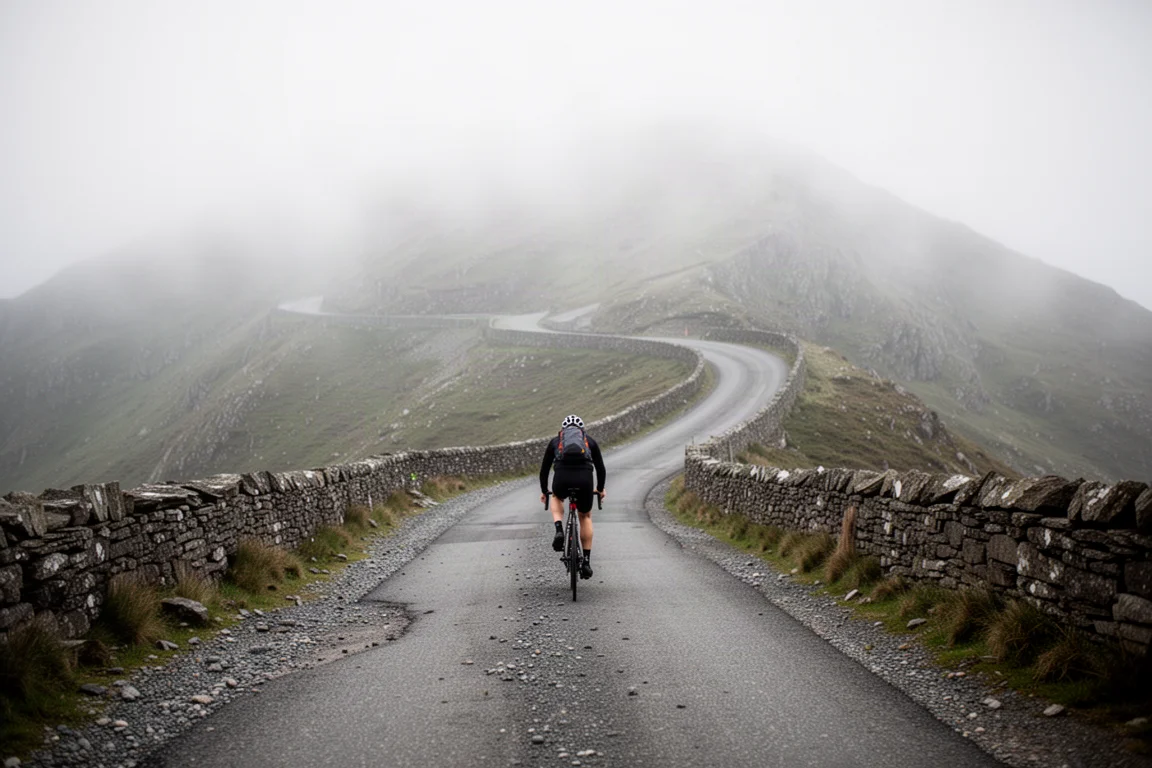
Over a four kilometre climb the 25-year-old Bianchi lost just two seconds to a modern aero road bike with a 12-speed wireless groupset, and the rider was pushing about 10 W more on the Bianchi to get there. That makes the performance gap even smaller than the stopwatch alone suggests.
Giant MCR: The Aero Road Bike the UCI Banned
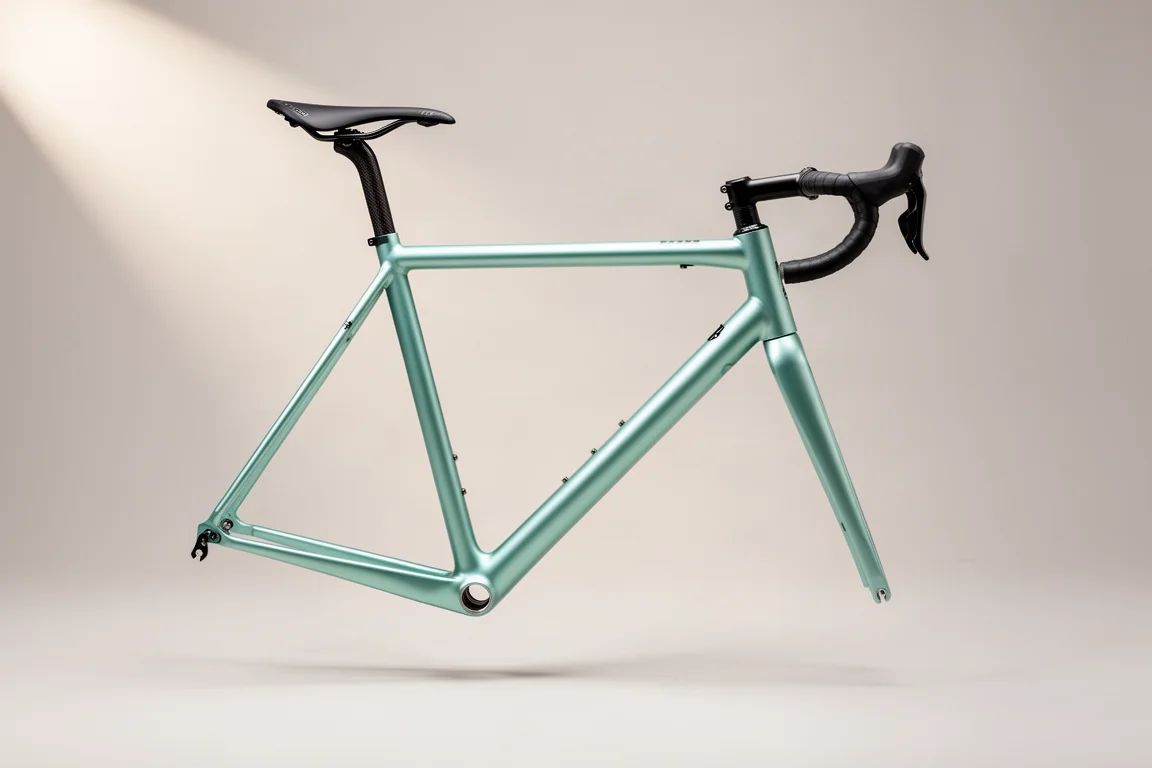
The Giant MCR arrived in 1997 as a mass-produced carbon monocoque aero road bike, designed by Mike Burrows with the design process begun as an undergraduate project. Its purpose was to bring the performance of the prohibitively expensive Lotus to a much wider audience, and it did so at £2,000, or roughly $3,000 at the time.
It also carried features that would not become common for years: internal cable routing similar in concept to designs that appeared nearly a decade later, and an integrated headset. Only one frame size was produced, on the theory that a long seatpost and an adjustable-height stem would let almost anyone fit, and the price reflected the simplicity of a single mould.
The compromises show up on the road. The frame weighs 1,825 g, around a kilo more than a modern aero frame, and the complete bike came in at 9.6 kg with its original wheels. It is comfortable, the handling is sound, and the front end is noticeably flexy under load.
Over an 8.54 km course a modern aero road bike was 19 seconds quicker for one rider and 26 seconds for the other.
Pinarello F9: The Modern Benchmark
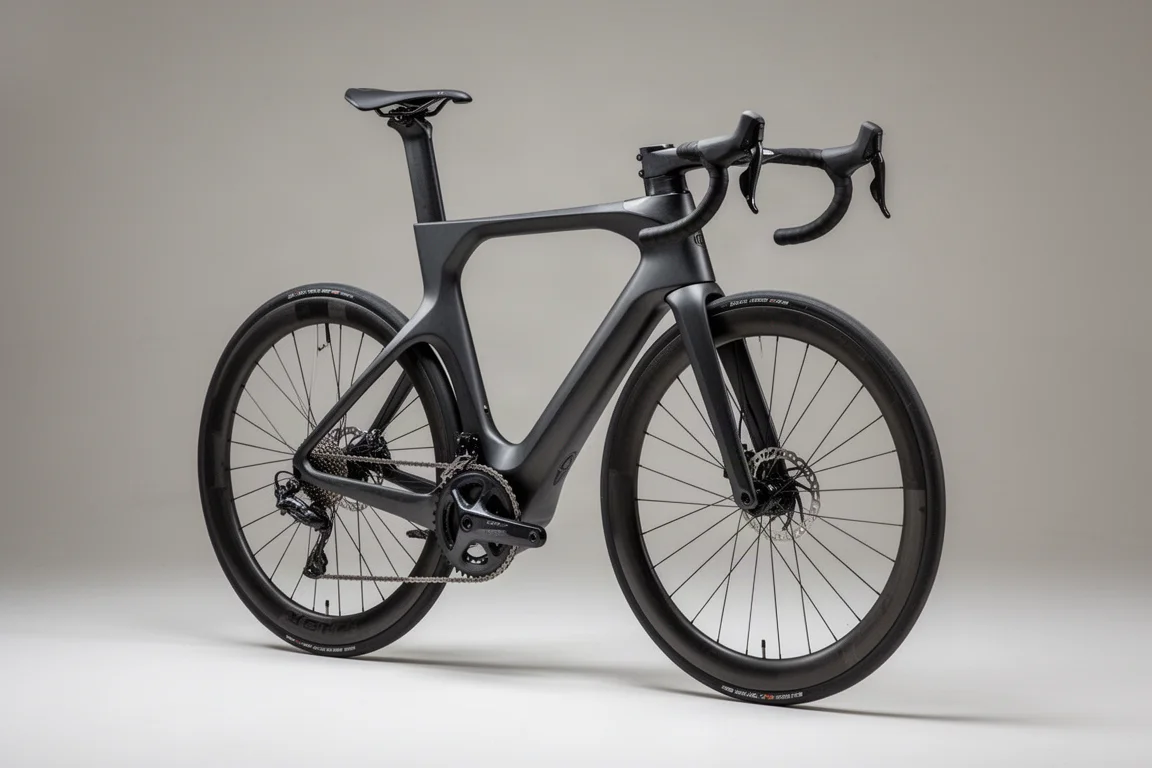
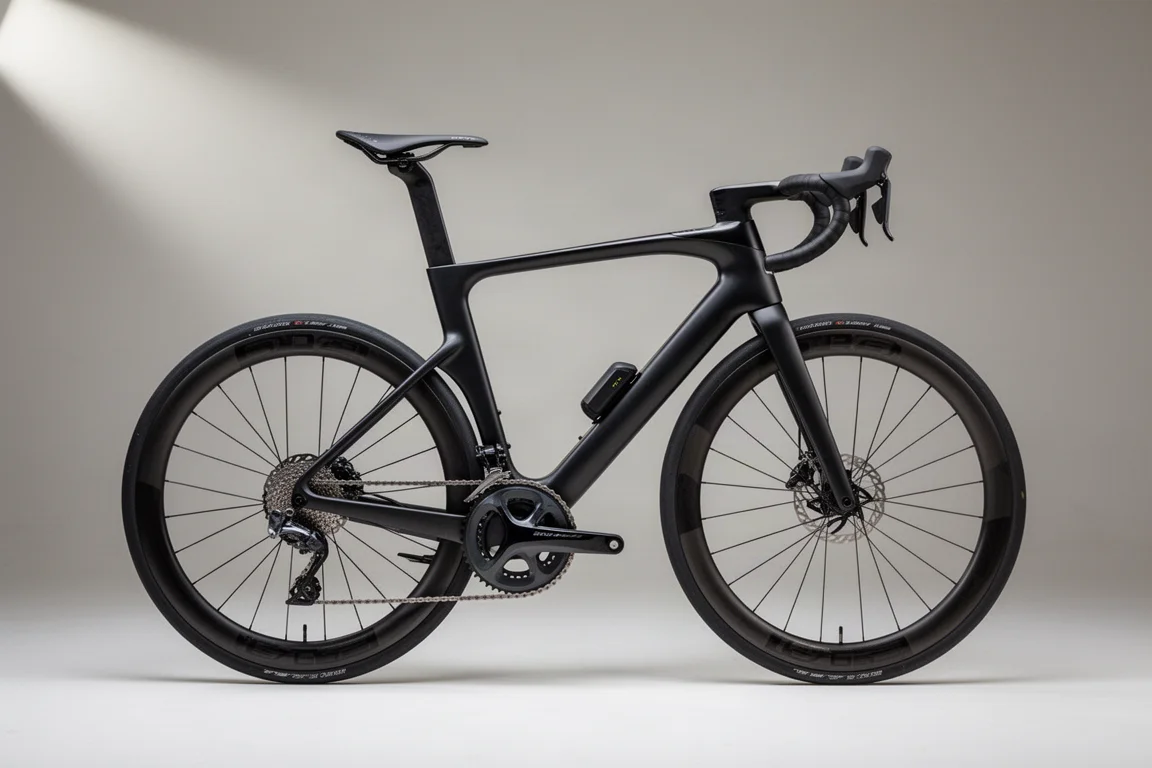
The Pinarello F9 is a current-generation aero road frame, and it differs from the Dogma F raced by the Ineos Grenadiers in the grade of carbon fibre used. It ran a Shimano Dura-Ace 12-speed wireless groupset with aero wheels and a one-piece cockpit.
Its frame is around 50 g lighter than the rumoured weight of the custom aluminium frames Bianchi built in 1998, which is a reminder of how small the weight margins have become after a quarter of a century of carbon development. Modern tyres, wider rims, disc brakes and a much broader gear range all add up to a machine that is easier to ride fast for longer.
On the test climb it was two seconds faster than the Bianchi, with the caveat that the rider pushed harder on the older bike.
Overall Buying Advice
The most useful conclusion from all of this is that a well-kept vintage race frame is not a novelty purchase that will leave you at the back of the group. Over short, realistic courses the gaps to modern aero road bikes are measured in seconds, and much of that comes from tyres, wheels, position and gearing rather than the frame itself.
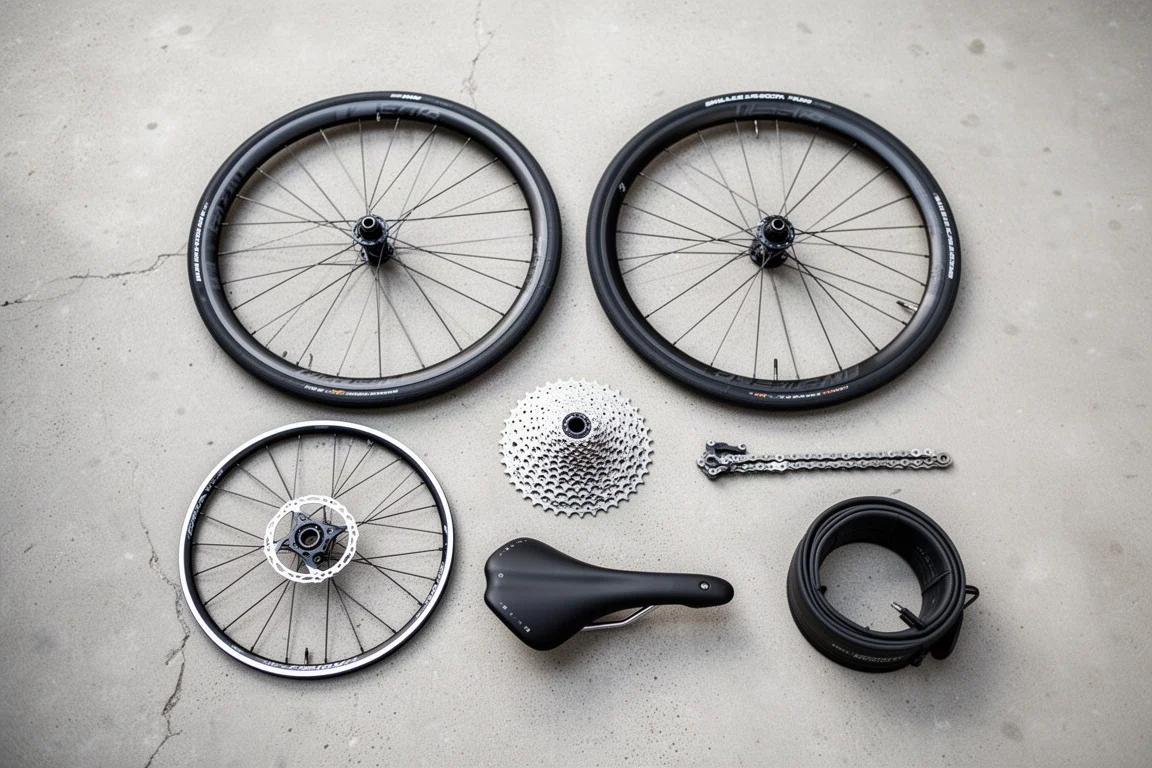
That said, buying one is a different proposition from buying a new bike. Some of these machines use non-standard parts, narrow hub spacing, custom cranks or single-size frames that will not suit every rider. Rim brakes, tubular tyres, nine or ten speed gearing and aggressive geometry all demand a certain tolerance. Parts availability is the real constraint, and a bike that is difficult to service is difficult to enjoy.
If what you want is the fastest possible machine for the money, a current aero road bike is the straightforward answer. If what you want is a genuinely fast bicycle with a story behind it, several of the frames here deliver far more than nostalgia suggests.
Conclusion
Thirty years of development has produced bikes that are faster, lighter, more comfortable and far easier to live with. What it has not produced is a dramatic gap over the best designs of the 1990s. The Lotus 110, the Hotta, the Cervélo S3, the Bianchi Mega Pro XL and the Giant MCR each gave away only seconds to a modern aero road bike in back-to-back running, and in one case the old bike was quicker. For anyone weighing up a vintage superbike against a new aero road frame, the decision comes down to practicality and character rather than raw speed.
Further reading
Related Reviews
Cycling
2026 Bike of the Year and the Cycling Gear Worth Watching
A drop bar roundup for 2026 covering the Ridley Kanzo Fast 2.0, Shimano Dura-Ace Di2 R9300, Trek Checkpoint ALR Gen 3, Specialized Tarmac SL9, Garmin Fenix 9 and Insta360 X6.
Cycling
Best All-Road Bikes 2026: Six Versatile Endurance Road Bikes Worth Considering
A practical look at six all-road and endurance road bikes, from lightweight carbon speed machines to steel all-rounders and comfort-focused mile eaters.
Cycling
Best All-Road Bikes 2026: 8 Endurance Bikes for Road and Light Gravel
Eight all-road bikes that blur the line between endurance road and light gravel, compared on tire clearance, ride character, practicality, and value.