Road Bikes
Vintage Superbike vs Modern Entry-Level Road Bike: Which Is Actually Faster?
A steel race bike built in the style of a 1969 Tour de France winner against a sub-£500 entry-level road bike, compared on the flat, on the climbs and in everyday riding.
Introduction
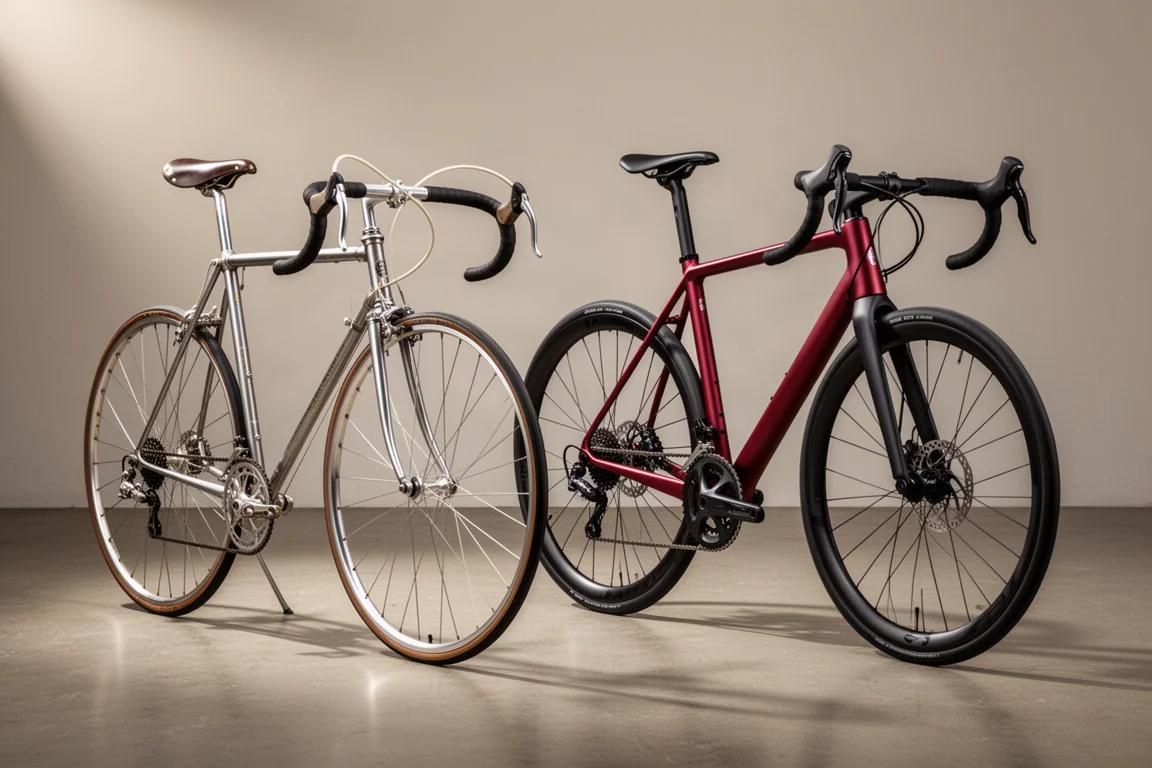
A steel race bike built in the style of the machine that won the 1969 Tour de France and a modern entry-level road bike that sells for less than £500 sit at opposite ends of cycling history, yet they answer the same question: what does a rider actually get for their money?
The vintage build is a faithful steel recreation: handmade, custom-fitted, and once the finest racing equipment in the world. The modern bike is the Triban RC 120, the current entry point into road cycling.
Comparing them head to head on a flat four-kilometre course and a one-mile climb produces a genuinely surprising result, and a fairly clear answer about which one most cyclists should actually buy.
How These Two Bikes Compare
On paper, the modern bike wins almost every technical category. It uses an aluminium frame rather than steel, carries 16 gears instead of 10, moves shifting from the down tube up to the handlebars, and stops with disc brakes rather than rim brakes.
The vintage bike counters with artisan, hand-built construction and a frame made to measure for its rider. It also holds a roughly one-kilogram weight advantage: 9.78 kg against 10.9 kg.
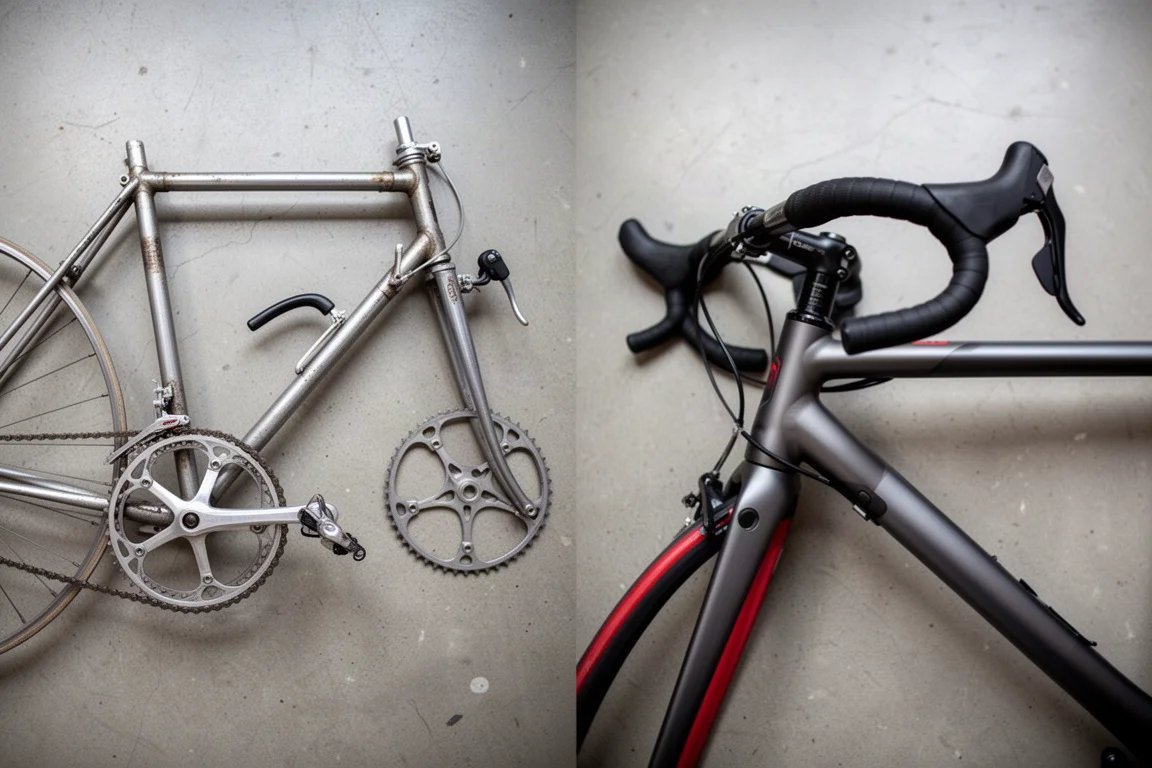
Those numbers only tell part of the story. The real differences show up in body position, tyres and the way each bike responds when the pace changes, which is exactly what the back-to-back rides set out to measure.
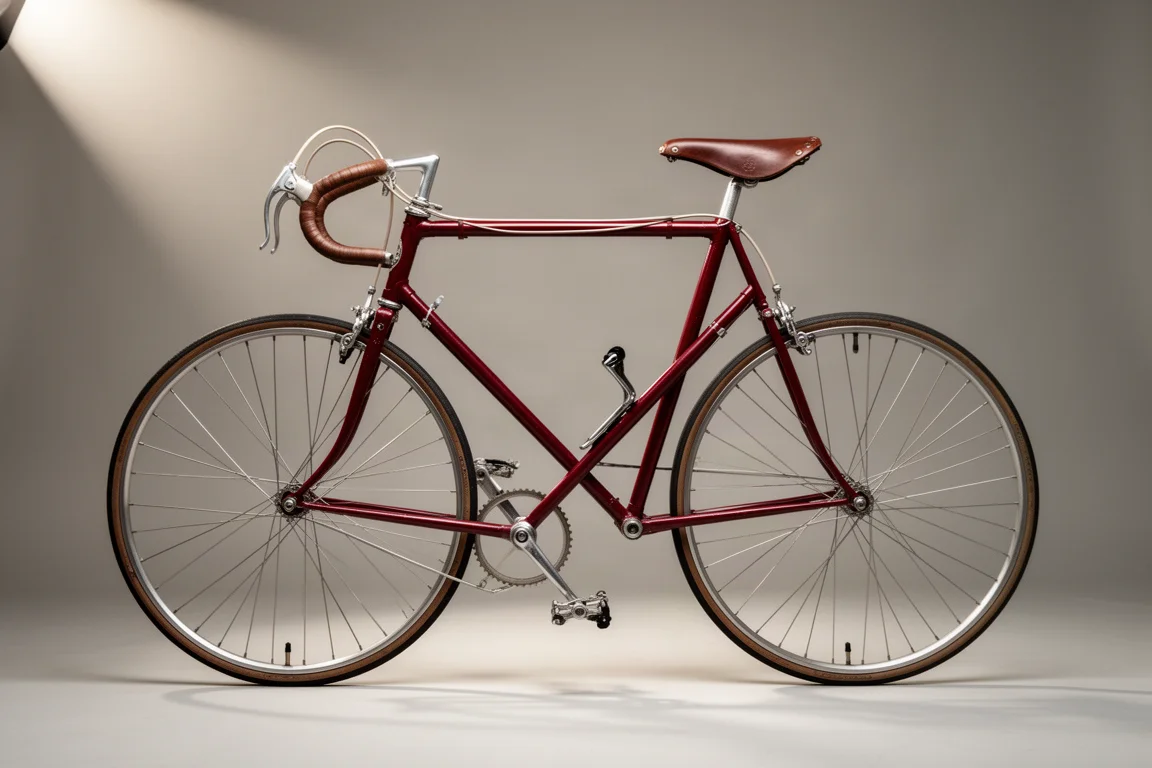
Vintage Superbike: Eddy Merckx 1969 Tour de France Replica
The steel race bike is built to period specification: a handmade frame, a 10-speed drivetrain with down tube shifters, rim brakes and traditional tubular tyres glued to the rims. Gearing runs from 53/13 at the top end down to 42/23 for climbing.
Riding it is a lesson in what has and has not changed. The geometry still feels familiar after more than 50 years, and the light wheels paired with very skinny tyres make it nimble and agile, happy to be flicked in and out of the saddle. On a climb it feels genuinely special.
The compromises are just as clear. Down tube shifters have no indexing, so every gear change and fine adjustment is made by feel, which makes shifting slow enough that riders tend to leave the bike in one gear and grind or spin instead. The 42/23 climbing gear is enormous for anything steeper than about eight percent, and the lever hoods are uncomfortable to hold for long stretches.
Modern Entry-Level Bike: Triban RC 120
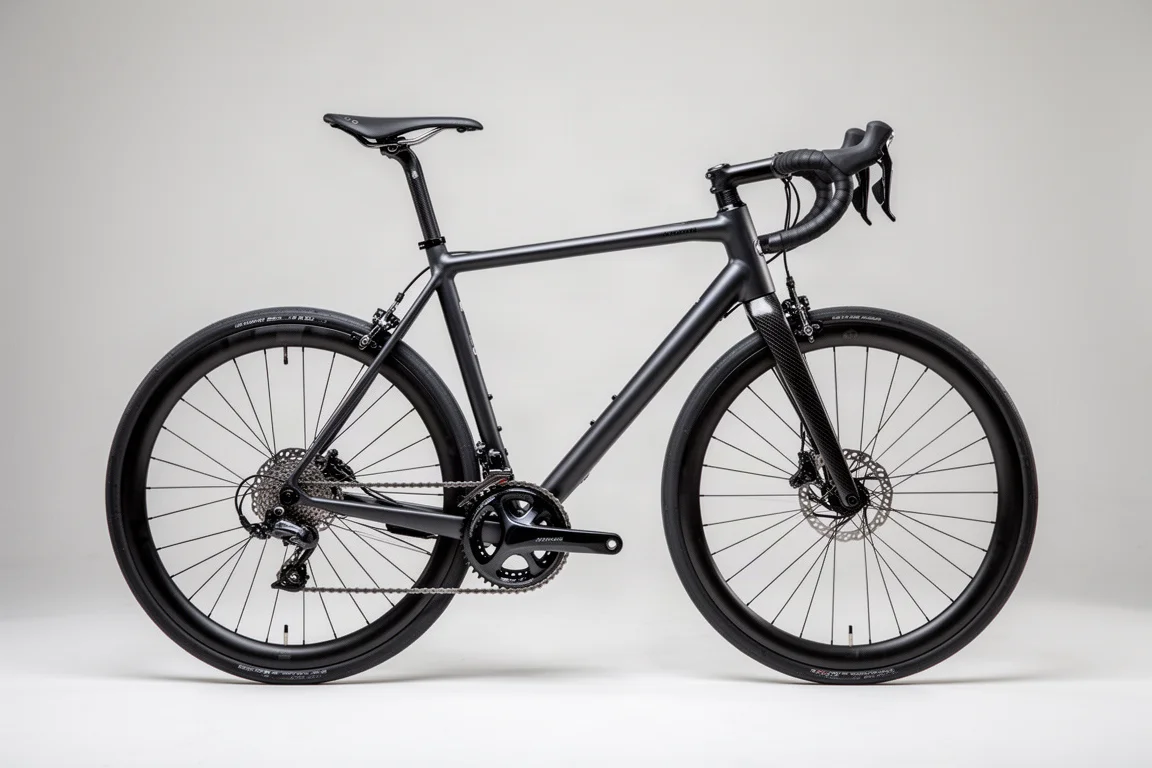
The Triban RC 120 is the modern counterpoint, and it is deliberately built for a far wider range of riders than a custom race frame. The fit is upright and short, designed to be comfortable rather than aggressive, which makes it easy to live with but cramped when you want a proper aerodynamic position.
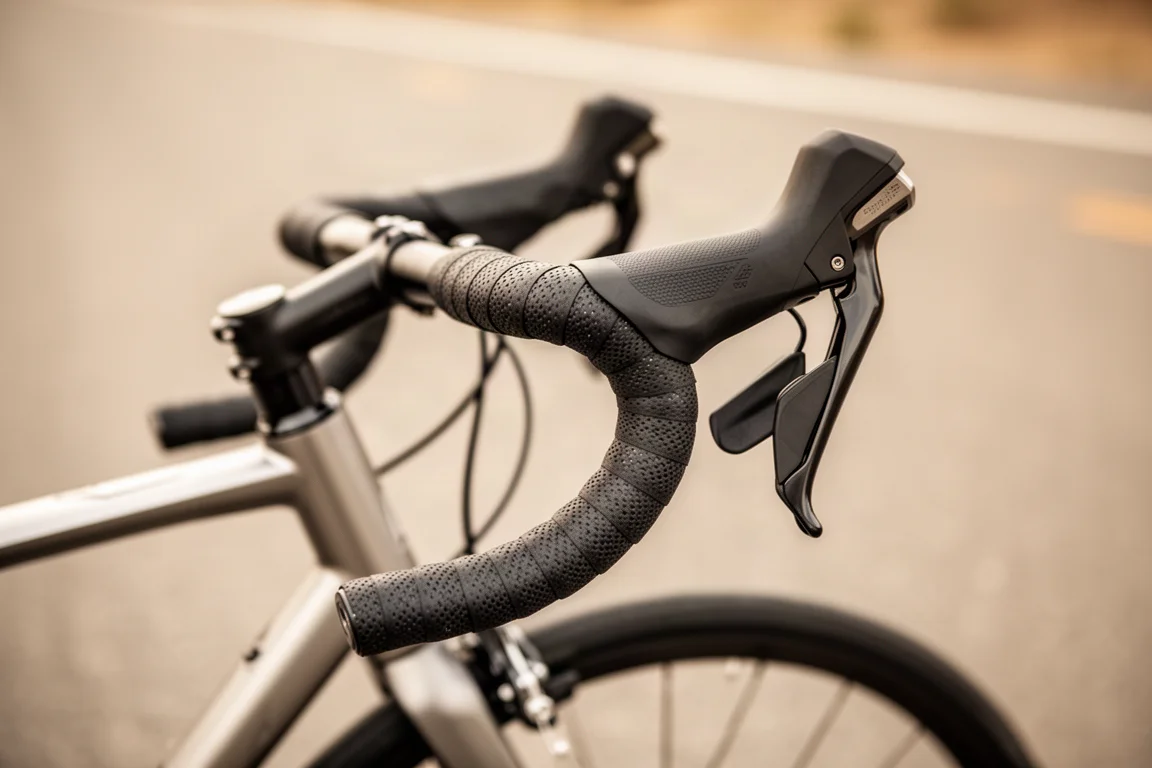
Its 16 gears shift from the handlebars with indexed clicks, and the difference in use is immediate. Changes are quick and reliable, and the brakes are stronger and easier to modulate than the vintage rim setup. The brake hoods are comfortable to hold, and the handlebar tape actually cushions your hands.
The trade-offs are a roughly one-kilogram weight penalty, mass-market aluminium construction and entry-level tyres that are likely to cost real speed.
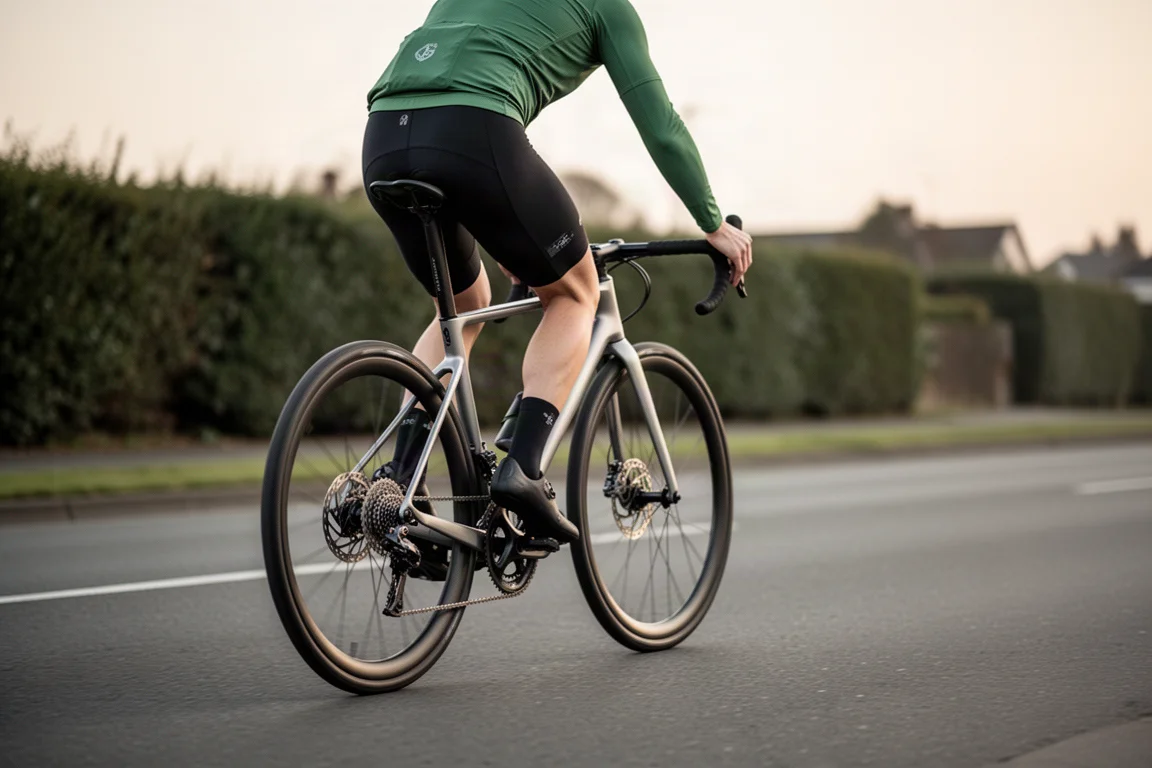
For a new rider, that combination is far easier to get along with than a period race bike, even before you consider the price.
What the Back-to-Back Test Showed
Both bikes were ridden at the same power output on a flat four-kilometre course. The vintage bike was faster, and by a bigger margin than expected.
That result comes with honest caveats. The comparison was not a scientifically controlled test. Body position on the modern bike was noticeably less aerodynamic, and the vintage bike ran on traditional tubular tyres that are likely to be faster than the entry-level tyres on the Triban, potentially worth tens of watts per wheel. Both bikes also used the same pedal upgrade so power output could be measured, a small deviation from pure period specification.
Comfort, Gears and Brakes in Everyday Riding
Away from the stopwatch, the modern bike is the better bike to ride for the majority of cyclists. It is more comfortable, the brake hoods are easier to hold, the handlebar tape cushions your hands, the gears work far better, and the brakes are considerably stronger.
Modern indexed shifting also shows how far drivetrain technology has moved: a current budget groupset outperforms a 50-year-old top-tier one in daily use. Clicks, dependable changes and no manual fine-tuning make a bigger difference to most rides than any weight saving.
The vintage bike still has its own appeal here. It rewards steady, sustained effort and feels wonderful on a long, even climb, but it does not encourage you to change pace, accelerate out of the saddle or push hard in short bursts. It behaves a little like an indoor trainer: excellent at one intensity, less engaging the moment you want to vary it.
Who Each Bike Suits
The vintage steel build suits riders who want character, hand-built craftsmanship and a machine that feels alive on a steady climb. It is a bike to enjoy on its own terms rather than one to chase personal bests on.
The Triban RC 120 suits new road cyclists and anyone who wants a comfortable, dependable bike with easy gear changes and strong brakes at a budget price. It is also the far more practical choice for traffic, varied terrain and longer days out.
Overall Buying Advice
If outright speed is your goal, the modern bike can be brought closer to the vintage machine with one simple change: upgrading the tyres. That addresses what is likely the single biggest performance gap, and it costs far less than almost any other upgrade.
If comfort, easy shifting and confident braking matter more, which they do for most riders, the entry-level bike is already the better purchase. It comes in under £500, €500 or $500 with disc brakes and 16 gears, and it does not ask you to adapt to 50-year-old habits.
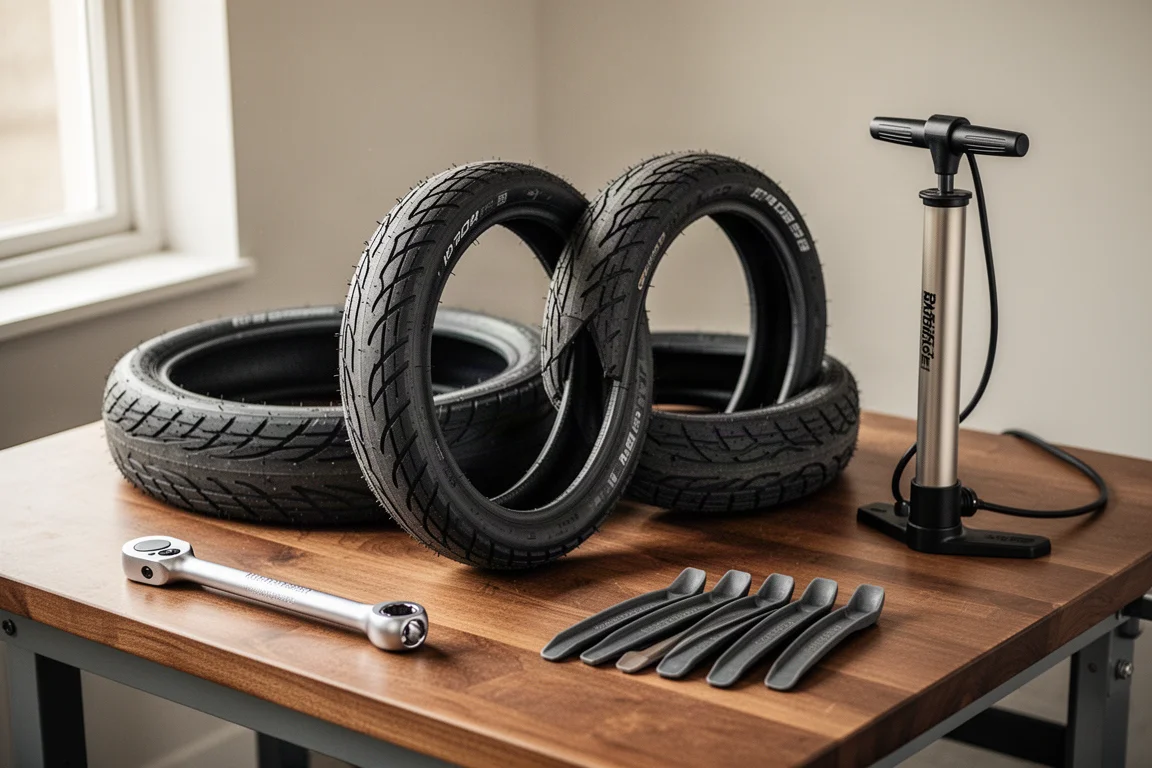
For most cyclists, the sensible answer is the modern bike plus a tyre upgrade, with a vintage build kept as an object of admiration rather than a daily ride.
Conclusion
The entry-level road bike is not faster than a machine built in the style of a 1969 Tour de France winner on the flat, at least not in this comparison, and that is a genuinely surprising outcome.
But flat-course speed is only one measure of a bike. In comfort, gear changes, braking and everyday usability, the modern budget bike is clearly the better machine for the majority of riders, and it costs a fraction of what a hand-built vintage race bike represents.
Further reading
Related Reviews

Road Bikes
10 New Road Bikes Worth Watching: Aero, Titanium, Steel and Endurance Standouts
A practical roundup of 10 new road bikes, from aero flagships chasing single-watt gains to titanium, steel and endurance platforms built for real roads.
Road Bikes
2026 Tour de France Road Bikes: Six Race Machines Worth a Closer Look
Six race bikes from the 2026 Tour de France grid, reviewed for paint, silhouette, wheels and the specification details that matter to buyers.
Road Bikes
3T Strada Italia Review: A Radical Aero Road Bike That Rides Smooth
A made in Italy carbon aero road bike with a deep head tube, wide tire clearance and a genuinely comfortable ride. Here is what to know before buying.