Cycling
Vintage Mountain Bikes as Gravel Bikes: Three 1990s Steel MTBs on 70 km of Winter Gravel
A 1990 GT Timberline, a 1997 GT Bravado and a 1994 Gary Fisher Advance were ridden over 70 km of winter gravel. Here is what each one gets right, where each falls short, and who should buy one.
Introduction
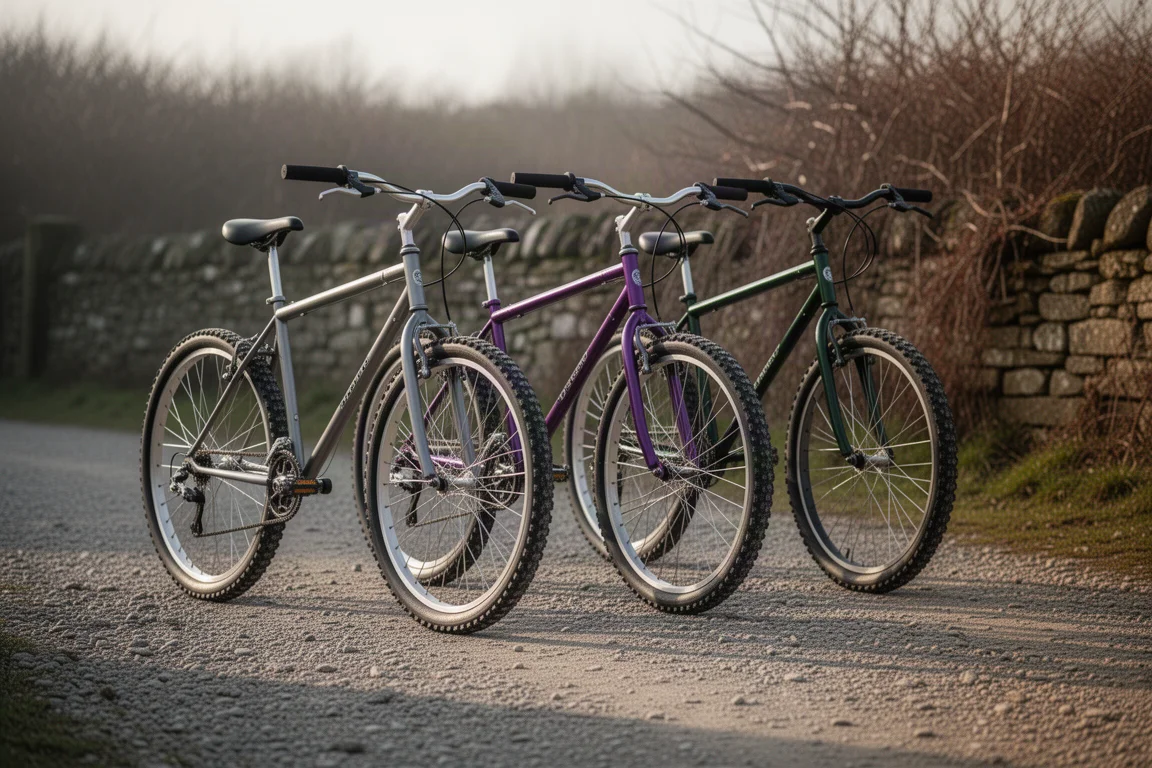
There is a long-standing argument among experienced riders that gravel bikes are not a new category at all, just an old idea with better marketing. The machine that first took large numbers of riders off tarmac was the mountain bike, and the rigid steel models of the early 1990s look remarkably similar to what many people now ride on gravel.
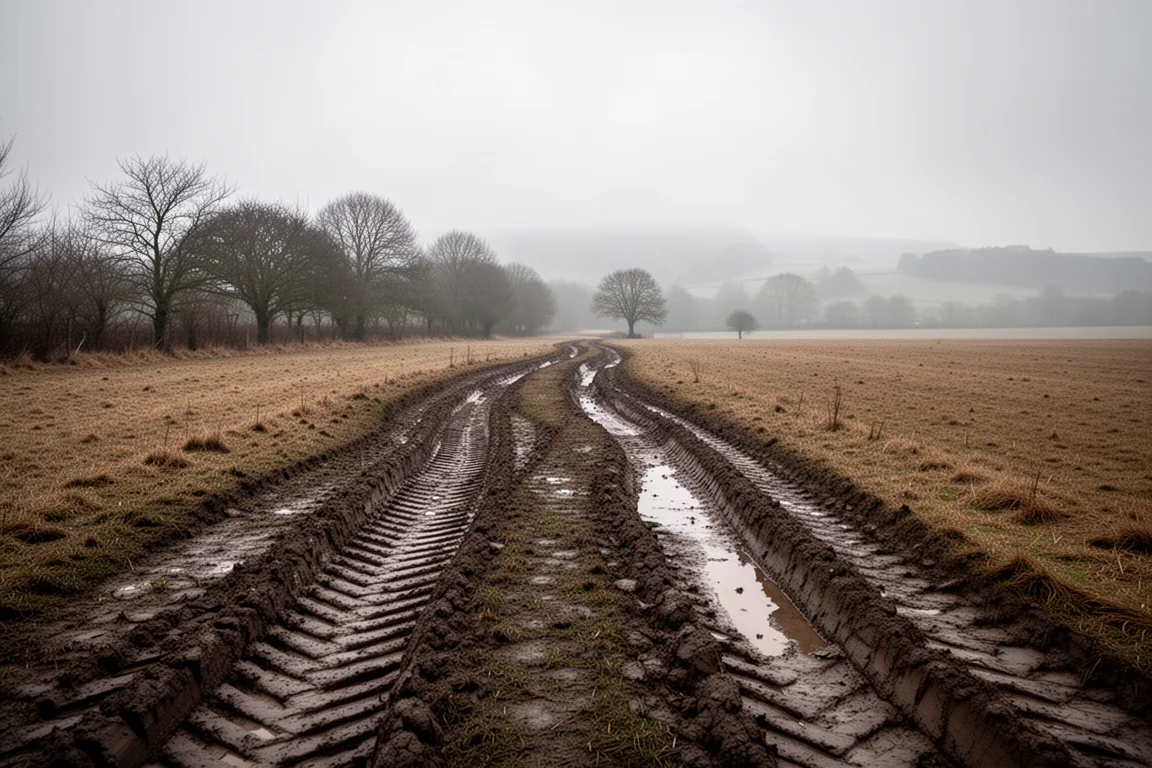
To put that claim under real pressure, three riders took three second-hand 1990s mountain bikes on a 70 km winter route. The ride started in Cheltenham, climbed onto the Cotswold escarpment, crossed hills, trails and lanes, followed a gravel stretch of the Roman Fosse Way, and finished with a descent into Bath.
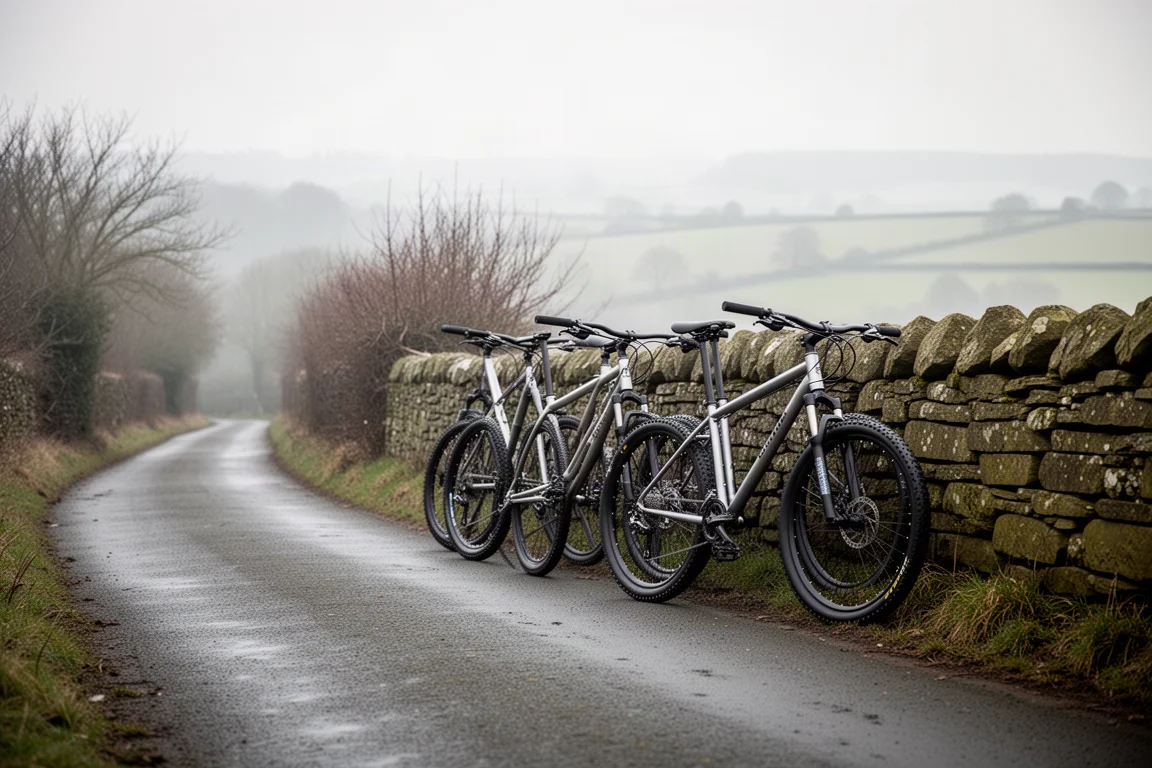
The bikes were a 1990 GT Timberline, a 1997 GT Bravado and a 1994 Gary Fisher Advance, all sourced from a charity bike shop whose profits support cyclists fighting cancer and help young people living with the illness rebuild their fitness through cycling. None of them was expensive, none of them was modern, and all three completed the route. What follows is what each bike does well, where it falls short, and who should consider buying one.
How We Chose and Tested These Bikes
Three requirements shaped the shortlist: a rigid frame, 26-inch wheels and a price low enough to keep the whole idea realistic. All three bikes came from the same shop, all three were in rideable condition, and all three were ridden on the same route on the same day, through frozen fields, muddy bridleways and long gravel straights.
Wheel size matters more than most buyers expect. A 26-inch wheel measures 559 mm at the bead seat, compared with 622 mm on a modern gravel bike, so the ride feel and the contact patch are both different. Tire choice is just as important: the Timberline was running modern 45 mm mountain bike tires, close to the width many gravel riders now use.
Braking separates these bikes sharply. The Timberline uses a cantilever brake at the front and a U-brake at the rear, a design with a poor reputation that never worked especially well. The Bravado has brakes that work properly, and the Gary Fisher Advance uses V-brakes, a clear step up from cantilever designs.
GT Timberline (1990)
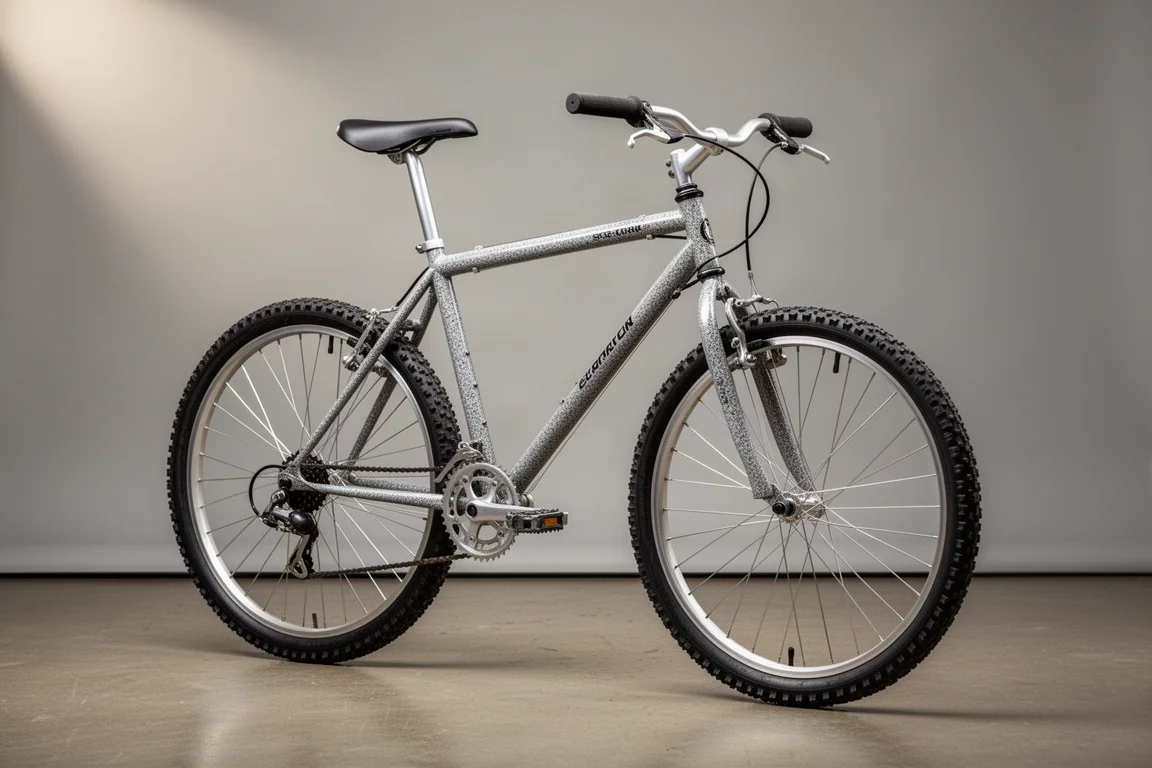
The Timberline is the cheapest way into this experiment and also the most compromised. The frame is steel, and the paint is a gray stone-effect finish that is far from the most desirable of the era, even though 1990s GTs are genuinely collectible and other models from the range carry much stronger colour schemes. This example arrived with purple 54 cm wide handlebars that lift the look considerably, and it was a size smaller than ideal for its rider.
The drivetrain is almost entirely original: 21 gears, a triple chainset and Shimano BioPace oval chainrings, another design with a poor reputation. The rear U-brake offers almost no stopping power, which is the single biggest thing to weigh up before buying one of these.
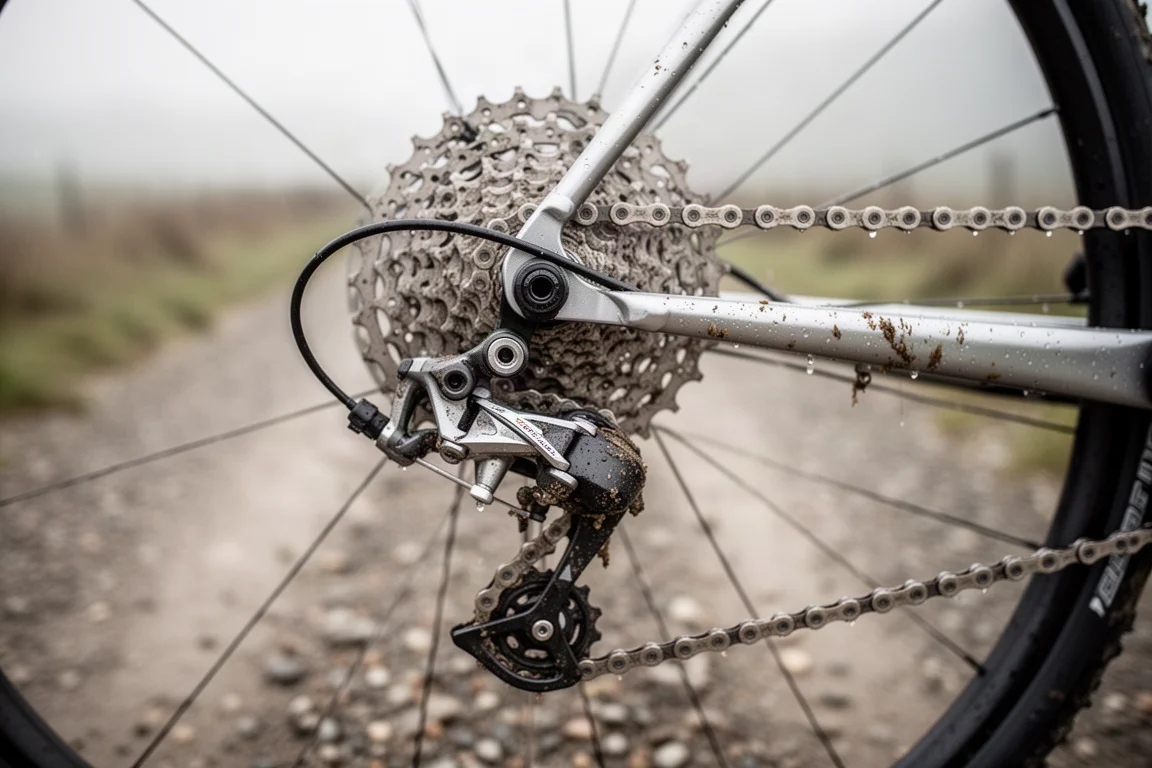
On the road and gravel it surprised everyone. The bar ends provide three hand positions, the triple chainset has a low enough gear to keep spinning up gradients that reached 16 percent, and on a long straight stretch of Roman gravel the bike held 25 to 30 km/h. Expect to pay around £150 second-hand for an example like this one, against roughly £300 when it was new.
GT Bravado (1997)
The Bravado is roughly seven years younger than the Timberline and about three times the price in this comparison, and it was the bike its rider enjoyed most. The brakes work properly, and the drivetrain is an 8-speed setup with an 11-32 cassette, a range that is close to what many modern road bikes run. Paired with a granny ring, that cassette is enough for steep climbs even though a 32-tooth largest sprocket sounds modest by current standards.
On the ride it was described as fun, small and easy to drift through corners on its slick tires. More tellingly, the bikes were reliable across the full 70 km of mixed winter surface, which says a great deal about how well built 1990s mountain bikes were.
This is the most complete package of the three, and the one to look for if you want a single cheap bike that can handle gravel, lanes and a bit of mud without constant attention. The main trade-off is price, since it costs noticeably more than the entry-level option.
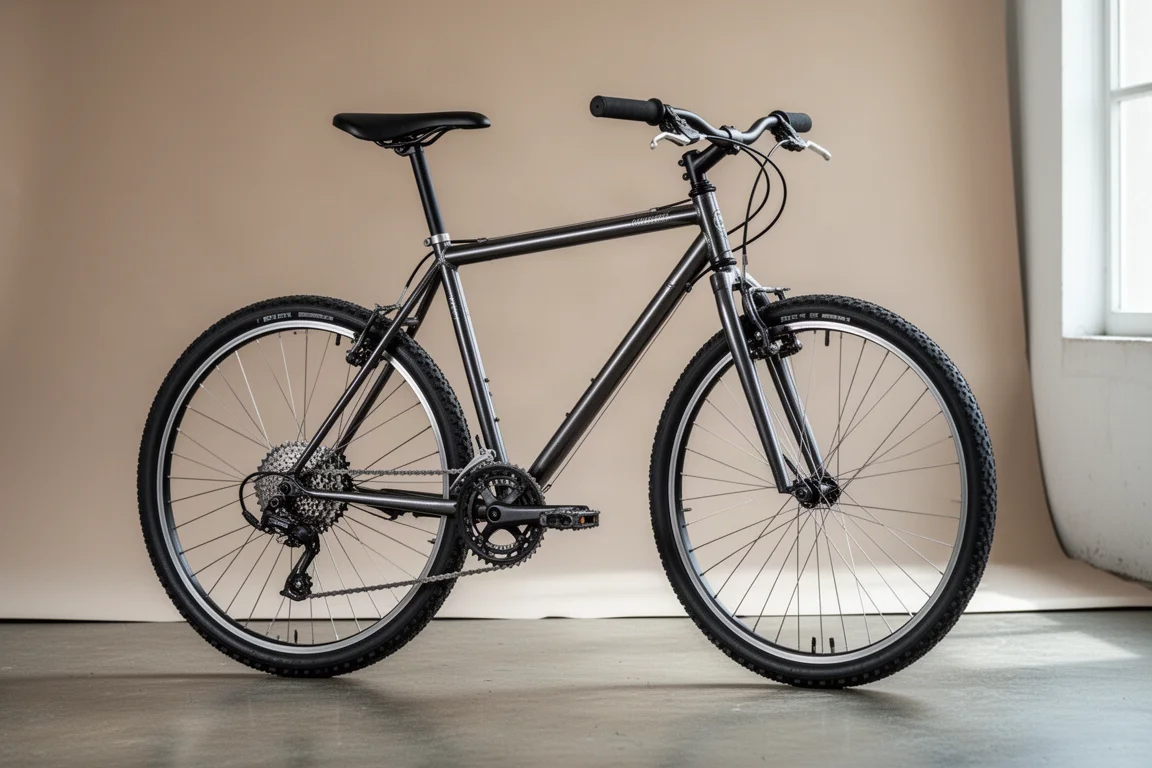
Gary Fisher Advance (1994)
The Gary Fisher Advance was the best-equipped bike of the three and, for its rider, the machine that would have been a dream bike in 1994. It has a steel frame, V-brakes that outperform the cantilever setup on the Timberline, and a Deore 3x7 drivetrain with trigger shifters rather than the friction shifters common on entry-level mountain bikes of the period.
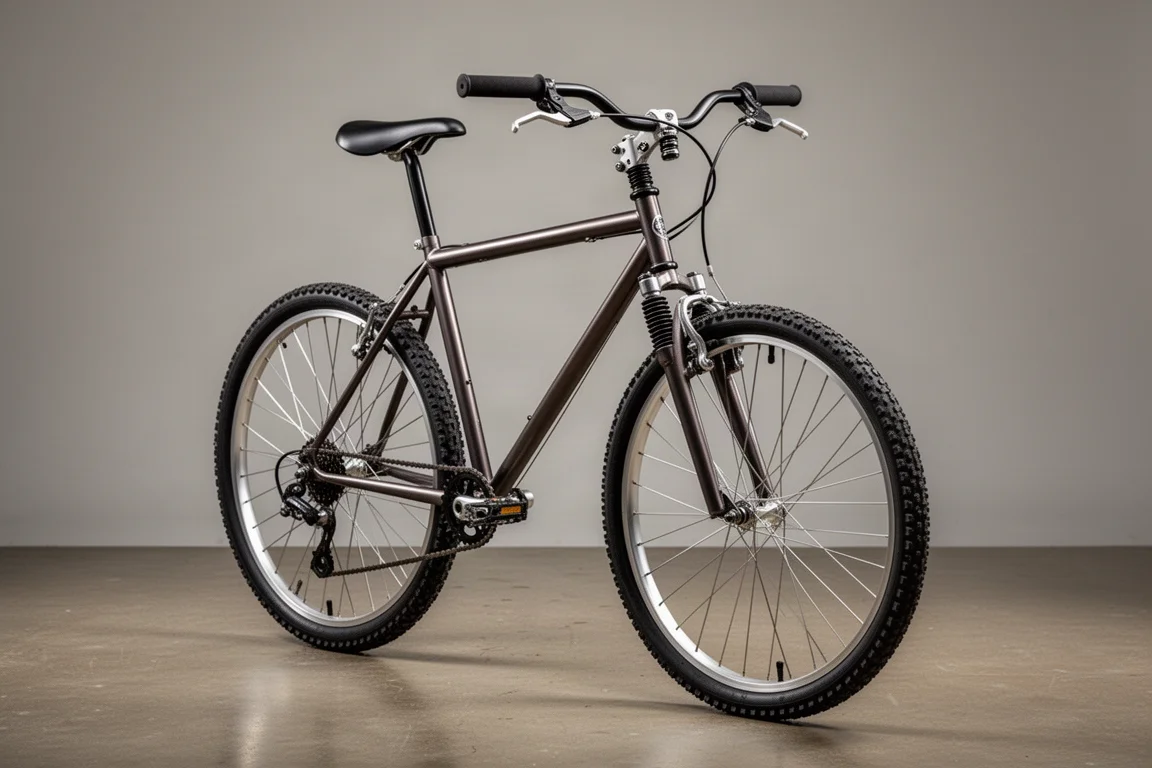
Its standout feature is the Girvin Flex Stem, a design from 1989 that uses an elastomer to add roughly an inch of travel at the handlebar, an inch more suspension than either of the other two bikes offers. This example had been well looked after and carried a few non-original parts, including a Brompton saddle, along with Mavic wheels whose bearings still spun smoothly. The brand also offered a drop bar option in that era for riders who wanted a different hand position.
Durability showed up in an unexpected way: the bike survived 31 years before a car reversed over its front wheel in a car park, destroying the wheel. A replacement had it straight back on the ride, a reminder that parts for these bikes are simple to swap. For riders who want the best braking and the most comfort of the three, this is the pick.
What These Bikes Teach Us About Modern Gravel
Mountain bikes have since evolved towards slacker, longer geometry, and a modern mountain bike is not the right tool for a 70 km mixed-surface route. Gravel bikes filled that gap: light, fun, off-road capable machines that let you get a little sideways without pretending you are training for backflips.
The honest conclusion is that a vintage mountain bike is not better than a modern gravel bike. Disc brakes are a genuine game changer, particularly in winter conditions, and the feeling of being underbiked is real once the terrain turns rough. That said, the old bikes were quick on gravel, holding 25 to 30 km/h on long straight sections, and every trail on this route was accessible without a bike park, which is a large part of the appeal.
Overall Buying Advice
If you are considering one of these bikes, check the frame for cracks and dents, spin the wheels to make sure they run true, test the brakes properly rather than trusting a quick squeeze in a car park, and confirm the size suits you. A bike that is a size too small will still ride, but it will never feel quite right.
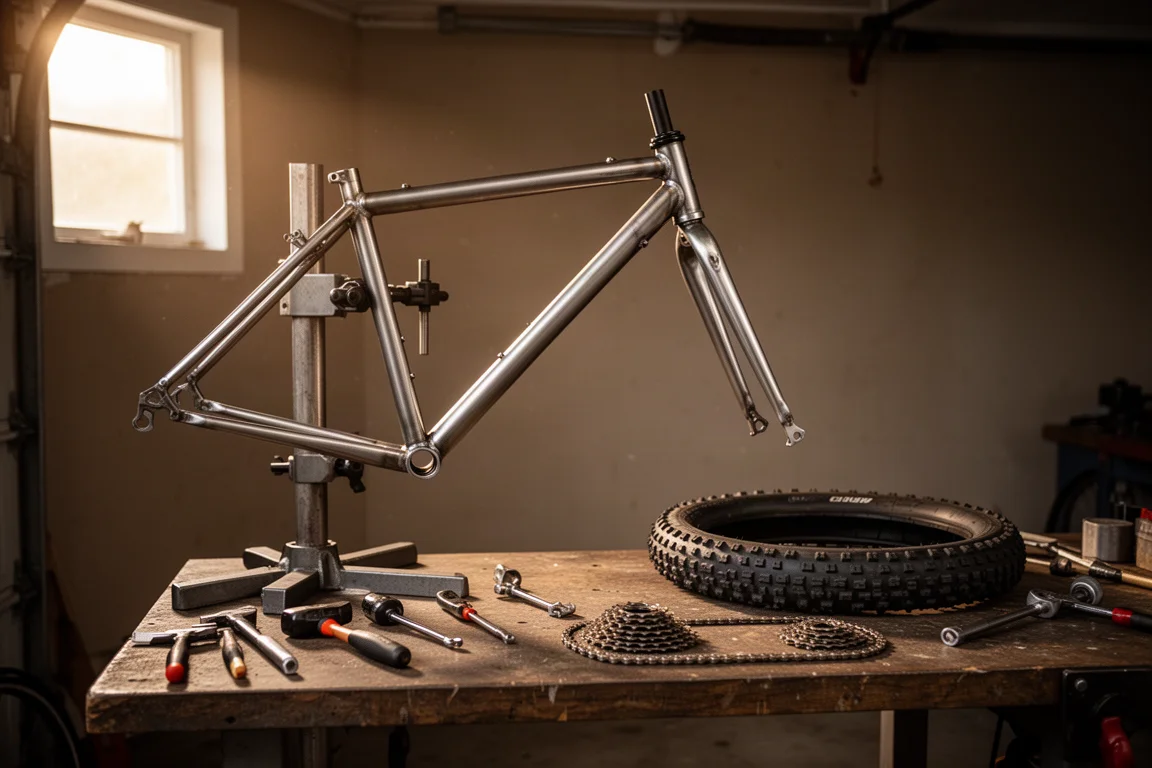
Budget is the strongest argument in favour of this approach. These bikes sell for a fraction of the price of a new gravel bike, and the Timberline in this group cost around £150 second-hand. Spending a further £50 to £100 on tires, brake pads or a service can transform an old mountain bike into something genuinely enjoyable on gravel.
Set expectations honestly as well. Braking will never match discs, the U-brake on some early 1990s models is a real limitation, and the drivetrain and cockpit may need attention. Treat the purchase as the start of a small project rather than a finished product, and the value becomes obvious.
Conclusion
So, is a vintage mountain bike the original gravel bike? On the evidence of 70 km of winter gravel, the answer is a qualified yes. These bikes were designed to be ridden off tarmac, they climb well, they hold speed on gravel, and they cost very little. They are not a replacement for a modern gravel bike, and disc brakes remain a significant advantage, but for riders who want to have fun on accessible trails without spending much, a 1990s steel mountain bike is a genuinely sensible place to start.
Further reading
Related Reviews
Cycling
2026 Bike of the Year and the Cycling Gear Worth Watching
A drop bar roundup for 2026 covering the Ridley Kanzo Fast 2.0, Shimano Dura-Ace Di2 R9300, Trek Checkpoint ALR Gen 3, Specialized Tarmac SL9, Garmin Fenix 9 and Insta360 X6.
Cycling
Best All-Road Bikes 2026: Six Versatile Endurance Road Bikes Worth Considering
A practical look at six all-road and endurance road bikes, from lightweight carbon speed machines to steel all-rounders and comfort-focused mile eaters.
Cycling
Best All-Road Bikes 2026: 8 Endurance Bikes for Road and Light Gravel
Eight all-road bikes that blur the line between endurance road and light gravel, compared on tire clearance, ride character, practicality, and value.