Road Bikes
Vielo V+1 Alto Review: A Carbon Road Bike Built Around One Chainring
An 880 g carbon frameset, symmetrical chainstays and a wireless-only design make the Vielo V+1 Alto a genuinely different take on the modern road bike.
Introduction
Vielo is a small bike brand founded in 2018 by a father and son team with 35 years of experience distributing other people’s brands. The V+1 Alto is their road platform, and it takes a deliberately different route from the usual road bike formula. Rather than chase the lightest possible frame or the biggest wind tunnel numbers, the frame is designed from the start around a single front chainring and a fully wireless drivetrain.
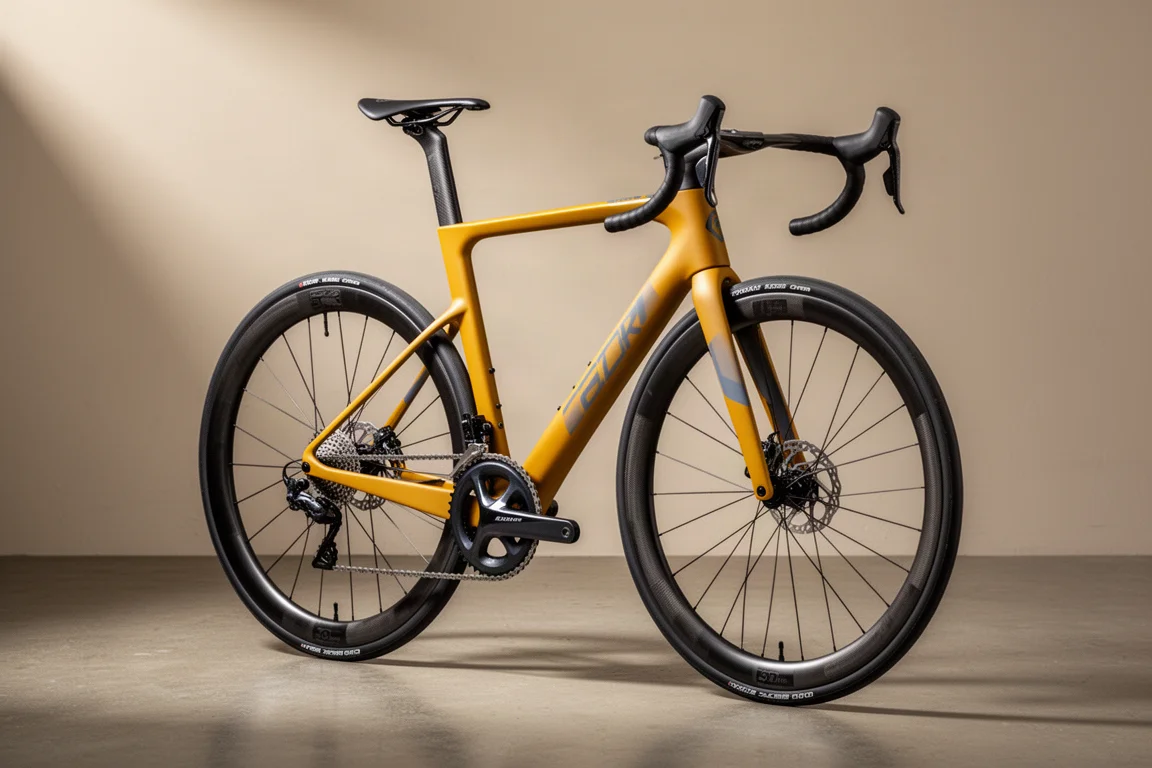
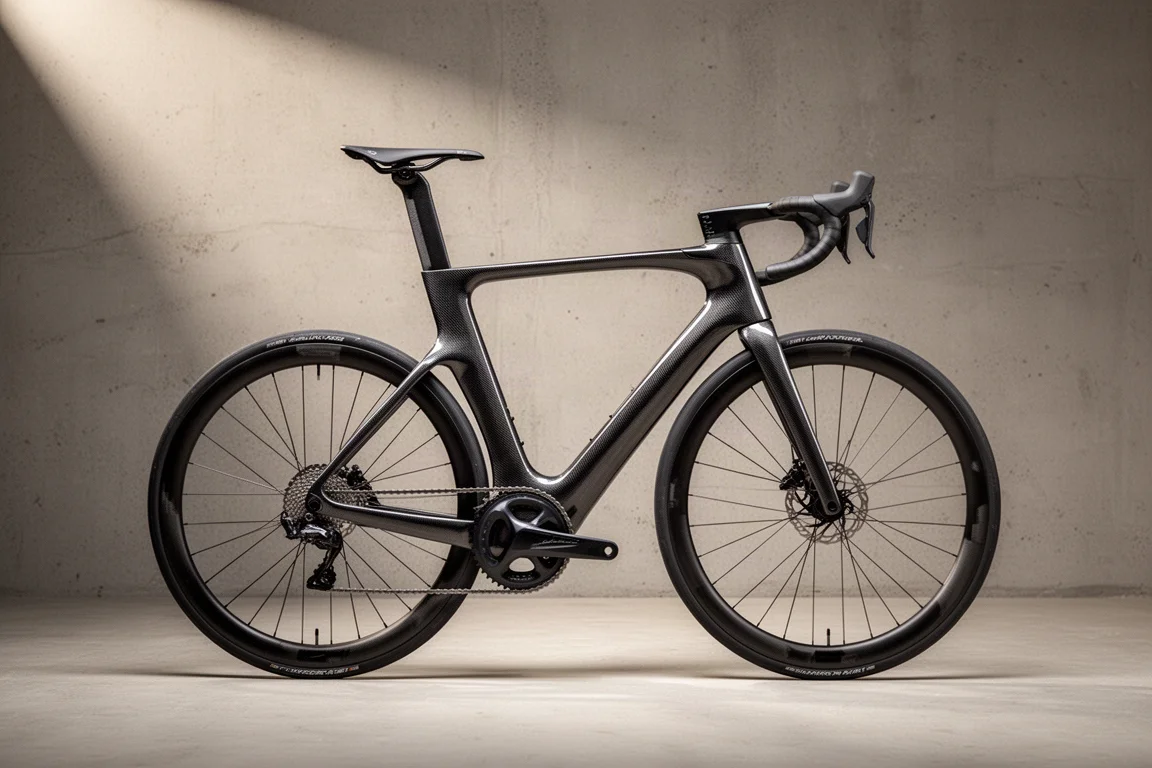
The result is an 880 g carbon frameset, a complete build that sits at roughly 7.5 kg, and a ride character that favours comfort and speed over a low, aggressive racing position.
Who This Bike Is For
This is a road bike for riders who want to cover long distances quickly without being folded into a race position. The geometry was not developed around elite racers, and the brand is candid that fewer than one percent of riders are chasing the most aggressive position possible. Instead, the seat tube angle is set slightly further forward, which opens the hips and keeps the rider comfortable while still allowing a fast pace.

It also suits riders who value a quiet, uncluttered build. There are no shift cable ports on the frame, no visible brake hoses at the cockpit, and no loud graphics or invented model names anywhere on the tubes.
If you ride broken, chipped tarmac and want a bike that floats over it rather than fights it, this is the intended use case. Touring and bikepacking are within reach too, with a smaller chainring fitted for loaded riding.
Main Strengths
The headline figure is the frame weight: 880 g for the Alto version of the full carbon frameset. Around it, the design decisions all point the same way.
- Stiffness where it counts. The bottom bracket and chainstay section is claimed to be 32 percent stiffer than the equivalent area on a two-by frame, and the brand says this is measurable rather than theoretical.
- Symmetrical chainstays. Because there is no inner chainring to accommodate, both chainstays can be made wide and flat, creating a straighter load path from the pedals to the rear wheel.
- Comfort by design. The seat stays are shaped to be aerodynamic but also to allow a small amount of mechanical flex, and the frame is optimised around 30 mm tyres for rough road surfaces.
- Clean integration. A one-piece carbon handlebar and stem unit hides the brake hoses completely, and the frame’s own quick release axle design trims weight further.
- Aero touches without the claims. An hourglass 1.5 inch to 1 1/8 inch head tube, Kammtail profiles along the down tube and seat tube, and a matching Kammtail aero seatpost. The brand describes the frame as relatively aero rather than the most aero frame available.
- Subtle finish. The logo sits on the top tube rather than the down tube, and there are no acronyms or made up marketing names on the frame. Colourways include mustard with anthracite, or the reverse.
Frame and Drivetrain Design
The whole platform revolves around the single chainring decision. Removing the front derailleur frees up space at the bottom bracket, which is pushed out as wide as possible. That allows the chainstays to run symmetrically and keeps the drivetrain line straight, which is where the claimed 32 percent stiffness gain comes from.
Vielo machines its own chainring to match its bottom bracket, and the rings use the direct mount fitting for SRAM crank arms. On the bike shown here, the front ring is a 44 tooth, paired with a 10-36 cassette and a 12 speed wireless system. Chainring options run from 42 tooth for touring and bikepacking up to 44 or 46 tooth for general road use, so riders can tune the range to how and where they ride.
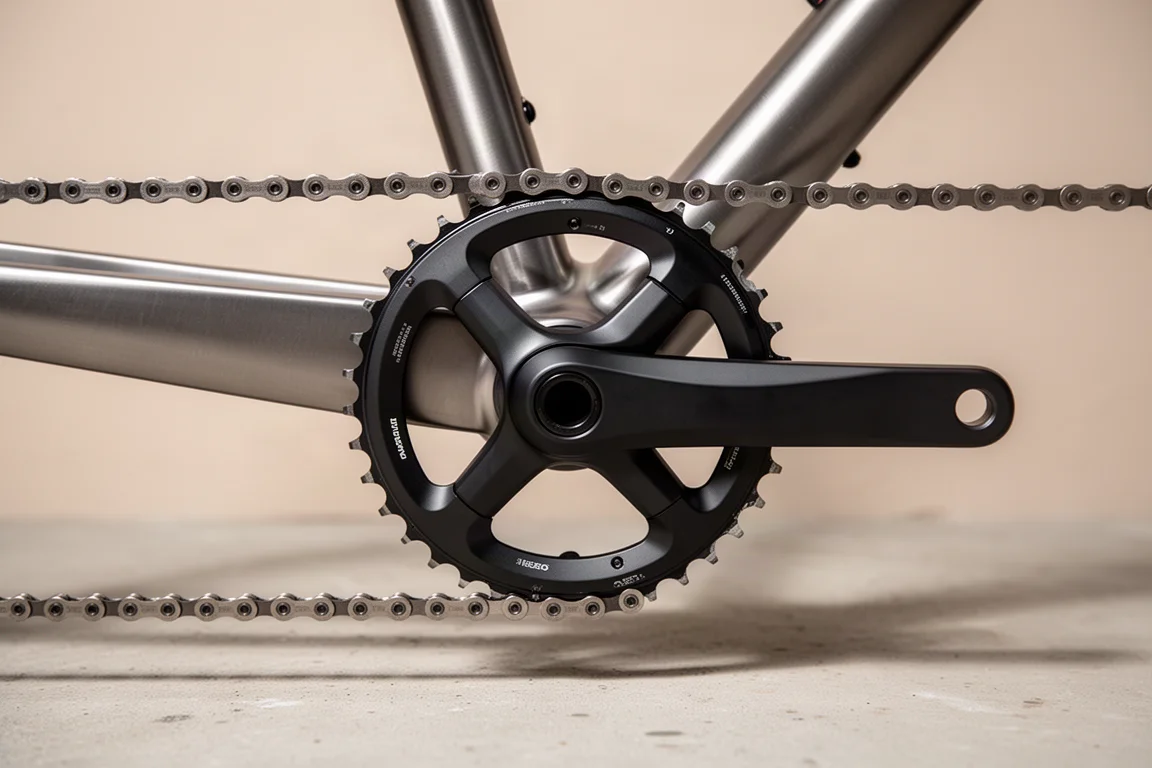
Gear range anxiety is a fair concern for anyone coming from older 10 or 11 speed one-by setups. On a modern 12 speed system, and with 13 speed options now appearing elsewhere in the market, the spread is wide enough to climb comfortably and still descend at speed.
Geometry and Ride Position
The frame is not built around a pro racer’s stack and reach. Because there is no front derailleur to work around, the seat tube angle can sit slightly further forward, which opens the hips and makes a sustainable position easier to hold over long distances.
The cockpit follows the same thinking. The one-piece carbon bar and stem has a slight rearward sweep, and the bar tape is wrapped outside-in so there is no finishing tape and no loose end to tidy up. It is a small detail, but it matches the overall approach: modern, comfortable, and visually neat.
Build Details and Finish
The build shown here uses wireless electronic shifters with a Force rear derailleur, SRAM Red carbon crank arms, and a 44 tooth chainring. Wheels are 30 mm wide and 40 mm deep with 30 mm tyres, run at low pressure for comfort on rough surfaces. A Fabric carbon flat saddle with carbon rails sits on the aero seatpost, matched with silicone bar tape.
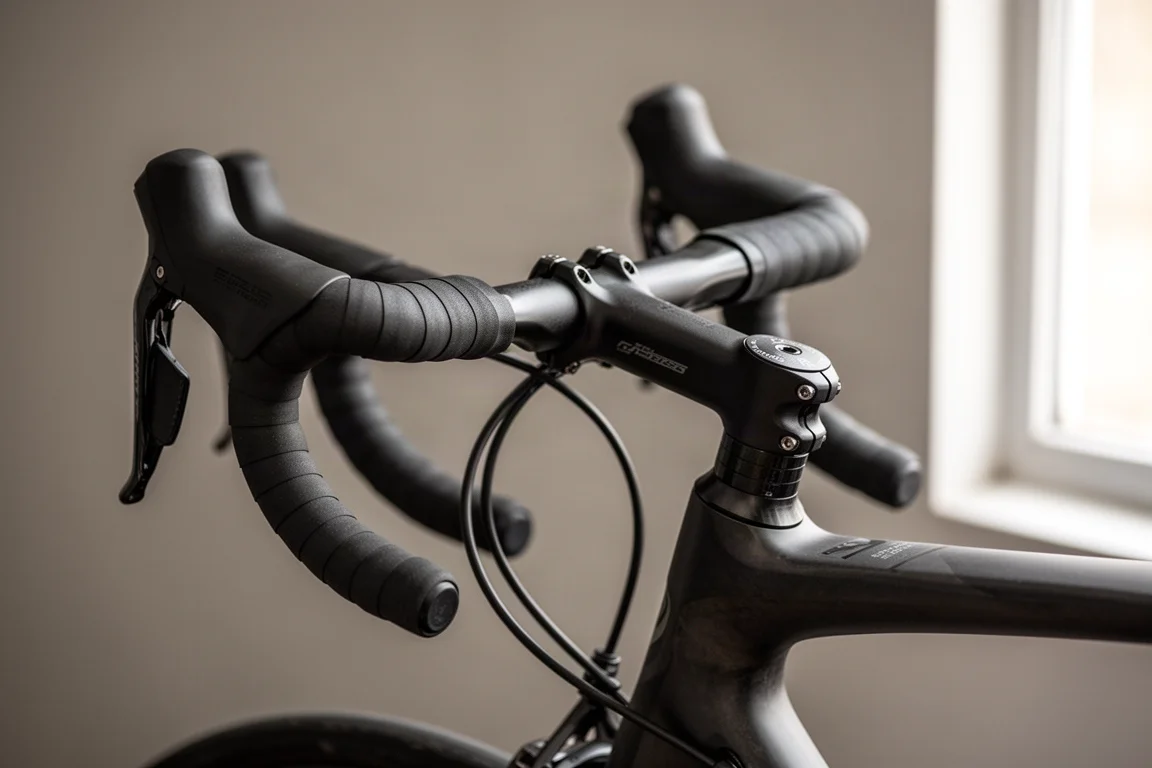
Other details are just as considered. The bottle cage weighs 16 g and costs around 90 pounds, and the pedals are SPD mountain bike pedals, chosen because the owner prefers riding in gravel shoes. The frame is offered in mustard with anthracite panels, or the reverse arrangement.
Things to Consider Before Buying
The single chainring design is the source of both the bike’s appeal and its limitations, so it is worth being honest about the trade-offs.
- Wireless drivetrains only. The frame has no shift cable ports at all, only brake hoses, so a wireless electronic groupset is effectively required. Anyone wanting to run a mechanical or wired system is out of luck.
- One-by gearing is not for everyone. A single front ring means fewer ratios and wider steps between them. Riders who want closely spaced gears for group riding or racing should think carefully.
- Chainring swaps for different riding. Touring or bikepacking means moving down to a 42 tooth ring, while general road use sits at 44 or 46 tooth.
- Proprietary parts. The chainring, bottom bracket interface, axle design, one-piece bar and stem, and seatpost are all the brand’s own. That keeps the build clean and light, but it narrows your options for third-party replacement and fit changes.
- Aero claims are measured. The frame is described as relatively aero, not as a wind tunnel leader, so buyers chasing outright aerodynamic performance should set expectations accordingly.
Buying Advice
Buy the V+1 Alto if you want a light, comfortable road bike with a genuinely clean cockpit and you are happy to commit to a wireless, single chainring drivetrain. It rewards riders who spend long days on mixed and broken tarmac, and the 30 mm tyre clearance plus the compliant rear end make that use case the obvious fit. Riders who tour or bikepack can set it up with a 42 tooth ring and a wide cassette and still have a capable machine.
Look elsewhere if you need a two-by drivetrain, want to run mechanical shifting, or insist on standard third-party chainrings and cockpit parts.

The practical advice is to decide on your drivetrain philosophy first, then choose the chainring size for the riding you actually do. Riders who accept the one-by system as a whole tend to get the most from this bike, because every part of the frame, from the wide bottom bracket to the symmetrical chainstays, exists to support it.
Conclusion
The Vielo V+1 Alto is a clear example of designing around a decision rather than around a trend. Committing to a single chainring and a wireless drivetrain produces an 880 g frame, symmetrical chainstays, a claimed 32 percent stiffness gain at the bottom bracket, and a complete bike that lands near 7.5 kg. Add the comfort-focused geometry, the 30 mm tyre clearance, and the understated finish, and it makes a strong case for riders who value fast, quiet, long-distance road riding over race-day aggression.
Product link
View more details for Vielo V+1 Alto
This product is mentioned in the review. Check the specifications, options, and compatibility before buying.
View more details for Vielo V+1 AltoFurther reading
Related Reviews

Road Bikes
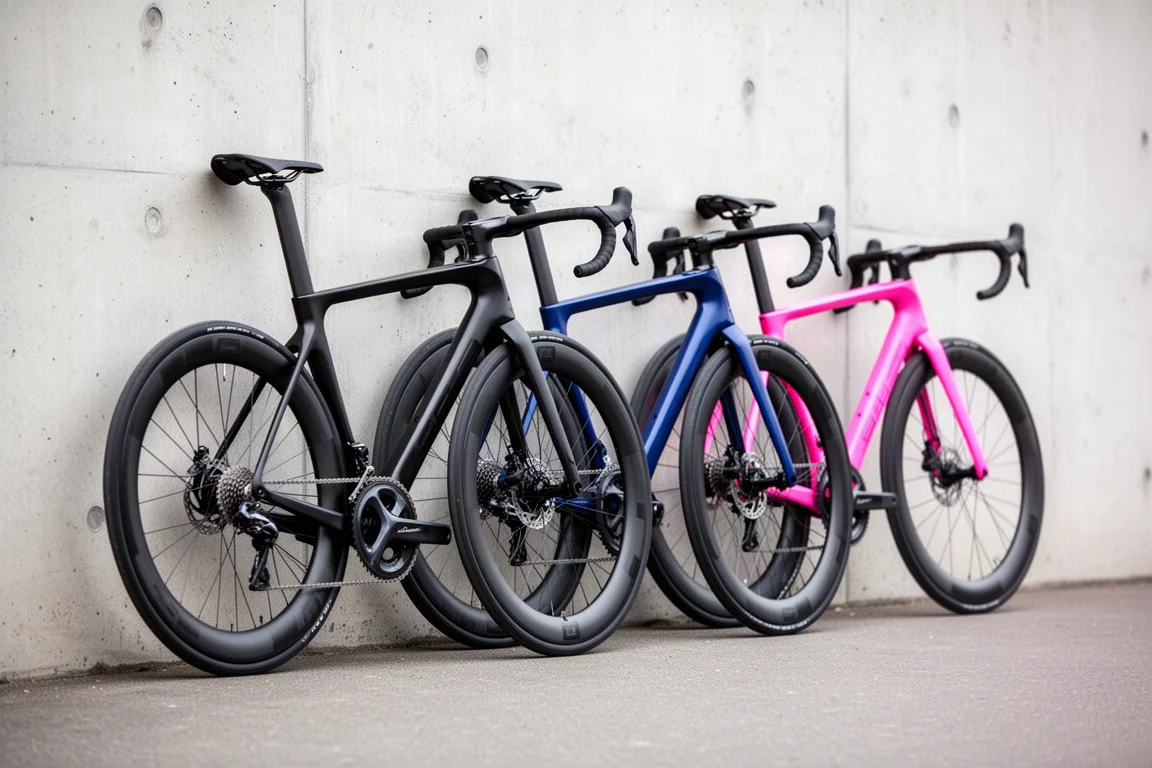
10 New Road Bikes Worth Watching: Aero, Titanium, Steel and Endurance Standouts
A practical roundup of 10 new road bikes, from aero flagships chasing single-watt gains to titanium, steel and endurance platforms built for real roads.
Road Bikes
2026 Tour de France Road Bikes: Six Race Machines Worth a Closer Look
Six race bikes from the 2026 Tour de France grid, reviewed for paint, silhouette, wheels and the specification details that matter to buyers.
Road Bikes
3T Strada Italia Review: A Radical Aero Road Bike That Rides Smooth
A made in Italy carbon aero road bike with a deep head tube, wide tire clearance and a genuinely comfortable ride. Here is what to know before buying.