Road Bikes
Vielo R+1 Review: A One-By Road Bike That Makes the Case for Itself
A British carbon road bike built around a single chainring, relaxed grand tourer handling, and understated looks. Here is what works, what costs, and who it suits.
Introduction
A single chainring on a road bike still divides opinion. For plenty of riders, the front derailleur is non-negotiable. For others, the question is simply whether one-by can handle everything a road bike is asked to do.
The Vielo R+1 is a British carbon road bike built entirely around that premise. There is no front derailleur, no front mech mount, and no attempt to accommodate one. After several weeks of riding, the absence of a front derailleur stops registering at all. You reach for two buttons, the gear changes, and the ride continues.
That is the interesting part. The R+1 is not a compromise bike waiting for you to forgive it. It is a fast, comfortable, deliberately relaxed road bike that happens to use one ring up front.
Who the Vielo R+1 Is For
The R+1 rewards a particular kind of rider. If you already ride one-by and like it, this bike feels like a considered product rather than a trend. If you are undecided but open-minded, it is a genuinely convincing argument.
It also suits riders who value long, comfortable days over race-day sharpness. The geometry leans relaxed, the ride is smooth, and the handling stays composed in situations that would make a twitchy criterium bike feel nervous.

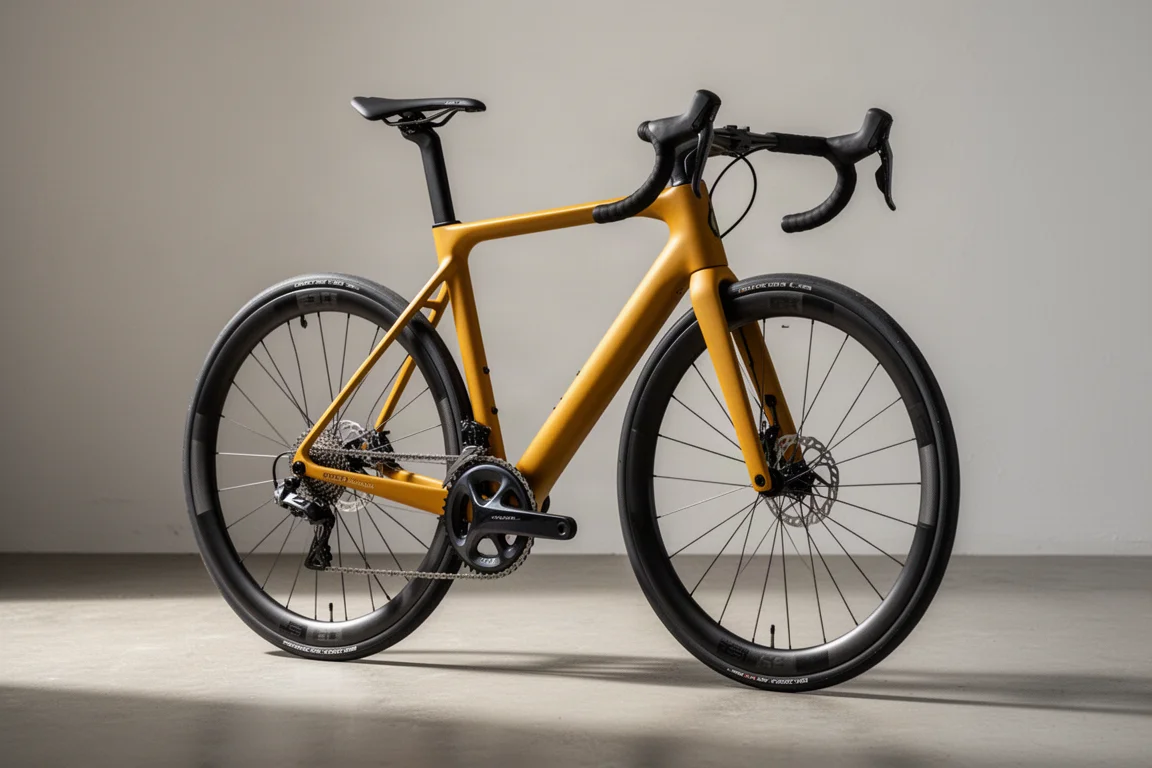
Riders who are tired of loud graphics and all-black frames will find plenty to like here. The frame carries almost no heavy branding on the down tube, and the colour palette is confident without being garish. The mustard yellow finish photographed here looks especially good in bright sun, and more subdued options exist for anyone who prefers to stay understated.
Frame Design and the One-By Approach
Because Vielo never had to fit a front derailleur, the bottom bracket and down tube junction could be made as wide as possible. The chainstays sit further apart and are symmetrical, which opens up tyre clearance and allows the chainstays to be remarkably short at 400mm. That is very short for a disc brake road bike.
Moving forward from the bottom bracket, the frame carries a subtle aerodynamic treatment rather than an aggressive one: an hourglass tapered head tube, a down tube with a cam-tail profile, an aero-shaped seat tube, and a seat post held by an internal seat clamp. The dropped seat stays are distinctive and give the bike a silhouette that does not look much like anything else on the market.
The result of all this is a clean, uncluttered centre section where most road bikes carry cables, pivots and a front mech. It is the kind of design detail you notice every time you look down.
Ride Quality and Handling
Comfort is the standout quality. On rough, badly surfaced roads full of cracks, potholes, gravel and mud, the R+1 stays smooth and settled. Wide tyres and a frame that damps vibration do most of the work, and the bike is easy to live with over long distances.
Handling is best described as a grand tourer rather than a crit racer. The angles are relaxed, cornering is unhurried, and the bike moves from corner to corner and cafe to cafe without ever feeling flustered. It is not razor sharp or edgy in the way an aero race bike can be.
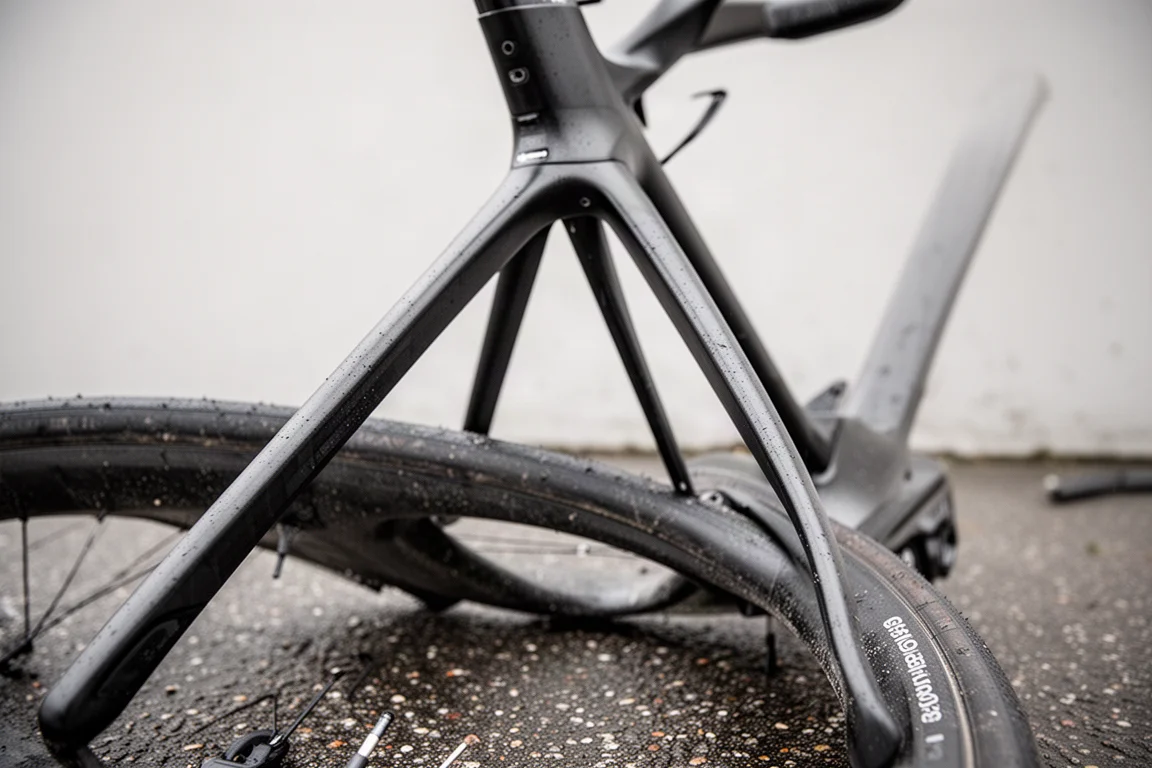
That smoothness does soften the sensation of speed. The bike is fast, but it does not feel electric, and you may find yourself checking ride data to confirm how quick it actually is. Insisting on it does not make it lazy either. Get out of the saddle, put a few bursts through the cranks, and it moves up the road with real purpose. Engaging to ride, just not demanding.
Build Options and Pricing
The R+1 range is built around two frame options that share the same shape but use different carbon fibre layups. The top-end version is the lighter of the two, with a claimed frame weight of 880 grams. A more affordable version uses a slightly heavier layup.
Handlebar specification is the other key difference. The top-end frame pairs with a one-piece carbon handlebar and stem that routes hoses internally, so there are no messy lines across the front of the bike. The more affordable frame uses a conventional two-piece handlebar and stem with external cable routing.
Both versions share the one-by frame design, the dropped seat stays, disc brakes, and the same tyre clearance.
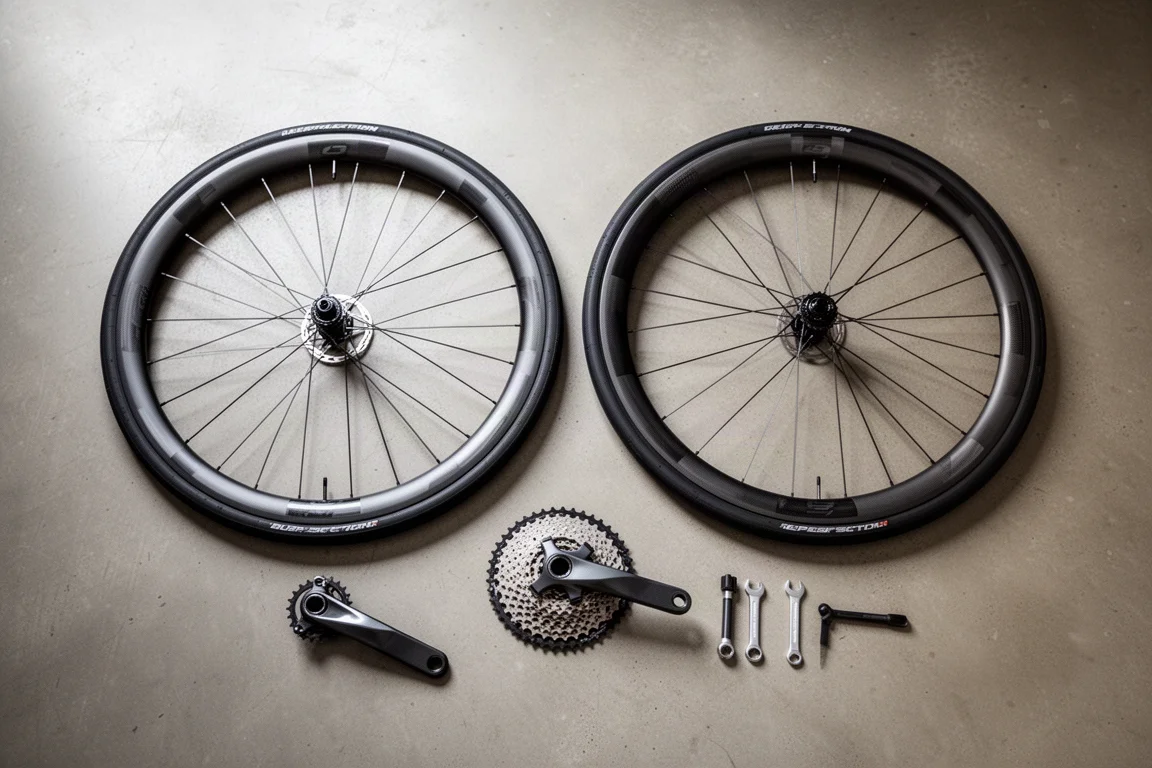
Pricing reflects that split. The more affordable frame starts at around 3,900 pounds, while the top-end frame starts at around 7,000 pounds. The showcase build ridden here, with deep-section aero wheels, SRAM Red levers, brakes and cranks, a SRAM Force rear derailleur and cassette, and 30mm tyres, comes in at 8,740 pounds. That build also uses the company’s own carbon seat post, handlebar, stem, matching saddle and bar tape. The bar tape deserves a mention on its own for grip and cushioning, comfortable enough for gloveless riding in mild conditions.
Things to Consider Before Buying
The first consideration is price. This sits firmly in the superbike category, and there are cheaper models in the range if the top-end build is more than you want to spend. The more affordable frame remains a genuinely good bike, just with a different layup and a conventional cockpit.
Second, one-by is still a choice rather than a default. If you rely on tightly spaced front shifts or simply prefer the feel of two rings, this bike is not going to change your mind. What has changed is the surrounding ecosystem. Advances in one-by groupsets from SRAM, Shimano and Campagnolo, including 1x12 and 1x13 options, make one-by easier and less compromised than it once was.
Third, expect attention. The frame shape and colour treatment make the R+1 stand out in a market of bikes that increasingly look alike.
Buying Advice
If you are weighing up a one-by road bike, the R+1 is worth putting on your shortlist. It takes the concept seriously at the frame level rather than treating it as a drivetrain choice bolted onto a conventional design, and that shows in the clean centre section, the short chainstays and the wide tyre clearance.
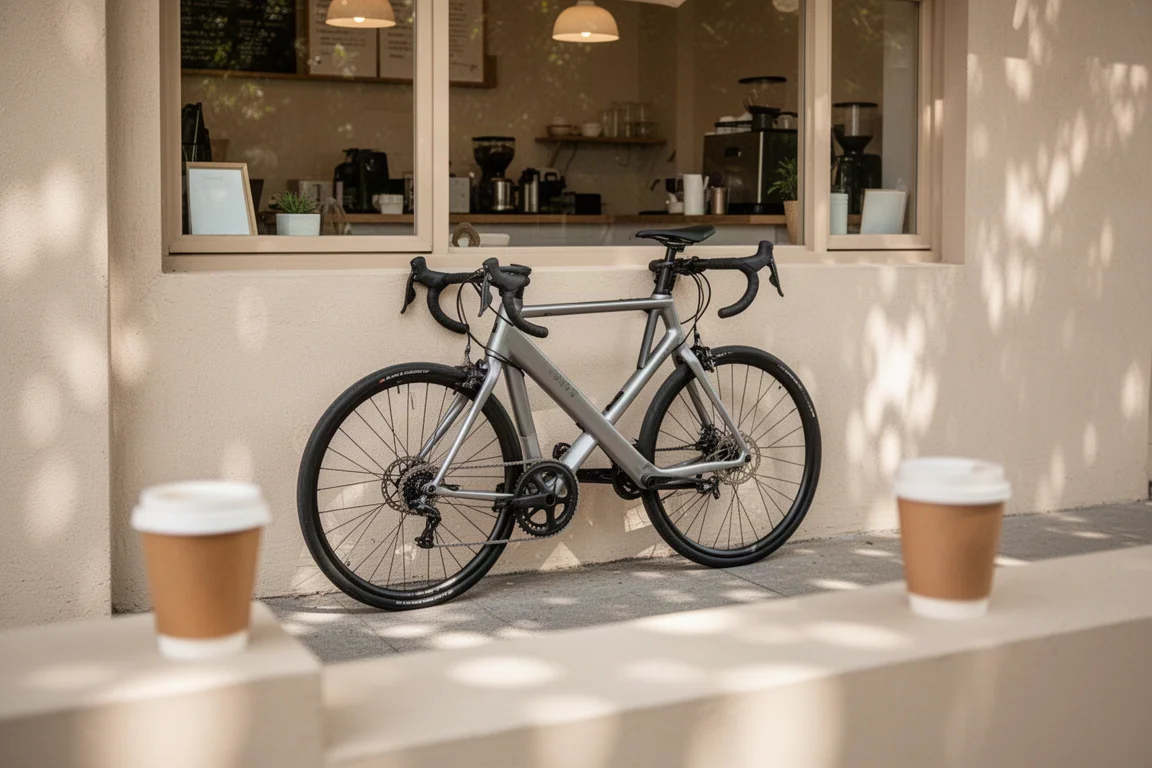
Match the frame level to your budget and priorities. If you want the lightest frame and the tidiest front end, the top-end option with internal routing justifies itself. If you want the same shape and ride character for less, the more affordable frame delivers it with a two-piece cockpit. Either way, this is a bike for riders who want speed and comfort in equal measure and who are happy to let a single chainring do the work.
Conclusion
As a one-by road bike, the Vielo R+1 makes a persuasive case. It is comfortable, smooth and relaxed in a way that suits long rides, while still being fast enough to reward hard efforts. The frame design is distinctive, the graphics are refreshingly restrained, and the wide tyre clearance and short chainstays show that the one-by layout was used as a design advantage rather than a limitation.
It is expensive, and there are cheaper models in the range. But as a rival to other top-end bikes in this category, it earns its place, and it does so while looking like nothing else on the road.
Product link
View more details for Vielo R+1
This product is mentioned in the review. Check the specifications, options, and compatibility before buying.
View more details for Vielo R+1Further reading
Related Reviews

Road Bikes
10 New Road Bikes Worth Watching: Aero, Titanium, Steel and Endurance Standouts
A practical roundup of 10 new road bikes, from aero flagships chasing single-watt gains to titanium, steel and endurance platforms built for real roads.
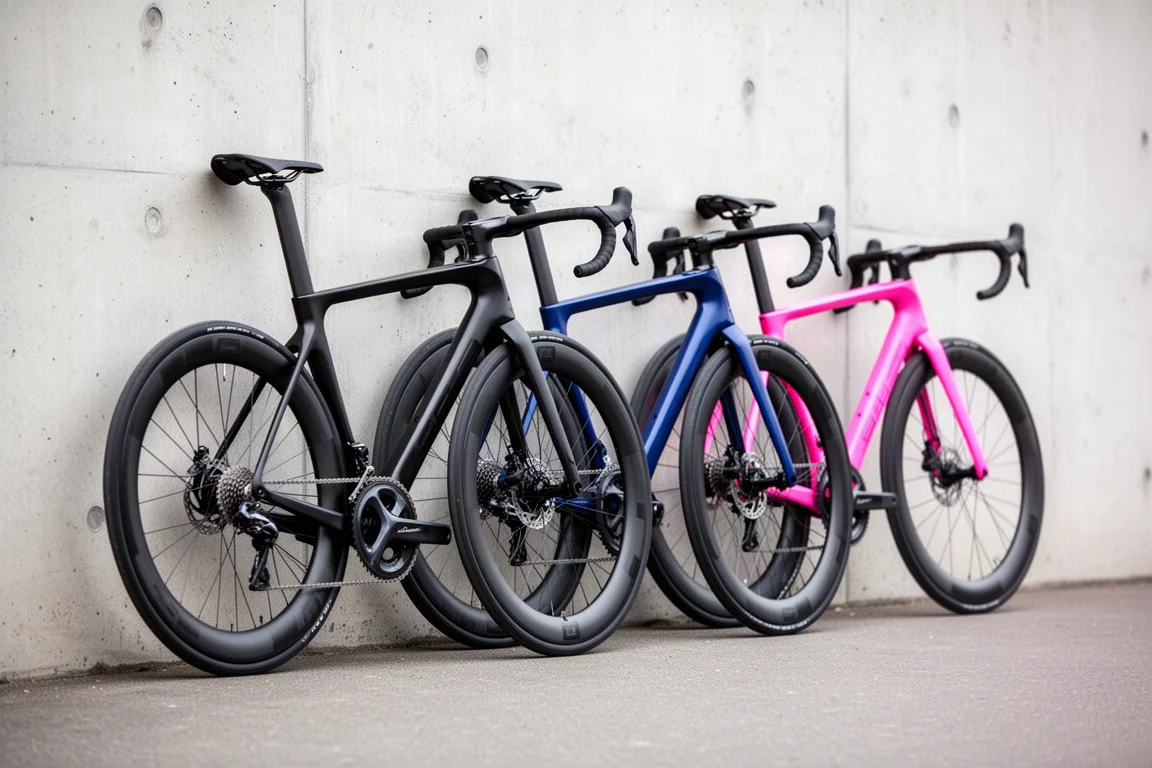
Road Bikes
2026 Tour de France Road Bikes: Six Race Machines Worth a Closer Look
Six race bikes from the 2026 Tour de France grid, reviewed for paint, silhouette, wheels and the specification details that matter to buyers.
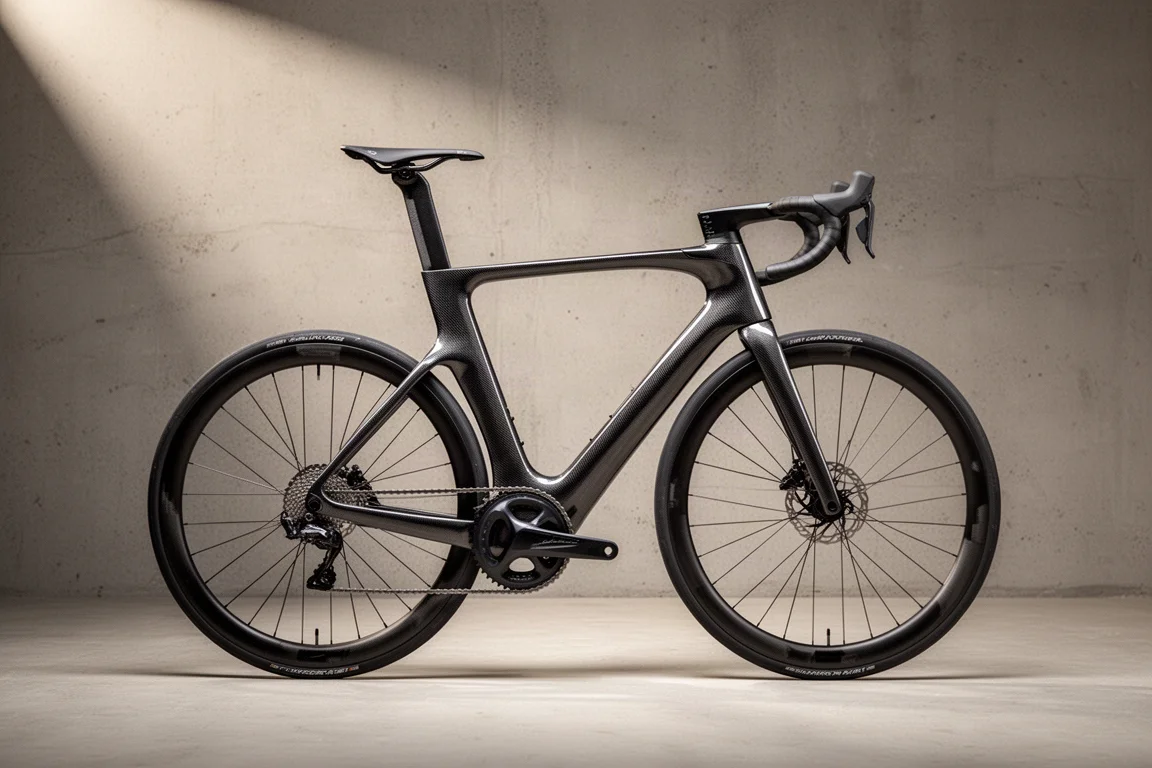
Road Bikes
3T Strada Italia Review: A Radical Aero Road Bike That Rides Smooth
A made in Italy carbon aero road bike with a deep head tube, wide tire clearance and a genuinely comfortable ride. Here is what to know before buying.