Headphones
Verum 2 vs HiFiMan Sundara: Two Planar Magnetic Headphones Compared
A practical comparison of the Verum 2 and the HiFiMan Sundara, covering build, comfort, amplifier demands, tuning, and which listener each headphone suits.
Introduction
The Verum 2 and the HiFiMan Sundara occupy the same part of the headphone market, yet they aim at two different kinds of listening. The Verum 2 is the newer arrival, produced by a very small maker and currently offered through a crowdfunding campaign. A pledge of €325 covers the Verum 2 Basic package, which includes the headphones and a 2 m single-ended cable, against a retail price of €400, with shipping expected in November. The Sundara is the established alternative, launching at roughly $300 to $350.
Because both are planar magnetic designs in the same price bracket, the comparison is worth making in detail. Price parity does not mean the two headphones behave alike, and the differences show up in tuning, amplifier demands, and how each one treats a less than perfect recording.
This comparison covers what matters in daily use: build and comfort, how much amplifier each headphone needs, tonal balance, and which listener each one suits.
Shared Ground Between Two Planar Magnetic Headphones
Both headphones use planar magnetic drivers, and both sit in the same price bracket, which is why they get compared so often.
The important practical difference is sensitivity. The Verum 2 is easier to drive than the Sundara, and that gap shapes how the two sound in a quick back to back listen. Even a small sensitivity difference can make one headphone seem dramatically more detailed or more dynamic than the other, because louder is usually perceived as better. Level matched listening is the only fair way to judge them.
For anyone running a modest desktop amplifier or a portable source, the Verum 2’s lower drive requirement is a real advantage. The Sundara benefits from more amplifier headroom, which is worth including when comparing the total cost of each setup.
Verum 2 Design, Comfort, and Usability
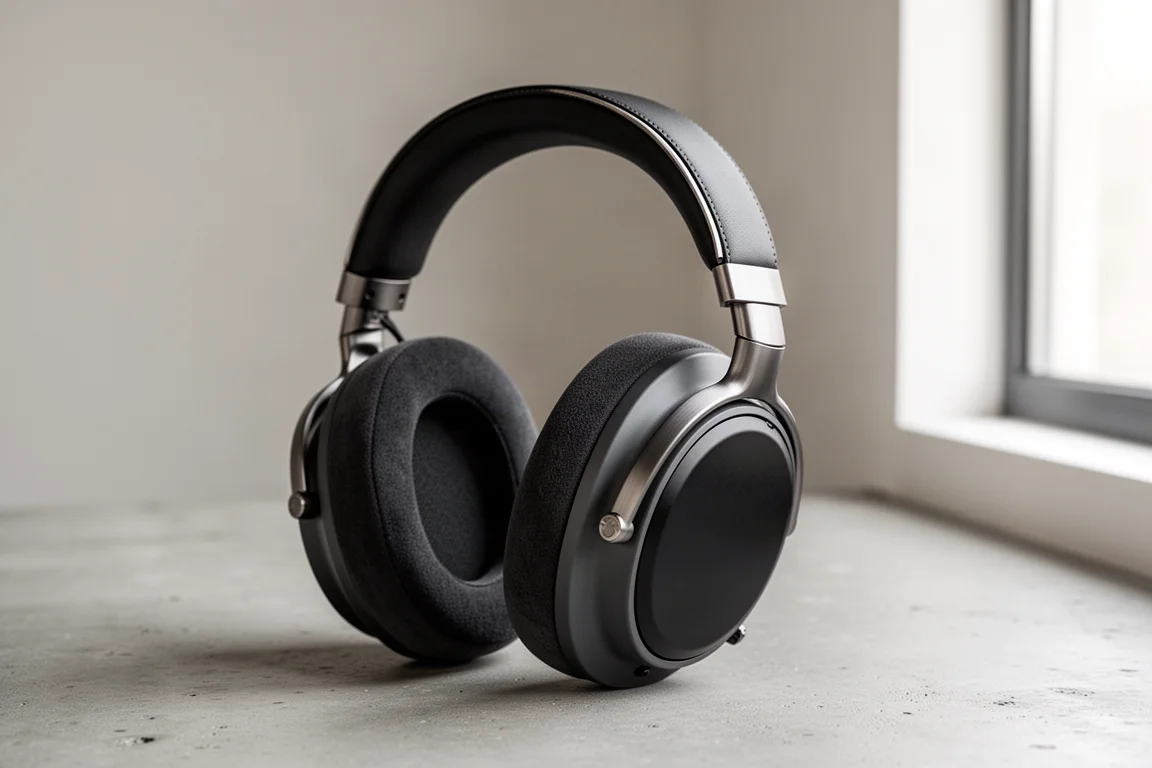
The Verum 2 has a distinctive, sculpted look with a smooth finish. It does not resemble a conventional headphone, and that is clearly the intent. Build quality reads as excellent, though the exact materials are not spelled out.
Adjustment is one of the more thoughtful parts of the design. Rather than unscrewing a piece to change the fit, the top pivot slides up and down, and the head support is perforated to help with cooling over longer sessions.
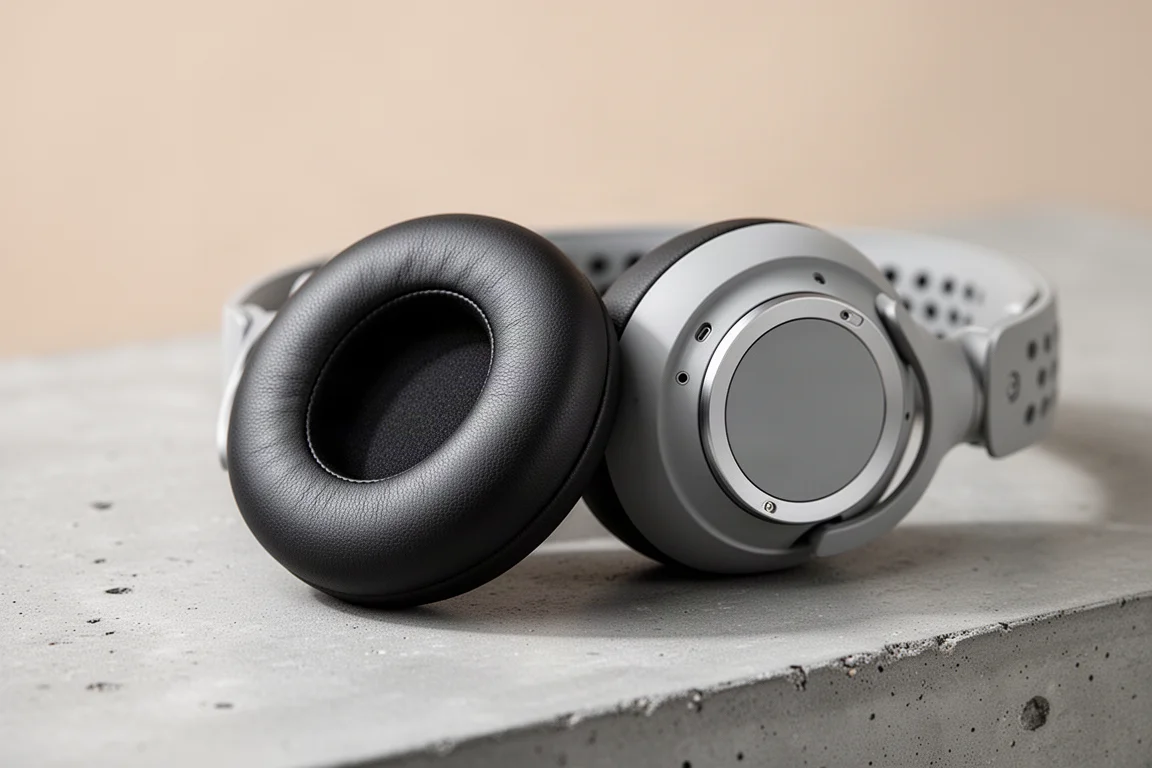
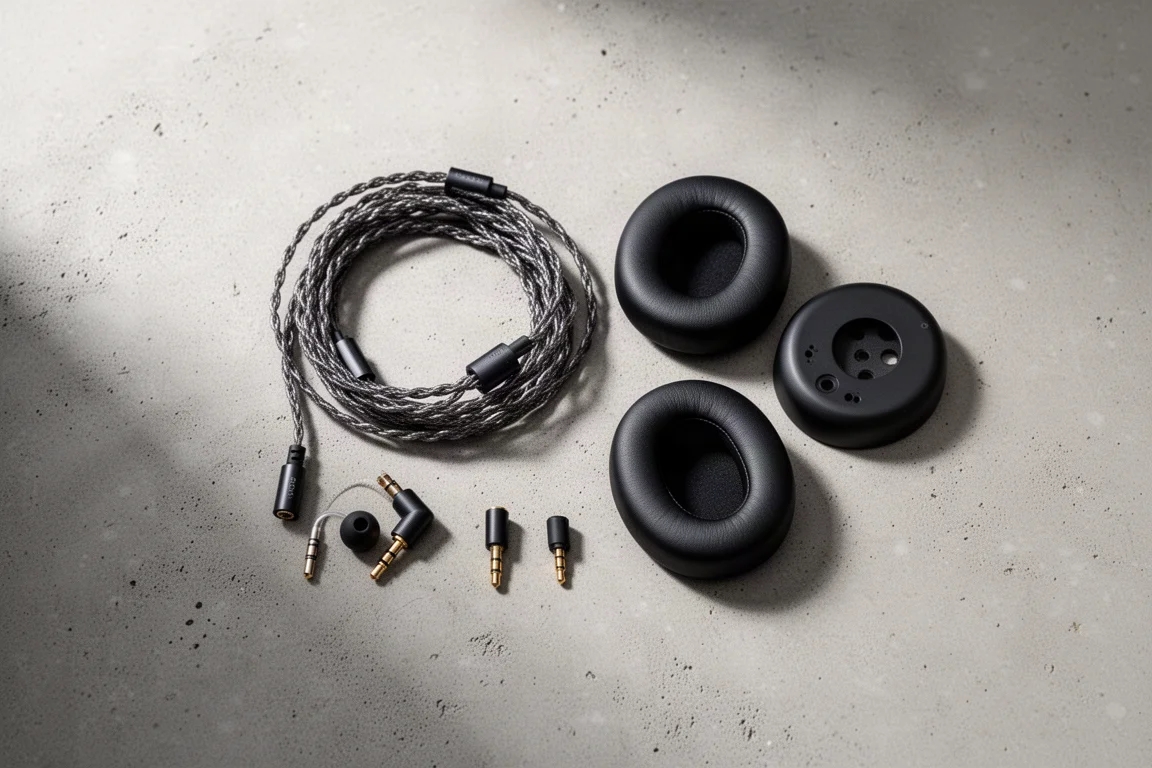
Two ear pad sets are included: a hybrid pad and a full vegan leather pad. They attach magnetically, so switching between them takes seconds, and the leather pads also carry vents. At the bottom of each cup there are two 3.5 mm connections, and the package includes a braided 2 m cable.
For listeners who like to tune a headphone to their own taste, the combination of swappable pads and tool-free adjustment makes the Verum 2 easy to live with.
Verum 2 Sound Profile and Presentation
The Verum 2 is a revealing headphone, especially through the midrange and treble. Female vocals come through clearly and without fatigue, and piano lines sound clean, if with a slight veil over them.
The upper midrange is forward. That forwardness is the source of the headphone’s clarity, and it is also what makes dense or aggressive material feel intense once the volume climbs. Rough recordings expose it most: the presentation can lose cohesion when the source itself is harsh.
Bass is present without being the headline. Against the Sundara, the Verum 2 has less thump and a leaner low end, which pulls attention toward detail instead of weight. On well recorded percussion, the initial strikes can feel a touch brief and slightly short of the fullness an instrument has in a room. The overall character is clear and cool rather than warm and physical.
HiFiMan Sundara Sound Profile and Presentation
The Sundara is the darker of the two. That balance brings more bass weight and a slightly slower, fuller low end, and it makes cymbals less prominent in the mix. Vocal detail sits a step behind the Verum 2, and piano lines are more veiled.
Where the Sundara earns its place is with imperfect recordings. Material that turns harsh or forward on the Verum 2 tends to hold together better here, and it stays comfortable as the volume rises. That forgiveness is worth more than extra resolution for a lot of listening.
The trade-off is drive difficulty. The Sundara asks more of the amplifier, so a clean, capable source matters more with this headphone than with the Verum 2.
Matching Each Headphone to a Listener
Choose the Verum 2 if clarity is the priority. It rewards listeners who want to hear deep into the midrange and treble, who value a distinctive design from a very small maker, and who may be running a modest amplifier. The €325 crowdfunding pledge against a €400 retail price is also a straightforward value argument at this level.
Choose the Sundara if low-end weight and a forgiving balance matter more. It is the better companion for a wide range of recording quality, and it will not punish a harsh or thin master. The catch is that it needs more from the amplifier, so budget for that as part of the purchase.
Neither headphone is simply better. One is built around resolution, the other around weight and tolerance, and the right answer depends on which of those two you actually reach for when you sit down to listen.
Conclusion
The Verum 2 is the more revealing of the two, with a forward upper midrange and a clear, cool presentation that makes detail easy to follow. It is also easier to drive and easier to adjust, thanks to tool-free fit changes and magnetic ear pads. The Sundara counters with more bass weight, a darker balance, and a forgiving nature that keeps rough recordings listenable at higher volumes.
For detail-focused listeners with modest amplification, the Verum 2 is the more compelling pick. For listeners who want warmth and flexibility across mixed source material, the Sundara remains the safer choice. Both sit in the same price bracket, so the decision comes down to the sound you prefer rather than the money you spend.
Further reading
Related Reviews
Headphones
Apos Audio Caspian Review: Warm Bass, Solid Build, and a Detail Trade-Off
The Apos Audio Caspian is an easy-to-drive open-back headphone with standout bass and a warm, relaxed tuning, though mid-range and treble detail trail the competition.
Headphones
Audeze LCD-X vs LCD-XC vs LCD-3: Which High-End Headphone Fits Your Setup
A practical comparison of three Audeze planar magnetic headphones under $2,000, covering the open-back LCD-X, the closed-back LCD-XC, and the wood-ringed LCD-3.
Headphones
Audeze LCD-X vs HiFiMan Edition XS: Two Open-Back Headphones Compared
A practical comparison of the Audeze LCD-X and the HiFiMan Edition XS, covering build quality, comfort, sound signature, and which listener each one suits.