Headphones
Apos Audio Caspian Review: Warm Bass, Solid Build, and a Detail Trade-Off
The Apos Audio Caspian is an easy-to-drive open-back headphone with standout bass and a warm, relaxed tuning, though mid-range and treble detail trail the competition.
Introduction
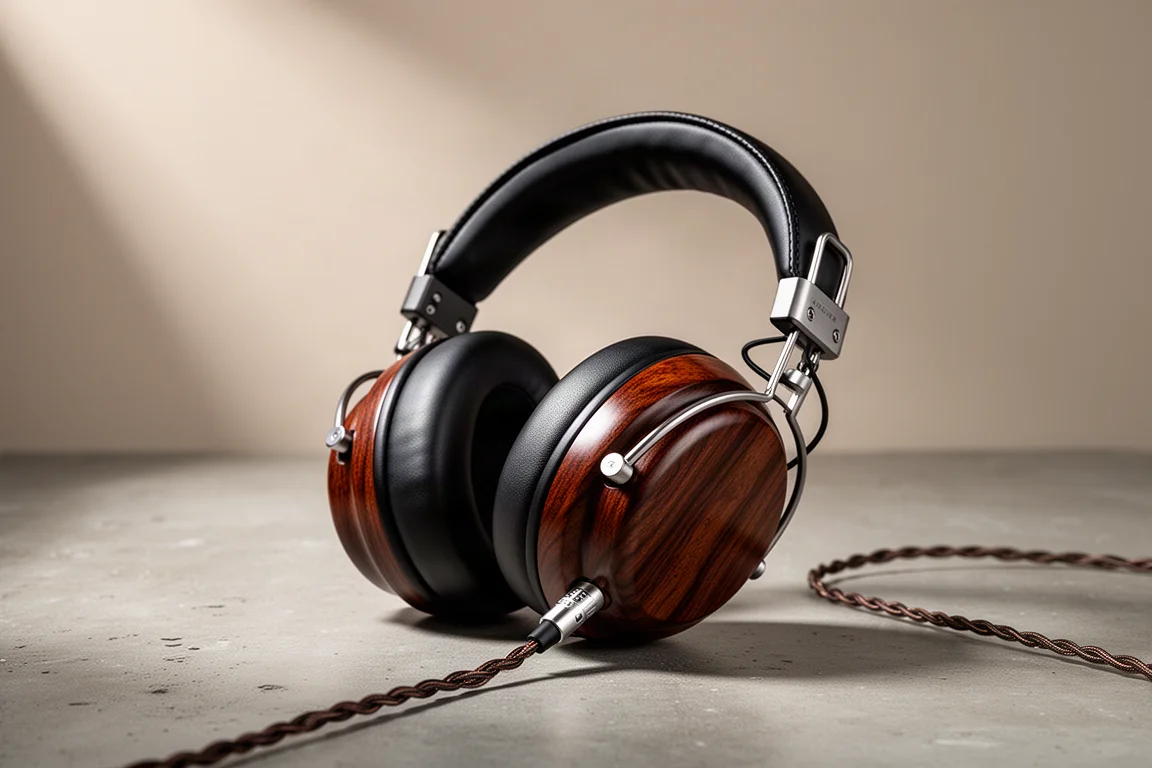
The Apos Audio Caspian is the company’s first headphone, and it arrives as an open-back, over-ear design rated at 32 ohms with 115 dB sensitivity. Those figures describe a headphone that is genuinely easy to drive, and the bundled travel case and cable suggest it is meant to travel rather than live permanently on a desk.
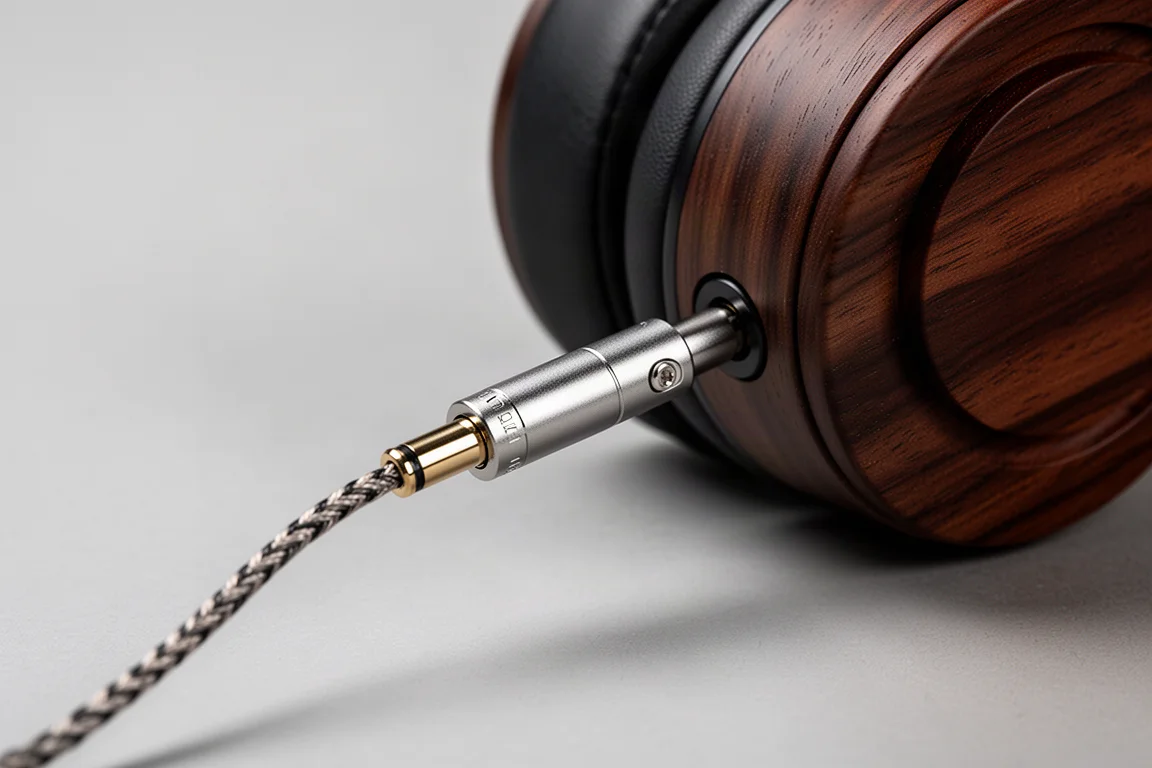
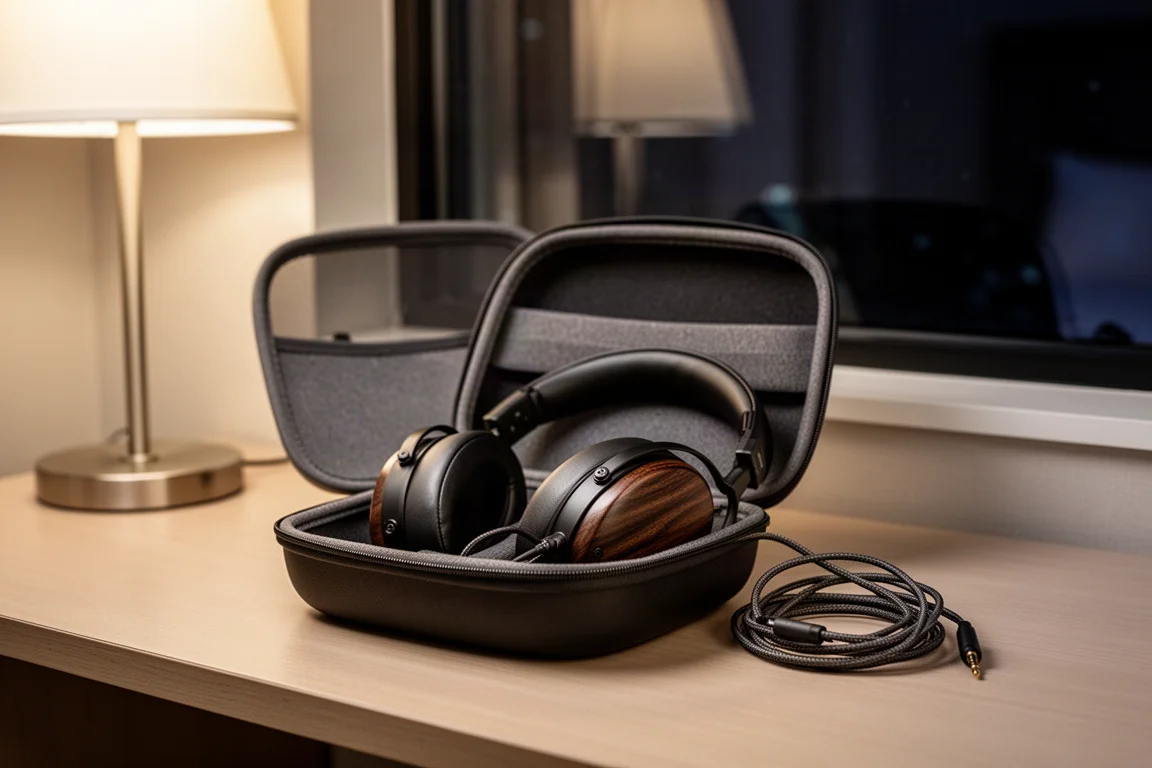
The package includes a hard-shell travel case with a leather strap, a spare set of pads, and a cable that connects to each ear cup with mini XLR plugs and terminates in a 6.35 mm connector.
Build quality is a clear priority. The yoke and structural parts are metal, the headband is padded, and the ear cups are finished in a glossy wood veneer. The result feels heavy and substantial in the hand.
Who This Product Is For
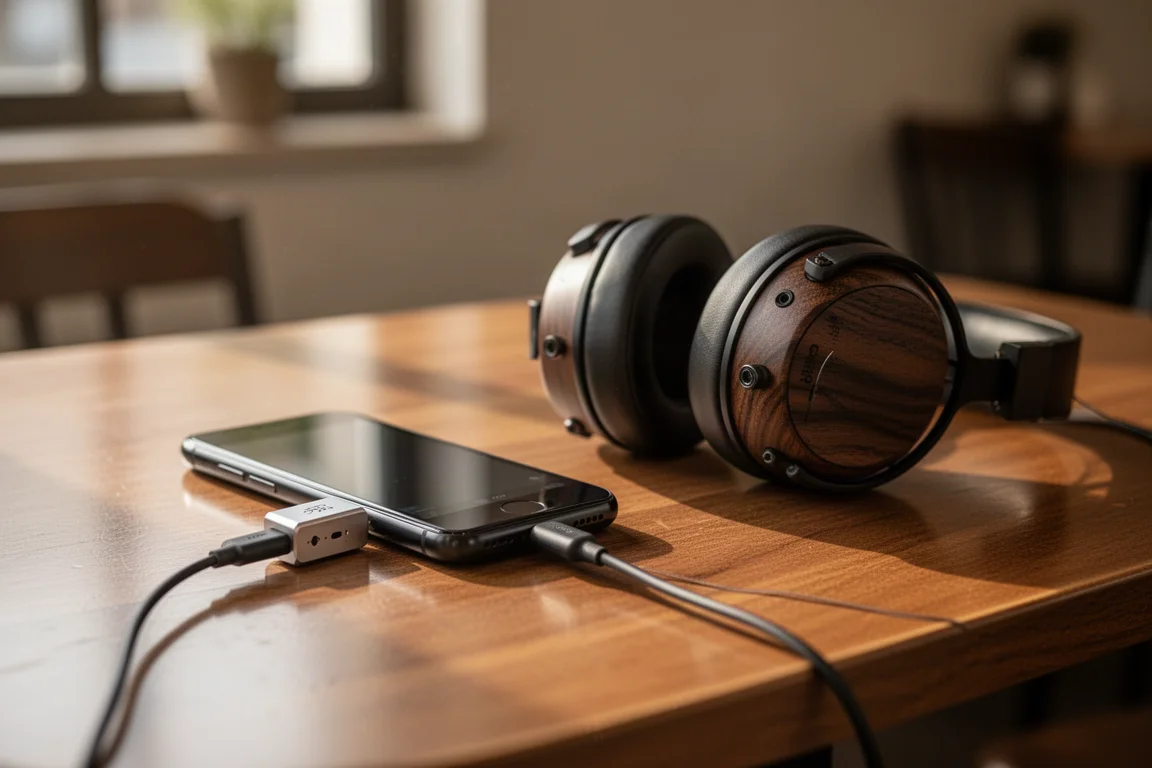
Because the Caspian is easy to drive, it works well straight from a portable dongle DAC without a dedicated desktop amplifier. That makes it a sensible option for travel, hotel rooms, and shared spaces where a full stack is impractical.
The tuning leans warm and relaxed. Listeners who value an impactful, well extended low end and a presentation that never feels aggressive will find plenty to enjoy here.
If your library leans toward metal, grunge, and rock and you want detail retrieval to match the low-end weight, the Caspian is worth comparing carefully against other open-back headphones at the same price before you commit.
Main Strengths
Bass is the headline. In direct comparison with the Monolith M570, Dan Clark Aeon Closed RT, Sennheiser HD 560S, HiFiMan Sundara, and Verum One, the Caspian delivered the most extended and most impactful low end. The boost is noticeable rather than neutral, but it stays largely clear of the mid-range, and tracks with deep sub-bass content land with real weight.
Build quality is the second strength. The metal yoke, padded headband, and glossy wood cups give the headphone a solid, deliberate feel, and the mini XLR connectors click into place with a reassuring positive action.
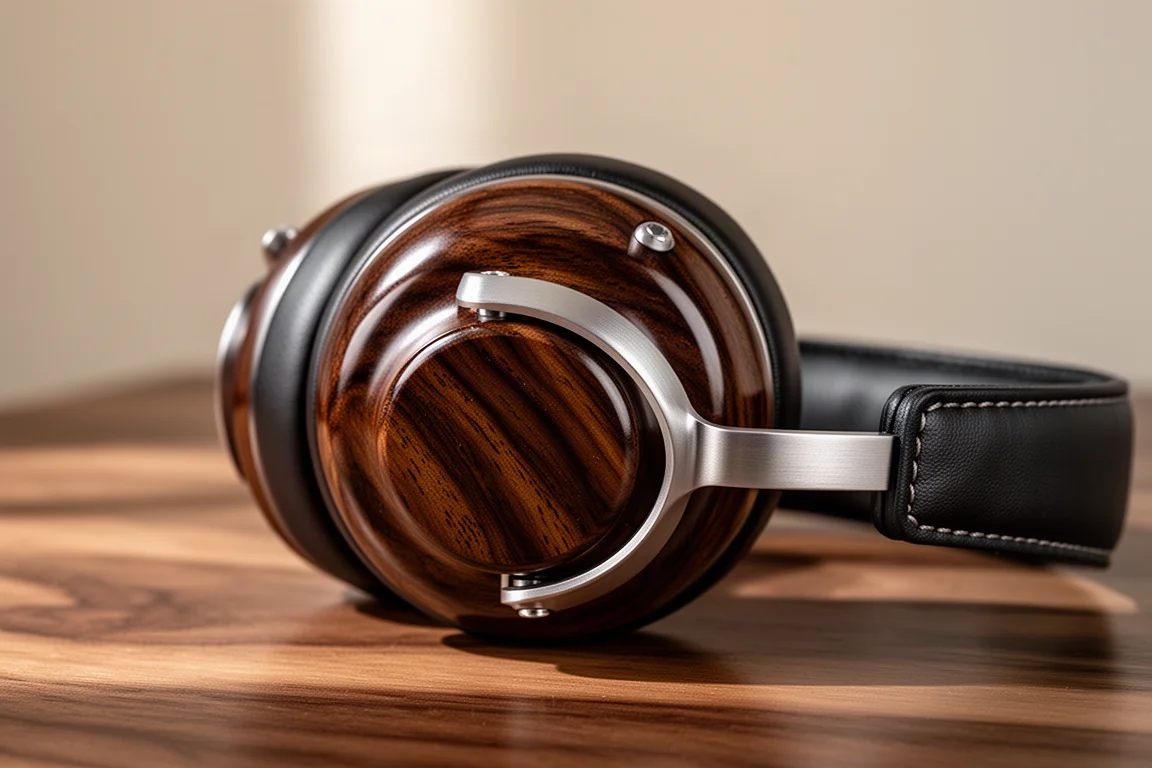
The pads can be swapped, and changing to a cloth or microfiber pad brought some mid-range detail back. Listeners who enjoy tuning a headphone to taste will appreciate that the design gives them room to experiment.
Weight is on the heavier side, which some listeners prefer for the sense of solidity it conveys, and the padded headband distributes it reasonably well.
Things to Consider Before Buying
The mid-range is where the Caspian gives ground. Vocals and acoustic instruments arrive slightly veiled, and fine detail is harder to pick out than on the comparison headphones. On demanding vocal tracks the highest notes can push forward noticeably, which points to a lift in the upper mid-range around the 2 kHz region.
Treble follows the same pattern. Cymbal decay and percussion transients are present but shortened, and the sense of air and clarity that better-resolving headphones provide is muted here. A cloth pad swap improved things somewhat, but it did not close the gap entirely.
The cable is another practical consideration. Mini XLR connectors at the ear cups mean swapping cables requires either the manufacturer’s own cables or a third-party option built for that connector. The 6.35 mm termination also means portable use calls for an adapter, and a shorter 3.5 mm cable is not part of the package.
There is also a felt or cloth covering over the driver. It is worth considering whether that layer is contributing to the softened detail, particularly if you are the type of listener who modifies headphones.
Buying Advice
At this price the open-back competition is fierce. The Caspian wins on bass and on the physical quality of its construction, but the headphones around it do more elsewhere, particularly in mid-range and treble resolution. Buyers who want a warm, bass-forward, easy-going presentation will get exactly that here, and they will get it in a package that feels worth the money.
Listeners who prioritize detail, texture, and treble decay should weigh their options carefully, or plan on experimenting with pads. Pad swapping is low risk and reversible, and the cloth pad change already showed that the headphone responds to it. If the cable ecosystem matters to you, check what is available for mini XLR before buying, and budget for a 3.5 mm adapter if you intend to listen from a phone or laptop.
Conclusion
The Apos Audio Caspian is a well-built first headphone with genuinely impressive bass and a tuning that will suit listeners who want warmth over analysis. Its mid-range and treble keep it from matching the sharpest options in its price class, and the connector choice adds friction for anyone who likes to swap cables. For the right listener, the strengths are easy to live with.
Product link
View more details for Apos Audio Caspian
This product is mentioned in the review. Check the specifications, options, and compatibility before buying.
View more details for Apos Audio CaspianFurther reading
Related Reviews
Headphones
Audeze LCD-X vs LCD-XC vs LCD-3: Which High-End Headphone Fits Your Setup
A practical comparison of three Audeze planar magnetic headphones under $2,000, covering the open-back LCD-X, the closed-back LCD-XC, and the wood-ringed LCD-3.
Headphones
Audeze LCD-X vs HiFiMan Edition XS: Two Open-Back Headphones Compared
A practical comparison of the Audeze LCD-X and the HiFiMan Edition XS, covering build quality, comfort, sound signature, and which listener each one suits.

Headphones
Audeze MM-100 Review: An Open-Back Planar Gaming Headphone Worth EQing
The Audeze MM-100 brings planar magnetic drivers to an open-back design, but it needs EQ to unlock its full gaming potential.