Headphones
Audeze LCD-X vs LCD-XC vs LCD-3: Which High-End Headphone Fits Your Setup
A practical comparison of three Audeze planar magnetic headphones under $2,000, covering the open-back LCD-X, the closed-back LCD-XC, and the wood-ringed LCD-3.
Introduction
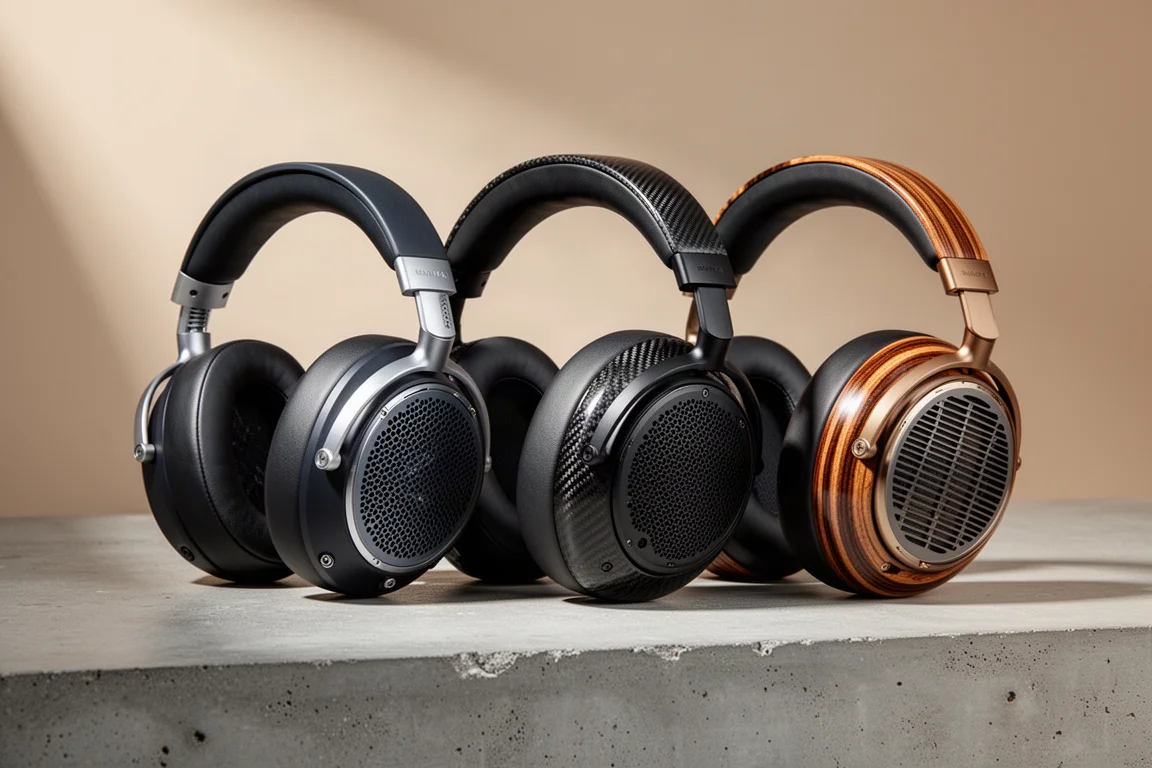
Audeze has built its name on planar magnetic headphones that range from a few hundred dollars to several thousand, and three models have carried much of that reputation: the LCD-X, the LCD-XC, and the LCD-3. All three come in under $2,000 a pair, which places them at the reachable end of high-end audio rather than in flagship territory.
They are close relatives. All three descend from the LCD-2, the headphone that started the lineup, and all three inherit its core driver technology. What separates them is how that technology is packaged: open back or closed back, aluminium or carbon or wood, and a tuning that shifts slightly from model to model.
This guide covers what the three share, where they diverge, and which one makes sense for a particular listening setup.
Shared Technology: What All Three Have in Common
Planar magnetic drivers live or die by diaphragm mass. The lighter and stronger the film, the faster it can push and pull the air around it, and the more accurate the result. The LCD-2 introduced a 106 mm ultra-thin film, less than two microns thick and thinner than a strand of human hair, suspended between magnets so it can move in a true piston-like motion at high speed. The payoff is deep, accurate bass with distortion close to zero, and every high-end model in the range inherits that approach.
All three also reproduce 10 Hz to 50 kHz, reaching both below and above the range of human hearing, and all three use a waveguide design that reduces diffraction inside the ear cup chamber for more precise, detailed sound.
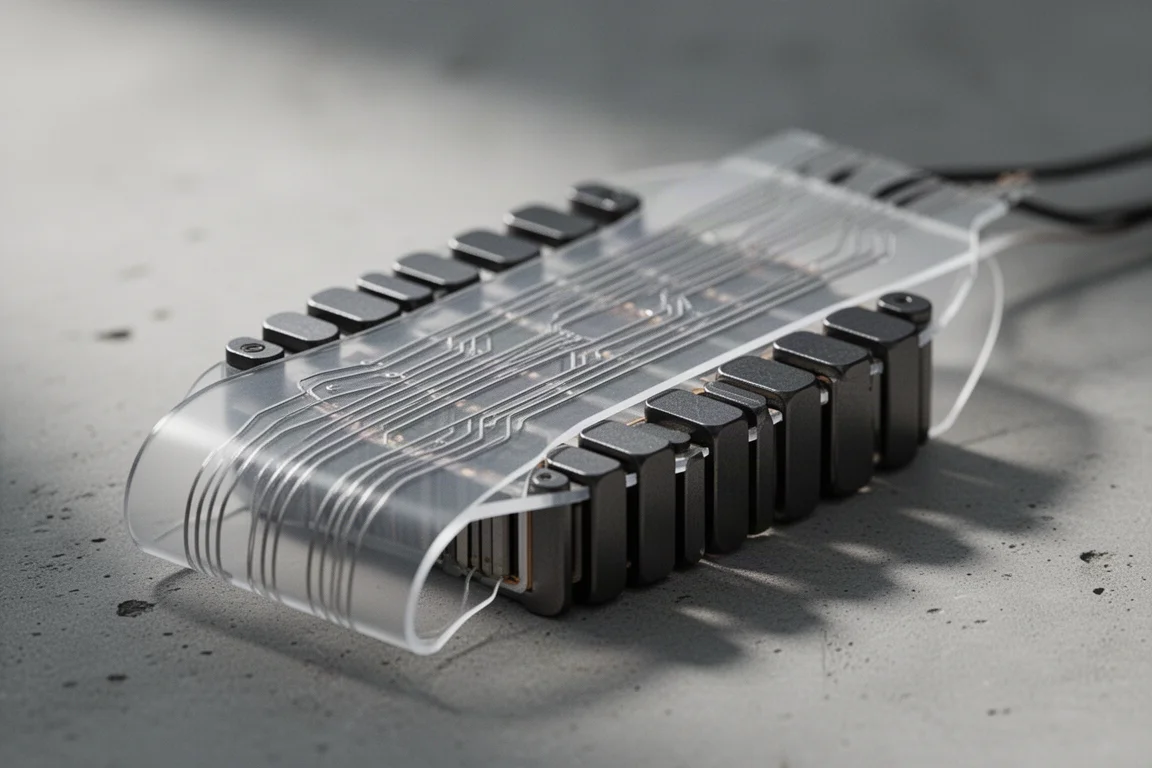
The magnetic structure is where these models step away from the LCD-2. The LCD-2 staggers its magnets to equalize the force acting on the diaphragm, which keeps motion uniform but costs some efficiency. The high-end models use a stacked, non-staggered magnet structure instead, and some designs in the range add a proprietary Uniforce voice coil to win that efficiency back. The practical effect is that all parts of the diaphragm experience the same force, which sharpens the smallest micro details while preserving the ultra-low distortion the range is known for.
Open Back vs Closed Back: Which Suits Your Listening
The three models split into two operating principles, and that choice matters more than any single specification.
Open-back designs, which covers the LCD-X and the LCD-3, let air move freely behind the driver. The result is a spacious soundstage that presents music with a sense of room and depth. The trade-off is obvious in daily use: an open back does not isolate, so it is a poor fit for shared spaces, offices, or travel.
Closed-back designs, which covers the LCD-XC, seal the back of the ear cup. That produces isolation that keeps sound in and outside noise out, which makes private listening possible without announcing your playlist to everyone nearby.
Both approaches share the same comfort philosophy. Thick, generously padded ear pads and a headband with a suspension strap spread weight across the top of the head, so the ear cups sit close without pressing. That fit is a large part of why these three remain the most popular models Audeze makes.
Audeze LCD-X: Open-Back Clarity in a Lightweight Frame
The LCD-X is the open-back reference of the group, and it is built with lightweight aluminium ear cups that make it the lightest and most comfortable of the three. The tuning is extremely linear from top to bottom. A planar driver might be expected to push the top end forward, but this one stays sweet and controlled, with vocals that sit naturally in the mix and bass that arrives full, rich, and remarkably low.
Separation of detail is resolute, and the spacious soundstage presents music with the kind of layering that makes critical listening genuinely useful. That character is no accident: the LCD-X is built by hand for professional studios where mastering engineers listen critically for long stretches. Extended sessions stay comfortable, with no sense of fatigue building up over hours of use.
For listeners who want to hear the most subtle nuances of a performance without losing musicality, the LCD-X is the most balanced starting point in the range. It rewards attention, but it never punishes a listener who simply wants to relax into the music.
Audeze LCD-XC: Closed-Back Privacy Without Losing Detail
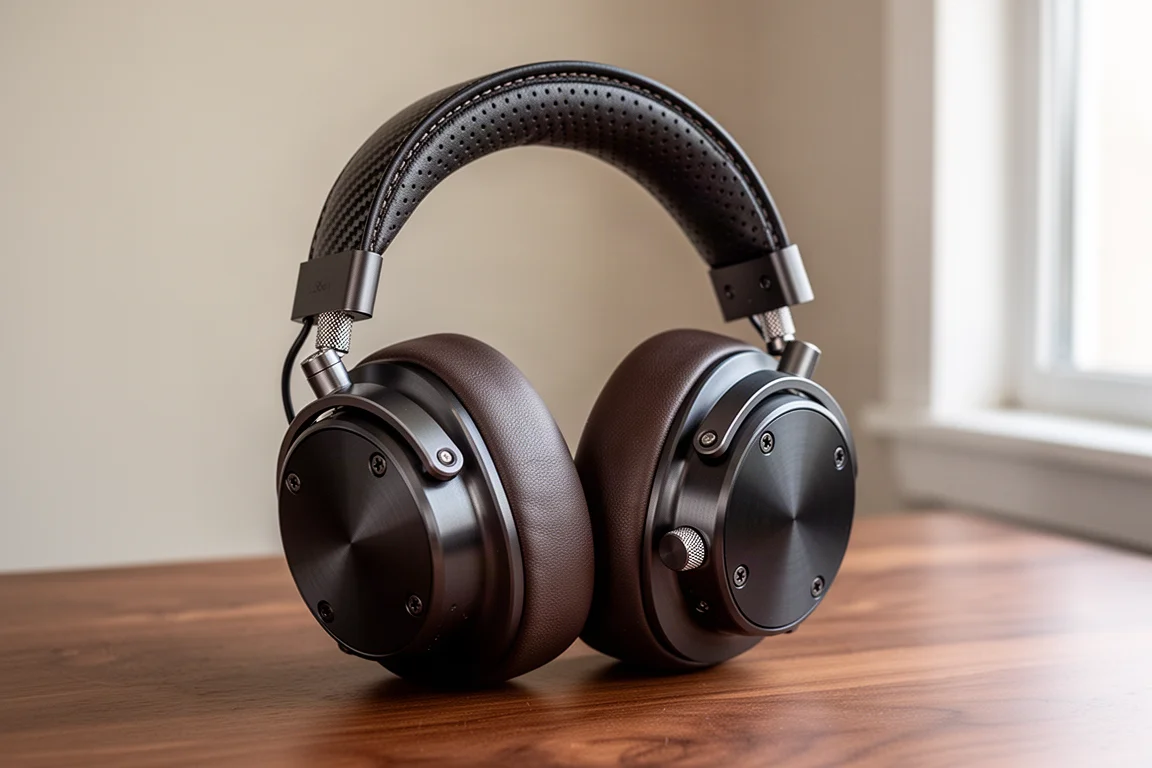
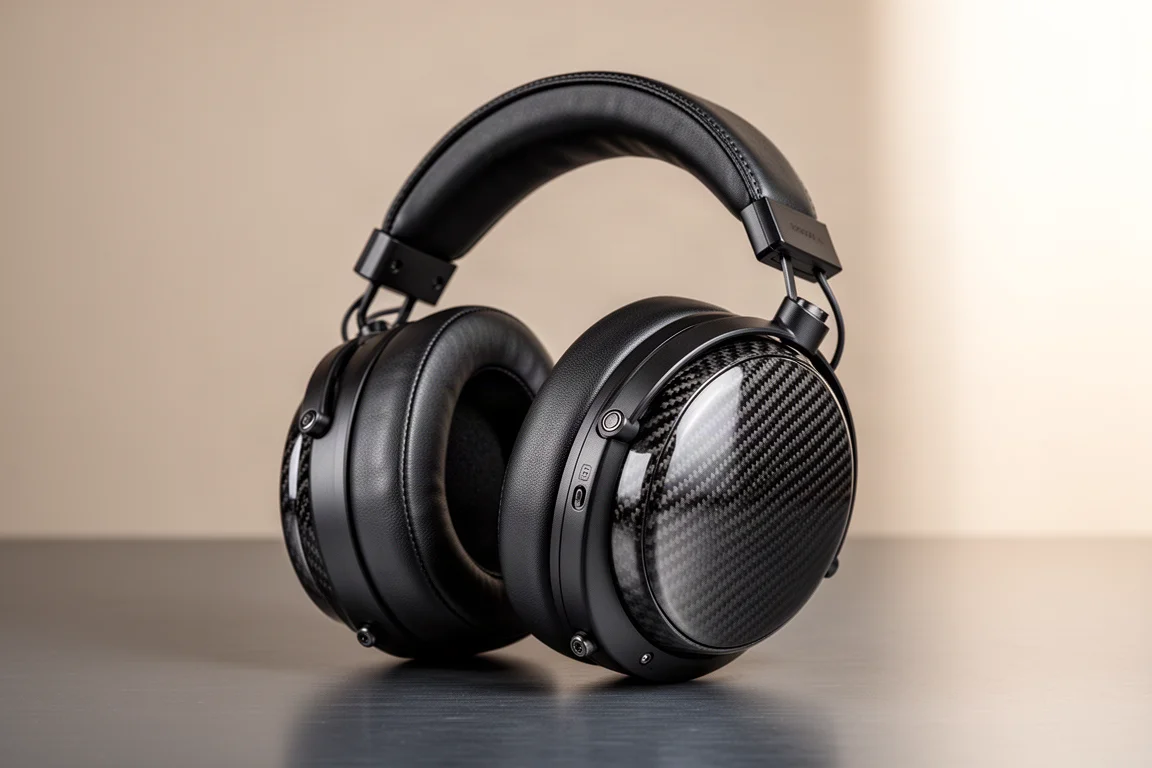
The LCD-XC shares the same drivers and basic construction as the LCD-X, which gives it a comparable level of detail and transparency in a closed-back design. The backs of the ear cups are sealed with lightweight carbon, and the result is the best isolation of the three: sound stays locked in, and the listening experience stays private.
The closed ear cups add a few extra ounces, but the headband suspension system distributes that small increase so effectively that it is hardly noticeable in practice. The larger ear cups also help the low end. As the volume of a chamber grows, its resonant energy drops, so the XC delivers more resolute bass than its open-back sibling. Compared with the LCD-X, there is a slight lift in bass response between 120 and 200 Hz, which makes electric bass sound a touch more defined and more upfront in the presentation.
The neutral sound signature carries over intact. For anyone who needs to work on long flights, listen remotely, or simply keep their music to themselves, the LCD-XC is the practical choice in this group, and it handles bass-heavy material with real authority.
Audeze LCD-3: Warm Tonality, Wood Rings, and Holographic Detail
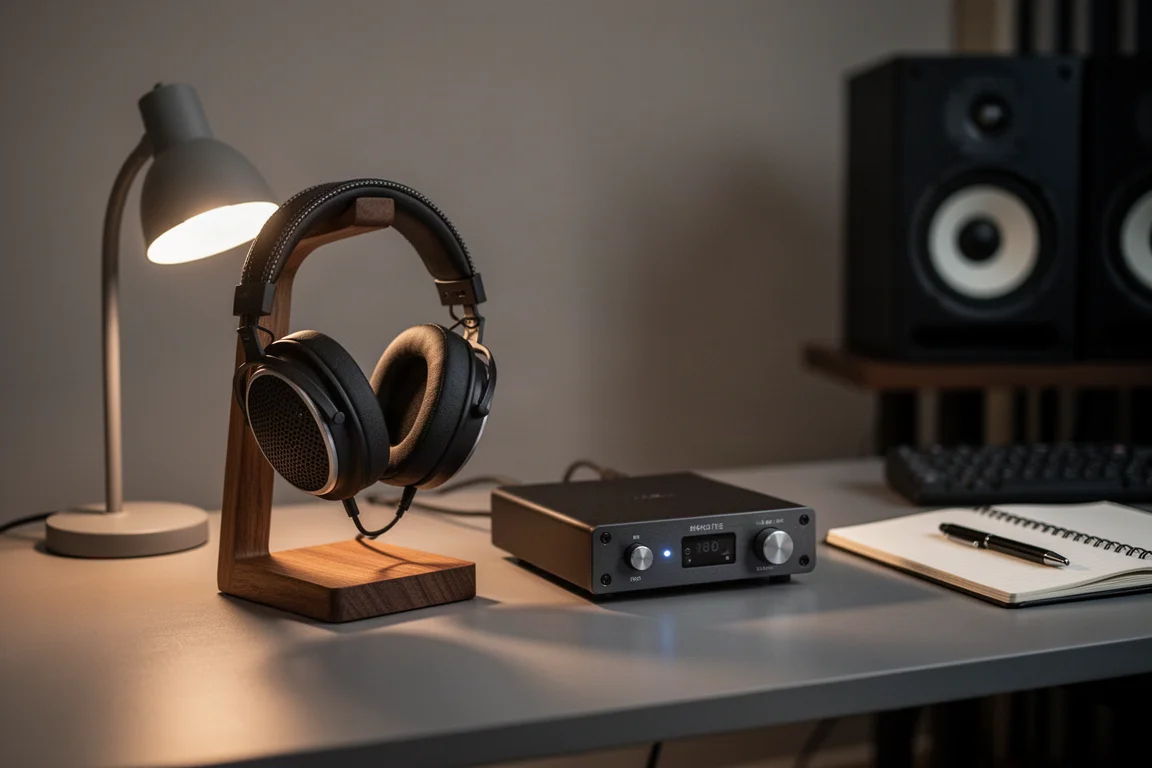
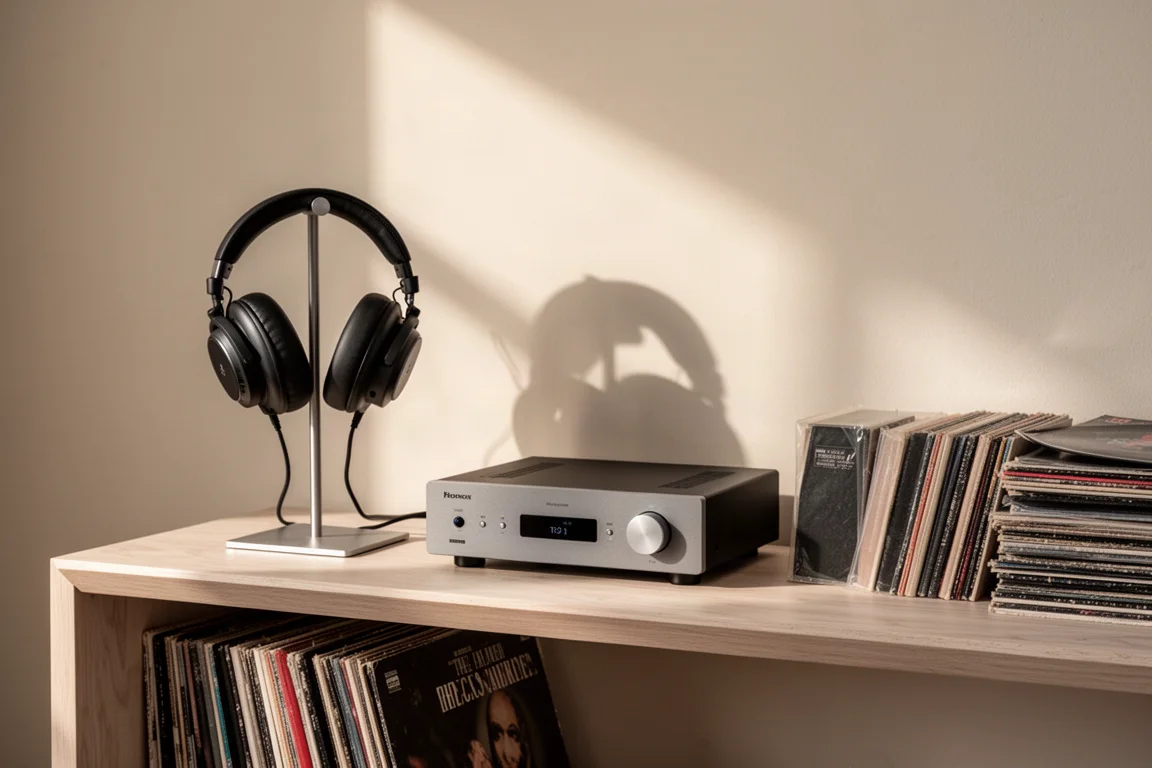
The LCD-3 is an open-back design running at 110 ohms, and that higher impedance means it gives its best when paired with a capable DAC and headphone amplifier. It is a home headphone first: a desktop amplifier lets it reach peak performance in a way a simple portable setup will not.
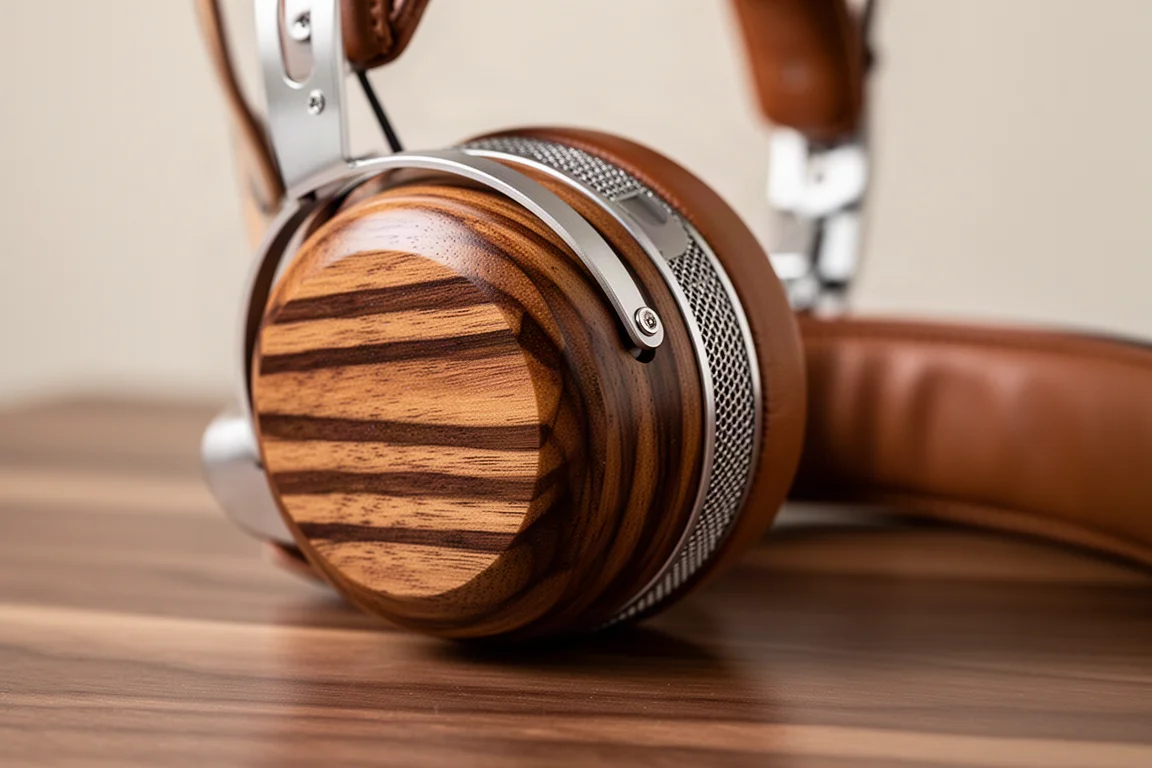
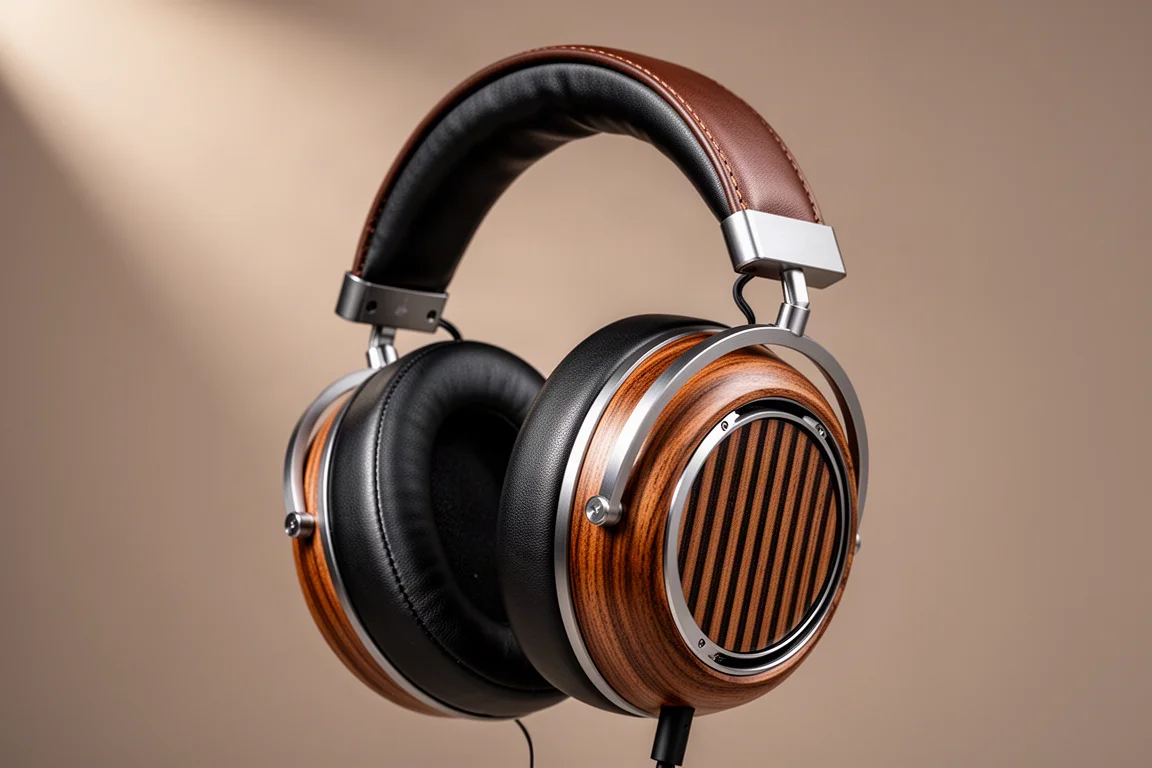
Compared with the LCD-2 that came before it, the LCD-3 has a mid-range that is slightly less recessed, which produces a warmer tonality through the mids and a smoother, more musical top end. The ear cups are finished with zebrano wood rings, an African hardwood usually chosen for musical instruments because of its full sound and dark harmonic overtones. The finish shows a striking pattern of narrow dark brown stripes that gives the wood its name.
The voice coils in the LCD-3 are longer than those in the LCD-2 and the other models here, and that shows up clearly in detail retrieval. The soundstage is the most hyperrealistic of the three, close to holographic in character, with dense mixes separating into distinct layers that a listener can follow individually or take in as a whole.
Comfort, Weight, and Long Listening Sessions
Weight distribution is the quiet strength of this lineup. Thick, beefy ear pads and a suspension-strap headband let the ear cups hug the head rather than clamp it, and that is a major reason all three remain so popular for extended sessions.
The LCD-X is the lightest of the group thanks to its aluminium construction, and it stays comfortable through hours of continuous listening. The LCD-XC adds a few ounces from its closed carbon ear cups, but the suspension system absorbs that difference well enough that it fades from notice. The LCD-3, with its wood rings and longer voice coils, sits at the top of the range in both build and price, and it is designed for a desk rather than a commute.
Buying Advice: Matching a Model to Your Setup
If value is the priority, the LCD-X is the easiest recommendation of the three. Its planar magnetic technology and neutral, linear sound make it a strong proposition for the money: detailed enough to reveal the finest nuances of a recording, yet musical enough to enjoy without analysis.
If isolation is a requirement, the LCD-XC is the answer. It delivers nearly the same transparent sound and detail retrieval as the LCD-X in a closed-back format, and it is tuned specifically for its own ear cups. Its bass presentation is a shade more upfront, which suits bass-heavy material particularly well. For private listening at this level, it is a genuinely rare combination.
The LCD-3 suits a different listener: someone who listens at home with a dedicated DAC and amplifier and gravitates toward detail-oriented, organic recordings. Paired with a good desktop amplifier it delivers powerful bass, a clear and smooth top end, an accurate and warm mid-range, and a luxurious, carefully considered design. It is the most expensive of the three, and it rewards the setup it is given.
Conclusion
All three of these headphones share the same foundation: planar magnetic drivers, an ultra-thin diaphragm, a neutral house sound, and a comfort-first fit that holds up over long sessions. The differences come down to how you listen. Choose the LCD-X for critical listening and the lightest fit, the LCD-XC for closed-back privacy with deep, defined bass, and the LCD-3 for a warm, highly detailed home system built around a proper amplifier.
Any of the three makes a serious statement piece in a high-end audio collection. Matching the model to the room, the gear, and the listening habit is what turns a good purchase into the right one.
Further reading
Related Reviews
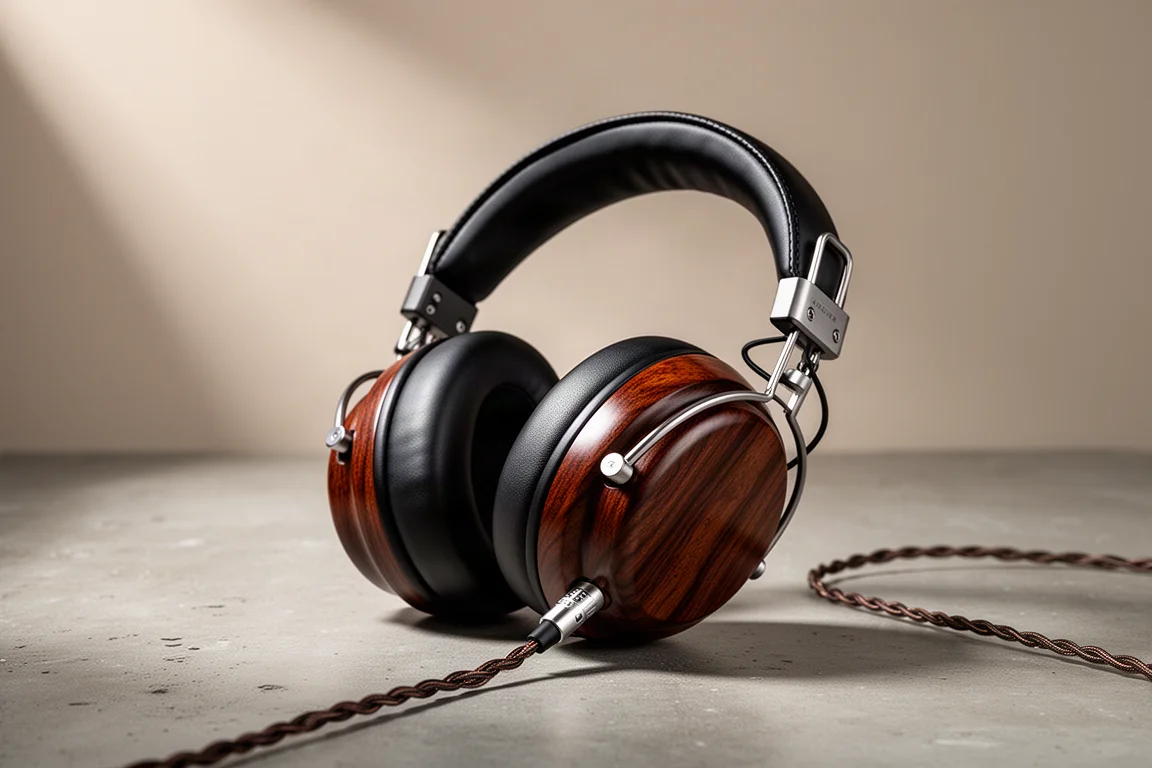
Headphones
Apos Audio Caspian Review: Warm Bass, Solid Build, and a Detail Trade-Off
The Apos Audio Caspian is an easy-to-drive open-back headphone with standout bass and a warm, relaxed tuning, though mid-range and treble detail trail the competition.
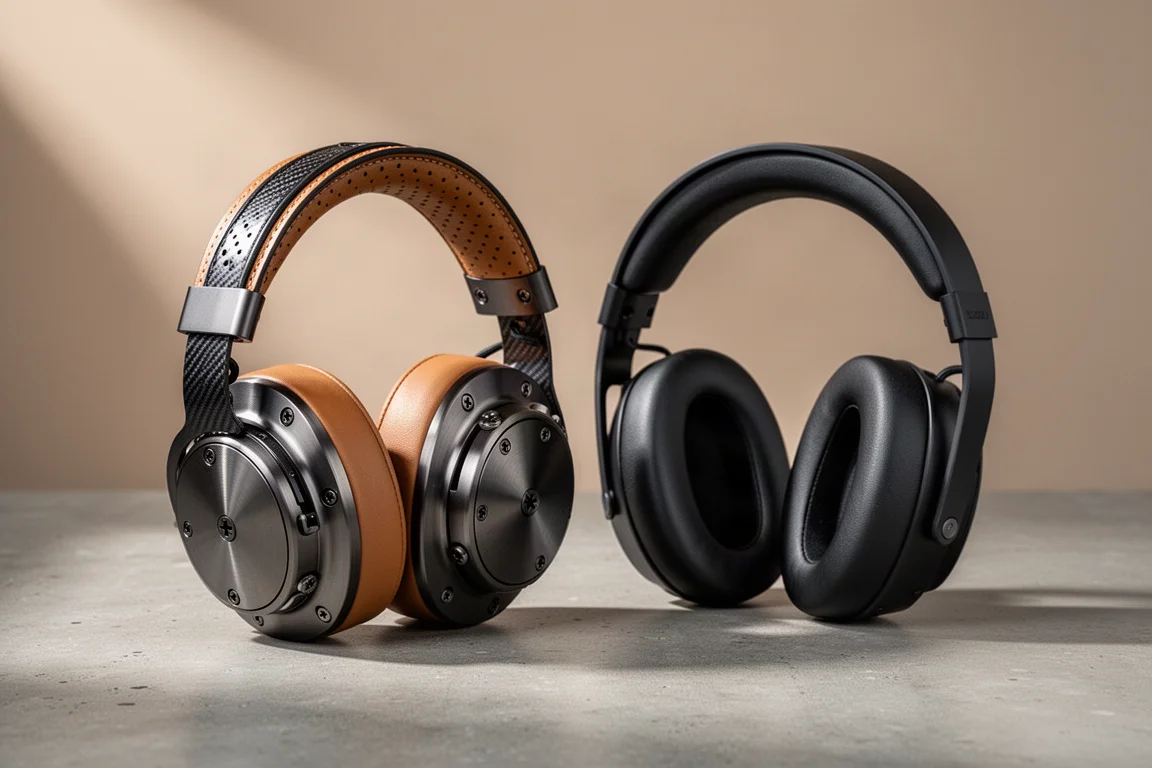
Headphones
Audeze LCD-X vs HiFiMan Edition XS: Two Open-Back Headphones Compared
A practical comparison of the Audeze LCD-X and the HiFiMan Edition XS, covering build quality, comfort, sound signature, and which listener each one suits.

Headphones
Audeze MM-100 Review: An Open-Back Planar Gaming Headphone Worth EQing
The Audeze MM-100 brings planar magnetic drivers to an open-back design, but it needs EQ to unlock its full gaming potential.