Headphones
Verum 2 Review: An Open-Back Planar Magnetic Headphone Built for Long Listening
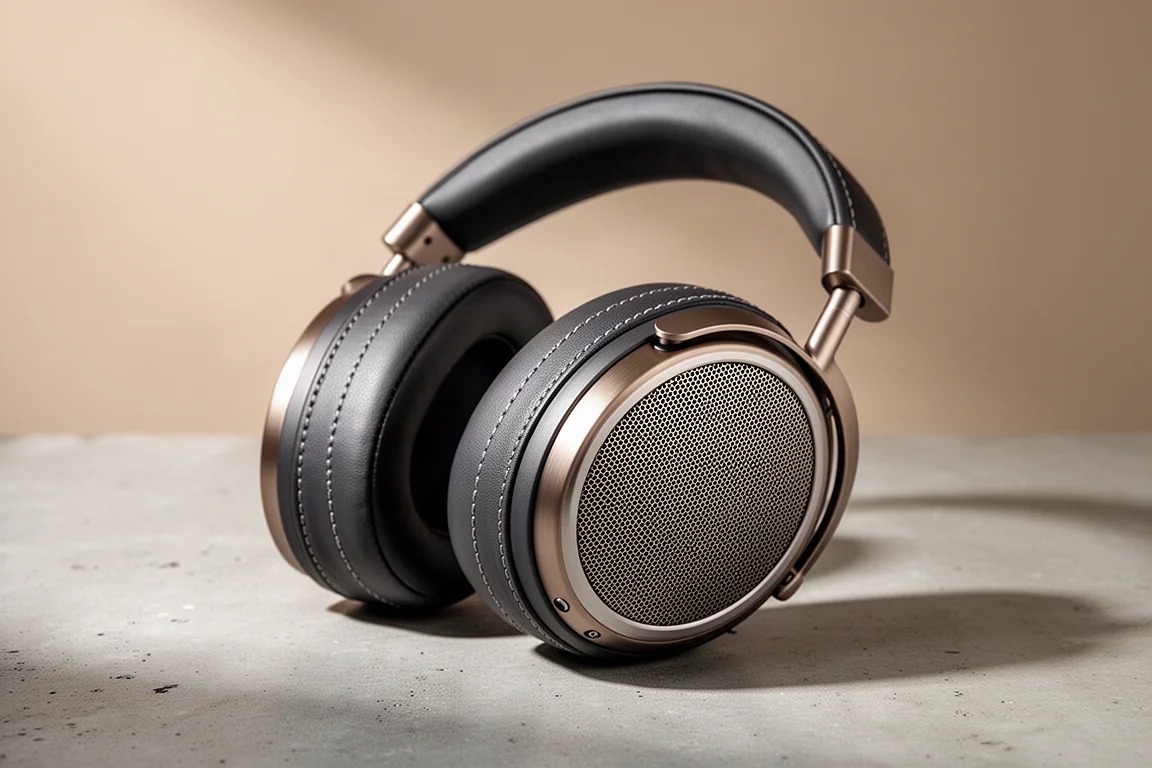
The Verum 2 pairs a 105 mm planar magnetic diaphragm, a pivoting steel headband, and vented sheepskin pads with an open, clear sound at a price that makes it worth a close look.
Introduction
The Verum 2 is an open-back planar magnetic headphone designed and made in Ukraine, brought to market through a Kickstarter campaign at $350 for the basic version. For an open-back planar magnetic design, that is a strikingly low asking price, and it is only the first of several reasons the headphone stands out.
The second is comfort. The Verum 2 is light, it clamps gently, and it stays easy to wear for hours at a time, which is unusual among planar magnetic headphones. The third is sound: open, clear, and pure, with a low end that reaches deeper than the price suggests.
This review looks at who the Verum 2 suits, where it performs at its best, and what to weigh before buying.
Who This Product Is For
The Verum 2 is aimed at listeners who want the openness and transparency of an open-back planar magnetic headphone without paying a premium for it. Its 105 mm diaphragm is unusually large for the category, and its rated impedance of 12 ohms is low enough that it should work with both portable and home headphone amplifiers rather than demanding one specific kind of amplification.
It is a natural fit for acoustic recordings, jazz, and film scores, where tone, clarity, and a sense of space matter more than weight and slam. Listeners who want a thick, bass-forward, richly voiced headphone will find the Verum 2 leans in the opposite direction.
It is also a strong candidate for anyone who listens for long stretches. The combination of low weight, gentle clamping pressure, and thick sheepskin pads makes it easy to keep on through a full evening of music without the usual pressure build-up around the ears.
Main Strengths
Two areas define the Verum 2: the way it presents music, and the way it behaves over a long session.
Sound Quality and Presentation
Acoustic material came across as natural and unforced, with vocal tone landing accurately and acoustic guitar sounding like an unplugged instrument in a room. Jazz recordings held up well too. Piano tone, touch, and dynamics all came through, and drums kept their life, with cymbals carrying air, detail, and clarity.
Deep bass is where the Verum 2 surprises. On a track built around a steep descending bassline, the low end stayed clear and defined, while a competing dynamic headphone turned the same passage muddy and made the overall presentation duller, thicker, and less alive.
Against an Audeze LCD-2 of roughly ten years old, the comparison ran the other way in the low end: the older planar magnetic hit harder and carried more punch. The Verum 2 answered with greater clarity, greater transparency, and a more open presentation that never felt stuck inside the head. On a densely scored film soundtrack, that purity and clarity were easy to hear, and the imaging felt genuinely spacious.
Comfort, Fit, and Build
Comfort is where the Verum 2 separates itself from most planar magnetic headphones. It is light on the head, clamping pressure is low, and the result is a headphone that can stay on for hours without becoming tiresome.
The ear pads are thick and substantial, covered in real sheepskin leather, and noticeably vented. Small holes sit on the rear face of each pad, the side that rests behind the ear, and those ports may well contribute to the extra sense of openness in the sound.
The headband is steel, and its center section pivots, so it conforms more closely to the shape of the head and keeps pad pressure even on both sides. A 2 m braided cable completes the package: it is soft, flexible, and not prone to microphonics. The headphone is available in a range of colors, including black, alongside several bolder finishes.
Things to Consider Before Buying
The Verum 2 is not the fullest or richest sounding headphone around. It can sound lean at times, and listeners who want warmth and physical weight will notice that character straight away.
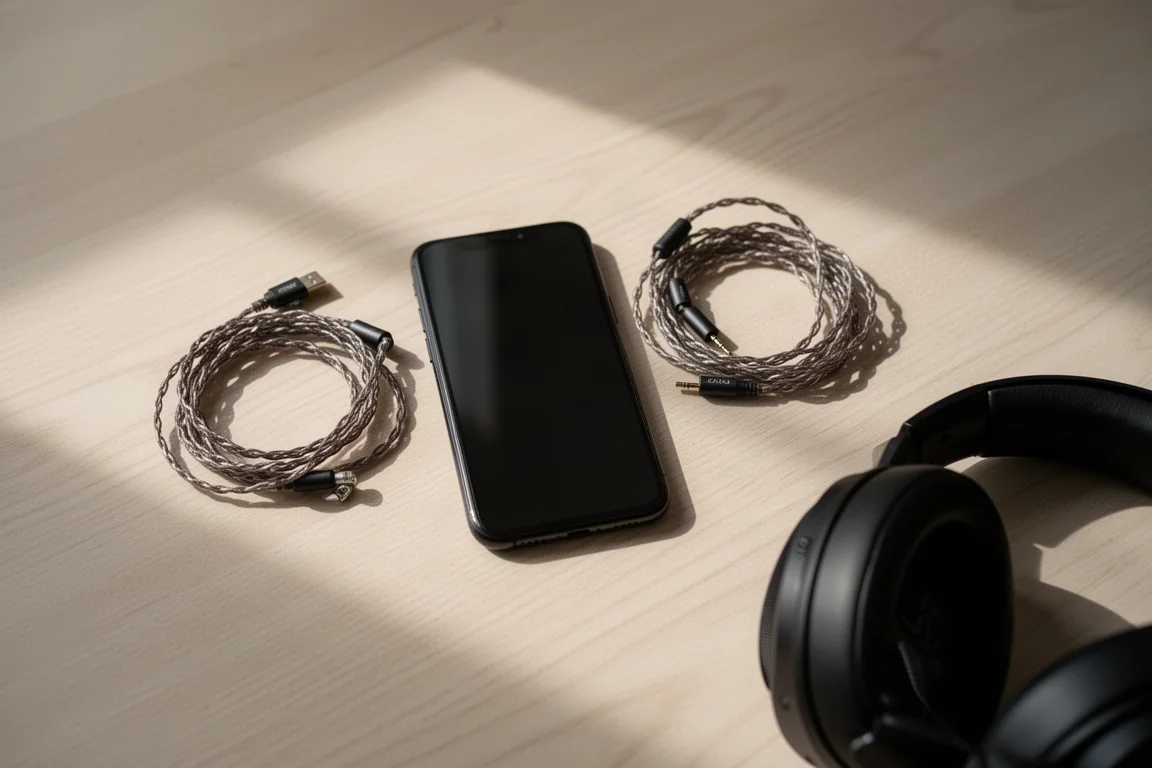
It is also most exposed on weak sources. From a phone it played loud enough, but the sound turned thin and flat, which is not a flattering combination for a headphone with this much transparency.
Because the design is open-back, it offers no isolation from the room around you: sound leaks out and outside noise comes in. That is inherent to the format rather than a fault, but it rules the Verum 2 out for noisy commutes or shared spaces where quiet is expected.
Buying Advice
At $350 for the basic version, the Verum 2 is genuinely easy to justify. It delivers an open, pure, and clear presentation, a surprisingly strong low end, and a level of comfort that few planar magnetic headphones can match, all while remaining far more affordable than most of the category.
The practical caveat is amplification. Treat the Verum 2 as the centerpiece of a small listening setup rather than an accessory for a phone, and it rewards the investment.
Matching the Verum 2 to Your Setup
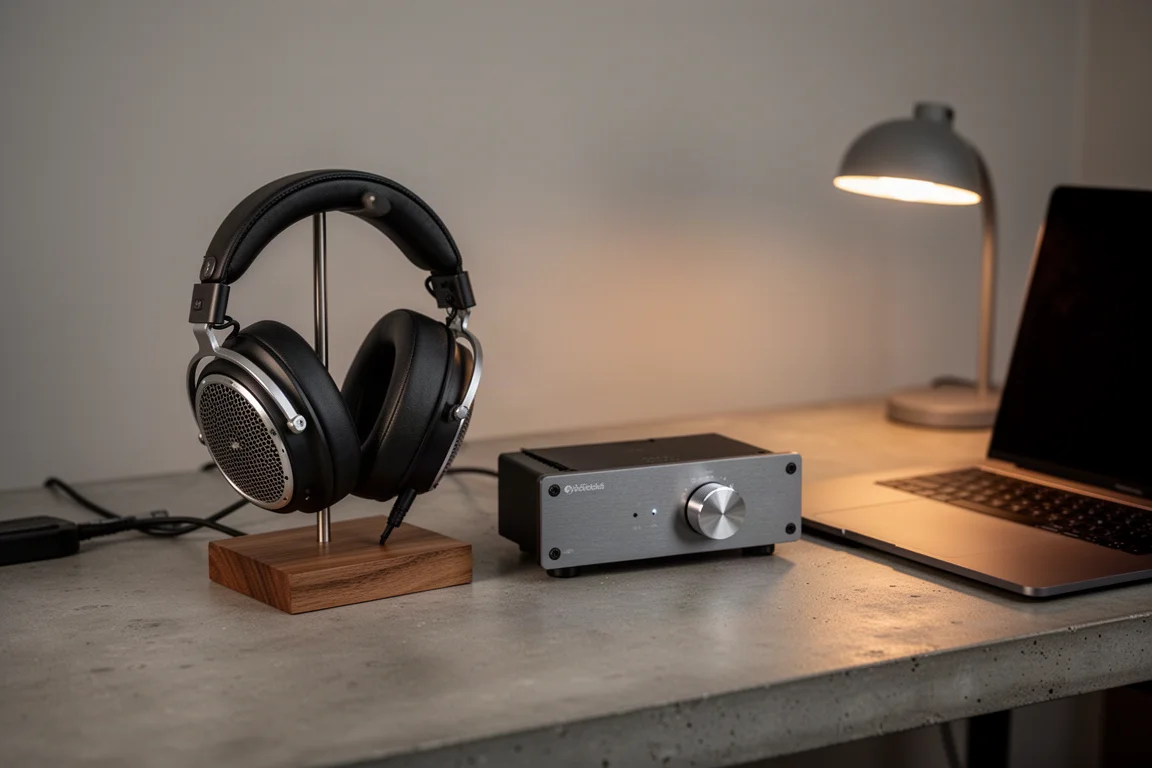
The rated impedance of 12 ohms is low, and that should not cause problems for either portable or home headphone amplifiers. Listening tests were run on a desktop system with an Emotiva A100 amplifier, and the pairing worked well across acoustic, jazz, and film-score material. The phone, by contrast, did not do the headphone justice.
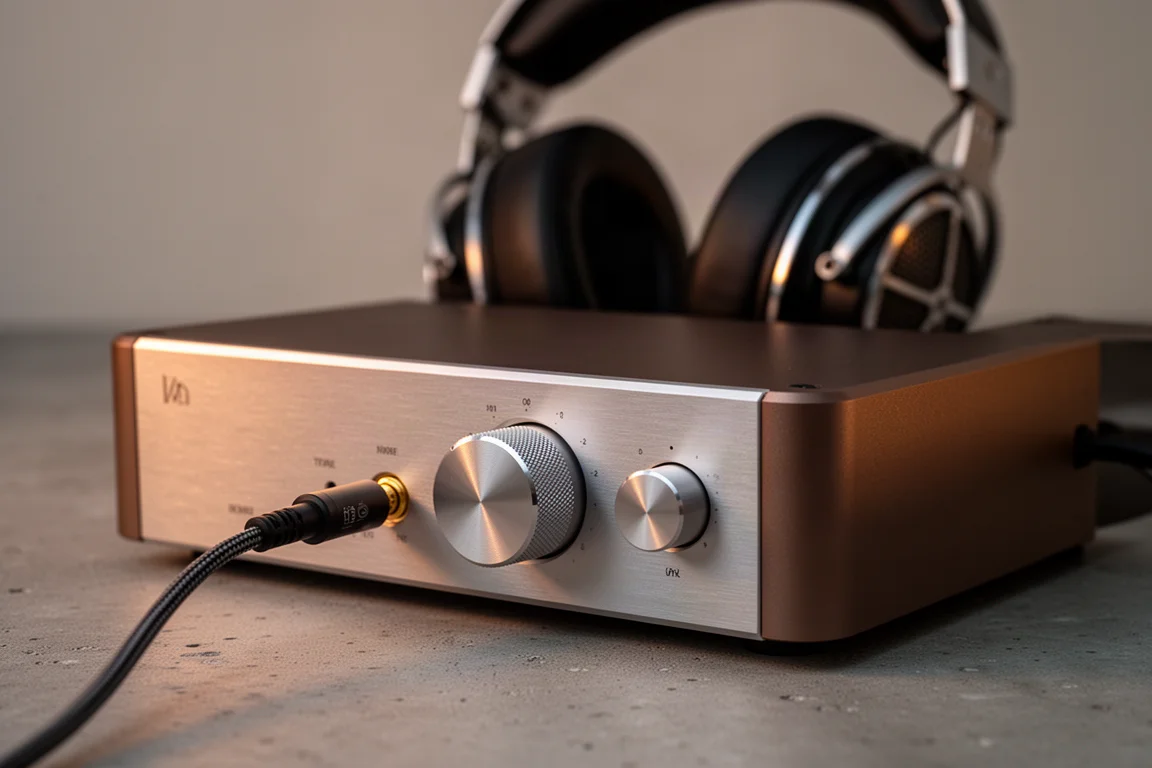
If a desktop amplifier or a capable portable amp is already part of your setup, the Verum 2 slots in without fuss, and its low impedance means you are unlikely to need anything exotic to drive it. If you are starting from scratch, budget for a proper amplifier alongside the headphone.
Conclusion
The Verum 2 makes a persuasive case for itself. It is designed and made in Ukraine, sold at $350 for the basic version, and it combines an unusually large 105 mm planar magnetic diaphragm with a pivoting steel headband and vented sheepskin pads that make long sessions genuinely comfortable.
Its sound is open, clear, and transparent, with a low end that holds together where lesser headphones turn muddy, even if it never delivers the last word in bass punch. Pair it with a competent amplifier, accept that it leans toward clarity rather than richness, and it stands out as one of the more compelling values in open-back planar magnetic headphones.
Product link
View more details for Verum 2
This product is mentioned in the review. Check the specifications, options, and compatibility before buying.
View more details for Verum 2Further reading
Related Reviews
Headphones
Apos Audio Caspian Review: Warm Bass, Solid Build, and a Detail Trade-Off
The Apos Audio Caspian is an easy-to-drive open-back headphone with standout bass and a warm, relaxed tuning, though mid-range and treble detail trail the competition.
Headphones
Audeze LCD-X vs LCD-XC vs LCD-3: Which High-End Headphone Fits Your Setup
A practical comparison of three Audeze planar magnetic headphones under $2,000, covering the open-back LCD-X, the closed-back LCD-XC, and the wood-ringed LCD-3.
Headphones
Audeze LCD-X vs HiFiMan Edition XS: Two Open-Back Headphones Compared
A practical comparison of the Audeze LCD-X and the HiFiMan Edition XS, covering build quality, comfort, sound signature, and which listener each one suits.