Emergency Preparedness
Vehicle Survival Kit Essentials for Extreme Weather Driving
Water storage, recovery gear, lighting, power, and warm layers worth keeping in the car when severe weather leaves you stranded.
Introduction
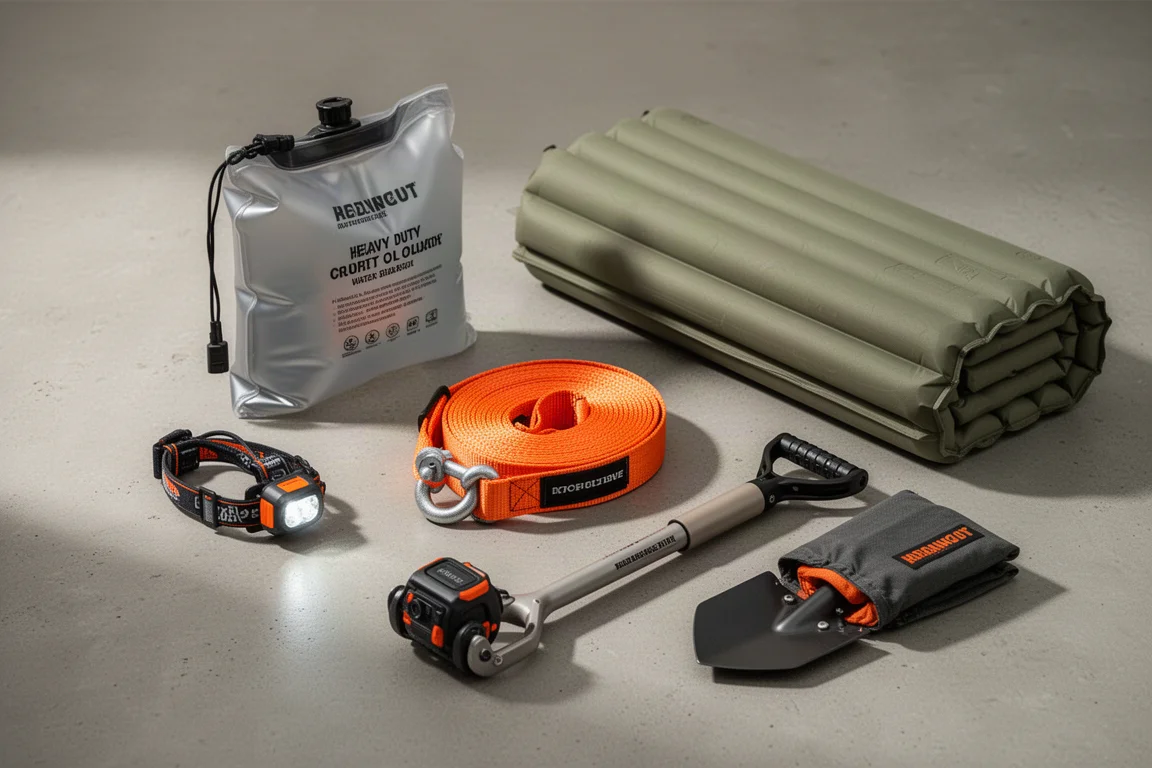
Your vehicle is arguably the best shelter you have in an emergency. It is well insulated, windproof, reasonably comfortable, and it gives you a place to stay until conditions clear enough to be rescued or self-rescue safely. In extreme weather, though, being stuck can mean hours or even days on your own, and closures, avalanches, and multi-car pileups happen every winter. This guide covers the gear worth keeping in the car for exactly those situations, from water storage and recovery straps to lighting, power, and warm layers.
Assume you already have food and water in the kit. Food matters less than people think, since you can go quite a while without it, but it is also heat energy. Choose items that survive being frozen and can sit in a car for months: granola bars, dried fruit, nuts, jerky, hard candies, and other sealed options that will not spoil if they get wet. Water is the real priority, and storing it in a car through freezing weather is its own problem.
Water Storage That Survives Freezing
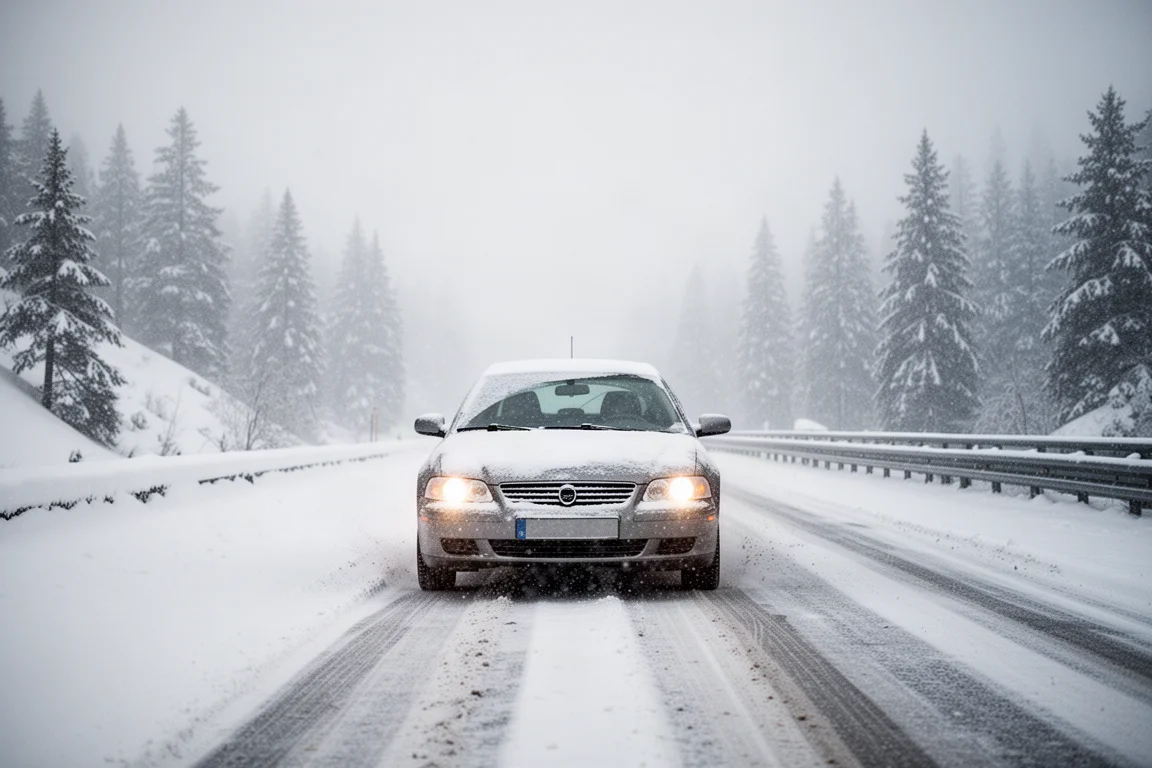
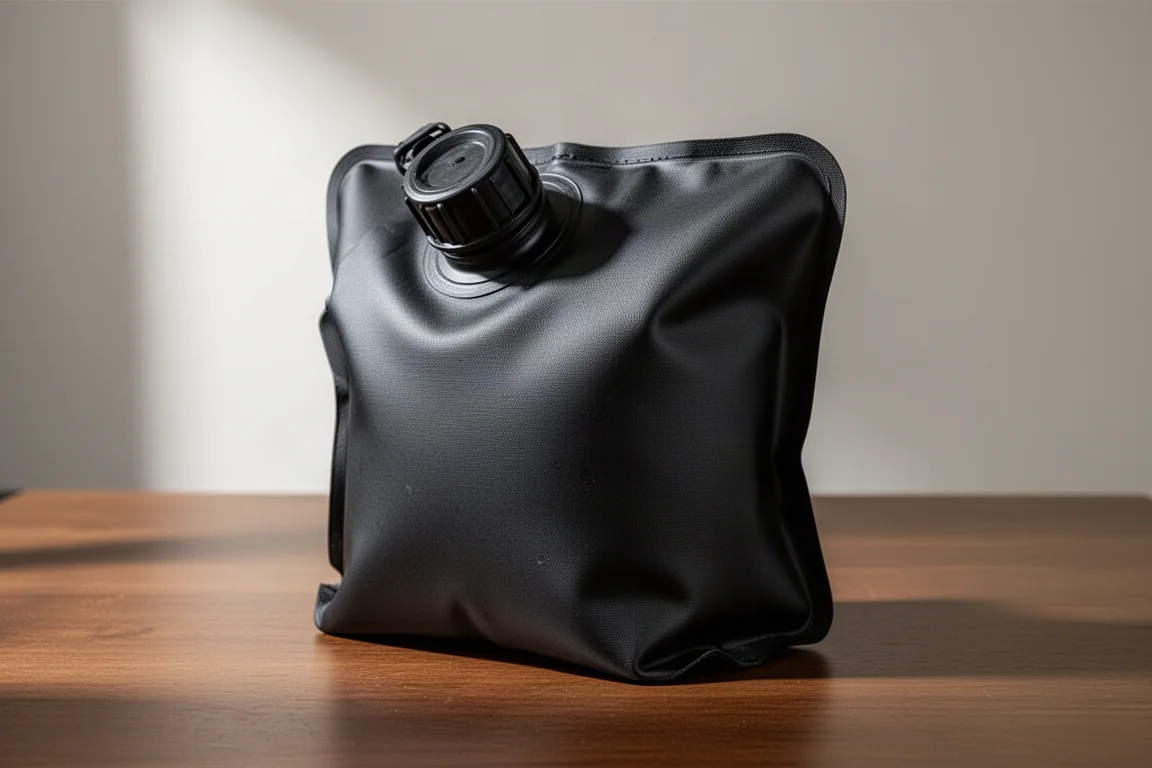
Water freezes in a car in winter, and rigid metal bottles can actually bulge or blow out as the ice expands. A heavy-duty bladder-style dromedary bag solves this elegantly. These are far tougher than hydration bladders, they flex slightly as the water expands, and you leave some headspace unfilled on purpose. They come in one and two gallon sizes.
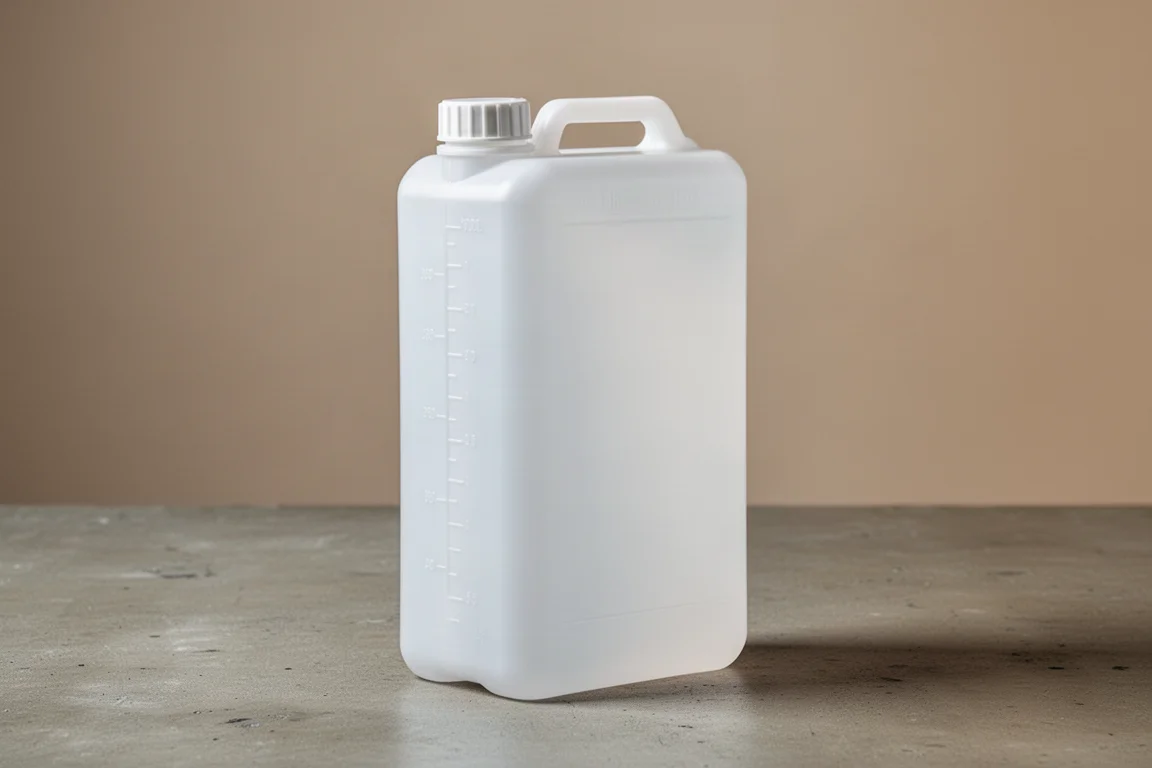
Another practical option is a hard-sided container with a visible freeze line, such as a Rotopax. The marked line tells you how far you can safely fill it. Water above that line can freeze solid and compromise the container, but below it you can leave the container in the car through the cold and still have drinkable water as it thaws.
A third trick: if you are heading into bad weather, fill your insulated bottles with hot water and seal them tight. As the water cools it creates suction, and the cap can be genuinely difficult to open, sometimes requiring a pry bar, but a good insulated bottle keeps water hot for a long time. You may still have drinkable, even warm, water a couple of days later.
Keeping It Organized: Bags That Seal
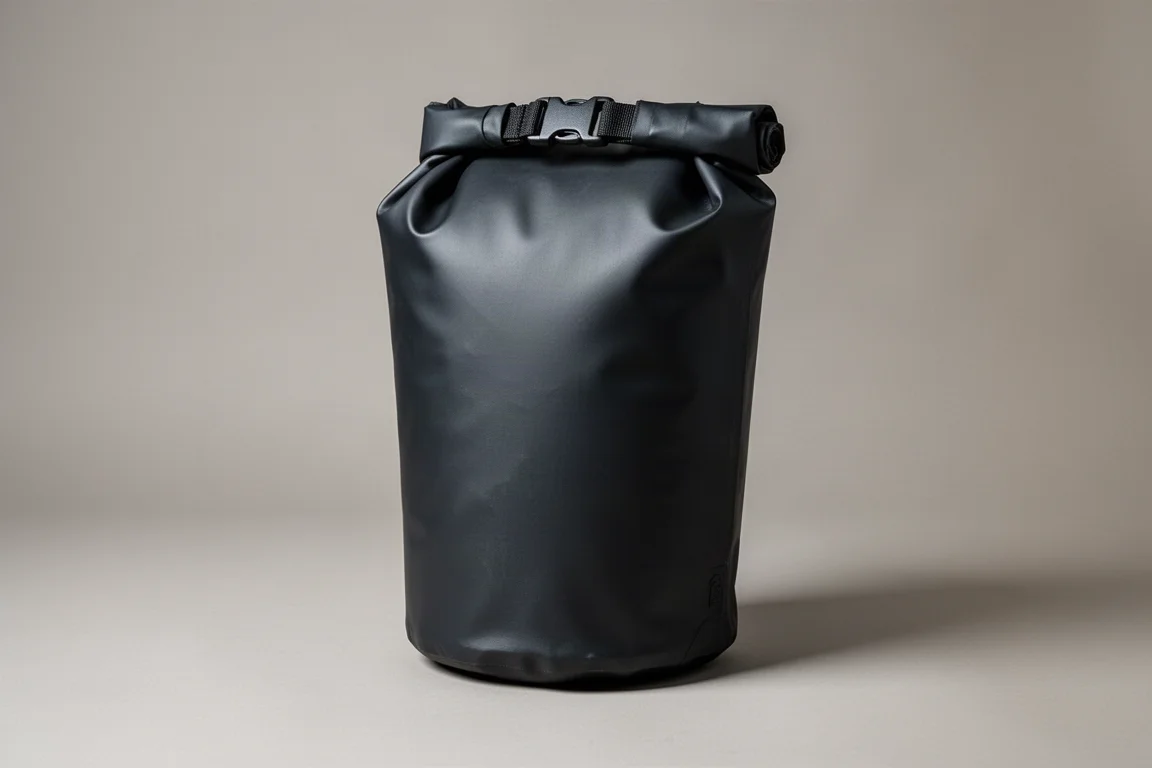
Loose gear is useless if you cannot find or protect it. A large heavy-duty dry bag with a roll-top closure is ideal for extra clothing, and a well-built one even offers a degree of flotation. A FishPond dry bag lets you seal everything watertight, which matters when snowmelt and slush find their way into the trunk.
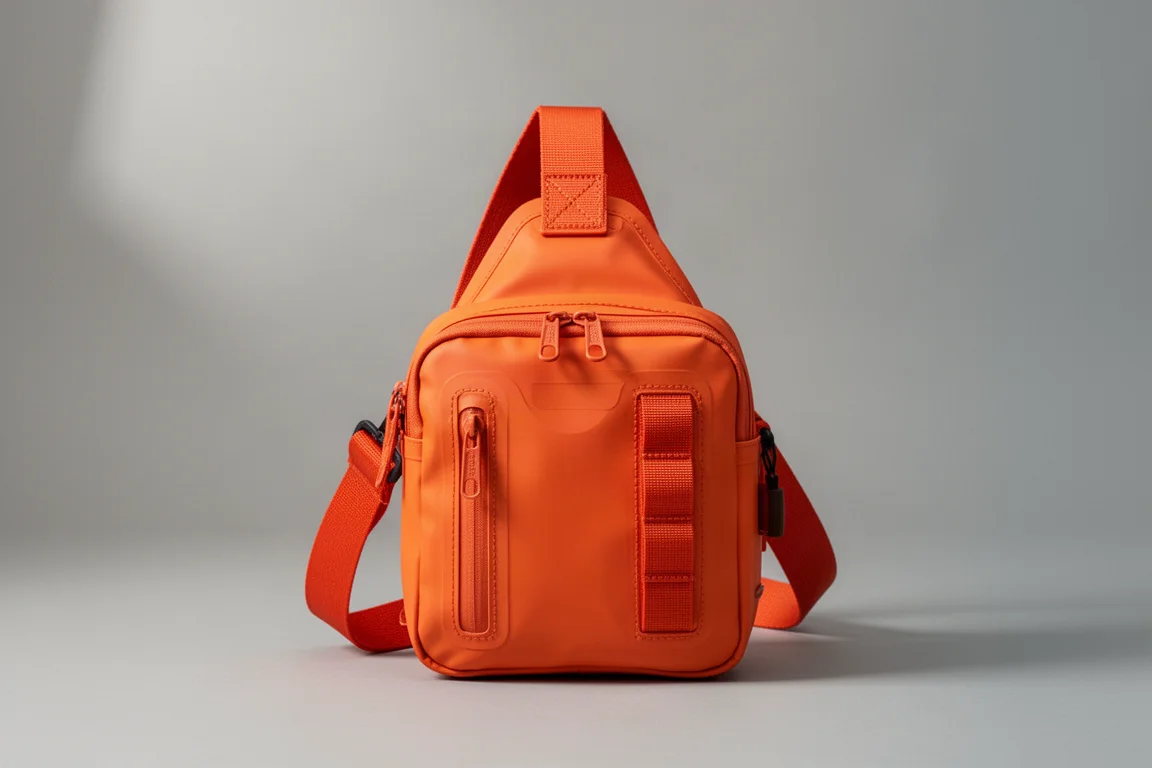
For gear you may need to grab quickly, a bright orange sling bag with watertight zippers is a smart choice. The whole point of the color is that you can tell someone else “go get that orange bag” and there is no ambiguity. A sling design lets you operate it within your chest area rather than swinging a backpack around, though it is a little harder to run with. In a blizzard that trade-off rarely matters, but for other scenarios a backpack remains a good alternative.
Recovery Gear: Why a Snatch Strap Beats a Tow Strap
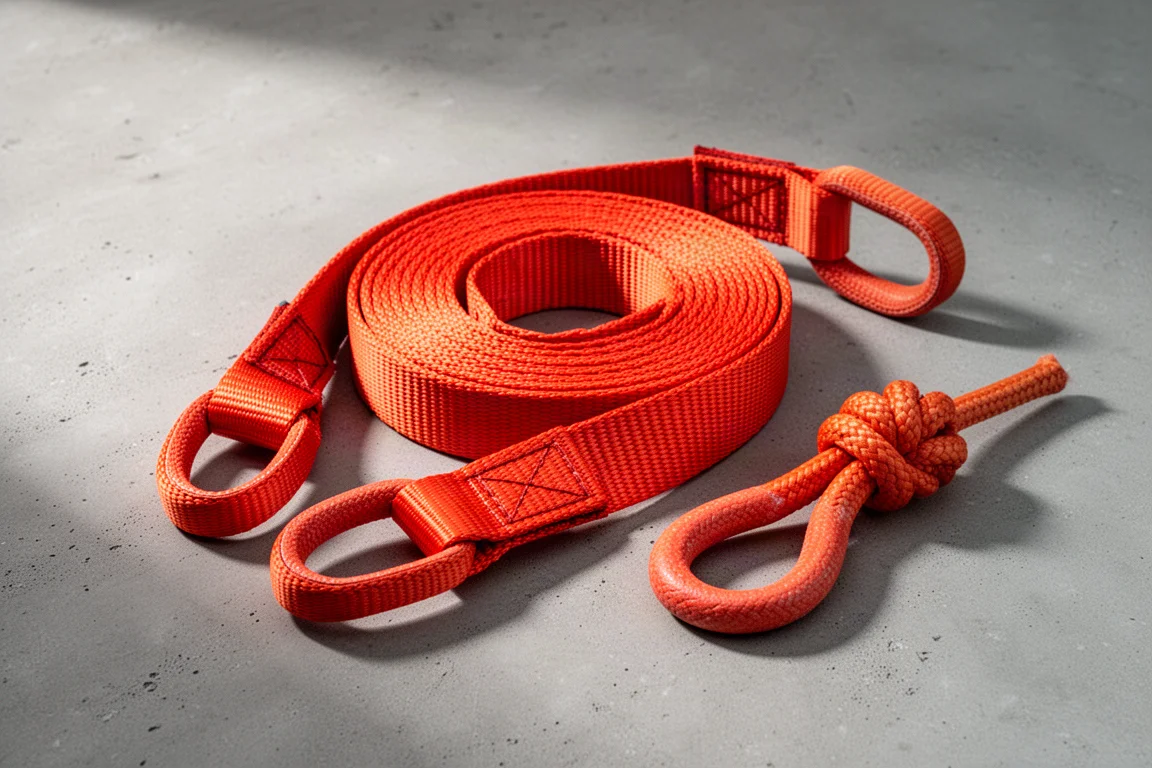
In nearly all conditions you should prefer a snatch strap over a basic tow strap. A snatch strap is elastic. It stretches slightly and stores the pulling energy of the recovery vehicle, releasing it over a longer moment instead of all at once. With a rigid tow strap, if the recovery vehicle accelerates and the strap suddenly goes taut, it is like hitting a wall: you can break car parts and destroy the strap.
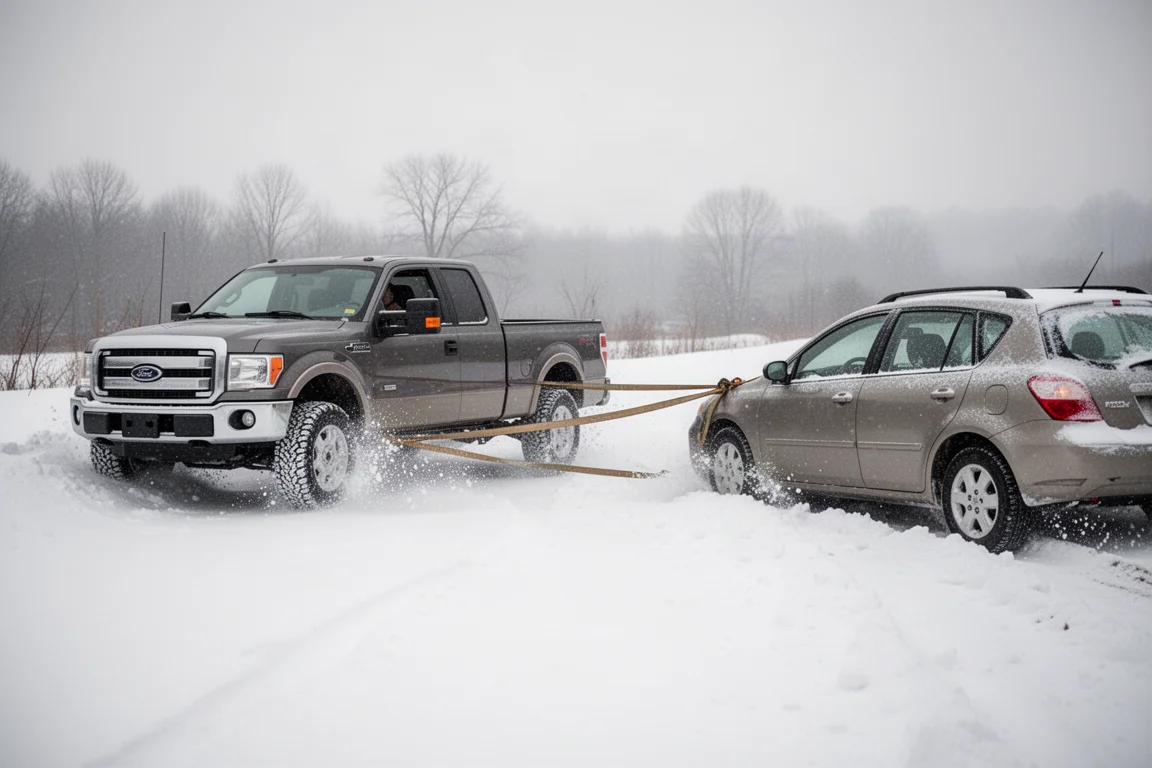
The traction problem matters too. On an icy highway the recovery vehicle may barely be able to spin its tires, so it needs momentum to help, and a snatch strap handles that smooth loading far better. Attachment is just as important. Soft shackles, a loop of rope with a knot at one end, are a surprisingly strong way to connect a strap, and you can wrap them around frame members or link them together in ways rigid tow points never allow. Know where your vehicle’s recovery points are and how to use them.
While you are organizing recovery gear, keep a tourniquet within reach from the driver’s seat. Know how to apply it, including one-handed on yourself, in case a slide ends with a shattered window and an open injury.
Lighting: Hands-Free Beats Handheld
A flashlight is obvious, but a headlamp is better. Working under a car, changing a tire, or digging out, you rarely have a hand to spare for a flashlight, and nobody wants to work with a light under their armpit. A headlamp leaves both hands free and still works as a handheld light if you need it. Do not skimp here.
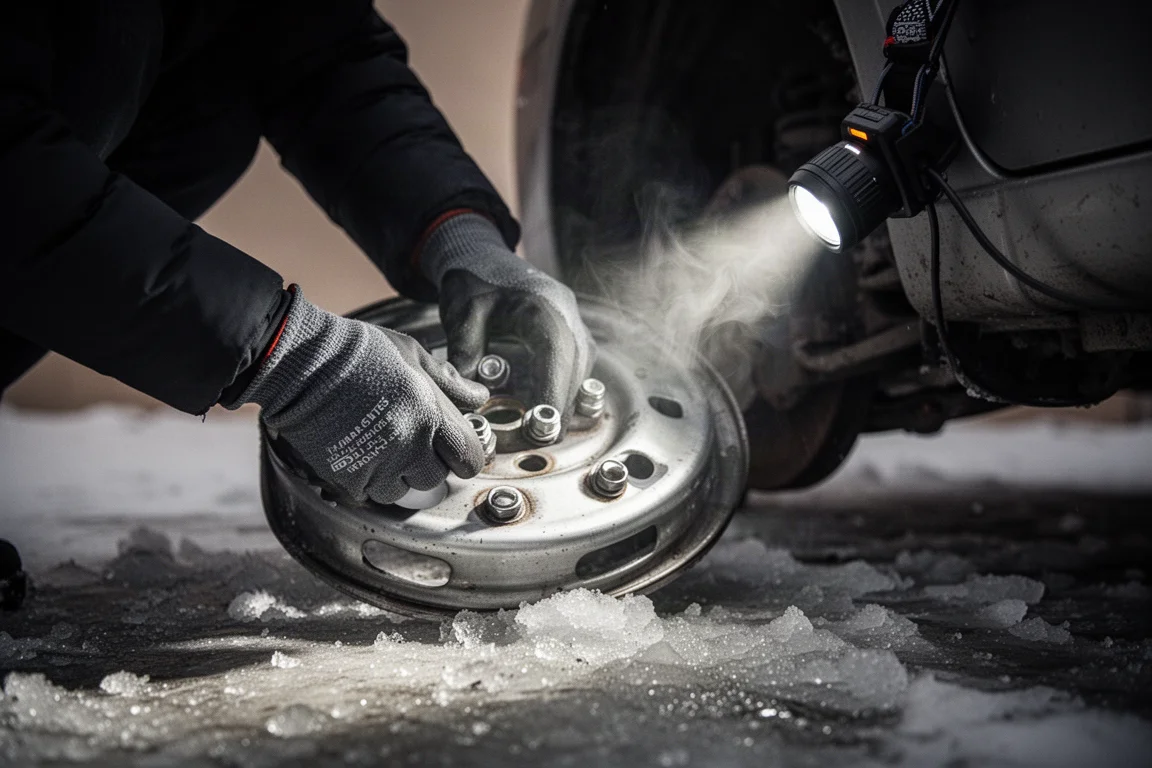
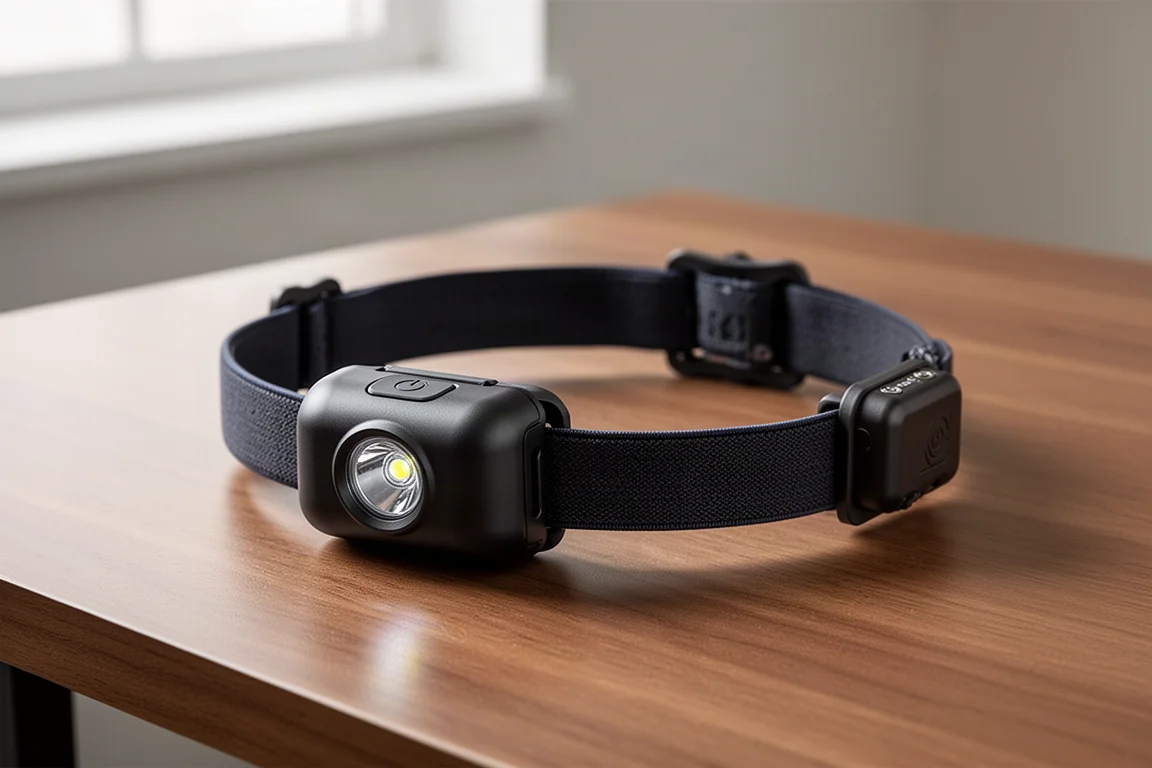
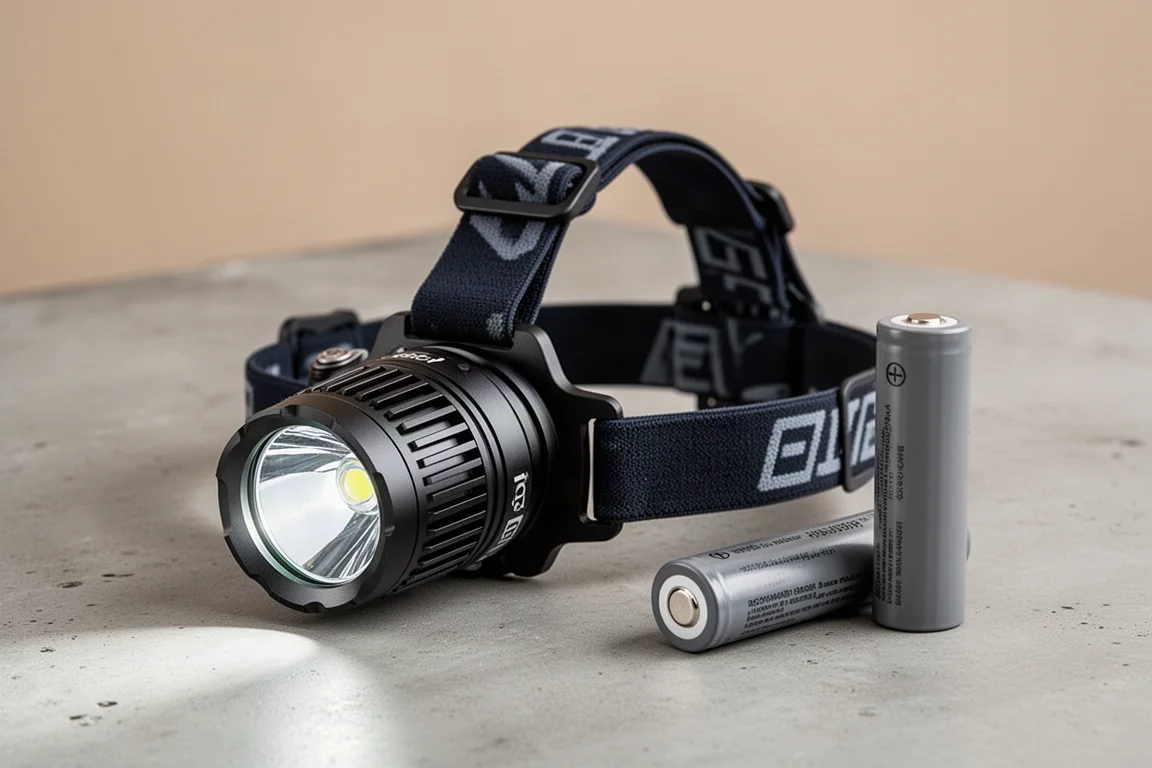
A Black Diamond headlamp covers the basics well without unnecessary features. If you want something more robust, a larger-format headlamp like the ThruNite runs on a single 18650 rechargeable cell and can also run on a pair of CR123s, which are worth stocking anyway. You cannot really have too many working lights in a winter kit.
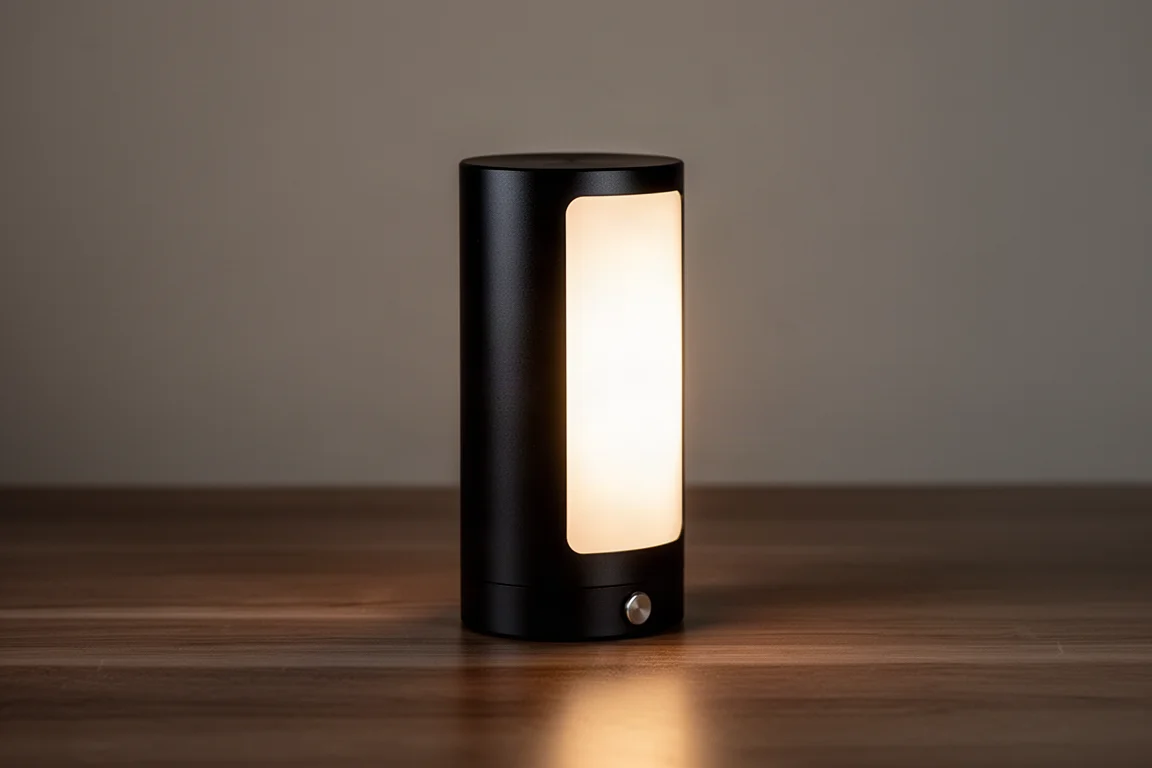
An area light fills a different role. A compact unit like an Olight area light gives you soft, low-level illumination inside the cabin when a headlamp is too bright or too directional. Work lights with magnets are equally useful: stick one to the vehicle frame, aim it where you need it, and many can also charge a device or serve as a signal light. That built-in redundancy is worth having.
A handheld GPS rounds out the electronics. Cell coverage disappears exactly when roads close, and a GPS with loaded maps shows where you are, what back roads exist, and which towns are nearby, regardless of your phone’s signal.
Shovel and Pry Bar: The Hard-Working Pair
A compact folding shovel like the Glock shovel earns its spot because it is small and it works, but the small blade and short reach mean a lot of bending and beating on ice. At minimum carry something like that, but a shovel with a larger scoop and a longer handle saves your back, especially if you spend a long time clearing snow or working under the vehicle. Many options break down into smaller pieces for storage, and since you only ever use a shovel outside the car, trunk storage is fine.
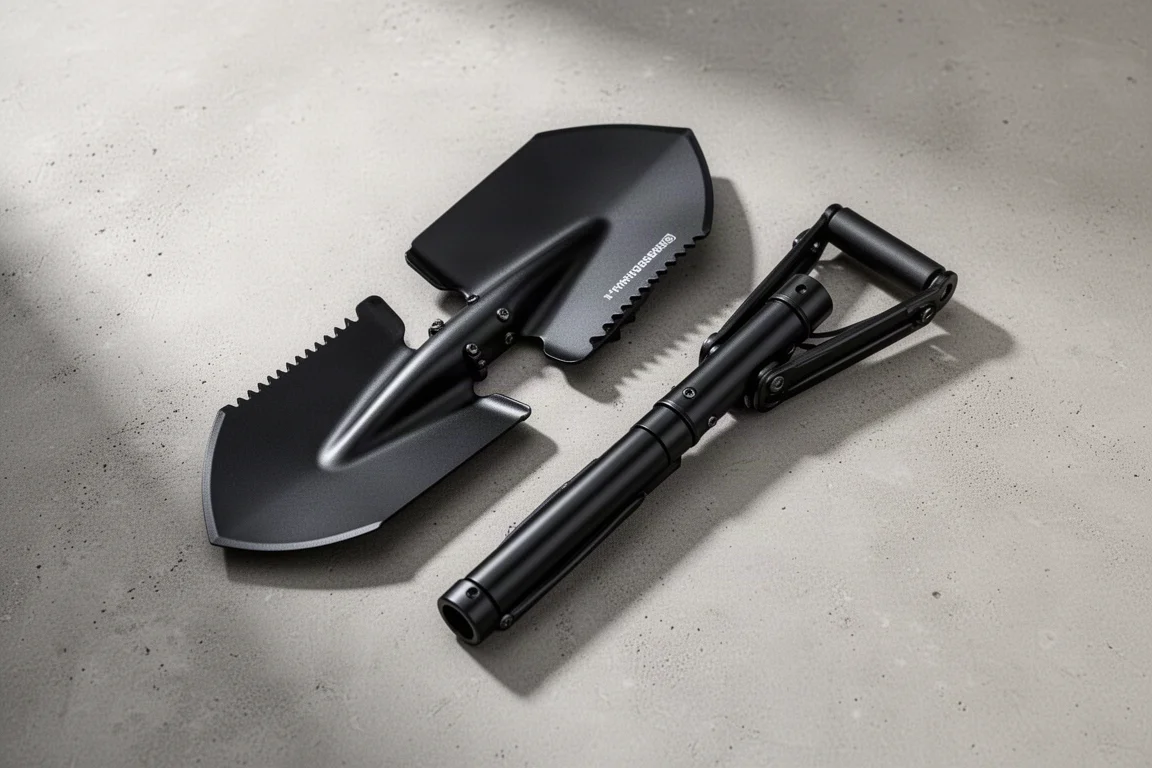
A serious pry bar is the other tool worth its weight. It can open a door on another car, help you out of your own, or straighten bent panels, though modern foam bumpers often break off with a hammer anyway. For a more committed option, a Halligan bar from Council Tool is the classic forcible-entry design. Even the shortest version they make, the one sized for vehicle storage, is heavy, and bare iron gets painfully cold in winter, so wrapping the handle in paracord helps. Store it secured so it cannot fly around the cabin in a crash.

Power and Air: Jump Starting, CO, and Ventilation
Jumper cables should always be in the car, but a portable jump starter is the next level. In deep snow you may not be able to position two cars close enough for cables, and a spike from someone else’s electrical system is a real risk to modern vehicle computers. A unit like the NOCO GB40 lets you start your own or someone else’s battery on your own. Size it to your vehicle: a big V8 needs enough current to turn over, and the smallest packs may not manage it.
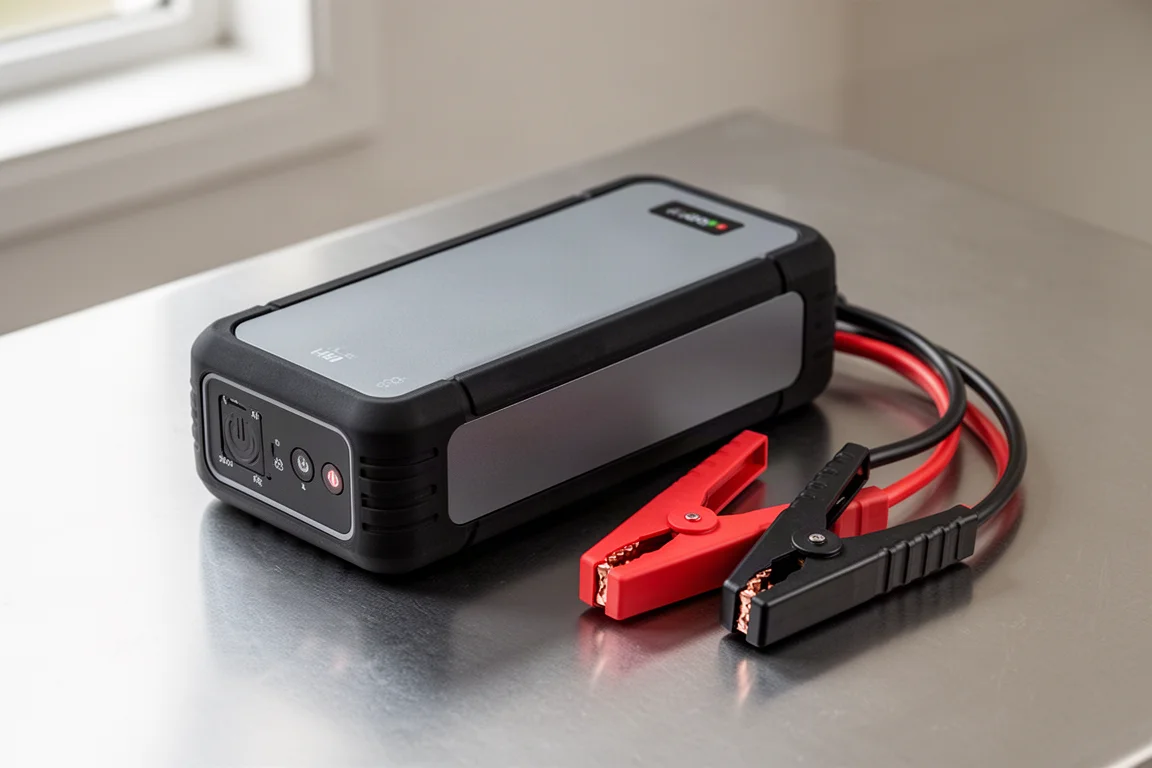
An inverter is the companion piece. Some plug into the vehicle, others connect directly to the battery with jumper-style clamps. Run your car to power devices rather than draining the starting battery, or use it when you need more output than a small battery can supply.
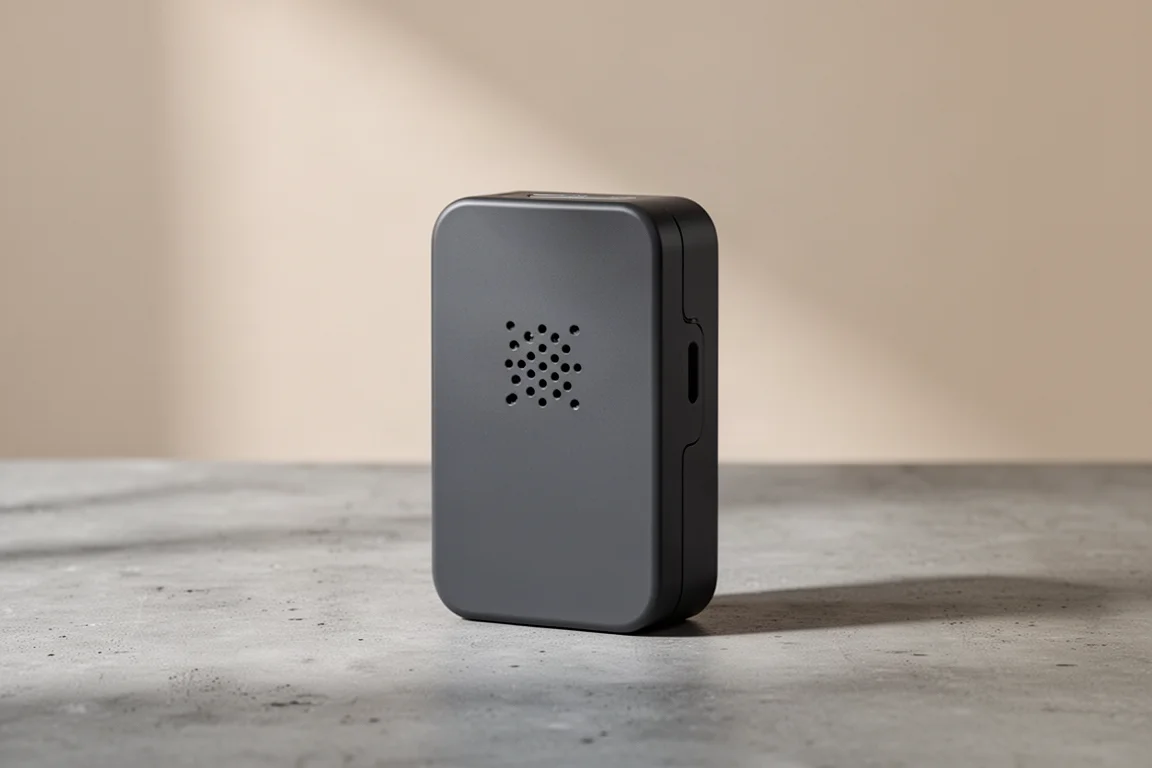
Carbon monoxide is a silent risk when you are idling or boxed in, especially with a clogged tailpipe, snow sealing the vehicle, or a big truck’s exhaust pumping beside you in a traffic jam. A compact detector like the Klein CO detector actively monitors carbon monoxide levels and gives you warning before symptoms do.
Ventilation is the fix for the other side of that problem, and pipe insulation is the clever answer. Cut closed-cell foam pipe insulation to the length of your window gaps. When you first realize you will be stopped, drop one or more windows an inch or two and wedge the foam in place. That lets air move through the cabin without ever touching the ignition. The danger it prevents is real: people drop a window, leave the ignition on to do it, fall asleep, and wake up to a dead battery. Keep the key out of the ignition entirely and use the foam to adjust airflow instead. Get the smallest diameter you can, and make sure it is closed cell so it will not absorb water.
Insulation Under You: Foam Matters More Than You Think
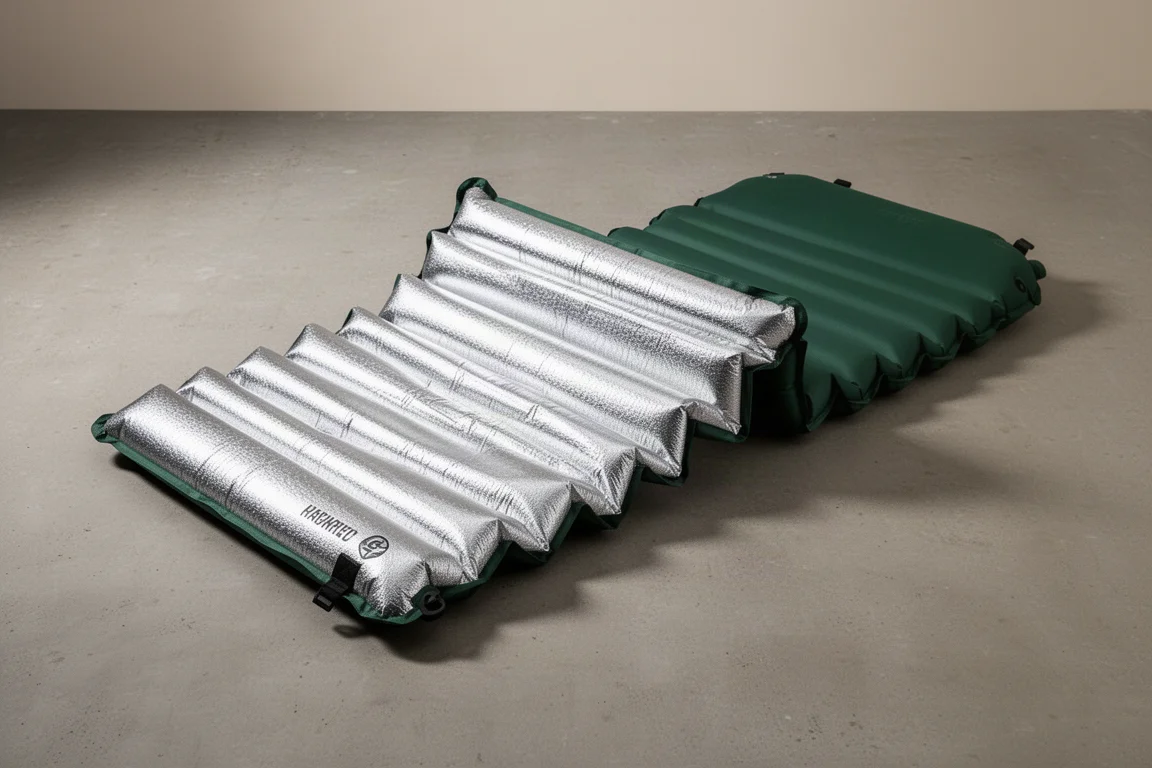
Conduction through a cold seat or door panel drains body heat fast. A folded foam sleeping pad like the Therm-a-Rest Z-fold gives you an insulative layer to sit on, lean against the cold side of the vehicle, or even wrap around yourself as a makeshift blanket. Options include accordion-style folding pads and bulk foam roll material, and it is a perfect place to repurpose backpacking or camping gear you already own.
Rope: Cheap Insurance
It is possible to become disoriented and lost within a few feet of your own vehicle in a blizzard. Rope solves that. Tie off at the car before stepping away into the white, whether you are walking a short distance, checking an embankment, signaling, or anchoring something. Polypropylene rope from any hardware store, often $10 to $15 for 30 to 50 feet, is a fine start: it is light, highly visible, unaffected by water or ice, and designed for boats. If you want to upgrade, small-diameter climbing rope can support human weight, useful near bridges or embankments, though it is not a substitute for actual climbing knowledge.
Staying Warm: Insulation and Clothing
Your last section of kit is clothing, and it may matter more than everything above. Start with a large shell parka with a hood. Gore-Tex is fine, but the real requirement is size: a big shell breaks the wind and lets you pile on layers underneath, and it can even wrap around someone smaller. It does not have to be expensive, and the brighter the color the better for visibility.
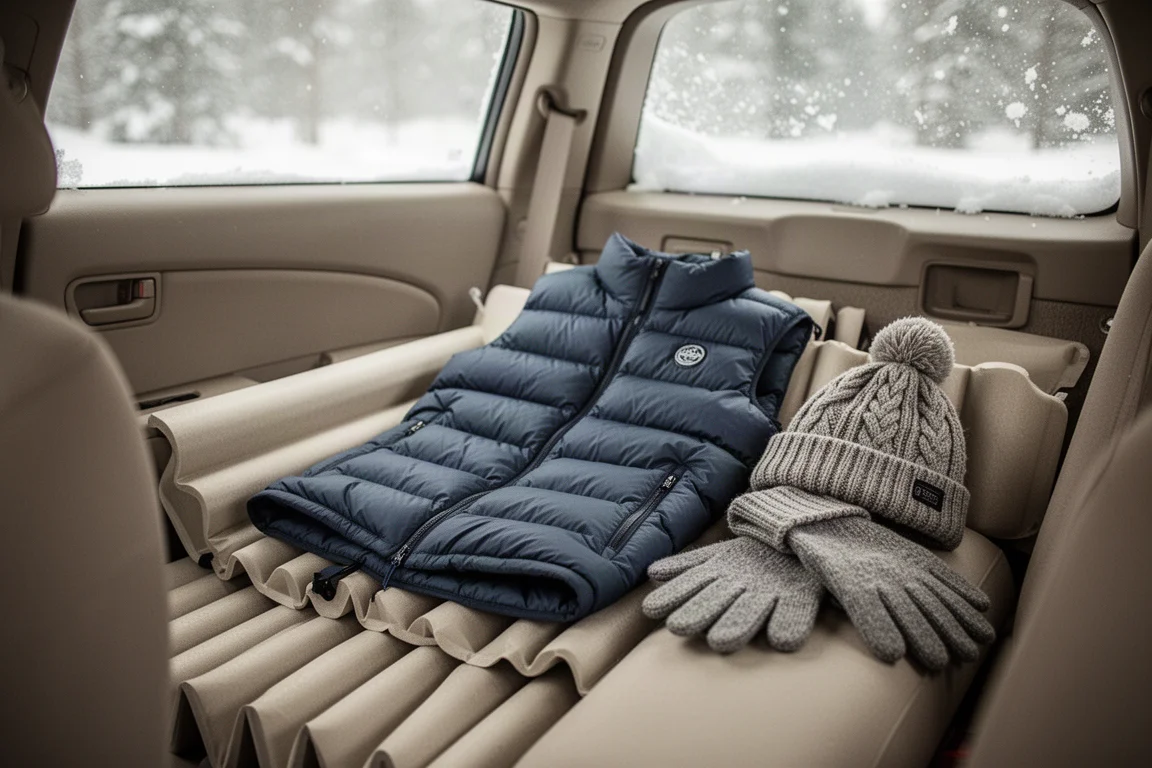
Down vests are the quiet hero of the kit. They compress incredibly small and weigh almost nothing, but they insulate your core, where you lose a huge amount of heat. Carry two or three, wear them under or over other layers, and the difference is enormous.
Hats come next, and there should be one for everybody, plus an extra. Losing heat through an uncovered head is an avoidable mistake, and a wind-stopping shell material makes a noticeable difference in high wind, at the small cost of being slightly harder to hear through. Buffs, simple tubes of fabric, cover the neck, which has little fat and a lot of blood flow running through it. A heavy winter buff can pull up over your head and even serve other emergency uses. Small skull caps layer under a main hat, which also solves the fit problem when someone with a smaller head borrows yours.
Gloves round it out. Quality matters more than price, and gauntlet-style gloves that pull up past the wrist are especially useful when working in deep snow. Those dangling wrist straps are keeper leashes: slide them up your arm, snap them down, and the gloves stay with you. Boots and extra socks were covered as must-haves, and duct tape over your feet is a genuine last resort. Finally, keep a sleeping bag ready to go within reach of the driver’s seat. A big down sleeping bag makes a huge difference when you are stuck overnight.
Conclusion
None of this kit is exotic, and a surprising amount can be repurposed from camping, hunting, and backpacking gear you already own. The priorities are simple: drinkable water that survives freezing, a way to get recovered and to help others, hands-free light, power you can rely on, warm air and warm layers, and a way to find your way back to the car in a whiteout. Assemble it once, store it where you can reach it, and you will be far better prepared the next time the weather closes the road around you. Be safe out there.
Further reading
Related Reviews
Emergency Preparedness
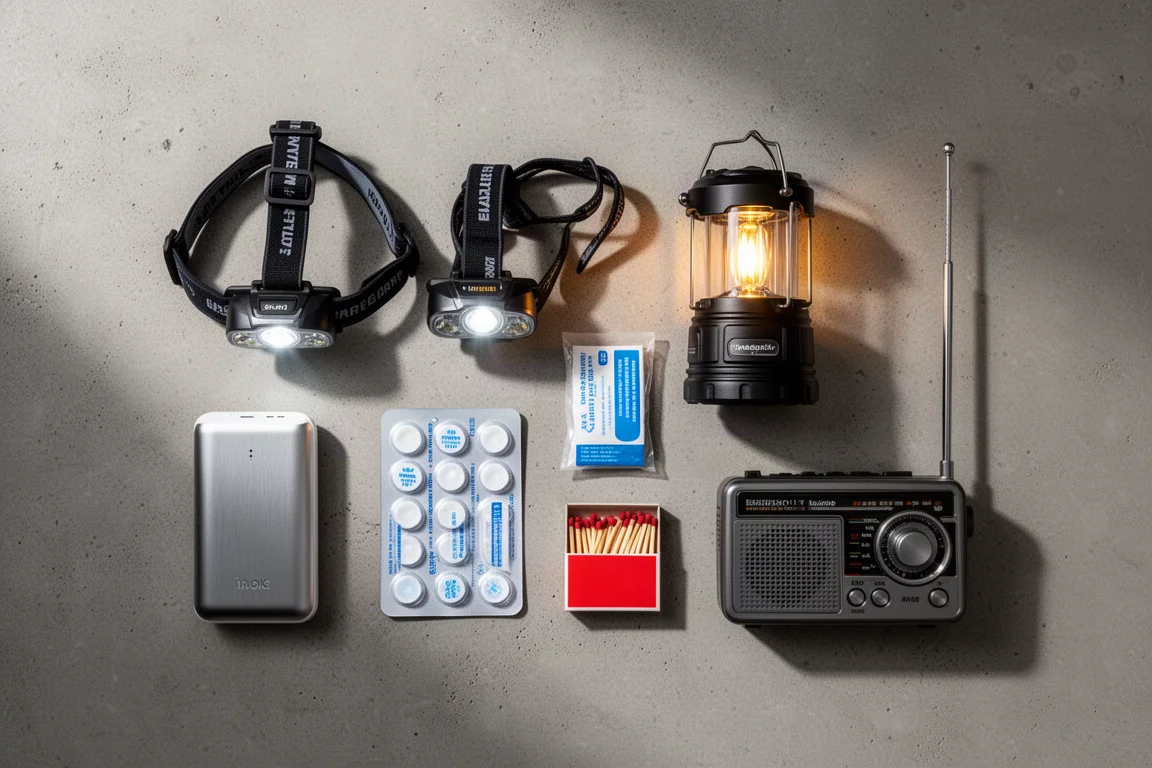
Blackout Kit Essentials: What to Have Ready When the Power Goes Out
Power cuts are becoming more common. This practical blackout kit covers lighting, backup power, emergency heat, and safe drinking water for a one to two day outage.
Emergency Preparedness
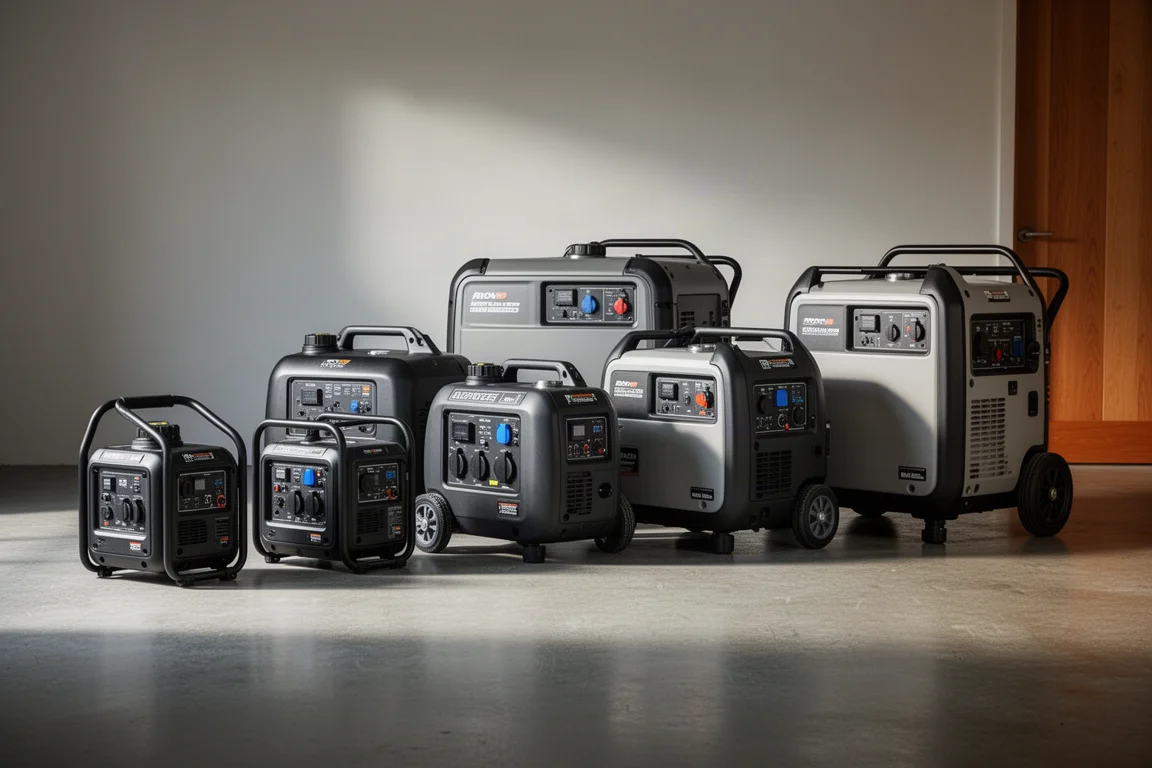
Best Emergency Generator Picks: From Compact 2000W Inverters to Whole-Home Power
A practical tier-by-tier guide to portable inverter generators, covering noise, wattage math, warranties, and the value picks worth watching before storm season.
Emergency Preparedness
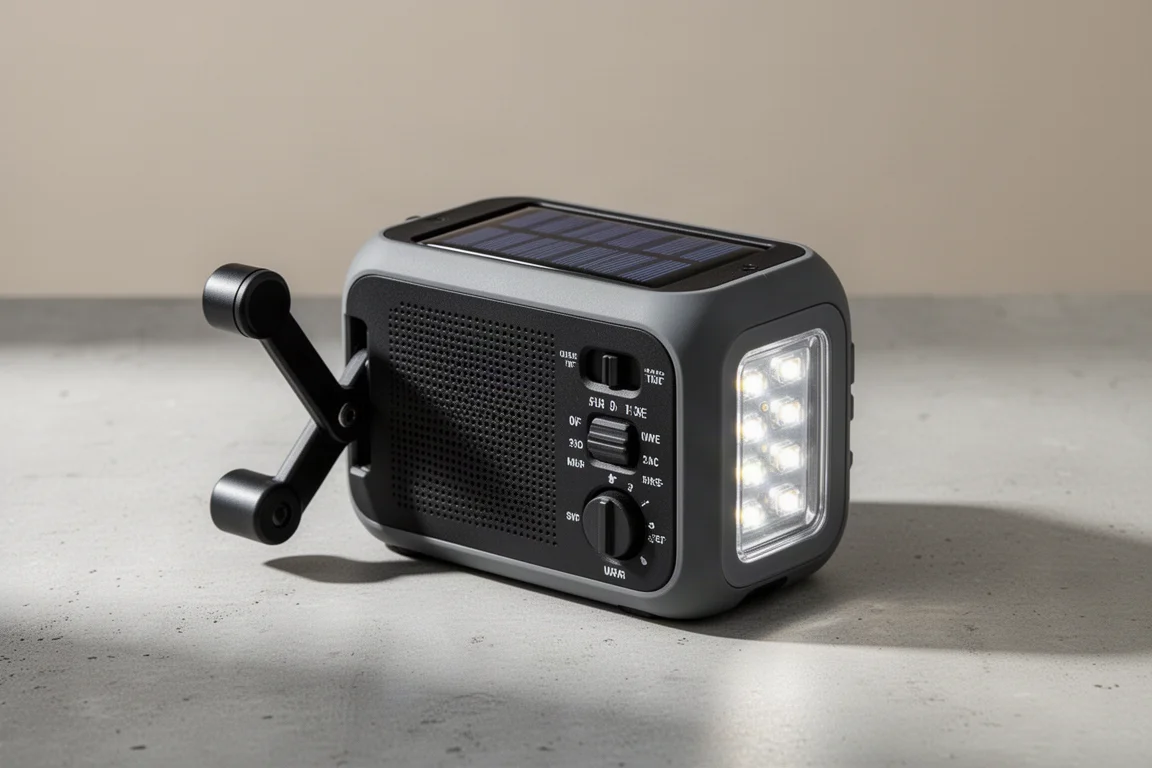
Craftsman Emergency Radio Review: Solar, Hand Crank, and Battery Power in One Compact Unit
A compact emergency radio with solar charging, a hand crank, built-in battery, NOAA weather band, phone charging, and a front light.