Cookbooks
Veg Table vs The Flavor Equation: Which Nik Sharma Cookbook Deserves a Spot on Your Shelf?
We cooked 14 recipes from Veg Table in five days. Here is how it compares to Nik Sharma's earlier science-driven book, The Flavor Equation, and which one suits your kitchen.
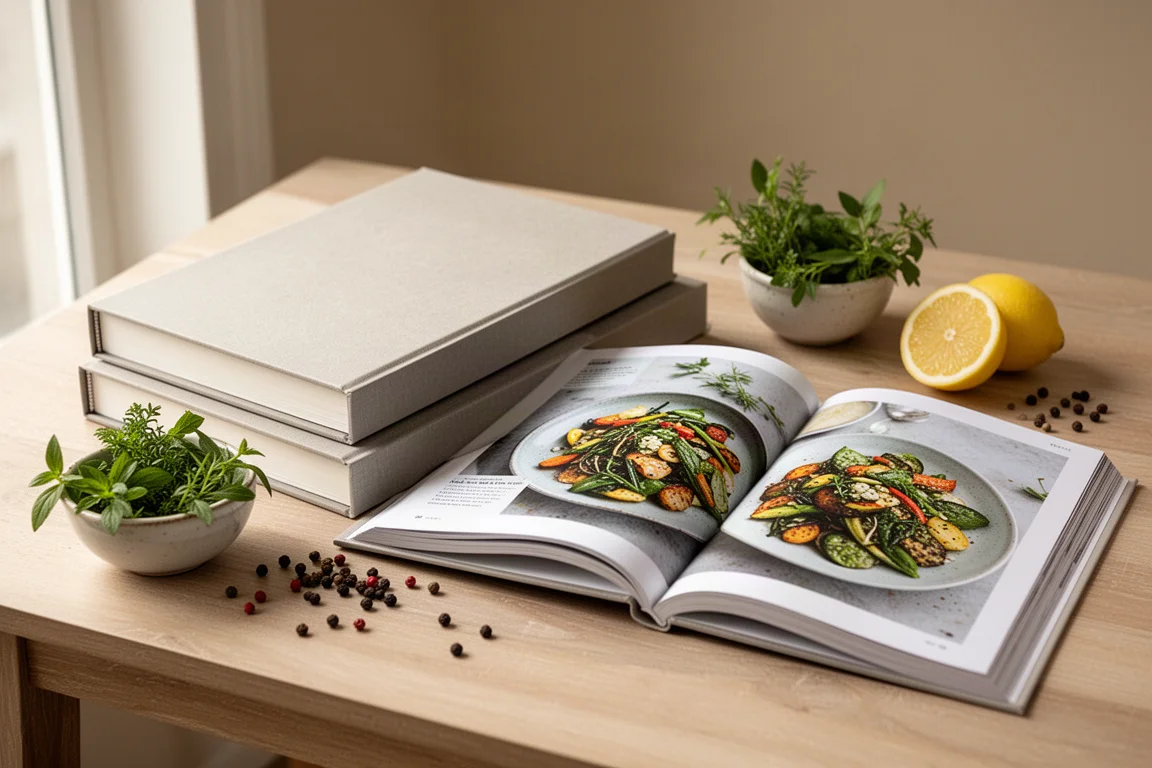
Introduction
We spent five days cooking through Veg Table, the vegetable-focused cookbook from Nik Sharma, preparing 14 of its 109 recipes: six mains, five sides, and three accompaniments. The average finished dish took around an hour and a half, typically served four, and came in at roughly $0.75 per serving. With that much hands-on time, we got a clear picture of what this book does well and where it trips up. In this article we compare it with The Flavor Equation, the book that made Sharma’s name, to help you decide which one belongs in your kitchen.
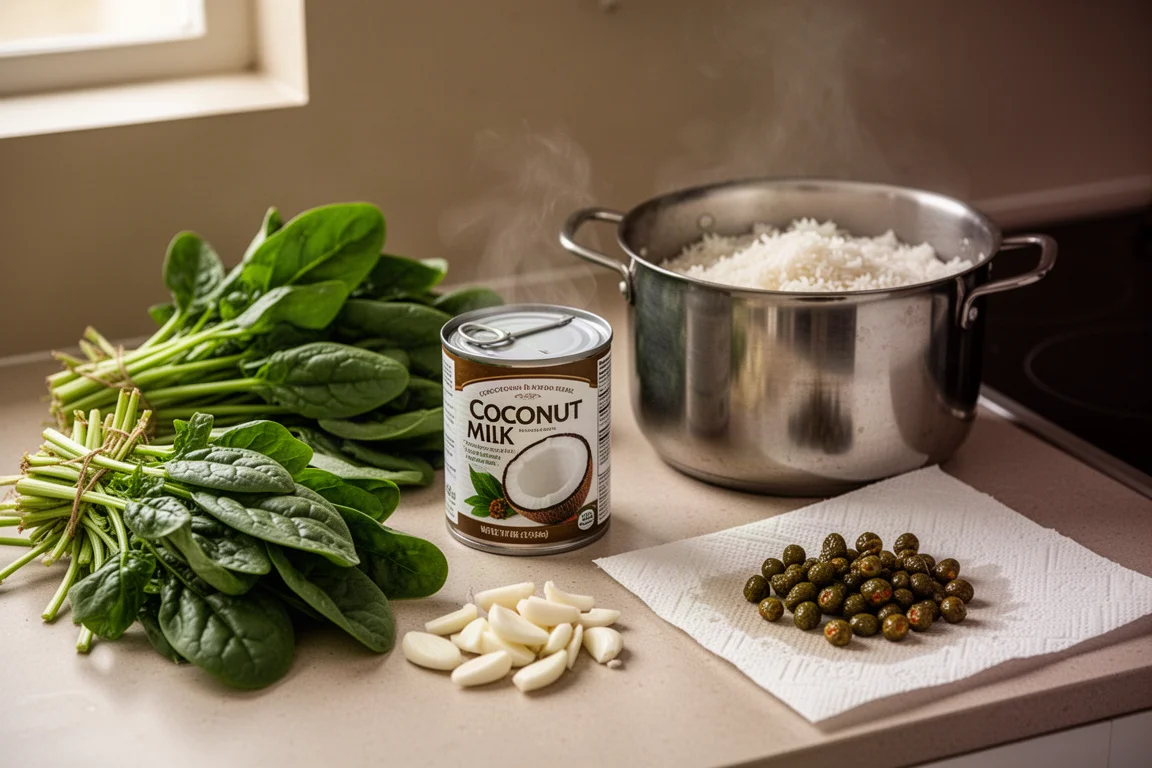
Week One: Cooking Through Veg Table
Veg Table is organized around 15 families of vegetables and their unique characteristics. Sharma applies the scientific principles he established in The Flavor Equation and narrows the focus to plants, building recipes on foundations in both science and history. Importantly, the book is not strictly vegetarian, and it does not push superior ingredient sourcing. It explicitly grants permission to take shortcuts: substitutions, store-bought spice blends, and frozen produce are all fair game.
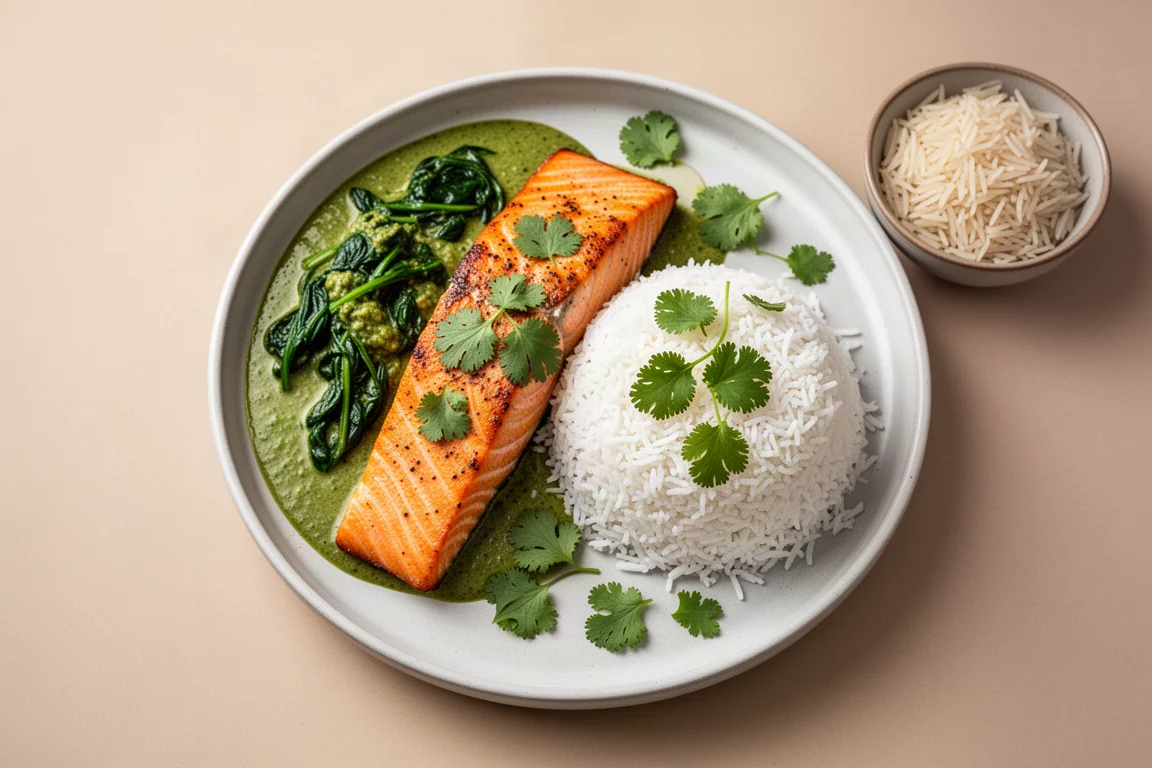
The first dish we cooked was the crispy salmon with green curry spinach and coconut rice. The salmon technique delivered perfectly crisp skin in an approachable way, and the coconut rice method is easy enough for weeknights. The spinach curry itself, however, leaned on peas and spinach so heavily that the green curry flavor felt diluted; the result was spicy but mild. Paired with the basmati coconut rice, which adds a gentle sweetness to balance the heat and bitterness of the spinach, the combination was satisfying rather than exciting.
The black beans, corn, and gochujang dish with rice was the better weeknight performer. It came together in about 30 minutes using canned black beans and frozen corn, delivering a sweet-and-spicy comfort food profile that we rated higher than the salmon plate. The rice matters here: it provides the texture contrast that keeps the softer components from blending together.
Stuffed Cabbage Rolls and Onion Rings
Sharma has described the stuffed cabbage rolls in tomato sauce as his favorite recipe to develop in this book, a variation on a family classic. We found the rolls refreshing rather than heavy, which is unusual for this dish, and rated them between 7 and 8. The book also suggests a clever fallback: if you tire of rolling cabbage, the filling can be fried like fritters. Fried, it leaned mild and starchy and needed acid, but the idea itself is worth keeping.
The zatar-dusted onion rings with a dill, cilantro, buttermilk, and caraway sauce were a genuine smash, scoring in the 6 to 7 range on their own and shining brightest as a contrast to the cabbage rolls. On their own the rings are slightly underseasoned, so the sauce is essential.
Chaat Potatoes and Pumpkin Pots
The chaat-style loaded twice-baked potatoes were the clear highlight of this pairing day: salty, spicy, acidic, and a little sweet, with tamarind-date chutney bringing acidity, yogurt adding saltiness, and jalapeño cutting through. The chana masala pumpkin pot, by contrast, was pleasant but one-note: sweet, neutral, and uniform in texture, wanting a squeeze of lime or some heat. The pairing is telling: the pumpkin filling adds maybe a five percent boost to the potato, but the potato is a ninety percent boost for the pumpkin.
Eggplant, Celery Salad, and Bonus Noodles
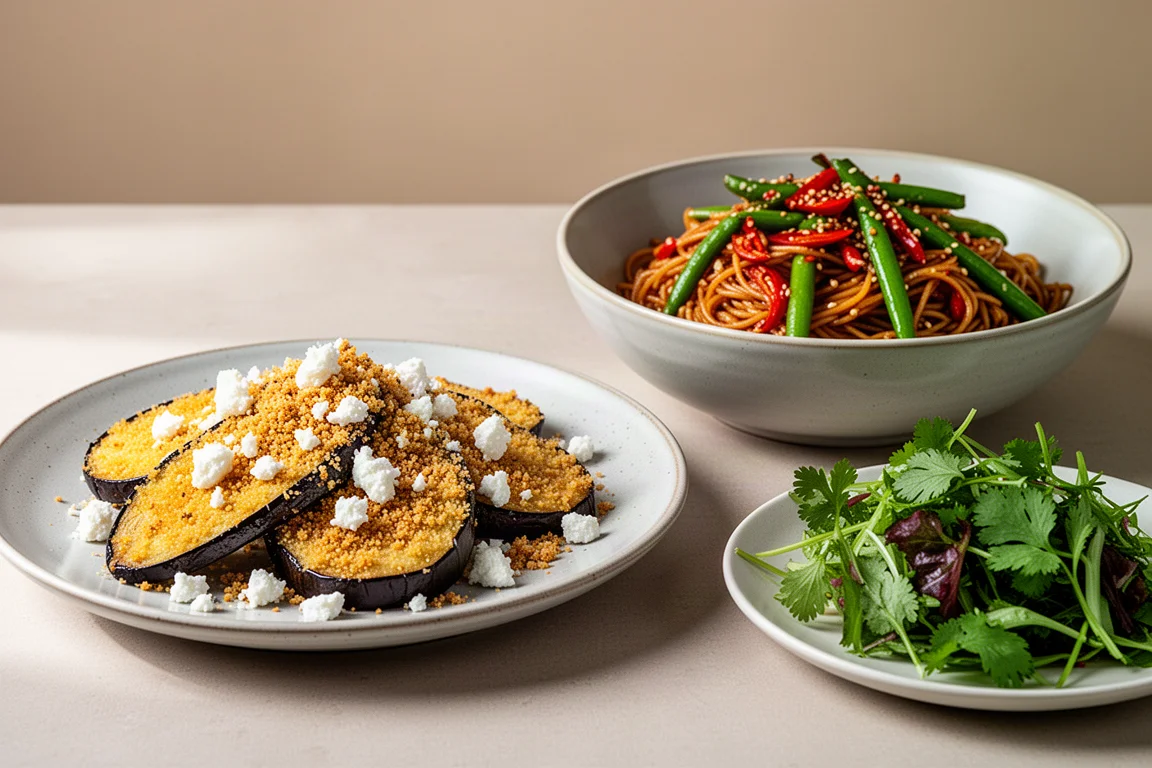
The breaded Harissa eggplant with lentils and the celery herb salad with lime vinaigrette is a suggested pairing, and it works on a texture gradient: crunchy celery, soft lentils, and tender eggplant. The celery salad’s acidity from the lime brings life to the heavier eggplant, though the eggplant itself was mild and the tart cherries divided opinion. The celery salad was the stronger of the two, with the cherries the main drawback.
The bonus day delivered the biggest win: green bean and cucumber dan dan noodles, inspired by a Los Angeles restaurant version. Instead of roasted sesame paste, the recipe uses toasted sesame oil and peanut butter to fill the gaps, and the result was a surprisingly faithful, punchy recreation with bright black vinegar cutting through nutty richness. We rated it an 8.5, well above anything else we cooked that week. The braised bamboo and mushrooms, while technically paired with the noodles in the book, carried too little flavor to stand beside them and worked mainly as a textural contrast.
Design and Layout Frustrations
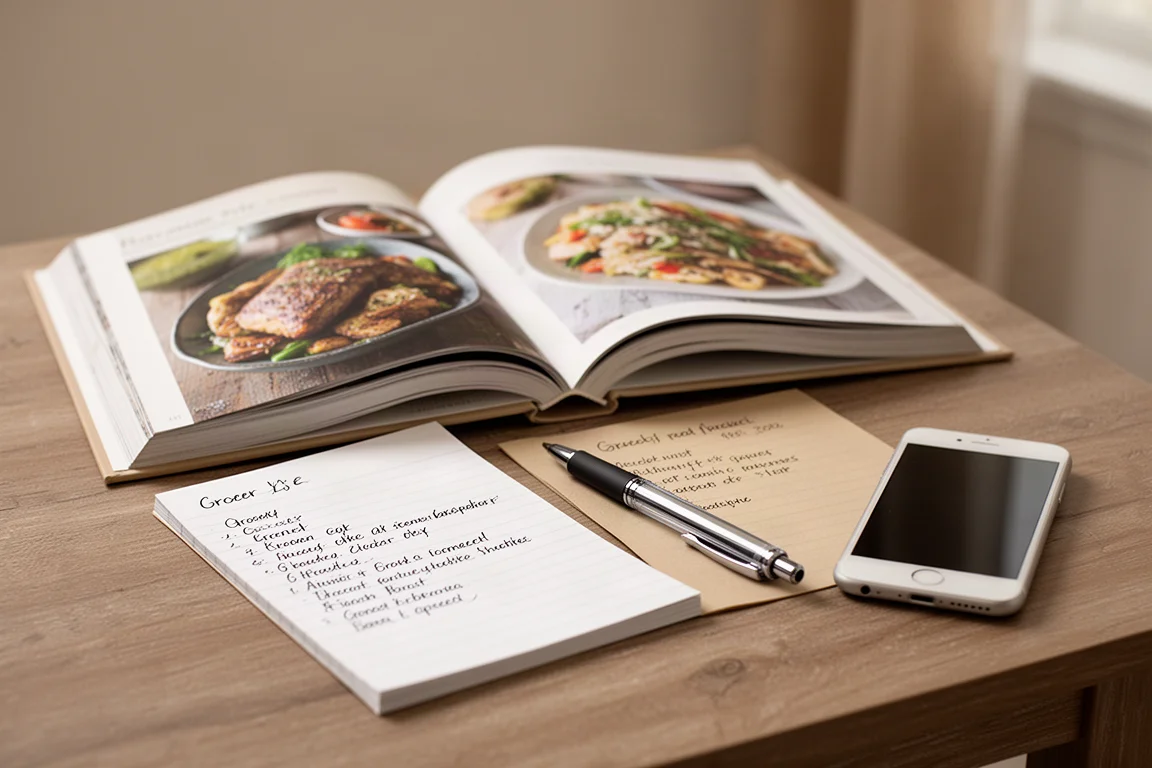
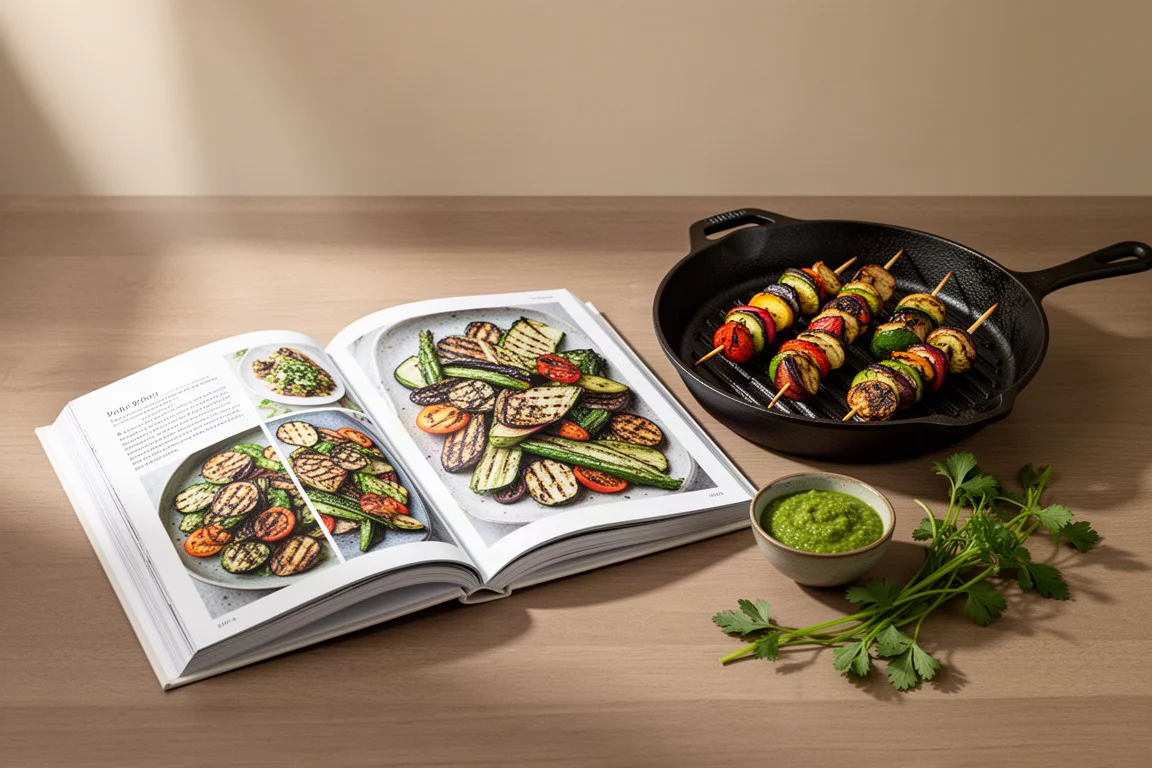
The photographs are beautiful and usually match the written descriptions, but the book’s layout is its weakest point. The Cook’s Notes, arguably the most valuable part of each recipe, are tucked away at the end and sometimes on a separate page, making them easy to overlook. Worse, ingredients are merged into the recipe text as one dense block, which makes building a grocery list tedious and meas misreading a real risk. Common tools, short timing to the table, and accessible ingredients (or easy substitutes) still put accessibility at a reasonable 7 out of 10, but design earns a low 2.
The Standout Recipes Worth Stealing
Even in a mixed week, several techniques earn their place in a regular rotation: the crispy salmon method, the simple coconut rice, the twice-baked potato toppings, the celery herb salad, and the dan dan noodle sauce. Sharma’s pairing suggestions consistently produce more flavor together than the dishes deliver separately, and the “salt to taste” philosophy leaves seasoning in your hands, which keeps the flavors solid even when they are not groundbreaking.
Veg Table by Nik Sharma
Veg Table is a semi-encyclopedic exploration of 15 vegetable families, with recipes built on science and history rather than strict vegetarianism. It rewards readers who treat it as a reference as much as a cookbook.
The Flavor Equation by Nik Sharma
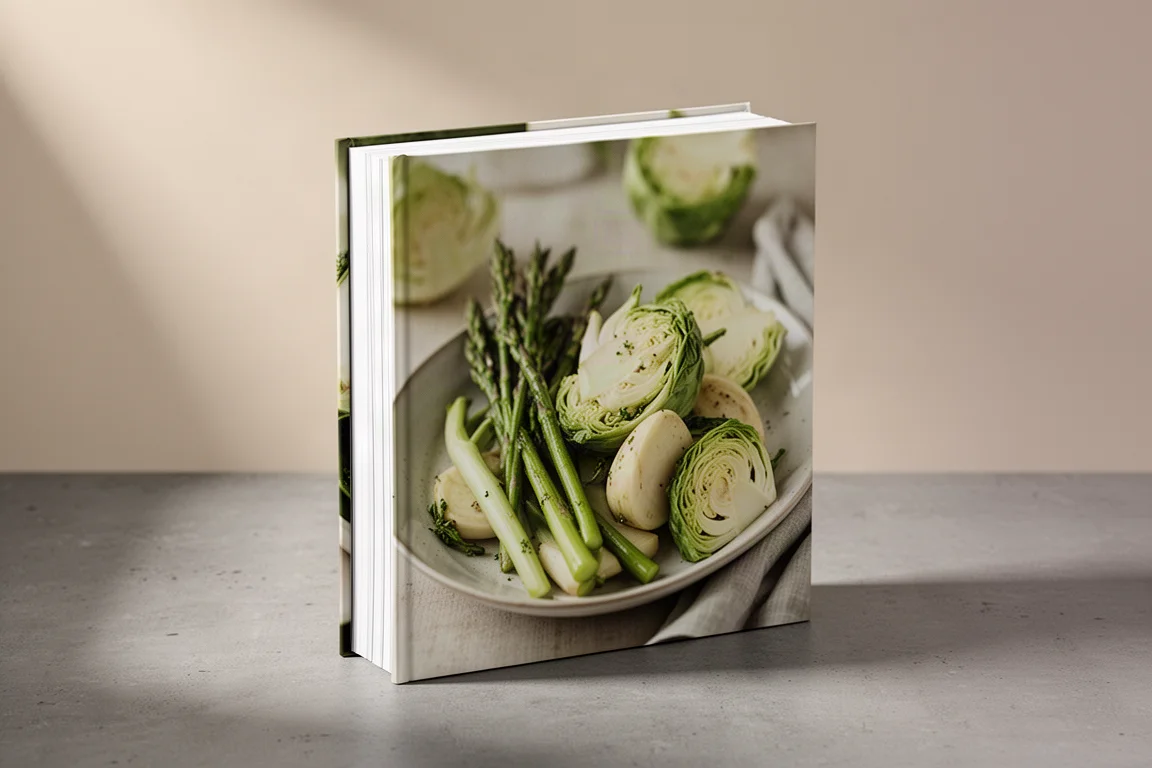
The Flavor Equation laid out the scientific principles that Veg Table now applies to vegetables specifically. If you want the broader framework covering flavor science across ingredients, the earlier book is the foundation.

Buying Advice
Veg Table scored 5.6 overall in our evaluation. The recipe layout is frustrating, but the flavors are solid, the Cook’s Notes are essential reading, and we came away with six smashes out of 14 dishes. As a general-purpose cookbook it is too specific; think of it as a beautiful vegetable reference book with recipes in between. If you want semi-encyclopedic vegetable knowledge, it is a great addition. If you prefer a broader, more polished introduction to Sharma’s approach, start with The Flavor Equation and add Veg Table once you are hooked.
Conclusion
We cooked 14 dishes in five days, found six worth repeating, and picked up a handful of techniques we will use for years. Veg Table rewards patient readers who read the Cook’s Notes first, while The Flavor Equation remains the better entry point into Sharma’s science-driven style. Choose based on how much shelf space you can dedicate to vegetables done thoroughly.
Further reading
Related Reviews
Cookbooks
Africana Cookbook Review: A Pan-African Journey Worth Cooking Through
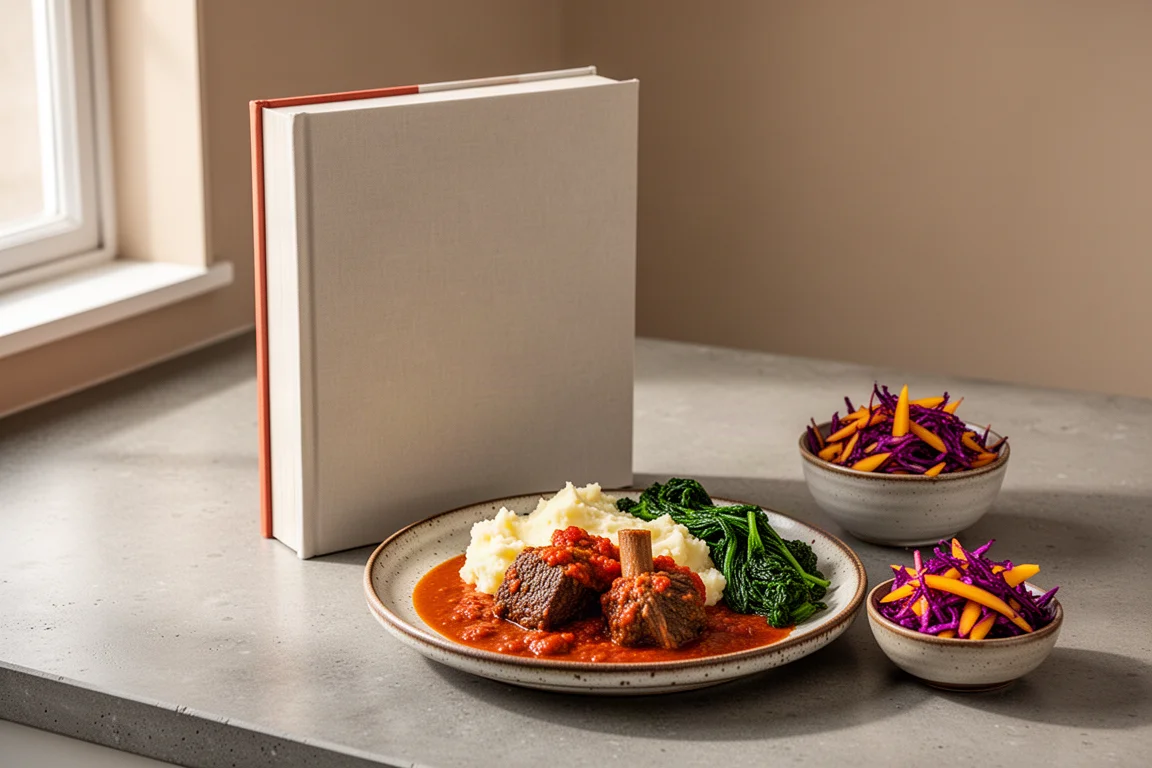
We cooked 13 dishes from Africana by Llorado Umashayor over one week. Here is what worked, what stumbled, and who this beautiful cookbook is really for.
Cookbooks
By Heart by Haley Catalano: First Look at a Calm, Practical Cookbook
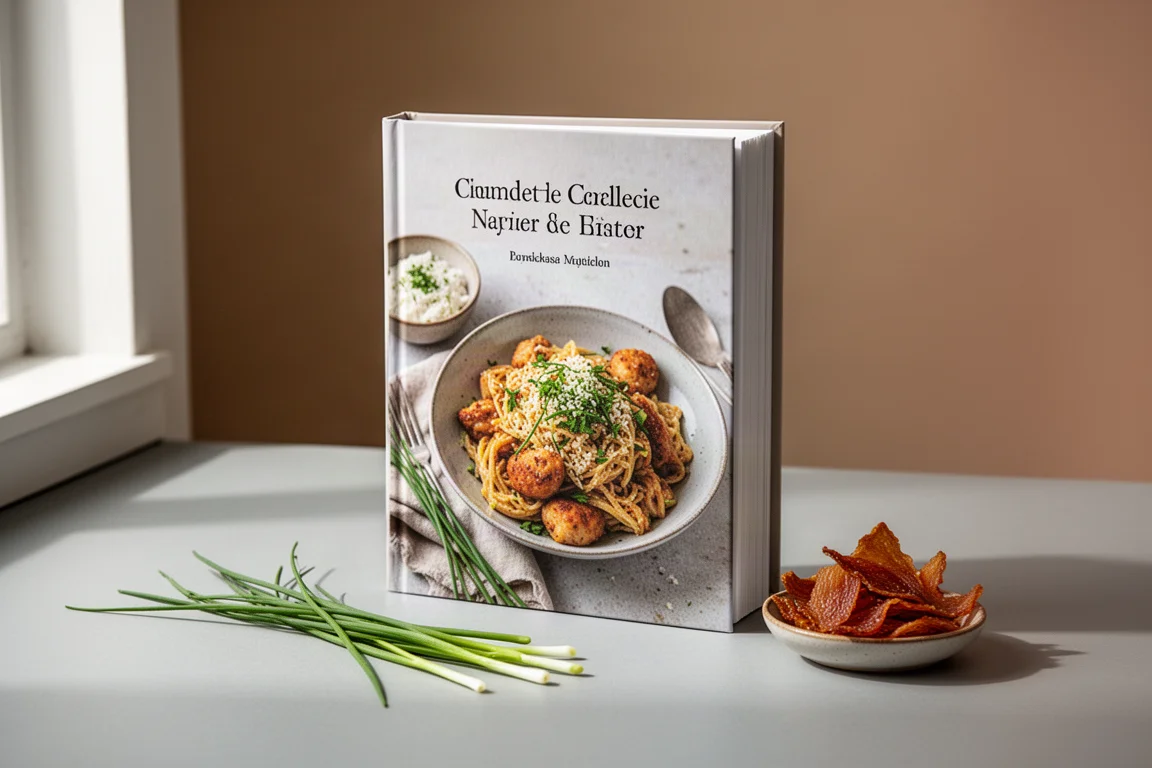
We cooked two recipes from By Heart by Haley Catalano, including a tomato-based sandwich and chicken fat mashed potatoes, to see if the book's calm, detail-first approach holds up in a real kitchen.
Cookbooks
Charred by Genevieve Taylor Review: Vegetable Grilling Beyond Corn and Halloumi
We cooked 11 recipes from Charred over four days. Here is what works, what falls flat, and whether the book earns a spot on your shelf.