Cookbooks
Charred by Genevieve Taylor Review: Vegetable Grilling Beyond Corn and Halloumi
We cooked 11 recipes from Charred over four days. Here is what works, what falls flat, and whether the book earns a spot on your shelf.
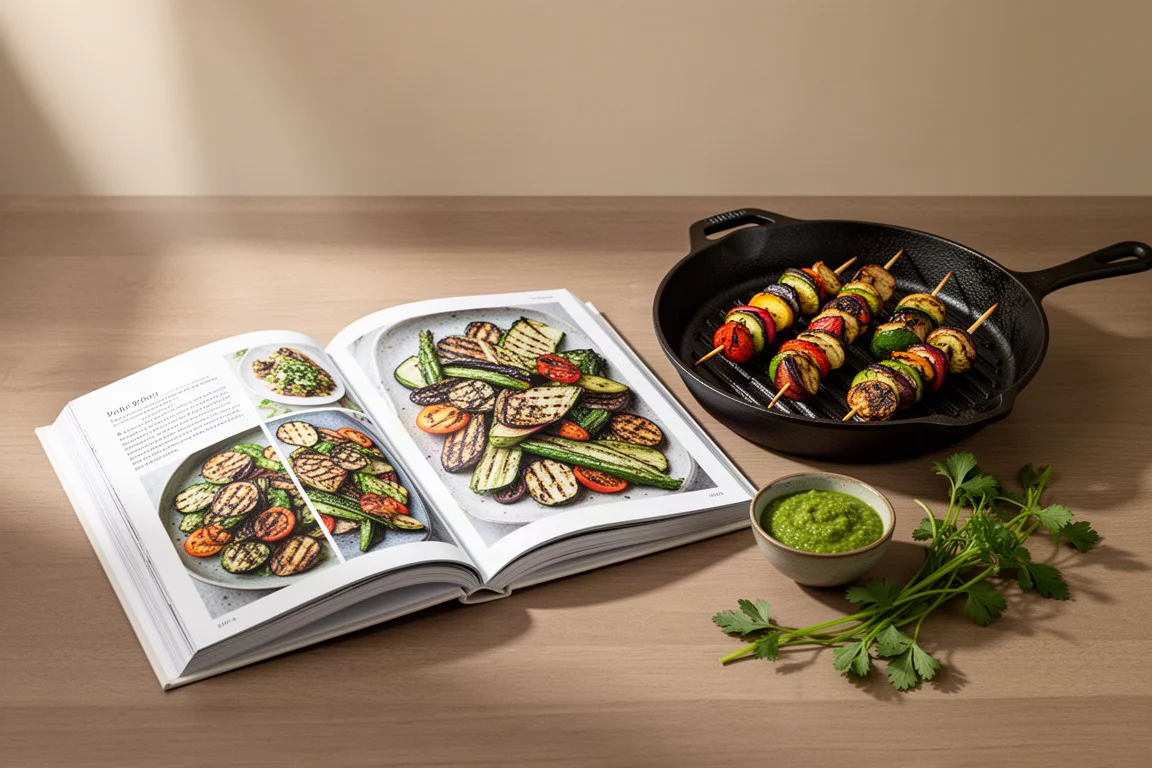
Introduction
We spent a week cooking out of Charred, Genevieve Taylor’s guide to vegetable grilling, working through 17 of its 70 recipes: six mains, five sides and six accompaniments. On average each dish took about two and a half hours to come together, fed six people, and cost roughly eight dollars and fifty cents per serving. Here is how the book held up under real kitchen pressure.
What the Book Sets Out to Do
Charred is Genevieve Taylor’s tenth book, many of them focused on cooking with fire, and this one is her guide to vegetable grilling. The recipes are organised into five groups: kebabs, burgers and fritters; low, slow and smoked; stuffed and wrapped; and sharing plates. Her stated goal is to prove that vegetable grilling is more than corn on the cob and halloumi, and for the most part she makes that case.
She is not precious about equipment: gas or charcoal, the choice is yours. What she does not do is hold your hand. Basic techniques like direct versus indirect grilling are covered, but her position is that most grilling is learned on the job, and heat guidance is sometimes loose enough that you will need to read between the lines.
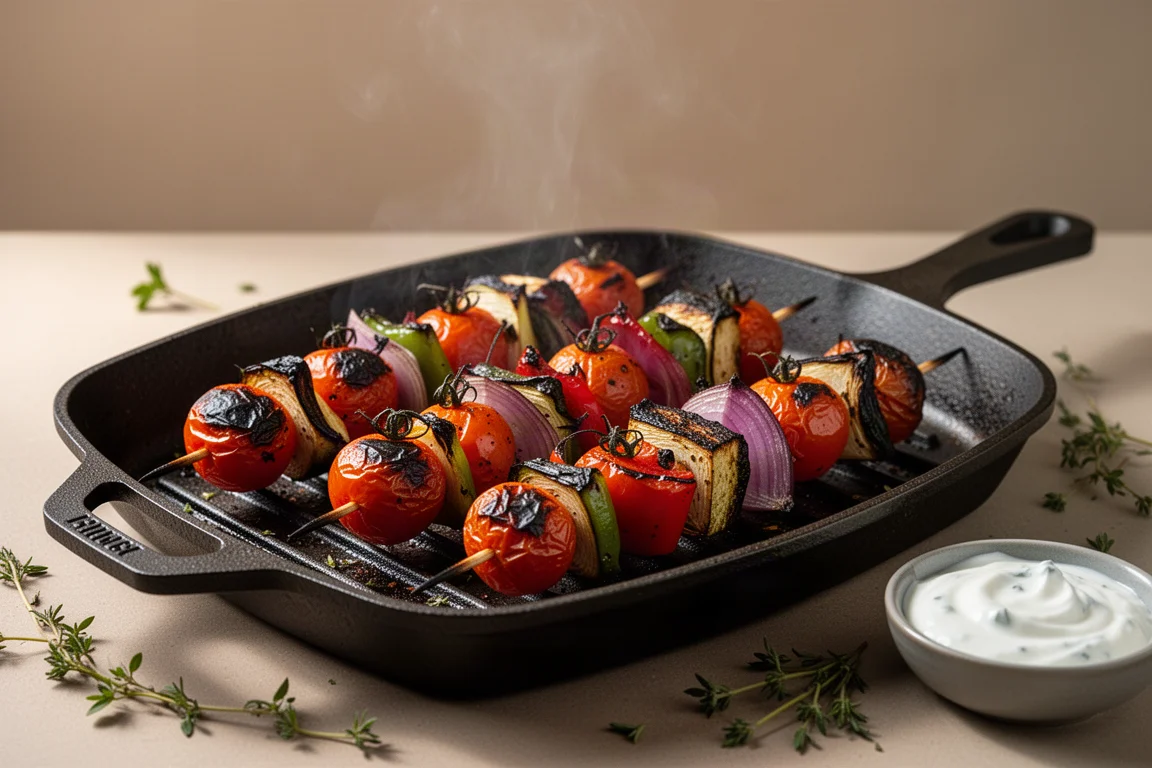
Two thoughtful touches stand out. An icon key marks which recipes can be made indoors on a stove or in an oven, a lifeline for anyone without a grill or anyone cooking in a cold, rainy climate like the UK where the author lives. Callouts also flag the 23 vegan recipes in the book.
Day One: Fire, Corn and Couscous
The first session delivered one clear winner and one clear miss. A grilled corn dish with coconut and bird’s eye chili flavors was described as elote with South Asian flavors: coconutty, sweet, with a mild heat, and absolutely worth making again. A halloumi salad with pickled red onion, watermelon, cilantro, mint and pistachios also landed well, with the pistachios adding both crunch and richness against the salty cheese.
The couscous dish was the weakest of the day. Plain couscous, cumin-and-coriander heavy eggplant, tomatoes that just tasted like tomato, and a thin yogurt sauce left the whole thing lacking flavor next to the more complex dishes around it.
Day Two: Falafel Burgers and Grilled Peppers
The grilled peppers with chickpeas, tomatoes, black olives and harissa yogurt were the standout: smoky, sweet, pleasant, with the black olives and chickpeas adding body and the harissa bringing smoke. One practical note: grill gloves make these much easier to handle. The only quibble was the sun-dried tomato, which some found distracting.
The herby falafel burgers with hummus did not work as written. The mixture was too wet, no crust ever formed in the pan, and the result had the texture of mashed potatoes between bread. The flavors were liked, the execution was not, and the sandwich badly needed acid. Even the homemade hummus read as middle of the road. The verdict: a light pass, saved by the fact that the stuffed dishes elsewhere in the book are far superior and easier to make.
Day Three: Jerk Halloumi, Plantain and Grilled Okra
The jerk skewers with plantain, shallot and halloumi mostly worked. The jerk spice blend, heavy on allspice, cinnamon, thyme, lime and habanero, was praised as worth making from scratch rather than swapping in a pre-made mix. The salty halloumi cuts through the sweetness of ripe plantain, and the heat is genuinely good. The one weak spot was texture: very ripe plantains ate like banana, so pick your plantains carefully.
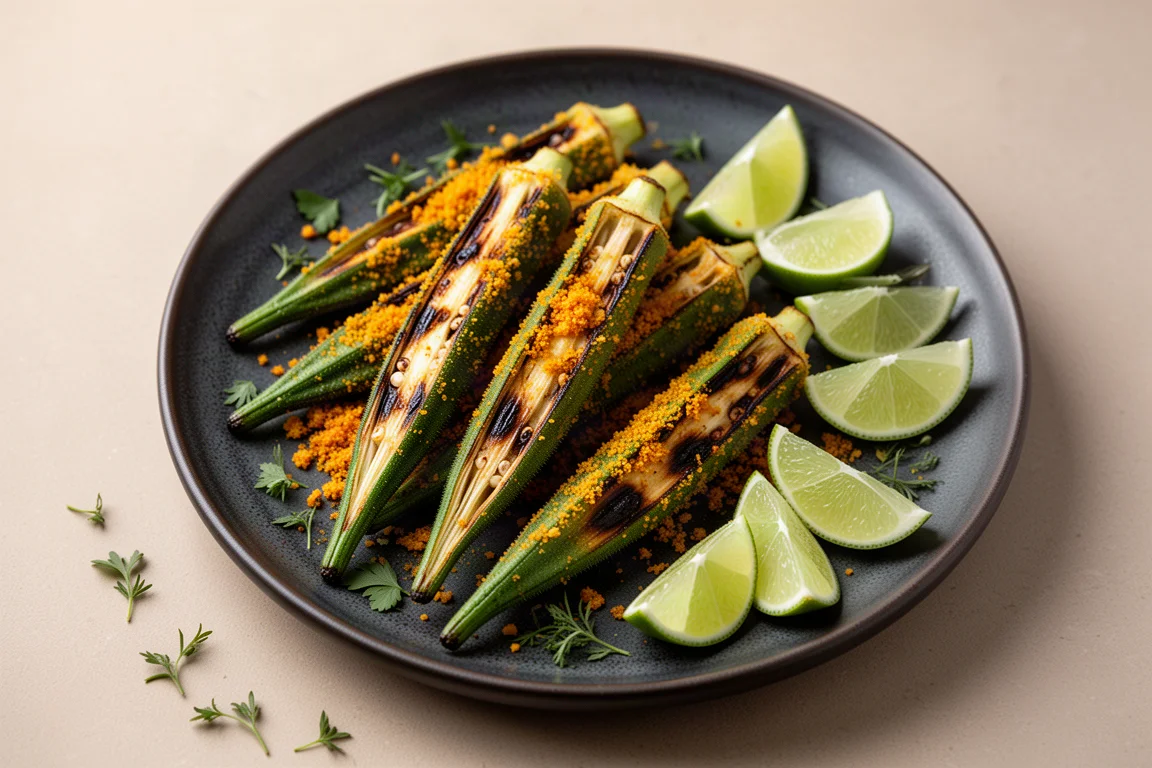
The grilled okra with Caribbean spice crumbs was a light smash. The spicy breadcrumbs carry the dish, and the okra’s characteristic texture is still present, so know what you are signing up for. Some pods cooked tender while others stayed fibrous; par-cooking or better okra selection might even things out next time.
Day Four: Corn Polenta Cakes and Barbecue Cauliflower
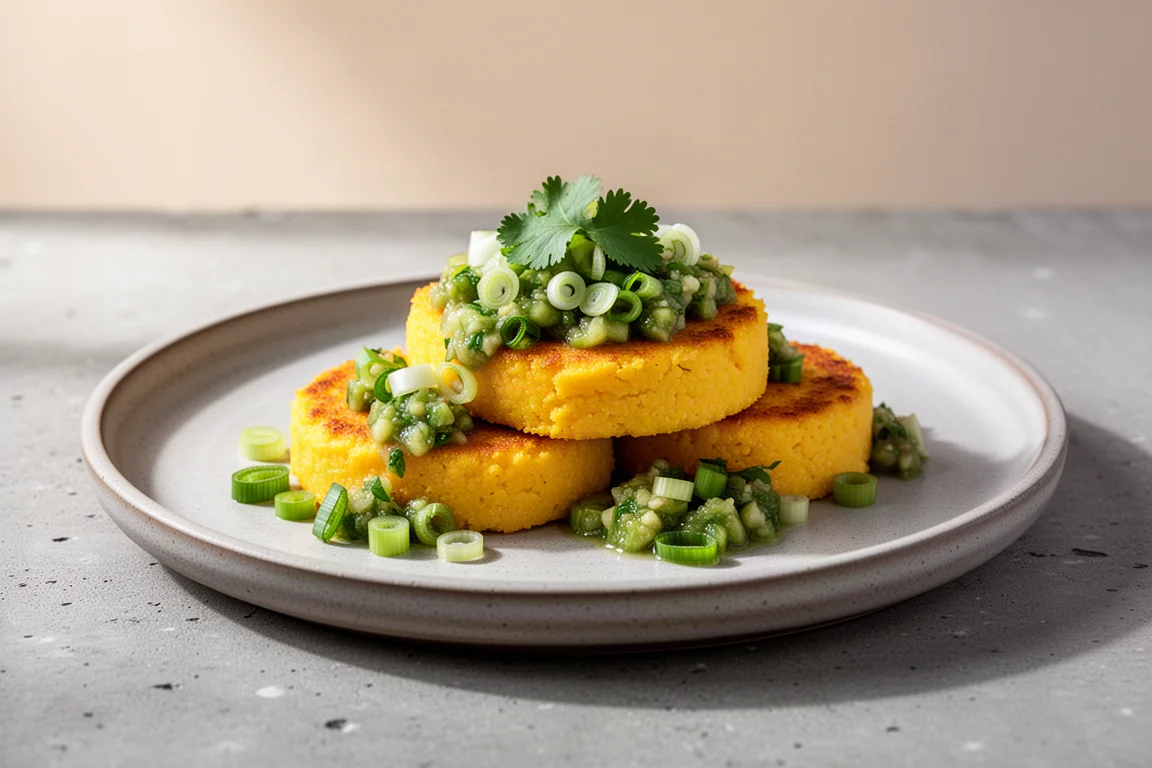
The smoky sweet corn polenta cakes with green tomato salsa were an unqualified smash. Sweet, spicy, fluffy, tasting of sweet corn with a thin-cornbread texture, and excellent as a brunch dish. The fresh salsa verde of tomatillo, serrano, scallions and cilantro adds brightness, and a sprinkle of queso fresco adds a welcome cold contrast. One workflow note: the recipe is steppy, with grilled corn plus another stretch of prep before the cakes hit the grill. Grilling the corn in advance or finishing it indoors on a griddle would make it far easier.
The barbecue sauce glazed cauliflower was the low point of the week. The sauce is extremely thick and gloopy, cloyingly sweet with molasses and treacle, tasting mostly of corn syrup and onion, and it needed thinning just to spread. The cornmeal-crusted cauliflower itself was well executed with genuine crunch, but this is a case where using your own favorite barbecue sauce is the better call.
Final Day: Smoked Celeriac and Tikka Paneer
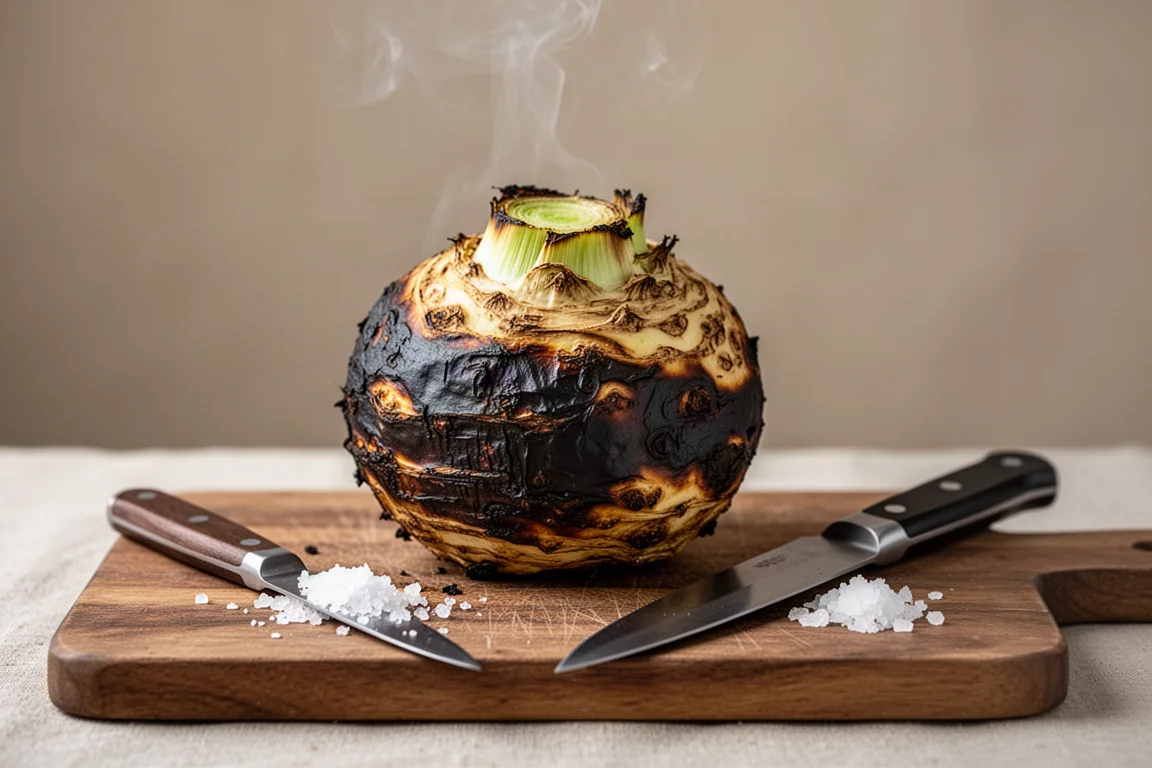
The smoked whole celeriac cooked for three and a half hours and picked up a pleasant cherry-wood smoke, though the book leaves the wood choice entirely open and gives no smoking guidance. The center needed a knife and some coaxing, and even after that long cook this piece was not particularly tender. Heavily salting afterward brings the coriander seed forward. A pleasant base, but it wants more flavor in the middle.
The tikka spice paneer, pepper and red onion with fresh mango relish landed in the middle of the road. The salsa is necessary and good, the peppers and onions deliver mild sweetness and slight acidity, but the paneer is such a dense block that the marinade barely penetrates. A saltier, slightly more liquid marinade might help. The naan alongside makes every bite very full and quite dry.
Buying Advice
Accessibility scores a 7 out of 10 here. Only one recipe we cooked all week strictly required a grill; everything else works in an oven or on a stovetop with a griddle or frying pan. The book does lean on a food processor frequently, and a few British ingredients like black treacle and achaar paste can be harder to find in the US, though all were available online.
The design is excellent: photos match outcomes, ingredients are divided into helpful sections, and the icon key makes scanning for alternative methods easy. A list of recipes organized by method would have been a nice addition, but it is a small omission. Some instructions are overly steppy and inefficient for a book that combines indoor prep with outdoor cooking.
Out of 11 completed dishes, 7 were smashes, and most passes could be fixed with a little spice, a dollop of yogurt, or a sprinkle of queso fresco, bringing the overall score to 6.4. The best thing about the book is how it brings out vegetables’ potential without asking them to be meat substitutes. At 23 dollars, if you are not afraid to set a few corn husks on fire or work around some tedious instructions, it is an easy recommendation even for cooks who are not vegetarian.
Conclusion
Charred succeeds at its core mission: vegetable grilling that goes well beyond corn and halloumi, with standouts in the corn cakes, stuffed peppers and okra. A few recipes need tinkering, the barbecue sauce is best replaced, and beginners will need to bring their own grilling instincts. For confident home cooks who like cooking with fire, it earns its place on the shelf.
Product link
View more details for Charred by Genevieve Taylor
This product is mentioned in the review. Check the specifications, options, and compatibility before buying.
View more details for Charred by Genevieve TaylorFurther reading
Related Reviews
Cookbooks
Africana Cookbook Review: A Pan-African Journey Worth Cooking Through
We cooked 13 dishes from Africana by Llorado Umashayor over one week. Here is what worked, what stumbled, and who this beautiful cookbook is really for.
Cookbooks
By Heart by Haley Catalano: First Look at a Calm, Practical Cookbook
We cooked two recipes from By Heart by Haley Catalano, including a tomato-based sandwich and chicken fat mashed potatoes, to see if the book's calm, detail-first approach holds up in a real kitchen.
Cookbooks
Coconut and Sambal Review: An Approachable Gateway to Indonesian Home Cooking
A week of cooking 18 recipes from Lara Lee's Coconut and Sambal: what worked, what needed translation, and whether this 2020 cookbook earns its place on your shelf.