Cookbooks
Africana Cookbook Review: A Pan-African Journey Worth Cooking Through
We cooked 13 dishes from Africana by Llorado Umashayor over one week. Here is what worked, what stumbled, and who this beautiful cookbook is really for.
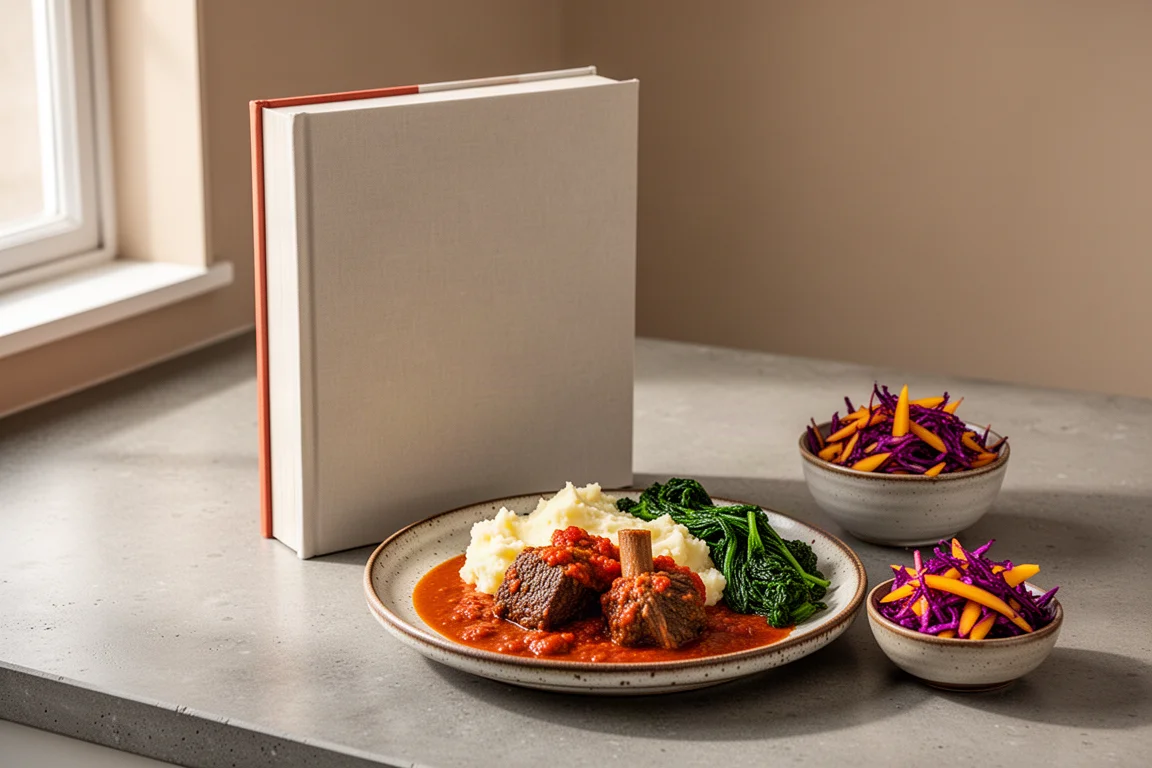
Introduction
Africana is described by its author as a celebration of modern African cookery, and it takes a genuinely pan-African approach, exploring flavors and techniques from many regional cuisines, often from countries she has lived in or traveled through. Born in Nigeria, she spent much of her childhood eating her way across Africa with her family, and that background shows in the breadth of the recipes.
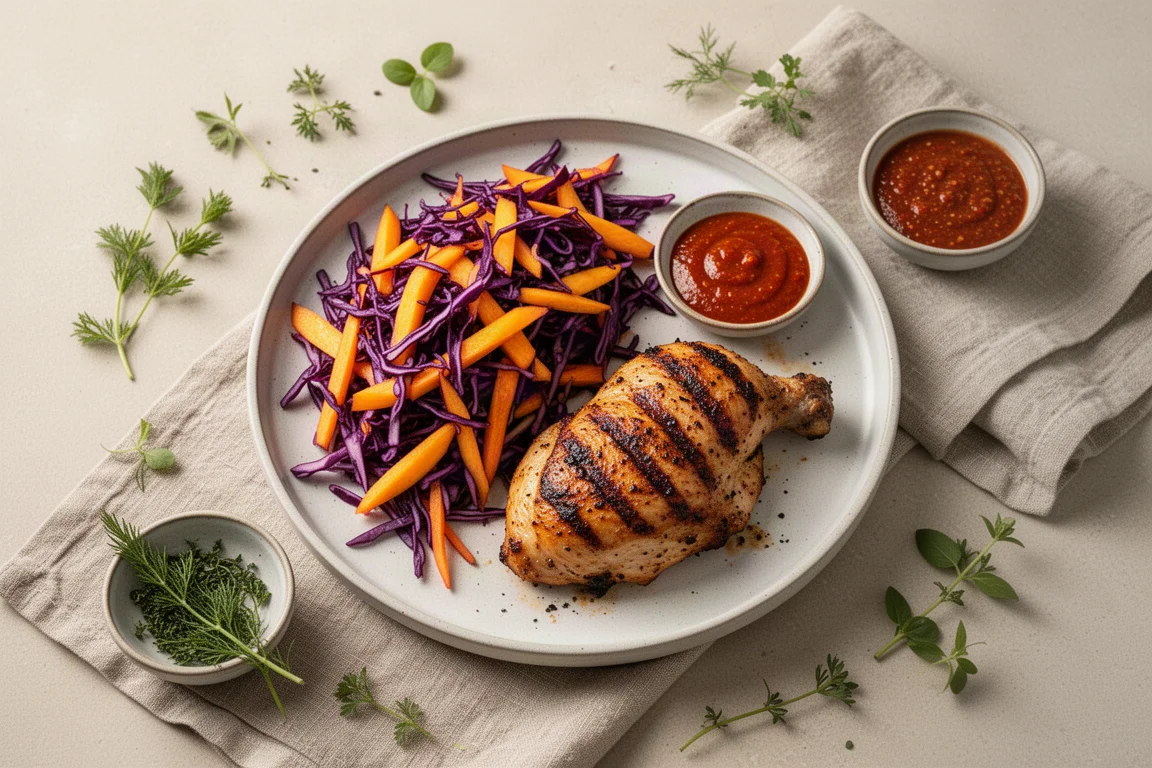
To put the book through its paces, we cooked 13 of its 131 recipes over a week: five mains, seven sides, and one drink, ranging from mango and lime piri piri chicken to a five-hour oxtail stew. The short version: Africana absolutely delivered on flavor, but not without a few hitches.
Who This Cookbook Is For
This is not an exhaustive survey of every African cuisine. The author positions it as a jumping-off point to inspire exploration, and that framing matters. If you are new to African cooking and want an approachable, well-guided entry point, this book is built for you.
It also helps that the author is an experienced teacher, with a background in weekly food columns, a cookery show, cooking courses, and a supper club focused on introducing people to the vast range of cuisines found across Africa. Instructions like “taste and season until you fall in love with it” reflect that teaching instinct throughout.
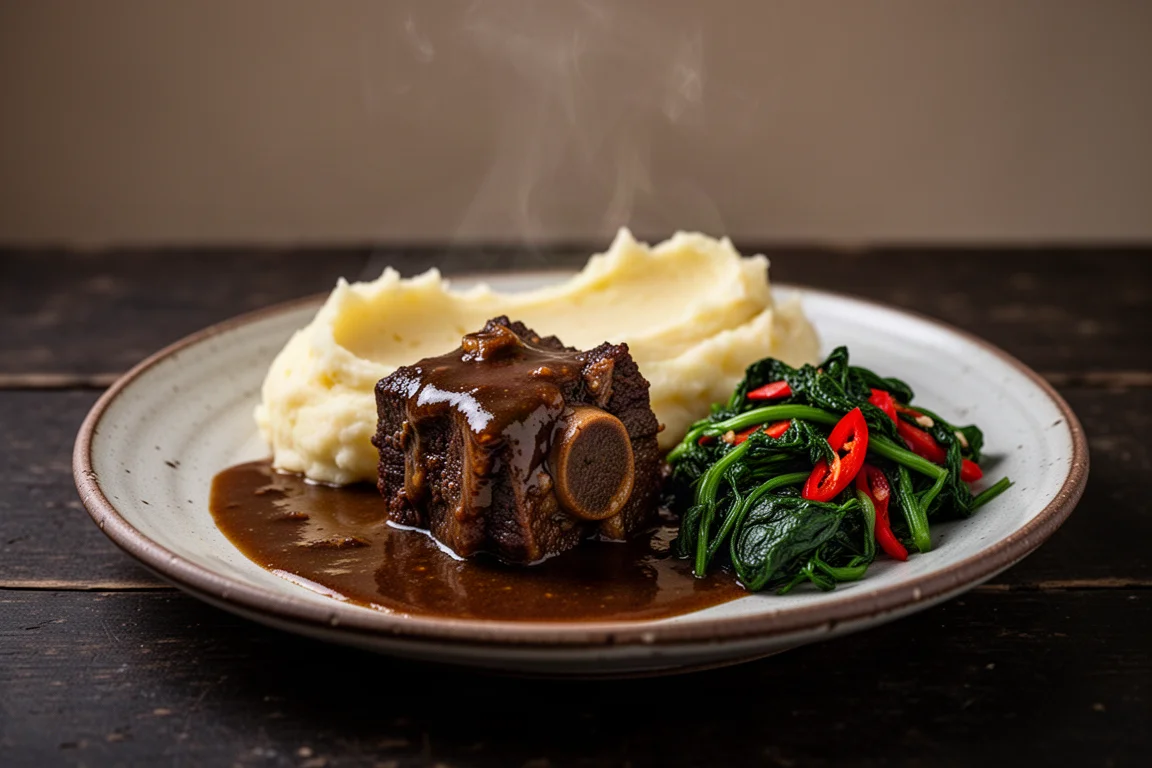
The Standout Meal: Oxtail, Vanilla Mashed Potatoes, and Braised Greens
The mother oxtail stew with vanilla mashed potatoes and braised greens with sweet red peppers was genuinely among the best things we have ever cooked. The oxtail melts in your mouth with the fat fully broken down, the greens bring real heat and bitterness, and everything balances: carrots contribute sweetness, tomatoes contribute acid.
The vanilla mashed potatoes deserve special mention. They are strange on their own, like frosting texture and flavor with no actual sugar, but paired with the acidic tomatoes and spicy greens, the vanilla adds a sweetness that cuts through the richness. Together it is scarf-worthy, the best version of a slow beef braise you can imagine, and a legitimate Christmas-dish candidate.
If you buy this book, get it just for these three recipes. And if you do make this stew, make it with other people. The extra help significantly reduced the stress of a dish that took us closer to six hours than the stated three or four.
Things to Consider Before Buying
There are real downsides worth knowing. The book contains a handful of editing errors in ingredient lists, including a quantity of potatoes that would have weighed half a ton and a ginger measurement that came out far too small. Most experienced cooks will figure out the intention from context clues like serving sizes and cookware, but for beginners this is a tall order.
Substitution guidance is generous, but the author is based in the UK, and some swaps do not translate to the US. Romano peppers were the hardest item for us to source, and fresh produce was the recurring challenge even when dried and canned ingredients were available online. Expect British terms like “grill” for broiler, though metric measurements are covered by a conversion chart in the back.
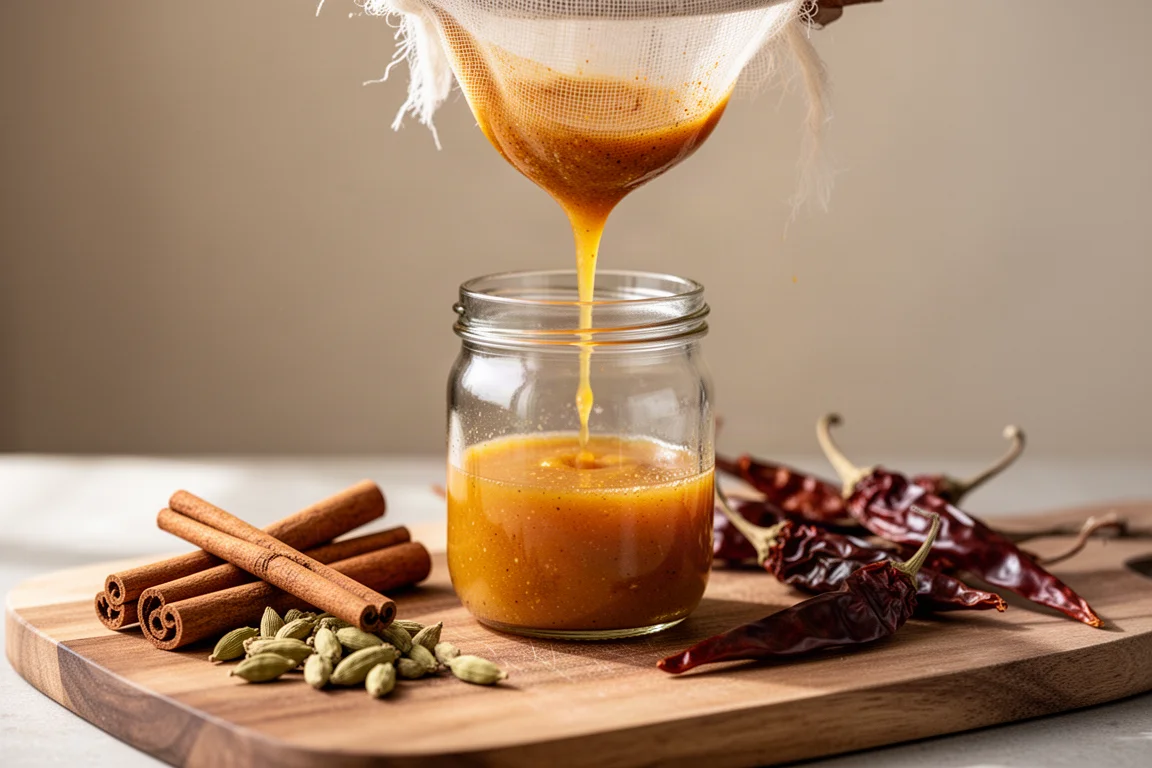
Equipment needs are modest: a kitchen scale, a spice grinder, and a food processor covered most techniques, and the average time per dish was a reasonable just-over-one-hour. The typography, particularly long substitution lists mixed with type styles, made recipes harder to scan while cooking, and the US edition’s dust jacket is disappointingly plain compared to the UK version.
Buying Advice
Africana earns its place on the shelf through sheer hit rate. Twelve of the thirteen dishes we tested were smashes, and the flavors taught us genuinely new uses for familiar ingredients, most notably vanilla, which appears here in mashed potatoes and prawn dishes rather than only in sweets.
If you cook the lobster dish in rum butter with vanilla, pair it with neutral potatoes or a herb salad rather than the hearty beer potatoes. If you make the beer potatoes, serve them with something roasty or stewy. And do not pair the two together; they are opposites that clash. The red rice and beans plus the African grain salad with gari, on the other hand, work beautifully as a balanced lunch, especially with soft-boiled eggs on top.
Value is where the book seals the deal. Even with ingredients like rum, vanilla beans, and seafood included, the average cost per serving came in at $8.44, which is remarkable for this level of results. For anyone who can cook intuitively and wants an inspiring, flavor-first tour of African cuisine, this book is easy to recommend.
Conclusion
Africana is a cookbook that covers many cuisines, makes them approachable to newcomers, and truly delivers on flavor, even with some bumps along the way. The writing errors are frustrating, but the cooking itself, led by that unforgettable oxtail stew, is a life-changing experience we will be coming back to for a long time.
Product link
View more details for Africana by Llorado Umashayor
This product is mentioned in the review. Check the specifications, options, and compatibility before buying.
View more details for Africana by Llorado UmashayorFurther reading
Related Reviews
Cookbooks
By Heart by Haley Catalano: First Look at a Calm, Practical Cookbook
We cooked two recipes from By Heart by Haley Catalano, including a tomato-based sandwich and chicken fat mashed potatoes, to see if the book's calm, detail-first approach holds up in a real kitchen.
Cookbooks
Charred by Genevieve Taylor Review: Vegetable Grilling Beyond Corn and Halloumi
We cooked 11 recipes from Charred over four days. Here is what works, what falls flat, and whether the book earns a spot on your shelf.
Cookbooks
Coconut and Sambal Review: An Approachable Gateway to Indonesian Home Cooking
A week of cooking 18 recipes from Lara Lee's Coconut and Sambal: what worked, what needed translation, and whether this 2020 cookbook earns its place on your shelf.