Road Bikes
Vast R1 Review: The First Super Magnesium Road Bike Worth a Closer Look
The Vast R1 brings super magnesium to the road bike market with a claimed 1,250 g frame, a lively ride, and pricing that undercuts comparable carbon builds.
Introduction
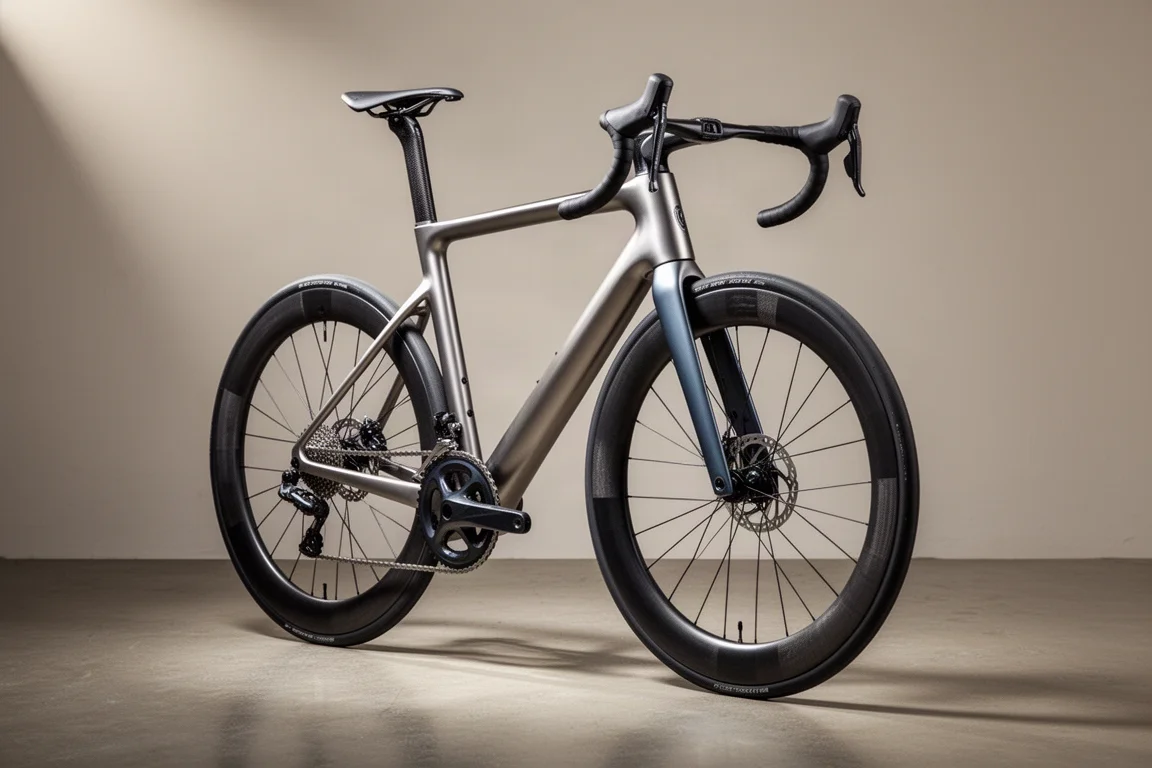
For years, road bike buyers have had four frame materials to choose from: titanium, steel, aluminum, and carbon fiber. The Vast R1 adds a fifth. It is a road bike built from super magnesium, and right now it is the only super magnesium road bike on the market.
Vast is a US company that already put the material to work on a gravel bike, and the R1 is its first road bike. The pitch is easy to understand: a claimed 1,250 g frame weight, a livelier and smoother ride than aluminum, and pricing that undercuts comparable carbon bikes.

On the range-topping build, that means a SRAM Force eTap AXS groupset, a carbon fork, a one-piece carbon handlebar and stem, a carbon seatpost, and carbon fiber wheels for around $5,000. A Shimano 105 mechanical build opens the range at around £2,300, with an Ultegra option sitting in the middle.
Frame material alone is rarely the deciding factor in how a bike rides. Tube shaping, construction, and geometry matter just as much. The R1 is still worth a close look, because it delivers the ride quality and the value story that super magnesium promises on paper.
Who This Bike Is For
The R1 suits riders who want a spirited road bike without committing to the aggressive posture of a pure race machine. Its geometry sits between the two extremes, so it stays easy to handle on long solo rides while still feeling quick when the pace rises.
It also makes sense for riders who ride all year. There is clearance for 30 mm tires front and rear, and the frame includes fender mounts, which keeps the bike useful for winter training, commuting, and mixed-condition riding rather than limiting it to dry summer Sundays.
Finally, it appeals to anyone weighing value and sustainability. Super magnesium frames can be recycled at the end of their life, and the material is less energy intensive to produce than aluminum or carbon fiber. Buyers who care about both the price tag and the footprint will find a lot to like here.
Frame, Weight, and Stiffness
The headline figure is a claimed 1,250 g frame. That places the R1 lighter than aluminum, steel, and titanium frames, and close to entry-level and mid-range carbon fiber road bikes. It does not match the weight of the most expensive ultra-light carbon frames, but it is a strong result for the material and the price.
Magnesium is not as stiff as aluminum on its own, and Vast addresses that with deliberately oversized tubing in all the key places. The tube profiles are also aero optimized rather than round, which reduces drag compared with traditional round tubes.
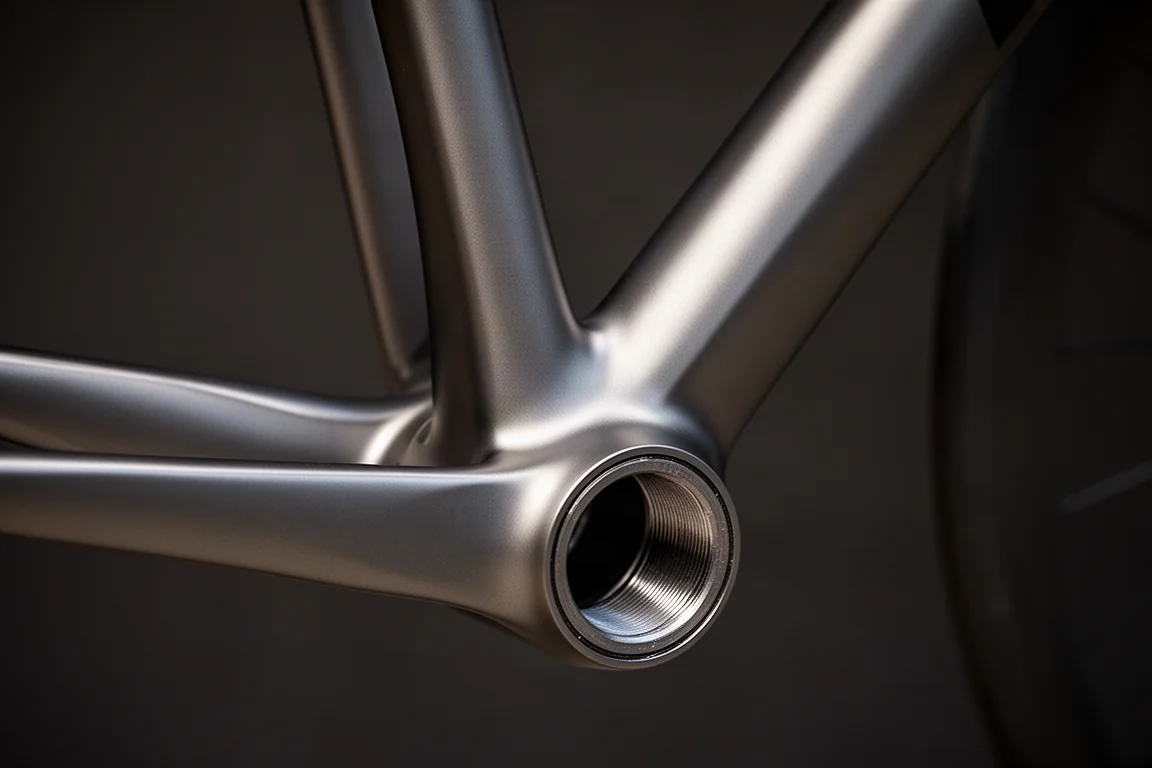
That shaping pays off under load. The bottom bracket and head tube are stiff, and there is no noticeable flex from the frame whether you are seated or standing. Power transfer feels comparable to a good carbon or aluminum road bike, so climbs and hard efforts are rewarded rather than sapped. Vast also fits its own carbon fork, carbon seatpost, and a one-piece carbon handlebar and stem.
Geometry and Handling
Vast has given the R1 a reach and stack that is longer and higher than a typical race bike, but longer and lower than an endurance bike. The result is a position that stays comfortable enough to clock out the miles on a Sunday morning while still feeling purposeful when you push.
In practice the bike is easy to handle. It gives a spirited ride quality without turning into a handful the way a dedicated race bike can. Riders moving up from a more relaxed bike will find it familiar, and riders coming from a racier setup will appreciate that it stays composed when the road gets technical.
Ride Quality and Rough Roads
The R1 delivers a fairly smooth ride over gravel, patches, and imperfect road surfaces. It is noticeably smoother than aluminum, though not quite as smooth as the best carbon bikes. That is a fair trade for the material and the price point rather than a shortcoming.
What stands out most is how much sensation comes through the contact points. The frame feels lively and involving, and it keeps the rider connected to what the tires are doing instead of isolating them from the road, which is a common criticism of some comfortable carbon bikes.
The build weight lands around 8.5 kg. That is not especially light, and it is roughly a kilogram heavier than a similar-spec carbon bike, but the frame is stiff enough that climbing still feels rewarding. Riders chasing personal bests on local hills will find the R1 happy to oblige.
Practical Details and Versatility
Tire clearance for 30 mm front and rear is a genuine practical advantage. Wider rubber smooths out rough surfaces, adds confidence on loose corners, and makes the bike far more usable beyond freshly paved roads.
The frame also carries fender mounts, which turns the R1 into a genuine year-round machine for winter training and commuting. Cable routing runs internally through the fork and the down tube, and the oversized threaded T47 bottom bracket is a sensible choice for straightforward maintenance over the life of the frame.

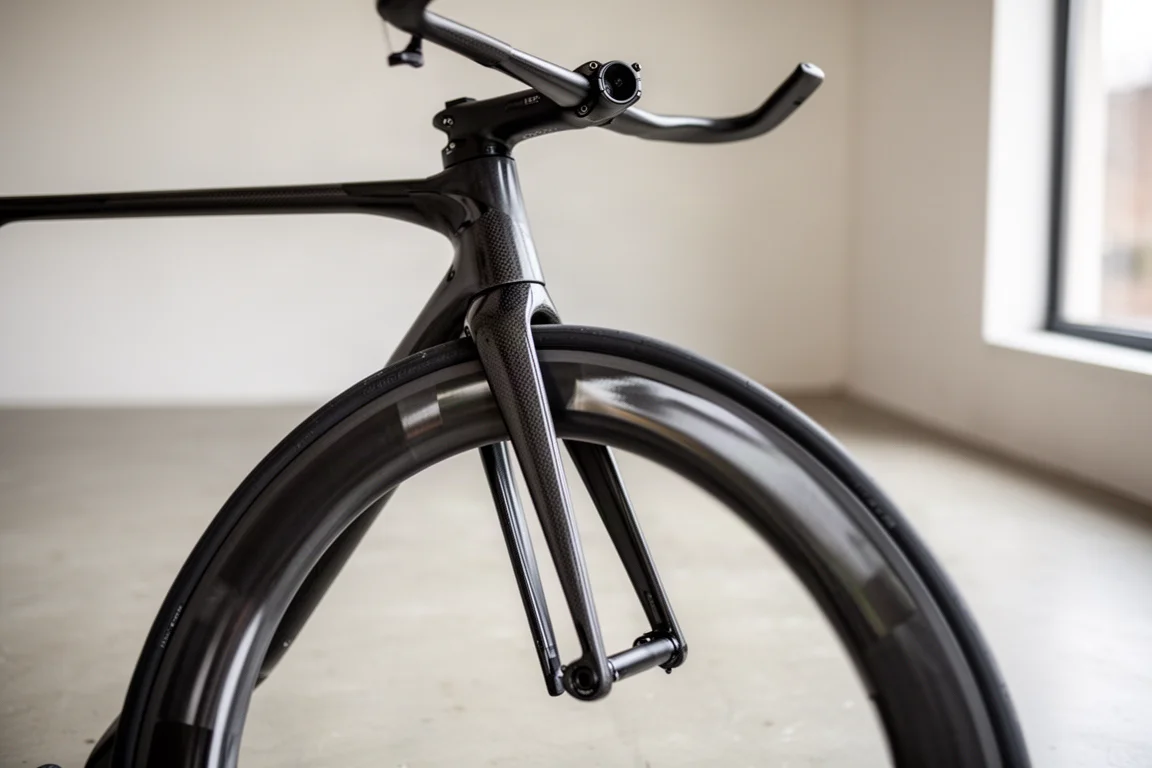
There are a few details worth inspecting before buying. The housing in the down tube has a tendency to sit proud rather than stay tucked in place, which is less tidy than it could be, and the hoses at the front end remain external. The one-piece carbon handlebar and stem looks sharp and helps aerodynamics, but it does not sit flush against the head tube, and the bar length may feel short for some riders, so fit should be confirmed carefully.
Things to Consider Before Buying
The first consideration is weight. At roughly 8.5 kg, the R1 is not a featherweight build, and riders comparing it directly against a similar-spec carbon bike should expect a small penalty on steep climbs, even if the stiffness largely offsets it on the road.
The second is cockpit fit. Because the handlebar and stem are a single carbon unit, adjusting reach or width is not as simple as swapping a stem. Check sizing with a dealer rather than assuming a straightforward change later.
The third is ride character. The R1 is smoother than aluminum but not as smooth as the plushest carbon frames, and that is a deliberate trade for the lively, connected feel it provides. Riders who prioritize maximum isolation from rough surfaces may prefer a different frame material.
The fourth is longer-term support. Super magnesium is still new to the road market, and the R1 is the only super magnesium road bike available today. More adoption from larger bike brands would strengthen the case for the material as a lasting option rather than a short-lived experiment, so it is worth confirming local dealer and parts support before committing.
Buying Advice
Value is the strongest argument for the R1. The range-topping build pairs a SRAM Force eTap AXS groupset with a carbon fork, one-piece bar and stem, carbon seatpost, and carbon wheels at around $5,000. A comparable carbon bike with the same groupset and similar carbon wheels costs noticeably more, in the region of £1,200 extra.
If that build is beyond budget, the entry point at around £2,300 with a Shimano 105 mechanical groupset carries much of the same frame character, and the Ultegra option in the middle gives a sensible step up without jumping to the top of the range. In terms of price against performance, super magnesium has a lot in common with aluminum, which is a compliment rather than a criticism.
The sensible next step is a demo ride. Frame material shapes the ride, but geometry and how the bike is put together matter just as much, and only a test ride will tell you whether the R1’s blend of comfort, feedback, and stiffness matches the roads you actually ride.
Conclusion
The Vast R1 is a worthwhile addition to the four established frame materials in the road market. It hits the promises that super magnesium makes: a frame lighter than aluminum, steel, and titanium, a smoother ride than aluminum, a lively and engaging feel through the contact points, and pricing that undercuts comparable carbon builds.
It is not perfect. The build weight is average rather than impressive, the cockpit is not adjustable in the way a separate bar and stem would be, and some cable routing details could be tidier. Even so, the frame is stiff where it counts, the geometry is approachable without feeling dull, and the year-round practicality of 30 mm clearance and fender mounts is genuinely useful.
For riders who want a fast, comfortable, and involving road bike with a different story underneath the paint, the R1 deserves a place on the shortlist.
Product link
View more details for Vast R1
This product is mentioned in the review. Check the specifications, options, and compatibility before buying.
View more details for Vast R1Further reading
Related Reviews

Road Bikes
10 New Road Bikes Worth Watching: Aero, Titanium, Steel and Endurance Standouts
A practical roundup of 10 new road bikes, from aero flagships chasing single-watt gains to titanium, steel and endurance platforms built for real roads.

Road Bikes
2026 Tour de France Road Bikes: Six Race Machines Worth a Closer Look
Six race bikes from the 2026 Tour de France grid, reviewed for paint, silhouette, wheels and the specification details that matter to buyers.

Road Bikes
3T Strada Italia Review: A Radical Aero Road Bike That Rides Smooth
A made in Italy carbon aero road bike with a deep head tube, wide tire clearance and a genuinely comfortable ride. Here is what to know before buying.