Floorstanding Speakers
Vandersteen 2Ce Signature III Review: A Transparent Floorstander That Rewards Careful Setup
An eighth-generation open-baffle floorstander with a sharp center image, phase-coherent clarity, and a few setup demands worth understanding before you buy.
Introduction
The Vandersteen 2Ce Signature III comes with an unusual amount of history attached. The original model in this line debuted in 1977 and has remained in continuous production ever since, and the Signature III is the eighth generation of that same design. Stand an original and a Signature III side by side and they look almost identical. They do not sound identical.
Earlier Vandersteen models earned their reputation on a big, generous, full-bodied presentation. The 2Ce Signature III heads in a different direction. It is a pure, transparent, and precise speaker, with the sort of low-distortion clarity that is more often associated with electrostatic designs than with dynamic ones.
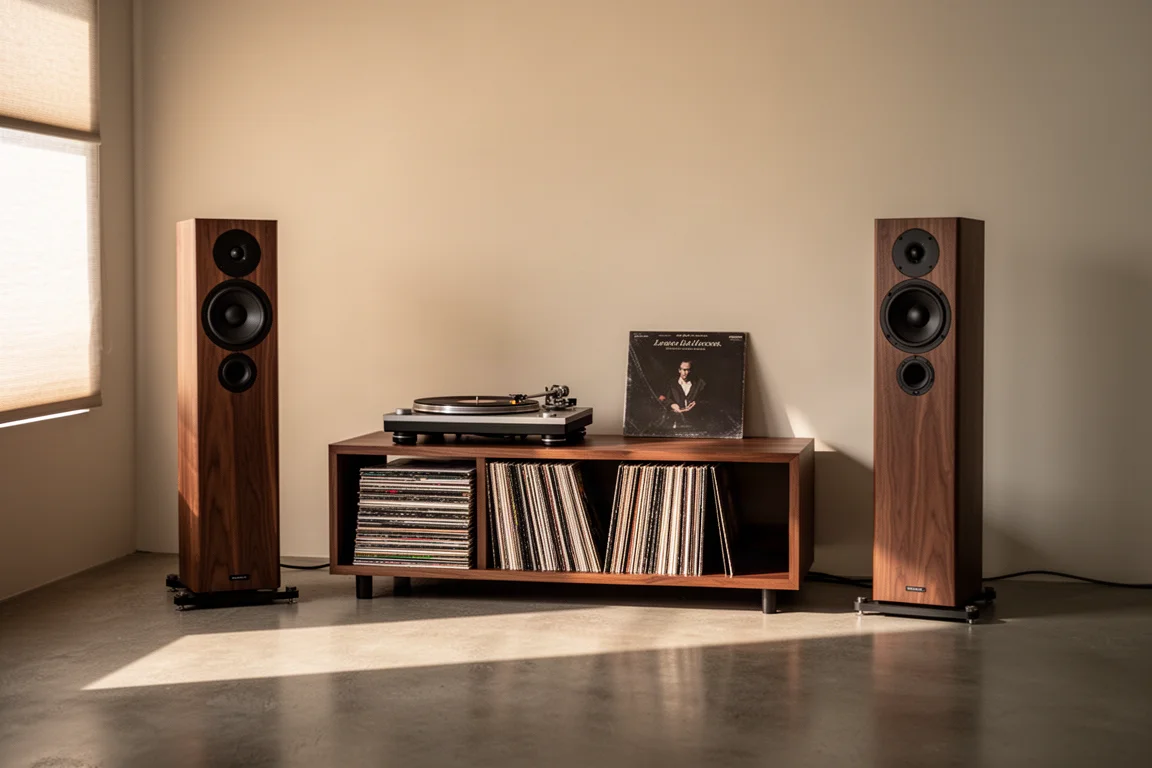
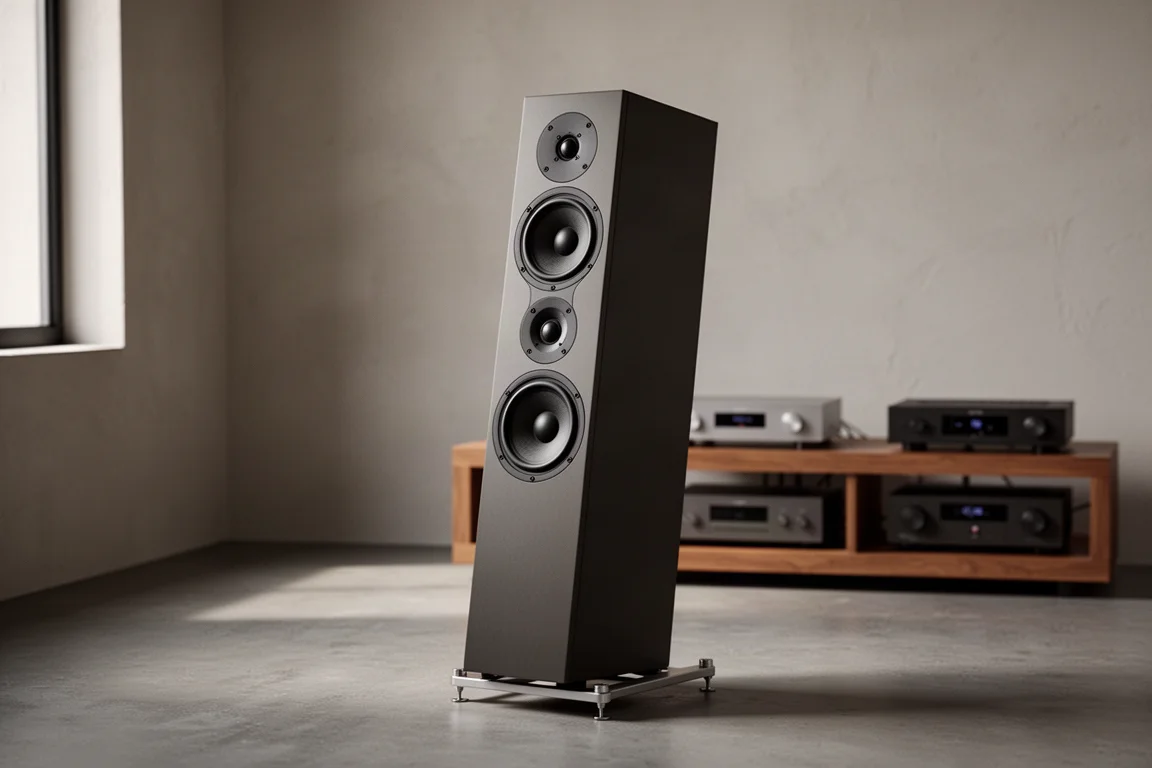
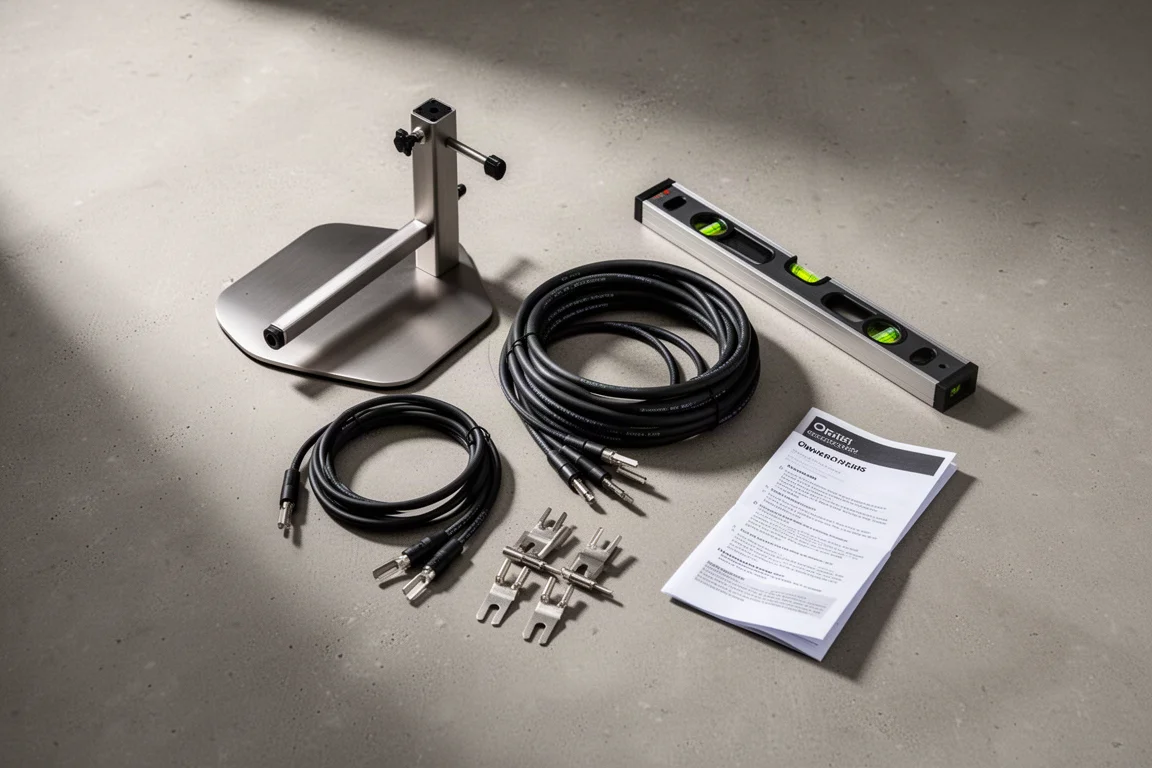
Pricing is $3,607 per pair, and the price includes a short metal stand that lets the cabinet lean back slightly. Vandersteen distributes worldwide, with availability across North America, Europe, Asia, India, and China. Fit and finish are excellent, and build quality is very good for a cabinet this deliberately simple.
Who This Speaker Is For
The 2Ce Signature III is aimed squarely at listeners who want to hear what is actually on the recording. Its strongest qualities are imaging, transparency, and neutrality, and those are the things it rewards you for caring about.
Acoustic music, jazz, vocals, and live-to-two-track recordings benefit most. A recording with a wide, three-dimensional soundstage is presented as exactly that, with spatial cues decoded precisely enough that you can hear where each instrument and voice sits.
If your priority is maximum physical impact at high volume, or if most of your listening happens at very low levels late at night, this is a speaker to think about carefully rather than buy on impulse. Both points are covered below.
Design, Drivers, and Build Quality
The design philosophy behind this speaker has barely changed since 1977. Rather than spend money on a decorative cabinet that has to be painted or veneered, Vandersteen keeps the enclosure simple and uses an open-baffle approach that leaves the drivers more or less in free space, then puts the savings into better drivers and crossover components.
The driver complement is a one-inch tweeter, a 4.5-inch midrange, an eight-inch woofer, and a 10-inch active acoustic coupler handling the low-frequency end. These are not off-the-shelf units. They are designed in-house, with many parts manufactured in-house, and the drivers themselves are assembled by Scan-Speak. Each speaker weighs around 60 pounds, and the design is conceived, engineered, and made in the United States.
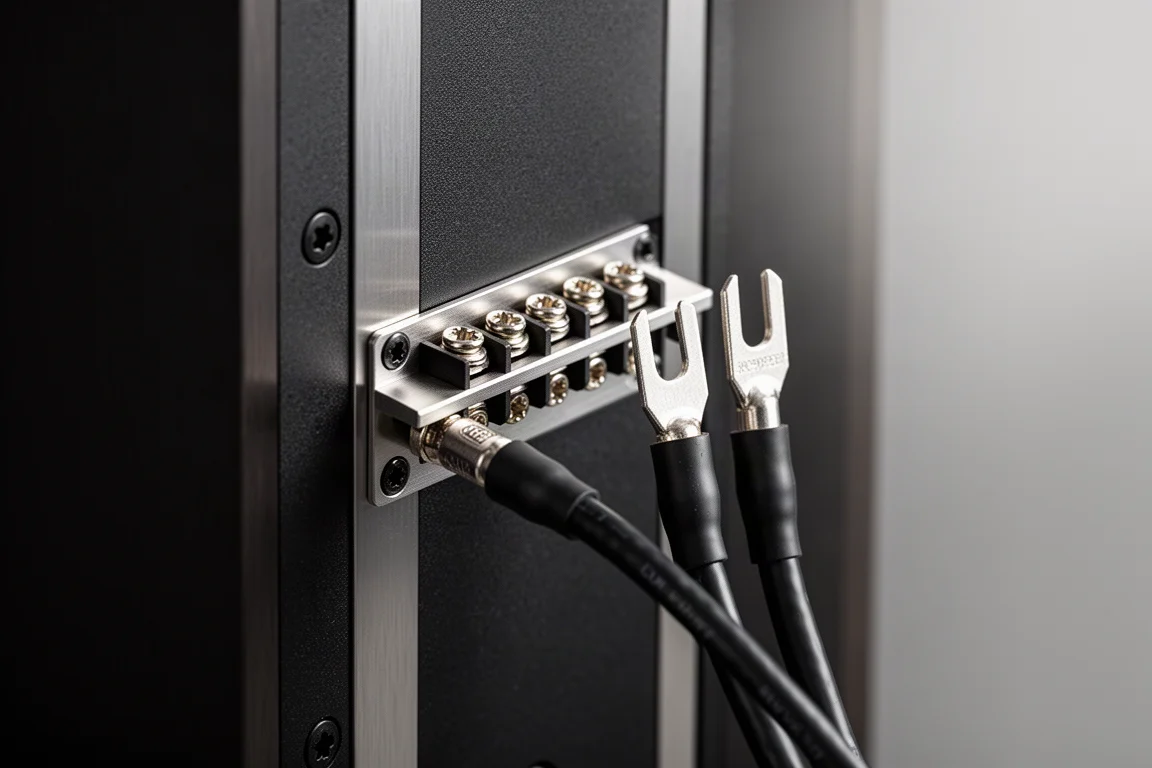
At the rear you will not find the usual binding posts. Instead there is a barrier strip with screw terminals, which takes speaker cables terminated with spades. That is a deliberate choice, made on the view that a screwed-down spade connection is the most secure way to attach a cable. The logic is sound, but it does rule out banana plugs, and bi-wiring is strongly recommended as well.
How It Sounds
The first thing that stands out is the center focus. The image is sharp, clear, and locked firmly in place between the speakers, with a stability that is genuinely rare at this price.
Transparency is the second defining trait. The speaker is highly articulate, and the top end is open and airy. Phase relationships within a stereo recording are resolved with real precision, which is where the phase-coherent, time-coherent design pays off. On a well-made recording, spatial information arrives intact and the soundstage becomes three-dimensional and wide.
Bass is fast, detailed, and clear. It does not have the weight of a much larger woofer, but it is very good on its own terms, and it matches the rest of the speaker’s character.
Amplifier Matching Matters
This is a speaker that makes differences between amplifiers easy to hear, so the pairing you choose shapes the result considerably.
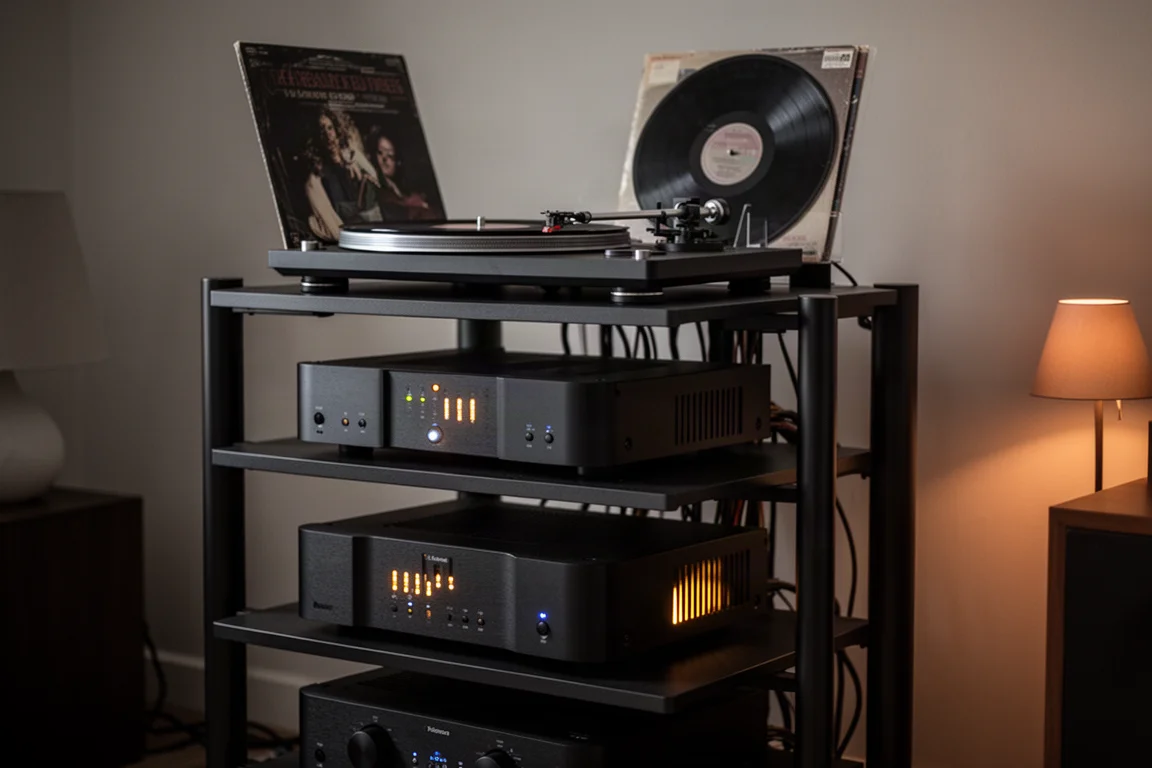
A Pass Labs XA25 class A amplifier produced a warmer, fuller sound with more body and soul. A NAD M23 class D amplifier, rated at 200 watts per channel into 8 ohms, leaned into the speaker’s transparency and hyper-clarity, with an open top end that made spatial cues feel almost physical. A Linear Tube Audio ZOTL40, a 40 watt per channel tube amplifier, added dimensionality and body, with a less bright top end and a stronger sense of the space around each instrument.
One consequence of all that transparency is that bright recordings stay bright. With an especially revealing amplifier, harsh or thin material will be presented as such. Music with a natural tonal balance fares very well. The other point worth flagging is low-level listening: at very quiet volumes, the speaker is less involving than larger, more efficient designs.
Things to Consider Before Buying
Terminations come first. Spade-terminated cable is required, banana plugs will not work, and bi-wiring is strongly recommended, so budget for cable as part of the purchase.
Setup matters enormously. This is a speaker that responds to careful placement, and the detailed owner’s manual is unusually explicit about how to get the best from it. Expect to spend real time on positioning.
Space and weight are practical considerations. Each speaker is about 60 pounds, and the included stand tilts the cabinet back, which has implications for how far the speakers sit from the wall behind them.
Finally, scale. A much larger open-baffle design with 15-inch woofers, at roughly $6,500 a pair, delivered noticeably more muscle and physical connection on rock music. The 2Ce Signature III counters with greater neutrality and accuracy, and a larger model higher in the Vandersteen range would have made a fairer comparison on impact.
Buying Advice
Buy this speaker if accuracy, imaging, and transparency are what you are chasing, and if you are willing to put in the setup work and use spade-terminated, bi-wired cable. It suits a listener who wants to hear the recording rather than a flattering version of it.
Pairing is the other half of the decision. A transparent, quiet solid-state amplifier will extract the most insight and clarity from the 2Ce Signature III, while a tube amplifier will add body and dimensionality at the cost of a little top-end brightness. Either direction works, and the speaker is revealing enough to make the choice meaningful.
Conclusion
The Vandersteen 2Ce Signature III is a rare thing at $3,607 per pair: a floorstander with a long lineage that has been reworked into something notably more transparent and precise than its predecessors. Its center image, phase coherence, and low-distortion clarity are its strongest arguments. The trade-offs are equally clear, from spade-only terminals to a preference for moderate listening levels. Match it to suitable amplification, set it up carefully, and it delivers a level of accuracy that is hard to find at the price.
Product link
View more details for Vandersteen 2Ce Signature III
This product is mentioned in the review. Check the specifications, options, and compatibility before buying.
View more details for Vandersteen 2Ce Signature IIIFurther reading
Related Reviews
Floorstanding Speakers
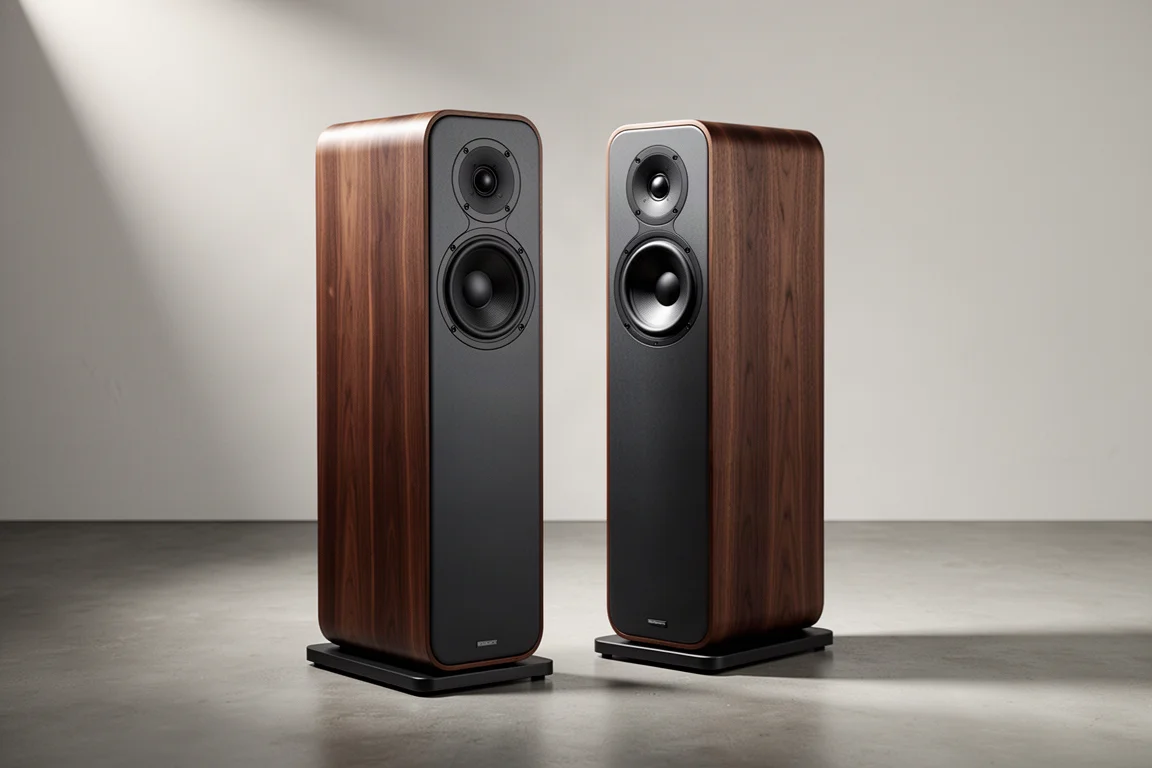
Acoustic Energy AE109 Mark II Review: A Refined Floorstander at £699
The Acoustic Energy AE109 Mark II is a slim, warm sounding floorstander that delivers clarity, midrange body and strong imaging in small to medium rooms.
Floorstanding Speakers
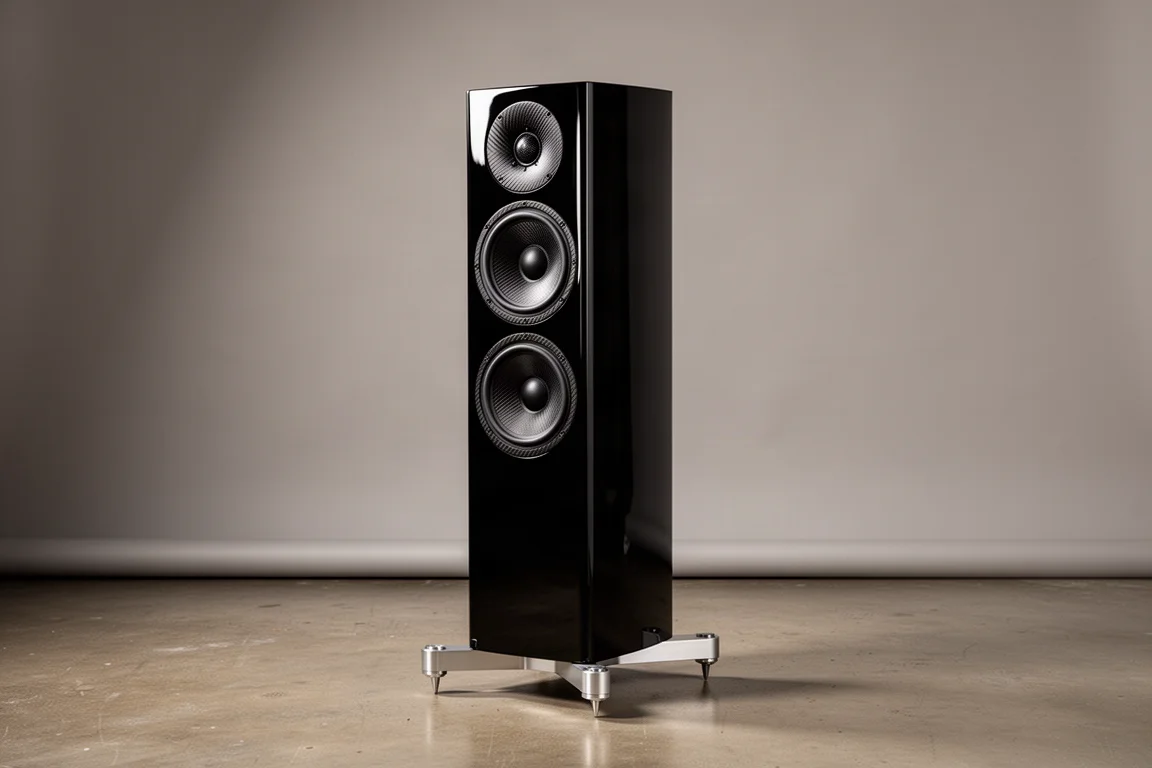
Acoustic Energy AE509 Review: A Slim Floorstander With Deep, Defined Bass
A practical look at the Acoustic Energy AE509, a slim floorstanding speaker with carbon fibre drivers, deep and well-defined bass, and an easy-going character that rewards careful system matching.
Floorstanding Speakers
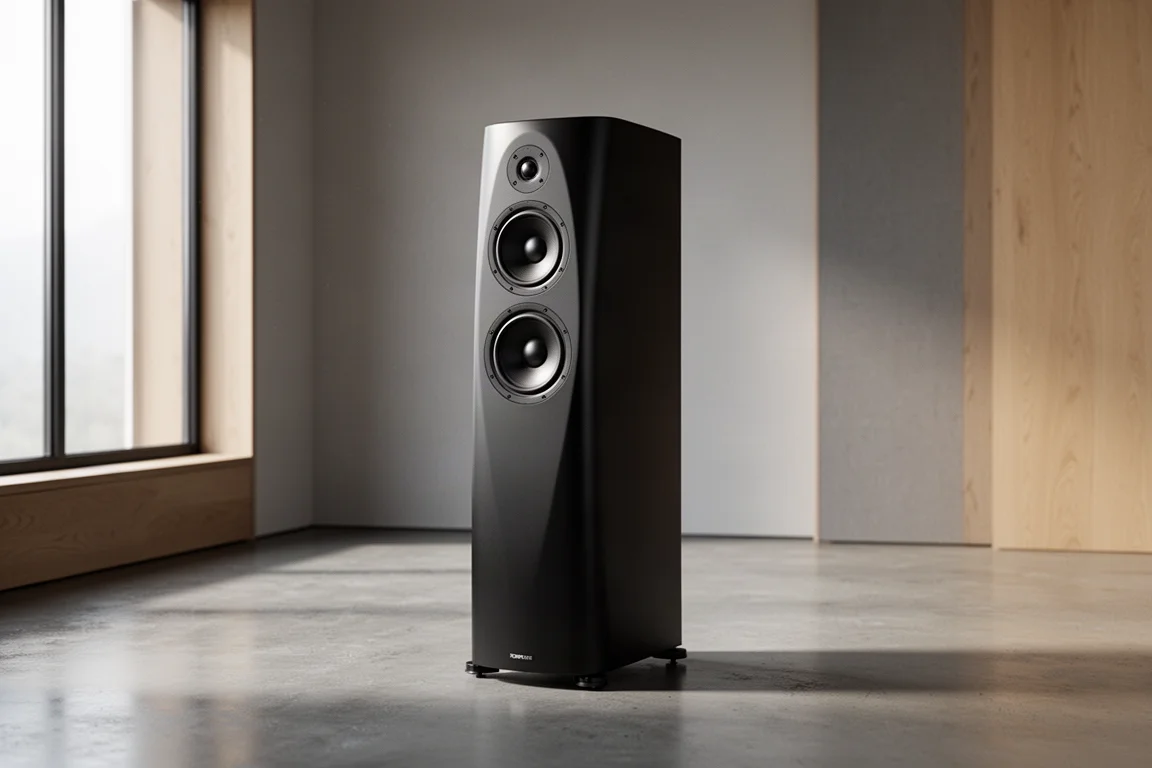
Arendal 1528 Tower 8 Review: Reference Neutrality With Real Demands
A close look at the Arendal 1528 Tower 8, a nearly five-foot, 200-pound floorstander that rewards generous space, serious power, and high listening levels with reference-grade neutrality.