Road Bikes
Van Rysel Road Bikes Compared: EDR CF Ultra vs RCR vs RCRF
Three Van Rysel road platforms, one endurance, one all-round race bike, one aero machine. Here is how tube profiles, wheels, gearing and geometry separate them, and which one suits your riding.
Introduction
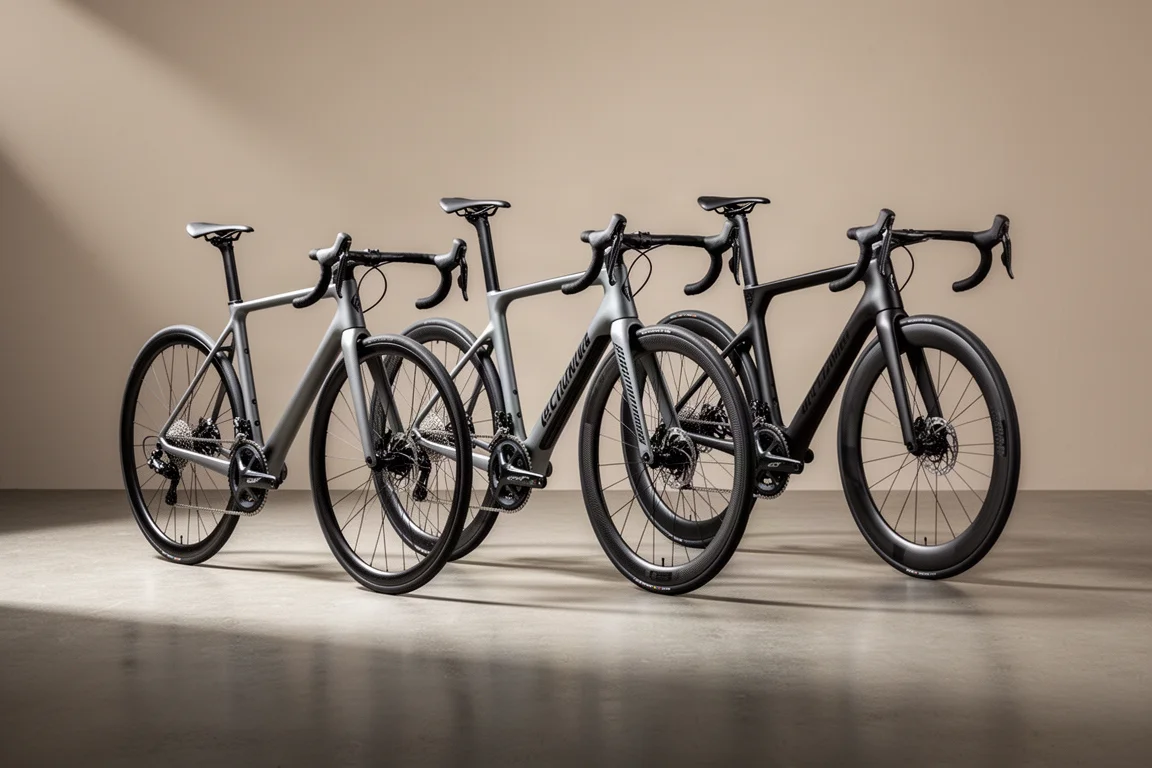
Van Rysel’s updated road range now covers three distinct platforms, and each one is built around a different idea of what road riding should feel like. The EDR CF Ultra is the endurance option. The RCR is the all-round road race bike. The RCRF is the aero flagship.
The EDR CF Ultra has arrived with less fanfare than the other two, largely because endurance road bikes have never been the most glamorous category. That reputation deserves a closer look, because the differences between these three bikes are not cosmetic. Tube profiles, wheel depth, tyre clearance, gearing and geometry all change the way a bike behaves, and they change who the bike is actually for.
This guide breaks down what separates the three, and helps you work out which one matches the riding you really do.
How to Choose Between Endurance, Road Race, and Aero Road Bikes
Aerodynamics matter, but only up to a point. Above roughly 20 km/h, wind resistance becomes the largest force a rider has to overcome. Around 80 percent of total drag, however, comes from the rider’s body rather than the bike. That single figure explains why a frame that is slightly slower on paper can still be the faster bike overall, if it lets you hold a better position for longer.
Tube profiles are the first visible difference. The EDR CF Ultra uses round tube profiles. The RCRF uses deep bladed tubes designed to cut through the wind with as little resistance as possible. Those bladed shapes are excellent at that job, but they carry trade-offs: they are heavier, stiffer, and less effective at soaking up road vibrations. The RCR takes the middle ground, with a bladed down tube and thinner seat stays and chain stays to keep the rear end comfortable.
Wheel depth follows the same logic. The EDR CF Ultra rolls on 35mm rims, the RCR on 45mm, and the RCRF on 62mm. Deep section wheels suit fast group rides, criteriums and fast flat road races, delivering maximum aerodynamic advantage at the cost of being pushed around more by the wind. The 45mm set is a genuine compromise, manageable in gusty, year-round conditions for riders working at around 25 to 35 km/h. The shallowest wheelset is lighter and feels quicker to accelerate, and because more of the wheel is spoke rather than rim, it soaks up more road vibration.
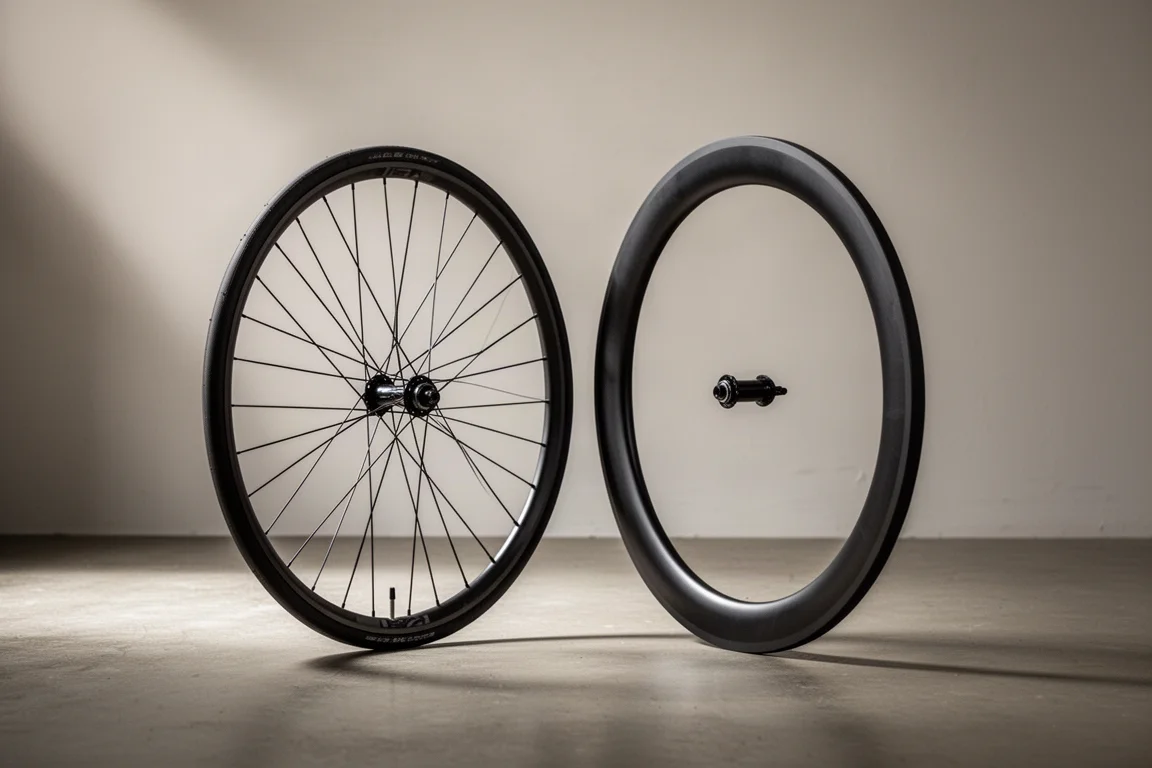
Tyre clearance separates the platforms further. The EDR CF Ultra accepts tyres up to 38mm, while the RCR and RCRF take up to 33mm. That extra room makes the endurance bike considerably more versatile, and opens the door to light gravel. As a general rule, the faster you go the narrower you want your tyres, and on solo rides something 30mm or wider is often the better choice. Wide clearance also means you can run mudguards and still fit comfortable rubber.
Gearing is tailored to each bike’s purpose. The RCR and RCRF ship with 52-36 tooth chainsets, giving more big gears and higher speed at a comfortable cadence. The EDR CF Ultra uses a compact 50/34 chainset, which offers more options when the road goes up. It also runs an 11-36 cassette, where the race bikes typically use an 11-34. The race bikes therefore have smaller gaps between gears for fine-tuning cadence at speed, while the endurance bike trades that for extra range and easier bailout gears on steep climbs or long days.
Geometry is the biggest difference of all. The EDR CF Ultra has a shorter top tube and reach, so the bars sit closer to the rider. Its head tube is slacker, putting the front wheel further ahead for control and stability, and its longer wheelbase does much the same thing. A taller head tube raises the riding position. Lower is often considered faster, but a position you cannot hold is not fast, and a comfortable bike is more likely to be quicker over real roads than an uncomfortable lower one.
Van Rysel EDR CF Ultra: The Endurance Option
The EDR CF Ultra is built around round tube profiles, a 35mm wheelset and clearance for tyres up to 38mm. Extra mounting points on the down tube add room for an additional bottle or a little storage on longer rides, and mudguard mounts make it a realistic year-round machine. The carbon layup is tuned for comfort as well.
Its gearing follows the same thinking. A compact 50/34 chainset paired with an 11-36 cassette gives a wider range and easier gears when the gradient steepens, or when you are carrying more and do not want to dig deep.
The geometry is where the bike really sets itself apart. Shorter reach, a slacker head tube, a longer wheelbase and a taller head tube combine to place the rider more upright and give the bike a stable, planted feel.
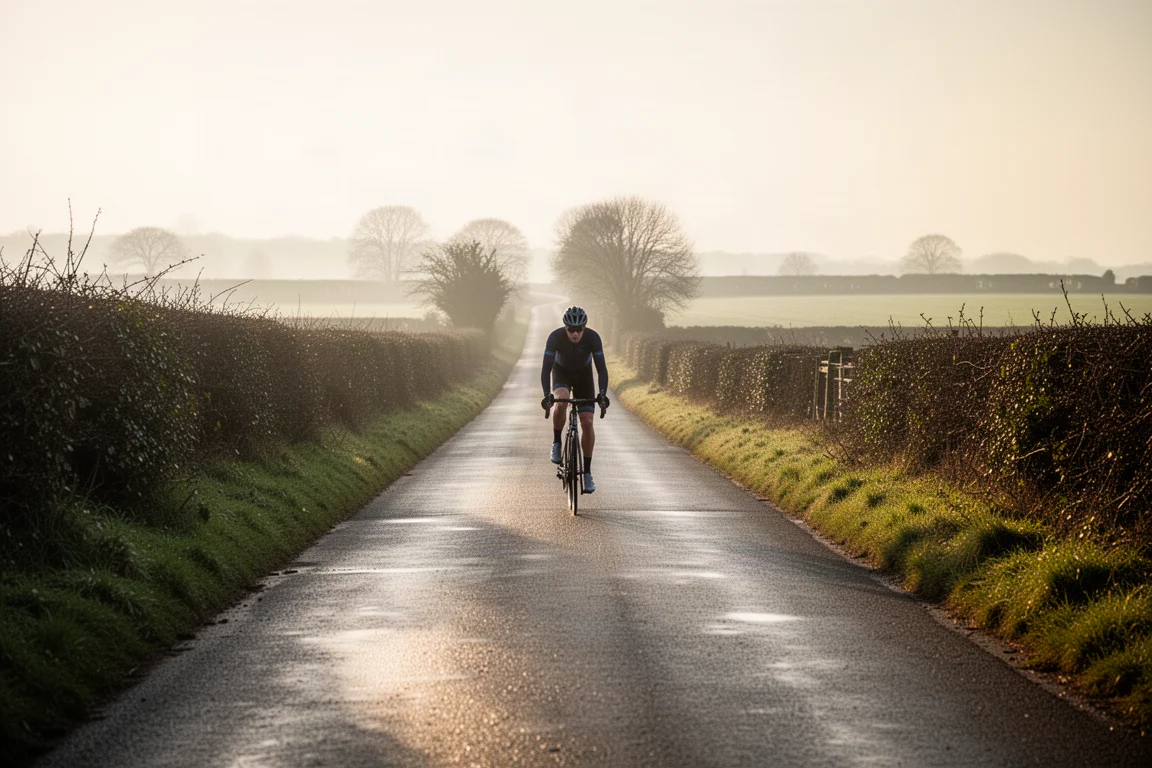
That combination is why fitting experience with this range suggests that 80 to 90 percent of riders would be better matched to an endurance bike than to a race or aero machine, even though far fewer actually choose one. The reasoning is straightforward: the most aerodynamic position is the one you can hold the longest. A rider who stays comfortable for hours may well end up with a higher average speed than a rider on a faster frame who has to sit up after 30 kilometres.
Van Rysel RCR: The All-Rounder
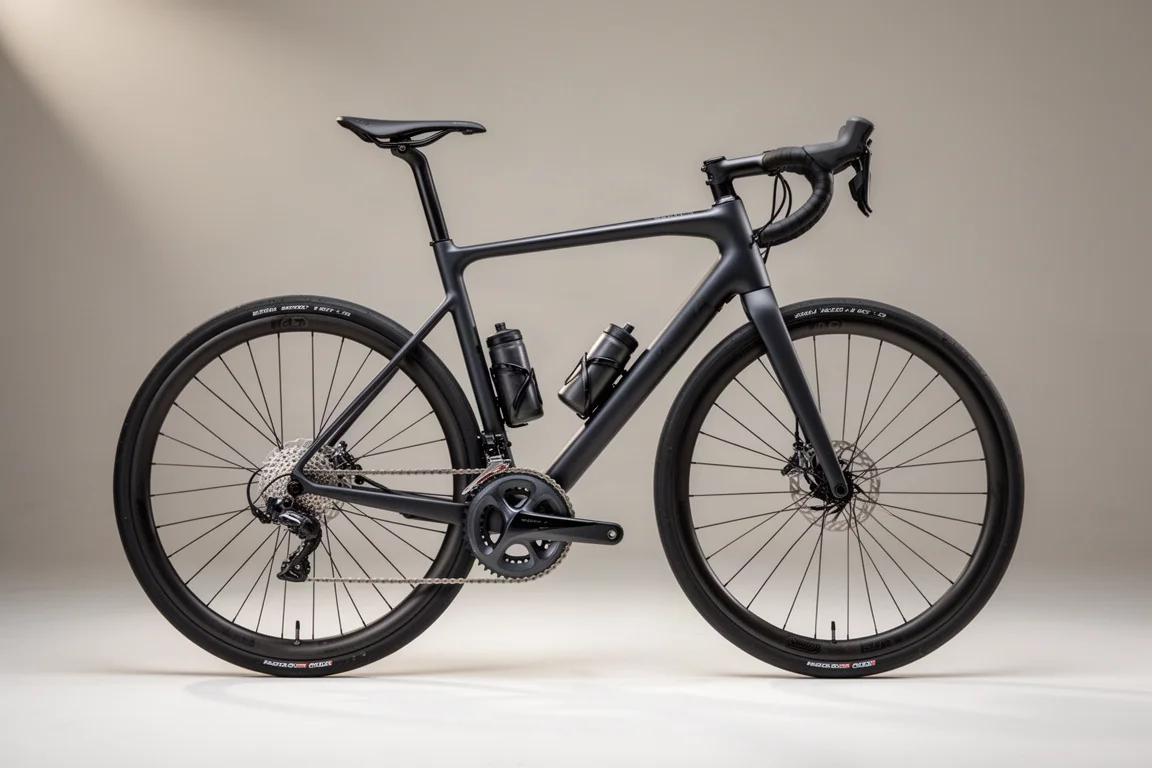
The RCR takes the middle ground in almost every category. Its down tube is bladed for aerodynamic benefit, while the seat stays and chain stays use thinner profiles to keep the rear end comfortable. It rolls on 45mm wheels and accepts tyres up to 33mm.
Its 52-36 chainset and 11-34 cassette follow the road race template, with tighter gear steps that make it easier to fine-tune cadence when the pace is high. The RCR shares its carbon layup with the EDR CF Ultra, yet the two ride completely differently, because of how that carbon is laid up within each frame and how each frame is shaped.
For riders who want to race occasionally and still spend long weekends in the saddle, this is the most versatile of the three. It gives up very little in speed terms, and the 45mm wheelset stays manageable in gusty conditions and through the year.
Van Rysel RCRF: The Aero Race Bike
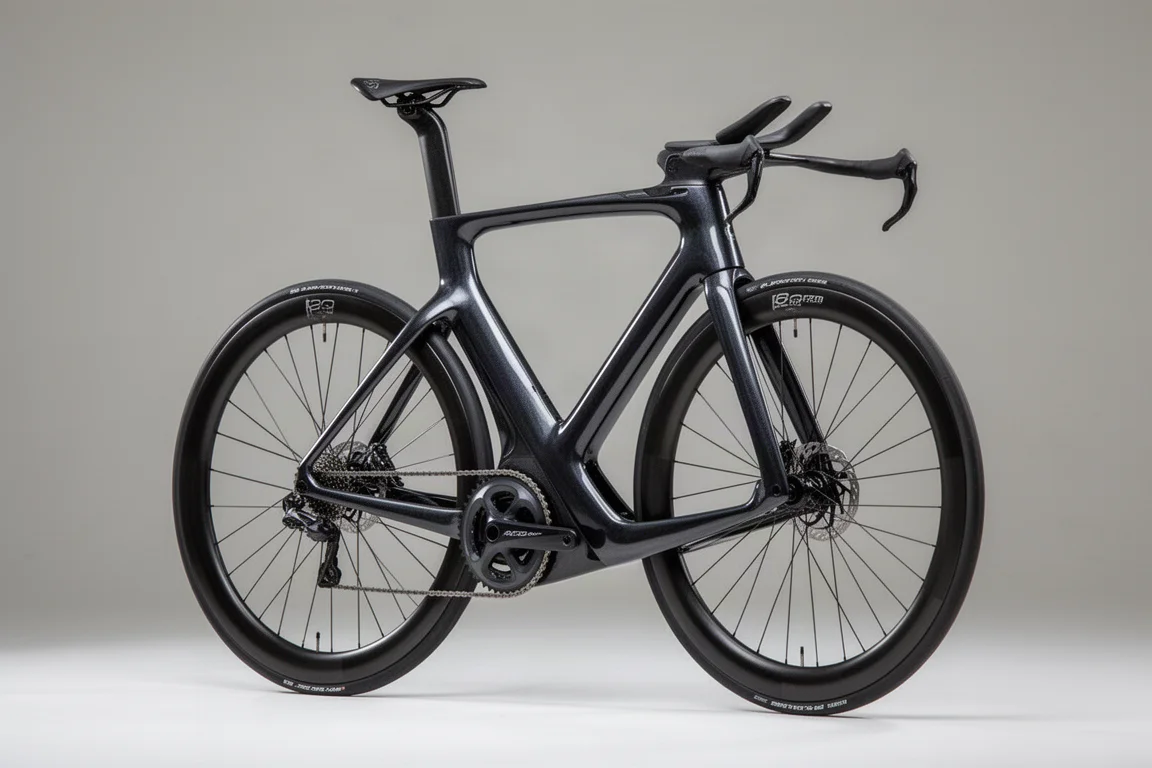
The RCRF is the most single-minded bike in the range. Deep bladed tube profiles, a 62mm wheelset and a very low front end are all aimed at one thing: reducing drag at high speed. It is the platform built for riders travelling at 45 to 50 km/h.
Tyre clearance tops out at 33mm, the chainset is a 52-36 with an 11-34 cassette, and the whole package is designed around the aerodynamic advantage that matters most in a fast, sustained effort on flat roads.
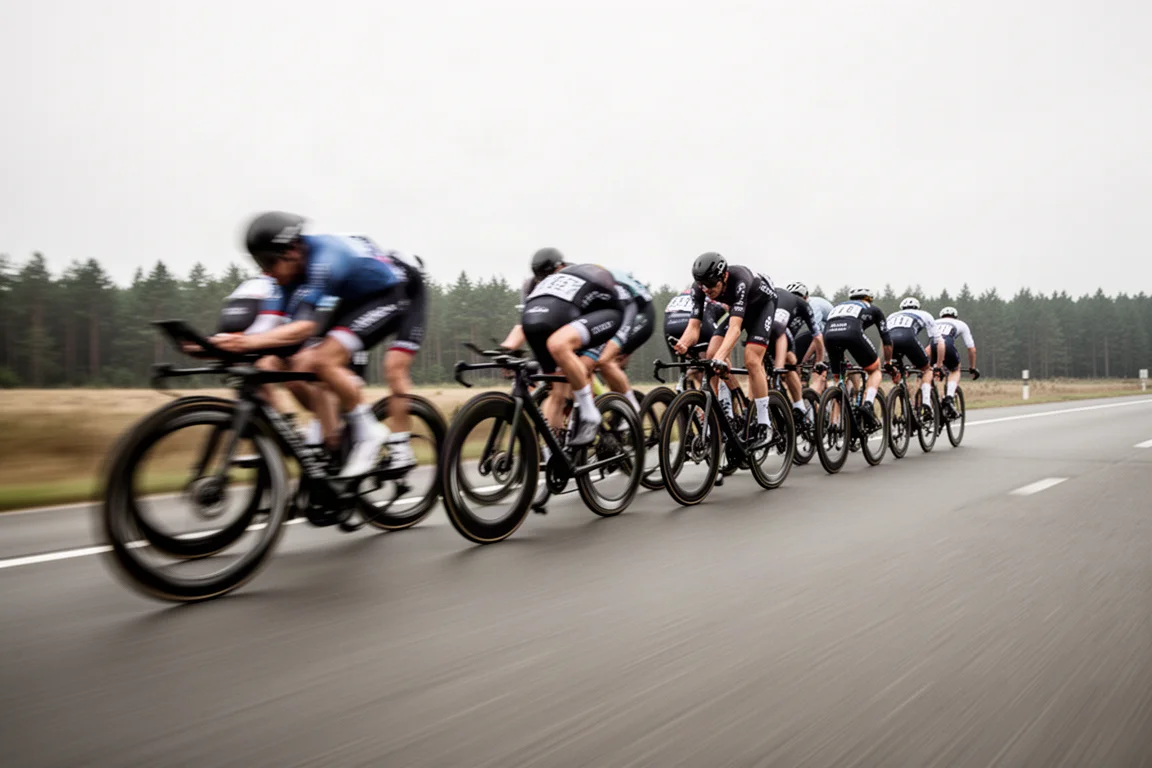
That makes it the obvious choice for local criteriums and flat road races of one to two hours, and for riders chasing a result on the local group ride. The trade-offs are real, though. Deep section wheels are affected more by crosswinds, the stiffer bladed frame absorbs less road vibration, and the low front end asks a lot of the rider. If your back cannot hold the position, the aerodynamic benefit never arrives.
Overall Buying Advice
Start with the riding you actually do rather than the riding you imagine. If your calendar is built around criteriums and fast flat races of one to two hours, the RCRF is the clear answer. If you want a bike that can race and then carry you through a six hour weekend group ride, the RCR is the more sensible compromise.
For everyone else, the EDR CF Ultra is the one to look at first. It is more versatile thanks to its 38mm tyre clearance and mudguard mounts, and it is not simply a bike for sitting bolt upright and going slowly. You do not need to be planning multi-day adventures to justify it either. Unless outright speed is your number one priority, the endurance platform is likely to suit you better than the other two.
The honest summary is that the fastest bike for you is the one you can ride comfortably for the longest. Match the geometry, gearing and tyre clearance to the riding you do, and the rest tends to follow.
Conclusion
Van Rysel’s three platforms cover three genuinely different kinds of road riding. The RCRF prioritises aerodynamic speed for short, fast efforts. The RCR balances race pace with all-day usability. The EDR CF Ultra puts comfort, stability, gearing range and tyre clearance first, and for most riders that is the combination that produces the quickest rides over real roads.
Further reading
Related Reviews

Road Bikes
10 New Road Bikes Worth Watching: Aero, Titanium, Steel and Endurance Standouts
A practical roundup of 10 new road bikes, from aero flagships chasing single-watt gains to titanium, steel and endurance platforms built for real roads.
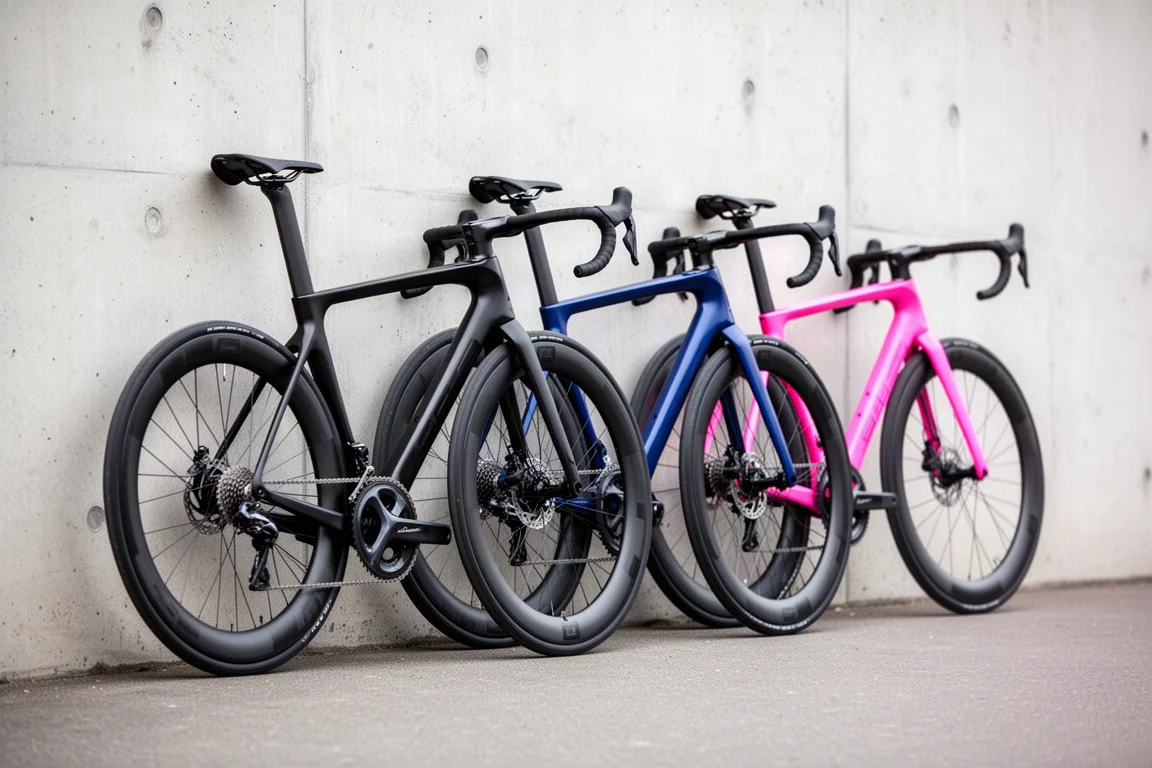
Road Bikes
2026 Tour de France Road Bikes: Six Race Machines Worth a Closer Look
Six race bikes from the 2026 Tour de France grid, reviewed for paint, silhouette, wheels and the specification details that matter to buyers.
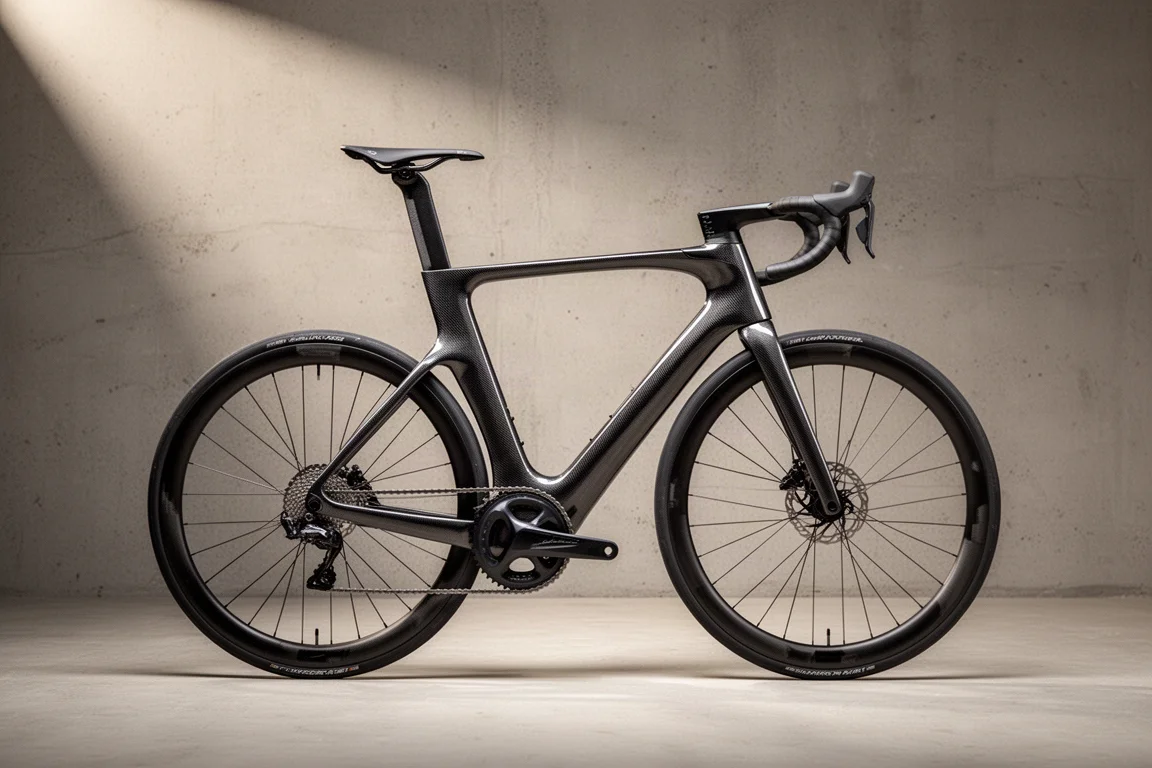
Road Bikes
3T Strada Italia Review: A Radical Aero Road Bike That Rides Smooth
A made in Italy carbon aero road bike with a deep head tube, wide tire clearance and a genuinely comfortable ride. Here is what to know before buying.