Road Bikes
Van Rysel RCRF Review: A Dedicated Aero Race Bike Under the Flagship Price Line
A top-grade carbon aero race bike with Dura-Ace Di2 and a 7.54 kg complete build, plus the fit, comfort and servicing trade-offs to weigh up first.
Introduction
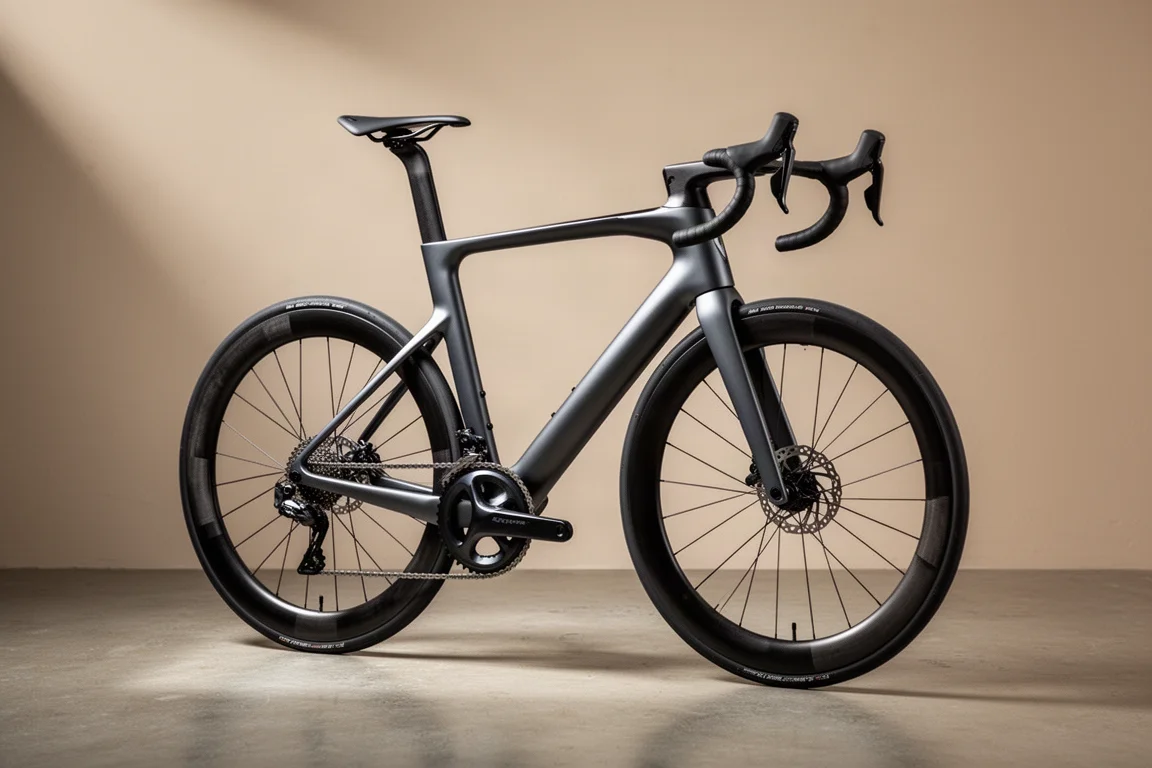
Van Rysel, the in-house cycling brand from Decathlon, built its reputation by putting a World Tour level race bike on sale for less than several established premium brands charge for their flagship models. The new RCRF keeps that value-driven thinking and points it squarely at aerodynamic performance.
The RCRF is a dedicated aero bike, and the claims behind it are specific: a head tube that is 7% stiffer, a frame that is 13.6 watts faster than the standard RCR at 45 km/h, and 2.7 of those watts coming from the handlebar alone. Van Rysel also states the bike was developed by engineers with Formula 1 experience.

In this build the bike is priced at €9,500, which places it below most flagship aero race bikes but above a growing group of lower-priced performance machines. The question is whether the numbers translate into a ride that justifies the outlay.
Who This Bike Is For
This is a race bike. It is designed for riders who want to go as fast as possible and are willing to accept the trade-offs that come with that goal. A dedicated aero platform adds a small amount of weight in exchange for aerodynamic gains, and those gains are modest in absolute terms but meaningful to riders who compete.
Terrain matters when choosing between this and a lighter model. For a mountain stage, something lighter such as the RCR Pro makes more sense. For a flat criterium, the RCRF is the natural pick. For a hilly road race, either will work. Both bikes suit all of those applications, so the decision comes down to the type of riding you do most often.
The geometry is long and low, sitting very slightly longer and lower than the standard RCR. That suits flexible, strong riders. Anyone who prefers a more upright position should look at a different platform.
Main Strengths
The frame is full carbon and uses the highest grade of carbon fibre Van Rysel offers. Unlike the previous RCR range, which split into a Pro model with a premium layup and a standard model with a lower grade, the RCRF comes only in the top-end layup, whether you choose a 105, Ultegra or Dura-Ace build.
The specification is genuinely high end. This build runs Shimano Dura-Ace Di2 with hydraulic brakes and 160 mm front and 140 mm rear rotors. Crank length scales with frame size, and the small frame uses 170 mm arms. The one-piece carbon cockpit is heavily flared at 12 degrees, and although it is labelled 42 cm, measuring across the highest points of the hoods gives roughly 36 cm, which is narrow and aerodynamically efficient. A proprietary carbon aero seat post, a Fizik Vento Argo saddle and matching bar tape complete the package.
Wheels are Swiss Side units with 62 mm deep rims, fitted with Continental GP5000 S tubeless-ready tyres. The bike ships with tubes installed, and a kit is supplied to convert it to tubeless. As it comes out of the box, with no pedals, bottle cages or computer mount, the complete bike in size small weighs 7.54 kg.
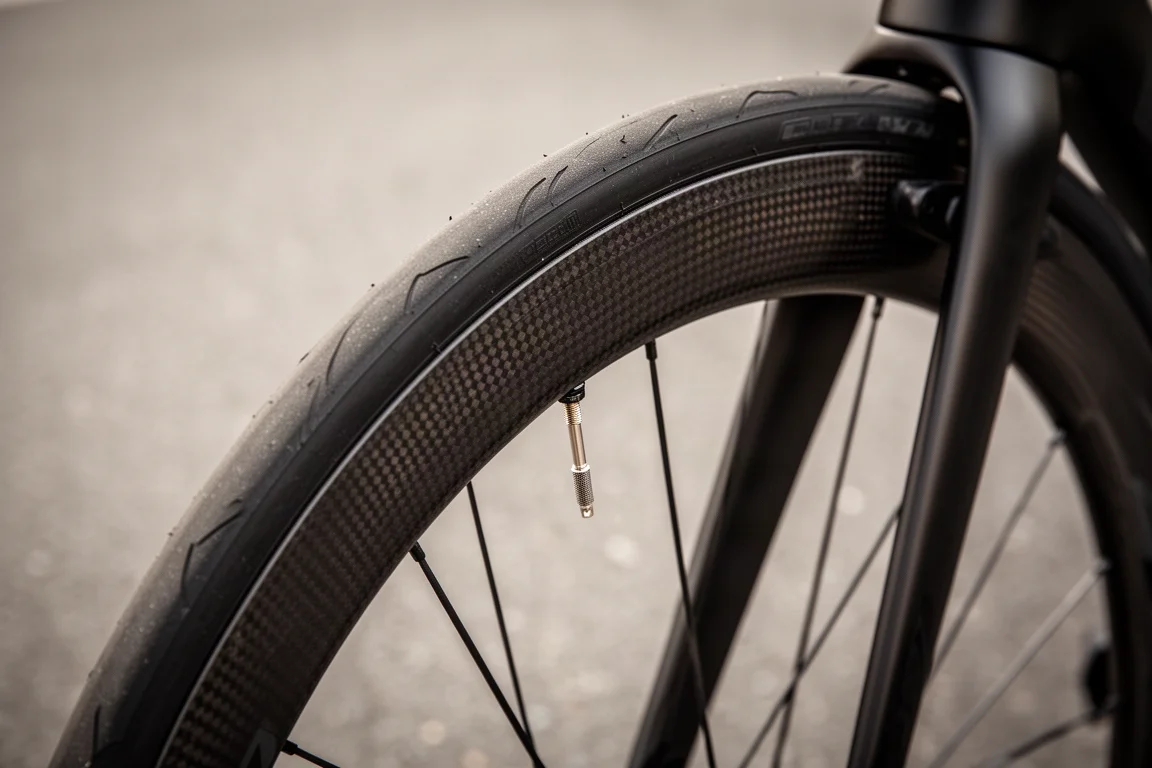
Two design details stand out once you ride it. The first is that the bike is quick, nimble and capable on climbs as well as on the flat. The second is that the head tube has been designed without a steering lock, so the bars keep their full range of movement at low speed. That is a minor detail in a car park and a much bigger one when it is not.
Geometry, Sizing, and Fit
Six sizes are available, from XXS to XL. The range mirrors the old RCR but sits very slightly longer and lower, which is what you would expect from an aero platform.
The smallest size has a reach of 382 mm, which is long. Some competitor aero frames offer a smaller size with a reach in the region of 351 mm. Reach tends to be the limiting factor in whether a rider can fit a bike comfortably, so smaller riders should pay close attention here. The sizing simply does not go as small as some rivals.
Ride Quality and Handling
On the flat, the RCRF feels excellent. It is fast, it holds speed well, and the long geometry feels natural once you are tucked into an aero position. It climbs better than its appearance suggests, and the low weight helps, although the aggressive position means climbing is not where it feels most at home.
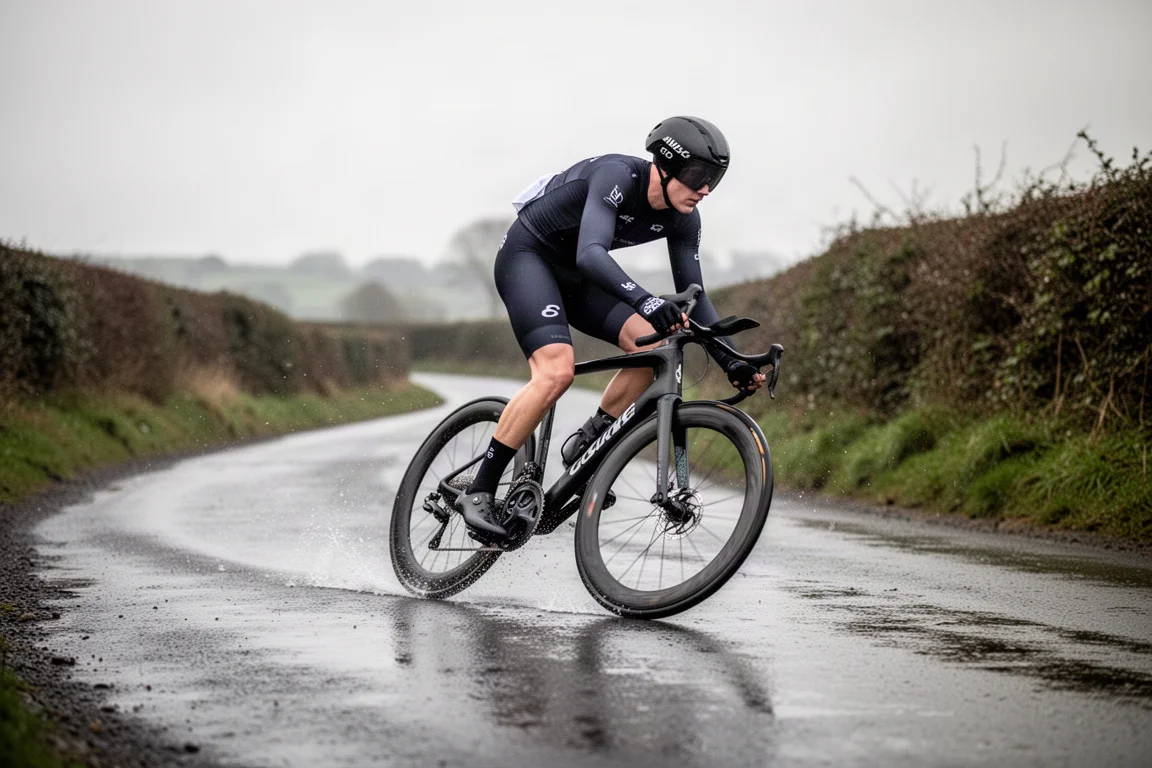
Comfort is the obvious compromise. The tube profiles are enormous and the one-piece cockpit is substantial, and together they transmit a noticeable amount of vibration from rough surfaces. Fitting a neutral alloy wheelset produced the same character, so the sensation comes from the frame and cockpit rather than the wheels. It is far from unrideable and still reasonably comfortable by race bike standards, but it is not buttery smooth over broken tarmac.
Crosswind behaviour is better than the deep rims and bulky frame would suggest. There is some movement in gusty conditions, but the bike tracks predictably rather than feeling unstable.
Things to Consider Before Buying
The shifters are angled noticeably downward as delivered. That position puts the wrist at an awkward angle and would likely become uncomfortable on longer rides, so many riders will want to adjust it before settling into the stock setup.
The top cap is the one component that raises a durability question. It uses a screw accessed from underneath at an angle, and it locks in place awkwardly. Repeated servicing could cross-thread it over time, although for most owners the only regular reasons to touch it are bearing replacement and packing the bike for travel. Removing the seat post for a bike box is straightforward: a wedge slots into place, a single bolt secures it, and a rubber cover tidies the outside.
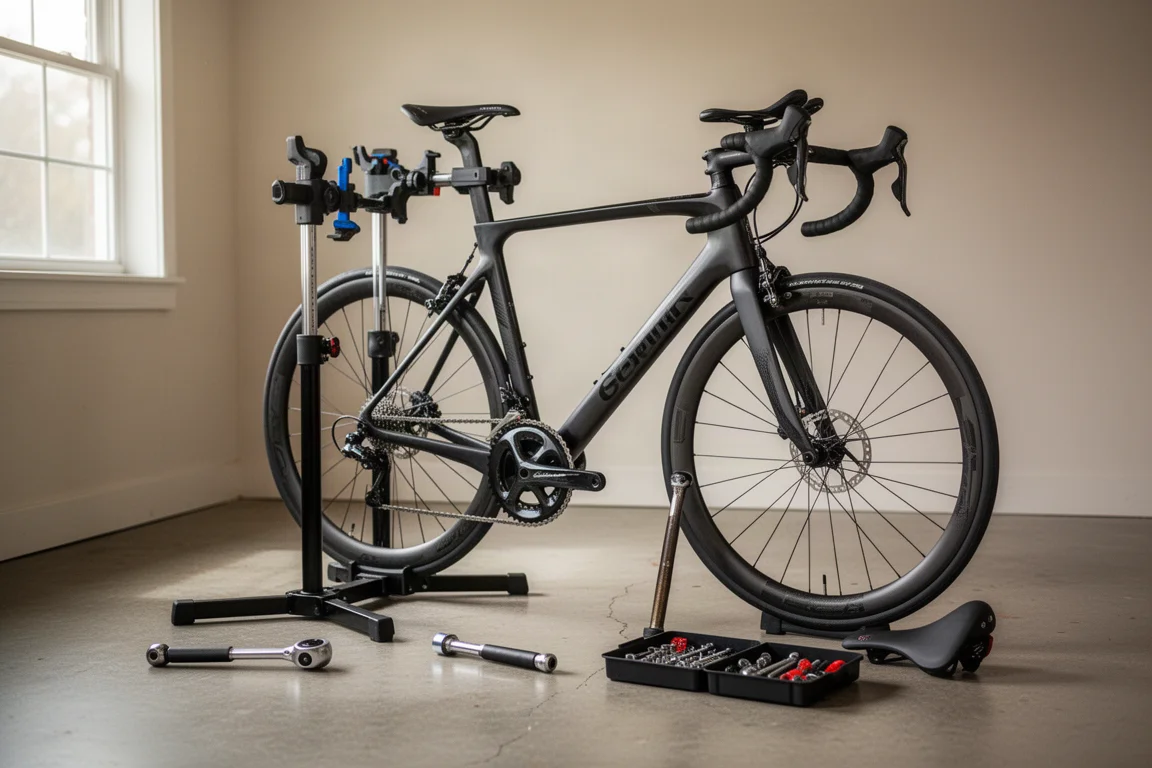
As with most modern race bikes, livability is limited by the integrated bar and stem, internal routing and hydraulic brakes. Servicing is realistic for an experienced home mechanic, but most owners will hand the bike to a shop.
Weight also depends on the paint scheme. A full raw carbon finish is the lightest option, up to 60 g lighter in the larger sizes because there is less paint, and the standard finish leaves parts of the frame unpainted to save weight.
Buying Advice
At €9,500, the RCRF sits in the middle of the top-end aero market. Comparable flagship builds include the Scott Foil Ultimate at £14,699, the Specialized Tarmac SL8 at £12,000, the Cannondale SuperSix Evo Lab71 at £12,500, the Cervélo S5 at £12,500 and the Canyon Aeroad CFR at £9,749. Van Rysel is not the most expensive option here, and it is not the cheapest either.
There is also a broader market shift to consider. Bikes with similar intent are now appearing at much lower prices, including a new Boardman model at £5,500 with SRAM Red. That does not make the RCRF a bad bike, but it changes how the value calculation reads. The Swiss Side wheelset fitted here sells for around £1,396 on its own, a reminder that part of what you are paying for is a genuinely race-proven component set.
If your priority is the fastest possible race bike with a top-tier specification and you can live with the long, low position and the stiff ride, the RCRF is a strong contender. If your budget is tighter or your riding is more varied, there are now credible alternatives well below this price.
Conclusion
The Van Rysel RCRF is a proper race bike. It is fast on the flat, agile in corners, lighter than its bulky profile suggests and equipped to a genuinely high standard. The claims around stiffness and aerodynamic savings are small in absolute terms, but the bike they describe is real, and it rides well.
The caveats are equally real. The fit does not go small enough for every rider, the ride is stiff over rough surfaces, the stock shifter angle needs attention, and the price, while competitive against flagship rivals, is no longer the bargain the brand first became known for. Riders who match the geometry and want a dedicated aero race bike will find a lot to like here.
Product link
View more details for Van Rysel RCRF
This product is mentioned in the review. Check the specifications, options, and compatibility before buying.
View more details for Van Rysel RCRFFurther reading
Related Reviews

Road Bikes
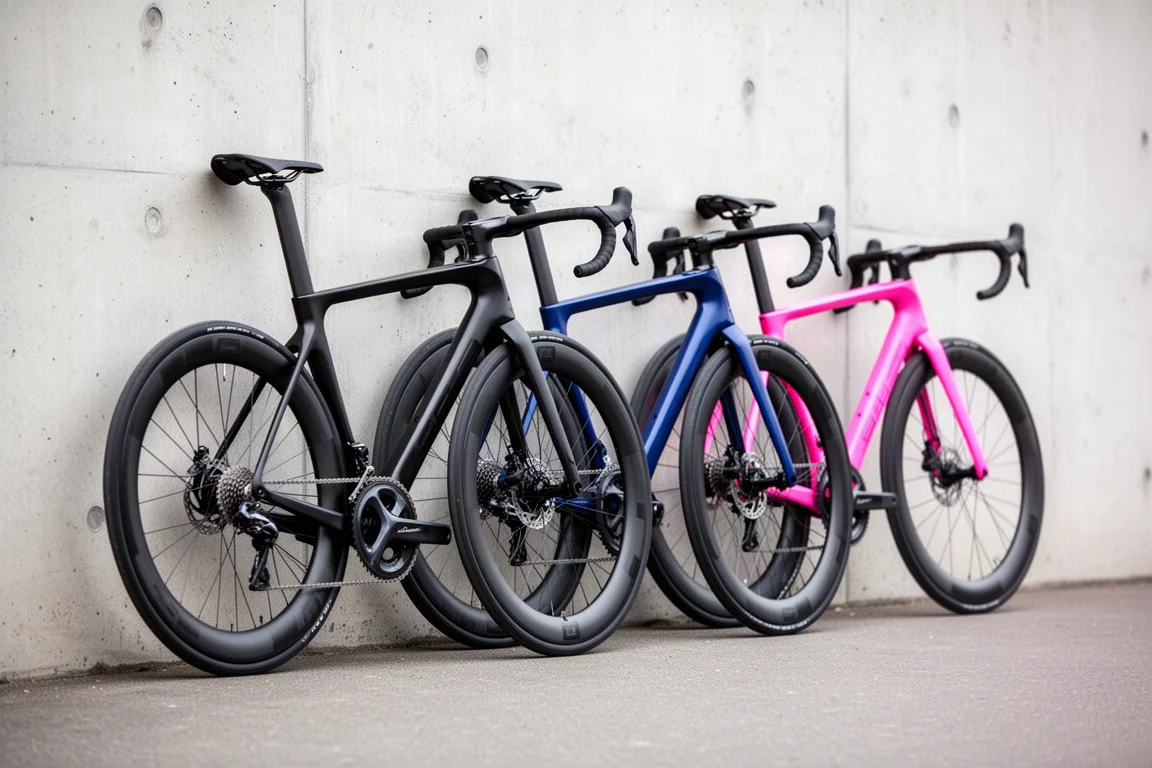
10 New Road Bikes Worth Watching: Aero, Titanium, Steel and Endurance Standouts
A practical roundup of 10 new road bikes, from aero flagships chasing single-watt gains to titanium, steel and endurance platforms built for real roads.
Road Bikes
2026 Tour de France Road Bikes: Six Race Machines Worth a Closer Look
Six race bikes from the 2026 Tour de France grid, reviewed for paint, silhouette, wheels and the specification details that matter to buyers.
Road Bikes
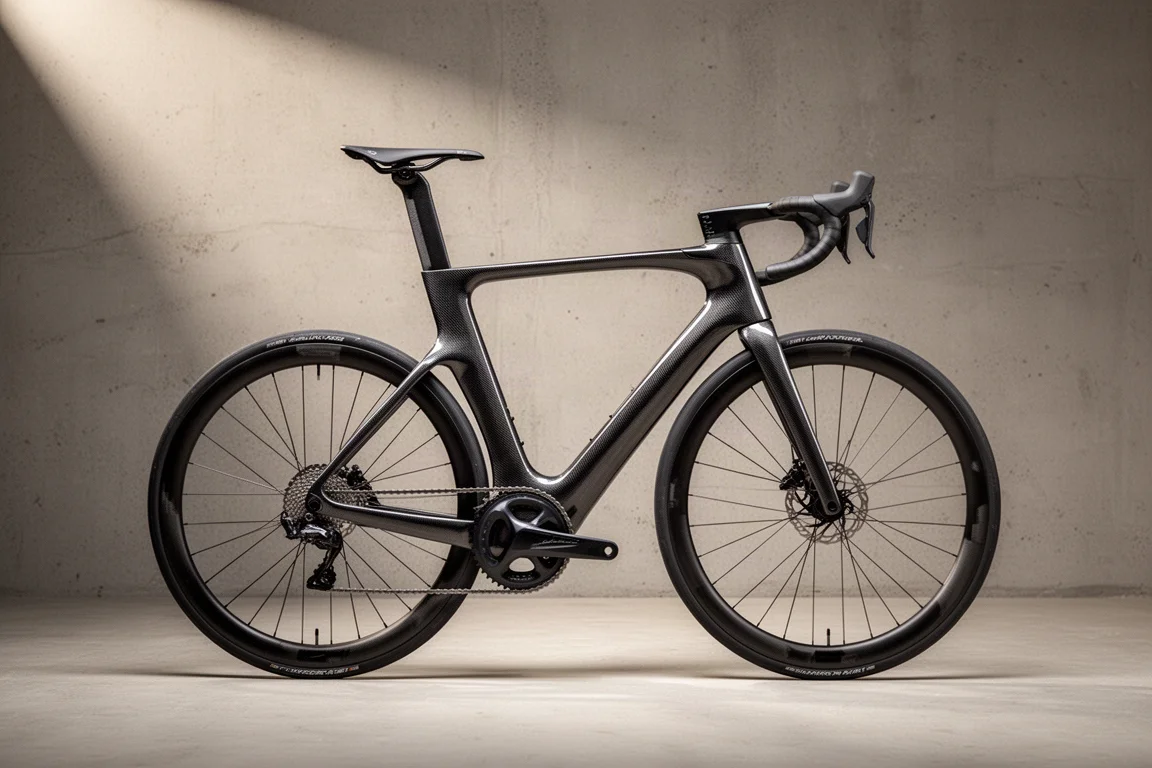
3T Strada Italia Review: A Radical Aero Road Bike That Rides Smooth
A made in Italy carbon aero road bike with a deep head tube, wide tire clearance and a genuinely comfortable ride. Here is what to know before buying.