Road Bikes
Van Rysel RCR vs RCR Pro: Is the Expensive Road Bike Worth It?
The cheapest Van Rysel RCR and the top of the range RCR Pro compared on specification, weight and a timed back to back ride on the same course.
Introduction
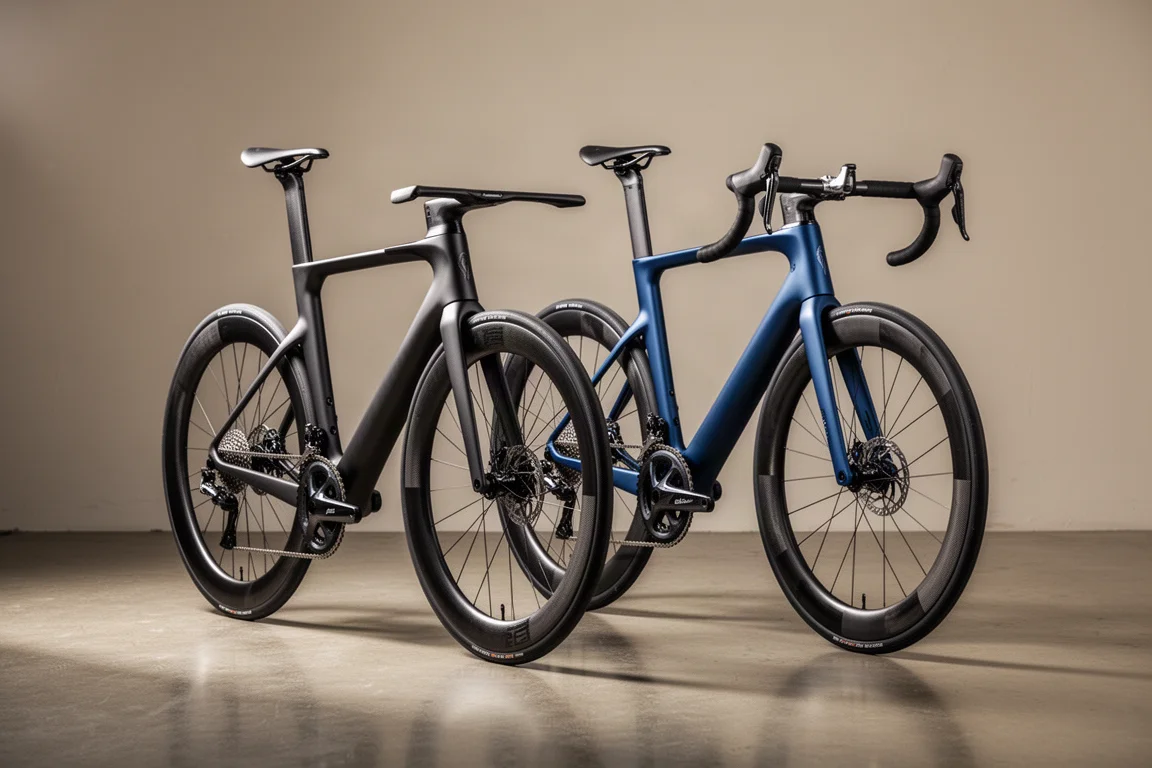
Two carbon aero race bikes from the same range sit at opposite ends of the price ladder. The Van Rysel RCR Pro is the top of the range model, essentially the same bike professional riders use in the Tour de France. The Van Rysel RCR is the cheapest model in the RCR lineup, priced at around £4,000. Half the price does not automatically mean half the performance, so the useful question is where the extra money actually goes and whether a rider would genuinely feel the difference out on the road.
This comparison looks at what changes between the two on specification, weighs them on the same scales, and puts them through a timed run on the same course on the same day.
What Actually Changes Between the Two Bikes
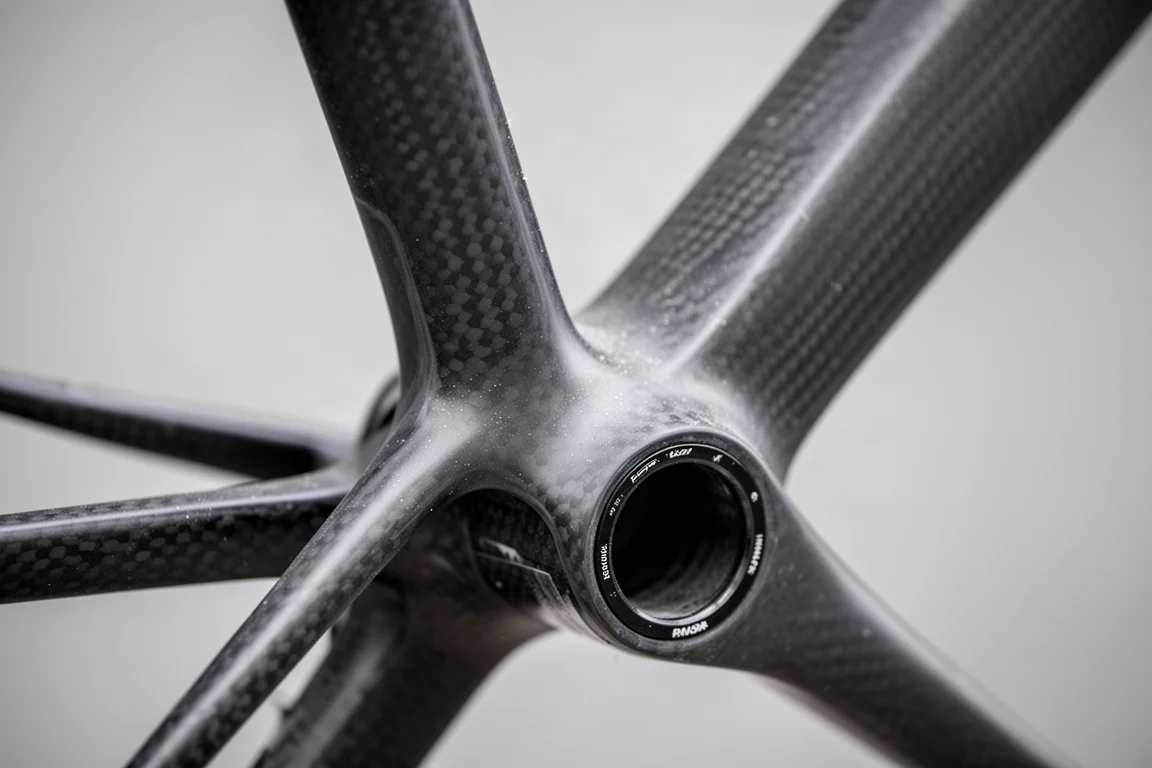
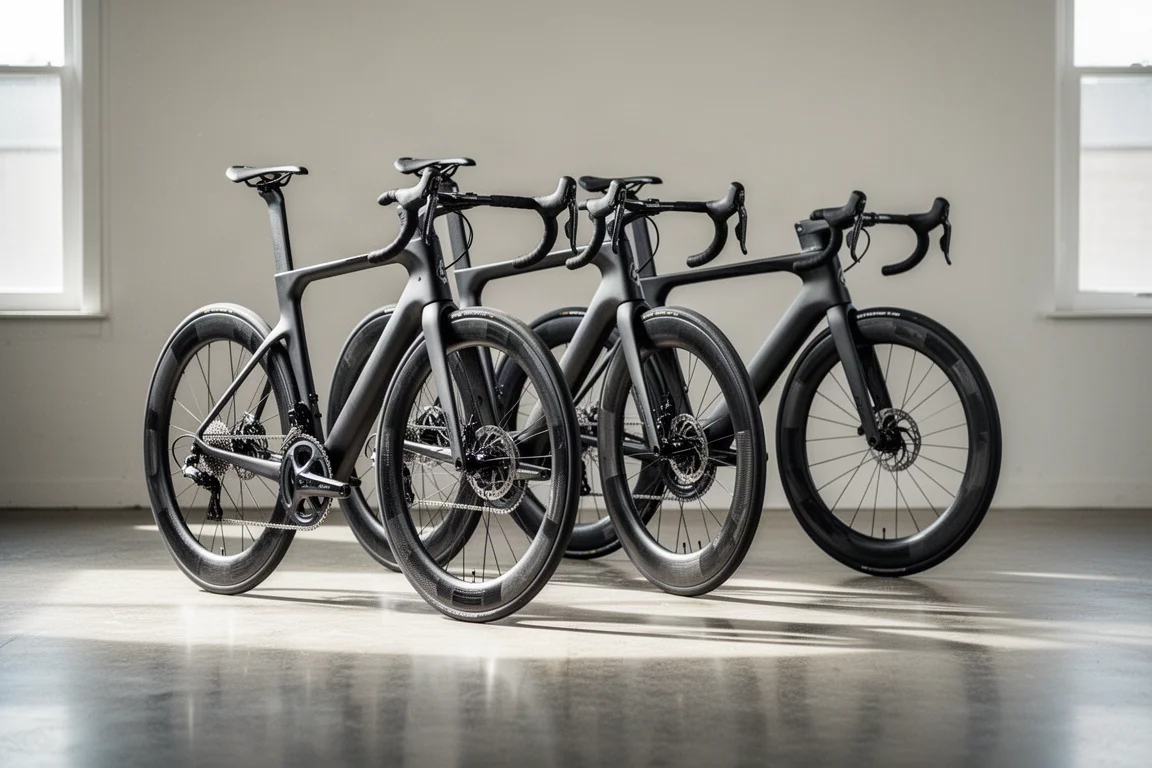
Both bikes are carbon fiber aerodynamic race bikes with the same tube shapes and the same aero profiles. The visible silhouette is nearly identical. Under the paint, the carbon fiber layup is different, and that is what produces the lighter frame on the Pro model. The claimed frame weight is 790 g for the RCR Pro against 840 g for the standard RCR, a gap of just 50 g. That is unusually small. Differences of up to 200 g between an entry level race bike and a top end race bike are common, so the frame alone does not explain the price gap.
The rest of the difference comes from the components bolted to it, and that is where the money is most visible.
Van Rysel RCR Pro: Top of the Range
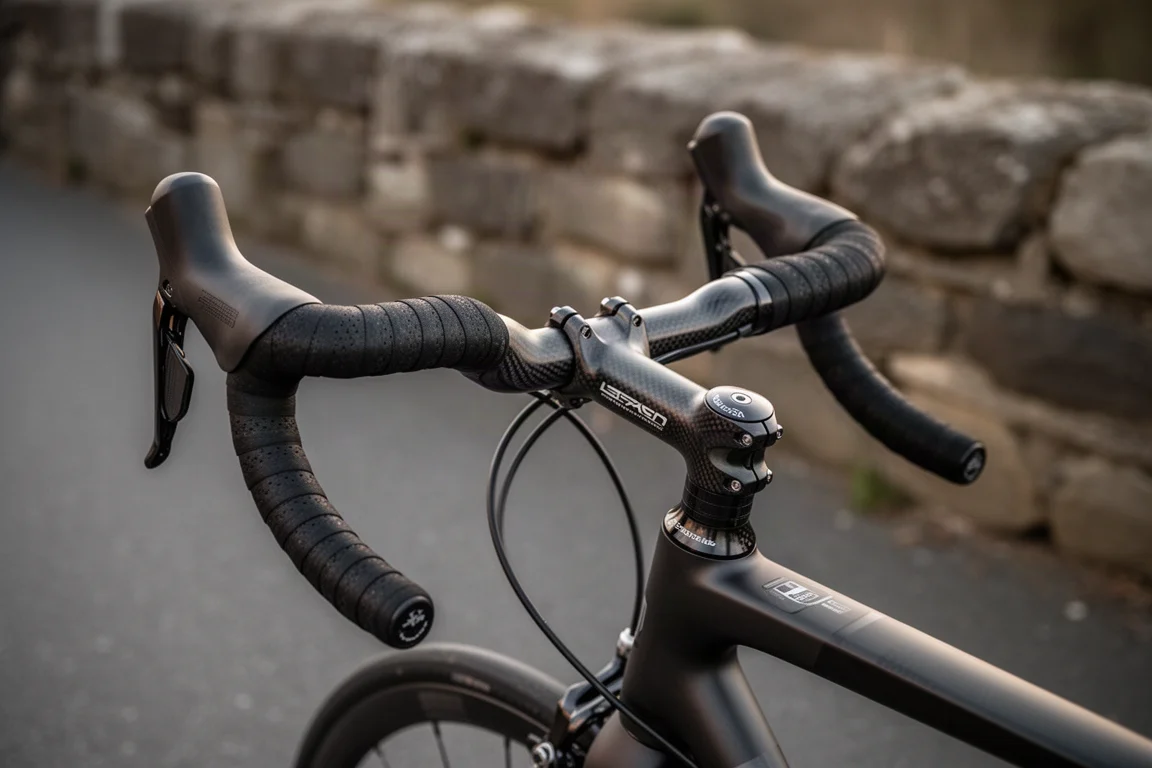
The RCR Pro weighed 7.2 kg on the scales. It runs Shimano’s top tier Dura-Ace Di2 groupset, a top of the range carbon railed saddle, and Van Rysel’s own one-piece carbon fiber aero handlebar and stem. The cockpit is narrow at 36 cm across the hoods, which puts the rider into a more compact and therefore more aerodynamic shape. On rougher roads it also rounded off the bumps a little better than the cheaper bike, though both are stiff race machines rather than comfortable endurance bikes.
Van Rysel RCR: The Cheapest Model in the Lineup
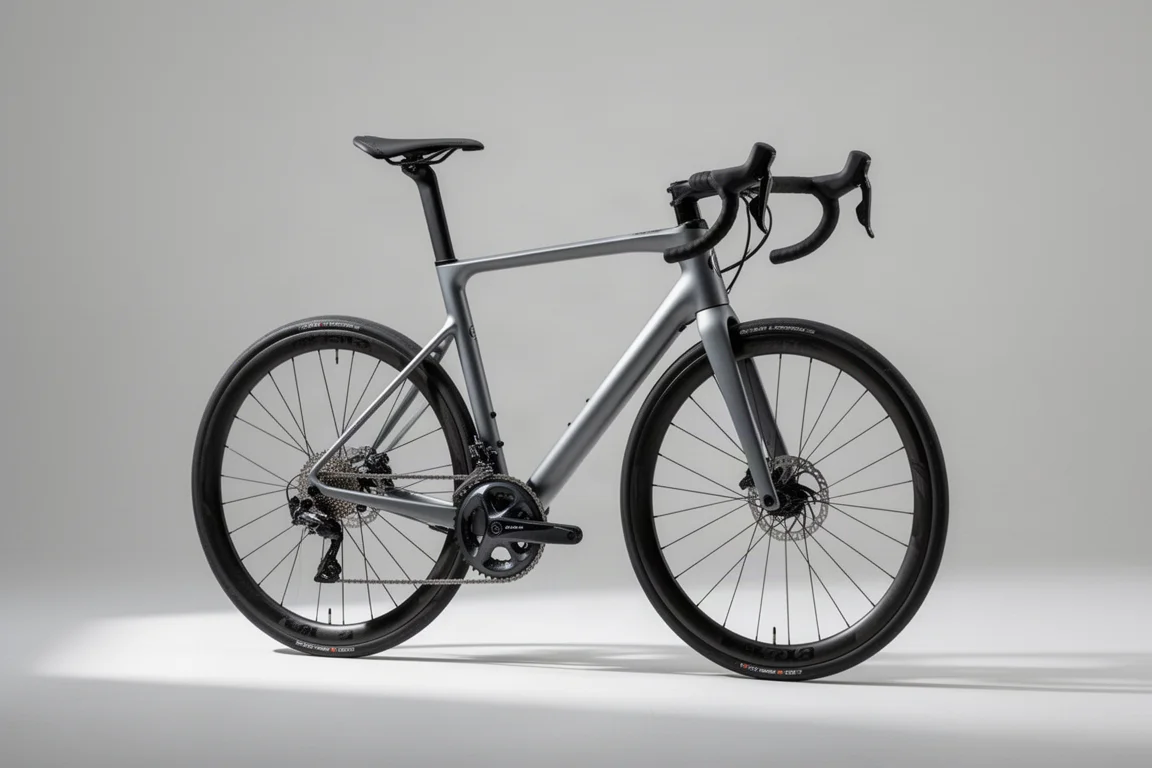
At around £4,000, the standard RCR is still not cheap, but it arrives looking ready to race. It weighed 8.2 kg, one kilogram more than the Pro. It uses SRAM’s third tier wireless groupset, Rival AXS, with wider ratio gearing than the race focused gearing on the Pro. On the opening climb that extra range made it easier to stay in the big ring, and the lower gears make steep climbs more manageable for most riders.
The wheels are carbon fiber but come from Zipp’s entry level range, so they are heavier than the set on the Pro. The saddle does not have carbon rails. The handlebar is carbon fiber, but it pairs with an alloy stem and semi external routing, and it is wide, wider than most race bikes use today. The trade-off is a practical one: the stem is easy to change for a longer or shorter option, which is not possible on the one-piece cockpit of the Pro.

Weighing the Difference
On the scales the gap is one kilogram, 7.2 kg against 8.2 kg. Riders who count grams will notice it, and riders who do not chase times will find it a small gap given the price difference between the two bikes. Both were ridden on 28 mm tires at pressures recommended by the SRAM app, so the comparison was made with the bikes exactly as they come from the shop rather than with a controlled wheel set. That keeps the test honest, because it reflects what a buyer would actually ride away on.
Riding Back to Back: Position, Gearing and Comfort
Ridden back to back on the same roads, the Pro felt quicker, and the narrow one-piece handlebar is the most likely reason. A narrower bar creates a more compact frontal profile, and that is where most of the aerodynamic advantage sits. Tire choice may contribute a small amount as well, since the two bikes ran different high quality tires, and the wheels could differ slightly in wind tunnel performance. The cockpit still stands out as the biggest single factor.
Gearing separated the two bikes in a more practical way. The Pro’s closer ratio gearing kept the rider right on the limit of dropping to the small ring on a steady but tough climb, while the wider range on the RCR made the same climb easier to manage. Each bike is clearly set up with a different rider in mind.
Comfort differences were small. Both are stiff race bikes and neither is especially smooth. The Pro rounded off rough surfaces slightly better, most likely a combination of frame, handlebar, saddle, wheels and tires, but it is the kind of difference a rider would only notice by riding both bikes on the same road on the same day.
Timed Test Results
The timed run on the same course, at the same effort level, produced 31 minutes 3 seconds on the RCR at an average speed of 27.7 km/h, and 29 minutes 34 seconds on the RCR Pro at an average speed of 29.1 km/h. The expensive bike is faster, which is not surprising, but the size of the margin is the interesting part. It is a real and repeatable gain, not a transformation, and it comes at roughly double the price.
Buying Advice: Where the Real Value Sits
Whether a top of the range race bike is needed is a different question from whether it is wanted. For professional riders and serious racers, the faster bike has a clear purpose. For most riders this is a hobby, chosen for fun, fitness and the enjoyment of riding, and the honest answer is that the entry level RCR delivers the race geometry, the handling and the looks that make a fast road bike fun. With a few changes, it could be brought close to the pace of the top end bike for much less money.
The strongest value in the range sits between the two. A mid-range model with a pro level frame, and therefore the better carbon fiber, paired with an Ultegra Di2 groupset offers the lighter frame and a strong component set without the top tier price. That is the version that makes the most sense for a rider spending their own money.
Conclusion
The Van Rysel RCR Pro is the faster and more refined bike, and the one kilogram weight advantage, the narrow cockpit and the top tier groupset explain most of the price gap. The standard RCR is a genuinely capable race bike with friendlier gearing and an easier cockpit to live with, and it gives up less performance than its price suggests. Riders chasing every second should look at the Pro, riders who want a race bike they can enjoy and adapt should look at the RCR, and riders who want the best balance of both should look at the middle of the range.
Further reading
Related Reviews

Road Bikes
10 New Road Bikes Worth Watching: Aero, Titanium, Steel and Endurance Standouts
A practical roundup of 10 new road bikes, from aero flagships chasing single-watt gains to titanium, steel and endurance platforms built for real roads.
Road Bikes
2026 Tour de France Road Bikes: Six Race Machines Worth a Closer Look
Six race bikes from the 2026 Tour de France grid, reviewed for paint, silhouette, wheels and the specification details that matter to buyers.
Road Bikes
3T Strada Italia Review: A Radical Aero Road Bike That Rides Smooth
A made in Italy carbon aero road bike with a deep head tube, wide tire clearance and a genuinely comfortable ride. Here is what to know before buying.