Road Bikes
Van Rysel RCR Review: A Pro-Level Race Bike Aimed at a Wider Audience
A close look at the Van Rysel RCR, the Decathlon AG2R La Mondiale team race bike built around a wind-tunnel-informed frame, Shimano Dura-Ace and Swiss Side wheels.
Introduction
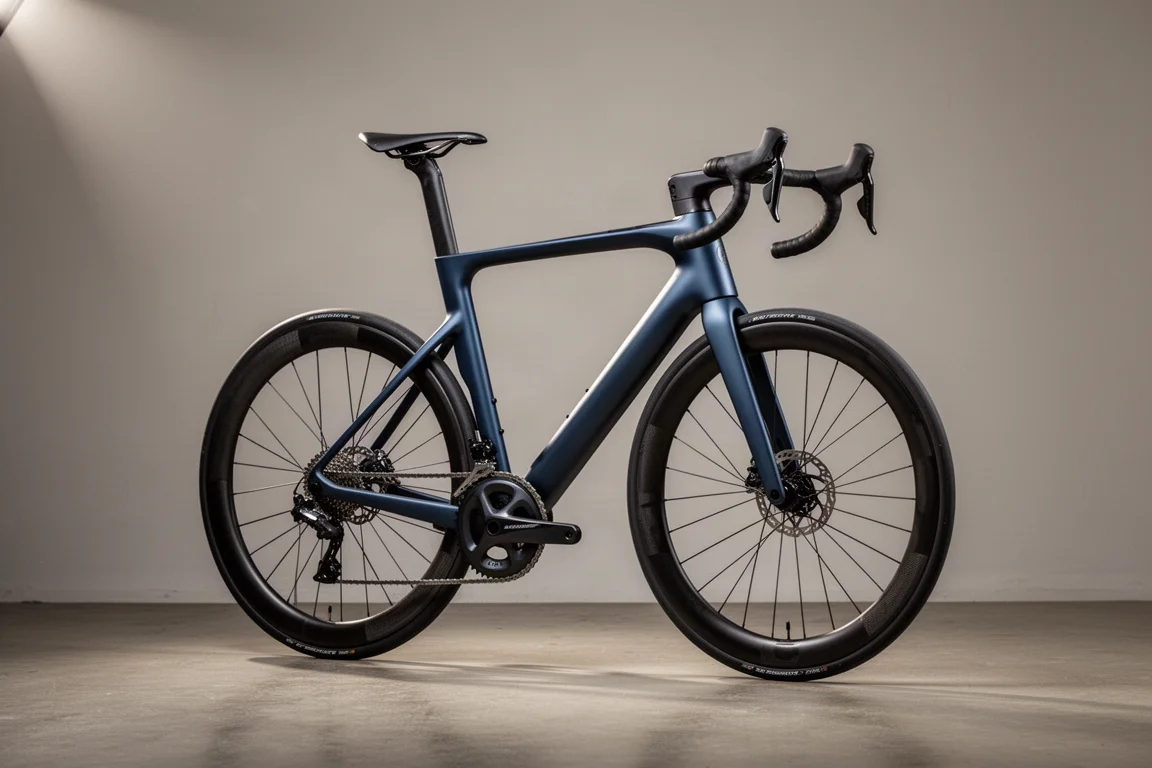
The Van Rysel RCR is the bike the Decathlon AG2R La Mondiale team races on, and it arrives with a straightforward pitch: genuine pro-level road performance at a more approachable point in the market. Pricing for dollar markets has not been confirmed, but early indications point to a figure just north of $10,000. If that holds, the RCR would sit among the more attainable race bikes at this level, though final numbers are still an open question.
The specification is not a watered-down version of a team build. Shimano Dura-Ace, Swiss Side wheels and a frame shaped with wind tunnel input are all part of the package, and the finishing kit comes from established names rather than anonymous in-house parts.
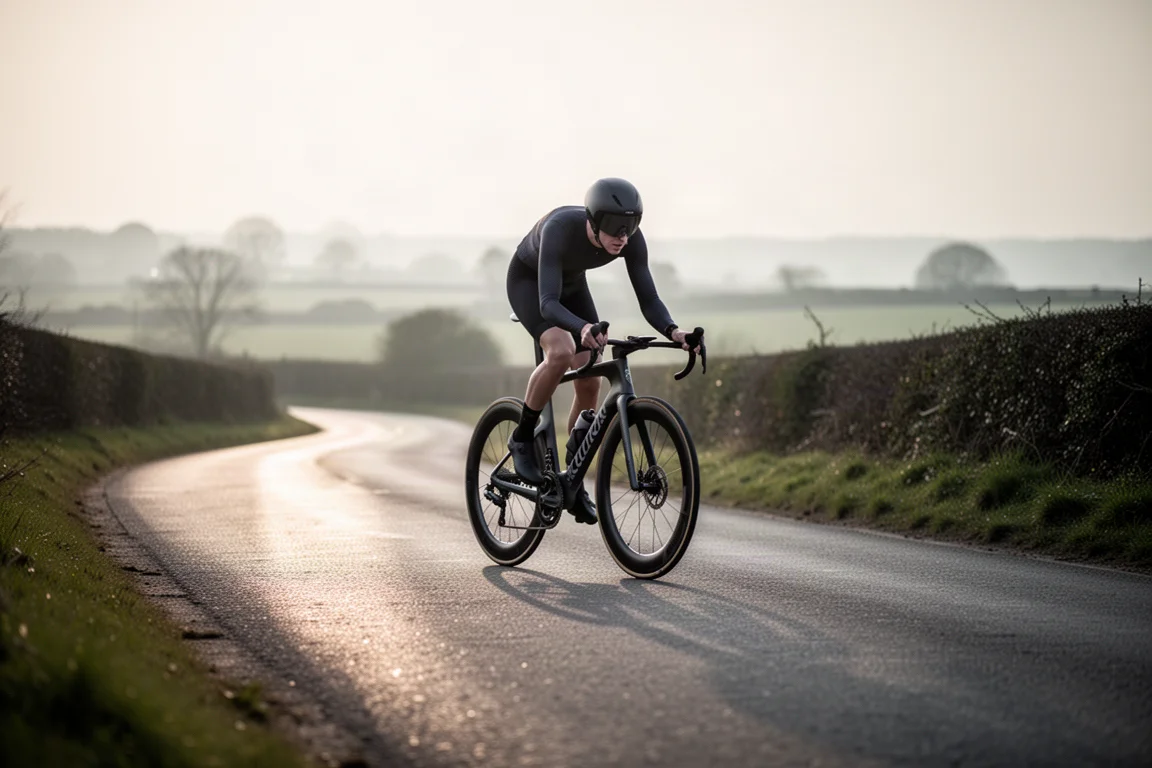
For anyone who follows the sport closely, the more interesting story is the frame itself. The silhouette will look familiar, echoing the all-rounder aero climbing platforms that have become the default shape for race bikes in recent seasons, and the details suggest the design brief was performance first rather than cost first.
Who the Van Rysel RCR Is For
This is a bike aimed at riders who want a single machine that covers most of what road racing and fast riding demand. The geometry and build point toward competitive riders, fast group rides and long days where aerodynamics and low weight both matter.
It also makes sense for the rider who has been watching the team and wants the same platform, rather than a detuned lookalike. The component list reads like a race build, which means the RCR is a reasonable starting point for anyone who would otherwise be pricing up a frameset and sourcing parts separately.
Where it makes less sense is for riders who prioritise outright tyre volume, bikepacking luggage mounts or a relaxed endurance position. The RCR is shaped around speed, and its priorities sit firmly on the racing side of the spectrum.
Main Strengths
The strengths of the RCR come down to three things: a frame developed with aerodynamic testing rather than guesswork, a race-ready drivetrain, and a wheel and tyre package that has clearly been matched as a system.
Frame and Aerodynamics
The front end uses a slim head tube with a very flat profile at the back, paired with a deep down tube. The fork blades are unusually deep for an all-rounder road bike and sit close to the wheel, a tighter arrangement than the wider fork spacing some brands have moved toward.
Further back, the seat tube is heavily sculpted and leads into a notably deep seat post, with dropped seat stays and a chunky bottom bracket junction flowing into substantial chainstays. Those are recognisable hallmarks of a design that has spent time in a wind tunnel, and the brand has worked with Swiss Side’s wind tunnel facility during development.
The tube shapes are not simply about straight-line speed either. The way the fork crown and down tube are shaped is intended to move air cleanly through an area that is usually turbulent, which matters at the speeds a race bike actually travels at.
Wheels, Tires and Drivetrain
Swiss Side supplies the wheels, and the Hadron 625 is the model fitted here, with the shallower 500 and deeper 800 available for different conditions. The tyres are 28 mm Continental Grand Prix 5000 S TR in a tubeless setup, and the rim-to-tyre transition looks deliberately smooth, which suggests the wheelset was optimised around this tyre.
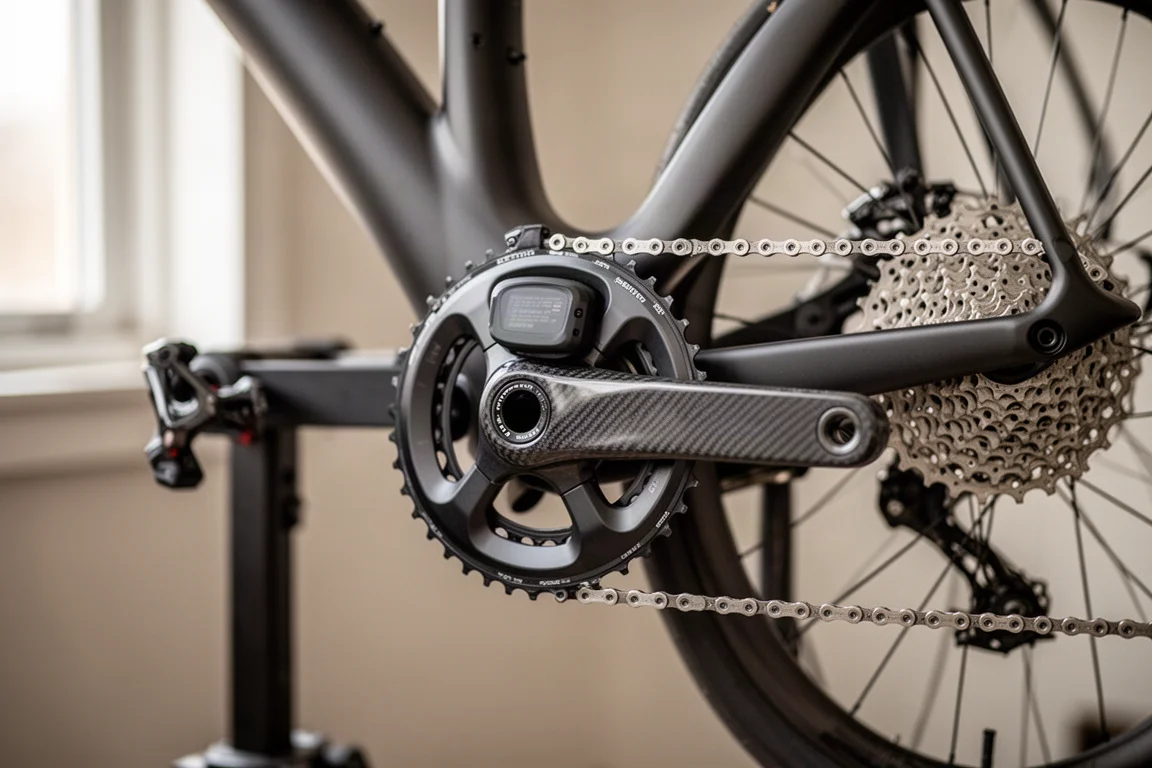
The drivetrain is Shimano’s 12-speed Dura-Ace, with wireless shifting, hydraulic disc brakes and the newer CL rotors. The chainset runs 54/42 chainrings, larger than the direction much of the industry has taken, paired with an 11-32 cassette that restores a wide spread of gears at the back. There is also a Shimano power meter fitted up front.
Notably, the rear derailleur is the standard Shimano unit rather than a ceramic-bearing upgrade, so the drivetrain stays close to what the manufacturer intended rather than chasing marginal watt savings.
Cockpit and Finishing Kit
The cockpit is an integrated unit from Deda, with all cables routed down through the head tube, which is now the norm on race bikes at this level. The finishing touches come from Fizik for the bar tape and saddle, while Wahoo supplies the head units and Look provides Keo Blade carbon pedals.
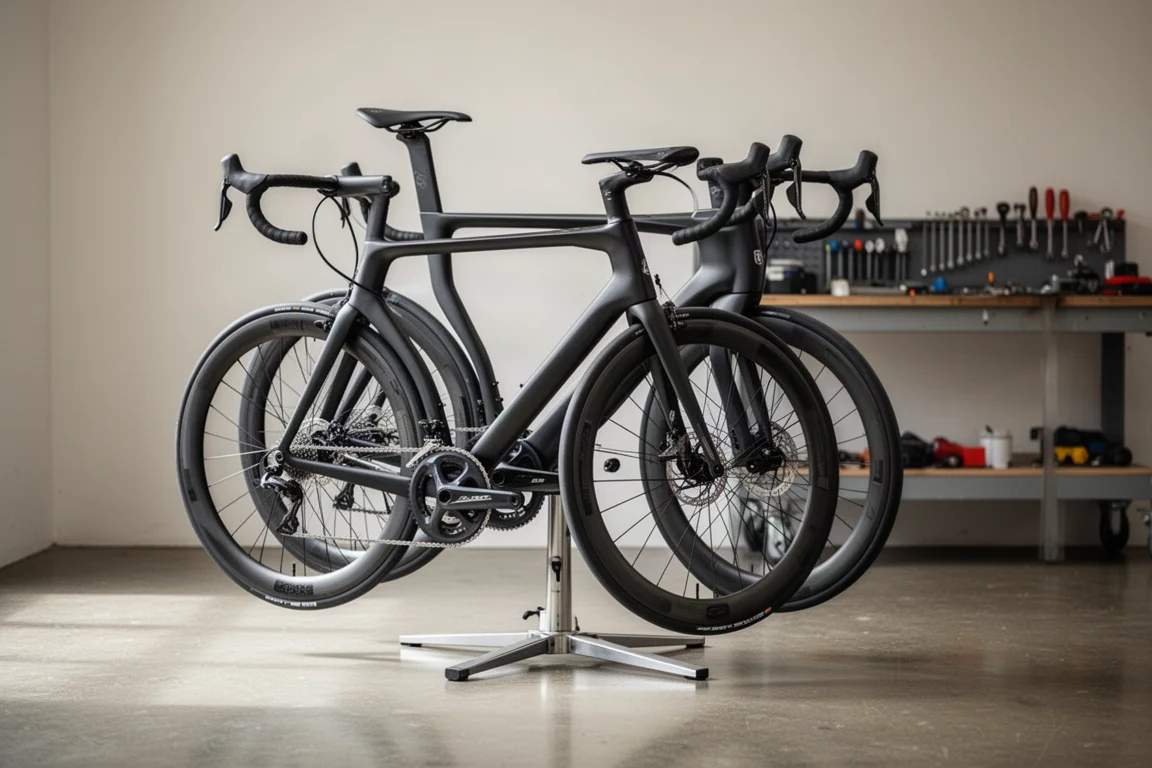
Taken together, this is a coherent build rather than a collection of parts chosen to hit a price. Every contact point is a known quantity, which is reassuring for riders who plan to race the bike rather than simply own it.
Things to Consider Before Buying
The most obvious consideration is pricing. Dollar pricing has not been confirmed, and the figures circulating are indications rather than confirmed retail numbers. Anyone budgeting around a specific figure should wait for official confirmation.
Tyre clearance is worth checking carefully. The RCR ships with 28 mm tyres, and there appears to be plenty of room at the rear for riders who want to move up to 32 mm. Up front the fork hugs the wheel much more tightly, so the front end is the limiting factor. Riders who like to run wider rubber, or who ride surfaces where extra volume helps, should look at the front clearance closely before committing.
Finally, this is a race-oriented platform. It is built around speed, not comfort-first geometry or luggage capability, and that shapes who will get the most out of it.
Buying Advice
The RCR is most compelling for riders who want a current-generation race platform with a specification they will not feel the need to change immediately. Dura-Ace, a power meter, matched tubeless wheels and an integrated cockpit cover the essentials, and the wind-tunnel development work behind the frame is the kind of detail that tends to hold its value over a season or two.
If your budget is fixed, it is worth waiting for confirmed pricing before deciding, because the appeal of this bike depends heavily on where it lands relative to established race bikes. If the figure comes in near the indications, the RCR will be a genuinely interesting proposition rather than a curiosity. The same wind tunnel collaboration also informs the team’s time trial platform, which says something about how seriously the brand has approached this project.
Riders who want wider tyre clearance, a more upright position or mounting points for luggage should look at an endurance platform instead. For everyone else, the RCR is a bike worth putting on a shortlist once final pricing is published.
Conclusion
The Van Rysel RCR is a properly specified race bike with a frame that has been shaped with real aerodynamic development behind it. Shimano Dura-Ace, Swiss Side wheels and a matched tubeless tyre setup give it a credible race-day build, and the frame details show clear intent rather than styling.
The open questions are price and front tyre clearance. If the confirmed pricing lands close to the early indications, the RCR should be one of the more accessible ways into a current pro-level road platform. Riders who need more tyre volume or a comfort-first ride should look elsewhere, but for those chasing speed on tarmac, this is a compelling package.
Product link
View more details for Van Rysel RCR
This product is mentioned in the review. Check the specifications, options, and compatibility before buying.
View more details for Van Rysel RCRFurther reading
Related Reviews

Road Bikes
10 New Road Bikes Worth Watching: Aero, Titanium, Steel and Endurance Standouts
A practical roundup of 10 new road bikes, from aero flagships chasing single-watt gains to titanium, steel and endurance platforms built for real roads.
Road Bikes
2026 Tour de France Road Bikes: Six Race Machines Worth a Closer Look
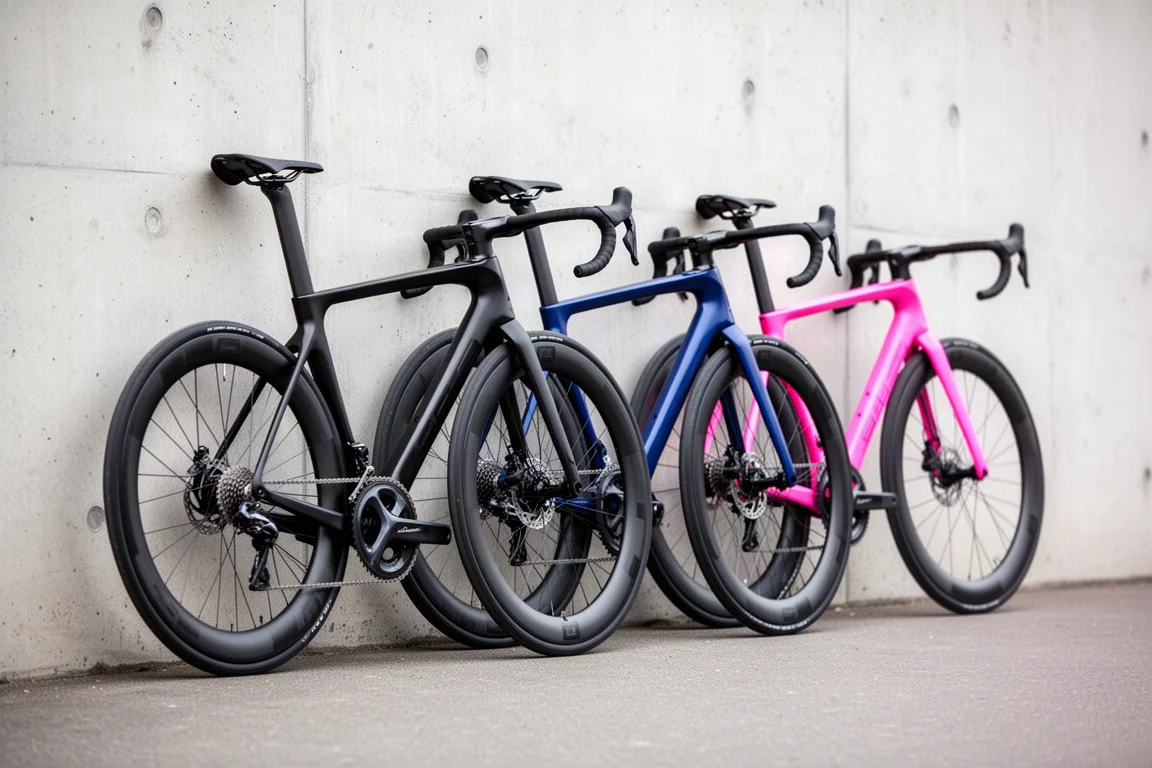
Six race bikes from the 2026 Tour de France grid, reviewed for paint, silhouette, wheels and the specification details that matter to buyers.
Road Bikes
3T Strada Italia Review: A Radical Aero Road Bike That Rides Smooth
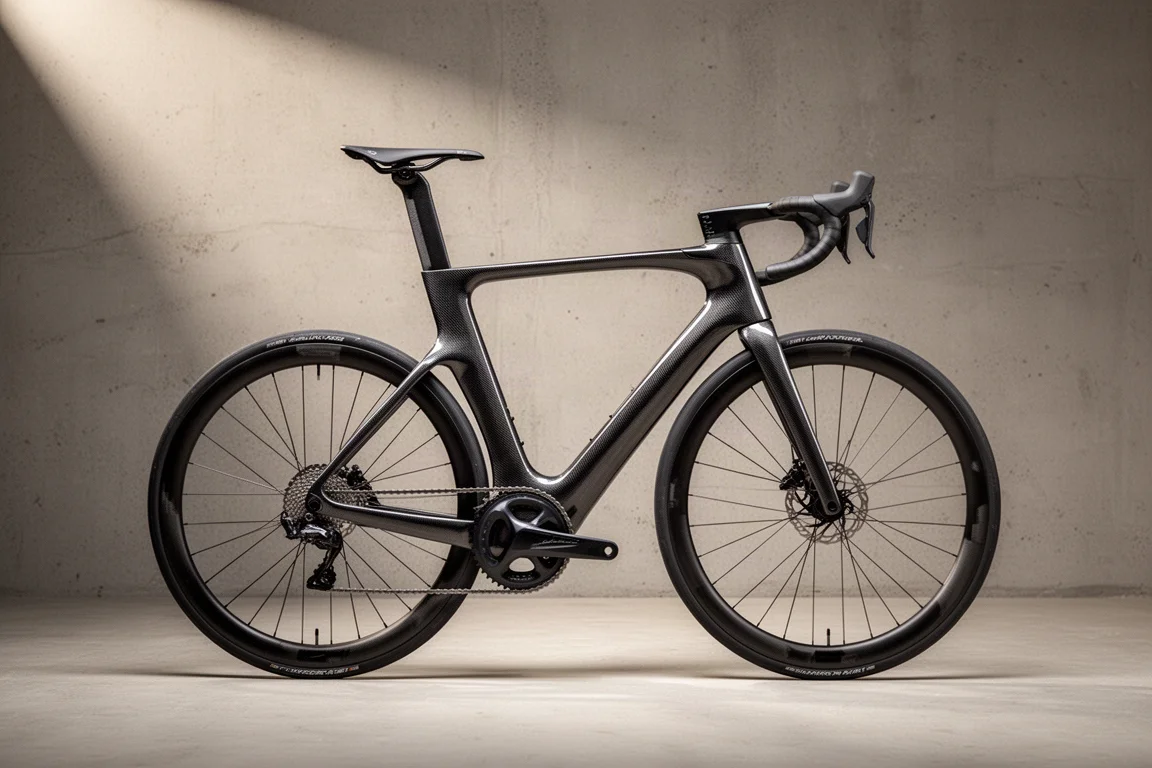
A made in Italy carbon aero road bike with a deep head tube, wide tire clearance and a genuinely comfortable ride. Here is what to know before buying.