Road Bikes
Van Rysel RCR Pro Review: World Tour Race Geometry at a Sharper Price
A close look at the Van Rysel RCR Pro, the AG2R team race platform, covering ride feel, frame weight, sizing quirks, and where the pricing sits against comparable flagship builds.
Introduction
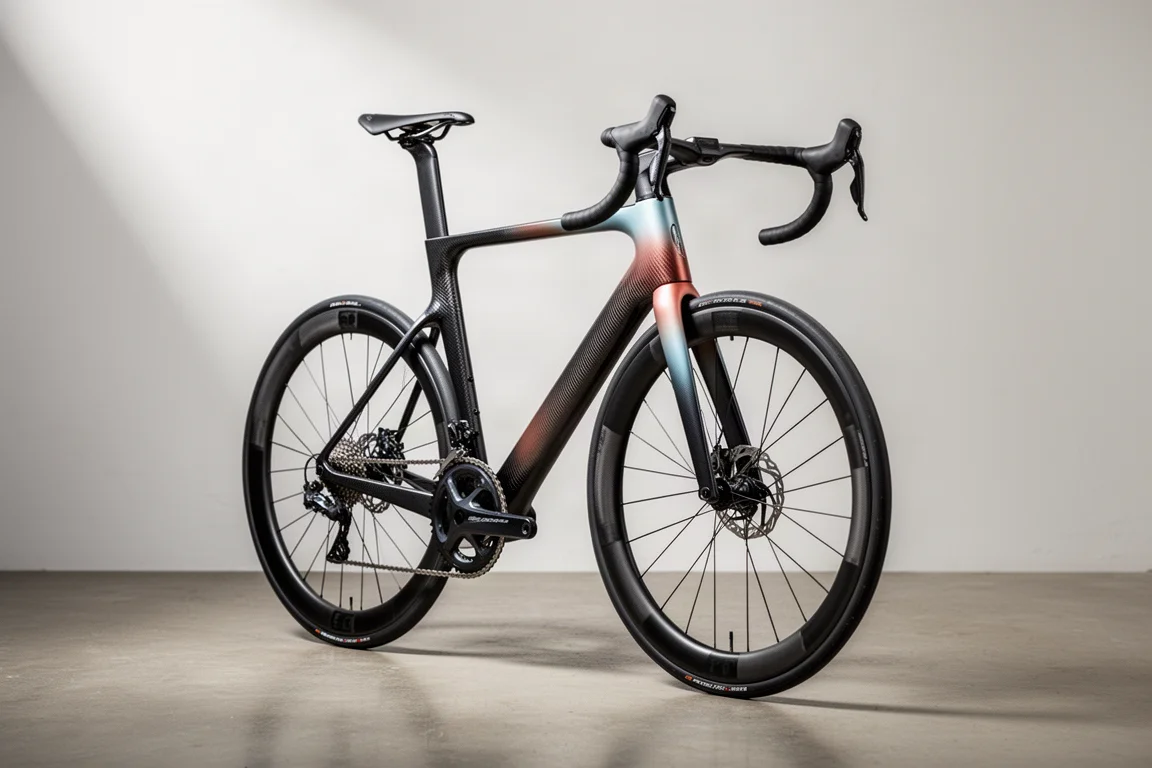
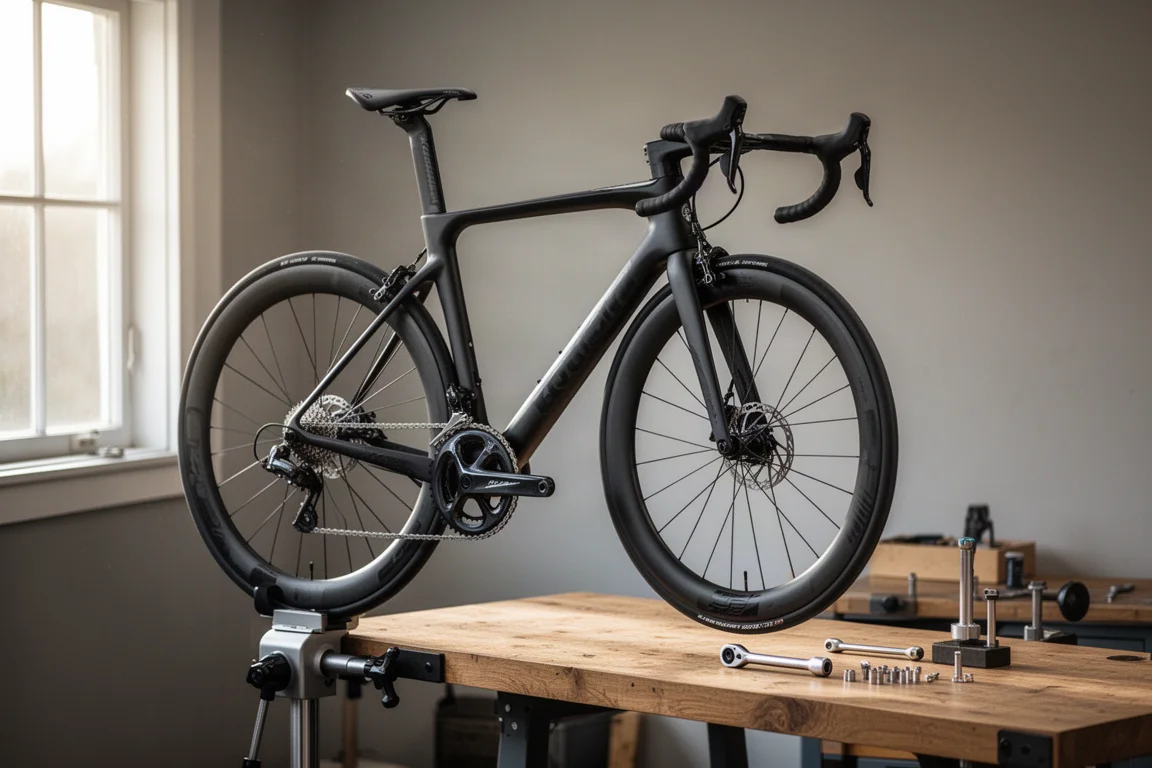
The Van Rysel RCR Pro is not a badge-engineered approximation of a race bike. It is the same platform raced by the AG2R team, and it has been ridden for around seven weeks on smooth city tarmac as part of a long-term assessment. That matters, because the RCR Pro is a significant departure from what most riders expect from this brand, which has traditionally built its reputation on accessible, entry-level and mid-range machines.
The headline is the price. The top-end SRAM Red build is listed at around £8,500, and that figure covers a power meter, deep carbon wheels, a top-end finishing kit and the highest grade of carbon fibre available for the frame, the same layup used on the team bike. For context, similarly specified flagship race bikes sit higher: the Specialized Tarmac SL8 at £12,000, the Trek Madone SLR 9 at £12,300, the Cannondale SuperSix Evo around £10,500, and the Canyon Aeroad CFR at £8,999.
Other builds fill out the range. A top-end carbon RCR Pro with Ultegra Di2 and carbon wheels is listed at £5,500, and the frameset alone is offered at around €2,500 for the highest grade of carbon fibre. That is an unusually aggressive position for a bike at this level.
Who This Bike Is For
This is a race bike, and it behaves like one. The geometry is long and low, designed around professional racing rather than weekend comfort. The extra small frame, for example, has a top tube of roughly 53cm, and a rider around 5’10” spent the whole test period on that size and was happy on it.
That makes the RCR Pro a strong fit for competitive riders, criterium racers and anyone who genuinely wants a Tour-level position. It is a less natural fit for riders who want a relaxed, upright posture or who ride primarily for leisure. For that audience, the brand already offers an endurance line called EDR, which it describes as blending speed with endurance-oriented geometry.
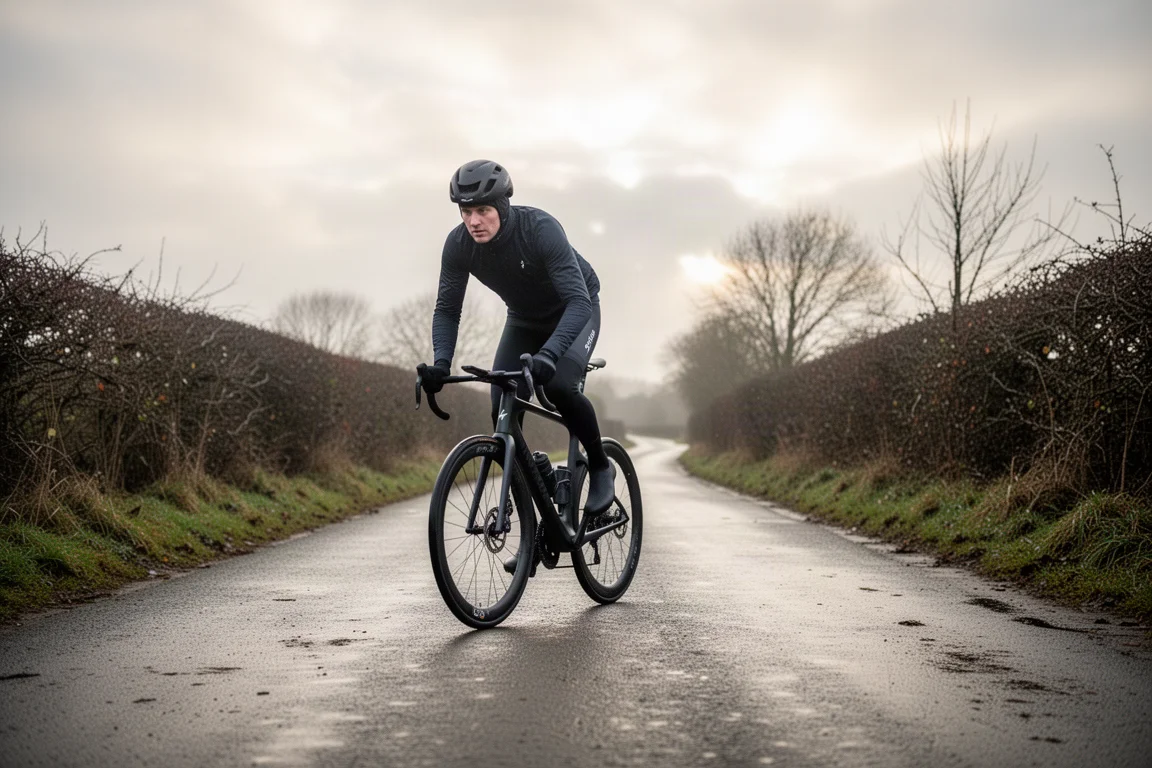
If you are honest about your flexibility and the kind of riding you actually do, the decision becomes much clearer. The RCR Pro rewards riders who can hold an aerodynamic position and want the bike to feel fast underneath them.
Main Strengths
Ride Feel, Stability, and Handling
The RCR Pro corners with real confidence and responds sharply in a sprint. What stands out most is stability. With 50mm deep wheels fitted and gusty, genuinely windy conditions outside, the bike stayed composed and predictable. That is not always the case with aggressively aero-optimised frames, which can feel unsettled when the wind picks up. Here the balance sits in a happy middle ground, and the bike feels settled rather than nervous.
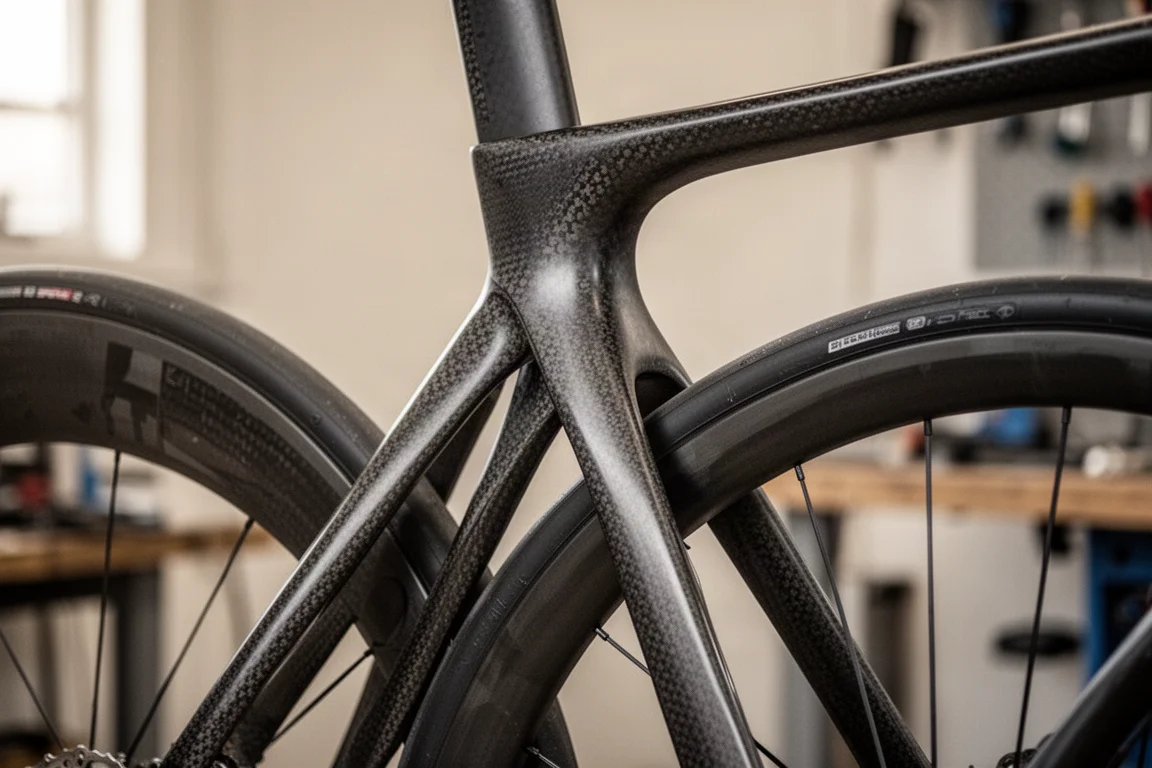
The wheelset is a Swiss Side Hadron model at 50mm depth, designed to work best with 25mm tyres, which sit flush against the rim. Importantly, these are hooked rims rather than hookless, so the tyre is mechanically retained by a small hook profile and you are not restricted to the low pressures that hookless designs often demand. Even so, a maximum pressure of 102 PSI is recommended when running tubeless. The Continental GP5000 tyres fitted here felt grippy, fast and supple, and delivered no punctures over the test period.
Frame, Weight, and Component Notes
The RCR frame weighs around 790g, roughly comparable to a Tarmac SL7. Weight has been trimmed elsewhere too: the through axles come in at about 30g each and the seat post clamp at 23.2g. An even lighter unpainted raw carbon version of the frame is also offered.
The difference between the standard RCR and the RCR Pro comes down to weight and stiffness. The Pro layup is 30 to 50g lighter depending on size and is stiffer, while the aerodynamic properties are the same across both. The brand positions the RCR Pro as an aero-light bike, sitting between a pure aero frame and a pure climbing frame rather than at either extreme.
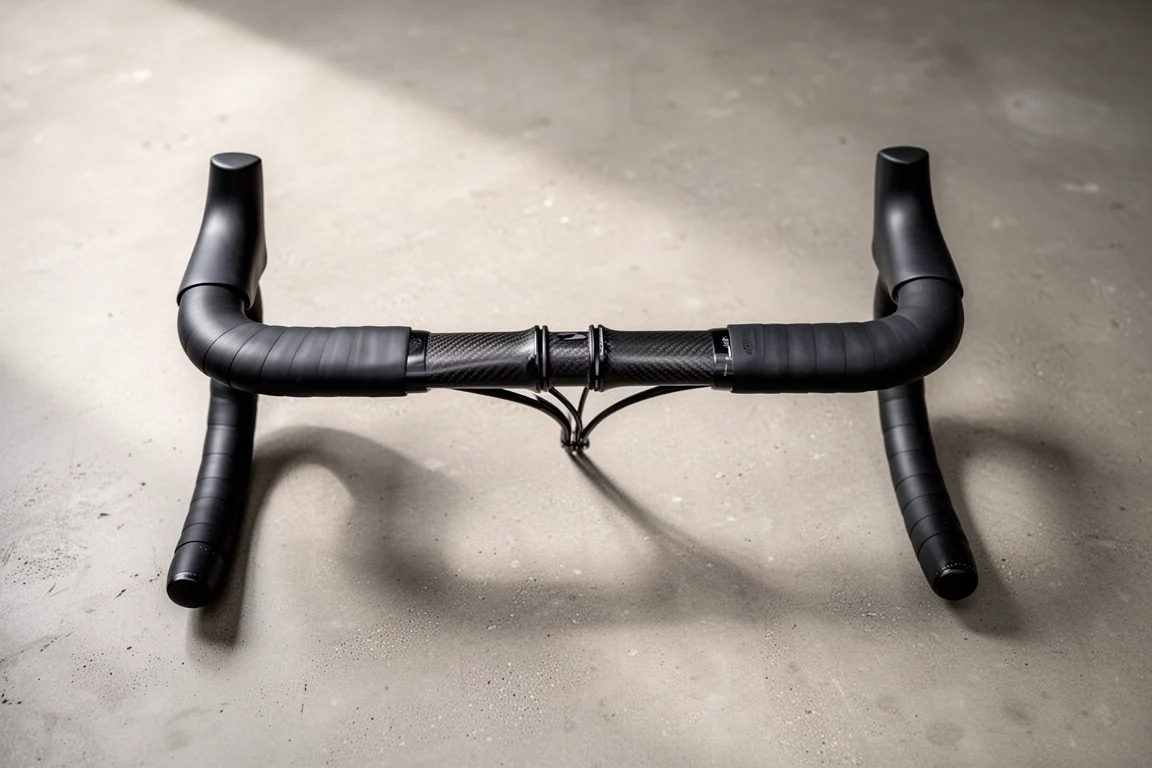
The cockpit is a custom unit developed for Van Rysel with aero specialists, and the ergonomics are a genuine highlight. The tops are smooth and comfortable in the hand, which matters on long rides when you spend extended time resting there. The saddle on the team-spec build is a Fizik Vento Argo with a 3D-printed centre section. It is a short-nose design with a soft, compressible pressure relief channel that still provides support if you sit slightly off-centre. The wings are on the wide side and can brush the legs, which pushed the test rider toward the nose of the saddle more than ideal, so a narrower option may suit some riders better.
Alongside the bike, the brand also offers a lightweight road helmet at around £70 with a magnetic buckle and an easy one-handed retention dial, plus matching glasses at around £50 with a lighter frameless version available. Both are sensible additions if you are building a complete race kit.
Things to Consider Before Buying
Sizing is the one area that generated real debate, and it deserves attention. The geometry is long and low because it is a professional race bike, and the size labels do not map neatly onto what most riders expect. An independent bike fitter’s view was that the extra small would more sensibly be called a small, and a small called a medium. This is not unique to this brand, and some manufacturers have dropped small, medium and large labels entirely in favour of numbers precisely to push buyers toward reading the geometry tables.
The practical advice is simple: look at the top tube length rather than the label. Compare it with your current bike and base your decision on that number. Riders who need a shorter, more upright position should be looking at endurance geometry instead, and the brand has confirmed that an EDR endurance line already exists in the range for exactly that purpose.
Availability is worth checking in your market before committing. The frameset is sold separately, including frame, fork, stem, headset and seat post, which is uncommon for a brand at this price point and useful if you already have components you want to carry over. Distribution is not uniform worldwide, and test ride programmes are still limited, so it is worth confirming what is available locally.
Buying Advice
Start with the question of geometry rather than price. If you race, or you ride fast in groups and can hold a long, low position, the RCR Pro delivers a genuine World Tour platform. If your priority is comfort over long distances, the endurance-oriented EDR line is the more appropriate choice, and the brand is clear that endurance and speed are not mutually exclusive in its design thinking.
On value, the numbers are hard to argue with. A top-end build with the highest grade carbon frame, a power meter, deep carbon wheels and a premium finishing kit at around £8,500 undercuts most spec-matched rivals by a wide margin, and the £5,500 Ultegra Di2 build offers a more accessible route into the same platform. The €2,500 frameset is the option for riders who already own the parts they want.
Before ordering, confirm the top tube length against your current fit, check that your size is in stock in your region, and factor in whether the saddle shape and cockpit ergonomics suit you. If they do, this is a race bike that asks very few compromises of the rider.
Conclusion
The Van Rysel RCR Pro is a legitimate race machine rather than a marketing exercise. It is stable with deep wheels in difficult wind, responsive in a sprint, light at around 790g for the frame, and equipped with a genuinely comfortable cockpit and a strong wheelset and tyre combination. Its aggressive long and low geometry is the point, not a flaw, but it does mean the bike is best matched to riders who want that position.
For competitive riders who fit the geometry, the combination of World Tour pedigree and pricing that sits below comparable flagship builds makes this one of the more compelling race bikes to consider.
Product link
View more details for Van Rysel RCR Pro
This product is mentioned in the review. Check the specifications, options, and compatibility before buying.
View more details for Van Rysel RCR ProFurther reading
Related Reviews

Road Bikes
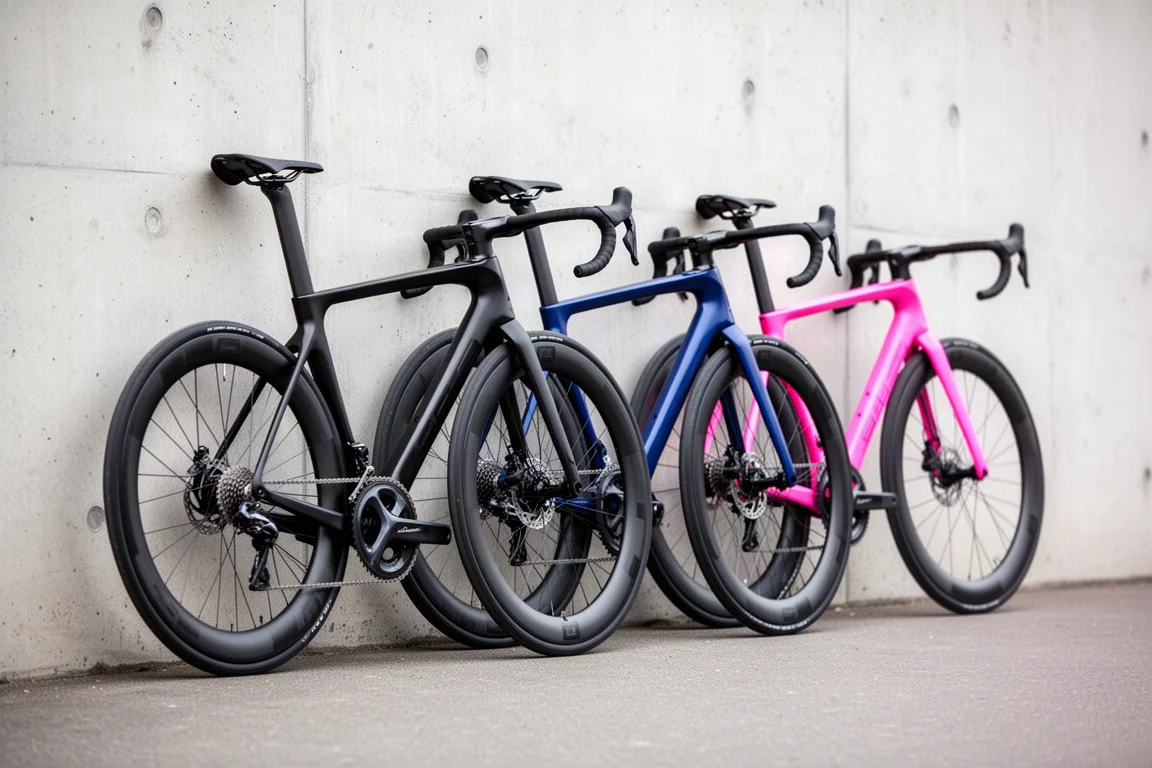
10 New Road Bikes Worth Watching: Aero, Titanium, Steel and Endurance Standouts
A practical roundup of 10 new road bikes, from aero flagships chasing single-watt gains to titanium, steel and endurance platforms built for real roads.
Road Bikes
2026 Tour de France Road Bikes: Six Race Machines Worth a Closer Look
Six race bikes from the 2026 Tour de France grid, reviewed for paint, silhouette, wheels and the specification details that matter to buyers.
Road Bikes
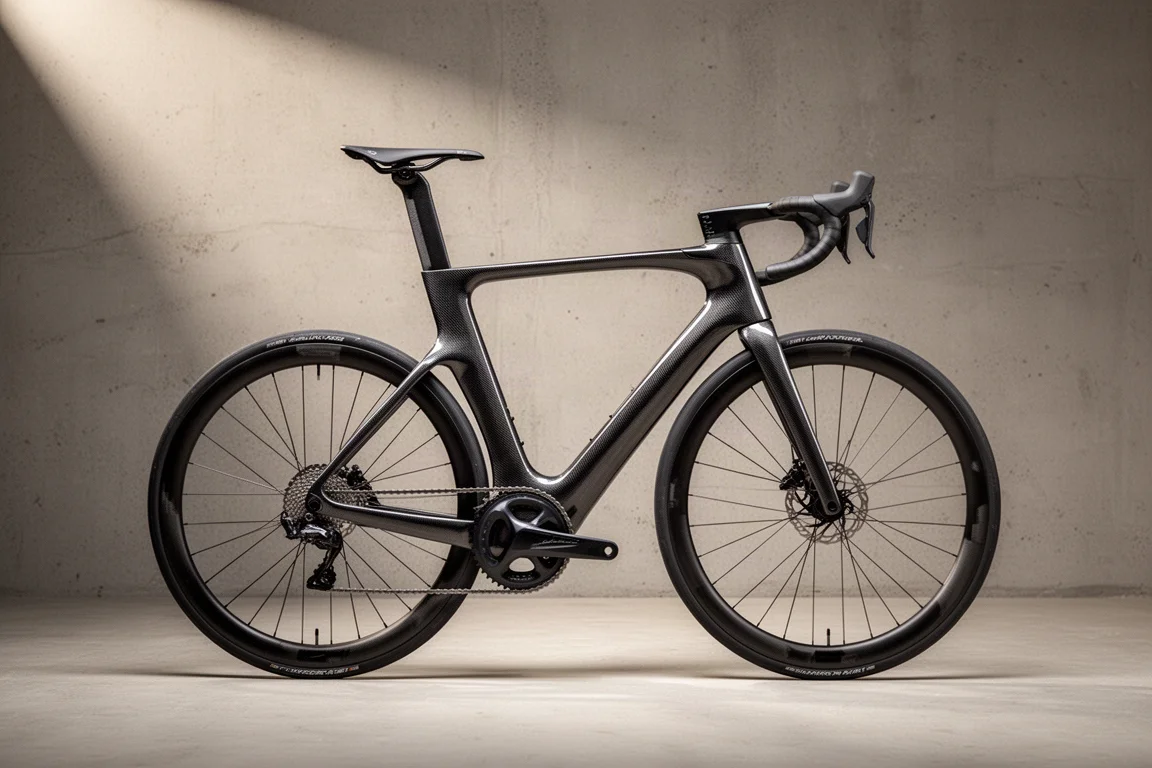
3T Strada Italia Review: A Radical Aero Road Bike That Rides Smooth
A made in Italy carbon aero road bike with a deep head tube, wide tire clearance and a genuinely comfortable ride. Here is what to know before buying.